REVIEW · SIEM REAP
3-Day Angkor, Lake-side Village & Roluos Temples Tour
Book on Viator →Operated by Asia Voyage Travel · Bookable on Viator
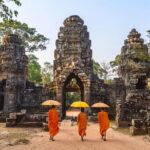
Angkor already looks like a movie set, but this tour adds real convenience with hotel pickup and air-conditioned private transport between sights. I like the smart balance of classic monuments plus quieter stops like Neak Pean and Ta Som, and I especially like the early-day planning that gives you the best shot at sunrise at Angkor Wat. One thing to consider: temple passes and meals aren’t included, so you’ll need to budget extra once you factor those in.
You’ll also notice the service style is built for comfort. Cold bottled water and cold towels keep you from melting in the heat, and the schedule is paced so you’re not constantly burning time on logistics. Guides are described as professional and flexible, and one reviewer specifically praised Mr. Naga for being friendly and responsive—exactly what you want when Angkor days run long.
In This Review
- Key highlights at a glance
- How This 3-Day Tour Keeps Angkor Fun, Not Exhausting
- Getting Around in Siem Reap: Pickup, Air-Conditioned Comfort, Private Pace
- Day 1: Angkor Thom, Ta Prohm, Angkor Wat, and a Careful Plan for Phnom Bakheng
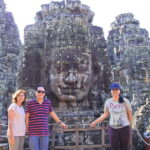
- Angkor Thom and Bayon: Start with the faces
- Baphuon and the Terrace of the Leper King: Quick but meaningful
- Ta Prohm: The trees that swallow temples
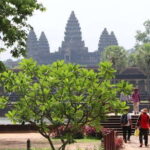
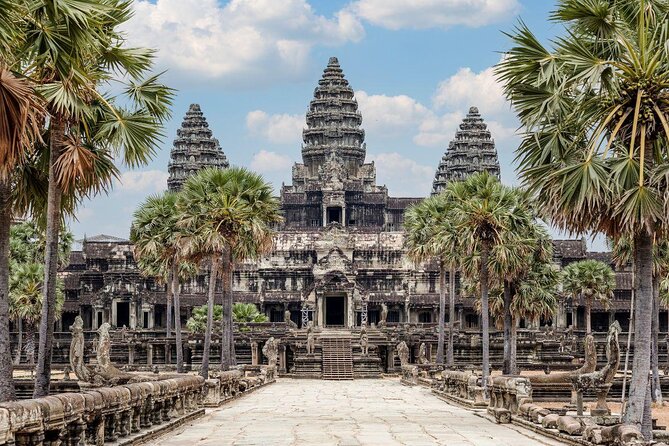
- Angkor Wat: Your main event
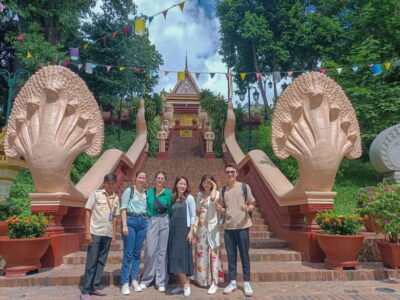
- Phnom Bakheng: Go early, because the summit is controlled
- Day 2: Sunrise at Angkor Wat plus the Temples That Feel Like a Circuit
- Morning: Sunrise over Angkor Wat
- Breakfast and a breather back in town
- Preah Khan and Neak Pean: More shade, different energy
- Ta Som and Eastern Mebon: Short visits that keep the day moving
- Banteay Srei: The famous pink ladies
- Banteay Samre and Banteay Kdei: Optional detours and a final temple before town
- Day 3: Tonle Sap Flooded Villages by Boat and the Roluos Temples Offline from the Main Rush
- Tonle Sap by motorized boat: Flooded village views
- The Roluos group: Bakong, Preah Ko, and Lolei
- Artisans Angkor or the old market: Take home something real
- Price and Value: What You Really Pay for (and What You Still Need to Budget)
- Service Style and Guides: The Small Details That Make Days Run Smooth
- What to Expect Physically (and How to Prep)
- Who This Tour Suits Best
- Should You Book This 3-Day Angkor, Lake, and Roluos Tour?
- FAQ
- What is included in the $148.08 per person price?
- Are temple passes included?
- Are meals included?
- What time does the tour start?
- How early do you leave for the sunrise at Angkor Wat?
- Is this a private tour?
- How does the Tonle Sap lake portion work and how long is it?
- Why do you go early for Phnom Bakheng?
- Can you add the landmine museum or palm sugar manufacture on Day 2?
- Is there free cancellation?
Key highlights at a glance
- Private group only with hotel pickup and drop-off, so you’re not stuck waiting on strangers
- Sunrise at Angkor Wat with a very early departure (5:00am or earlier)
- Tonle Sap flooded villages by motorized boat starting at a port near Kampong Phluok
- Phnom Bakheng timing matters due to summit number limits, so you’ll go early and wait if needed
- One extra Day 2 choice: you can add a palm sugar stop or the landmine museum if you’re interested
- On-the-road comfort with bottled water, cold towels, and an air-conditioned vehicle
How This 3-Day Tour Keeps Angkor Fun, Not Exhausting
Angkor can be a lot—huge distances, heat, and crowds that seem to arrive all at once. This tour handles that by focusing on grouping the sights into sensible days and putting real travel time into the plan, rather than trying to cram everything into one exhausting swing.
The big win is the mix of “wow” monuments and off-main highlights. You’ll get Bayon’s stone faces, Ta Prohm’s tree roots, and Angkor Wat itself—but you also move through places that feel quieter and more spaced out, like Neak Pean and Ta Som. If you like temples that still feel archaeological rather than theme-park busy, that balance is a plus.
The other practical win: this is designed around comfort. Cold bottled water and cold towels are included, and the itinerary includes time for breaks (like lunch stops) instead of pretending you won’t get hungry.
You can also read our reviews of more tours and experiences in Siem Reap
Getting Around in Siem Reap: Pickup, Air-Conditioned Comfort, Private Pace
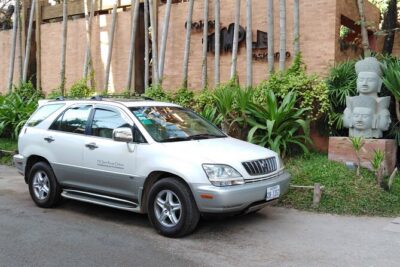
You’re not just buying temple time here; you’re buying the buffer that makes temple time enjoyable. The tour includes private transportation with an air-conditioned vehicle and hotel pickups and drop-offs, which matters because Siem Reap traffic can turn “a short hop” into a slow crawl when you’re moving between sites.
Since it’s private, you don’t have to watch the clock for when another group finishes photos. Your guide can adjust pacing within reason, and that flexibility shows up in the style described: professional, mature, and experienced.
Also note the tour avoids low-quality external add-ons. Instead of sending you to random lunch spots, it says it avoids restaurants that don’t meet a similar quality standard—small detail, but it can make a day feel smoother.
Day 1: Angkor Thom, Ta Prohm, Angkor Wat, and a Careful Plan for Phnom Bakheng
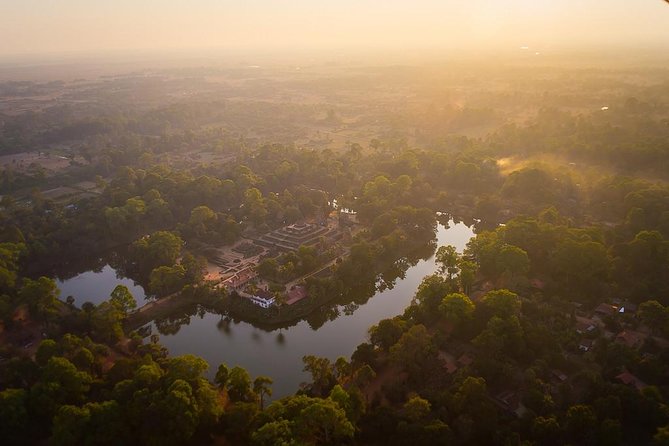
Day 1 is about classic Angkor power—the kind of lineup that helps you understand why people talk about the site for decades.
Angkor Thom and Bayon: Start with the faces
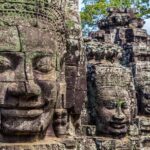
You begin at Angkor Thom, then head for Bayon, famous for its many stone faces. This first stop is a smart opener because Bayon gives you an instant sense of scale and style before you move into other architectural moments. Plan for time to slow down—close-up details like stonework and facial expressions reward patient viewing.
Baphuon and the Terrace of the Leper King: Quick but meaningful
From Bayon, you do a quick nearby stop at Baphuon, then continue deeper into Angkor Thom’s area for the Terrace of the Leper King (along with the nearby Elephant Terrace). These are shorter stops on purpose. They help you see variety without turning the day into a nonstop march.

Ta Prohm: The trees that swallow temples
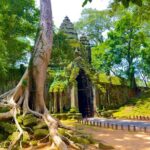
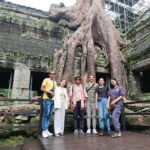
Next is Ta Prohm, known for the ancient trees growing through and around the structures. This is the temple people picture from photos—and it still hits in person. The best approach is to move slowly and look for how the roots interact with doorways and walls, not just the big headline scene.
Angkor Wat: Your main event
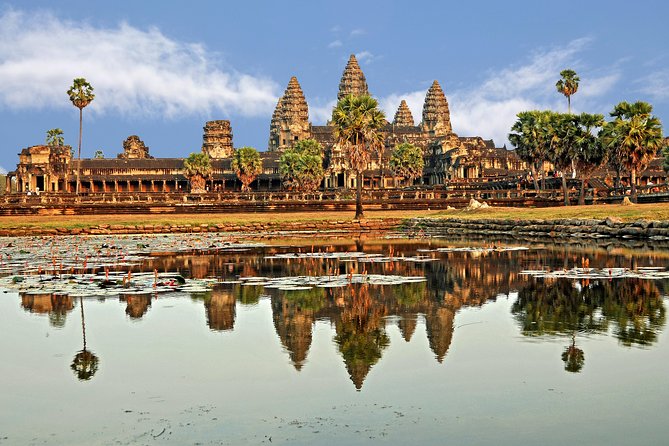
After a lunch break at a nearby restaurant, the tour continues to Angkor Wat with a longer visit window (3 hours). This is your chance to see Angkor Wat with less rush than a quick one-hour stop. If you’re only visiting once, make that time count: prioritize key views, then spend time lingering where the light hits the carvings and causeways.
Phnom Bakheng: Go early, because the summit is controlled
Finally, you end with Phnom Bakheng. The key detail: you’ll likely mix with crowds at the top, and you have to go early because there are restrictions on the number of people allowed on the summit. Translation: you may wait. If you go in expecting that, Phnom Bakheng can feel like a “managed” climb rather than a stressful one.
Day 2: Sunrise at Angkor Wat plus the Temples That Feel Like a Circuit
Day 2 is where the tour earns its keep. You start very early—leaving your hotel at 5:00am or earlier—to catch sunrise over Angkor Wat. That early start isn’t optional window dressing; it’s a major reason this tour works for most people.
Morning: Sunrise over Angkor Wat
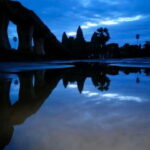
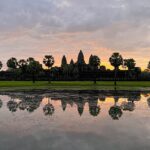
You’ll depart, arrive, and join the early-risers as the sky changes. If the weather cooperates, sunrise at Angkor Wat is one of those moments that makes the early wake-up feel justified. When you plan this day correctly, you’re not fighting later crowds for the best angles.
Breakfast and a breather back in town
After that, you return to your hotel. The schedule mentions enjoying an inclusive breakfast if it’s included in your hotel rate, and it notes you can stop at a restaurant if you prefer. Since meals aren’t included in the tour price, think of this as time for you to eat comfortably rather than a guaranteed meal from the tour.
Preah Khan and Neak Pean: More shade, different energy
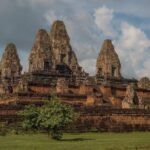
Then you head to Preah Khan for about an hour, followed by Neak Pean at the middle of a man-made lake. This set is a nice shift in tone from Angkor Wat’s iconic grandeur. It’s also a good day for taking breaks between temples, because you’re building momentum across the region rather than hitting everything in one compressed block.
Ta Som and Eastern Mebon: Short visits that keep the day moving
You stop again at Ta Som (another 45 minutes), then see the ruins of Eastern Mebon. After so many monuments, the plan includes time to stop for lunch. That matters because it’s the point where your brain starts to go on autopilot. A real lunch pause helps you reset.
Banteay Srei: The famous pink ladies
After lunch, you settle into a longer drive for Banteay Srei, often called the pink ladies because of the color of the stone. This is one of those temples that rewards paying attention to carving details and layout, not just the look-from-a-distance wow.
Banteay Samre and Banteay Kdei: Optional detours and a final temple before town
On the return journey, you visit Banteay Samre. The tour includes the option to add either a palm sugar manufacture stop or the landmine museum if you’re interested. After that, the day finishes with Banteay Kdei before returning to town.
This optional choice is worth thinking about. The temple stops are straightforward for most people. The optional side trips are different. If you want context beyond stone, choose the landmine museum. If you want something more everyday and local, consider the palm sugar stop.
Day 3: Tonle Sap Flooded Villages by Boat and the Roluos Temples Offline from the Main Rush
On day 3 you shift gears from dry-land temples to life around Tonle Sap Lake. The tour starts at 8:30am, and you head to the boat port near Kampong Phluok.
Tonle Sap by motorized boat: Flooded village views
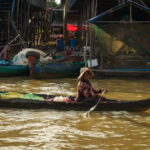
You’ll tour the flooded villages on a motorized boat for about 4 hours. Most houses in these areas sit on stilts when the water rises, so the whole setting changes with the seasons. The description emphasizes a steady movement along waterways, which is ideal because it avoids the feeling of a rushed “drop-off tour.”
After the boat time, you have lunch at a floating cafe. That’s not just for convenience—it’s part of the Tonle Sap experience. Then you move back to dry land for the next temple set.
The Roluos group: Bakong, Preah Ko, and Lolei
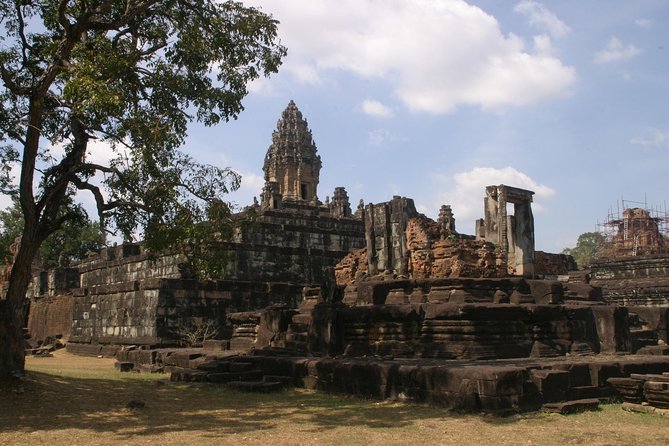
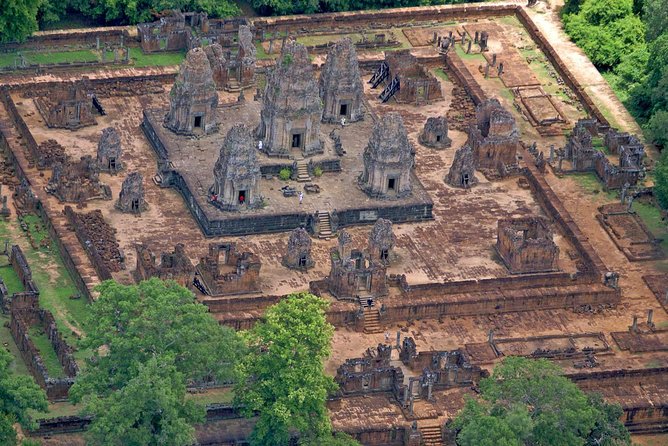
Next up is the Roluos group, including Bakong, Preah Ko, and Lolei (covered in a longer block of time). This is a good day to slow down and look at how these temples relate to the broader Angkor story. Even if you already saw Angkor Thom and Angkor Wat, Roluos can feel like a different chapter.
Artisans Angkor or the old market: Take home something real
Before you end, the tour stops in town for crafts and souvenirs—either at Artisans D’Angkor or the old market downtown Siem Reap. This is a practical final touch. You’ll be shopping after temple days, when you’re ready to browse rather than hunt.
Price and Value: What You Really Pay for (and What You Still Need to Budget)
The price is $148.08 per person for a 3-day private experience. That sounds straightforward until you look at what’s included versus what’s not.
What you get included is solid and practical:
- Private transportation in an air-conditioned vehicle
- Hotel pickup and drop-off
- Fee for motorised boat
- Cold bottled water and cold towels
What’s not included:
- Temple passes (3-day)
- Meals, soft drinks, alcohol
So the value equation is simple: you’re paying for movement, comfort, and access logistics. You’re not paying for the temple ticket itself or your lunches/dinners. For many visitors, that separation actually helps—you can choose where and how to eat based on your preferences.
If you’re the type who hates standing in lines or figuring out transport between scattered sites, this tour is usually a good fit. You’re also paying for a guided structure, which makes it easier to connect what you’re seeing across multiple days.
Service Style and Guides: The Small Details That Make Days Run Smooth
The tour description emphasizes professional guides, experienced drivers, and a focus on quality. One reviewer specifically praised Mr. Naga as professional, flexible, and ultra friendly, and that kind of guide personality matters when a day includes early mornings and temple summit limits.
In practical terms, a good guide changes three things:
- How quickly you get oriented at each site
- Whether you know what to prioritize at big temples like Angkor Wat
- How the schedule handles real-world heat, crowds, and timing constraints
This tour also includes bottled water and cold towels. That might sound minor, but when you’re walking in intense sun, those small comfort items are what keep the day from turning into “just survive until lunch.”
What to Expect Physically (and How to Prep)
The tour notes moderate physical fitness. That fits Angkor-style sightseeing: walking between temple areas, climbing steps (especially at places like Phnom Bakheng), and dealing with uneven ground and crowds.
Pack with the heat in mind. Comfortable shoes help you handle stone surfaces and stair steps. Bring a hat and sunscreen if you use them. And because day 2 starts at 5:00am or earlier, plan to go to bed early on day 1.
Hydration is built in with cold bottled water, but you’ll still feel better if you carry a personal strategy: sip often, don’t wait until you feel thirsty, and take shade breaks when you can.
Who This Tour Suits Best
This is a strong match if you want:
- A private Angkor plan with hotel pickup and air-conditioned transport
- Sunrise time at Angkor Wat without having to arrange logistics yourself
- A mix of famous temples and less-constant crowd energy
- A meaningful extra day with Tonle Sap flooded villages by boat
It may not be ideal if you want a fully DIY style where you control every detail and don’t want scheduled stops. Also, because temple passes and meals aren’t included, you’ll want to plan your budget upfront so the total cost doesn’t surprise you.
Should You Book This 3-Day Angkor, Lake, and Roluos Tour?
If you want Angkor without the hassle—structured days, reliable transport, and real comfort—this tour is a sensible booking. The sunrise element, the controlled plan for Phnom Bakheng, and the Tonle Sap lake boat portion are the kind of details that are hard to stitch together smoothly on your own.
I’d book it if you’re aiming for a medium-length stay and you like a mix of landmark temples and regional variety. I’d hesitate only if you already have temple logistics figured out and you don’t care about early starts or guided pacing. For most first-timers to this area, the “less stress, more seeing” approach is exactly what you’re paying for.
FAQ
What is included in the $148.08 per person price?
The tour includes private transportation in an air-conditioned vehicle, hotel pickups and drop-offs, the fee for the motorized boat, and cold bottled water plus cold towels.
Are temple passes included?
No. Temple passes for a 3-day visit are not included.
Are meals included?
No. Meals, soft drinks, and alcohol are not included.
What time does the tour start?
The meeting point start time is 8:30 am.
How early do you leave for the sunrise at Angkor Wat?
On day 2, the tour leaves your hotel at 5:00am or earlier to visit Angkor Wat for sunrise.
Is this a private tour?
Yes. It’s a private tour/activity, and only your group will participate.
How does the Tonle Sap lake portion work and how long is it?
It starts at 8:30am and includes a motorized boat ride from the port area near Kampong Phluok to tour the flooded villages. This portion lasts about 4 hours.
Why do you go early for Phnom Bakheng?
Because there are restrictions on the number of people allowed at the summit, you need to go early and wait.
Can you add the landmine museum or palm sugar manufacture on Day 2?
Yes. On day 2, there is a stop where you can choose between a palm sugar manufacture stop or visiting the landmine museum if you’re interested.
Is there free cancellation?
Yes. You can cancel for a full refund up to 24 hours before the experience’s start time.