REVIEW · SIEM REAP
Siem Reap: Tonle Sap, Kampong Phluk & Floating Village Tour
Book on GetYourGuide →Operated by Angkor Wat Combine Tours · Bookable on GetYourGuide
Tonlé Sap runs your day, not the clock. This 6-hour Siem Reap trip gives you a close look at how Kampong Phluk changes with the water levels, from stilt homes to daily routines. I also love the way the tour builds toward a sunset on the lake, when the whole river-bay-horizon scene softens and slows down.
One thing to plan for: the best up-close mangrove feel often comes from an optional small-boat ride that costs extra, and in lower-water seasons the village may be more walkable than floating.
In This Review
- Key Highlights You’ll Actually Notice
- Why Tonlé Sap and Kampong Phluk Make Sense from Siem Reap
- Getting There: Pickup, Minibus Time, and When Your Day Starts
- Kampong Phluk Stilt Houses and Duck Boats: The Core Experience
- Wat Kampong Phluk Pagoda and the School Stop
- Samros Kampong Phluk Restaurant & Bamboo Bar: A Rest Stop with Real Signals
- Mangrove Boat Tour on Tonlé Sap River: Where the Small Boats Show Up
- Sunset Over Tonlé Sap: How to Get the Most from the Final Boat Ride
- Price and Value: Is $17 a Good Deal for This Route?
- Who Should Book (and Who Might Want a Different Day Trip)
- Things to Watch For: Group Size, Hearing the Guide, and Seasonal Differences
- Should You Book This Tonlé Sap Tour?
Key Highlights You’ll Actually Notice
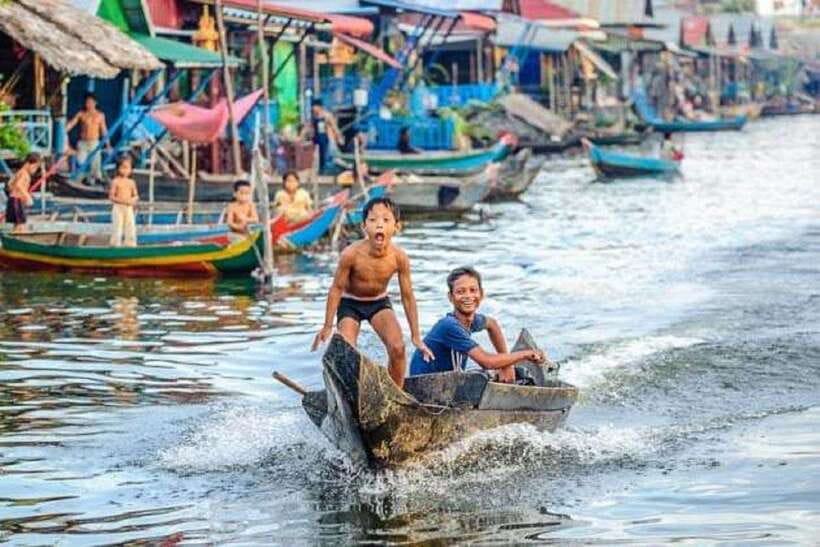
- Seasonal life on Tonlé Sap: homes and travel change with the flood cycle
- Stilt-house views from a big boat: you get perspective fast without rushing
- Wat Kampong Phluk: a real pagoda stop, not a quick photo wall
- Kampong Phluk Primary School: a meaningful community visit when it’s open
- Mangrove swamp boat tour: calm water, mangrove edges, big sky
- Sunset timing: the finish feels designed for golden-hour light
Why Tonlé Sap and Kampong Phluk Make Sense from Siem Reap
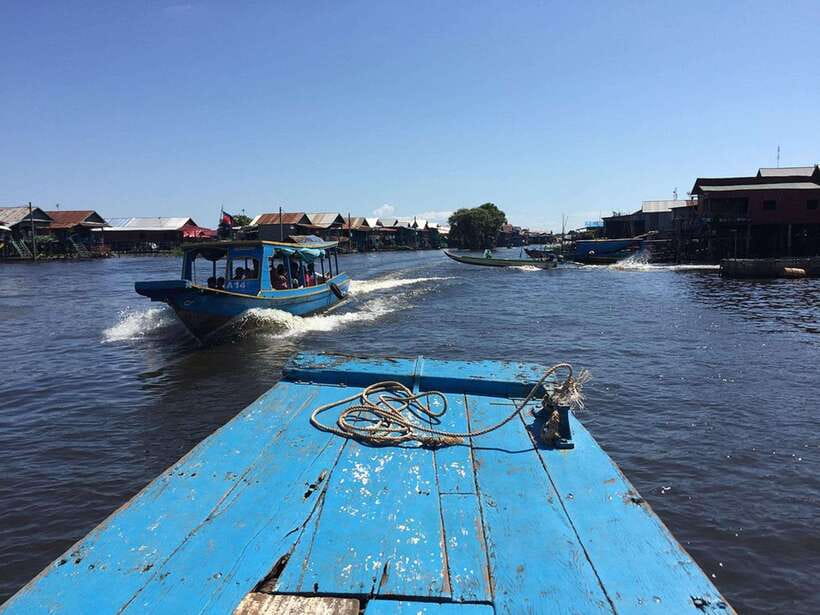
Tonlé Sap isn’t a side show. It’s the engine behind life in and around Kampong Phluk, one of the most famous floating-village communities near Siem Reap. The point of this tour is simple: you’ll see how people live with shifting water, not in spite of it.
In wet season, stilt houses rise above the floodwater, so daily life keeps going. In drier months, parts of the village can be accessed on foot or by smaller boats, and you see the same community from a different angle. That seasonal shift is what makes this day trip interesting even if you’ve seen other Cambodian villages before.
And yes, the lake view matters. This route saves time for a sunset over Tonlé Sap, which turns the final boat ride into the emotional payoff.
You can also read our reviews of more tours and experiences in Siem Reap.

Getting There: Pickup, Minibus Time, and When Your Day Starts
Pick-up is included in Siem Reap city, usually between 7:20am and 8:30am. Expect the pick-up window to be confirmed by message about a day before, and plan to be ready a bit early since pick-up time is about 50 minutes before departure.
Once you’re on the minibus, you’re looking at around 1 hour of travel to Kampong Phluk. That matters because this is a 6-hour tour total: the schedule doesn’t waste time. If you’re the type who likes to linger, bring that energy for the village stops and the water—save extra wandering for after the tour if your legs still want more.
Small practical tip: bring cash. It’s useful for the optional parts of the day and for any small purchases you might want during stops.
Kampong Phluk Stilt Houses and Duck Boats: The Core Experience
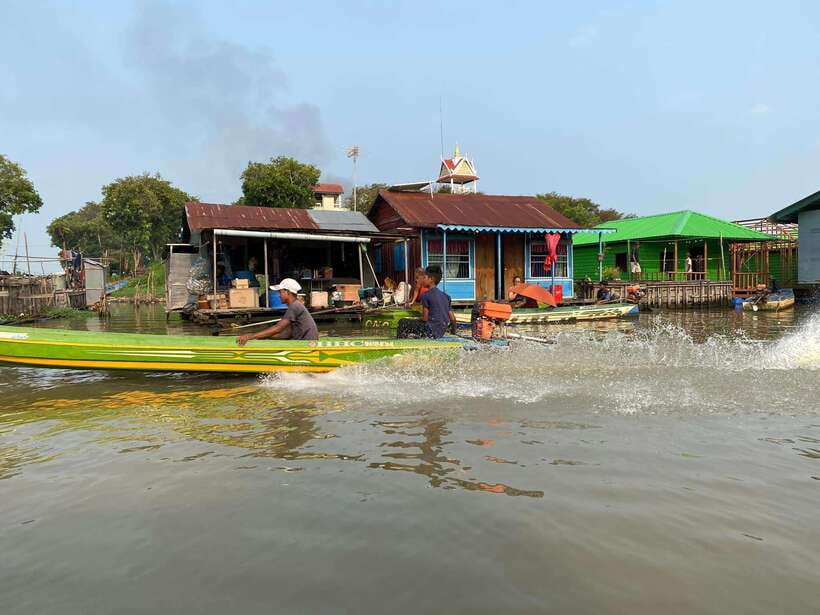
The heart of the day is Kampong Phluk, where stilt houses rise above the lake. From the water, you get an instant sense of the engineering and everyday logic of living with water that can rise and fall dramatically.
Your time here includes guided sightseeing and a duck boat ride on a bigger boat. That’s a smart choice for most people. You’re not getting stuck in mud or waiting for a tight boat schedule—your guide can move the group efficiently from viewpoint to viewpoint, including the areas you can access at different water levels.
In low-water periods, some paths may be walkable, and you might spend more time on foot than you expected from the word floating. A couple of people in recent tours noted exactly this: in dry-season timing, they walked around more than they rode, but they still found the village layout and daily routines just as fascinating.
What you’ll want to do with this stop:
- Slow down and watch how homes sit on poles and platforms
- Look for signs of seasonality in how people move around
- Ask questions about work and school when the guide talks about wet vs dry travel
Wat Kampong Phluk Pagoda and the School Stop
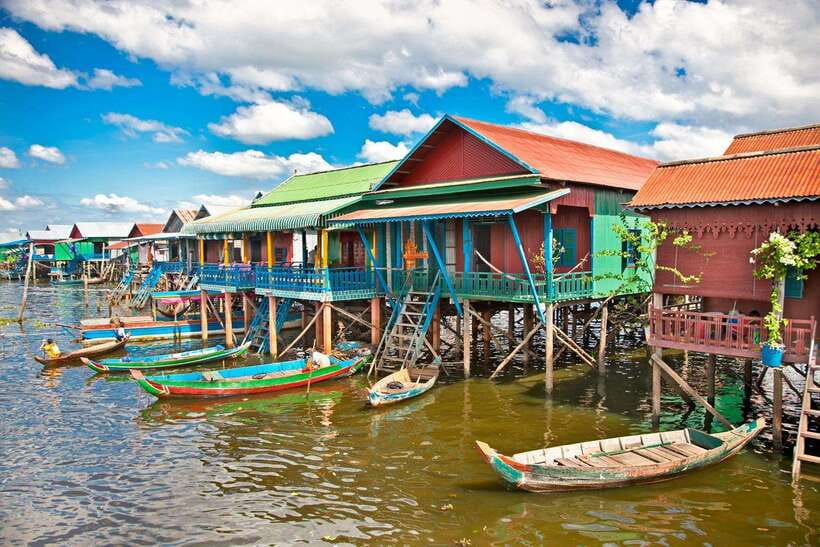
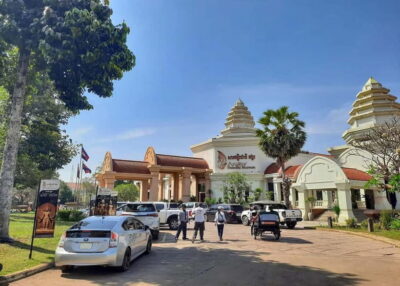
After the village viewing, you’ll head to Wat Kampong Phluk, including a photo stop and guided visit. A pagoda isn’t just a cultural checkbox here. In communities like this, religious buildings often sit at the center of local life, and the stop helps you connect what you’re seeing on the water to how the community organizes itself.
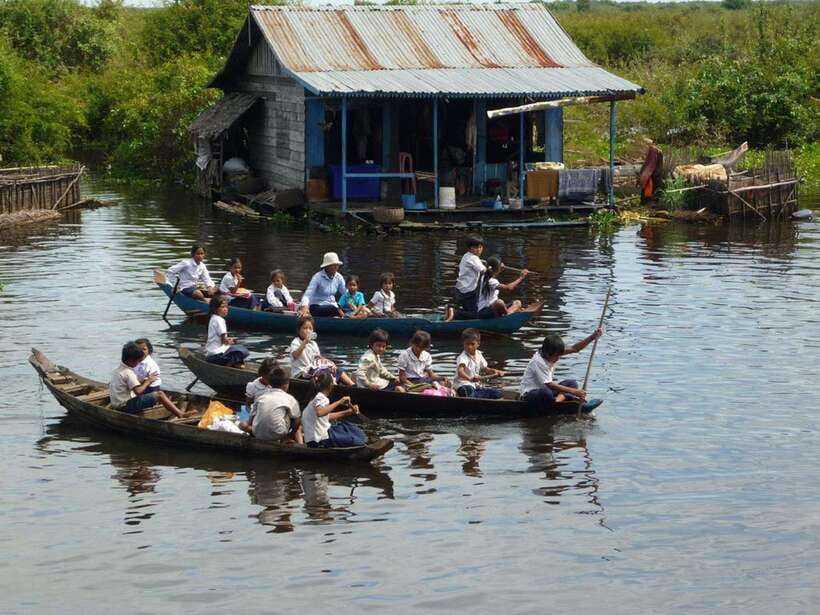
Then comes the school. The tour includes a photo stop and a visit to Kampong Phluk Primary School, and it’s timed for when the school is open. This is one of the most meaningful parts of the day because it shifts the focus from structures to people and routines.
A practical note: be respectful with photos. One caution I picked up from the day: some visitors took pictures of kids without much interaction or apparent permission. If you want a moment, do it gently—smile, ask, and keep it about connection rather than documentation.
Also, if you’re traveling with kids of your own or you work in education, this school stop tends to land harder (in a good way). One teacher specifically mentioned loving the chance to see the school experience up close.
Samros Kampong Phluk Restaurant & Bamboo Bar: A Rest Stop with Real Signals
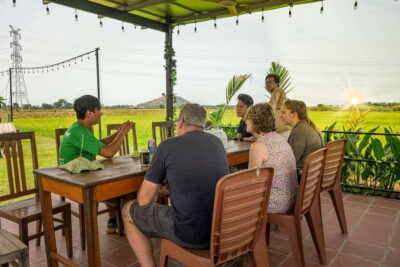
You’ll stop at Samros Kampong Phluk Restaurant & Bamboo Bar for another photo stop and guided visit. This is usually the moment when the group feels the heat the most, so think of it as a built-in breather.
What makes this stop useful isn’t the food (you may or may not buy anything). It’s the human context. This is where tourism and local livelihoods touch, and your guide can explain how the area hosts visitors while still being a real community.
Keep your expectations practical: it’s a stop, not a long meal. Bring water needs with you, and use the break to re-check your hat, sunglasses, and sun protection.
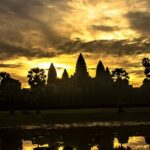
Mangrove Boat Tour on Tonlé Sap River: Where the Small Boats Show Up
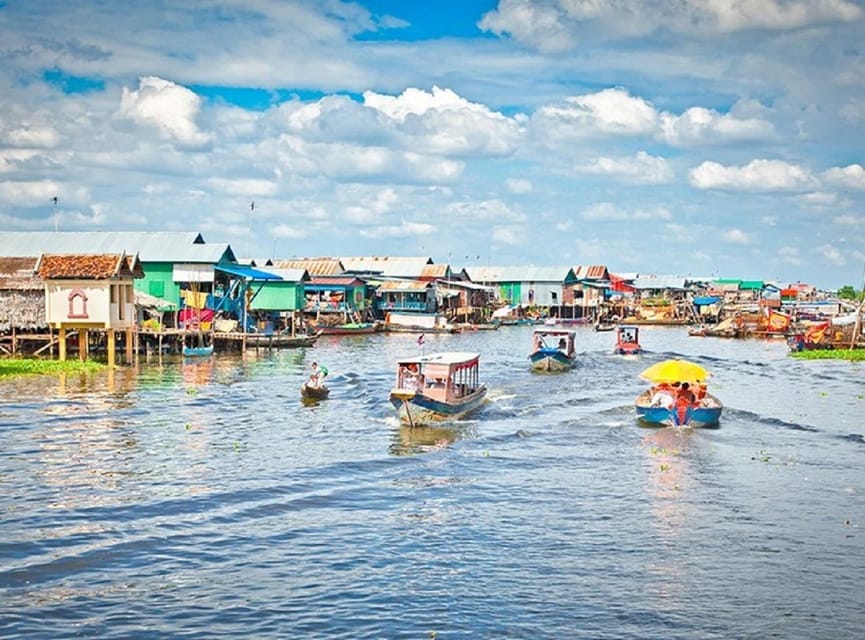
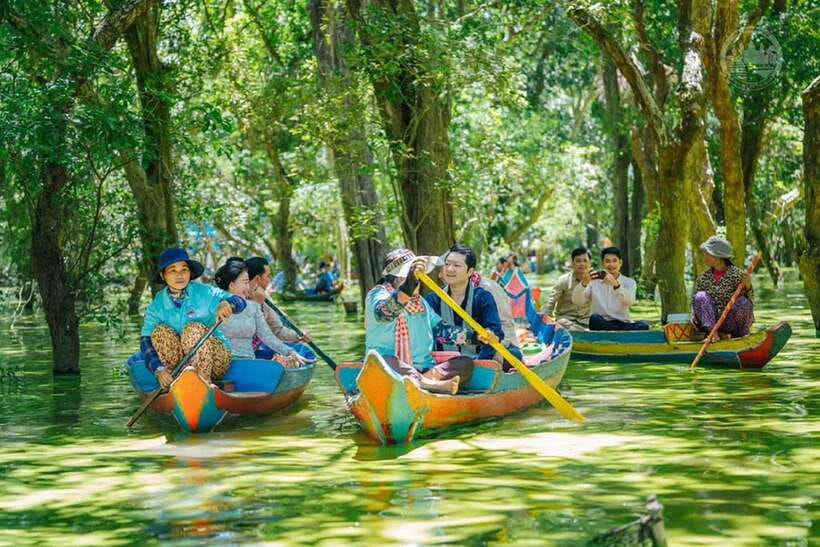
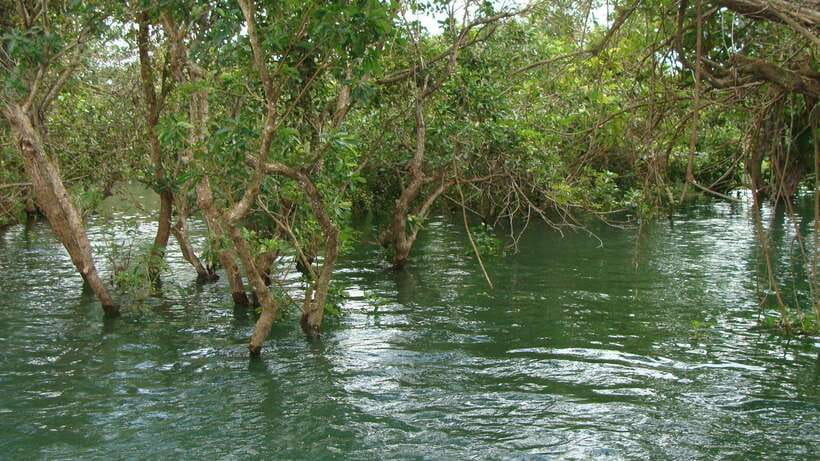
The day’s water portion ends with a Tonlé Sap River mangrove swamp boat tour, with sightseeing and a sunset finish. Even though this is still part of the planned route, it feels different from the village cruise because mangroves bring slower motion and tighter visuals.
You’re also likely to hear about an optional small-boat add-on that runs closer to the mangrove edges, often described as a rowboat or canoe experience through a more enclosed flooded forest area. This isn’t included in the base price, and costs extra.
Here’s the honest trade-off:
- Some people found it worth paying for because it gets you closer to the village-habitat edge
- Others felt it was overpriced for how brief the ride was
The fact that you pay extra is not hidden. Just don’t assume it’s included. If you hate add-on surprises, ask up front what’s optional and what the price is that day.
Safety and comfort note: getting on and off smaller boats can be harder, especially if you have balance issues. One participant even suggested a step for easier access. If you’re older or have knee issues, consider that before you pay for any tight-boat experience.
Sunset Over Tonlé Sap: How to Get the Most from the Final Boat Ride
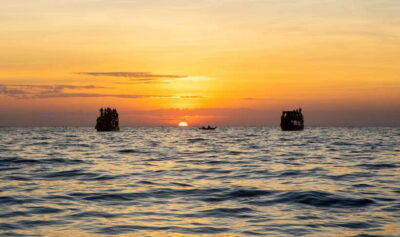
This tour ends with the real star—sunset over Tonlé Sap—and it’s timed so you’re on the water for it. That matters. From shore, sunset can feel like a postcard moment. From a boat, it feels like watching the light spread across a living surface.
You’ll notice:
- Softer color over stilt houses and water edges
- Calm reflections when the wind eases
- A shift in pace where conversation drops and people just look
If you want great photos, bring your phone care into the moment. With boat rides, conditions can be bright, and glare can kill a shot. Sunglasses help your eyes, too, because you’ll actually enjoy the view instead of squinting.
When the sunset portion ends, you’ll head back by bus to Siem Reap—either to your hotel or you can ask the driver for a drop-off near the market or Pub Street.
Price and Value: Is $17 a Good Deal for This Route?
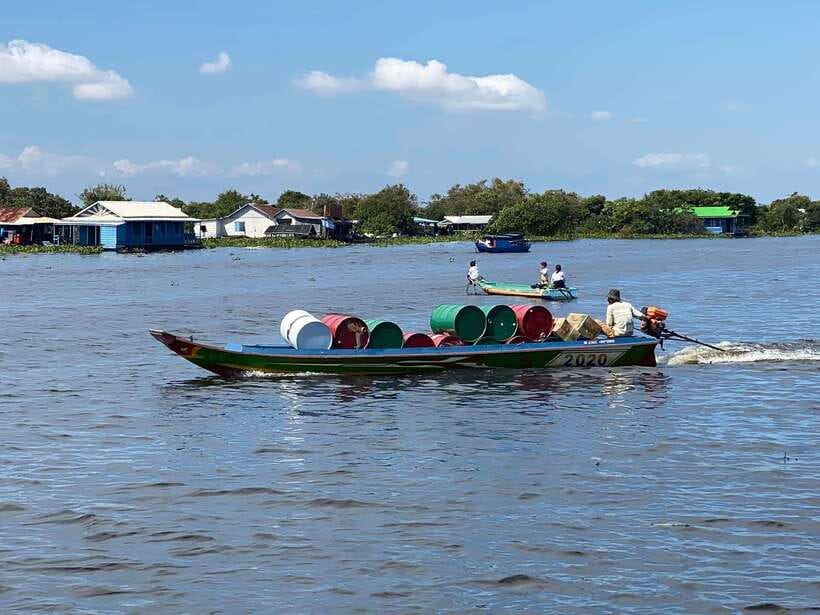
At about $17 per person for a 6-hour tour, the value comes from what’s included, not just the low number. Your day typically covers:
- Pickup and drop-off within Siem Reap city
- An English-speaking guide
- Entrance fees
- Big boat rides (including the village area cruise and mangrove swamp tour)
- Minibus transportation
- Drinking water
What is not included is the small-boat ride option. Based on real experiences, that’s where some people feel the biggest swing—either it becomes a highlight worth paying for, or it feels like a short add-on at an annoying price.
My take: the base tour is strong because you’re paying for a full day structure with transport, guiding, and the main boat experiences. The add-on is optional but common—so treat it like a bonus, not a requirement.
If you’re budgeting tightly, skip the small boat and still enjoy the big-boat village views plus the mangrove ride and sunset. If you love boats and want closer habitat views, the optional canoe/rowboat is the one splurge to consider.
Who Should Book (and Who Might Want a Different Day Trip)
This tour fits best if you want a day that feels real and human-sized. It’s not built around temples and big-ticket photo crowds. Instead, you’ll spend time in a working community—stilt houses, a pagoda, and a school when it’s open—then finish with water scenery and sunset.
It’s also a good match for:
- People who like guided context, not just sightseeing
- Travelers who can handle heat and outdoor walking
- Anyone curious about how Cambodians adapt to wet/dry seasons
Less ideal if:
- You have mobility issues that make boat steps hard (the tour isn’t wheelchair accessible due to boat access and uneven surfaces)
- You’re extremely elderly; the tour notes it’s not suitable for people over 95 years
- You’re traveling with pets (pets aren’t allowed)
Things to Watch For: Group Size, Hearing the Guide, and Seasonal Differences
A few practical realities can affect your enjoyment.
Water levels change everything. In the dry season, the village may not be underwater the way you picture floating homes. That can be amazing too, because you see different access routes and the same community from another angle. Just don’t expect every part to be fully flooded every month.
Group logistics can affect comfort. Some people noted good group size and a comfortable mini bus. Others mentioned larger groups and that audio could be an issue in bigger setups—one person even wished for a loudspeaker. If you want to catch every detail your guide explains, position yourself closer when the guide is speaking.
Transport comfort is what you pay for. The tour includes minibus transport, but at least a few reports pointed to older vehicles and heat or mechanical comfort issues. The route is short, but it’s still a bus day. Plan for it like you would any budget-friendly tour transport.
Finally: optional add-ons can be where opinions split. Mangrove canoe/rowboat add-ons were praised as memorable by many, while others felt they were overpriced or too short. Ask questions early and decide once, not mid-moment.
Should You Book This Tonlé Sap Tour?
Book it if you want a Siem Reap day trip that explains daily life rather than just checking off sights. You’re getting a full rhythm—stilt-house village time, a pagoda, a school visit when open, mangrove water, and a sunset finish. For the money, the included boat rides and guiding do the heavy lifting.
Skip or choose a different option if you hate add-on fees, dislike boat transfers, or are traveling during a season when you strongly prefer the village to look fully underwater. And if you’re sensitive about hearing the guide, you’ll likely enjoy the tour more if you’re attentive to where you sit on the boat.
If your goal is to understand how Tonlé Sap communities live with the seasons, this is one of the better ways to spend a single day in the area.