REVIEW · SIEM REAP
Wildlife Expedition: Elephant Sanctuary, Kbal Spean Banteay Srei
Book on Viator →Operated by Marvel Angkor Tours · Bookable on Viator
Four temples, photo-ready, early in the day. This private Siem Reap experience strings together Angkor Wat, Bayon, Ta Prohm, and the quieter Ta Nei with an English-speaking guide and a professional photographer who helps you leave with better pictures than you’ll get on your own. You also get off-peak timing, so you’re not just wall-to-wall with tour groups.
I especially like that you move in an air-conditioned private vehicle with water and snacks, then you spend your temple time actually looking at details (not fighting for space). The other big win is the guide time: it’s private, so you’re not shouting over a busload of people. One consideration: the $64 price does not include the 1-Day Angkor Temple Pass (listed at $37 per person).
You’ll start and end back around Krong Siem Reap, and the tour is set up for a smart-casual outfit. In the guide names that show up again and again, you may see people like John (Suon Davann), Davann Suo, or Pich—those names come with a reputation for strong temple explanations and handling the day’s heat.
In This Review
- Key highlights that make this tour worth your time
- Angkor Wat at off-peak hours: where the day sets the tone
- Bayon Temple and Jayavarman VII: the stop that teaches you how to look
- Ta Prohm (Tomb Raider temple): why the movie connection isn’t just marketing
- Ta Nei Temple in the forest: the quiet payoff for going beyond the obvious
- Guide attention and a professional photographer: the real value inside the price
- Price, temple pass, and what you should budget before you book
- Timing, comfort, and what to wear for temple walking
- Who this private Angkor temple photo tour is best for
- Should you book this Angkor Wat photo-focused private tour?
- FAQ
- Is the Angkor Temple Pass included in the tour price?
- What’s included in the tour besides the guide?
- How long is the experience?
- Do they offer hotel pickup in Siem Reap?
- Is this tour private or shared?
- Can I cancel for a refund?
Key highlights that make this tour worth your time
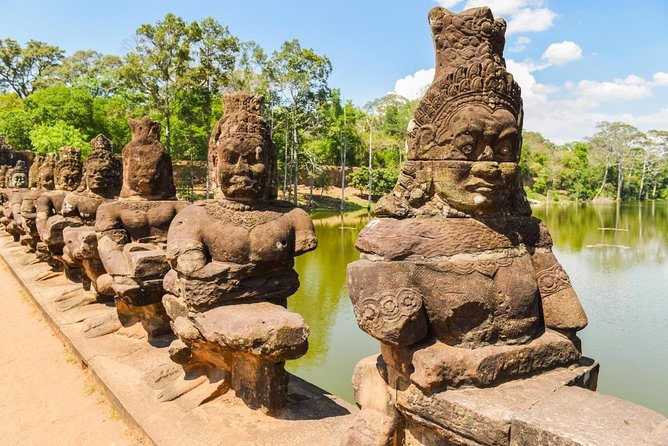
- A pro photographer on board for temple portraits and quick scene-setting shots
- Off-peak Angkor Wat time to escape the densest crowds
- Private, English-speaking guide attention so you can ask questions and get context
- Movie-famous Ta Prohm in the Tomb Raider story, with the temple atmosphere you came for
- Ta Nei Temple in the forest for a calmer, more tucked-away feel
Angkor Wat at off-peak hours: where the day sets the tone
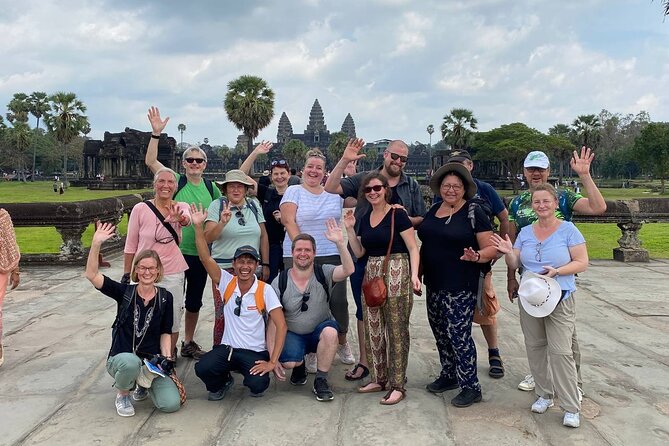
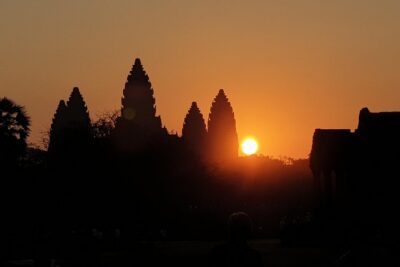
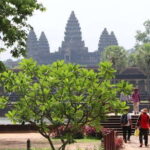
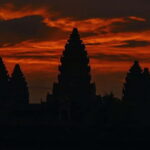
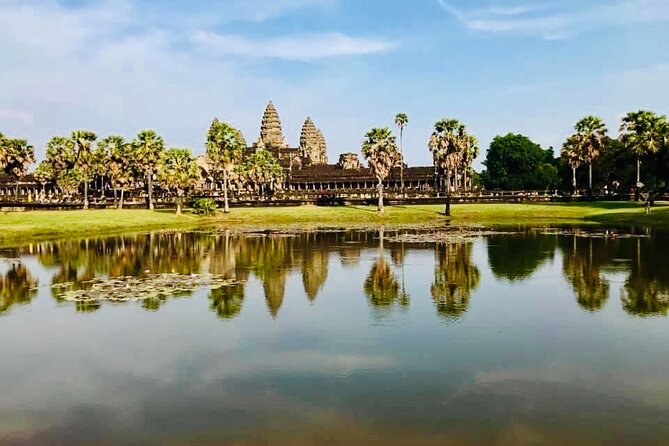
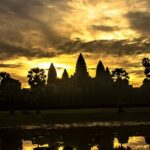
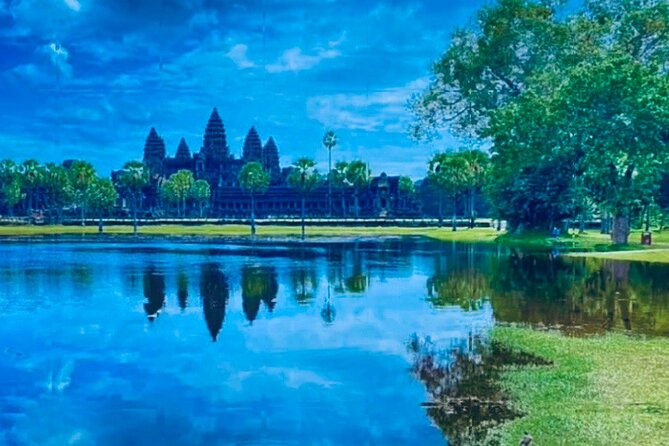
Angkor Wat hits hard even if you’ve seen photos a hundred times. This tour starts with Angkor Wat first, giving you the kind of momentum that’s hard to recreate when you join the flow later in the morning. It’s the early-12th-century mountain temple built by Khmer King Suryavaraman II, and it’s described here as the largest religious monument ever built—big on scale, big on impact, and built for viewing from multiple angles.
Spending about two hours here matters. You’re not rushing through gates like you’re collecting stamps. You can pause for sightlines, take in how the temple layout pulls your eyes forward, and then reset your feet before the next stop. If you’ve ever tried to do this circuit alone, you know the hardest part isn’t the architecture—it’s the timing. Here, the off-peak approach is the point. You get a quieter first encounter, then the rest of the day is easier to enjoy.
Practical note: the tour includes mineral water and tissue, which is helpful because Angkor is a long walking day even at a relaxed pace. The included “sun light” detail is a reminder you should plan for sun exposure. Go in with a hat, sunscreen, and a calm attitude toward heat.
You can also read our reviews of more tours and experiences in Siem Reap

Bayon Temple and Jayavarman VII: the stop that teaches you how to look
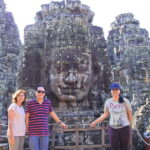
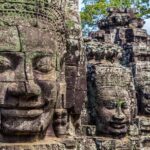
After Angkor Wat, you head to Bayon for about one hour. Bayon is tied to Jayavarman VII in the late 12th or early 13th century, built for Mahayana Buddhism. This stop works best when you shift from wow-factor sightseeing into slower interpretation. That’s where a good guide makes a real difference.
Bayon is known here for distinctive features, and the time window is short on purpose. You’ll likely arrive with fresh eyes from Angkor Wat, then Bayon becomes the “okay, now I get what I’m seeing” moment. If you want the classic Angkor experience, Bayon gives you more religious and royal context without turning your day into a museum crawl.
The drawback of short time? If you love taking your time and sketching every doorway or carving, one hour might feel tight. Still, it’s a reasonable pacing choice for a 5 to 6 hour day. It keeps you moving toward Ta Prohm while energy is still decent.
Ta Prohm (Tomb Raider temple): why the movie connection isn’t just marketing
Ta Prohm is the big character in the popular imagination. It’s called the Tomb Raider temple because the film shot there, and this tour leans into that recognition for a reason: it’s not a gimmick when you’re standing in the place. The temple atmosphere at Ta Prohm is the kind of setting you remember instantly—part monument, part living scene.
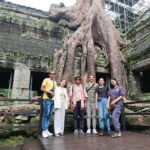
You’ll spend about one hour here. In that time, your guide can point out what makes Ta Prohm feel different from the other stops, and your photographer can help you frame it. This is where the photo support matters most, because Ta Prohm is full of awkward spaces for self-taken photos. The photographer can guide you on angles and timing so your pictures don’t look like you were just trying to survive the crowds.
One thing to watch: one hour means you’ll likely do a “great highlights” walk rather than a slow, lingering loop. If you’re a serious temple-photographer, you may want extra time on your own later. For most visitors, though, the one-hour window hits the sweet spot: you get the mood, the context, and good photos without burning your whole day.
Ta Nei Temple in the forest: the quiet payoff for going beyond the obvious
Ta Nei is where this tour earns its “escape the crowds” promise. This temple is hidden in the forest, far from other temple areas, and it’s constructed at the end of the 12th century by Jayavarman VII to dedicate to Buddha. You go here at the end of the main temple circuit, after Angkor Wat, Bayon, and Ta Prohm.
The value of Ta Nei is simple: it gives you a different feeling than the busiest Angkor zones. Instead of chasing the next famous landmark, you slow down in a more secluded setting. That’s the moment when the temples start to feel less like an itinerary and more like a place.
This stop is about one hour, so you still get variety in your day. The risk is that by the time you reach Ta Nei, you may be heat-tired. But that’s also when a well-paced route is helpful. If the earlier stops are handled efficiently, Ta Nei becomes a calm closing chapter rather than a struggle at the finish line.
Guide attention and a professional photographer: the real value inside the price
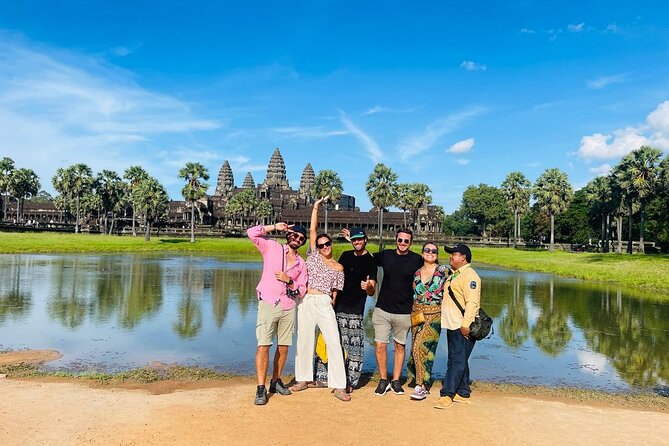
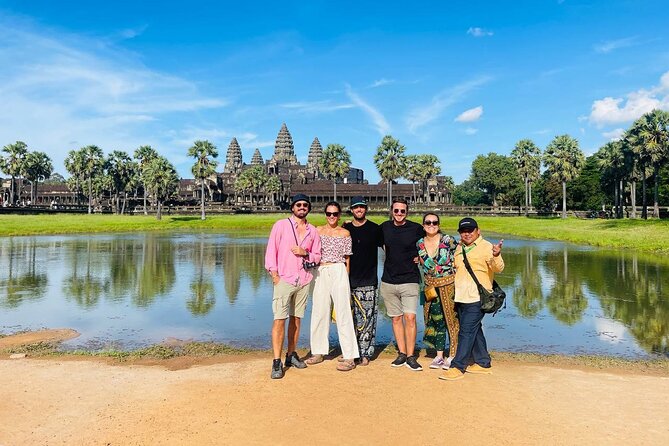
A $64 tour price can look small until you break down what’s actually included. Here’s the practical picture: you get a professional English-speaking tour guide, a professional photographer, a private luxury vehicle (car/van), and basic comfort items like mineral waters and tissue plus natural fruits.
That photographer piece is what shifts the value. If you’re the type who wants photos that look like you planned the shot, this matters. At Angkor, most people end up with shaky, overexposed images because they’re trying to manage everything at once: timing, crowds, angles, and heat. A photographer solves the coordination problem. You still have to enjoy the day, but you’re not stuck constantly fiddling with your phone.
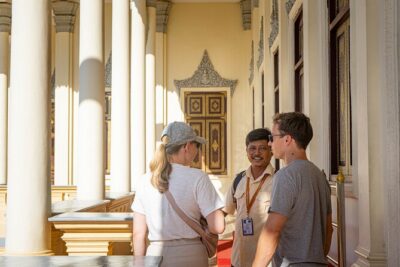
The guide matters just as much. The day’s history is not just a list of dates. It’s about how each temple reflects Khmer kings and religious devotion, and how the stops connect as you move through the circuit. With private guiding, you can ask follow-up questions when something clicks—then you carry that understanding into the next temple.
You’ll also likely notice another “hidden” benefit: the pacing. With a private vehicle and a set order (starting with Angkor Wat, then Bayon, then Ta Prohm, then Ta Nei), you avoid a lot of the random wandering that turns temple days into stress.

Price, temple pass, and what you should budget before you book
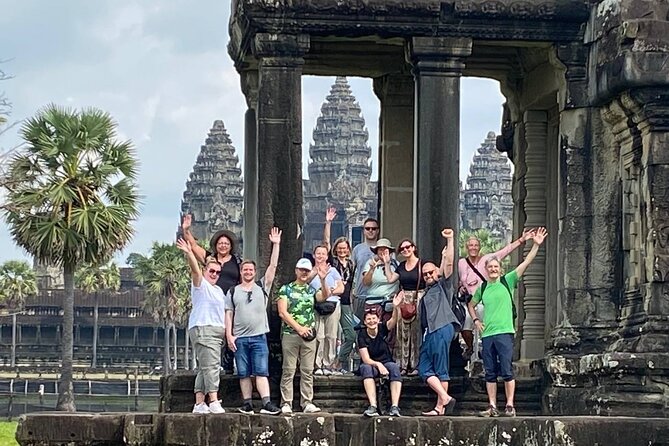
Your base price is $64, and it includes guide, photographer, private vehicle, water, tissue, and fruit. Not included is the 1-Day Angkor Temple Pass at $37 per person. Add tips if you feel the guide and photographer earned them. Food and drinks are also not included, so you’ll want to plan for that gap depending on your schedule.
Here’s how I think about value in a case like this:
- If you were doing this without a photographer, you’d likely spend time and energy trying to get photos yourself, and you might still need a guide for interpretation.
- If you wanted a guide plus transport, you’d pay a lot more than $64 in most places.
- The pass fee is a fixed reality for the sites, so comparing total cost is fair.
Total out-of-pocket estimate before tips: $101 per person ($64 tour + $37 pass). For that, you’re not just visiting temples—you’re getting help with photos and a smoother day flow.
Timing, comfort, and what to wear for temple walking
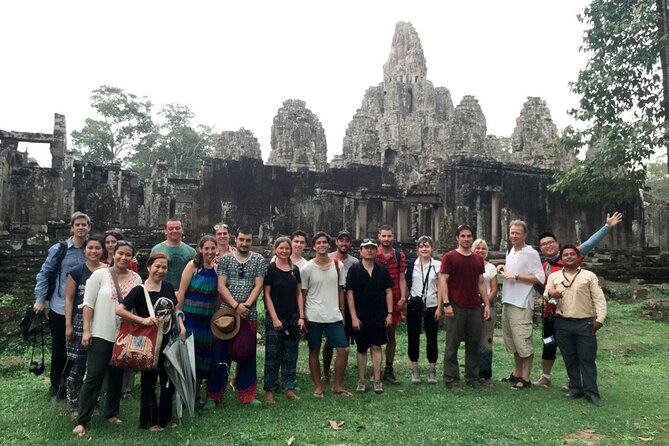
This is a 5 to 6 hour experience, and it starts and ends back at your meeting point in Krong Siem Reap. Pickup is offered, and you’re riding in an air-conditioned private vehicle, which is a big deal in Siem Reap’s heat.
The dress code is smart casual. That doesn’t mean formal. It does mean you should dress with respect for sacred spaces and be ready for walking. Wear breathable clothes, comfortable shoes, and something that covers shoulders or is easy to adjust if needed. Bring sun protection—your day includes outdoor temple time, and the included sun-related note is a hint to take it seriously.
Also, if your tour runs early, plan for it. One of the guide experiences shared with the operator includes pickup around 4:30am for sunrise-style temple viewing. Even if your start time differs, it’s smart to assume you’ll be moving early enough that you should eat something simple before pickup and keep water accessible.
Who this private Angkor temple photo tour is best for
This tour is ideal if you:
- Want the classic Angkor hits in a well-run order, without crowds running your day
- Care about photos and want better results than phone snapshots
- Prefer private attention from an English guide and a steady rhythm of stops
- Like the idea of Ta Prohm because you recognize the Tomb Raider connection, but you still want context
It may be less ideal if you:
- Want to spend much longer than about one hour at each temple
- Like totally free-form exploration with no set route
- Are on a tight budget and can’t handle the extra $37 pass on top
Should you book this Angkor Wat photo-focused private tour?
If your priorities are better photos, smoother crowd management, and clear temple interpretation, I think this is an easy yes. The combination of a private guide, a pro photographer, and a focused route through Angkor Wat, Bayon, Ta Prohm, and Ta Nei gives you a lot of payoff in a half-day format.
Just do one simple check before booking: budget the Angkor Temple Pass and plan for food and drinks. If you can handle that, you’ll end the day with both the sights and the images that actually let you relive them later.
FAQ
Is the Angkor Temple Pass included in the tour price?
No. The 1-Day Angkor Temple Pass is not included and is listed at $37 per person.
What’s included in the tour besides the guide?
The tour includes a professional English-speaking tour guide, a professional photographer, luxury private car/van transport, mineral waters and tissue, natural fruits, and sun light.
How long is the experience?
It’s listed as approximately 5 to 6 hours.
Do they offer hotel pickup in Siem Reap?
Pickup is offered, and the tour ends back at the meeting point in Krong Siem Reap.
Is this tour private or shared?
It’s private. Only your group participates.
Can I cancel for a refund?
Yes, you can cancel for free up to 24 hours in advance for a full refund.