REVIEW · SIEM REAP
3-Days Discovery Of Angkor: Waterfalls,Floating Village and Banteay Srei temple
Book on Viator →Operated by Asean Angkor Guide · Bookable on Viator
Early mornings, big wow. This 3-day Angkor plan stacks the sacred sights with practical pacing, including hotel pickup, cool towels and water, and the best kind of sightseeing mix: monuments, nature, and real Cambodians living along the water.
I like that you get a clear route through Angkor Thom landmarks like Bayon and Baphuon, then you transition into Angkor Wat and end with sunset at Phnom Bakheng. You’ll also get outside-the-main-complex stops at Phnom Kulen (waterfalls and Kbal Spean riverbed carvings) plus Kampong Phluk on Tonle Sap. One possible drawback: temple and park entry fees are not fully included, so you’ll need to budget for passes and admissions on top of the tour price.
In This Review
- Key things to know before you go
- Angkor in Three Days: a plan built for not feeling rushed
- Day 1: Angkor Thom gates, Bayon faces, and a sunset climb at Phnom Bakheng
- What I’d watch out for on Day 1
- Day 2: Phnom Kulen waterfalls and Kbal Spean lingas, then Banteay Srei and Kampong Phluk
- The best way to enjoy Kampong Phluk
- Day 3: 4:40 AM Angkor Wat sunrise, Ta Prohm, and the quieter temples loop
- Price and logistics: what the $183.08 actually covers
- Value check
- Comfort and heat: the small included touches that actually help
- Who should book this tour, and who might not
- Should you book this Angkor Wat and Kulen package?
- FAQ
- What is included in the tour price?
- What extra tickets or fees should I plan for?
- How early is the sunrise on Day 3?
- Is swimming possible at Phnom Kulen waterfalls?
- Is lunch included?
- What should I wear to the temples?
- Is this tour private?
- Can I cancel for a full refund?
Key things to know before you go
- Private, guided logistics: You travel in air-conditioned transport with a professional English-speaking guide and driver, plus hotel pickup and drop-off.
- Two special Angkor views: Sunrise at Angkor Wat on Day 3 and a sunset option at Phnom Bakheng on Day 1.
- Kulen is more than a stop: You’re scheduled for Phnom Kulen National Park, where you can swim at waterfalls (but dry season can mean less water) and see the riverbed lingas at Kbal Spean.
- Floating village time on Tonle Sap: You visit Kampong Phluk by private boat ride as part of the Tonle Sap experience.
- Heat management built in: Cool water and towels are included, and you’ll be walking on long temple days—plan for sun and mosquitoes.
- Food isn’t fully covered: Lunch and snacks are on you for most stops, and breakfast is only listed for Day 3.
Angkor in Three Days: a plan built for not feeling rushed
This trip is designed for you to see a lot of ground without the usual chaos: you’re not relying on hopping between tuk-tuks or trying to time buses between sites. Instead, you get transport lined up each day, and the guide helps you make sense of what you’re looking at so your time feels earned, not spent.
I also like the rhythm of it. Day 1 is classic Angkor core-temple territory with a lot of walking, Day 2 expands outward into Kulen and Tonle Sap life, and Day 3 goes for the early, calmer Angkor temples after the big sunrise moment.
The private format matters too. Even when the temples are crowded, having your own guide and driver usually makes it easier to adjust pacing and timing to what your group can handle.
You can also read our reviews of more tours and experiences in Siem Reap.

Day 1: Angkor Thom gates, Bayon faces, and a sunset climb at Phnom Bakheng
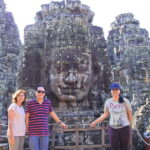
Your day starts at 8:00 AM with hotel pickup and a stop to buy the Angkor pass first. From there, you head into Angkor Thom, beginning with the South Gate, then moving to the famous stone faces of Bayon.
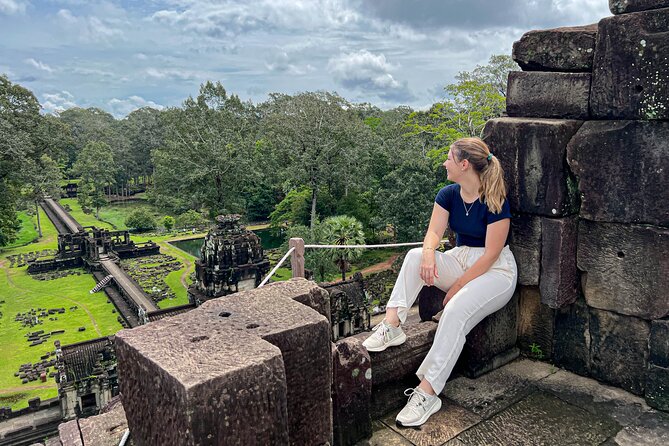
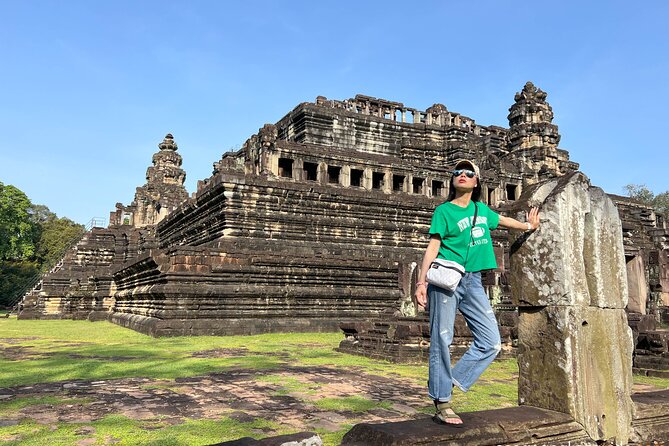
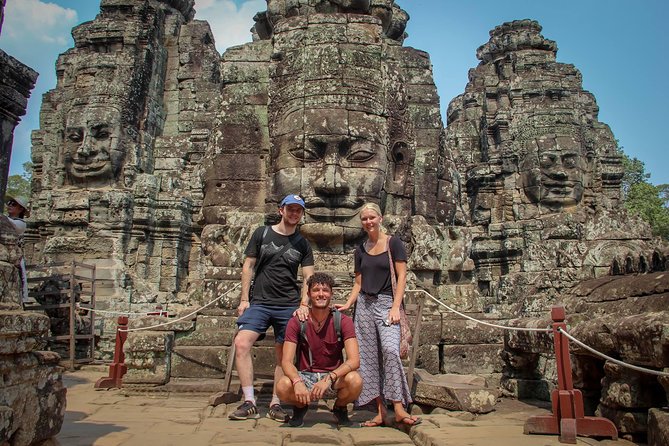
Bayon and Baphuon are both short-to-medium stops, but together they give you two different flavors of Khmer temple design. Bayon’s detailed, tower-like faces are visually addictive, while Baphuon adds that temple-mountain feel. If you’re the type who gets lost in small stone details, this first day gives you the chance to slow down inside the flow.
You’ll also pass through major Angkor Thom “story spots,” including:
- Terrace of the Elephants, a platform connected to royal viewing and ceremonies
- Terrace of the Leper King, a Bayon-style terrace known for its carvings and the legend attached to its name
There’s a lunch break in the Angkor Park area afterward. The tradeoff here is simple: the tour doesn’t include lunch, so you’ll want to plan for pay-as-you-go meals and hydration. It’s smart to use this stop to rest your feet, not just fill your stomach.
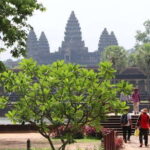
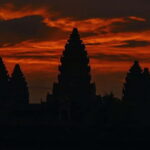
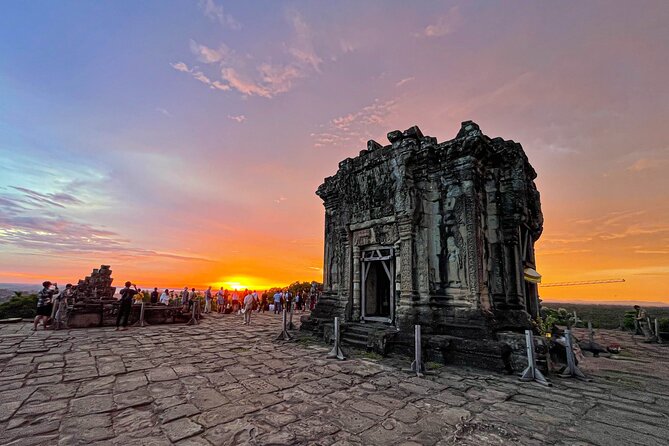
Then comes Angkor Wat in the afternoon, with a long enough visit to actually look around—listed at about 1.5 hours. After that, if you still have energy (and the weather cooperates), you’ll drive to Phnom Bakheng for sunset. The schedule indicates you typically start climbing around 4:00 PM, so you’re not wandering in the heat with no plan.
What I’d watch out for on Day 1
Phnom Bakheng is a payoff sunset climb, but it’s also the kind of place where energy runs out fast. If you’re traveling with older legs, you’ll want to pace the climb and keep an eye on your own stamina rather than forcing it.
Day 2: Phnom Kulen waterfalls and Kbal Spean lingas, then Banteay Srei and Kampong Phluk
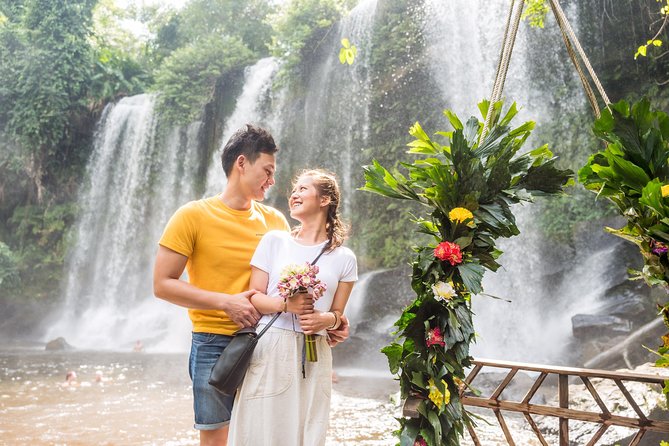
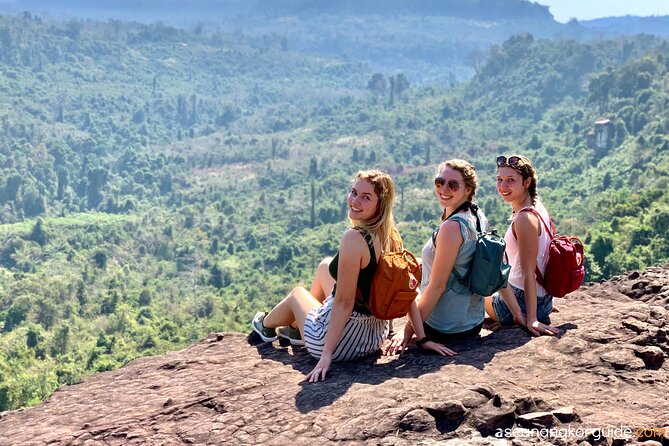
Day 2 starts again at 8:00 AM, heading to Phnom Kulen National Park. This is where the tour breaks away from the stone-temple focus and gives you nature plus spiritual symbolism. The schedule is set for about 3 hours in the park area.
Phnom Kulen is also where the tour notes something important: you can swim at the waterfalls, but during the dry season (March–July) there may be not much water. In other words, don’t plan your day around guaranteed splash time. If you go in the dry months, think of swimming as a bonus, not a sure thing.
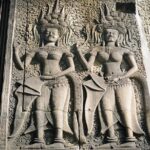
Inside Kulen, you’re scheduled to see the riverbed lingas at Kbal Spean. These carved symbols are unique because they’re not on a temple floor—they’re set into the landscape itself. Even if you don’t go deep into the mythology, you’ll likely appreciate the craftsmanship and the way the setting changes what the carvings feel like.
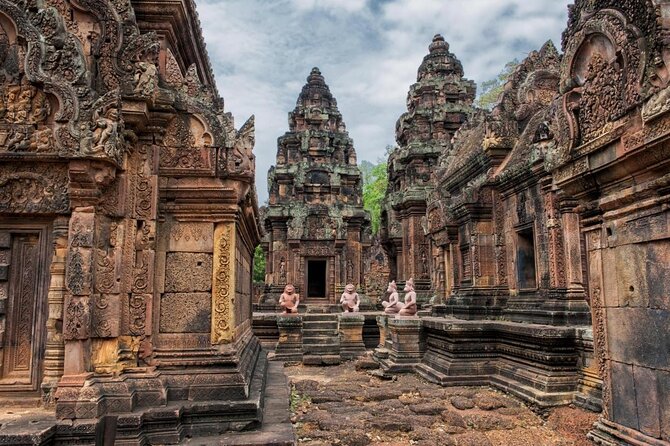
After Kulen, you transfer to Banteay Srei for about 45 minutes. This temple is famous for its intricate stonework tied to Hindu Shiva traditions. It’s one of those stops where you’ll probably want to slow down: the details reward patience, and the time window is short enough that you’ll feel efficient rather than frantic.
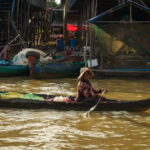
Then comes Tonle Sap and the water-world of Kampong Phluk floating village. You’ll take a private boat ride (the Tonle Sap pass is listed separately), and you get that sense of Cambodia living with the lake rather than beside it. The tour also describes Tonle Sap as the largest freshwater lake in Southeast Asia, which helps you understand why this ecosystem supports whole communities.
The best way to enjoy Kampong Phluk
Wear something that dries quickly or is comfortable if you get mist or spray. Also bring a good attitude: this is a village visit tied to real daily life, not a staged attraction, so keep your expectations realistic and your camera ready.
Day 3: 4:40 AM Angkor Wat sunrise, Ta Prohm, and the quieter temples loop
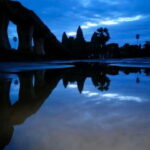
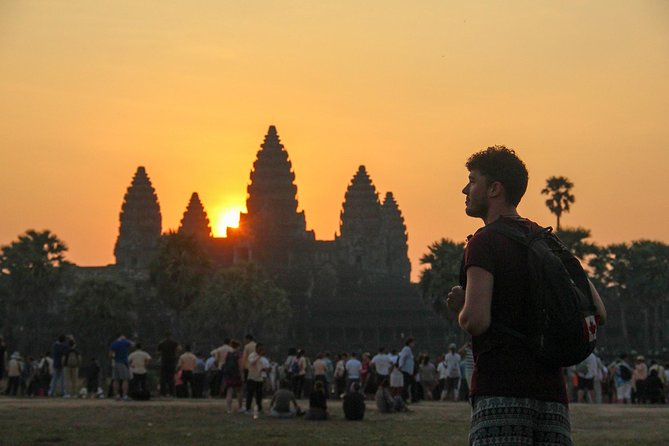
Day 3 is the big early one. You’ll be picked up before sunrise at 4:40 AM to watch sunrise at Angkor Wat. The tour listing notes admission for this specific sunrise stop as free, but since entry to other Angkor sites depends on your pass, you’ll still want to keep your tickets organized.
After sunrise, the schedule moves through several temples that many people skip when they’re exhausted or temple-hopped out:
- Ta Prohm (about 1 hour)
- Pre Rup (about 35 minutes)
- Ta Som (about 35 minutes)
- Neak Pean (about 20 minutes)
- Preah Khan (about 1 hour)
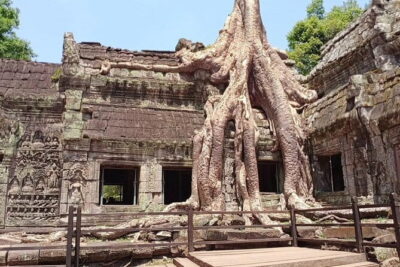
Ta Prohm is the one most people recognize thanks to pop culture, but it’s still worth it because the temple layout feels half-ruined and half-alive with roots and stone. Pre Rup and the other later sites give you variety: different carvings, different elevations, different vibes.
What’s smart about this Day 3 sequence is that it keeps moving without repeating the exact same zone all over again. So when you’re comparing sights in your head, you’re comparing styles, not just locations.
Also, breakfast is listed for Day 3. That matters when you’re doing a pre-dawn start, because a full meal can be the difference between enjoying the walk and just counting down until your next stop.
Price and logistics: what the $183.08 actually covers
The tour price is $183.08 per person, and you can think of it as paying for the human and the vehicle side:
- professional English-speaking guide and driver
- hotel pickup and drop-off
- private air-conditioned transport
- cool water and cool towel during the tour
- breakfast only on Day 3
What’s not included is the money you’ll likely need for site access and food:
- Tonle Sap pass with private boat ride: $15 per person
- Phnom Kulen National Park admission: $20 per person
- Kulen Mountain pass: $20 per person
- Food and soft drinks (lunch is pay yourself, for example)
- Temple admissions are listed as not included in the daily stops, and Day 1 includes buying the Angkor pass
So your real budget is the tour price plus a pass-and-admissions layer. If you’re trying to plan your spending, the Kulen and Tonle Sap pieces alone add up to $55 per person, before Angkor pass costs and before you decide what and how much you eat between stops.
Value check
To me, this is good value if you want:
- all transport handled for 3 days
- an English-speaking guide who can explain what you’re seeing
- sunrise and sunset moments without the stress of organizing them yourself
If you already plan to self-drive or you’re the type who wants to bounce around independently, the private transport can feel like paying extra for convenience. But for most people, Angkor days are tiring enough that convenience is worth something.
Comfort and heat: the small included touches that actually help
Angkor is not the place to show up underprepared. This itinerary involves early mornings, afternoon heat, and a lot of walking. That’s why the included cool water and cool towel are more than freebies—they’re practical time-savers that keep you moving.
Dress rules also matter. Temples require modest clothing: shoulders and knees covered for both men and women. Comfortable shoes are a must since you’ll be on uneven stone. If you forget, you might find entry refused to certain areas, and no one enjoys losing time right at the moment you want to photograph.
Mosquito protection is another real-world detail. The tour notes you can buy mosquito spray in town, and I’d treat that as a packing list item rather than an afterthought.
Who should book this tour, and who might not
This is a strong fit if you want a guided, structured three-day Angkor plan that includes water-world experiences. You’ll likely enjoy it if:
- you care about understanding temples, not just ticking boxes
- you want sunrise and sunset without crowd-chasing on your own
- you’d rather have your driver handle the roads while you focus on seeing
It may be less ideal if:
- you’re sensitive to very early starts (Day 3 is 4:40 AM pickup)
- you expect lunch and most admissions to be included
- you want a super relaxed pace with minimal walking (Day 1 in particular is active)
One more point: in the field, guide quality can make a huge difference. The names that show up often in prior bookings include guides such as Sam, Seila, Samath, Sunny, and Phon Seiha, with drivers like Tha, Leap, Sophat, Kim, Handsome, Samady, and Khim. If you’re booking and you have preferences, it can be worth asking which guide and driver you’ll get.
Should you book this Angkor Wat and Kulen package?
Book it if you want the best mix of big-ticket Angkor sights plus two nature/water experiences—Kulen and Tonle Sap—handled with private transport and a guide who can keep you oriented.
Skip it or look for a different option if you want:
- meals included beyond Day 3 breakfast
- a more casual pace with fewer walking hours
- full transparency on exact Angkor pass and temple ticket costs inside your final budget
If you do book, prepare in advance with modest clothes, sunscreen, mosquito spray, and a realistic budget for passes and food. This trip works when you treat it like a high-effort, high-reward itinerary—then you’ll get more from every hour you’re on the move.
FAQ
What is included in the tour price?
The tour includes a professional English-speaking guide and driver, hotel pickup and drop-off, private air-conditioned transport, cool water and cool towels, and breakfast on Day 3 only.
What extra tickets or fees should I plan for?
Tonle Sap pass with a private boat ride is listed at $15 per person. Phnom Kulen National Park admission is $20 per person, and the Kulen Mountain pass is $20 per person. Temple admissions and the Angkor pass are also not included in the listed stop details.
How early is the sunrise on Day 3?
You’ll be picked up from your hotel lobby before sunrise at 4:40 AM for sunrise at Angkor Wat.
Is swimming possible at Phnom Kulen waterfalls?
Yes, the tour notes you can swim at the waterfalls, but during the dry season (March–July) there may be not much water.
Is lunch included?
Lunch is not included. The schedule includes a lunch break on Day 1 at a local restaurant where you pay yourself. Food and soft drinks are listed as not included.
What should I wear to the temples?
You should dress modestly, covering shoulders and knees. Loose, lightweight clothing is recommended for the hot climate, and comfortable shoes are required.
Is this tour private?
Yes. It’s described as a private tour/activity, meaning only your group participates.
Can I cancel for a full refund?
Yes. Free cancellation is available up to 24 hours in advance for a full refund.