REVIEW · SIEM REAP
2-Day Angkor Wat With Small, Big Circuit and Banteay Srei Tour
Book on Viator →Operated by Happy Angkor Tour · Bookable on Viator
Two days at Angkor can change how you see it. This private 2-day Angkor Wat tour pairs the Small Circuit and Big Circuit into one logical flow, then caps it with Banteay Srei and its famous pink sandstone.
I especially love how the private licensed guide keeps the stories moving so you don’t get stuck reading stonework like a puzzle. I also like the pacing that spreads major sights across two days, so you’re not just collecting photos—you’re understanding what you’re looking at.
One real consideration: the early starts (including a 5:00am sunrise) plus lots of walking and stairs. If you’re not into heat, humidity, or climbing temple steps, plan footwear accordingly.
In This Review
- Key things that make this tour work
- Price and what you really get for $158.50
- Day 1: Small Circuit + Angkor Thom classics (from Angkor Wat to Phnom Bakheng)
- Angkor Wat: the big first impression
- Ta Prohm: giant roots and cinematic ruins
- Ta Nei: quieter, smaller, and less restored
- Angkor Thom stops: Victory Gate, Bayon, and the central city
- Sunset at Phnom Bakheng: choose the climb and the wait
- Day 2: 5:00am sunrise at Angkor Wat, then the Big Circuit
- Preah Khan: built by Jayavarman VII for his father
- Neak Pean: a small island temple with a calm vibe
- Ta Som: classic temple-mood stop
- Eastern Mebon: temple-mountain with tiers
- Pre Rup: Hindu purpose and funeral beliefs
- Banteay Srei and the Day 2 finish: pink sandstone and more small-circuit gems
- Banteay Samre: 12th-century model vibes
- Banteay Kdei: Buddhist era and familiar stylistic cues
- Transport, timing, and comfort details that actually matter
- Guides and drivers: the difference between seeing and understanding
- What you’ll realistically need to handle (and how to plan)
- Who this 2-day private Angkor Wat tour is best for
- Should you book this tour with Happy Angkor Tour Company?
- FAQ
- What is included in the tour price?
- Are Angkor temple admission tickets included?
- What times do you get picked up for the two days?
- Does the itinerary include sunrise and sunset?
- Is lunch included?
- Is this a private tour?
- What’s the cancellation policy?
Key things that make this tour work
- Two-day circuit logic: Small Circuit day and Big Circuit day mean fewer backtracks and less “temple whiplash.”
- Early sunrise timing: Angkor Wat at dawn is built into Day 2, which also helps with crowd timing.
- Sunset option at Phnom Bakheng: You can chase the view or skip the wait if you want energy for the next stops.
- Pink-sandstone finale at Banteay Srei: A strong change of pace from the larger Angkor complex.
- Cooling support on long days: Air-con car plus cold water and cool wet towels at stops.
- Private means flexible comfort: Your guide can adjust pacing for your group and keeps the experience from feeling rushed.
Price and what you really get for $158.50
At $158.50 per person, this tour isn’t trying to be the cheapest way into Angkor. What you’re paying for is a tight, two-day plan with a licensed English-speaking guide, hotel pickup and drop-off, and private transport in an air-conditioned vehicle.
Then there’s the big add-on most people forget to budget: the Angkor + all temples pass is $62 per person (admission not included). Lunch isn’t included either—your lunch cost depends on the menu (the data you’ll see notes about $5 per person, depending on what’s chosen). Add it up and you’re roughly in the ballpark of $220–$230 per person for a two-day, guided, private temple experience, before any drinks or snacks outside lunch.
Value-wise, the key is time. Two days lets you see major sites without the usual “run, pose, rush on” feeling that comes with trying to do everything in one day. That’s especially important here, because Angkor Wat and Angkor Thom are not quick stops—you’re walking between zones, climbing steps, and absorbing carvings that reward a bit of context.
You can also read our reviews of more tours and experiences in Siem Reap

Day 1: Small Circuit + Angkor Thom classics (from Angkor Wat to Phnom Bakheng)
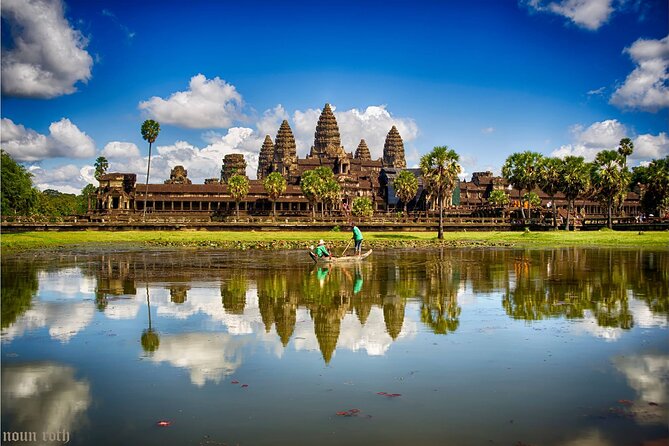
Day 1 starts with an 8:00am pickup from your hotel or guesthouse. You’ll head out in an air-conditioned vehicle, and your guide helps you with the temple pass along the way so you can get inside without the hassle of handling it at the last second.
Angkor Wat: the big first impression
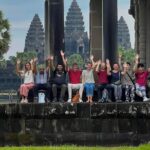
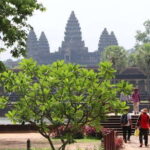
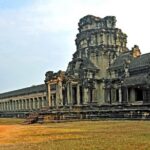
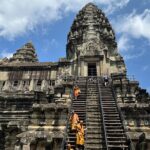
You’ll begin with Angkor Wat, which is the anchor site for a reason. This is where you’ll clock the scale and the symmetry, and where the carvings become your visual baseline for the rest of the complex.
The upside of starting here on Day 1 (not Day 2) is momentum. Even if sunrise is reserved for the next morning, you still get time to explore and orient yourself.
Ta Prohm: giant roots and cinematic ruins
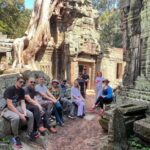
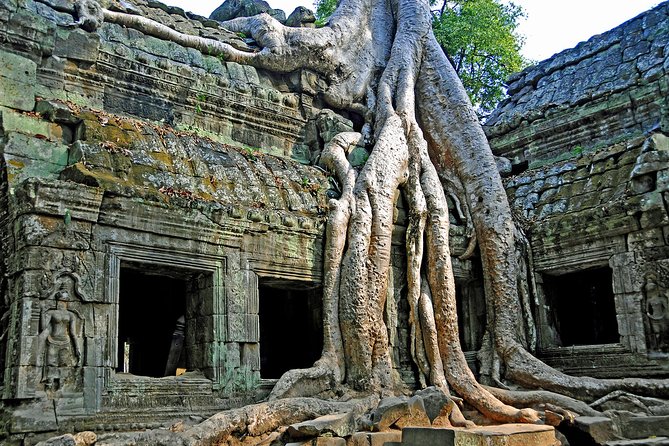
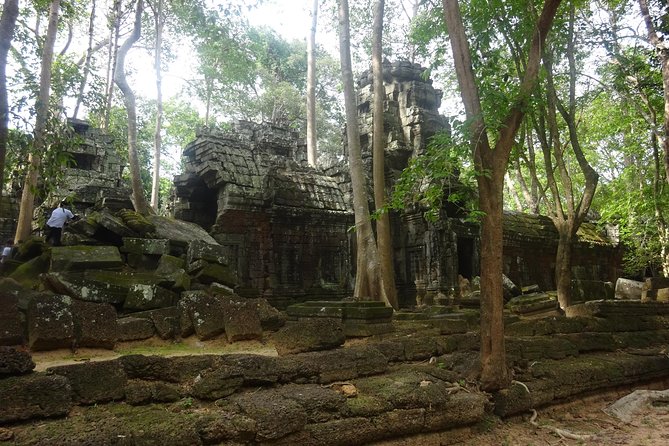
Next comes Ta Prohm, famous for those dramatic tree roots wrapped around the stone. It’s an atmospheric temple that feels like nature is actively reclaiming the architecture, and it’s also a great place for your guide to explain what you’re seeing beyond the postcard look.
Practical note: this stop involves walking on uneven ground and moving around the temple’s interior spaces. Wear shoes you trust.
Ta Nei: quieter, smaller, and less restored
Then you shift to Ta Nei. This is a smaller temple that tends to feel calmer than the big-hitters, and it’s described as less restored. That matters because it lets you see how the site reads when it’s not being “smoothed” for visitors.
If you want a break from crowds and want a moment that feels more intimate, this stop often delivers.
Angkor Thom stops: Victory Gate, Bayon, and the central city
After the Small Circuit temple sequence, you move into the heart of Angkor Thom with a fast but meaningful set of landmarks:
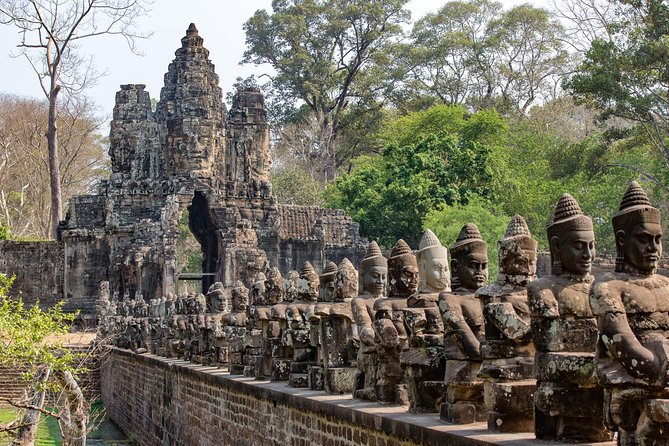
- Victory Gate (east side): a short photo stop with a clear entrance story.
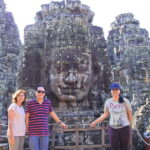
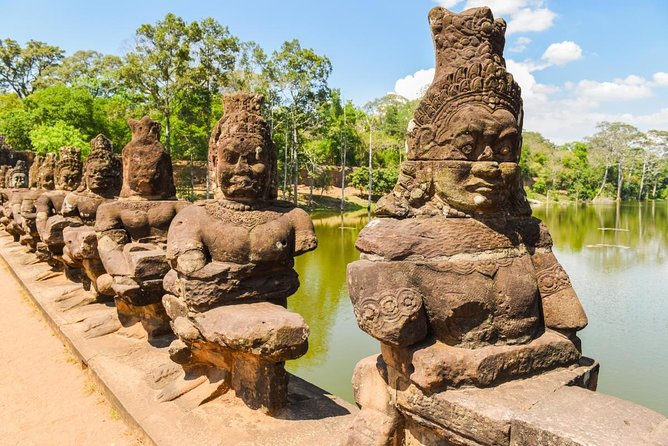
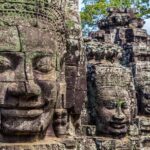
- Bayon Temple: the centerpieces, including the 49 towers with four faces each—so 196 faces in total. Your guide’s job here is turning that design into meaning, not just pointing at stone.
- Baphuon: a nearby Hindu temple (11th-century) with a later reclining Buddha addition (described as 16th-century in the information you’ll see). It’s a reminder that Angkor’s sacred landscape changed over time.
- Phimeanakas: a pyramid Hindu temple inside the old royal palace area of Angkor Thom.
- Terrace of the Elephants: a platform tied to kings watching returning armies, with elephant carvings.
- Terrace of the Leper King: another terrace nearby on the north side.
This cluster is one reason a two-day tour is worth it. You’re not just dropping into random ruins—you’re walking through a map of how royal power, religion, and ceremony showed up in stone.
Sunset at Phnom Bakheng: choose the climb and the wait
Day 1 ends with Phnom Bakheng and the chance for sunset views. The key detail here is that there are limited number of tourists allowed (so the timing and rules matter). The schedule also notes you can skip the sunset wait if you’d rather spend energy somewhere else.
If you go for sunset, bring patience. If you skip it, you’ll still leave with a strong sense of the broader Angkor viewpoint.
Day 2: 5:00am sunrise at Angkor Wat, then the Big Circuit
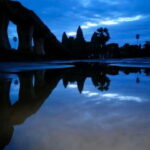
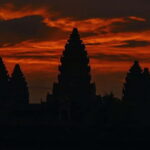
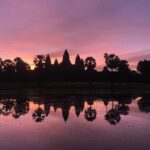
Day 2 has a 5:00am pickup for the sunrise session at Angkor Wat. This is one of the most practical choices in the whole itinerary, because dawn light and early arrivals change how the temple surfaces read—and it buys you better crowd timing.
After sunrise, you return for breakfast, then the day becomes a wide sweep through major Big Circuit temples in a sequence that keeps moving from large, ceremonial spaces to more atmospheric ruins.
Preah Khan: built by Jayavarman VII for his father
One of the standout stops on the Big Circuit portion is Preah Khan. It’s described as built by King Jayavarman VII, dedicated to his father. It’s a huge monastic structure, and it helps you understand Angkor beyond one dynasty’s style—this complex shows a different chapter.
Neak Pean: a small island temple with a calm vibe
Next, Neak Pean. This is smaller and more specific: an island temple in the middle of a water area. The point isn’t speed. It’s a breather stop where your guide can explain how the design relates to spiritual ideas, and you get a chance to step away from the largest crowd magnets.
Ta Som: classic temple-mood stop
Ta Som follows as a shorter stop. It’s described as a small temple, but classic. This is the kind of site that works best when your guide gives context—otherwise it can blur into the background of the bigger names around it.
Eastern Mebon: temple-mountain with tiers
Then comes Eastern Mebon, described as a large temple-mountain with three levels, topped by five towers. The schedule notes the last tower detail for the morning visit, and it’s a good place to pause and look up.
This is also a stop that helps reset your eyes. After the more detailed-faced look of Bayon, you get a different shape language.
Pre Rup: Hindu purpose and funeral beliefs
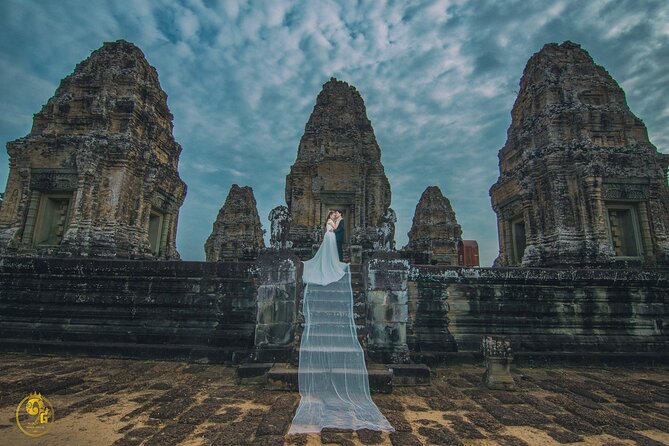
Pre Rup is next, and it has a specific identity: built in the late 10th century and dedicated to Hindu gods. Your guide can explain why Cambodians connect temple spaces with funerary beliefs—because it explains the mood of the site even before you read every carving.
It also sets you up for the next shift: leaving the Big Circuit experience and heading toward Banteay Srei.
Banteay Srei and the Day 2 finish: pink sandstone and more small-circuit gems
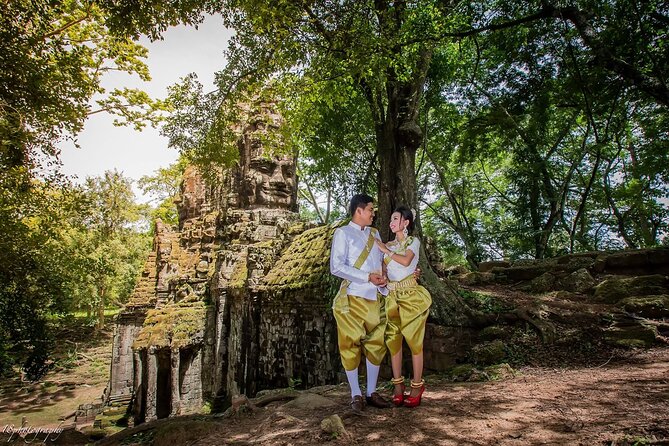
After a lunch break, the tour heads to Banteay Srei—the celebrated “Ladies Temple,” named for the pink sandstone and the refined carving style you’ll notice right away. It’s described as built in the 10th century by King Rajendravarman II, dedicated to trinity gods in Hindu belief.
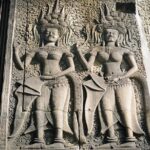
Banteay Srei is the kind of temple where you want to slow down. The stonework has detail that rewards a guide’s explanation. It’s also a helpful contrast after the larger, grander Angkor sites.
Banteay Samre: 12th-century model vibes
After Banteay Srei, you visit Banteay Samre, a 12th-century Hindu temple. The schedule notes that the architecture doesn’t show obvious evidence in the way some other temples do, but it’s believed to follow a model similar to Angkor Wat.
This stop works well if you enjoy comparing styles and noticing how builders reused ideas across time.
Banteay Kdei: Buddhist era and familiar stylistic cues
Finally, Banteay Kdei—a 12th-century Buddhist temple. The information provided points out that its structure style is similar to Ta Prohm and Bayon, which helps tie the end of the day back to the visuals from earlier.
By the time you finish here, the full two-day arc makes sense: Angkor’s sacred spaces shift religions and meanings over centuries, but you can still trace how Khmer design thinking stays consistent.
Transport, timing, and comfort details that actually matter
This is one of those tours where small logistics help a lot. You get hotel pickup and drop-off, plus an air-conditioned vehicle with a driver. You also get cool water and cool wet towels, which sounds basic until you’re out in heat and humidity between temple stops.
In practice, that comfort rhythm matters because your time isn’t only spent walking. You also need energy for stairs, uneven surfaces, and the slow moments where you stop to look up at carvings. The tour’s pacing helps here, but your body still needs support.
Guides and drivers: the difference between seeing and understanding
A big theme in the best-rated experiences is the guide’s storytelling and timing. Named examples include Jimmy, Chay, Vanna, Choub, Chandra, Thean, Mao, Chhay, Youk, To (Lonn Thou), and Pip and Tra. Across these, the consistent praise is for clear English, careful attention, and helping people find good photo spots without turning the day into a frantic line.
Drivers named in the same context—like San, Sreang, That, and Hei—are repeatedly associated with cold water and towels waiting right after temple walks, plus safe, smooth transport. This matters because Angkor days are long. You’ll feel the benefit of returning to comfort at predictable intervals.
What you’ll realistically need to handle (and how to plan)
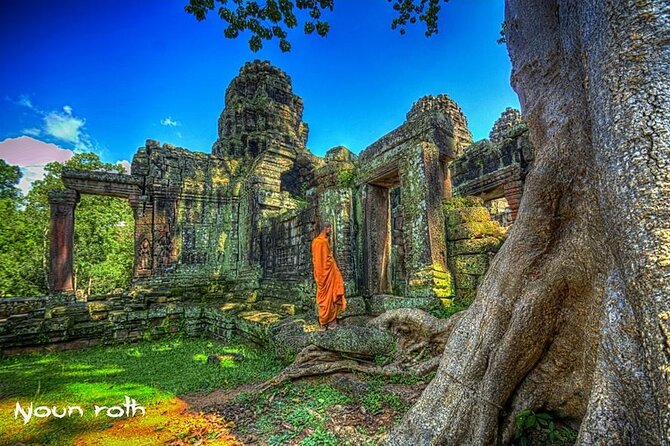
This tour is ideal for travelers who are okay with a physically active day. You’ll be outside a lot, climbing stairs at several temples, and moving through large complexes where time is part of the experience.
So plan for:
- Shoes with grip and support (temples involve steps and uneven ground)
- A heat plan (you’ll get cold water and wet towels, but you still sweat)
- A mindset for early starts (Day 2 includes 5:00am pickup for sunrise)
- Patience for limited access timing (Phnom Bakheng is noted as having limits)
If you’re traveling with mobility limitations, you might find this less comfortable than a shorter, fewer-stop plan. The tour is private, which can help with pacing, but the core itinerary includes many temple steps.
Who this 2-day private Angkor Wat tour is best for
This tour is strongest for you if:
- You want both circuits—Small Circuit and Big Circuit—without feeling like you’re sprinting.
- You care about meaning: carvings, faces, symbolism, and how religion and empire shifted.
- You prefer a private guide who can keep you moving and explain the “why,” not just the “what.”
- You want Banteay Srei included, not left as an optional extra.
It’s less ideal if you want a lazy day, minimal walking, or a “drop in, snap, leave” style of sightseeing.
Should you book this tour with Happy Angkor Tour Company?
If you’re deciding between doing Angkor in one exhausting day versus splitting it into two calmer ones, this tour’s structure is hard to beat. The value isn’t just the number of temples; it’s the way the day order lets you understand the complex instead of chasing it.
Book it if:
- You want sunrise at Angkor Wat (with 5:00am pickup).
- You want a clear plan for the Small Circuit and Big Circuit over two full days.
- You want Banteay Srei as a final highlight with pink sandstone and detailed carvings.
- You’d rather rely on a licensed guide (like the ones named above) than decode everything on your own.
Skip or reconsider if you can’t handle early mornings, stairs, and long walking days. Even with comfort touches like towels and cold water, the temples still demand stamina.
FAQ
What is included in the tour price?
The tour includes an English-speaking licensed guide, hotel pickup and drop-off, air-conditioned transport, cool water, cool wet towels, and transfers from your hotel back to your hotel at the end of the tour.
Are Angkor temple admission tickets included?
No. Admission fees are not included. You’ll need the Angkor + All Temples pass, listed as $62 per person.
What times do you get picked up for the two days?
Day 1 pickup is at 8:00am. Day 2 pickup is at 5:00am for the Angkor Wat sunrise.
Does the itinerary include sunrise and sunset?
Yes. Angkor Wat sunrise is built into Day 2. Phnom Bakheng includes a sunset viewpoint option, and you can skip the sunset waiting if you prefer.
Is lunch included?
Lunch is not included. The information provided notes lunch costs depend on the menu, with an example of about $5 per person.
Is this a private tour?
Yes. It’s a private tour/activity, and only your group participates.
What’s the cancellation policy?
You can cancel up to 24 hours in advance for a full refund. If you cancel less than 24 hours before the start time, the amount paid is not refunded.