REVIEW · SIEM REAP
Angkor Wat & Small Tour with Bonteay Srei Temples
Book on Viator →Operated by Angkor Visit Tour · Bookable on Viator
Five temples, one well-paced day. This private Siem Reap tour strings together Angkor Wat at sunrise (or sunset, if you prefer) and the finer carvings at Banteay Srei, with a guide who helps you understand how the Khmer kingdom built, ruled, and expressed faith through stone. You’ll also get commentary that makes the sites feel less like postcard stops and more like a connected story.
I like the practical flow here: pickup and a/c transport keep you comfortable, and the day is arranged so you can move from the big landmark moments to the quieter, detail-focused temples without feeling lost. One watch-out: entrance fees aren’t included, and food plus tips are on you, so you’ll want a basic day budget ready before you go.
In This Review
- Key Highlights You’ll Actually Feel During the Day
- How This Private Angkor Tour Runs From Siem Reap
- Angkor Wat at Sunrise (or Sunset): The First Big Moment
- Bayon Temple in Angkor Thom: Where the Faces Take Over
- Ta Prohm: The Jungle-Temple Effect Up Close
- Phnom Bakheng: Shiva Temple on the Hill
- Banteay Srei: The Carving Stop You’ll Remember
- Price and Value: Is $38 a Smart Deal?
- Tips to Make the Day Feel Comfortable (Not Rushed)
- Who Should Book This Tour (And Who Might Swap)
- Should You Book This Angkor Wat & Banteay Srei Tour?
- FAQ
- FAQ
- How long is the tour?
- Is pickup and drop-off included?
- What temples are included in the itinerary?
- Is entrance fee included in the price?
- Is food included?
- Do I get a professional guide?
- Is the transport air-conditioned?
- Can I choose sunrise or sunset?
- Do I get a mobile ticket?
- What’s the cancellation window?
Key Highlights You’ll Actually Feel During the Day
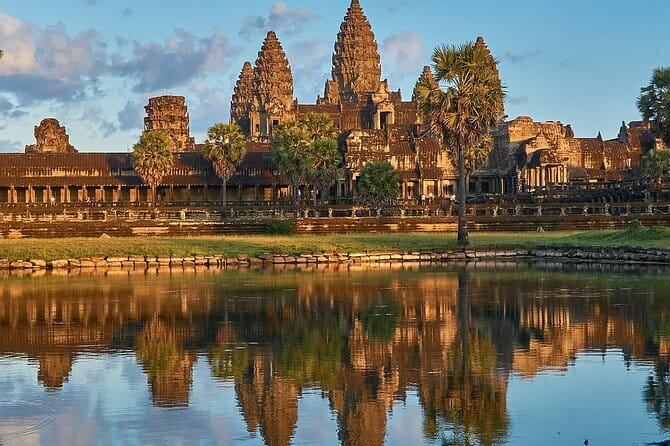
- Angkor Wat with sunrise or sunset timing, so you can match your energy level and photos to the light
- A pro private guide who links temple design to Khmer kings and the way people worshipped
- Air-conditioned private transport + cold water, which matters when you’re bouncing between multiple temple zones
- Banteay Srei (completed 22 April 967 AD), usually the most satisfying stop for close-up carving details
- A guide-led ticket approach may be available, and one guide named Phally is noted for handling tickets on the way and meeting guests early
How This Private Angkor Tour Runs From Siem Reap
This is built as a private experience, meaning you’re not sharing the day with strangers. That matters at Angkor, because the “right” pace is often personal. With your own guide and car, you can slow down for a better angle, step back when the heat hits, or spend extra time on carvings if that’s what grabs you.
Pickup and drop-off are included, and the vehicle is air-conditioned. You also get cold water, which sounds minor until you remember how long the day is (about 8 hours 30 minutes). The tour uses a mobile ticket, which typically makes the on-day process smoother, especially when you’re moving fast between temples.
The itinerary is family-friendly and designed with flexibility in mind. You’re not being shoved through a timed checklist; you’re being guided through a sequence of major sights at a comfortable speed, with the guide adjusting to your group.
You can also read our reviews of more tours and experiences in Siem Reap.

Angkor Wat at Sunrise (or Sunset): The First Big Moment
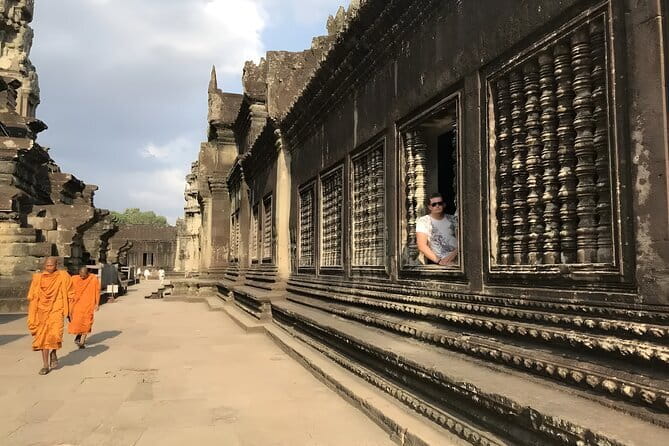
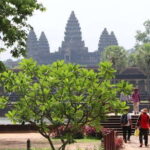
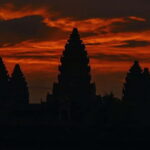
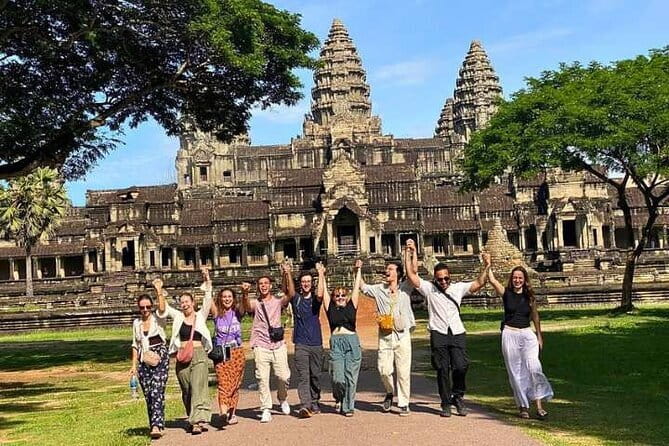
Angkor Wat is the star, and the tour gives you time to treat it like more than a quick photo stop. You start with the Angkor Wat view and can choose sunrise timing if you want that iconic light over the temple’s front area. Sunrise visits also come with a bonus: the complex feels more peaceful before the day fully heats up and crowds spread out.
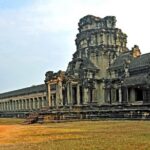
You’ll spend about 3 hours here, which is long enough to see the main layout and to understand why this place is so central to Khmer religious life. The guide’s job is to translate the stone language: the geometry, the layers of courtyards, and the way a huge temple complex operates like a physical map of belief.
What to think about: tickets and entrance fees are not included in the tour price. Plan on handling them separately so you don’t burn energy right when you arrive. Also, if you pick sunrise, you’ll want to be ready early—this is one day where a snooze can cost you the best light.
Bayon Temple in Angkor Thom: Where the Faces Take Over
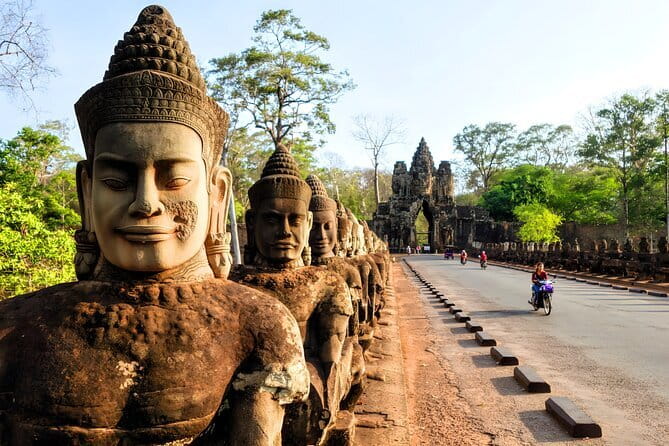
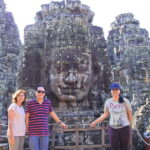
After Angkor Wat, the day shifts into Angkor Thom territory with Bayon Temple. Expect about 1 hour 30 minutes at this stop, which is a good amount of time for Bayon because it’s visually intense. Those famous stone faces aren’t just a style; they connect to the king who built and shaped the capital during the height of Khmer power.
The tour context here is strong: Bayon was built between the late 12th and early 13th centuries by Jayavarman VII, and the fortified city of Angkor Thom (about 9 square kilometers) was built as the last and enduring capital. With a guide, you get more than recognition—you get meaning. The design reads differently when you understand the political and religious goals of the ruler who commissioned it.
Possible drawback: Bayon can feel like sensory overload if you rush. The better plan is to move at your pace—look up, pause, then step back to understand how the temple reads as a whole. With a private guide and your own transport, you can do that.
Ta Prohm: The Jungle-Temple Effect Up Close
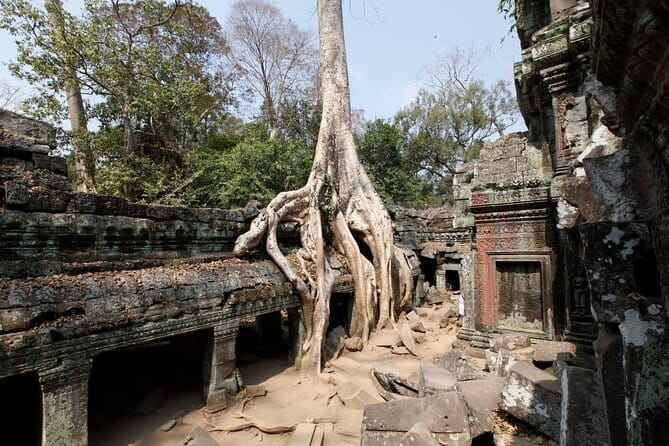
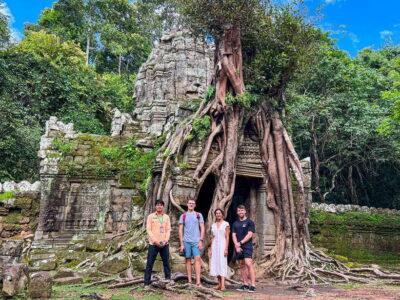
Next comes Ta Prohm, the “jungle temple” famous for huge trees and massive roots growing out of the walls. You’ll have about 1 hour 30 minutes here. That timing is practical because Ta Prohm is where photos tend to multiply fast. It’s easy to lose time if you’re only hunting the perfect shot.
Ta Prohm stands out because nature and architecture are in the same frame. The roots and the plants don’t just add decoration—they change how you perceive the building. You also get a better sense of how the temple survived across centuries and why the site became such an unforgettable image of Angkor.
What you should watch for: Ta Prohm is a walking-heavy stop with uneven stone surfaces and shaded pockets. Bring comfortable shoes, and plan small rest breaks if you’re traveling with kids or anyone sensitive to heat.
Phnom Bakheng: Shiva Temple on the Hill
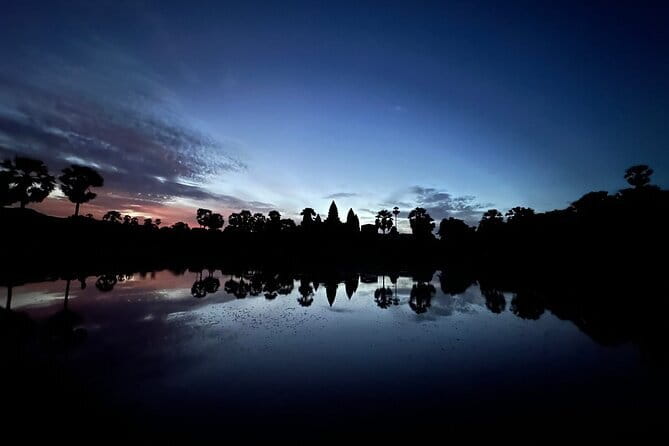
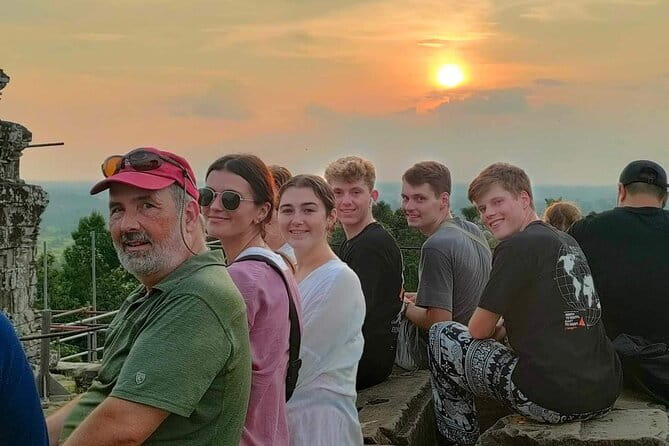
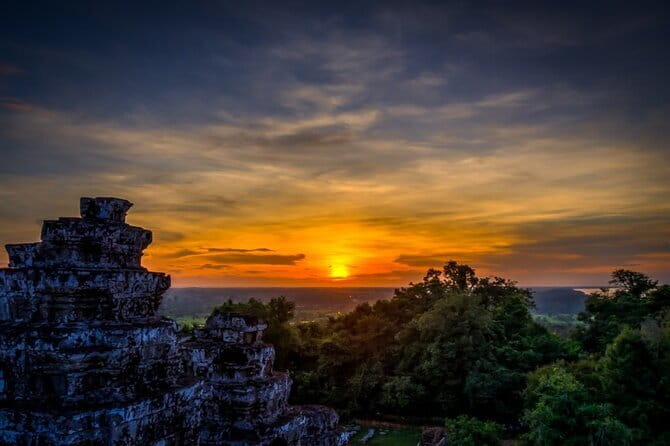
After Ta Prohm, the tour includes Phnom Bakheng, a temple mountain dedicated to Shiva. You’ll spend about 1 hour here. Phnom means hill or mountain, and that’s the big point of the stop: you’re climbing to get that hilltop view over the temple landscape.
The tour also gives you the historical framing. Phnom Bakheng was built by King Yasovarman at the end of the 9th century. Understanding the era helps you see Phnom Bakheng as part of a long Khmer tradition of using temples not just as buildings, but as statements of kingship and spiritual alignment.
This stop is short, but it’s a good “breather” between the longer, more visually busy temples. Still, keep your expectations grounded: depending on how the day moves, you might feel the walking and stairs, especially if you’re carrying camera gear.
Banteay Srei: The Carving Stop You’ll Remember
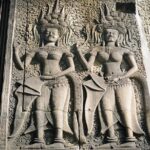
Then comes the highlight for detail lovers: Banteay Srei (also spelled Banteay Srei). The tour allots about 1 hour 30 minutes here, which is exactly right for a temple that rewards slowing down. This is where the stonework really starts to matter.
Here’s the historical detail that makes this stop satisfying: Banteay Srei was completed on 22 April 967 AD and was dedicated to Shiva. The earlier name mentioned in the tour info—Tribhuvanamahesvara—helps explain why this place fits into the broader Shiva-centered temple tradition of its period.
Why I’d prioritize it: big temples often impress you from a distance; Banteay Srei often impresses you when you look closely. With a guide, you’ll get help reading the carvings instead of just scrolling past them.
The possible trade-off: if you’re the type who wants only the most famous Angkor icons, Banteay Srei can feel less dramatic at first glance. But if you like artistry, symbols, and careful craftsmanship, it’s one of the most rewarding moments of the day.
Price and Value: Is $38 a Smart Deal?
The listed price is $38 per person for a private Angkor day tour with professional guidance, pickup and drop-off, air-conditioned transport, and cold water. That value comes from the combination, not any single item.
Here’s what you’re getting for the money:
- A guide providing in-depth commentary on religion, history, architecture, and the Khmer kings
- An itinerary that covers multiple major temples in one outing
- Transport that keeps you from spending your day figuring out rides between sites
Here’s what you still need to budget:
- Entrance fees are not included
- Food isn’t included
- Tips aren’t included
So think of the $38 as the “service cost” of a managed temple circuit. Your final day spend will depend on entrance fees and what you eat. If you’re comparing options, it’s worth asking: does the alternative also include a private guide and transport for the same number of temple stops? If yes, it may be comparable. If not, this price can feel like a bargain once you add up the hassle you’d otherwise manage yourself.
Tips to Make the Day Feel Comfortable (Not Rushed)
Even with a good plan, Angkor days run on heat and timing. A few practical moves help:
- Wear shoes you can walk in for stairs and uneven stone.
- Bring sun protection and something light to cover your shoulders or arms if you want extra comfort near temples.
- If you choose sunrise, set expectations for an early start. The payoff is the light and calmer atmosphere.
- If you go for sunset, you’ll still want to manage energy because the day is already packed with major sites.
One more smart idea: since entrance fees aren’t included, plan how you’ll handle them. Some guides may be able to help with ticket purchasing on the route (one guide named Phally is specifically noted for this approach). Either way, get clear before you arrive so you don’t lose momentum.
Who Should Book This Tour (And Who Might Swap)
This tour fits best if you want:
- A private guided day that covers several key temples
- A schedule that’s family-friendly with a comfortable pace
- Explanations that connect temple architecture to Khmer rulers and religious life
You might consider a different style of tour if:
- You only care about one temple and want a lighter day
- You strongly prefer doing everything on your own time without a set circuit
- You don’t want to manage entrance fees separately (since they’re not included)
Should You Book This Angkor Wat & Banteay Srei Tour?
Yes—if you want a guided, efficient Angkor day that hits the big icons and also includes Banteay Srei for close-up carving time. The value sits in the private guide + transport pairing, which saves you the stress of navigating between sites while still giving you enough time at each stop to absorb what you’re seeing.
If you’re budgeting, just remember the essentials: entrance fees, food, and tips are on you. Once you account for that, this is a strong way to see Angkor with context, not just snapshots.
FAQ
FAQ
How long is the tour?
The tour runs about 8 hours 30 minutes (approx.).
Is pickup and drop-off included?
Yes. Pickup and drop-off are included.
What temples are included in the itinerary?
You’ll visit Angkor Wat, Bayon Temple, Ta Prohm, Phnom Bakheng, and Banteay Srei.
Is entrance fee included in the price?
No. Entrance fees are not included.
Is food included?
No. Food is not included.
Do I get a professional guide?
Yes. A professional tour guide is included.
Is the transport air-conditioned?
Yes. Air-conditioned private transport is included.
Can I choose sunrise or sunset?
The tour notes that sunrise or sunset can be arranged based on your preferred timing.
Do I get a mobile ticket?
Yes. The tour includes a mobile ticket.
What’s the cancellation window?
You can cancel for a full refund up to 24 hours in advance of the experience start time. After that, the amount paid is not refunded.