REVIEW · SIEM REAP
Angkor Wat Sunset Tour
Book on GetYourGuide →Operated by Journey Cambodia · Bookable on GetYourGuide
One day at Angkor can feel like three. This Angkor Wat Sunset Tour strings together the big hits—Angkor Wat, Ta Prohm, Bayon, and more—then ends with a hard-earned sunset from Phnom Bakheng.
What I like most is the rhythm of the day: you get guided time where it matters, plus frequent breaks with cold water and cool towels. I also really like the guide focus—people such as Mr Sok Chea and Niem Sokhem are known for clear English and for connecting temple carvings to real Khmer life.
The main thing to consider is physical effort. You’ll climb at least some stairs (and Bakheng can be warm and rocky), so if you hate heights or long hot walks, this tour may feel like a workout.
In This Review
- Key points before you go
- How this Angkor Wat Sunset Tour fits your one-day plan
- The morning opener: Angkor Wat with real storytelling
- Ta Prohm and the jungle vibe: Tomb Raider energy, minus the confusion
- Srah Srang break: reset your body before the big afternoon
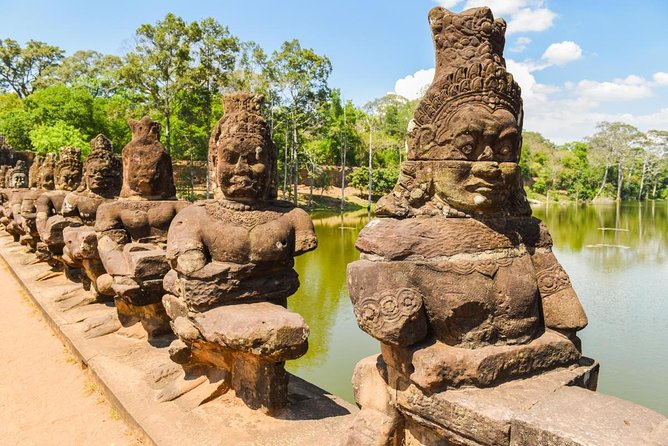
- Angkor Thom and Bayon: 200+ faces and a lot of symbolism
- Phnom Bakheng sunset: the climb, the wait, and the view you came for
- Transportation and comfort that matter more than you think
- Price and value: what $18 really covers (and what costs extra)
- Dress code and what to pack for a hot temple day
- Who this tour suits best
- A few practical notes to keep the day smooth
- Should you book this Angkor Wat Sunset Tour?
- FAQ
- How long is the Angkor Wat Sunset Tour?
- What’s included in the tour price?
- What is not included?
- Which temples and stops are visited?
- What should I bring for the tour?
- Is this tour wheelchair accessible?
Key points before you go
- Sunset at Phnom Bakheng: limited top spots make early planning helpful for photos and a comfortable view
- Five iconic temple stops: Angkor Wat, Ta Prohm, Angkor Thom, Bayon, plus Bakheng for the finale
- Guides who explain the why, not just the what, with clear English and strong photo help
- Cold water and cool towels on a long day: a big deal in Siem Reap heat
- Entrance fees are extra: the $18 price is for the tour service, not the Angkor Pass
How this Angkor Wat Sunset Tour fits your one-day plan
If you have limited time in Siem Reap, this is the kind of tour that makes sense. It’s built around efficiency: you cover several of the key Angkor sites in one stretch, with an English-speaking guide steering you through what you’re seeing.
The tour also has a practical advantage: it helps you avoid the common one-day problem of showing up at temples but never really understanding what you’re looking at. The guide narration matters at Angkor, because carvings, layout, and symbolism are not obvious if you only glance and move on.
Finally, it’s structured for comfort. You’re in an air-conditioned vehicle for transfers, and you’ll get bottled water plus cool towels after stops, which is the difference between a fun day and a sweaty one.
You can also read our reviews of more evening experiences in Siem Reap

The morning opener: Angkor Wat with real storytelling
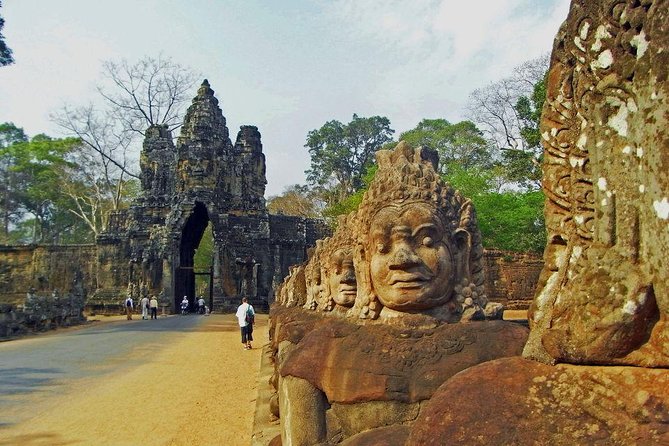
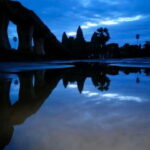
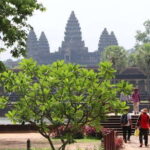
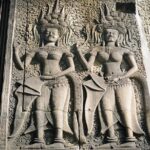
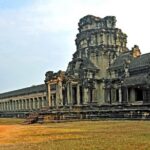
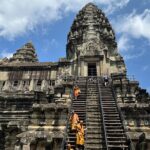
Angkor Wat is the obvious highlight, but the useful part is how you see it. The tour schedules a guided visit of around two hours, with time to walk and focus on details like carvings and the temple’s layout rather than just taking a quick look at the front gate.
A good guide turns Angkor Wat from a postcard into a place with logic. You’ll hear design explanations and learn how different parts relate to Khmer beliefs and the way the complex was built and used over time. This is also where your photo planning starts to pay off, because your guide can point you toward better angles and moments.
Timing note: it’s still midday energy by the time you finish, so I recommend keeping your hat and sunglasses handy even after the morning feels calm.
Ta Prohm and the jungle vibe: Tomb Raider energy, minus the confusion
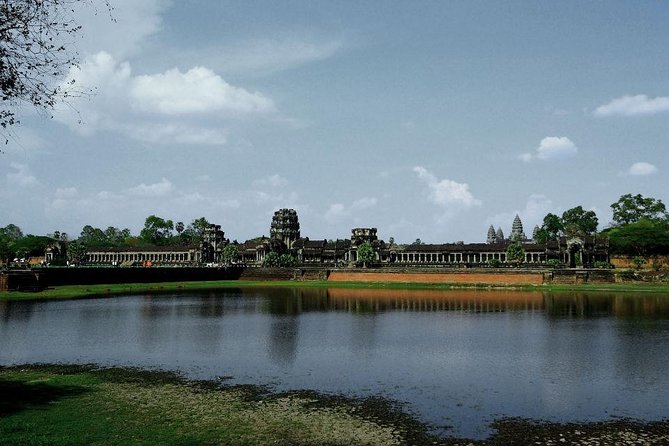
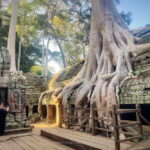
Then comes Ta Prohm, the famous “Tomb Raider temple.” Giant tree roots and thick vegetation create that instant movie-scene feeling, but it’s easy to get turned around because the setting is visually busy.
The guided time helps you slow down in the right places. You’re not just walking through a pretty ruin—you’re learning how the structures and trees coexist, and you’ll get tips for where to pause so the composition works in photos. The guide also helps you read the scene: which parts are original, which sections have been restored, and why certain areas look the way they do.
Practical tip: wear shoes with grip. Stone and roots can be slick, and you’ll be walking more than you expect on uneven ground.
Srah Srang break: reset your body before the big afternoon
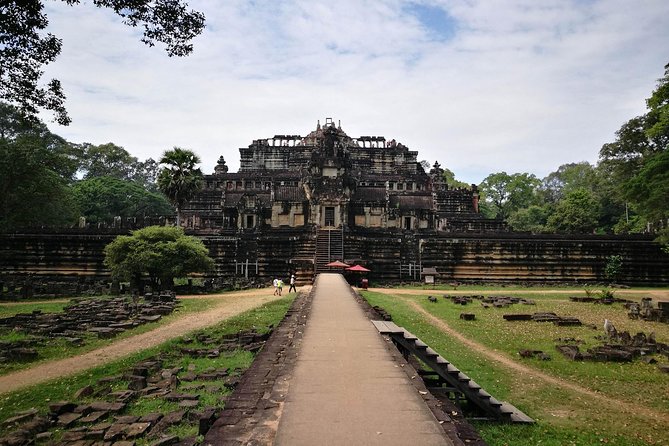
This tour builds in a mid-day break at Srah Srang with about an hour of downtime. You can grab a drink like beer, coffee, or tea, and you’ll have free time plus a chance to eat at a local Khmer restaurant (lunch is not included, but it’s available).
This stop matters because it’s the pause that keeps the afternoon from turning into a slog. In Angkor days, the hardest part isn’t sight-seeing—it’s heat, hydration, and waiting for everyone to catch up. A proper reset helps you keep your energy for Bayon and the sunset climb.
If you’re sensitive to spicy food, this is also your moment to choose wisely. You’ll be walking after lunch, so go for something you’ll feel good eating and digesting.
Angkor Thom and Bayon: 200+ faces and a lot of symbolism
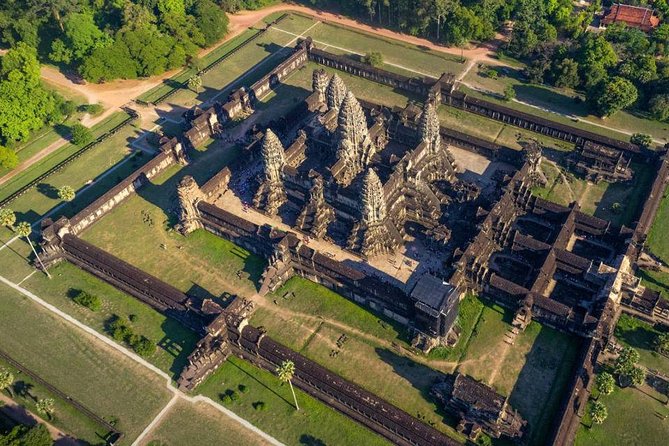
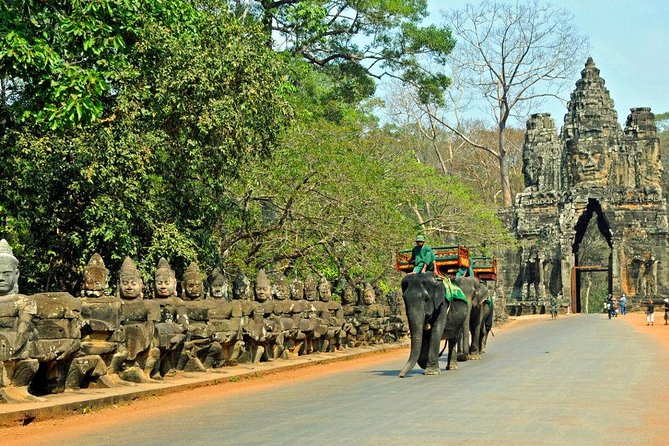
Angkor Thom is the former royal city space, and it feels different from Angkor Wat. The atmosphere shifts from grand temple geometry to a more human-scale maze of structures and gateways.
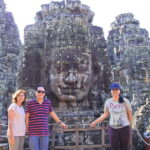
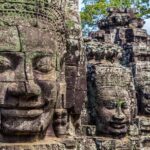
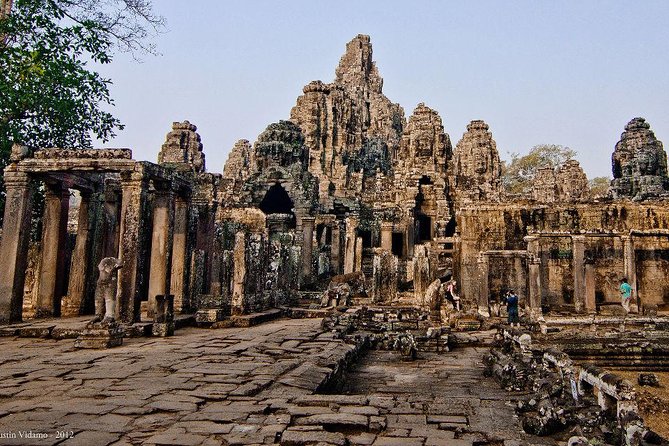
From there, you hit Bayon Temple with its 200+ stone faces. This is one of those places where a guide really makes the difference. The faces look captivating, but they’re also part of a bigger story—how Khmer rulers displayed power, how the city’s design reinforced belief systems, and how the temple fits into the broader Angkor world.
You’ll have a guided visit plus walking time, so plan for shade breaks and slow steps. This is also where your guide’s photo coaching becomes noticeable: you’ll usually be able to get better angles and less frustrating positioning when someone shows you where to stand.
Heat reality check: even if you feel okay at Bayon, save some energy. You still end with the Bakheng climb.
Phnom Bakheng sunset: the climb, the wait, and the view you came for
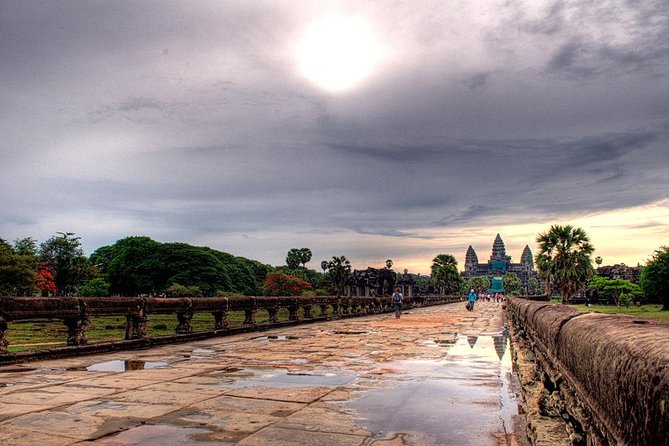
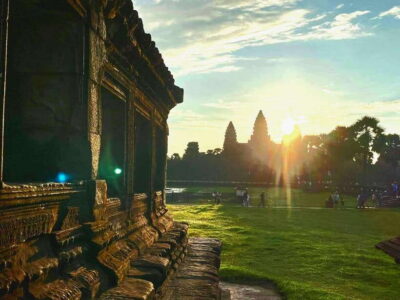
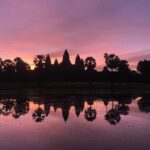
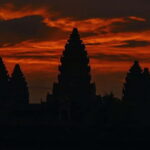
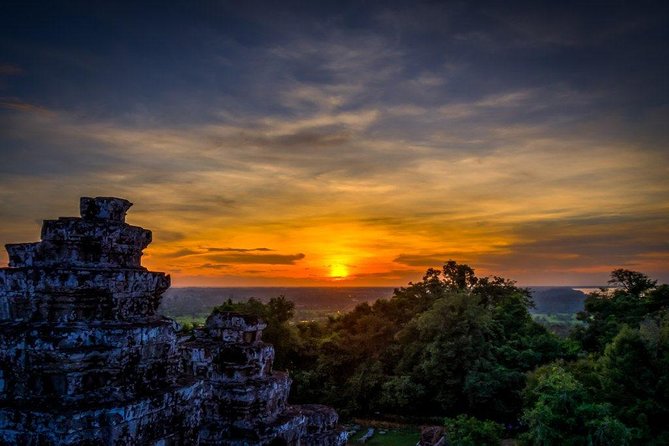
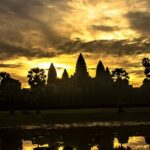
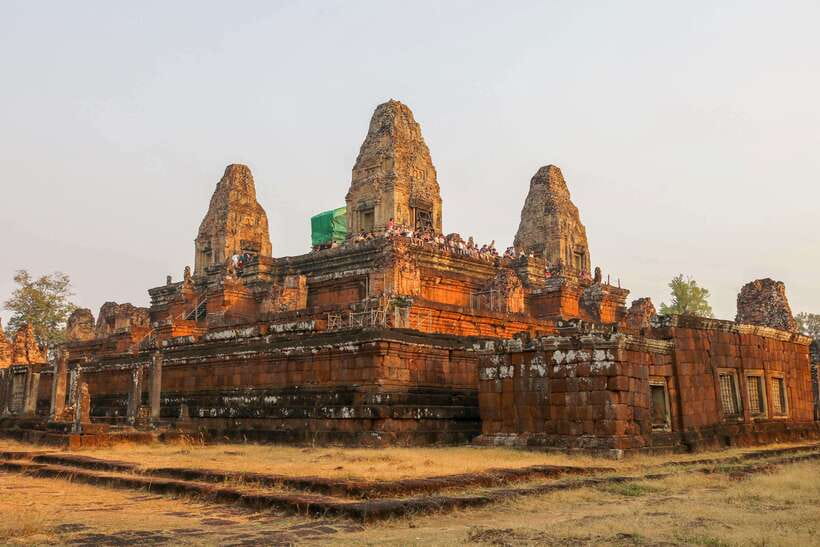
The tour finishes at Phnom Bakheng for sunset. This is the reason many people pick this exact experience: the view of Angkor Wat from up on the hill is the payoff, and it’s one of the most dramatic times to see the temple complex.
Here’s the thing—sunset at Bakheng is not just about watching. You’ll need to climb for the best viewpoint, and the top area can feel crowded because access is limited. One helpful tip from the field: the number of people allowed up can be capped (around 350 is mentioned in experience reports), so you’ll want to arrive with time to get a good spot rather than showing up at the last second.
Also bring a small comfort upgrade if you can. The rocks can get warm and can be uncomfortable to sit on for a long stretch. A towel or a small pad makes waiting much easier, especially if you’re planning to stay for the light change.
When sunset hits, you’ll understand why this tour puts everything into the late-day finale. You’ll leave with photos, sure, but also with that feeling that Angkor is more than architecture—it’s a whole stage set for light and time.
Transportation and comfort that matter more than you think
A day this long in Siem Reap lives and dies by comfort details. This tour uses an air-conditioned vehicle for transfers, and it includes bottled water and cool towels after stops.
That sounds minor until you’re halfway through the day and realize that hydration and cooling aren’t optional. The tour is also built for a smooth group pace, with guided stops that keep you moving without feeling like you’re getting rushed past the best parts.
Group size can vary. Some experience reports describe small groups (like 4 to 9 people), which often makes it easier to ask questions, get photo help, and move together without constant regrouping.
Price and value: what $18 really covers (and what costs extra)
The headline price is $18 per person, and it’s fair—if you understand what it includes. That amount covers the guide and tour service plus transportation and the included sunset experience. It does not cover temple entrance fees.
On the day, you’ll pay an additional $37 per person for the Angkor Pass (entrance fees). Lunch is also not included.
So the smart way to think about value is: you’re paying for a guided, organized day that hits multiple major sites and ends at sunset, while the big entrance ticket is separate. If you’d otherwise try to DIY a one-day Angkor plan, you’d likely spend similar money anyway—just with more stress and less direction.
If you want maximum value for your limited time, this tour’s strongest pitch is the balance: several temples, one guide voice, and practical logistics handled for you.
Dress code and what to pack for a hot temple day
The tour requests smart casual clothing with shoulders and knees covered. Light layers can help you meet the requirement without baking, and long lightweight pants often feel better than you’d expect.
Comfort items you should bring:
- Sun hat and sunglasses
- Comfortable shoes with grip
- Insect repellent
- A bottle-ready mindset: you’ll have water, but you should still plan to drink regularly
For sunset specifically, consider bringing a small towel or pad for the climb-and-wait reality. It’s a small cost that pays back fast.
Who this tour suits best
This works well if you:
- Have one day and want to cover multiple major Angkor sites
- Like learning why things were built the way they were, not just taking pictures
- Want a guide who can help you with pacing and photo positioning, as seen in guide experiences like Mr Sok Chea and Niem Sokhem
It may not be the best fit if you:
- Need wheelchair access (the tour is not wheelchair accessible)
- Don’t do well with long days and stair climbing
- Are traveling with children under 7 (children aged 7 and under are not permitted)
There’s also a private tour option if you’d rather move at your own speed, but the shared-group version is often enjoyable if you like meeting people from different places.
A few practical notes to keep the day smooth
- Start early mentally. The day is long, and the sunset part often depends on getting positioned before it fills.
- Be ready for walking. Even with good planning, temple stone and pathways add up.
- Ask questions during the bus rides. Guides often use travel time to explain context, which helps you understand what’s in front of you later.
- Keep your expectations realistic: you’ll see major highlights, not every corner of Angkor in perfect depth.
Should you book this Angkor Wat Sunset Tour?
Book it if you want a smart one-day Angkor plan with transport, an English guide, and a guided path through the temples, ending with a sunset view from Bakheng. The combination of multiple iconic sites, cool comfort stops, and sunset access makes it a strong value for $18—especially once you factor in that DIY can easily become confusing on a tight schedule.
Skip (or choose a different format) if you have mobility limits or you hate stair climbing and long hot waits. In that case, a gentler itinerary—or a private tour that can better match your pace—may feel less demanding.
If you’re on the fence, my take is simple: Angkor is huge, and you only get one chance to make the most of a limited timetable. This tour is built to help you do exactly that.
FAQ
How long is the Angkor Wat Sunset Tour?
It runs for 10 hours.
What’s included in the tour price?
The tour includes hotel pickup and drop-off in Siem Reap, transportation by air-conditioned vehicle, an English-speaking tour guide, bottled water, cool towels, and the sunset experience from Bakheng.
What is not included?
Temple entrance fees are not included. The Angkor Pass (1 day) is listed as USD 37.00 per person, and lunch is also not included.
Which temples and stops are visited?
You visit Angkor Wat, Srah Srang (break time), Ta Prohm, Angkor Thom, Bayon Temple, and end with sunset at Phnom Bakheng.
What should I bring for the tour?
Bring sunglasses, a sun hat, comfortable shoes, and insect repellent.
Is this tour wheelchair accessible?
No. This tour is not wheelchair accessible.