REVIEW · SIEM REAP
Angkor 2-Day Sunset & Sunrise Small-Group Tour
Book on Viator →Operated by Journey Cambodia · Bookable on Viator
Sunrise in Angkor Wat hits different. This small-group Angkor Wat sunrise and sunset combo also threads in lesser-seen temples like Banteay Srei, with hotel pickup and an air-conditioned vehicle that keeps the day from turning into a sweaty slog.
What I really like is the way the guide turns ruins into stories you can follow. Whether you get a guide like Sopheap Rath, Sokpee, Pal, or Chhay, you’ll be moving on a schedule that still leaves time to look up, ask questions, and get photos without feeling rushed.
One thing to consider: this tour price doesn’t include the temple pass. Plan on paying $62 for the Angkor passes on the day, and also accept that these are long days with lots of walking.
In This Review
- Key takeaways
- Two Days That Start Before Breakfast (And End With Awe)
- Day 1 Plan: Preah Khan to Banteay Srei’s Fine Carving
- Quick reality check for day one
- Sunset Day One: Photos, Heat, and the Smog Wild Card
- Day 2 at 4:10–4:30am: The Angkor Wat Sunrise Advantage
- Angkor Thom and the South Gate: Big Scale, Clear Stories
- Terrace of the Elephants + Leper King Area: Classic Photo Stops
- Ta Prohm: The Temple That Looks Like Time Paused
- Comfort and Pace: The AC Van Makes This Tour Work
- Guides You Might Get: The Real Secret Sauce
- Price and Value: What $49 Really Buys You
- What to Pack (So You Don’t Suffer for Great Photos)
- Is This Tour for You? Best Fit Scenarios
- Should You Book This Angkor 2-Day Sunset & Sunrise Tour?
Key takeaways
- Air-conditioned transport between temples keeps you functional in the heat
- Sunrise at Angkor Wat + sunset on day one gives you two major light-show moments
- Countryside stop: Banteay Srei gets you out of the busiest temple loop
- Small group size (max 15) usually means a calmer pace and easier photo stops
- Dress code is simple but strict inside temples: shoulders and knees covered
Two Days That Start Before Breakfast (And End With Awe)
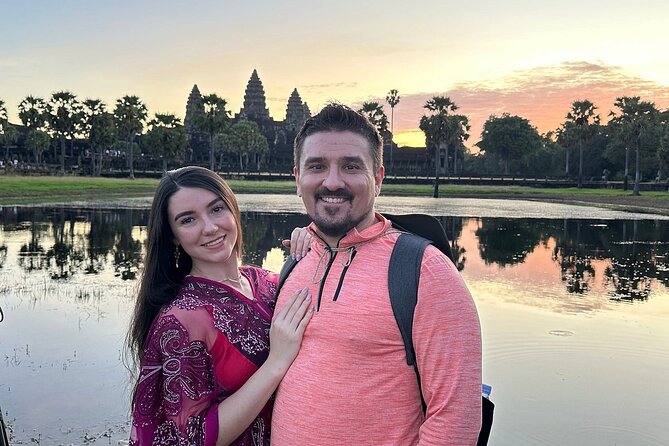
Angkor on a tight timeline can feel like drinking from a fire hose. This 2-day format fixes that problem by covering a lot of ground, yet keeping a logical flow: day one gathers the dramatic temples around the wider Angkor Archaeological Site, and day two focuses on the big icons and a few highly atmospheric stops.
You’ll also notice a smart comfort choice right away. Instead of the open-air tuk-tuk style that turns midday travel into a heat test, you’re in a climate-controlled vehicle. That matters because Angkor’s best ruins come with hours of sun, dust, and uneven steps. The tour also includes bottled water and cool towels, which is not a luxury here—it’s basic survival.
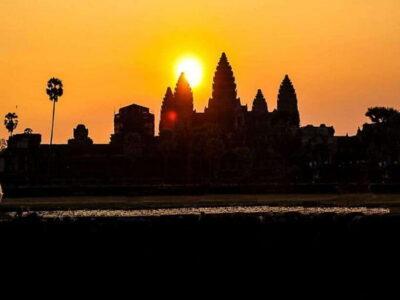
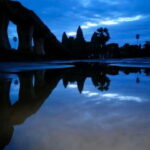
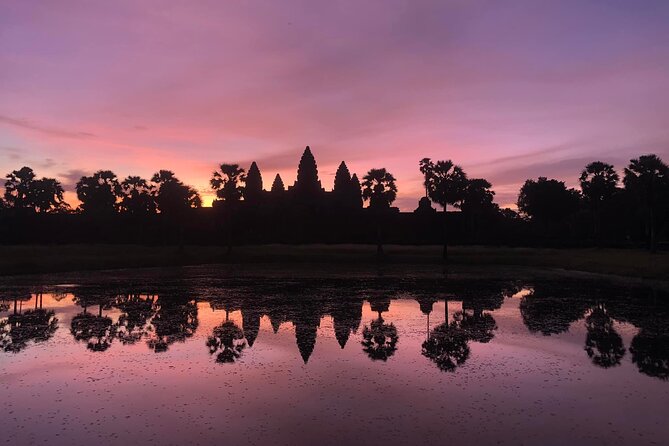
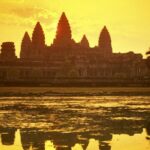
And sunrise is the headline. Day two starts pre-dawn, so you’re not just arriving at Angkor Wat—you’re entering it in near darkness from the eastern side as the light begins to change. That’s a totally different vibe than showing up mid-morning when the crowds and noise kick in.
You can also read our reviews of more evening experiences in Siem Reap

Day 1 Plan: Preah Khan to Banteay Srei’s Fine Carving
Day one begins at Siem Reap hotel pickup and runs as a full temple day, with breaks built in. You’ll start at Preah Khan, a ruined complex where huge tree roots and crumbling stone do a lot of the work for you. It’s atmospheric without needing any extra imagination. Plan for some walking on uneven surfaces, and take your time looking at the way the carvings and layout connect across the different areas.
Next is Neak Pean, a Buddhist temple set on a small circular island in Jayatataka Baray. It’s shorter (about 40 minutes), but it’s a good pause in the day. The setting helps you step back from the bigger temple drama and notice the geometry and water setting.
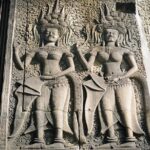
Then comes the stop many people are hoping for: Banteay Srei. This is a smaller sandstone temple with detailed reliefs that are famous for their craft. It’s also set deep enough that you typically feel like you’re seeing Angkor beyond the most obvious checkboxes. You’ll get about 1.5 hours here, which is enough to slow down—especially if your guide helps point out motifs you’d miss on your own.
Finally, you’ll head to Pre Rup, a Hindu temple mountain dedicated in the 10th century. The combination of brick, laterite, and sandstone is a clue to how Khmer builders changed materials and techniques over time. The views from the structure are a nice reward if your legs still work.
Quick reality check for day one
Day one can feel long. One person described it running from around 8am until about 7pm with sunset included. If you hate marathon days, bring snacks for the ride and accept that this is a “see a lot” itinerary.
Sunset Day One: Photos, Heat, and the Smog Wild Card
After the temple circuit, you’ll end with sunset on day one. The plan is designed to give you a hilltop viewpoint for those classic sky-and-temple moments. This is where the tour’s timing pays off, because the lighting and colors change fast.
Still, sunset is not fully controllable. One common issue is air quality. Heavy smog can flatten the colors and make the view feel less crisp. On a clear day, it’s magical. On a bad air day, you’ll still get the atmosphere and scale, but don’t expect perfect-looking postcards.
Also note that the final viewpoint can involve an incline and heat exposure. If you have breathing issues or asthma, plan your pace and take it slow on the climb. Heat + pollution is not the combo you want to rush.
Day 2 at 4:10–4:30am: The Angkor Wat Sunrise Advantage
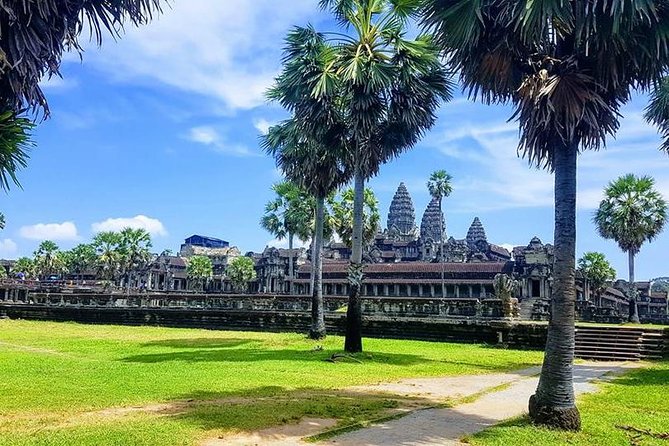
Day two starts pre-dawn, with hotel departure usually between 4:10 and 4:30am depending on season. This early start is the price of admission for sunrise that feels calm rather than chaotic.
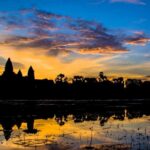
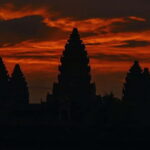
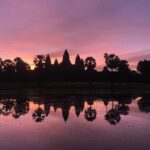
Here’s the big difference: you arrive while Angkor Wat is still waking up. Your group enters from the less-busy eastern side, and you see the temple silhouette shift as the sky brightens. This is one of those moments where your camera helps, but your eyes do most of the work.
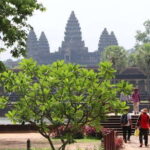
You’ll spend about 3 hours on the Angkor Wat portion. That’s important because sunrise is not just “look at the sky and leave.” You’ll have time to walk key areas, take photos when the light is right, and then settle into the temple’s interior spaces as brightness returns.
And if you’re thinking, okay, will I be exhausted? Yes. People do recommend bringing the expectation of a nap. But the trade is worth it: you get Angkor Wat at its most peaceful, with fewer bodies in the frame.
You can also read our reviews of more tours and experiences in Siem Reap
Angkor Thom and the South Gate: Big Scale, Clear Stories
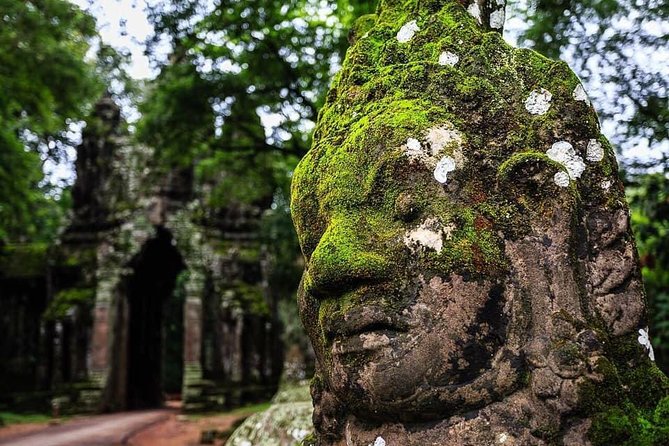
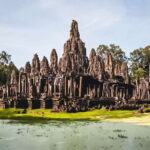
After sunrise, you’ll move into Angkor Thom, the once-capital city area. This is where the sheer scale starts to hit you. You’ll spend about 1.5 hours here, with time to appreciate what made the city grand in its peak.
The tour also includes Angkor Thom South Gate (about 30 minutes). South Gate is one of those spots that instantly reads as power and ceremony, even if you’re not a Khmer history scholar. Your guide’s job here is to connect the visual details to the why behind them: why gates are built the way they are, what symbolism you can actually see, and how the whole complex works as a system.
Terrace of the Elephants + Leper King Area: Classic Photo Stops
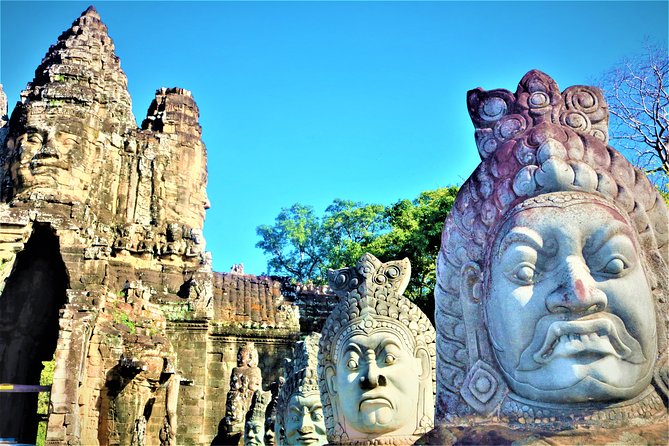
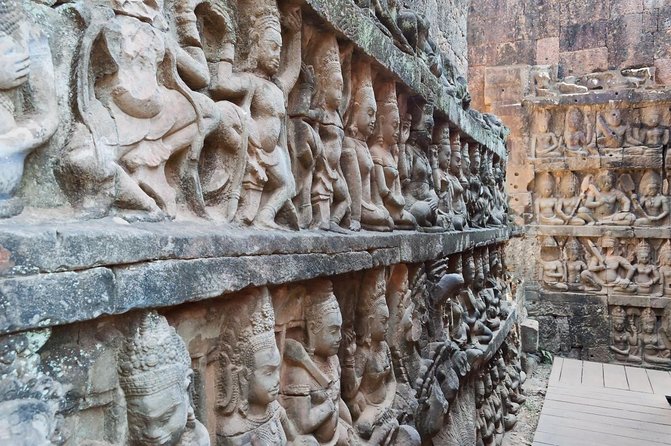
Next up is the Terrace of the Elephants, with about 1.5 hours planned. This area is famous, but the photos don’t tell the full story. Seeing the carving rhythm in person helps you notice how the terrace acts like a stage—meant for processions and ceremonies.
The plan also mentions passing by the Terrace of the Leper King. Even if you don’t linger, it’s worth looking carefully at the detail density. If your guide is confident with explanations and spot-pointing, ask them to show you what to look for in the carvings.
There’s no admission fee noted for this portion, which can make it a nice break in the budget math—just keep in mind the main temple pass covers the broader Angkor sites.
Ta Prohm: The Temple That Looks Like Time Paused
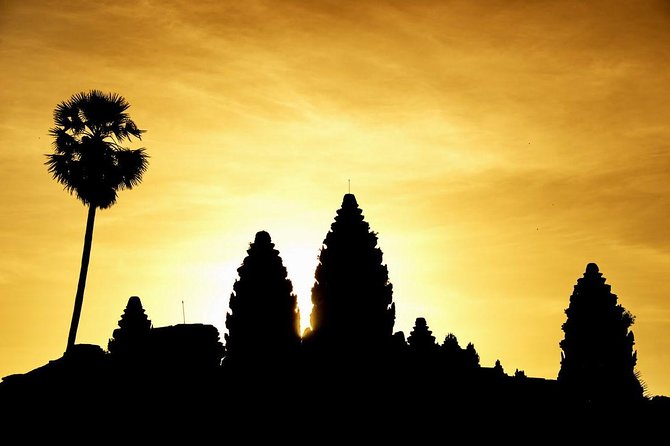
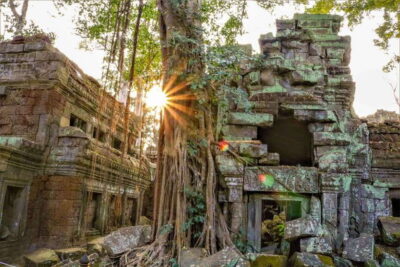
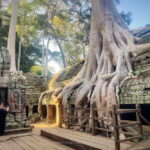
Day two finishes with Ta Prohm, a temple known for its dramatic “nature taking over” look. It’s about a one-hour stop, and it moves quickly unless you’re deliberate.
One of the details that helps Ta Prohm click is that it once housed 2,740 monks. Knowing that makes the ruined halls feel less like scenery and more like a real place where people lived, prayed, and worked.
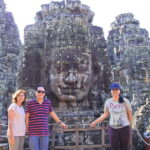
You’ll also see why this is such a magnet for photographers. The light filtering through trees, the angle of stone blocks, and the crumbling walls create frames that look like they were staged. If your guide is someone like Pal, Pi, or Sak, you can often count on photo help—either positioning you for shots or making sure you don’t miss the best angles.
Comfort and Pace: The AC Van Makes This Tour Work
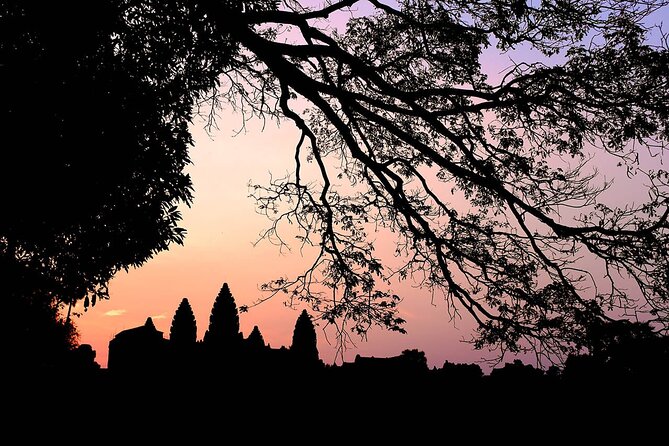
The tour’s strongest practical advantage is the transportation choice. Even if your temple stops are only a few hours apart, Siem Reap heat adds up fast. With air-conditioned transport, bottled water, and cool towels, you spend more time looking at temples and less time fighting the heat.
Small-group size also matters. This tour caps at 15 travelers, which tends to keep movement smoother than big bus setups. Your guide can handle the flow—slowing down when the group needs a minute, speeding up when everyone’s ready.
Rain happens in the wet season, and one nice touch mentioned is that umbrellas may be provided on the rainy day. That’s not a guarantee, but it’s a good sign that the tour operator expects real weather, not just sunshine.
Guides You Might Get: The Real Secret Sauce
The itinerary is solid. The guide is what makes it stick.
In the feedback you shared, people repeatedly praised guides by name:
- Sopheap Rath (with driver Moa) for making the whole experience feel personal and for going above-and-beyond.
- Sokpee (with driver Ha) for staying on time, explaining well, and helping with photo spots.
- Pal (with driver Naro) for balancing history, humor, and photography help.
- Sak (with driver Keal) for clear explanations and quick help with best photo angles.
- Chhay for making temple visits connect to Khmer culture and daily life.
- Bun and Pi for smoothly managing pacing and helping solo visitors get photos.
If you’re traveling solo, pay attention to that last point. A lot of the value of a guided Angkor tour isn’t only the explanations—it’s having someone who knows how to turn your camera into a memory-maker even when you’re not traveling with a partner.
Price and Value: What $49 Really Buys You
At $49 per person, the base price is mostly about the labor and logistics: licensed English-speaking guide time, the air-conditioned vehicle, hotel pickup/drop-off, and the timed sunrise and sunset experiences.
Then comes the part you must budget for: the temple pass. The tour notes an additional $62 for a 2–3 day Angkor pass, paid directly at the sites. That’s an extra cost on top of the $49 tour fee.
So the real math is simple:
- You’re paying for transportation + guide + planning + sunrise/sunset timing
- You’re paying separately for temple entry via the pass
If you were to DIY Angkor, you might save the tour fee, but you’d likely lose time and context. Angkor is not just a pile of buildings. Without help, it’s easy to walk past details and miss why a temple looks the way it does. With a guide, you trade cash for fewer mistakes, better timing, and explanations that help you remember what you’re seeing.
What to Pack (So You Don’t Suffer for Great Photos)
Even with AC and cool towels, you’ll still do a lot of walking on temple paths and steps. Bring:
- Comfortable walking shoes (you will need them)
- Light layers that meet the dress code: shoulders and knees covered inside temples
- A small towel or hand wipes if you’re sensitive to dust
- Sun protection for the long day (day one can be intense)
- Patience for early starts (especially day two)
If you’re the type who gets cranky from lack of sleep, consider planning a rest window the afternoon after the sunrise day. People often recommend it for a reason.
Is This Tour for You? Best Fit Scenarios
This tour works especially well if:
- You want major highlights plus a few less-busy stops like Banteay Srei
- You care about sunrise being less chaotic
- You prefer AC comfort over open-air rides
- You like a clear schedule, but still want time to ask questions
You might rethink it if:
- You hate early mornings and long days
- You’re highly sensitive to walking (there’s no way to do Angkor without steps)
- You need guaranteed air quality for sunset—smog can mess with views even when the timing is perfect
Should You Book This Angkor 2-Day Sunset & Sunrise Tour?
If you want an Angkor trip that feels structured but not mechanical, this is a strong option. The combo of sunrise at Angkor Wat, a full day of temples, and the added countryside stop at Banteay Srei gives you variety in just two days. Add the air-conditioned van and the included water and cool towels, and you’re set up to enjoy the temples instead of just surviving them.
My main advice before you commit: confirm your total cost up front. The temple pass is extra, and one past customer reported changes they didn’t expect. You don’t need to worry—just be sure you know what you’re paying and what the day includes.
If you want Angkor that actually makes sense—light shows plus context—book it and plan your recovery time for after sunrise.