REVIEW · SIEM REAP
Angkor Wat Tour by Tuk-Tuk with English Speaking Driver
Book on GetYourGuide →Operated by About Cambodia Travel and Tours · Bookable on GetYourGuide
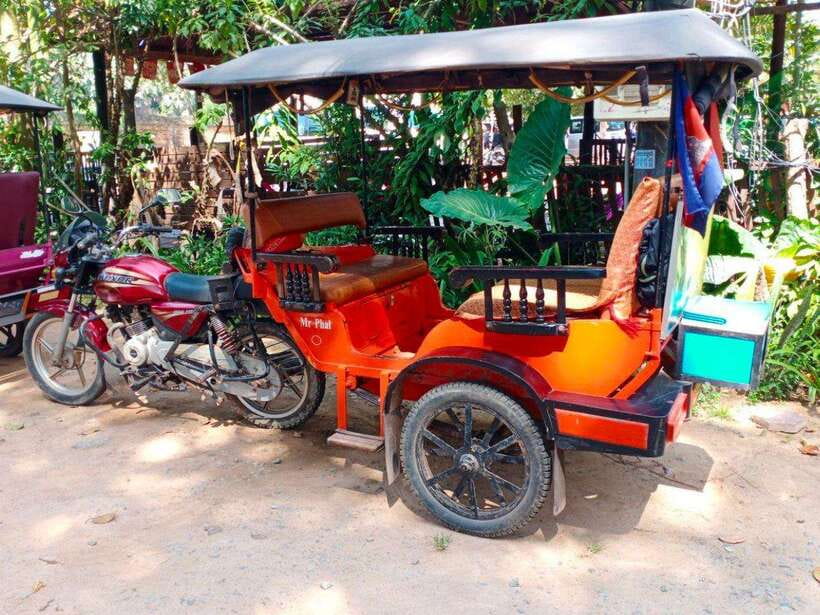
Angkor is easier when you drive it your way. I like the private tuk-tuk setup with hotel pickup, and I like that you get an English-speaking driver who can keep your day moving without rushing you. A possible drawback: Angkor Pass and temple entrance fees are not included, so you’ll want to budget for those up front.
This is built for a full temple day where you can set the pace and spend more time at the places you care about. The itinerary packs the big names—Angkor Wat, Angkor Thom, Bayon, Ta Prohm, plus several “small circuit” style stops—while your tuk-tuk driver handles transit and waits at each site. I also like the practical touches people bring up often: cold water, cold towels, and help when plans get messy (rain, getting turned around, or needing extra time).
Best fit: you want independence, less hassle, and a guide/driver who helps you actually use the time well. You’ll do a lot of walking and some stairs—this isn’t a sit-and-watch cruise—so bring water, wear comfy shoes, and plan for the heat.
In This Review
- Key highlights worth caring about
- How the private tuk-tuk model saves your Angkor time
- Getting started in Krong Siem Reap: meet, ride, go
- Angkor Wat: what you’ll see and how to manage the walk
- Angkor Thom and Bayon: the south gate, then the smiling faces
- Baphuon, Elephant Terrace, Leper King terrace, and the Royal Enclosure
- Ta Prohm: why the roots always steal the show
- The rest of the circuit: Ta Keo, Ta Nei, West Prasat Top, Banteay Kdei, Prasat Kravan
- English-speaking driver versus English license tour guide option
- What to budget for: the $15 price and what it really covers
- Heat, weather, and the small ways the day stays comfortable
- Who this tour fits best (and who should look elsewhere)
- Should you book this Angkor tuk-tuk tour?
- FAQ
- Is hotel pick-up and drop-off included?
- Do I need an Angkor Pass or pay entrance fees?
- Is this tour private?
- What language is used during the tour?
- How long is the tour?
- What stops are included?
- Will the driver wait for me at the temples?
- Can I choose special activities for my day?
- What are the cancellation and payment options?
Key highlights worth caring about
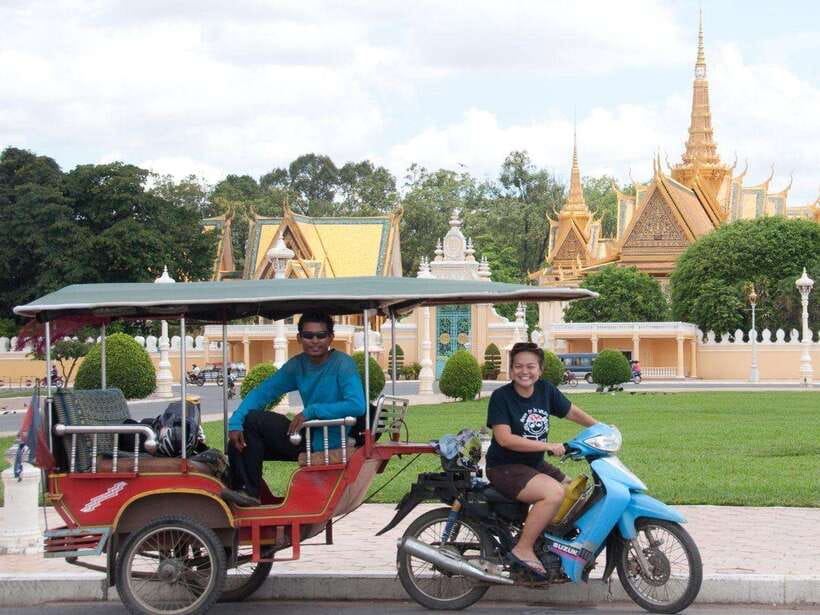
- Private hotel pickup and drop-off in Krong Siem Reap by tuk-tuk, so you don’t wrestle with schedules
- English-speaking driver (and you can select an official English license tour guide option)
- Flexible temple pacing with waiting time at each stop, so you can linger where you want
- Angkor Wat in the middle of the day or aligned with sunset depending on your chosen session
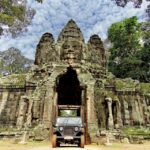
- Angkor Thom and Bayon’s 216 smiling faces, plus classic terraces and enclosures
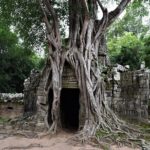
- Ta Prohm’s root-covered ruins—the stop many people remember longest
How the private tuk-tuk model saves your Angkor time
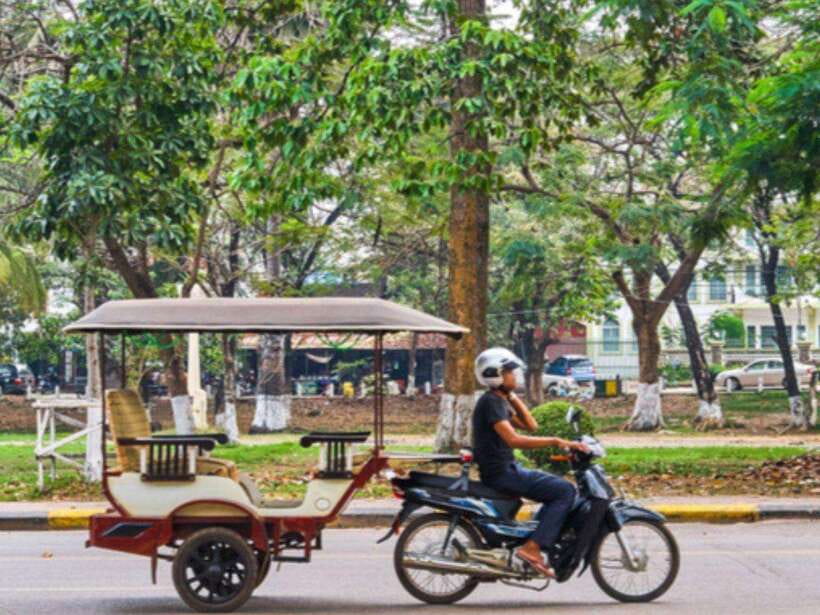
Angkor rewards good timing. Not just the big photo moments, but the “in-between” minutes: how long it takes to park, walk, queue, and then find the right path inside each temple. A private tuk-tuk cuts out a lot of that friction. You’re not negotiating where your group goes next, and you’re not stuck waiting while someone finishes a long photo session.
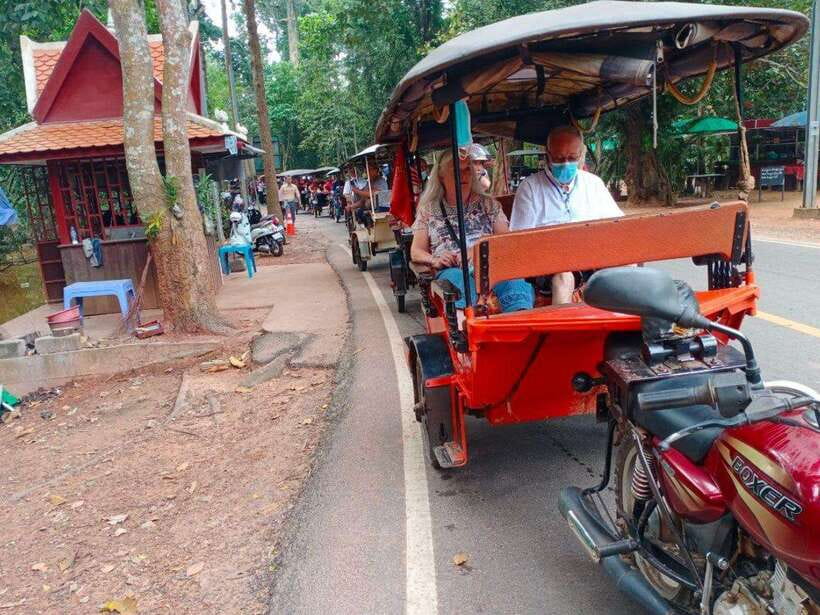
The other win is simple: your driver’s job is to get you from temple to temple and wait for you at each stop. That means you can do the walk at your pace—whether you want a quick circuit or slower exploring with more stops for photos. In the past, drivers on this service have been especially helpful with real-world details like giving pin-drop directions afterward and even helping when rain hits hard.
The big thing you should understand before you book is also the biggest budget item: the ticketing. The tour does not include temple entrance fees or the Angkor Pass, so you’ll still pay those separately. If you’re trying to keep costs tight, check your pass plan early so you’re not making last-minute decisions at the gates.
You can also read our reviews of more tours and experiences in Siem Reap


Getting started in Krong Siem Reap: meet, ride, go
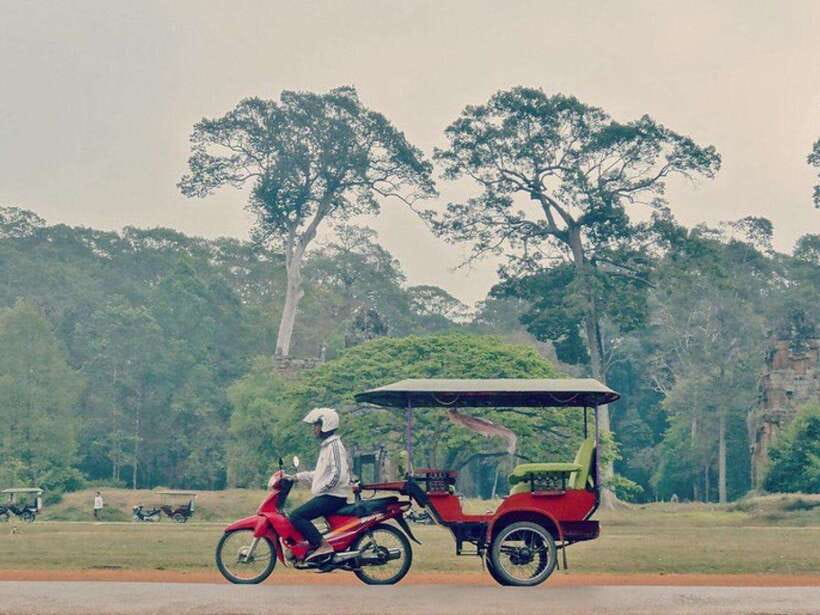
The service is set up around a clean hotel-to-temple flow. You provide your hotel name and hotel address, and the driver meets you in the hotel lobby by the start time. From there, the tuk-tuk handles the short transfers between sites, and you return to your accommodation when the day is done.
This matters more than it sounds. Angkor days can start with small hassles—finding a pick-up spot, coordinating a meeting point, or waiting while you figure out transport. Here, the plan is straightforward: lobby pickup, drive to the first temple, then repeat. If you’ve ever tried to organize this on the fly in hot weather, you already know why this is valuable.
Angkor Wat: what you’ll see and how to manage the walk
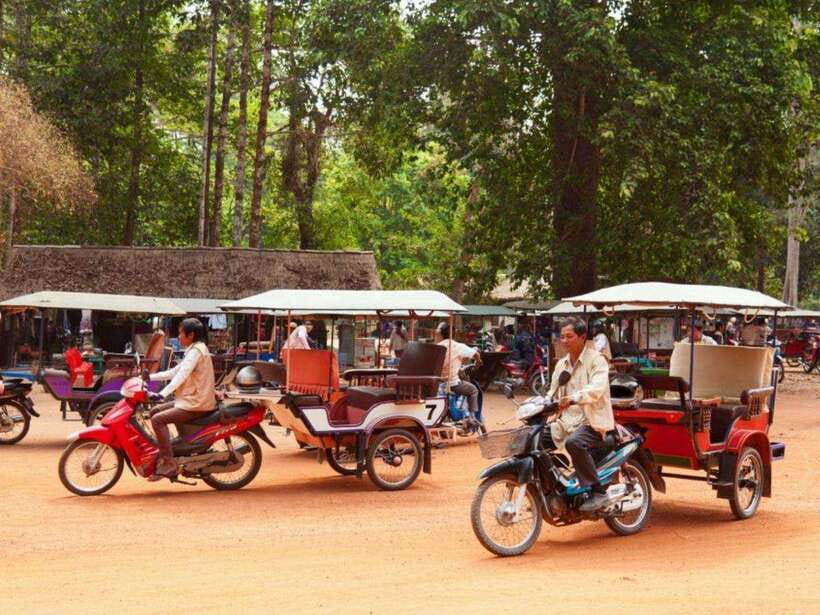
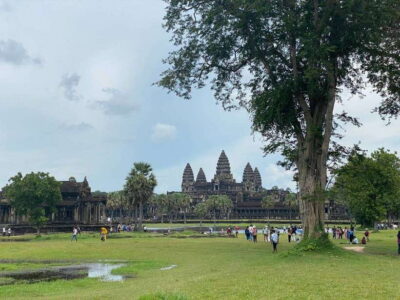
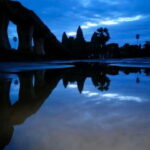
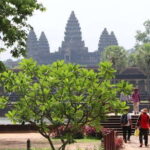
Angkor Wat is the anchor. Even if you’ve seen photos for years, the scale hits when you arrive and start walking the causeways and courtyards. The tour includes time at Angkor Wat with sightseeing and self-guided exploration, plus a scenic drive component on the way.
Two practical points for your plan:
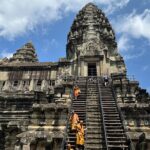
- Expect walking and stairs. It’s part of the experience, but it can feel like a lot if you’re not ready for it.
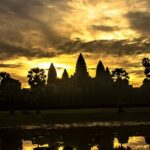
- Time your exploring for the light you want. The tour highlights sunset as a special option and also mentions sunrise in related formats. Your exact timing depends on the session you choose, so when you check availability, think about what you want most: softer light for photos, or daytime clarity for details.
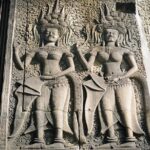
What I like about putting Angkor Wat first in a day like this: it gives you a strong “baseline.” Once you’ve seen the main layouts and the vibe, the later temples in the circuit start to make more sense. The carvings and gate designs feel less like random stops and more like chapters in the same story.
Angkor Thom and Bayon: the south gate, then the smiling faces
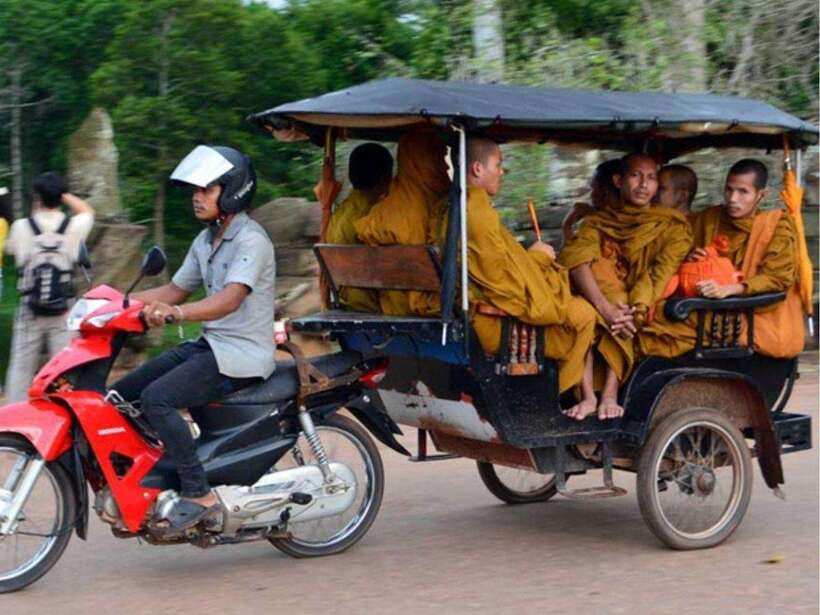
After Angkor Wat, you head toward Angkor Thom, the walled city area associated with the ancient capital. This is where the tour becomes more than just a list of famous places. Angkor Thom gives you a sense of how the whole complex worked as a lived-in space—then Bayon shifts it into something unforgettable.
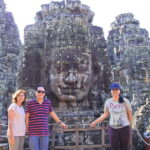
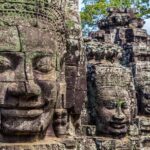
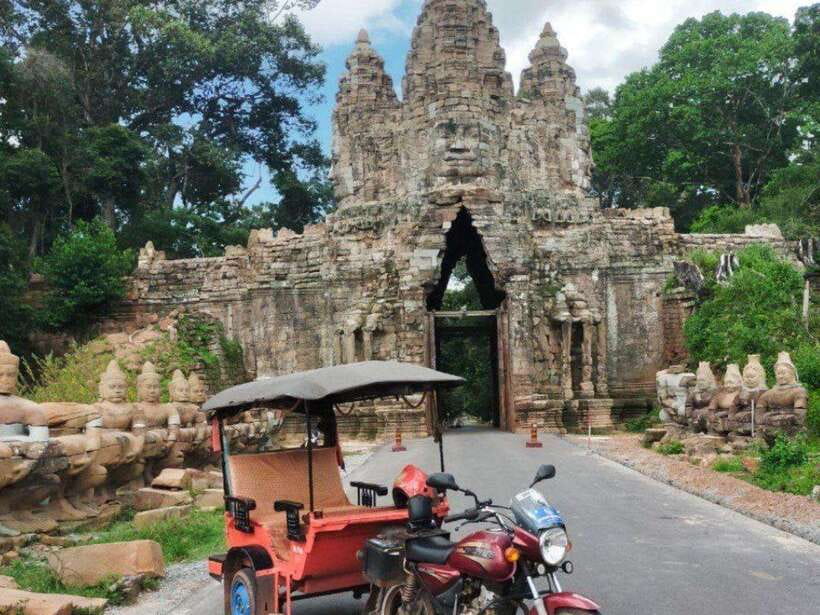
The day includes the South Gate (often referenced as the southern gate) before Bayon. From there, you get to spend significant time at Bayon Temple, including Bayon’s 216 giant smiling faces carved into stone. That detail is the headline, but the real payoff is how your viewpoint changes as you walk levels and change angles around the complex.
A possible consideration here: Bayon can get crowded and the pace can feel busy. With a private tuk-tuk setup, you’re not stuck with other people’s timing, but you still need to plan for your own energy. If you like slow photo stops and careful looking, you’ll appreciate the option to spend longer.
Baphuon, Elephant Terrace, Leper King terrace, and the Royal Enclosure
This stretch is classic Angkor “terrace and structure” sightseeing. You’ll visit Baphuon and the areas around major terraces, including the Elephant Terrace and the Terrace of the Leper King. You also include sites tied to the Royal Enclosure and Phimeanakas in the general plan.
Why these stops are worth your time even if you’re not a carvings-and-stone-nerd: each terrace area helps you understand the way Khmer temple architecture tells stories. Even when you’re exploring on your own, you’ll notice repeating motifs—so later visits feel more connected than just separate monuments.
If you want to make this section easier, keep a simple strategy:
- Spend extra time at one or two spots where you want to look up closely.
- Then move on before your legs and patience get too tired.
A private driver that waits for you makes this strategy possible without feeling like you’re falling behind a group.

Ta Prohm: why the roots always steal the show
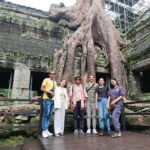
In the afternoon, the itinerary turns to Ta Prohm Temple, built in the late-12th century by King Jayavarman VII. This is the temple people remember for its dramatic relationship with nature—parts of the structure appear swallowed by giant roots and thick trees that overshadow the stone.
Ta Prohm is also one of the most demanding stops visually and physically. It looks incredible from multiple angles, and it’s easy to get “stuck” trying to frame one more photo. The upside of having a tuk-tuk driver waiting is you can stay focused on what you came for without turning it into a frantic dash.
One more practical note: the day’s schedule includes time for breaks and lunch around the terrace area, so you’re not forced to go straight through everything nonstop.
The rest of the circuit: Ta Keo, Ta Nei, West Prasat Top, Banteay Kdei, Prasat Kravan
After Ta Prohm, the tour continues with additional temples that fit the “small circuit” style feel—less famous than Angkor Wat and Bayon, but often more satisfying when you like variety without the heavy crowds.
Here’s what you should expect from the remaining named stops:
- Ta Keo: a strong structure with plenty of climbing and photo opportunities. If you like views, this is a good one to linger at.
- Tonle Om Gate (Southern Gate): a return to gate-and-approach architecture, useful for understanding the layout and orientation of the complex spaces.
- Ta Nei Temple, Angkor: a quieter stop that can feel more intimate once you’ve moved beyond the big-photo anchors.
- West Prasat Top: included with longer time on site, which suggests the temple is worth a slower look rather than a quick walk-through.
- Banteay Kdei and Prasat Kravan: photo stops mixed with self-guided sightseeing. These are great for filling out the day with variety while still staying in the same driving loop.
- Terrace of the Leper King area: the plan includes a break time and lunch here, so you get a practical pause in the middle of a walking-heavy day.
A balancing thought: this is a lot of temples. It’s amazing if you like seeing more rather than repeating the same type of scene. But if you’re the type who needs calm time to absorb one place deeply, you may want to prioritize your top three and treat the rest as bonuses.
English-speaking driver versus English license tour guide option
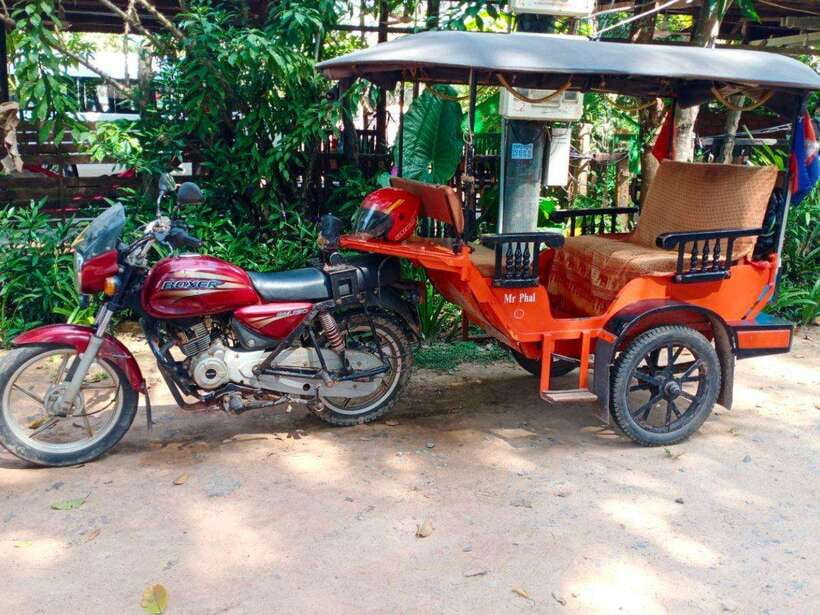
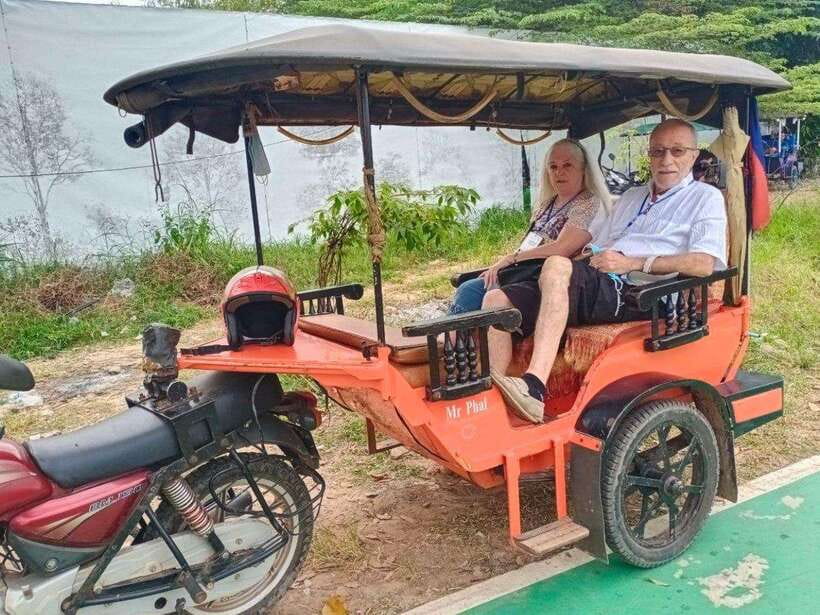
You’re getting a private tuk-tuk with an English-speaking driver, and that can be enough if you’re mostly after logistics and the freedom to choose your pace. Several drivers connected to this service have been described as friendly, safe, and helpful with directions and timing.
There’s also an option mentioned for an official English-speaking license tour guide. The way it’s presented suggests you can add that by selecting the booking option that includes the license tour guide alongside the tuk-tuk driver. That difference matters if you want cultural context as you walk—because a guide can explain what you’re looking at as you move through the stonework.
If you’re trying to decide, use this rule of thumb:
- If you want navigation and timing, keep it to the English-speaking driver.
- If you want meaning while you walk, choose the license tour guide option (when it’s available in your booking).
Also, multiple driver names show up in service feedback—people call out Paal, Titya, Titya ren (spelling varies), Campong, and Tantze. That’s a good sign: the company is consistently assigning staff who communicate clearly.
What to budget for: the $15 price and what it really covers
The headline price is listed as $15 per person, but you should treat it as transport and temple-time planning, not as an all-in Angkor ticket package. Entrance fees and the Angkor Pass are explicitly not included. So the real cost is the sum of:
- the tour price for the private tuk-tuk service
- your Angkor Pass
- your temple entrance fees
This can still be great value if you want flexibility and convenience. The private part is what you’re paying for: hotel pickup, direct transfers, and waiting time at each temple. In other words, the low tour price works best when you’re already comfortable handling the ticketing side.
Heat, weather, and the small ways the day stays comfortable
Angkor days can swing from bright sun to sudden rain. What keeps the day enjoyable is how your transport responds. Several experiences connected to this service mention practical help: umbrellas when rain starts, and staying on track even when plans shift.
Heat is the other big factor. You’re walking and climbing in exposed spaces. You’ll want your own essentials—hat, sunscreen, comfy shoes—but it helps that the drivers on this service have been described as providing cold bottles of water and cold towels. Even if you don’t rely on those completely, it’s a nice safety net on a long temple schedule.
Who this tour fits best (and who should look elsewhere)
This tour is ideal for you if:
- you want a private temple circuit rather than a large group schedule
- you like the idea of picking a pace and spending extra time at your favorite temples
- you value English communication for questions and logistics
- you want to see both the big names and several additional circuit temples
It may not be ideal if:
- you only want one or two major stops and prefer fewer walking hours
- you’re expecting fully guided commentary at every site without selecting the tour guide option
- you need everything included end-to-end (since entrance fees and Angkor Pass aren’t included)
Should you book this Angkor tuk-tuk tour?
Yes, I’d book it if you’re planning an Angkor day and you care about convenience and control. The private tuk-tuk model is the big value driver, and the English-speaking driver option makes the day feel workable even if your Khmer knowledge is limited.
Before you confirm, do two quick checks:
- Budget for your Angkor Pass and entrance fees since they’re not included.
- Decide whether you want just an English-speaking driver or also an official English license tour guide option, because that changes how much meaning you’ll get while you walk.
If you want a day that balances famous temples with extra stops—and you’d rather not stress over transportation—this is the kind of tour that tends to make an Angkor visit feel easy.
FAQ
Is hotel pick-up and drop-off included?
Yes. You’re picked up from your hotel lobby and returned to your hotel by private tuk-tuk.
Do I need an Angkor Pass or pay entrance fees?
Yes. Entrance fees and the Angkor Pass are not included, so you’ll need to arrange and pay for them separately.
Is this tour private?
Yes. It’s listed as a private group with private tuk-tuk service.
What language is used during the tour?
The driver is English speaking, and there is an option to include an official English speaking license tour guide if selected.
How long is the tour?
The duration is listed as 2.5 hours to 558 minutes, and you’ll need to check availability for starting times.
What stops are included?
The plan includes Angkor Wat and Angkor Thom (including Bayon), plus Ta Prohm and several additional temples such as Ta Keo, Ta Nei, West Prasat Top, Banteay Kdei, and Prasat Kravan, along with other named terrace and gate stops.
Will the driver wait for me at the temples?
Yes. The driver will wait for you in front of each temple and then drop you back at your accommodation.
Can I choose special activities for my day?
The booking notes say you can check availability in the tour option to choose your special activities.
What are the cancellation and payment options?
Free cancellation is available up to 24 hours in advance for a full refund, and there is a reserve now & pay later option.