REVIEW · SIEM REAP
Siem Reap Cambodian Buddhist Water Blessing and Local Market
Book on GetYourGuide →Operated by Passion Indochina Travel Co.,Ltd. · Bookable on GetYourGuide
Buddhist blessings in Siem Reap feel personal fast. This small-group outing takes you from the busy city streets to a countryside pagoda, where monks chant and you take part in a traditional water blessing ritual. I like that it’s structured, respectful, and easy to follow even if you know nothing about Cambodian Buddhism.
What really makes this tour click is the mix of spirituality and everyday life. You’ll get a clear explanation of what’s happening as you’re led through the ceremony options, then you’ll head to a local market for real, on-the-ground Cambodia. One possible drawback: if you choose the longer pouring-style blessing, plan for water on your hair and face, even though they provide a sarong to help keep your clothing dry.
The good news is you’re not thrown into it cold. Guides such as Borey, Mr Lucky, and Seila (all named in past experience reports) are the kind who keep you comfortable while pointing out the meaning behind each step. Still, because this is a religious setting, you’ll want to bring a calm, respectful attitude and be ready for a slightly tighter schedule than a casual wander.
In This Review
- Key highlights you’ll actually feel on this tour
- Wat Arang water blessing: what the ritual really is
- Your 2.5 hours: how the timing works and why it feels manageable
- Getting there by tuk tuk: the countryside break you’ll notice
- Inside the pagoda: monks, chanting, and the two blessing options
- Option one: chanting with a light sprinkling
- Option two: the longer pouring ritual
- Why the wrist ties matter more than you think
- The subtle meaning of the monastery visit (and what to watch for)
- The local market stop: souvenirs, snacks, and calmer shopping
- Price and value: is $54 per person worth it?
- Who this tour suits best
- Practical guidance so you feel comfortable during the ceremony
- Should you book this Siem Reap water blessing plus market tour?
- FAQ
- How long is the Siem Reap Cambodian Buddhist Water Blessing and Local Market tour?
- Where does pickup happen, and when should I be ready?
- What happens during the water blessing?
- Do I get something to help keep my clothes dry?
- Is there a market stop included?
- Can I cancel and get a full refund?
Key highlights you’ll actually feel on this tour
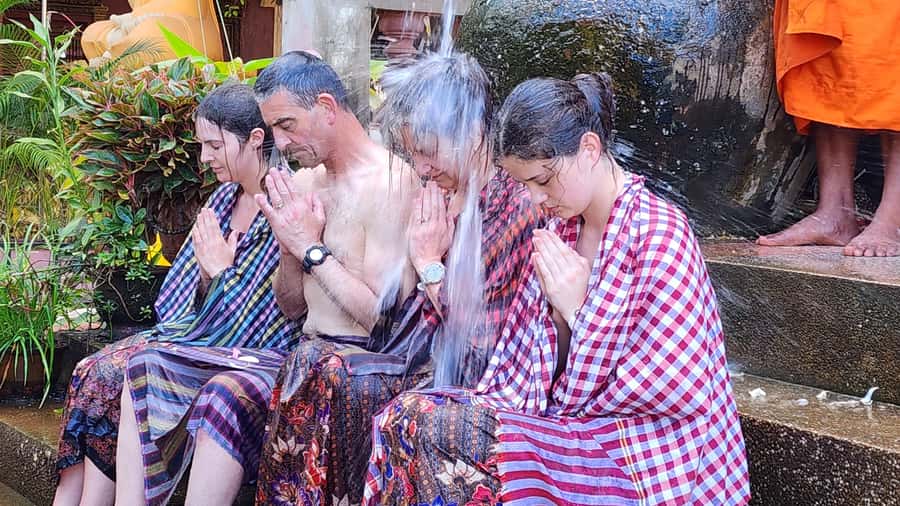
- Two blessing styles to choose from: a shorter sprinkling chant or a longer water-pouring ritual
- Wat Arang Pagoda in the countryside, a setting that feels removed from Angkor crowds
- English-speaking guidance that helps you understand the beliefs behind what you’re doing
- Sarong provided so you can change for the longer ritual and keep your clothes drier
- A local market stop where you can shop with much less tourist pressure
Wat Arang water blessing: what the ritual really is
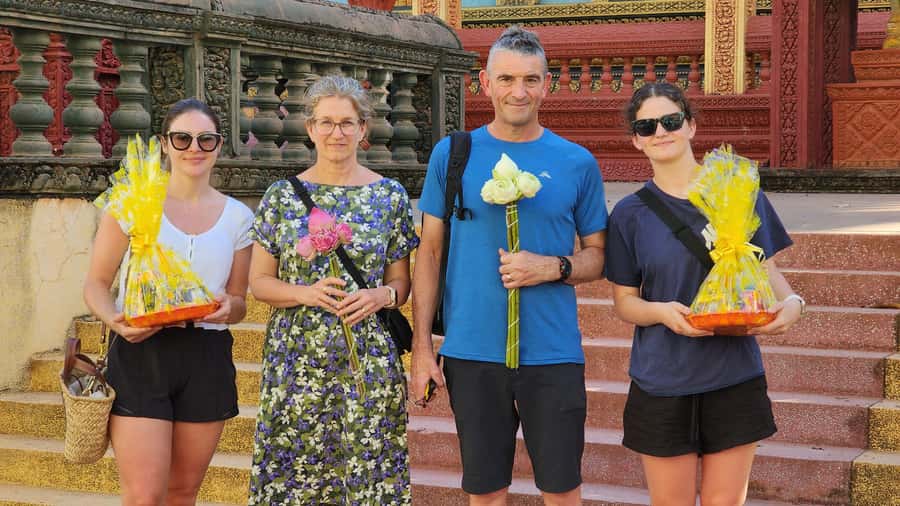
This is a Buddhist water blessing tradition that connects daily hopes to temple life. The ritual takes place at Wat Arang Pagoda, in the countryside just south of Siem Reap, and you’re not just watching from the sidelines. You participate, and you leave with a physical reminder tied around your wrist.
At the heart of the ceremony are monks chanting while they offer blessings for good fortune, safe travel, and a long life. That matters because it shifts the whole feel from sightseeing to something closer to a guided “meaning moment.” Even if you don’t speak Khmer, the structure is clear: listen to what’s happening, follow the guide’s cues, and treat the water like part of the ritual, not a novelty.
You’ll also get a small “frame” for what this means in Cambodian Buddhist practice. The tour focuses on the beliefs behind the ceremony rather than pushing you into any complicated theology. It’s the kind of explanation that helps you understand why people return here and why it matters to locals.
You can also read our reviews of more shopping tours in Siem Reap
Your 2.5 hours: how the timing works and why it feels manageable
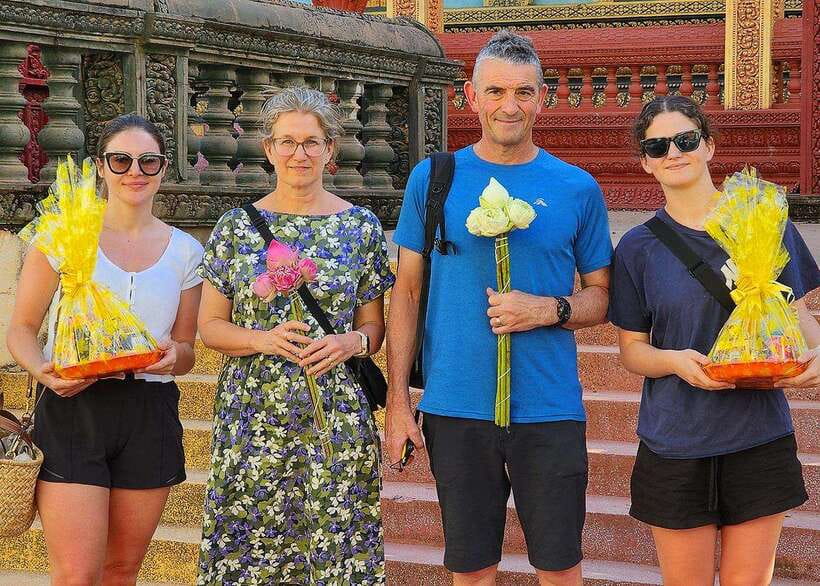
The full outing runs about 2.5 hours, and that time includes pickup and tuk-tuk travel. They pick you up from your hotel in Krong Siem Reap about 30 minutes before departure, so build in a little buffer. Once you’re on the road, you’ll have two tuk-tuk legs before the market stop in town and your return.
The pacing is practical: you’re away long enough to feel you left the city, but not so long that the day gets tangled. For me, that’s a big part of the value here. Many Siem Reap experiences either feel like a half-day ordeal or a quick photo stop. This one keeps the ceremony meaningful and still fits neatly into a day of temple visits.
Expect a mix of sitting, moving, and brief waiting periods that come with a religious site. Plan to keep your phone handy but not in the foreground. If you want good photos, follow your guide’s lead on when and where it’s appropriate.
Getting there by tuk tuk: the countryside break you’ll notice
The transport is simple: tuk-tuk transfers from your pickup point, with travel segments of around 20 minutes and 15 minutes. That might sound like “just transportation,” but it’s actually part of the experience. You start in busy streets, then you shift into the slower rhythm near the pagoda.
This in-between feeling is what makes the blessing setting more believable. When you arrive at an ancient place of worship, you’re not rushing out of another temple for a quick activity. You’ve had a short reset, and that helps the ceremony land.
Also, you’ll be with an English-speaking guide throughout, so you’re not trying to decode everything yourself. That reduces the awkwardness of asking basic questions on the spot.
Inside the pagoda: monks, chanting, and the two blessing options
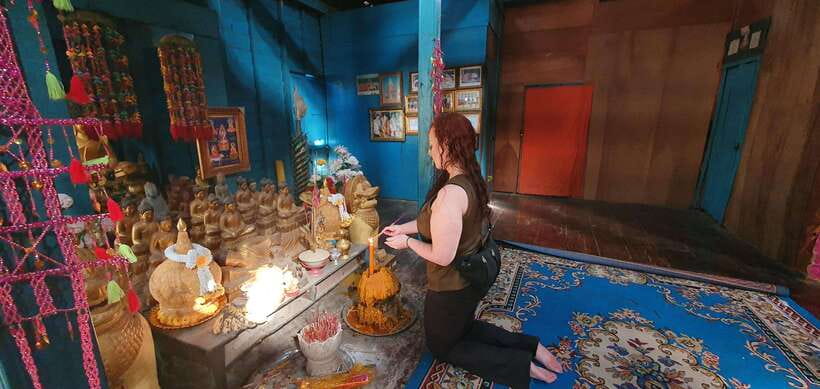
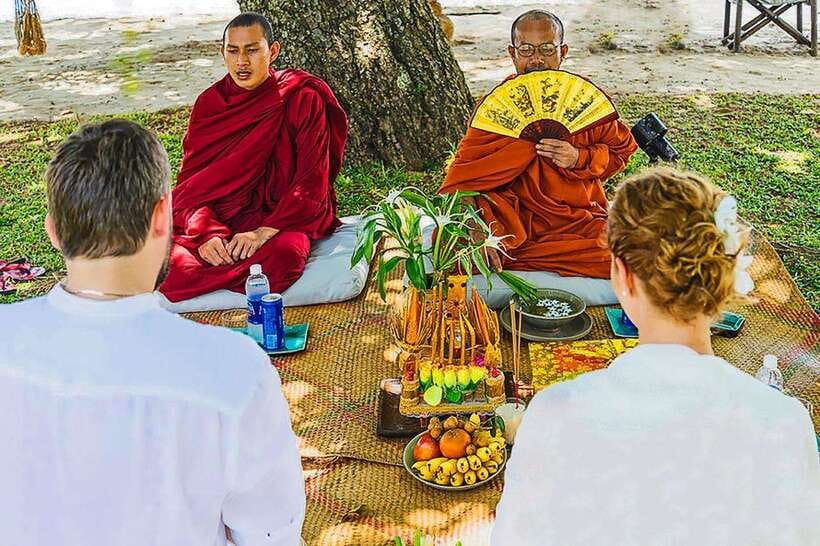
The water blessing part is offered in two styles, and you can choose between them.
Option one: chanting with a light sprinkling
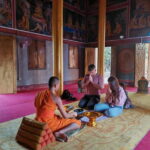
This version begins with monks chanting harmoniously as they offer wishes for your luck, safe travel, and a long life. You’ll receive the blessing alongside a light sprinkling of water. It’s a gentler approach, good if you want the ritual but prefer minimal mess and less time in the main pouring area.
You can also read our reviews of more tours and experiences in Siem Reap

Option two: the longer pouring ritual
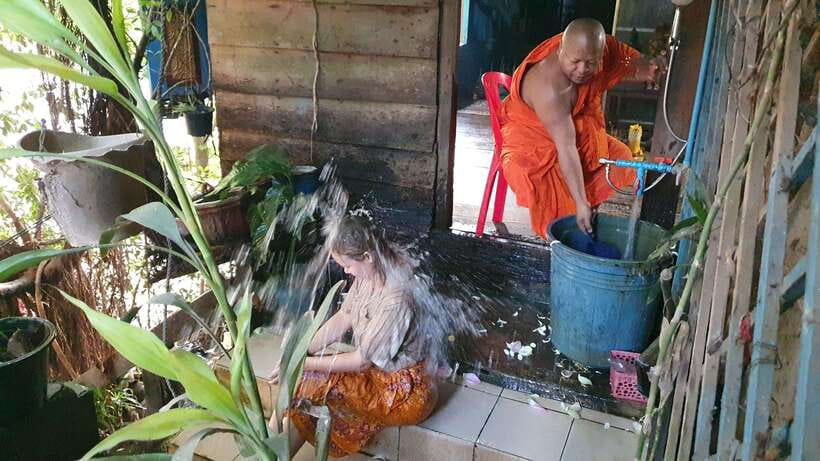
The second option is longer and more dramatic. Blessed water in vessels is poured over your head while the monks chant. The tour provides a sarong so you can change into it for this portion and keep your clothing drier.
If you’re sensitive about getting wet, pick the sprinkling option. If you want the most complete version of the ceremony, the pouring ritual is the one. Either way, follow the guide’s instructions—this is one of those situations where timing and posture matter more than you’d expect.
Why the wrist ties matter more than you think
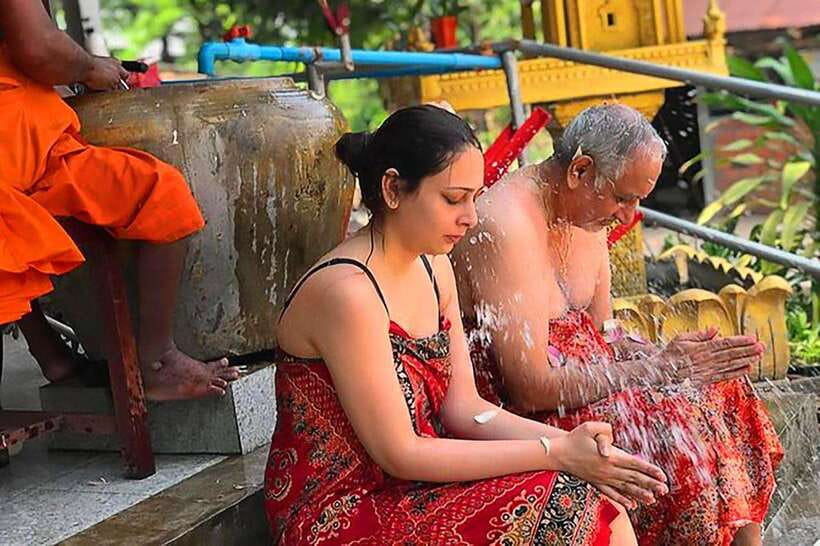
Near the end of the blessing, your wrist is adorned with special red ties that signify the blessing performed. This isn’t just a souvenir. In a religious context, it’s a visible reminder that you participated in a blessing, not just observed it.
I’d treat the ties with care after the tour, at least while you’re still in that mindset. Don’t tug them off like a tag. Instead, wear them comfortably and let them become part of your trip story.
If you’re the type who likes small rituals, this is one of the nicest parts of the experience because it gives you a clear, tangible outcome without asking you to do anything complicated.
The subtle meaning of the monastery visit (and what to watch for)
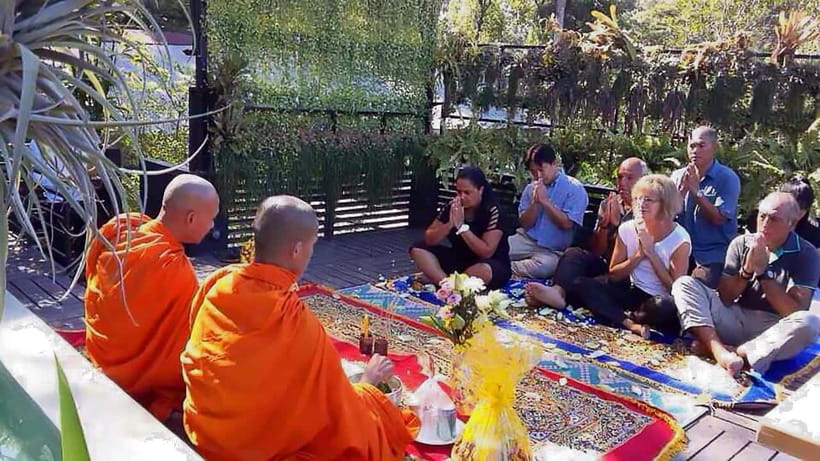
Before the water blessing, you’ll visit the monastery and learn about the lives of resident monks. That sounds “intro course” on paper, but it’s often where the experience becomes respectful rather than performative. Once you understand that these monks have routines and roles beyond chanting, the ritual stops feeling like a show.
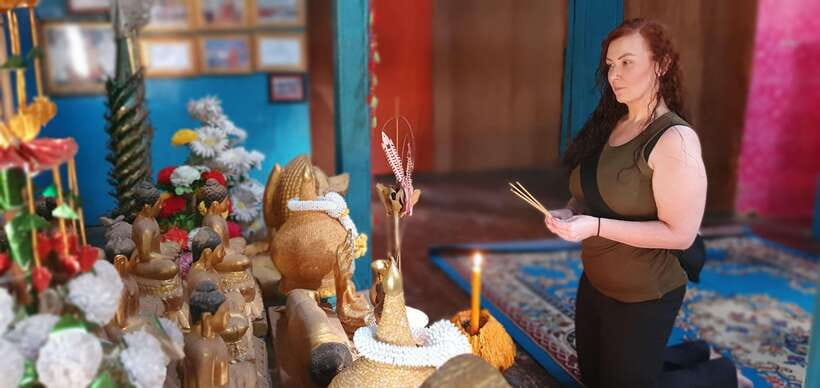
You may also notice that some parts of the ceremony can include additional small offering steps at shrines. In past experiences shared with this tour format, guides like Seila have taken people to a shrine to make an offering first, before the pagoda blessing. The exact flow can vary, but the overall message stays the same: you’re participating in a sequence that locals recognize.
What should you do? Bring your attention. When the guide explains what’s happening, don’t mentally speed-run it. That “pause” is usually what makes a spiritual visit feel real.
The local market stop: souvenirs, snacks, and calmer shopping
A market visit is included, and it fits into the 2.5-hour schedule as a shorter stop once you’re back closer to town. In past experiences, the market portion has been a standout because it’s not forced or crowded with other tourists.
Here’s how to get the most from it: treat it like a cultural pause, not a buying mission. You can look for small crafts and hand-made items, and you can ask questions about what you’re seeing. One guide experience (with Mr Lucky) included helping people find a special spot to buy souvenirs that looked handmade, which made the shopping feel connected to local work.
Practical tips for this part:
- Keep your wallet accessible but don’t rush bargains. Ask first, then negotiate if it feels right.
- If you bought temples souvenirs elsewhere, use this stop to diversify (small everyday items often have better story value).
- If you’re carrying wetness from the ritual, a little care with bags and pockets matters.
If you’re expecting a huge shopping spree, you might feel limited. But if you want a genuine market encounter without losing your whole afternoon, this stop hits a sensible target.
Price and value: is $54 per person worth it?
At $54 per person for about 2.5 hours, the value depends on what you want from Siem Reap. You’re not paying mainly for a view or a long drive. You’re paying for a guided cultural ritual, English interpretation, tuk-tuk transfers, and on-site support like the sarong and the donation to the pagoda.
That combination matters. A water blessing isn’t something you can easily DIY without knowing local etiquette, where to go, and how to behave at the right time. The guide’s role is practical: guiding you through choices, helping you understand what you’re doing, and keeping the flow respectful.
Also, this format is often private group, which can make the experience feel more personal than the more crowded options. In experience reports, guides such as Borey have made the ceremony feel comfortable and not overwhelming, while still packing in the market visit.
Could it be pricier than a simple temple taxi? Yes. But if you value meaning, structure, and a ceremony you can participate in confidently, this price tends to make sense.
Who this tour suits best
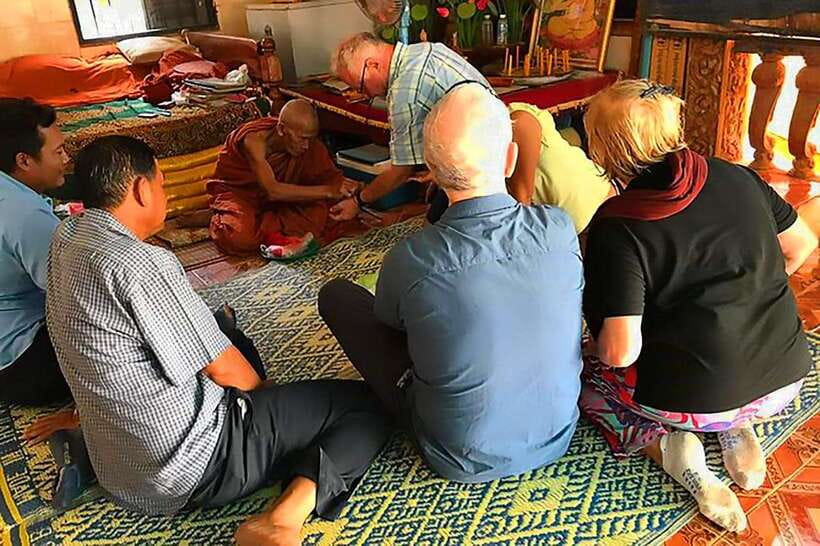
This is a great fit if you want more than temple photos. I’d recommend it for:
- People who like rituals with context, not just demonstrations
- First-time visitors who want a calm, guided cultural experience near Siem Reap
- Anyone who enjoys markets but prefers a short, focused stop rather than hours of wandering
- Travelers who appreciate a smaller, more personal pace
It may be less ideal if you hate getting wet or you strongly dislike religious environments. If the idea of chanting and ritual steps makes you uncomfortable, choose option one with the light sprinkling. And if you want only scenery, this trip leans human and spiritual.
Practical guidance so you feel comfortable during the ceremony
A Buddhist water blessing is simple, but your comfort will depend on preparation.
1) Choose your blessing style intentionally
If you want minimal water exposure, pick the sprinkling chant. If you want the longer pouring ritual, accept that you’ll get splashed while the monks chant.
2) Wear practical clothes
Even with a sarong, you’ll be better off in clothing that dries easily. Avoid anything you’d hate to get a little wet.
3) Follow the guide on camera use
Religious sites usually have their own rhythm. If your guide says wait or move, it’s for a reason.
4) Bring a calm, respectful mindset
This is not a theme-park moment. The best experiences come when you treat it as participation.
Should you book this Siem Reap water blessing plus market tour?
If you want a meaningful break from Angkor crowds, I think you’ll like this. The strongest pull is the Wat Arang pagoda water blessing with monks chanting while you participate, plus the bonus of a local market stop that doesn’t feel like a forced detour. The best part is that the experience is guided in English, so you’re not stuck figuring out etiquette while standing in a ritual space.
Book it if:
- You want a personal blessing you can take part in
- You enjoy short market time that still feels local
- You’d rather have a structured cultural stop than a long, open-ended day
Skip or choose carefully if:
- You’re very sensitive to water and would prefer the sprinkling option only
- You’re only interested in temples and big scenery
FAQ
How long is the Siem Reap Cambodian Buddhist Water Blessing and Local Market tour?
It lasts about 2.5 hours. Exact starting times depend on availability.
Where does pickup happen, and when should I be ready?
Pickup is included from your hotel in Krong Siem Reap. The guide and driver pick you up about 30 minutes before departure, so have your hotel address (and contacts, if needed) ready.
What happens during the water blessing?
You’ll do a 1-hour water blessing experience at Wat Arang Pagoda. You can choose between two styles: a chanting blessing with light sprinkling of water, or a longer ritual where blessed water is poured over your head while monks chant.
Do I get something to help keep my clothes dry?
Yes. If you choose the longer pouring ritual, you’ll be provided a sarong to change into so your clothing stays drier.
Is there a market stop included?
Yes. The tour includes a local market visit, along with a donation to the pagoda.
Can I cancel and get a full refund?
You can cancel up to 24 hours in advance for a full refund.