REVIEW · SIEM REAP
Back to Basics: Village Life Tour from Siem Reap
Book on GetYourGuide →Operated by Khmerdetours · Bookable on GetYourGuide
Real daily chores take center stage. I love the craft details you see up close, from weaving and basket-making to the small steps behind village hats, and I love the school visit where you can actually talk with teachers and students and hear what daily learning looks like.
The only drawback to plan for is the busy village pace: with just four hours, you’ll cover a lot of ground, so it helps to come with a curious, low-stress mindset and a willingness to spend time outdoors.
In This Review
- Quick hits you’ll care about
- Why Back to Basics Village Life Feels More Real
- The 4-Hour Route: What the Day Actually Looks Like
- Village Crafts That Start as Skills, Not Souvenirs
- Daily Essentials You’ll See: Water, Firewood, and Food
- How Big Issues Land in Small Places
- The School Visit and Pergola Temple: Respect Comes First
- Lunch by the Water: Simple, Comfortable, and Surprisingly Memorable
- Price and Value: Why $68 Makes Sense for What You Get
- Who Should Book This, and Who Might Want a Different Style
- Practical Tips for a Smooth, Respectful Day
- Should You Book Back to Basics Village Life Tour from Siem Reap?
- FAQ
- How long is the Back to Basics: Village Life Tour?
- How much does the tour cost?
- What’s included in the price?
- Is pickup from my hotel included?
- What language is the tour offered in?
- Is the tour wheelchair accessible?
- Is there a school visit?
- Are there any child discounts?
- Will I get food during the tour?
- What’s the cancellation policy?
- Can I book without paying right away?
Quick hits you’ll care about
- A local-born guide leads the whole day, so you’re not just watching from the outside
- School time with real conversation instead of a quick photo stop
- Village work you can see clearly: water, firewood, weaving, and more
- Food that feels like part of life, including lunch on a mat with a hammock by the water
- Temple and community stops that explain how faith and daily routines overlap
Why Back to Basics Village Life Feels More Real
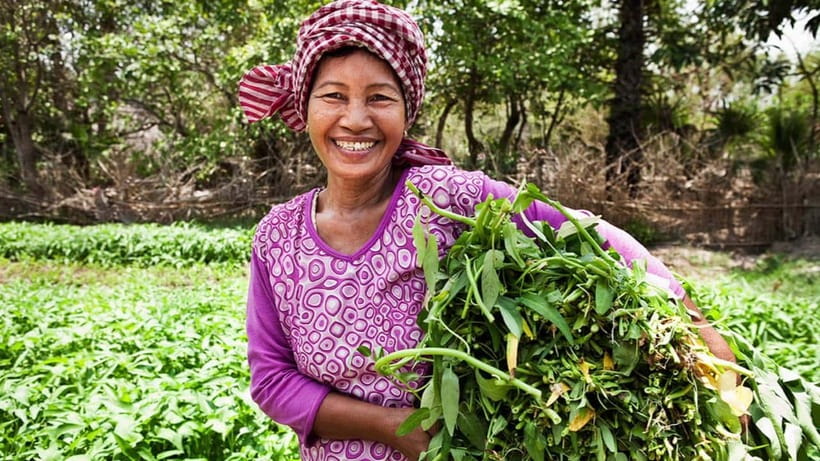
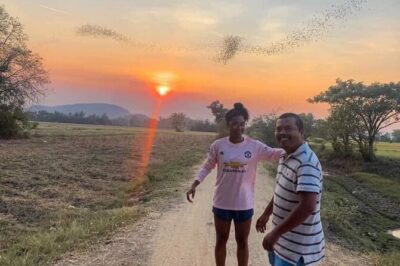
This tour works because it’s built around ordinary life, not staged culture. You start the day moving through a village setting where families still handle the basics—firewood, water, food—and that steady rhythm becomes the story. It’s not about rushing through monuments. It’s about understanding how people live, work, and teach the next generation.
I also like that you’re guided by someone who grew up there. That insider perspective matters. When you ask questions about clean water, employment, or sustainable development, you’re hearing what those ideas mean on a practical level, not just as big buzzwords.
And yes, there’s sightseeing. But it comes through the work: weaving fibers, making baskets, digging wells, and learning how certain local products fit into daily needs.
You can also read our reviews of more tours and experiences in Siem Reap.
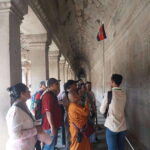
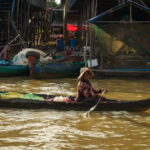

The 4-Hour Route: What the Day Actually Looks Like
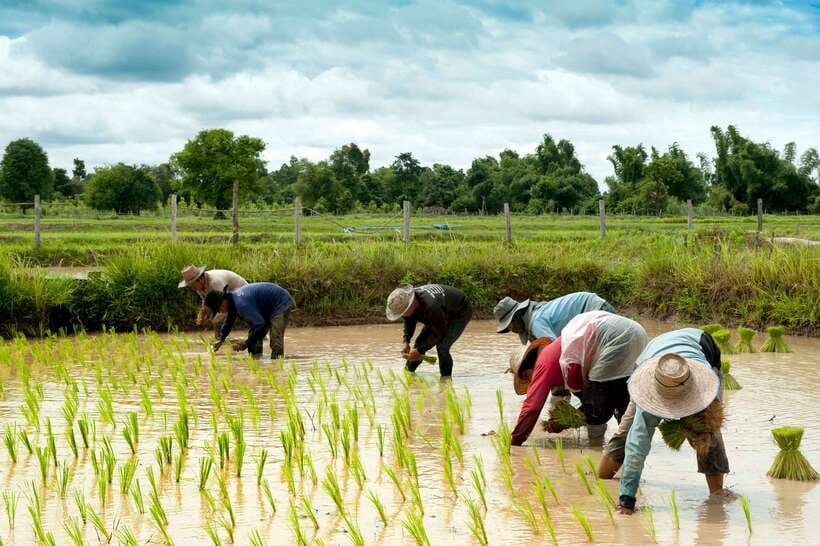
The tour is short—about four hours—which is great if you’re staying in Siem Reap and don’t want to lose half your week to logistics. Pickup is included from your hotel or guest house, using air-conditioned transport and tuk tuk rides as needed.
Expect the day to feel like a walk-and-talk. You’ll travel between village stops, pause for demonstrations, and keep moving so you can see multiple parts of daily life rather than only one. Along the way, you’ll hear local Khmer music and get time to take photos, but the intention stays practical: you learn what people do, then you talk about why it matters.
Also worth noting: lunch and drinks are included, plus cold towels. That may sound like small comfort items, but for a village day in warm weather, it helps you stay focused instead of wiped out.
Village Crafts That Start as Skills, Not Souvenirs
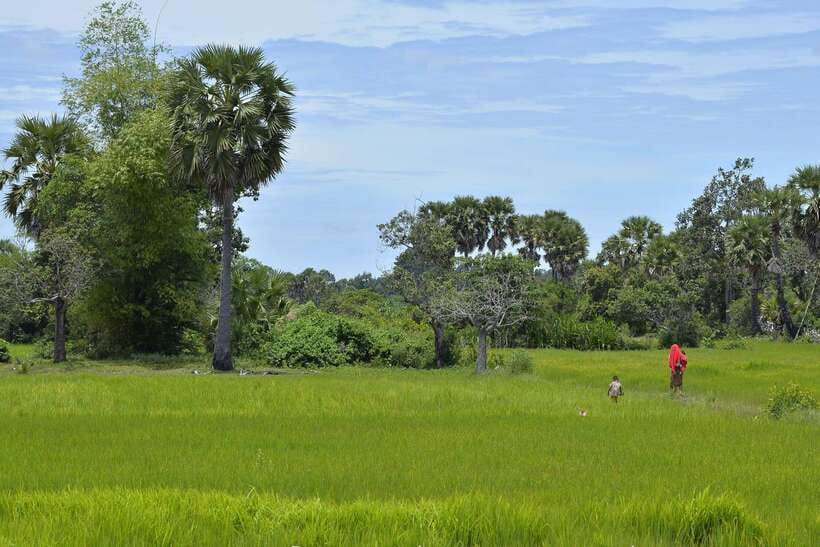
The day puts village making front and center. You’re likely to see families producing items that are useful first, decorative second. That changes the vibe fast. A basket or woven hat isn’t just a thing someone sells. It’s a process people learn, improve, and pass on.
In the craft stops, you’ll get a front-row view of how materials turn into objects. Some days include demonstrations tied to textile work, and one of the strongest examples from past departures is watching how silk connects the full chain—from the silkworm stage through to finished clothing. Even if your day doesn’t include silk specifically, you’ll still see the broader pattern: village products come from patience, tools that fit local life, and knowledge that doesn’t rely on outside machinery.
And because this is a guided experience led by a local, you can ask follow-ups as you go. That turns crafts from spectacle into context. Why is this made this way? What changes when jobs and resources shift? Those answers land differently when your guide answers from lived experience.
Daily Essentials You’ll See: Water, Firewood, and Food
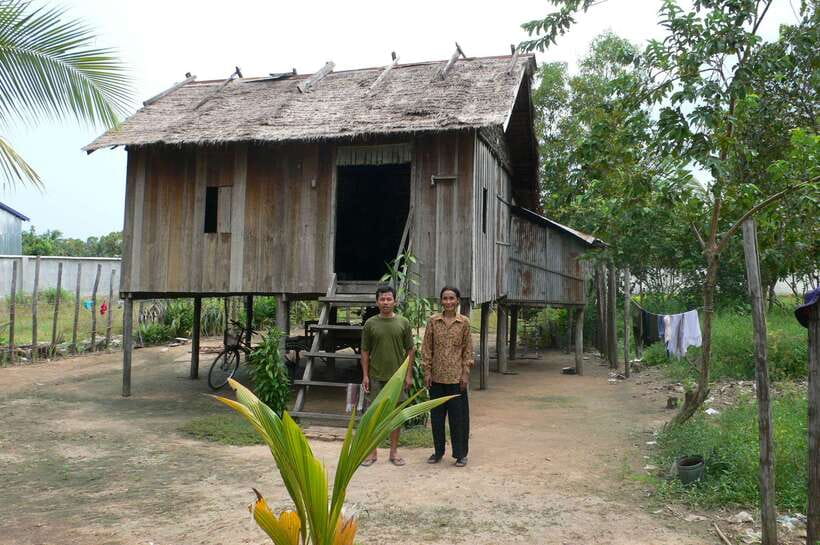
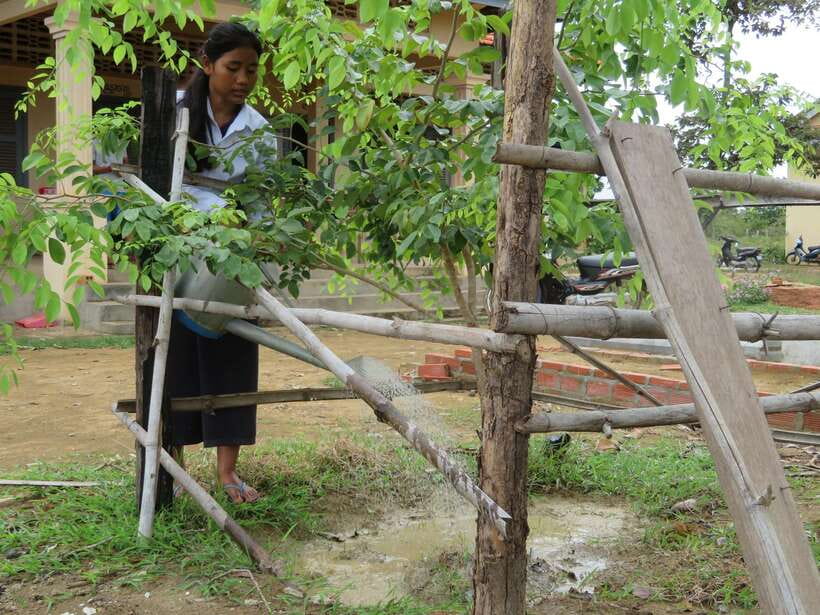
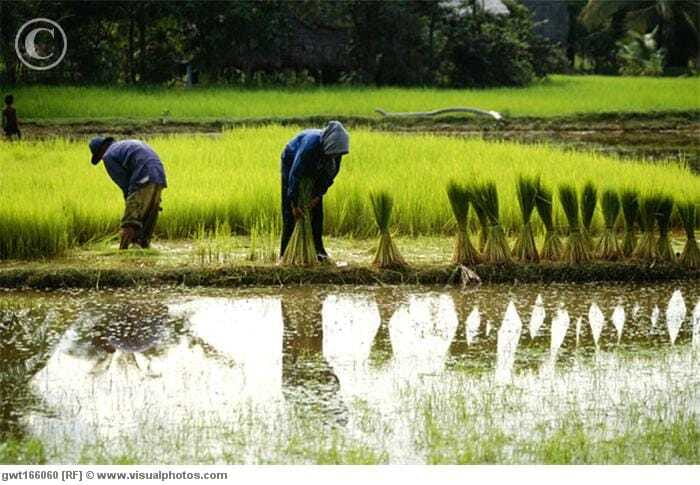
If you want the feeling of daily life rather than a staged show, this is where the tour delivers. You’ll see traditional routines like gathering firewood and pumping water—basic tasks that modern convenience sometimes hides. It’s easy to underestimate how much time and energy go into those steps until you watch them done with care.
You may also visit spots where food is prepared in a village style—one past experience included cooking over coals on a hillside, with the group eating the meal their hosts prepared. That kind of detail isn’t just interesting. It helps you understand how meals fit into workdays, not just lunch breaks.
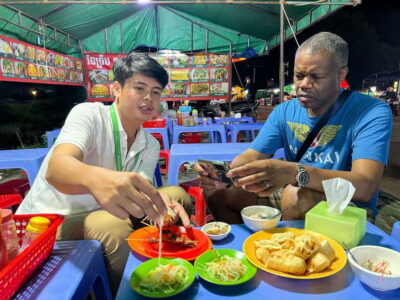
Food is also where the tour gets personal. Some departures include eating with your hands, and it’s surprisingly easy to relax once you see everyone treating it as normal. You don’t need to perform. You just need to be open.
How Big Issues Land in Small Places
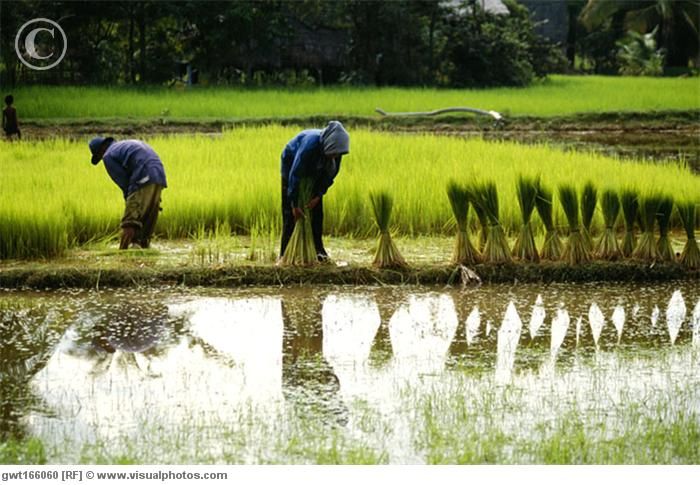
One of the most valuable parts of this tour is that it doesn’t treat the village as a separate planet. You’ll learn how global issues reach even isolated communities—especially through everyday needs like clean water and employment.
The guide usually frames these topics from the inside: what it means when resources are limited, how work is changing, and why sustainable development can’t be only a theory. It’s also a good reminder that rural life can be both resilient and vulnerable at the same time.
If you’re visiting Siem Reap and you want more than Angkor-area history, this is a smart complement. It connects Cambodia’s larger story to the places where people live every day—places where development choices show up in chores, school supplies, and whether families have stable work.


The School Visit and Pergola Temple: Respect Comes First

The school stop is one of the top moments of the day. You don’t just enter and leave. You have the chance to meet and speak with teachers and students, and the conversation style matters. Treat it like a real meeting, not an attraction.
In past departures, visitors brought supplies for students and even joined in songs. If you decide to bring school items, keep it simple and follow your guide’s advice so it stays respectful and safe for the school routine. The goal should be connection and kindness, not turning the visit into a distraction.
After that, you’ll visit Pergola, the area’s local Buddhist temple. This part of the tour gives you a different lens on daily life. It’s not only faith as a separate activity—it’s faith woven into community rhythms, values, and how people keep going through change.
Lunch by the Water: Simple, Comfortable, and Surprisingly Memorable
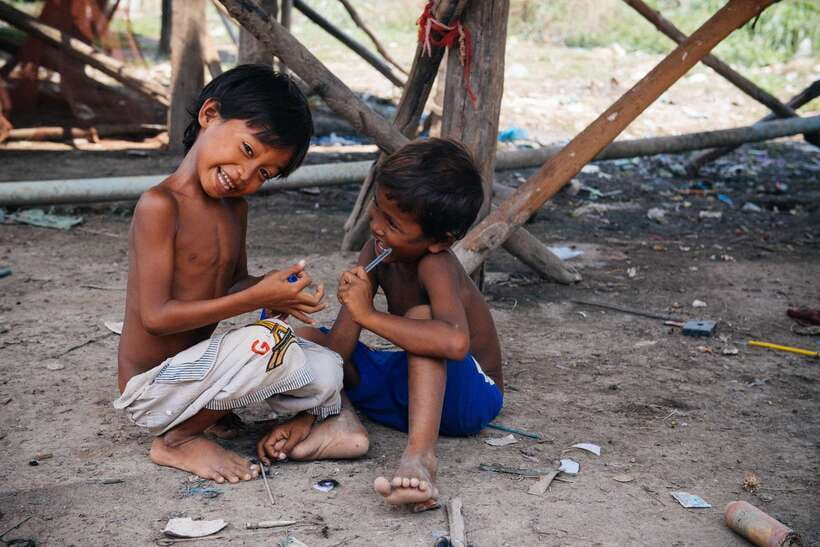
Lunch is included, and the setting can be the kind of detail you’ll remember long after the tour ends. In one common style of the experience, you eat by water on a mat, sometimes with a hammock view. That means you’re not locked into a restaurant box. You’re taking a break where the village day actually happens.
The food tends to be local and filling—often rice with chicken and sauces like pepper and tamarind. If you’re worried about whether you’ll like it, don’t overthink it. This isn’t about fancy presentation. It’s about flavors that match what families eat.
You may also get small local tastings during the day, such as palm juice. Even if you’re not a huge fan of sweet drinks, it’s usually a fun way to taste something tied to the local environment and daily habits.
Price and Value: Why $68 Makes Sense for What You Get
At $68 per person for about four hours, this tour isn’t the cheapest way to spend a morning or afternoon in Siem Reap Province. But the price lines up well with the value, because you’re paying for more than a car and a driver.
You get:
- an English-speaking guide who leads with local knowledge
- air-conditioned transport and pickup from your hotel/guest house
- lunch and drinks
- cold towels
- time built around real village contact, including a school visit
If you tried to replicate the experience on your own—finding a guide who can communicate respectfully with a village community and arranging a school visit—your cost would likely climb quickly. Here, the structure is the value. It’s a guided day that keeps the focus where it should be: daily life, community, and learning.
For me, the best part of the value is the relationship piece. You’re not just consuming sights. You’re talking with people through the day’s stops, and that changes how the day lands.
Who Should Book This, and Who Might Want a Different Style

This tour fits best if you like conversation, crafts, and understanding how everyday systems work. If you enjoy asking questions and learning in an unhurried way (even when the schedule is compact), you’ll get a lot out of it.
It’s also a good choice if you want to balance your Cambodia trip. Angkor can take over your attention, so this gives you a different kind of perspective—one rooted in village life, school routines, and community work.
On the other hand, if you prefer scenery over people contact, or you want a purely visual tour with minimal talking, you might find this more personal than you expected. The whole point is that you’re part of the conversation, even briefly.
Also keep in mind that this is designed to be wheelchair accessible, which is a real plus. If you use a chair, it’s still wise to wear comfortable clothing and plan for rural surfaces and day-in-the-sun conditions, but the accessibility is explicitly stated.
Practical Tips for a Smooth, Respectful Day
To make the most of a village life experience, focus on comfort and manners.
- Bring sun protection and wear shoes you’re comfortable walking in. Village ground can vary, and you’ll be moving between stops.
- Use your guide’s cues for photography. Ask before you take close-up pictures, especially around school and temple moments.
- If you’re thinking about giving items, follow your guide’s lead. In past departures, visitors brought supplies and helped create joyful moments like singing together.
- Come with curiosity. Questions about clean water, employment, and sustainable development will land better when you ask them in a friendly, listening-first way.
And remember: this tour is about daily life, so the goal is respectful observation and conversation, not collecting scenes like trophies.
Should You Book Back to Basics Village Life Tour from Siem Reap?
I’d book it if you want a short, well-run village day that connects you to real community routines. The school visit alone is a strong reason to consider it, especially if you like meeting teachers and students and seeing learning as part of daily life.
I’d also choose it if you enjoy craft processes you can understand—baskets, weaving, and even silk-related steps that link materials to finished clothing. Add in lunch by the water and the chance to hear Khmer music during the tour, and you get a day that feels complete without being long and exhausting.
Skip it only if you prefer high-status sightseeing or low-contact experiences. This tour is about people first, and it works best when you’re ready for that kind of closeness.
If you’re visiting Siem Reap and want your trip to include more than temples and markets, this is one of the better ways to do it.
FAQ
How long is the Back to Basics: Village Life Tour?
It lasts about 4 hours.
How much does the tour cost?
The price is $68 per person.
What’s included in the price?
You get an English-speaking guide, air-conditioned transport, lunch and drinks, and cold towels.
Is pickup from my hotel included?
Yes. Pickup is included from your hotel or guest house, using tuk tuk and other vehicle types as needed.
What language is the tour offered in?
The tour is offered in English.
Is the tour wheelchair accessible?
Yes, wheelchair accessibility is listed.
Is there a school visit?
Yes. You visit a school and have the chance to meet and speak with teachers and students.
Are there any child discounts?
Yes. Children 12 or under pay half price, and children 5 or under are FREE.
Will I get food during the tour?
Yes. Lunch and drinks are included.
What’s the cancellation policy?
Free cancellation is offered up to 24 hours in advance for a full refund.
Can I book without paying right away?
Yes. Reserve now & pay later is offered, so you can book and pay nothing today.