REVIEW · SIEM REAP
Grand Circuit with Banteay Srei and Banteay Samre Tour
Book on Viator →Operated by Angkor Doors · Bookable on Viator
Pink stone temples feel intimate here.
This Siem Reap Grand Circuit day mixes calmer lesser-visited Angkor stops with the famous pink sandstone carvings of Banteay Srei. I like the practical flow that pairs big names like Preah Khan with smaller, easier-to-enjoy sites. One thing to plan for: the Angkor Pass and temple entrance fees are not included.
I also really like that the tour keeps you moving without turning it into a sprint. You’ll get an English-speaking guide, AC transport, and bottled water, and you’ll cover a lot of spiritual and artistic variety in one long morning-plus-afternoon format. Still, it’s a temple day, so the required dress code matters—cover your shoulders and thighs or you may be turned away.
In This Review
- Key Highlights at a Glance
- Why This Grand Circuit Tour Feels Different in Siem Reap
- Your Day Plan: Morning Temples, Lunch Choice, Afternoon Highlights
- Stop-by-Stop: What to Look For (and What Might Be Overlooked)
- Banteay Srei: Pink Stone and the Art You Lean In For
- Banteay Samre: A Strong Counterpoint to Srei
- Pre Rup: Hindu Temple Energy and a Classic Angkor Setting
- Preah Khan: Royal Power and Lived-In Complexity
- Ta Som: The King Jayavarman VII Temple With a Darker Mood
- Neak Pean: Entwined Serpents and the Man-Made Island Setting
- Eastern Mebon: Early Khmer Architecture and a Quick Look
- Banteay Prei: A Listed Morning Stop You Should Not Skip
- Angkor Pass, Tickets, and Dress Code: The Stuff That Can Trip You Up
- Guide, Car Ride, and the Human Touch That Matters
- Price and Value: What $59 Buys You (Besides a Seat)
- Who Should Book This Tour (and Who Might Want to Skip It)
- Practical Tips to Make the Day Easier
- Should You Book This Grand Circuit With Banteay Srei and Banteay Samre?
- FAQ
- Do I need an Angkor Pass for this tour?
- What’s included in the price?
- What is not included?
- How long is the tour?
- Is pickup available?
- What temples will I visit?
- Are entrance tickets included for each temple?
- What’s the dress code for temple visits?
- Is the tour private?
- Can I cancel for a full refund?
Key Highlights at a Glance
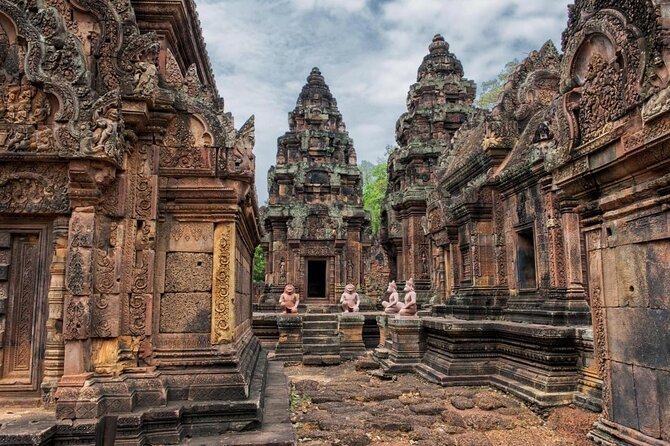
- Banteay Srei’s pink sandstone carvings in a smaller setting that feels more personal than the main crowds
- A “grand circuit” route that adds big-league temples like Preah Khan without only hitting the headline sites
- Extra variety beyond the main complex, including Ta Som, Neak Pean, and East Mebon
- Clear tour structure: morning temples, lunch on your own with recommendations, then Banteay Srei + Banteay Samre + Pre Rup
- English-speaking guide + AC vehicle + bottled water, so you can focus on the art instead of logistics
Why This Grand Circuit Tour Feels Different in Siem Reap
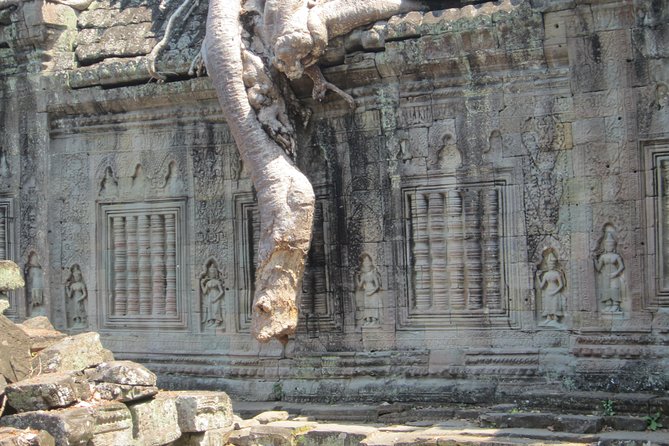
If you’ve already done the main Angkor hits, it’s easy to feel temple fatigue before noon. This tour helps you reset because it leans into the quieter corners of the circuit. You still get classic Angkor drama—stone, symbolism, scale—but the pace feels more breathable than the full all-day mega-route.
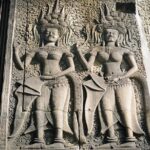
The standout is Banteay Srei, the so-called Citadel of the Women. It’s a small temple in terms of footprint, but the carvings are what stop you. Even if you’re not a hardcore archaeology person, you can still enjoy the fine detail and the way the pink sandstone catches the light.
The second reason I like this itinerary is balance. You’ll see both Hindu and Buddhist spaces across different kings and eras, so the day doesn’t blur into one long scroll of stone gods. It’s also helpful that the tour includes bottled water and transport, which is a big quality-of-life win in Siem Reap heat.
You can also read our reviews of more tours and experiences in Siem Reap.

Your Day Plan: Morning Temples, Lunch Choice, Afternoon Highlights
Your day runs about 8 to 9 hours, with a single group and private timing. Pickup is offered, and you’ll ride in an AC car or minivan or minibus depending on your group size. That matters because Angkor days are long, and the heat can drain you fast if you’re not comfortable between stops.
The morning route typically starts with Preah Khan, then goes on to quieter sites like Banteay Prei, Neak Pean, Ta Som, and East Mebon. Morning is a smart time for these because you’re closer to cooler light and often catch fewer bus groups, even on a busy day.
Lunch is on your own account. The operator will recommend a restaurant, which helps if you don’t want to waste time hunting for food you can actually trust. Then the afternoon brings the star billing: Banteay Srei, Banteay Samre, and Pre Rup.
Stop-by-Stop: What to Look For (and What Might Be Overlooked)
This is a temple list with a purpose. Each stop is short enough that you can actually look, but long enough to find the details that make Angkor art special. Here’s how I’d approach each one.
Banteay Srei: Pink Stone and the Art You Lean In For
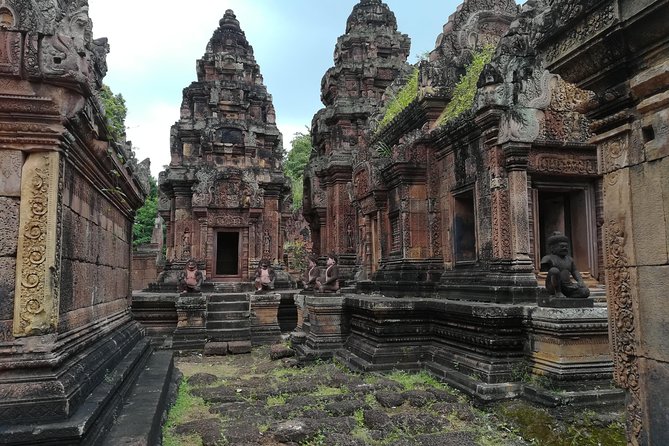
Banteay Srei is known as the Citadel of the Women, and it’s built during the Khmer empire. What you’re really coming for is the carving work: lots of fine detail of Hindu main gods. The pink sandstone isn’t just pretty—it shapes the look of the carvings, making them feel sharper as the light shifts.
A practical note: this is an admission ticket site. Entrance fees aren’t included, so budget for your pass. Also, plan to slow down here. If you rush, you’ll miss the reason people travel for Banteay Srei.
Banteay Samre: A Strong Counterpoint to Srei
Banteay Samre is another temple stop on the afternoon arc. It pairs well with Banteay Srei because it gives you a different feel—still Khmer artistry, but with a broader, less delicate vibe. If Banteay Srei feels like lacework, Banteay Samre can feel more solid and direct.
Because the tour keeps moving, you won’t have endless time for every angle. Aim to pick one or two spots to examine closely—doorways, lintels, and stone motifs—and let the rest stay in your peripheral vision.
Pre Rup: Hindu Temple Energy and a Classic Angkor Setting
Pre Rup is described as a Hindu temple built in the late 10th century dedicated to Lord Shiva. This stop is worth it if you like the symbolic layout—temples designed to stage a spiritual climb. It’s also a great spot to feel how Angkor’s architecture tells stories, not just how it looks.
You’ll only spend around 40 minutes, so come in with a game plan: scan for the Shiva connection in the carvings or layout, then walk slowly so you catch how the stone changes with the light.
Preah Khan: Royal Power and Lived-In Complexity
Preah Khan translates to Royal Sword, and it was built by King Jayavarman VII dedicated to his late father. It’s located about 1 km north of the ancient city of Angkor Thom, which hints at how it fits into the wider Angkor world.
If you enjoy temples that feel like they once held communities—not just ceremonial stages—Preah Khan tends to deliver. You’ll have around 2 hours here, which is enough time to explore without turning it into a marathon.
Ta Som: The King Jayavarman VII Temple With a Darker Mood
Ta Som is another 12th-century temple built by Jayavarman VII. It’s shorter on time (about 30 minutes), but it’s ideal if you like the look of older tree-and-stone interactions and the feeling that nature is still negotiating with the ruins.
Go for atmosphere here. Don’t try to memorize everything. Instead, focus on how the structure directs your sightlines.
Neak Pean: Entwined Serpents and the Man-Made Island Setting
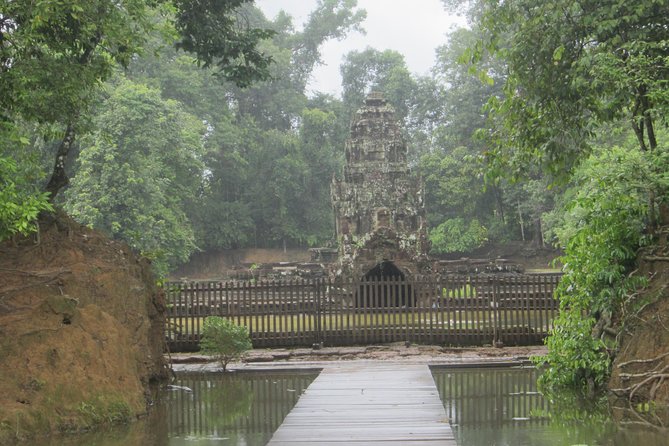
Neak Pean translates as Entwined Serpents. It’s a Buddhist temple built on a man-made island in the middle of water. That detail changes how you experience the place: it feels calmer, more contained, and slightly removed from the rest of the complex.
Expect about 45 minutes. If you can, stand back for a moment before moving in close. The island layout is part of the “message,” not just a backdrop.
Eastern Mebon: Early Khmer Architecture and a Quick Look
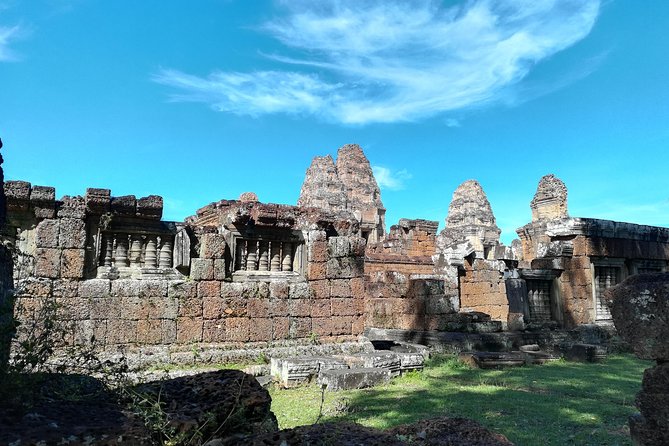
East Mebon is presented as an early Khmer architecture example built in the 10th century. It’s a shorter stop (about 30 minutes), but it can be a good reset after the more time-consuming areas. In that window, you’re better off looking for proportions and structural style rather than trying to read every carving.
Banteay Prei: A Listed Morning Stop You Should Not Skip
Banteay Prei is mentioned as part of the morning route. The key takeaway is that it fits the tour’s theme: quieter temples that add variety to the day. Since the details are lighter in the provided information, I’d treat it as a chance to slow down and enjoy the less-expected visuals.
Angkor Pass, Tickets, and Dress Code: The Stuff That Can Trip You Up
Here’s the clearest logistical point: entrance fees are not included. You’ll need a one-day Angkor Pass priced at $37 per person. The tour can help you buy the Angkor Pass if you haven’t got one yet, so you’re not stuck scrambling before your first temple.
Also, temple dress code is strict. You must cover your thighs and shoulders when entering temple complexes. If you show up without the right clothing, you may be refused entrance. This is the kind of rule that turns a “quick outfit check” into a major time loss—so plan it like an appointment.
Quick practical tip: carry a light layer in your day bag. Even if you’re dressed for heat outside the temples, inside you need to comply.
Guide, Car Ride, and the Human Touch That Matters
This tour includes an English-speaking tour guide, plus transportation in an AC vehicle and bottled water. That trio is a big part of the value. When you’re spending 8 to 9 hours moving between sites, being comfortable between stops keeps you engaged instead of wiped out.
The guides associated with this operator are known for being professional and fluent in English, including names like Pheng and Chen. You also might ride with a driver such as Mai, depending on the group and schedule. You won’t spend your time decoding signage; you’ll spend it understanding what you’re looking at.
Because it’s a private tour, it’s only your group participating. That means fewer interruptions and less pressure to rush for the next photo spot.
Price and Value: What $59 Buys You (Besides a Seat)
At $59 per person, this is positioned as a budget-friendly way to cover a lot of ground. But the real comparison isn’t only the ticket price—it’s the combination of guide time, AC transport, and the number of major stops.
What’s included:
- English-speaking guide
- AC transport
- Bottled drinking water
- Mobile ticket
- Pickup offered
- Group discounts
What’s not included:
- Angkor Pass ($37 one day per person)
- Food and drinks
- Temple entrance fees
So if you want the true “all-in” day cost, you have to add the Angkor Pass and any entrance fees for the temples you visit. The tour can reduce friction by helping you buy the pass, which is a real convenience when you’re starting fresh.
My take on value: if you’re the type of traveler who already knows you want more than the headline temples, this price can be a smart trade. You’re paying for an efficient route and a guide to translate what you’re seeing.
Who Should Book This Tour (and Who Might Want to Skip It)
This tour fits best if:
- you’ve done the main Angkor loop already and want less crowded, less predictable temple time
- you care about Hindu and Buddhist sites on the same day
- you want an organized schedule with AC comfort and bottled water
- you prefer short, focused time blocks at each temple rather than one long slog
You might skip or consider a different option if:
- you’re not interested in temple art and carvings (Banteay Srei is a big highlight)
- you’re sensitive to heat and you want fewer hours outdoors (it’s 8 to 9 hours total)
- you’re not prepared for the strict dress code at temples
Practical Tips to Make the Day Easier
- Wear clothes that already meet the temple rule (shoulders and thighs covered). Don’t wait for the last minute.
- Plan your Angkor Pass early. If you haven’t got it, the tour can help you buy it on the way.
- Bring a small day bag for water, sun protection, and a layer for the temples.
- For lunch, let the operator’s restaurant recommendation guide you. You’ll save time.
And one small mindset shift helps: don’t try to “collect temples.” Instead, pick one or two that you’ll look at slowly and treat the rest as chapters in the story.
Should You Book This Grand Circuit With Banteay Srei and Banteay Samre?
I’d book it if you want variety without chaos. The strongest case is the mix: Banteay Srei’s intricate pink stone carvings, plus the broader circuit hits like Preah Khan and Neak Pean, and then the Hindu temple finish at Pre Rup.
It’s also a good match for travelers who prefer a guided day that’s structured but not overwhelming. You get the essentials—English guide, AC transport, bottled water—and you get enough temple time to actually see what makes each site different.
If you’re unsure, do this quick check: confirm you can handle the Angkor Pass cost and that you’ll meet the temple dress code. If those two boxes are checked, this is a solid, value-minded way to see a more interesting slice of Angkor than the usual headline-only route.
FAQ
Do I need an Angkor Pass for this tour?
Yes. A one-day Angkor Pass is not included and costs $37 per person. The tour can take you to buy the Angkor Pass if you haven’t already gotten one.
What’s included in the price?
The tour includes an English-speaking tour guide, AC transportation (car or minivan or minibus), and bottles of drinking water.
What is not included?
Entrance fees are not included, and food and drinks are also not included. Accommodation is not included.
How long is the tour?
It runs about 8 to 9 hours.
Is pickup available?
Yes, pickup is offered.
What temples will I visit?
The route includes temples such as Preah Khan, Banteay Prei, Neak Pean, Ta Som, East Mebon, Banteay Srei, Banteay Samre, and Pre Rup.
Are entrance tickets included for each temple?
No. Entrance fees for the temples are not included.
What’s the dress code for temple visits?
You must cover your thighs and shoulders when entering temple complexes. If you are not wearing the correct clothing, you may be refused entrance.
Is the tour private?
Yes. It’s private, and only your group will participate.
Can I cancel for a full refund?
Yes. You can cancel up to 24 hours in advance for a full refund. If you cancel less than 24 hours before the start time, the amount paid will not be refunded.