REVIEW · SIEM REAP
Siem Reap: Cambodia local street foods and local guide
Book on GetYourGuide →Operated by Siem Reap Experiences · Bookable on GetYourGuide
Street food in Siem Reap becomes easy fast. This local-style crawl takes you past the tourist surface to Psar Char and the real Route 60 night market, with a guide who helps you eat Khmer food with confidence. I especially like how the evening mixes market wandering with actual eating, not just photo stops. One consideration: the food can include bolder choices, like insects and frogs, so you’ll want an adventurous mindset.
What makes it work is the human layer. I love that you’re not stuck decoding Khmer menus on your own, and you get conversation with vendors as you go. The drawback is simple: the tour is 8 hours of standing, walking, and tasting, so plan for an active evening.
In This Review
- Key things I’d plan around on this food tour
- Khmer street food feels unfamiliar at first, and that’s the point
- Hotel pickup, tuk-tuk transport, and why 8 hours matters
- Finding the local side of Psar Char, not the postcard version
- How your guide helps you order with less guesswork
- Tonle Sap flavors and what to look for while you eat
- The real Route 60 night market: where the scene turns local
- Tasting rhythm: how the tour keeps you from overdoing it
- The guides make the difference: Heang, Vone, Dara
- Price and value: what $90 buys you in practice
- Practical tips so your night goes smoothly
- Who should book this tour, and who might skip it
- Should you book Siem Reap local street foods and a local guide?
- FAQ
- How long is the Siem Reap street food and local guide experience?
- What does the price include?
- Is the tour guide English-speaking?
- What is the group size?
- Do you get hotel pickup, and when should you be ready?
- Is there free cancellation?
Key things I’d plan around on this food tour
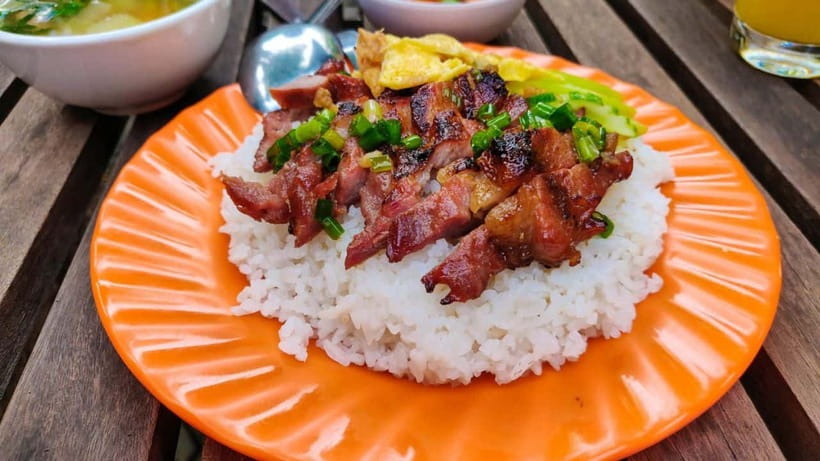
- Side streets at Psar Char: you see the neighborhood rhythm most visitors miss
- Route 60 at night: the night market scene where locals actually go
- Guide help for Khmer menus and Khmer script: you learn what to order and why
- All food and drinks included: you can focus on tasting instead of calculating budgets
- Small group limit (up to 10): more time with the guide, less waiting around
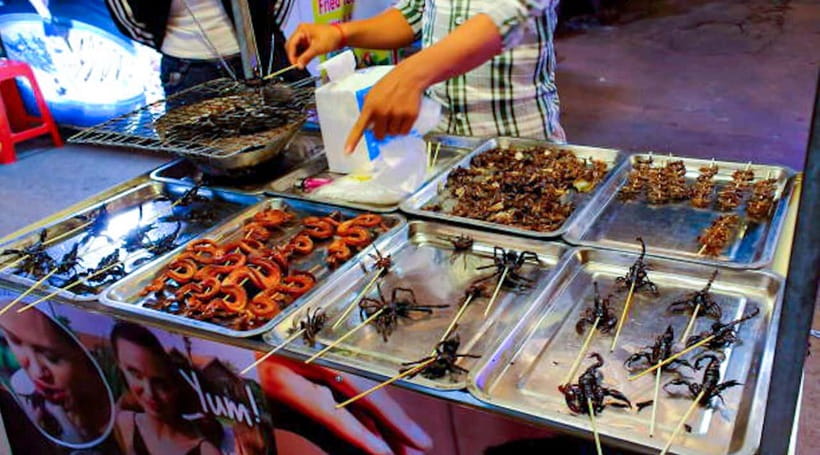
- You might try insect or frog items: your guide can help you decide in the moment
Khmer street food feels unfamiliar at first, and that’s the point
Cambodian cuisine is often the least understood of Southeast Asian food by Western visitors. You might have a sense of Thai spice levels or Vietnamese herbs, but Khmer food can feel like a whole different language at the start. The good news: once you know what to watch for, it gets much more approachable.
Khmer cooking is shaped by local ingredients, especially freshwater fish from the Tonle Sap, plus sugar cane and coconut. That flavor backbone changes the experience. Many dishes lean slightly less fiery than what you might expect from other regional cuisines, and coconut sweetness shows up in more places than you’d guess. Still, there are surprises. The Khmer script on menus can also be a hurdle, so you can end up ordering something you don’t understand—or skipping dishes you’d probably enjoy if you had guidance.
This tour is built for that exact moment when you’re curious but hesitant. A guide helps you connect the dots before you commit to ordering. That makes the evening feel less like a gamble and more like learning the local food system in real time.
You can also read our reviews of more guided tours in Siem Reap



Hotel pickup, tuk-tuk transport, and why 8 hours matters
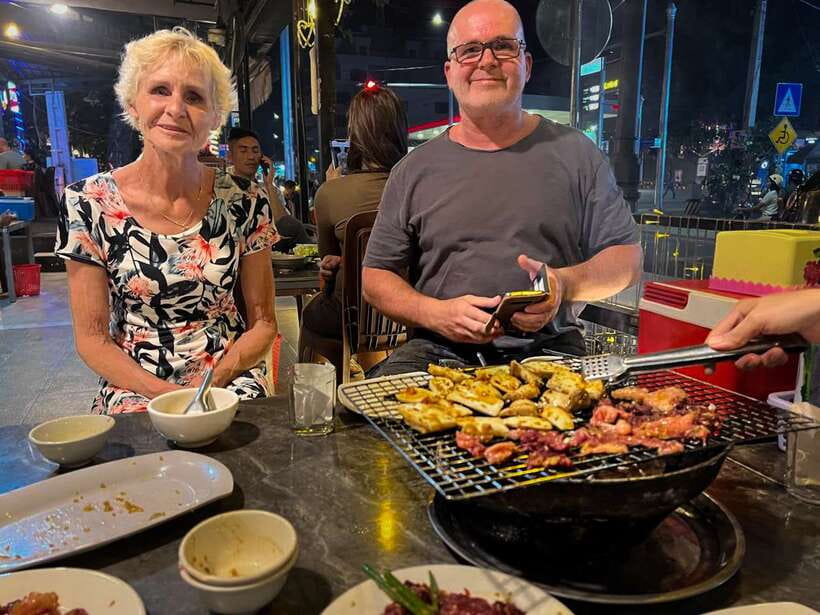
The tour runs for about 8 hours, and that length is part of the value. Street food works best when you pace it: you try something, you reset, you ask questions, and you let the flavors stack up instead of rushing through a checklist.
Transport is also included. You’ll travel by tuk-tuk, and that’s not just for fun. It helps you move between food areas without the stress of coordinating your own route at night, and it keeps the group together. Since it’s a small group, you’re less likely to get split up or left behind.
One practical point: since the driver and guide collect people from hotels, you should clarify your hotel’s address and pickup timing to avoid any last-minute confusion. Even the best night market can’t fix a missed hotel pickup.
Finding the local side of Psar Char, not the postcard version
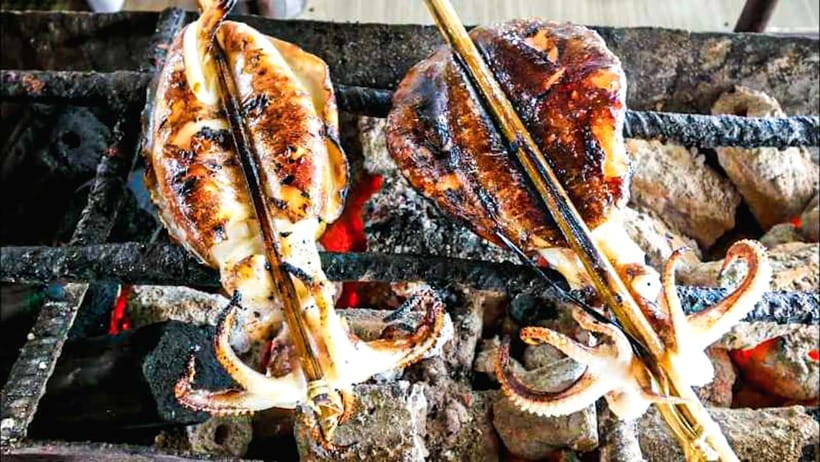
Psar Char is one of those places where the atmosphere hits you immediately—sounds, smells, and people moving with purpose. What I like about this tour approach is that you’re not just going to the obvious edges. You explore the side of Psar Char that tourists rarely see.
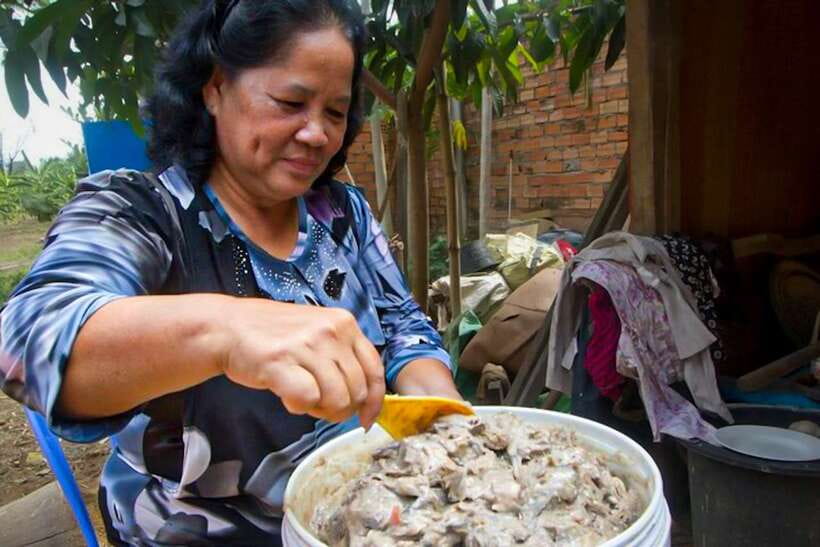
That matters because market food is rarely a single aisle of “best picks.” It’s a living supply chain. You’ll see the everyday choices locals make and how vendors present food that might not look like what you expect from Khmer cooking. When you’re on a guided walk, the guide can also help you navigate what you’re seeing, which is half the battle with unfamiliar cuisines.
This is also where the guide’s personality matters. One private-tour experience I heard about centered on a guide named Heang, who didn’t just point out food. He also helped with the broader cultural context, including traditional ceremonies along the way. Whether or not your evening includes that exact element, the takeaway is consistent: you’re learning what Khmer street food is to locals, not only what it tastes like.
How your guide helps you order with less guesswork
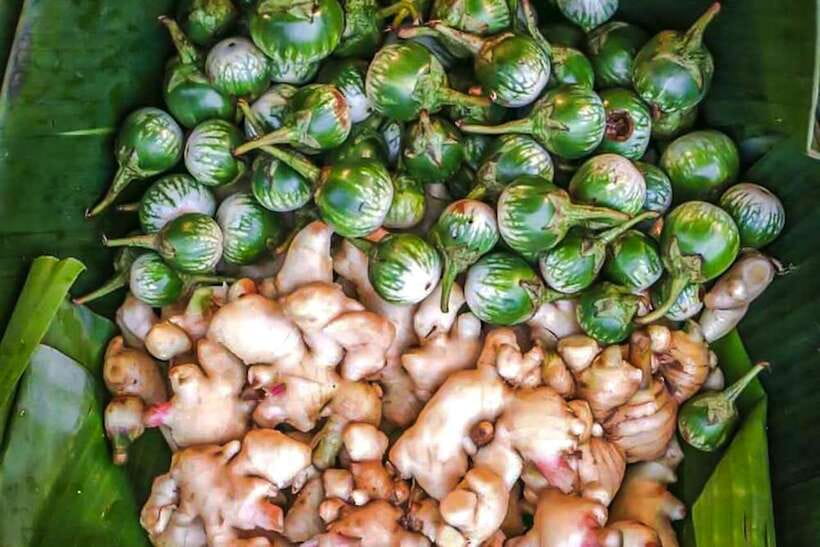
Khmer cuisine can be confusing in the moment. Menus can be tricky because Khmer script isn’t designed for travelers reading from memory, and it’s hard to guess spice or ingredients when you’ve never eaten that style before.
This is where the “real value” shows up. Your English-speaking guide doesn’t just translate. They help you make choices that fit your comfort level and help you understand the logic behind them. That can mean:
- deciding what to try first so you don’t overwhelm your palate
- learning which ingredients show up often, like coconut and sugar cane
- figuring out what dishes might lean savory versus sweet
- asking vendors questions while you’re there
And because you’re tasting as you go, you get faster learning than any restaurant menu explanation could provide. You walk away with a mental map of the flavors you actually want to seek out on your own next night.
Tonle Sap flavors and what to look for while you eat
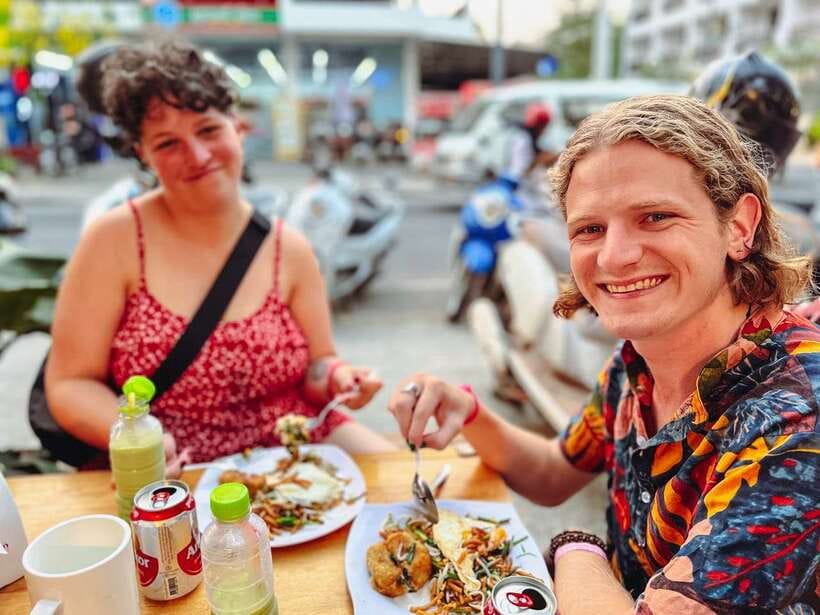
You don’t need to study Cambodian food theory before you arrive, but it helps to know what shapes the cuisine. Khmer cooking is heavily influenced by locally sourced ingredients, especially freshwater fish from the Tonle Sap. When that ingredient is used well, it can taste lighter and more “clean” than some visitors expect from fish-based dishes in other cuisines.
You might notice that some dishes feel more balanced than the street food in places where heat is the main story. Khmer cooking can have its own charm: sweetness from sugar cane, creamy textures from coconut, and a lot of flavor built from sauces and grilling rather than only from chili.
I love that a guided crawl gives you a chance to taste these building blocks in real settings. The market doesn’t care about your “must try” list. The guide helps you follow what’s good right now, while still keeping you oriented.


The real Route 60 night market: where the scene turns local
Route 60 is where the evening identity of Siem Reap starts to show. This isn’t only about eating; it’s about being in the correct room. The tour focuses on the real Siem Reap night market at Route 60, which tends to feel more like an everyday local stop than a carefully themed “tourist market.”
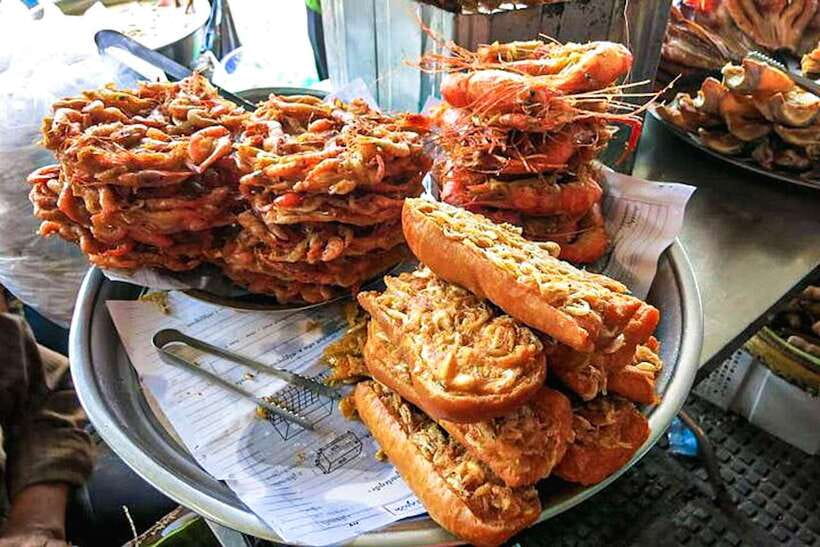
Walking the area matters. It’s one thing to see food behind a stand. It’s another to move through it, watch how vendors work, and learn what locals reach for when they have time. Clothing and general market browsing may also be part of what you see here, but the main point is that the food choices feel grounded and current.
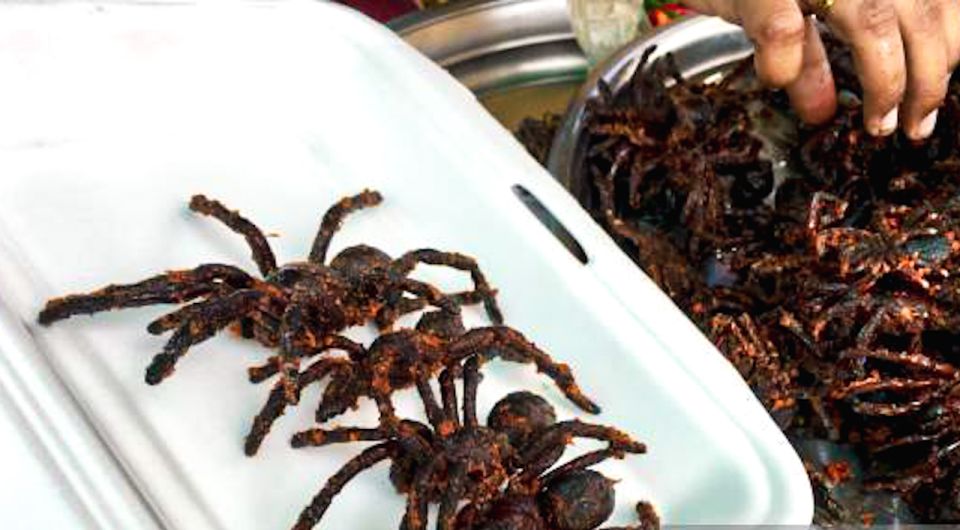
One experience I found especially memorable involved a guide named Dara, where the tour included a walk over the Route 60 market and the chance to see items like insects and kikkers, and even try them when offered. That tells you what kind of night this can be: direct, real, and sometimes playful in what it asks you to sample.
If you’re uncomfortable with adventurous food, you can still enjoy the tour. Just go with the attitude that your guide can help you steer toward what feels right that evening.
Tasting rhythm: how the tour keeps you from overdoing it
Street food crawls can go two ways: either you end up with too much food too fast, or you don’t get enough variety. This one aims for variety through pacing. Over 8 hours, you get repeated opportunities to taste, ask, and reset.
The “all food and drinks included” part is important because it removes the mental math. When you’re focused on cost, you make smaller choices. When everything’s included, you’re more likely to try items you’d normally skip.
I also like that the tour stays small, limited to 10 participants. In a bigger crowd, guides spend time managing logistics. In a small group, you get more attention, and you’re more likely to ask follow-up questions that actually deepen your understanding.
The guides make the difference: Heang, Vone, Dara
On paper, it’s a street food tour. In real life, it’s a guide-and-group experience. The highest praise I saw consistently pointed back to guide style: friendliness, flexibility, and real knowledge about what you’re eating.
For example:
- A private street food tour with Heang stood out for both food authenticity and extra cultural touches like traditional ceremonies, plus a friendly, adaptable approach.
- Another strong experience with Vone emphasized getting to the “yummiest places” and trying a couple of interesting menu options rather than just sticking to the obvious.
- A tour with Dara highlighted how the guide showed the versatility of Cambodian cuisine during a private tuk-tuk experience, with memorable moments like Route 60 walking and tasting more unusual items.
So yes, you’re paying for food and transport. But you’re also paying for someone to help you interpret the food world around you in English, with patience and a sense of humor.
Price and value: what $90 buys you in practice
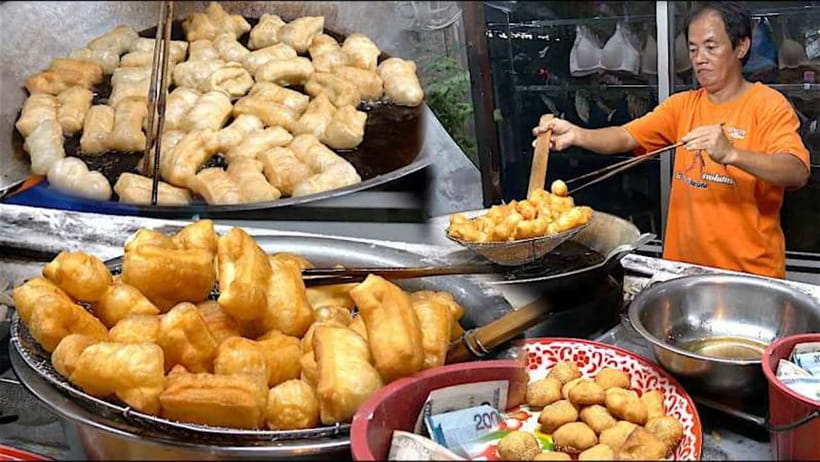
At $90 per person for an 8-hour small-group tour, you’re not only paying for snacks. You’re paying for:
- hotel pickup/drop-off (depending on the option you select)
- transportation by tuk-tuk
- an English-speaking live guide
- all food and drinks
Value is highest when you’re new to the cuisine and want to avoid awkward ordering mistakes. Khmer menus can be difficult, and street food is a place where choosing “wrong” can waste money and spoil your appetite. A guide improves your odds fast.
Also, you’re buying time. Eight hours is enough to cover multiple local food moments without rushing. For many first-time visitors, that’s exactly what makes the price feel fair: you gain clarity and confidence that carries into your remaining days.
Practical tips so your night goes smoothly
A few small choices can make a big difference on a night market crawl.
Wear for movement. Expect walking and standing. Comfortable shoes matter more than style. Bring a light layer if you get cool from evening breezes.
Bring your appetite and your questions. The best moments often come when you ask what something is and when it’s best. Your guide can help you translate curiosity into something the vendor understands.
Be ready for adventurous options. If insects or frog items are offered, you can say yes, or you can say no. The key is to treat it as part of the experience, not a test. A good guide will respect your comfort level while still encouraging you to try something new.
Who should book this tour, and who might skip it
This tour is a great fit if:
- you’re in Siem Reap for the first few days and want orientation through food
- you want Khmer cuisine beyond the generic basics
- you enjoy night markets and want the local angle at Route 60
- you’re open to trying unusual items like insects or frogs, at least if offered
You might want to skip or choose a different option if:
- you prefer very safe, familiar food and hate surprises
- you don’t enjoy walking/standing for much of an evening
- you fall outside the provided age suitability guidance (babies under 1 year and people over 70 years are not suitable)
Should you book Siem Reap local street foods and a local guide?
If you’re the kind of traveler who wants real local eating—markets, side streets, vendor conversations, and the chance to try food you’d never order alone—this tour is worth it. The main reason is not just that the food is good. It’s that the guide helps you understand what you’re eating, so you leave with confidence, not confusion.
If you’re on the fence because Khmer menus feel intimidating, that fear is exactly what this experience is designed to solve. Just go in prepared for a lively 8-hour food evening and keep an open mind about bolder tasting options at Route 60.
FAQ
How long is the Siem Reap street food and local guide experience?
It lasts 8 hours.
What does the price include?
All food and drinks are included, along with transportation. Hotel pickup and drop-off are included if you select the minibus option.
Is the tour guide English-speaking?
Yes, the tour includes a live guide who speaks English.
What is the group size?
It’s a small group, limited to 10 participants.
Do you get hotel pickup, and when should you be ready?
Pickup is included. You should be ready at least 20 minutes prior to the published start time.
Is there free cancellation?
Yes. You can cancel up to 24 hours in advance for a full refund.