REVIEW · SIEM REAP
Small-Group Full Day Angkor wat Guide tour with Sun set
Book on GetYourGuide →Operated by Angkor Wat Share Tours · Bookable on GetYourGuide
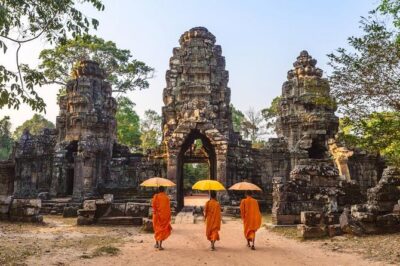
Angkor feels bigger than a postcard. This full-day, small-group circuit is built around the big Khmer sites plus a late-day sunset stop at Phnom Bakheng, so the day stays memorable even when the heat hits.
I love that you get a real English-speaking guide to connect the dots between religion, architecture, and the stories carved into the stone. I also love the pacing of the highlights, including the chance to walk among the dramatic roots and branches at Ta Prohm instead of just glancing and moving on.
One thing to consider: the tour price is low, but the $37 Angkor Pass is not included and is paid on the day, and you’ll be on your feet for most of the day.
In This Review
- Key highlights to look forward to
- How the day flows (and what timing means for you)
- Angkor Wat: moat, galleries, and stories you can actually follow
- Ta Prohm’s root tunnel: what to notice besides the famous view
- Banteay Kdei: a calmer temple intermission
- Ta Keo: the unfinished pyramid that still commands attention
- Angkor Thom’s southern gate and Bayon’s faces
- Phnom Bakheng hill at sunset: how to end strong
- Price and value: why $14 can be a bargain, if you plan for the pass
- What you’ll need to bring (and the dress code that matters)
- Guides: what makes this tour feel personal
- Who this is best for (and who should think twice)
- Should you book this Angkor Wat full-day guide tour?
Key highlights to look forward to
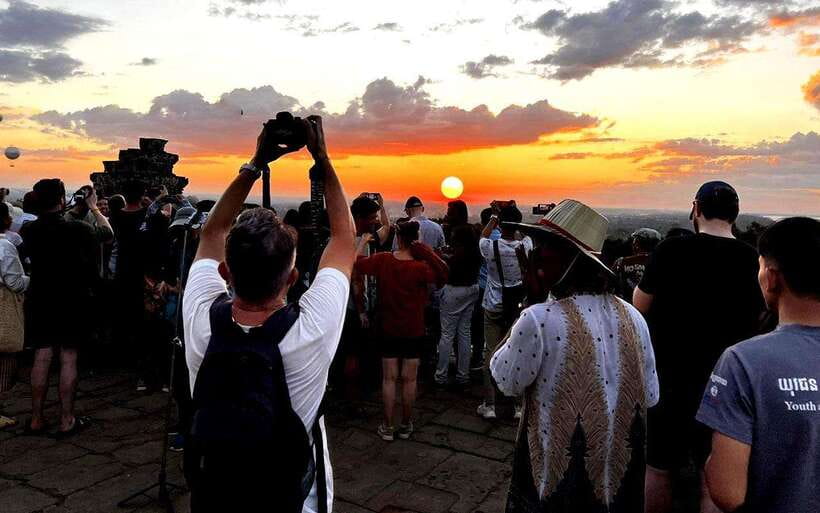
- Sunset at Phnom Bakheng hill to end the day with one last hit of magic
- A guided Angkor Wat walkthrough focused on carvings, symbolism, and layout
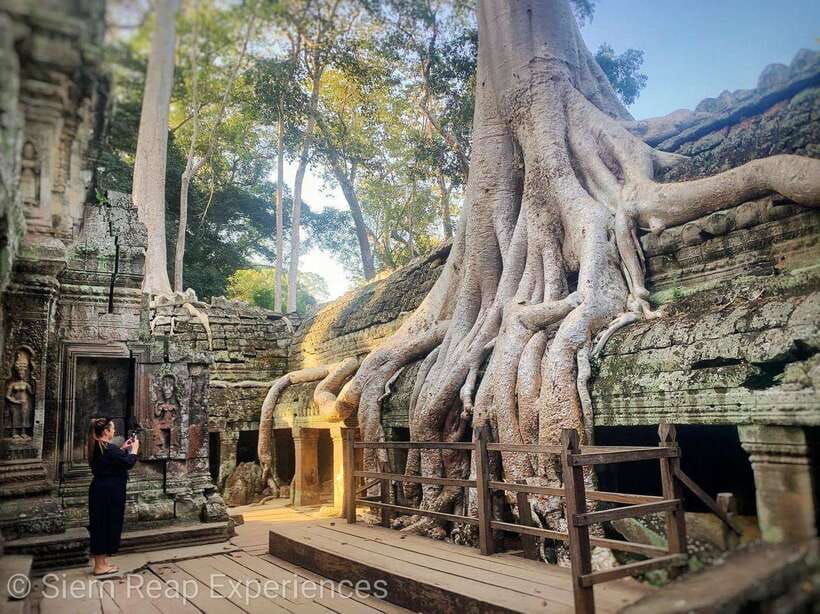
- Ta Prohm’s jungle path with the famous intertwining roots and branches
- Angkor Thom’s southern gates and Bayon Temple with outward-facing stone faces
- Ta Keo’s unfinished pyramid that still feels imposing—and fun to explore on foot
- AC transport plus cool water and wet towels when the weather is relentless
How the day flows (and what timing means for you)
This is an 8–10 hour full-day plan that starts with pickup in Krong Siem Reap (Krong) and then a coach ride into the Angkor area. Expect a guided format with regular transfers between sites, plus breaks where you can reset.
The practical win of a guided small group is not just convenience—it’s fewer wasted minutes figuring out what matters. When I’m visiting Angkor, that matters because the grounds are huge, the temples can look similar at a distance, and the details are what turn a visit into understanding.
Also, this tour includes air-conditioned mini van or coach, plus cool water and a wet towel. That’s not a luxury detail in Siem Reap; it’s what keeps you moving through open courtyards without burning out early.
You can also read our reviews of more guided tours in Siem Reap
Angkor Wat: moat, galleries, and stories you can actually follow
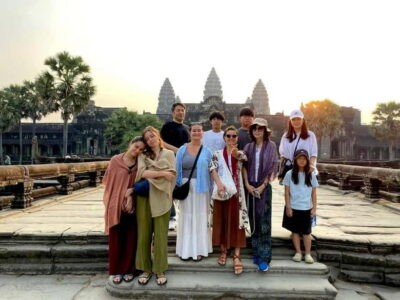
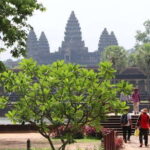
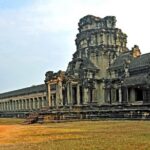
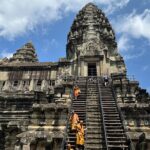
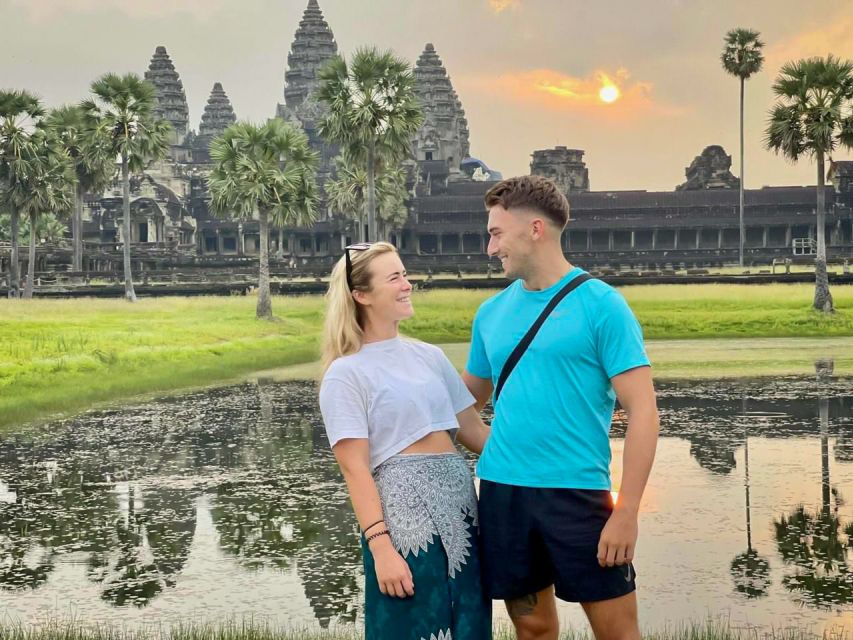
You start with Angkor Wat, the headline temple. The guided visit runs long enough that you don’t just reach the main structures and sprint. Instead, you cross the wide moat and pass the monumental outer wall, then work through the galleries where the carvings do the talking.
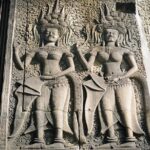
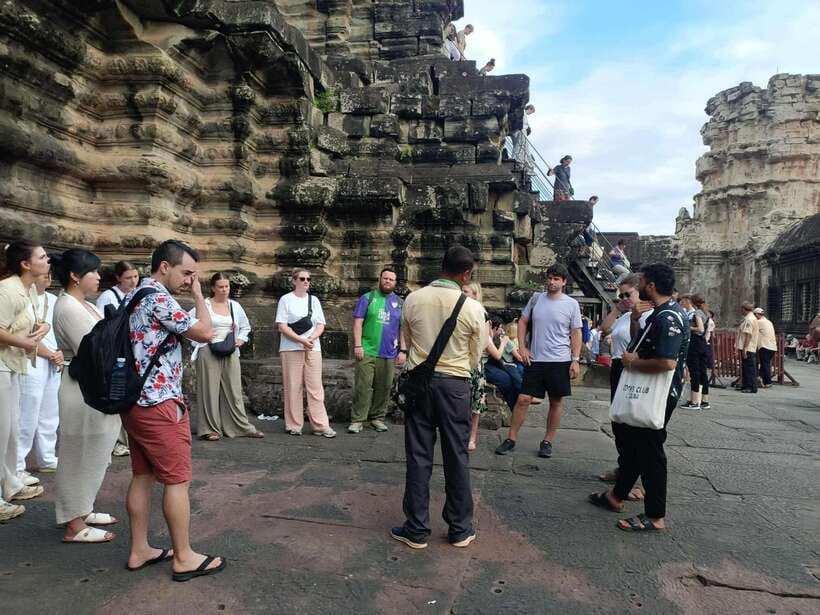
Here’s why a guide changes everything at Angkor Wat: the bas-reliefs are dense, and without context it’s easy to miss how the panels connect to mythology, Hindu and Buddhist heritage, and the Khmer worldview. Your guide is there to explain what you’re looking at as you walk, so the carvings become scenes rather than decorative rock.
If you care about photos, this is also where that “slow down for the right angle” advice pays off. Multiple guides linked with this tour style mention helping with pictures and timing, including guides like Vone and Kosal, who are repeatedly praised for photo tips and patience.
Possible tradeoff: even with guidance, Angkor Wat takes time and it can be busy. You’ll want to be mentally ready for the idea that you’re scanning, learning, and then moving on—less “wandering forever,” more “hit the meaning, hit the highlights.”
Ta Prohm’s root tunnel: what to notice besides the famous view
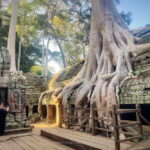
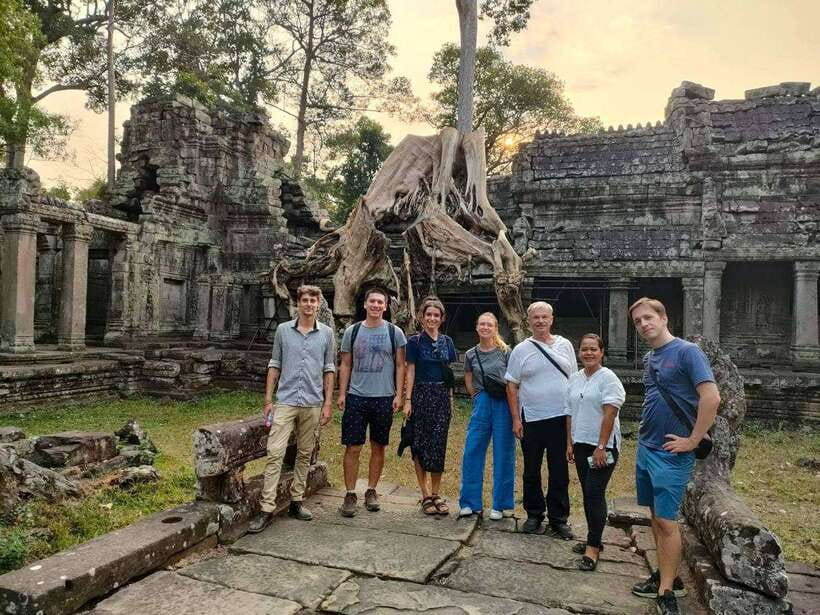
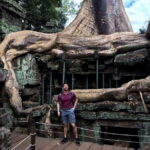
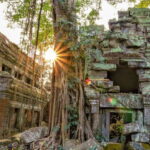
Next comes Ta Prohm, famous for its ruined temple structures and the way big trees took over. The experience is built around walking along the jungle-lined path where roots and branches intertwine around stone.
The best part of Ta Prohm with a guide is learning how to look. Instead of only thinking about the dramatic visuals, you start noticing the relationship between architecture and nature—how the site reads as both a temple and a living ruin. It’s also a great contrast to Angkor Wat, where you’re surrounded by crisp geometry and formal layout.
In the middle of the day, this stop also helps break the monotony of the “same kind of temple” feeling. Ta Prohm looks different from the rest, and it brings emotion back into the visit. One more practical note: it’s a walk-heavy site with uneven ground, so comfortable shoes matter more than you’d think.
Banteay Kdei: a calmer temple intermission
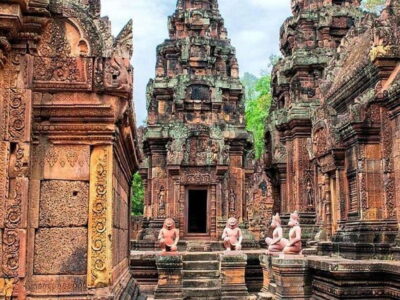
After Ta Prohm, there’s time for Banteay Kdei, with a lunch break included afterward. This temple is a useful change of pace because it feels less like a single photo moment and more like a lived-in ruin.
Why that matters for you: when the day gets long, variety is what keeps the temples from blending together. Banteay Kdei helps you reset your eyes before the next big structures—especially before Ta Keo and Angkor Thom.
Lunch is from your own expense, so I recommend you use this time smartly. Eat something filling but not heavy, then refill water so you don’t pay for it later on the hill when the sun is lower and the climb feels steeper.
Ta Keo: the unfinished pyramid that still commands attention
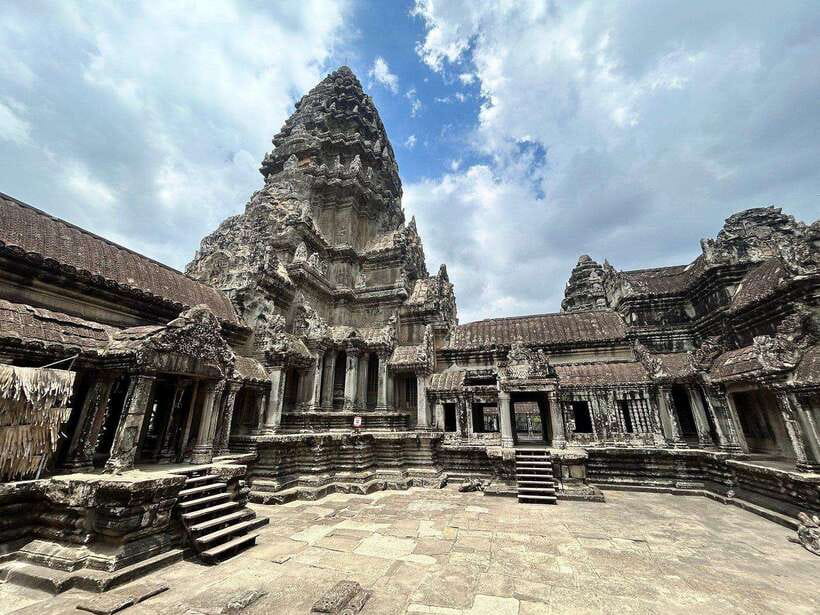
Then you move to Ta Keo, a towering pyramid temple that was left unfinished but still looks powerful. The guided visit includes time to walk and explore routes around the structure.
This is one of those stops where I like having context. An unfinished pyramid can sound like a footnote, but on-site it reads as part of the Khmer story—an architectural intention interrupted. With your guide, you can understand why the structure still feels complete as an experience.
Also, this is a temple where small choices matter. If you’re willing to slow down, you can find hidden paths and viewpoint angles that make the place feel like an exploration rather than a queue. That sense of mystery is exactly what makes Ta Keo worth your time.
Practical caution: this is still open-air walking. Bring sun protection and keep an eye on your energy level. Some guides are praised for pacing, but your body will decide how much you enjoy the final climb segments.
You can also read our reviews of more tours and experiences in Siem Reap
Angkor Thom’s southern gate and Bayon’s faces
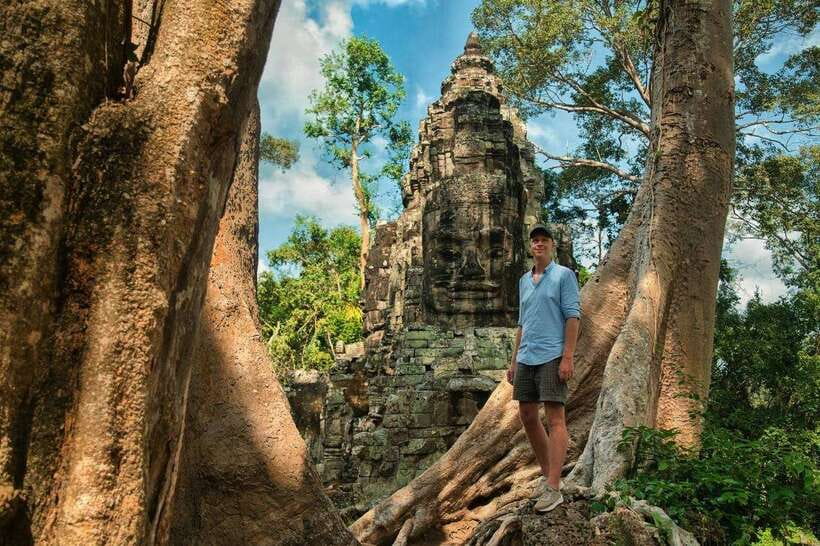
After Ta Keo, you head to Bayon Temple, which sits within Angkor Thom, the grand capital of the Khmer Empire. Approaching the southern gate is part of the drama: you’re lined up with a causeway flanked by massive stone figures—gods and demons frozen in time.
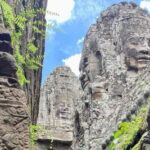
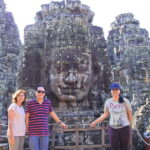
Then Bayon hits you with its signature look: the serene stone faces that gaze outward from the towers. The visit includes moving through the temple area and climbing up to the upper terrace, where the scale changes how you feel about what you’re standing in.
This stop is a great example of why you want a guide for Angkor Thom. The carvings and symbolism are harder to read from a distance, and the meaning changes the longer you linger. One guide mentioned in reviews, Heang, is praised for remembering years and dates while keeping the story flowing, which is exactly the kind of structure that helps you connect the dots on day trips.
Phnom Bakheng hill at sunset: how to end strong
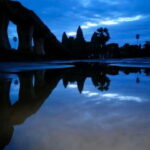
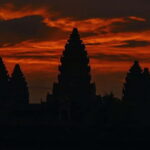
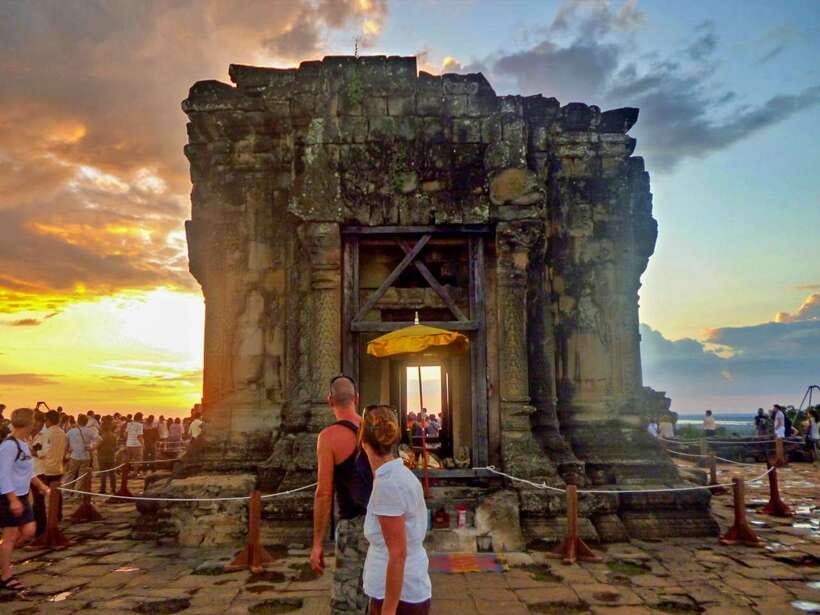
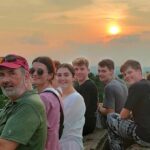
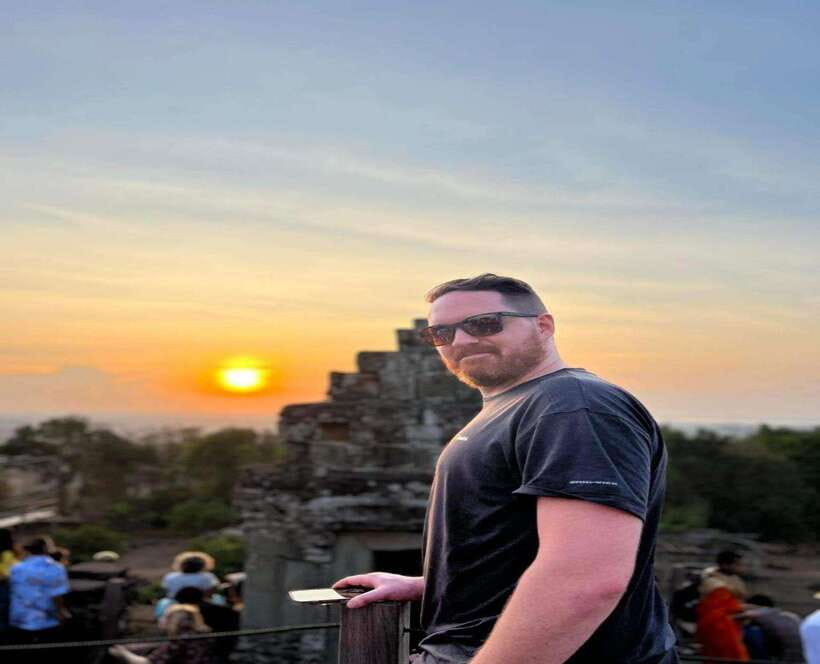
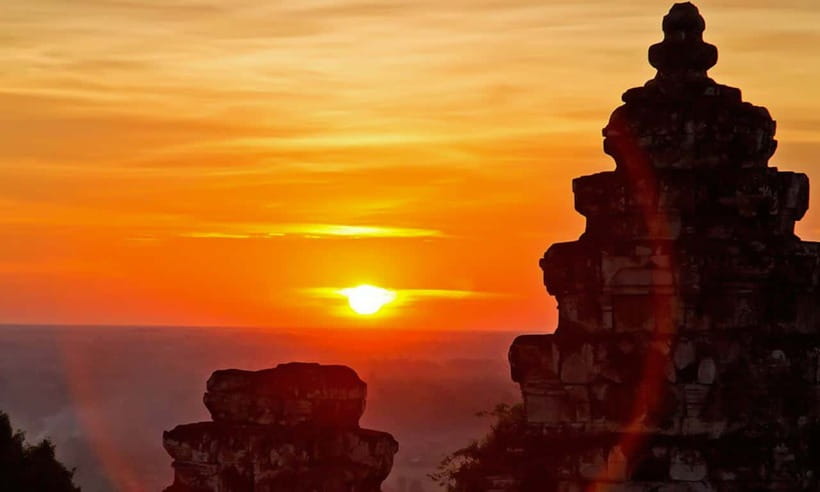
The day’s final highlight is Phnom Bakheng, timed for a sunset view. This is where the tour earns its name, because the hilltop viewpoint turns the temples into a silhouette scene—less about carvings, more about scale and atmosphere.
There’s guided time here, but also the nature of the site means you’ll be moving with the flow of people and the light. Expect stairs and a climb, and plan to take it slowly. If your legs are tired, ask your guide for help with pacing so you don’t spend the best light period feeling miserable.
This is also a good moment for photos, and guides in this tour style get credit for helping people capture shots—especially when the light is tricky. Kosal and Vone show up repeatedly in reviews for photo help and timing, including advice that helps you stand in the right place without delaying the group too much.
Price and value: why $14 can be a bargain, if you plan for the pass
The advertised price is $14 per person, which is impressively low for a full-day tour. But here’s the math that helps you make a fair decision: the temple tickets (Angkor Pass) are not included and there’s an additional $37 to pay on the day.
So your realistic starting total is the tour price plus the pass. When I evaluate value like this, I look at what’s included: hotel pickup and drop-off, an English-speaking guide, AC transport, and cool water plus wet towels. That’s the core cost drivers you don’t want to manage yourself.
Also, this tour includes six main temple stops: Angkor Wat, Ta Prohm, Banteay Kdei, Ta Keo, Bayon (within Angkor Thom), and Phnom Bakheng hill. For many first-timers, that level of coverage is the difference between “I saw a few temples” and “I understood the main parts of Angkor’s story.”
One more value note: this tour is often run as a small group. Some reviews mention groups as small as six people, which is big for comfort. With a smaller group, the guide can spend more time answering questions and taking photos rather than rushing everyone through.
What you’ll need to bring (and the dress code that matters)
Bring the essentials you’re already thinking about in Cambodia: sunglasses, sunscreen, sun hat, insect repellent, and a camera. You’ll also be happier with breathable clothing you can layer if you need it.
Dress code is specific: your outfit must cover shoulders and knees. If you show up in tank tops or shorts, you may get turned away or forced into awkward solutions. Plan for heat, but plan for temple rules too.
Comfort shoes are strongly recommended. You’ll walk on uneven ground, climb steps at some points, and spend time moving between sites, so your feet will vote on your experience fast.
And one more practical detail: the tour provides cool water and wet towels, but you should still hydrate. Heat management is part of the itinerary, not separate from it.
Guides: what makes this tour feel personal
A lot of Angkor tours promise a guide. What you should look for is whether the guide can turn confusion into clarity while keeping the day moving. The reviews for this tour style lean hard toward guides doing exactly that.
Names that repeatedly come up include Vone, Kosal, Nick, Coco, and Rith. You’ll also see Sayon, John, and Heang described as funny, patient, and willing to answer questions. More than one review praises photo skills—so if you care about getting more than a blurry “we were there” picture, you’ll likely benefit.
Language can vary slightly. One review notes English was sometimes hard to understand, but the guide was happy to repeat. If you want precision, you can ask follow-up questions when something doesn’t click. Most guides are set up for that.
Who this is best for (and who should think twice)
This tour suits you if you want the main Angkor hits in one full day and you like explanations that connect religion, architecture, and the stories in the carvings. It also works well if you’d rather focus on the temples than on figuring out routes and timing.
It’s not a match if you want lots of free roaming with zero structure. The schedule is designed to fit multiple sites, which means you’ll move on after each stop.
It’s also not suitable for babies under 1 year. And the tour lists non-folding wheelchairs as not allowed, so you’ll want to check your mobility needs carefully.
If you’re the type who gets overwhelmed in crowds, your guide may help with timing and pacing. Some reviews mention arriving at temples when they are less busy, but I can’t promise crowd levels will be light every day.
Should you book this Angkor Wat full-day guide tour?
Book it if you want a first-timer-friendly Angkor day: Angkor Wat plus Ta Prohm plus Angkor Thom/Bayon plus Ta Keo, then a sunset finish at Phnom Bakheng hill. With pickup, AC transport, and an English guide, the tour removes a lot of friction.
Also book if you care about meaning. Your guide’s job here is to help the carvings and temple designs make sense while you’re walking, not after you get back to your hotel. That’s where the experience turns from sightseeing into understanding.
Skip it if you’re traveling ultra-light on budget and would rather manage the pass and logistics on your own, or if you want more unstructured time at fewer temples.
If your plan includes a day pass anyway, this is a very practical way to see the core of Angkor without doing the mental math all day.