REVIEW · BATTAMBANG
Cultural Cycling Tour – half day (8:00-11:30)
Book on Viator →Operated by First Cycling Tour · Bookable on Viator
Pedal through real morning life in Battambang. This half-day cycling outing brings you to historic and everyday stops, with a Khmer guide who acts as translator as you watch artisans make traditional foods. You’ll move at an easy pace, learn while you ride, and end up eating straight from the source rather than from staged displays.
What I like most is the chance to meet the people behind the food work. I also love the mix of tastings plus culture, from Khmer Prahok Market fish fermentation to Kralan sampling in a bamboo tube. A possible drawback: it’s a morning tour with cycling time, and you’ll want to think about sun and comfort since sunscreen and sunglasses aren’t included.
In This Review
- Key details that make this ride worth it
- Why this Battambang half-day cycling tour works better than big-group sightseeing
- From pickup to 8:00 pedaling: the morning pace and logistics that matter
- Wat Samrong Knong and the Killing Fields: a 20-minute history stop done respectfully
- Khmer Prahok Market: seeing fish fermentation in jars up close
- Samrong Knong and Ek Phnom: Kralan in a bamboo tube plus rice paper, rice wine, and banana chips
- Kralan tasting: sticky rice meets bamboo + charcoal
- Rice paper discs for spring rolls
- Rice wine and dried banana chips
- Timing advantage (and potential drawback)
- What’s actually included in the $16 price (and why it feels fair)
- Food-tasting strategy: how to enjoy sticky rice, fermentation, and crunch
- Biking comfort and sun smartness: small choices that prevent a rough morning
- Who should book this tour in Battambang, and who should skip it
- Should you book this cultural cycling food tour or look for something else?
- FAQ
- How long is the Cultural Cycling Tour half day?
- What does the $16 price include?
- Is pickup available for this tour?
- Which stops are included, and are entrance tickets covered?
- What if I want to bike but can’t handle the cycling?
- What’s the cancellation policy if I need to change plans or if weather is bad?
Key details that make this ride worth it
Small-group feel (max 10) means less waiting and more time with your guide.
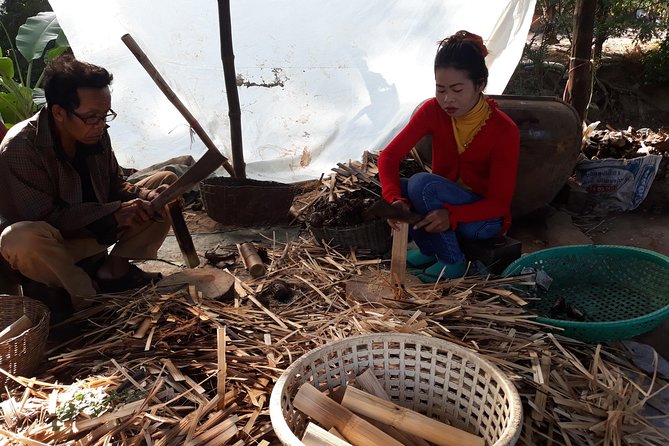
Real food-making moments include prahok fermentation and rice paper disc production.
Stops with built-in meaning like Wat Samrong Knong, tied to the Killing Fields.
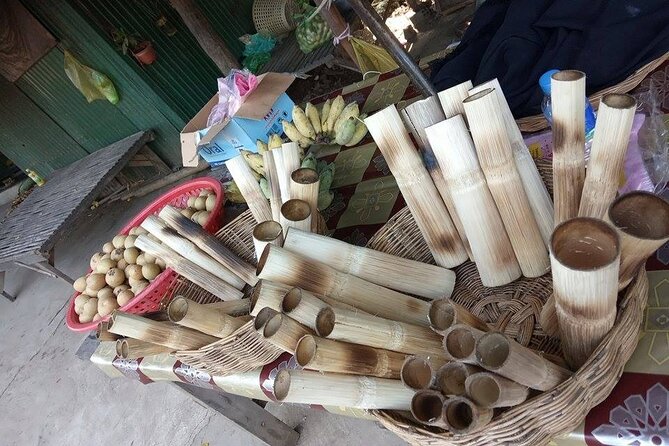
Kralan tasting over charcoal is the kind of meal you won’t recreate at home.
A tuk tuk option exists if you want to join but need help on the bike.
Why this Battambang half-day cycling tour works better than big-group sightseeing
Battambang is the kind of place where the details matter: how people work, what they eat, and how history shows up in daily life. This tour is built around that idea. You’re not just driving past sights. You’re riding into neighborhoods and markets, guided by a Khmer local who can explain what you’re seeing in a way that makes it click.
You get two things at once: food culture and context. Wat Samrong Knong gives you a strong historical anchor, then the morning shifts into the practical craft side—fermenting fish, producing rice paper for spring rolls, and making snacks that people eat all the time. Guides like Paov and Sothea are often praised for friendly, fun companionship and English that actually helps you understand what’s going on.
The cycling is also a big part of the “feel.” Even when you’re not sprinting anywhere, moving by bike keeps you close to the streets, vendors, and small moments that buses miss.
You can also read our reviews of more cycling tours in Battambang

From pickup to 8:00 pedaling: the morning pace and logistics that matter
The tour runs 8:00–11:30, with about 4 hours total time. That timing is handy in Battambang because you get to beat the hottest part of the day and still have the rest of your afternoon free.
You’ll be offered pickup, and the meeting point is described as near public transportation, so you should have options if you’re already in town. You also get a mobile ticket, which is convenient if you don’t want to hunt for paper confirmations.
Group size stays small: up to 10 travelers. That matters more than you might think. Smaller groups move quicker at food stops and make it easier for a guide to translate on the spot without everyone waiting in a line.
Bikes and bottled water are included. The route is described as moderate and relaxed in pace, so you’re not signing up for a grueling workout. Still, it’s cycling, so comfortable footwear helps.
One more practical note: the tour requires good weather. If it’s rainy, you may need to switch dates or get a refund, so it’s worth having some flexibility in your Battambang plans.
Wat Samrong Knong and the Killing Fields: a 20-minute history stop done respectfully
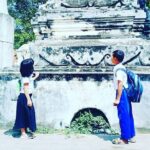
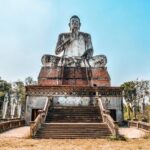
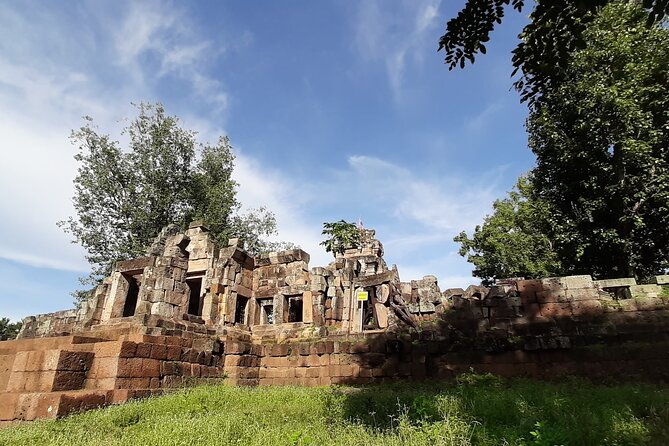
Your first stop is Wat Samrong Knong, described as the oldest pagoda in Battambang and tied to the Killing Fields. You’ll spend about 20 minutes there, and admission is included.
This isn’t a quick photo-op stop. The value is in the guide’s explanations and the way the site fits into Cambodia’s broader story. In particular, guides in this company are known for talking about the Khmer Rouge era in a way that helps you understand why the place carries weight.
What to expect on the ground: a pagoda setting where the atmosphere feels quiet and reflective rather than tourist-y. Since it’s a religious site, keep your behavior calm and respectful. If you’re the type who likes context more than plaques, this is the part where your guide’s translation really pays off.
Drawback to consider: if you’re sensitive to heavy historical topics, this stop can land harder than the food parts. The tour balances it by keeping the overall morning active and full of everyday craft right after.
Khmer Prahok Market: seeing fish fermentation in jars up close
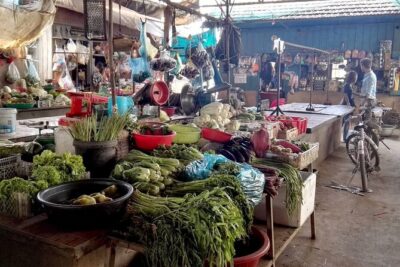
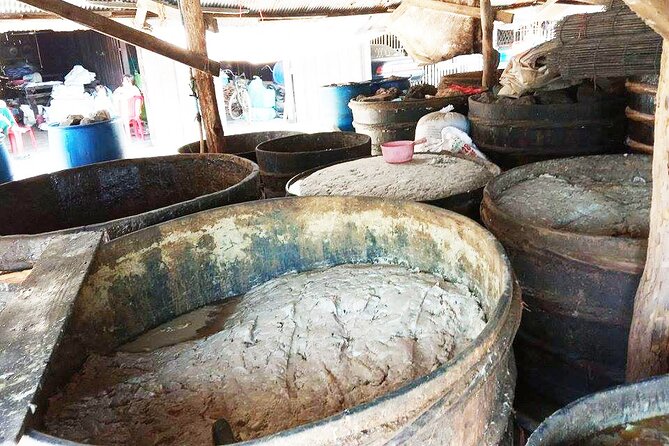
Next up is Khmer Prahok Market, where you’ll witness how prahok is made. Prahok is fermented fish, and the tour focuses on the process—especially the jars and the waiting game that fermentation requires.
This stop is short—about 20 minutes—and admission is free. It’s one of those cultural experiences that gives you a real-world “aha.” Once you understand that fermented fish is a deliberate craft and a staple ingredient, you start noticing it in foods everywhere.
The main thing to plan for is scent. Fermentation has a smell. If you’re expecting a neutral, museum-like environment, you might be surprised. Go in with curiosity instead of expectations, and you’ll probably find the experience more interesting than distracting.
Also, this stop helps connect the dots for the rest of the morning. Even though you don’t eat prahok here in the description, seeing the process makes the later food flavors feel more grounded in how locals actually build taste—step by step, month after month.
Samrong Knong and Ek Phnom: Kralan in a bamboo tube plus rice paper, rice wine, and banana chips
The biggest chunk of the tour is the food-craft section, moving toward places like Samrong Knong and Ek Phnom. This is where your morning goes from “interesting” to “I’m glad I booked.”



Kralan tasting: sticky rice meets bamboo + charcoal
At Samrong Knong, you’ll sample Kralan, described as sticky rice with black bean, coconut milk, and a little salt, cooked in a bamboo tube over charcoal. This isn’t just a flavor tasting. It’s also a cooking technique lesson.
The value here is how specific the ingredients and cooking method are. When a local makes a food like this, they’re working with what the land provides and what people rely on daily. You’ll likely notice how coconut helps round the richness, and how black bean brings depth rather than sweetness.
If you like foods that are a little smoky and comfort-food thick, Kralan is usually the highlight.
Rice paper discs for spring rolls
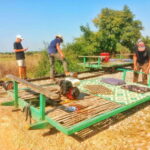
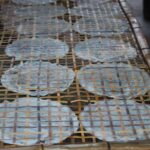
You’ll also see traditional making of rice paper discs—the kind used to wrap spring rolls. This matters because rice paper isn’t something that magically appears at a supermarket. It’s a skill, and the tour includes interaction through your guide, who translates and helps you ask questions.
A small caution: if you’re hoping for a hands-on craft workshop where you personally make discs, that isn’t specified. What you can count on is watching the process and tasting the results through included snacks.
Rice wine and dried banana chips
At Ek Phnom, the tour focuses on traditional making of rice wine, rice paper, and dried banana chips. You’ll also encounter roadside vendors selling rice wine and banana chips as part of the roadside tasting feel.
The banana chips are straightforward in concept, but the inclusion here helps you see how locals treat snacks as real products—not just packaged junk. If you enjoy sweet-salty crunch, you’ll probably like them.
Rice wine is more of a curiosity item, especially if you don’t drink much. Still, it’s part of the region’s food culture. If it’s not your thing, you can treat it like a tasting moment rather than a commitment.
Timing advantage (and potential drawback)
This segment lasts about 1 hour, and it’s where you’ll spend most of your mental energy—watching, tasting, and asking questions. The only drawback is that you’ll be relying on your guide’s pacing. If you get overwhelmed easily by sensory experiences (smells, sounds, crowds in markets), try to slow down and focus on one station at a time.
What’s actually included in the $16 price (and why it feels fair)
The price is $16 for a half-day. That sounds low until you break down what’s included.
You get:
- Bottled water
- Snacks tasting of traditional food products from the artisans you visit
- All fees and taxes
- Use of bicycle
- A local experienced guide (with Khmer-English translating support)
You also get entrance covered where it’s relevant. Wat Samrong Knong and Ek Phnom have admission included in the description, while Khmer Prahok Market is free.
So the value comes from three places:
- Time with a real guide who can explain what you’re seeing.
- Multiple food experiences packed into a short morning.
- Less hassle because bikes, water, and key fees are handled.
What’s not included is also useful to know. Sunscreen, beer, sunglasses, and your own shopping aren’t included. That means you should pack sun protection if you burn easily. (Morning tours still get intense sun.)
Food-tasting strategy: how to enjoy sticky rice, fermentation, and crunch
This tour is food-forward, so you’ll enjoy it more if you treat tastings like conversations, not exams.
Here’s how I’d approach it:
- Start neutral. At the market and fermentation stop, the goal is understanding process. If the smell hits first, that’s normal for fermentation.
- Ask one question at each food moment. Rice paper discs, Kralan ingredients, rice wine methods—your guide can translate the “why,” which makes the tasting stick in your memory.
- Pace your bites. You’ll be moving through multiple stops, so you don’t want to rush or overstuff early. Kralan is filling; banana chips are lighter, so you can balance heavier and lighter snacks.
If you have dietary restrictions, bring them up when you book or directly with your guide at the start. The tour includes tastings, and while the description doesn’t mention specialty accommodations, a good guide can usually help you understand what’s in each item.
Biking comfort and sun smartness: small choices that prevent a rough morning
Even a relaxed bike tour can feel tough if you’re not prepared for the sun, heat, and walking distances between activity points.
Since sunscreen and sunglasses aren’t included, pack them if you use them at home. Your eyes will thank you, especially if the sun reflects off dusty roads.
Also remember: the tour depends on good weather. If rain hits your plans, you may be offered a different date or a refund. Plan your Battambang schedule with a bit of flexibility.
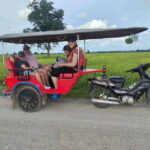
If you want to bike but your group has any trouble with it, the tour can include a tuk tuk in the experience. That gives you a safety net without forcing you to cancel—handy for anyone who can ride in principle but not for the full stretch.
Who should book this tour in Battambang, and who should skip it
This tour is a great match if you want:
- Local food culture, not just famous landmarks
- A small-group ride with an interpreter-style Khmer guide
- A morning with history plus daily life
It also suits couples and solo travelers. The tours are described as welcoming in how guides handle smaller groups, and guides like Paov, Sothea, and Rakso’s team are often praised for friendliness and explanations that make the morning feel personal.
You might consider skipping if:
- You dislike cycling time, even if the pace is described as moderate
- You need a completely relaxed, no-history morning (Wat Samrong Knong is connected to the Killing Fields)
- You’re traveling with very limited sun tolerance and don’t have your own protection
Should you book this cultural cycling food tour or look for something else?
Book this if you want a half-day that actually connects the dots between Battambang’s culture and its food work. For the money, you’re getting guide-led learning, included tastings, and key sites handled in short, manageable chunks.
Skip it if you want a long, scenic ride outside the city or if you prefer food without fermentation history. This tour is about everyday craft and real technique, including fermented fish and bamboo-tube cooking—not just wandering for views.
If you’re choosing between “more sights” and “better context,” this one leans toward context, and that’s the real reason it earns such strong ratings.
FAQ
How long is the Cultural Cycling Tour half day?
It runs from 8:00 to 11:30 and is listed as about 4 hours.
What does the $16 price include?
It includes bottled water, snacks tastings, all fees and taxes, use of a bicycle, and a local experienced guide.
Is pickup available for this tour?
Yes, pickup is offered, and the meeting area is described as near public transportation.
Which stops are included, and are entrance tickets covered?
You’ll visit Wat Samrong Knong (admission included), Khmer Prahok Market (admission free), and Ek Phnom (admission included).
What if I want to bike but can’t handle the cycling?
If you want to do bike riding but your group has any issues, the tour can include a tuk tuk as part of the experience.
What’s the cancellation policy if I need to change plans or if weather is bad?
You can cancel for a full refund up to 24 hours before the start time. The tour requires good weather, and if it’s canceled due to poor weather, you’ll be offered a different date or a full refund.