REVIEW · SIEM REAP
From Siem Reap: Tonle Sap Floating Villages Tour
Book on GetYourGuide →Operated by Khmerdetours · Bookable on GetYourGuide
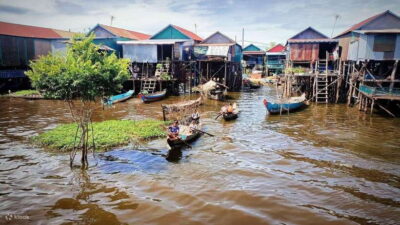
Floating villages look like a movie set. What makes this trip special is that you ride a private boat with a local English-speaking lake guide, and our route becomes easy to understand fast thanks to guides like Moni. You’re not just seeing houses on water. You’re learning how the place works day to day, from schools and markets to the communities behind the scenes.
I especially like the feeling of pacing. You get a structured half-day, but it still leaves room to ask questions and look closer—whether it’s the birdlife near the sanctuary or daily life in the floating village. Lunch on the Queen Tara adds a nice reset before you head back to Siem Reap.
One thing to keep in mind: the schedule is short (about 4 hours door-to-door), and a key stop like the crocodile/fish farm can depend on current water levels. If you’re expecting a long, deep expedition, this will feel like a very focused taster.
In This Review
- Key highlights to look for
- Why Tonle Sap’s floating villages feel different from Angkor day-trips
- The 10:00 departure and how a private boat keeps the day easy
- Lotus flowers and the plant story you’ll remember
- Entering the floating village: homes, markets, schools, and churches
- Crocodiles and fish farms: what’s real, and what depends on water
- Lunch on the Queen Tara: a calm reset in the middle of it all
- Bird sanctuary spotting: painted stork and spot-billed pelicans
- Price and what $65 buys you in real terms
- Who should book this floating villages tour (and who might not)
- Should you book this Tonle Sap floating villages tour?
- FAQ
- How long is the Tonle Sap Floating Villages Tour?
- What time does the tour depart?
- How much does the tour cost?
- What’s included in the price?
- Is lunch included, and is there a vegetarian option?
- Is the tour private, or do I share the boat?
- How big is the group?
- What are the rules for children?
- Is there free cancellation?
Key highlights to look for
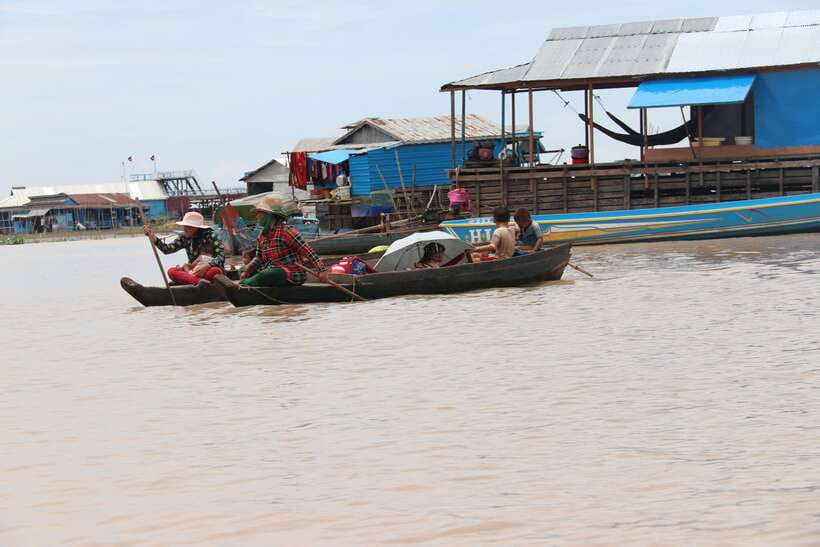
- Private boat on Tonle Sap: you’re not squeezed with a crowd while you move between stops.
- English-speaking lake guide (Moni, Mali, Mary): the explanations make village life concrete, not just scenic.
- Lotus stop on the way: you’ll see lotus flowers and hear how different parts of the plant are used.
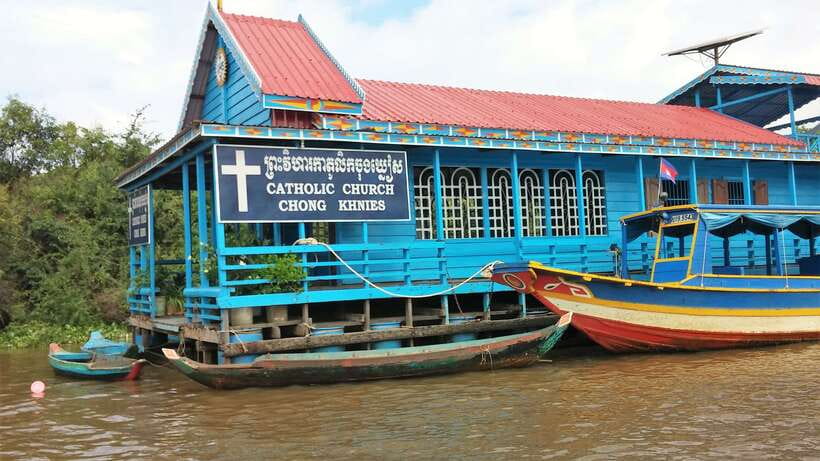
- Floating village sights up close: homes, markets, schools, and even churches show the whole ecosystem of daily life.
- Bird sanctuary spotting: watch for painted stork and spot-billed pelicans near the reserve.
Why Tonle Sap’s floating villages feel different from Angkor day-trips
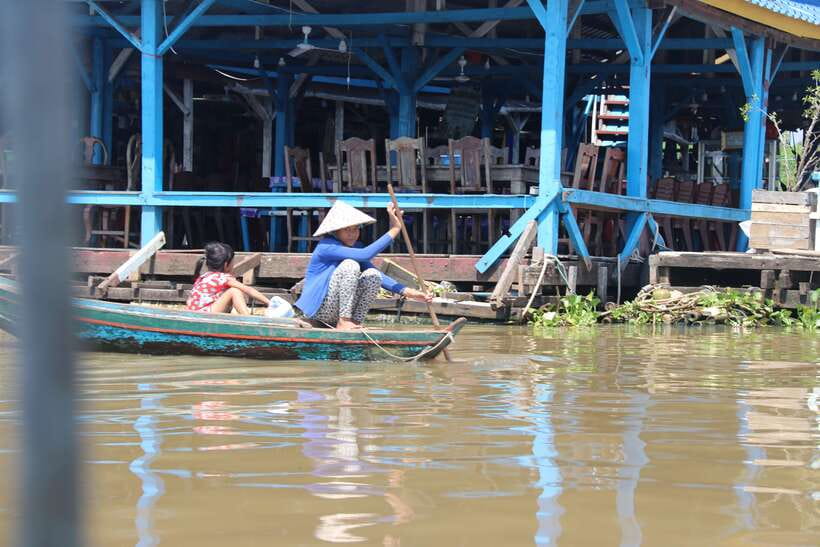
Siem Reap is famous for temples, but Tonle Sap is a completely different kind of Cambodia. This trip takes you to the largest freshwater lake in Southeast Asia, and you experience it from the water, where the “shoreline” is really a moving idea. That shift alone changes your perspective.
Tonle Sap (and parts of the connected rivers) is designated as a UNESCO biosphere reserve, which matters because it frames the day as more than sightseeing. You’re seeing a place shaped by seasonal changes, livelihoods, and biodiversity—not a staged attraction.
What I like most is that you get context as you go. Instead of only stopping for photos, your guide explains how life formed around the lake and how people manage today. That’s how floating villages stop being a curiosity and start feeling like real homes with real challenges.
You can also read our reviews of more tours and experiences in Siem Reap.
The 10:00 departure and how a private boat keeps the day easy
This is a half-day experience that runs from a 10:00 departure, and the total time is about 4 hours door-to-door from your Siem Reap hotel. That timing is handy when you’ve got temple mornings and you still want one cultural outing that isn’t a full-day commitment.
You travel with round-trip transfers and a small group capped at 11 participants. In practice, that size keeps the boat conversations from turning into a lecture you can’t hear. And because this is a private boat trip, you don’t lose time waiting while a larger group regroups.
The tour also includes cold towels, which sounds small, but after riding in Cambodian heat, it makes a difference. You’ll also have entrance fees covered and you can skip the ticket line, so you’re not burning your limited time on paperwork.
One practical note: the trip runs in all weather conditions. That means you should dress for sun and rain. Bring layers you’re comfortable wearing while you’re on the water—wind can change the feel fast once you’re out on the lake.
Lotus flowers and the plant story you’ll remember
On the way to the port, you’ll stop to take photos of the lotus flowers, which are important in Buddhism. This isn’t just a pretty roadside break. Your guide explains why the lotus is culturally meaningful and why people use it in many ways.
The plant has multiple uses—from the steam to the flower itself—so the stop becomes a quick lesson you can repeat later. If you’re the kind of person who wonders what’s behind the symbols you see in Cambodia, this part helps connect dots.
Some days may include an additional stop like a lily and lotus farm, where you can even try lotus fruit. I like having a small edible moment on a tour like this, because it turns information into something sensory. Even if the exact farm stop varies, expect the tour to build around lotus as a theme.
Tip: lotus photos work best when you keep your camera ready during that photo window. Don’t overthink settings. You’ll get the shot; what matters is being there when the guide says to look.
Entering the floating village: homes, markets, schools, and churches
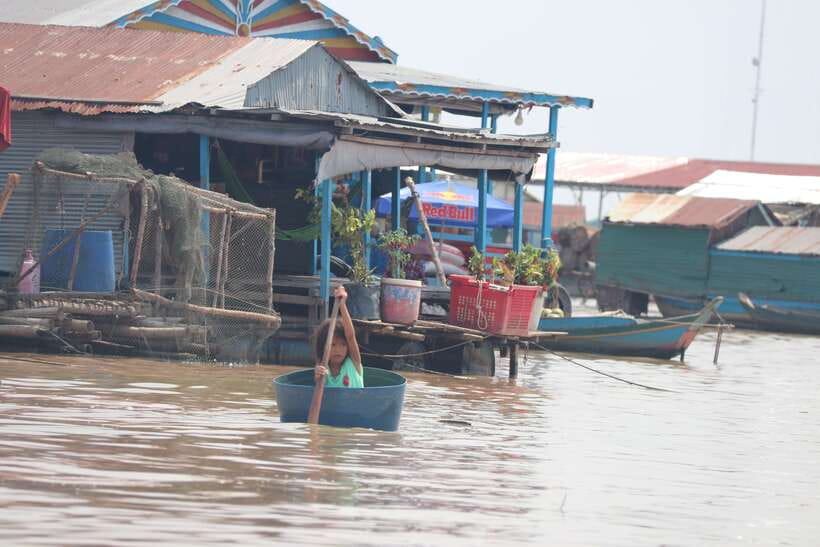
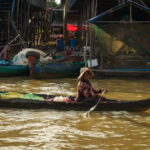
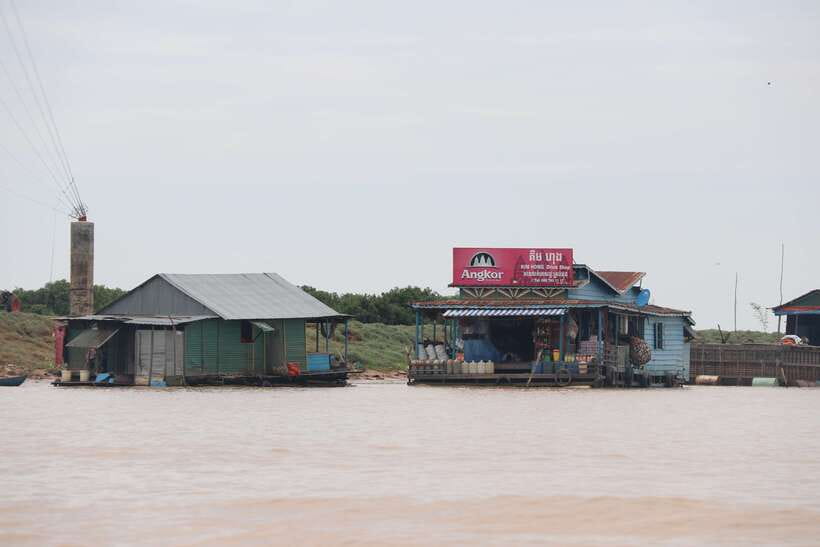
Once you reach the lake area, the experience becomes about everyday life. You travel into one of the larger floating villages and see floating houses, markets, schools, and even churches. That mix is important. It shows you that it’s not only housing—it’s community infrastructure.
Your local lake guide explains how multiple communities live here, including Khmer, ethnic Vietnamese, and Cham groups. That detail helps you understand why the village doesn’t look like one single culture blueprint. It’s more like a living neighborhood with overlapping traditions.
And because Tonle Sap’s water level changes, the village’s rhythm changes too. Your guide discusses how life continues today and what threats the communities face. Even when you don’t get a “solution speech,” you leave with a clearer sense of what people are managing: seasonal shifts, environmental pressure, and the hard work of staying afloat—literally and socially.
Not every moment is equally quiet. Markets can feel lively, and you’ll likely pass by areas where people are mid-routine. The good part: you’re on a boat and not stuck in the middle of crowds, so you can observe without turning it into a traffic jam.
Crocodiles and fish farms: what’s real, and what depends on water
A highlight on many versions of this tour is a stop at a floating crocodile and fish farm. The key detail is that this part is dependent on current water levels, so it isn’t guaranteed on every day.
Here’s how I suggest you think about it: even if you don’t see the crocodile portion, you’re still getting the core of the floating village experience—homes, community buildings, and the lake’s structure. And if you do see the farm, it adds a window into how some livelihoods operate on water.
If seeing animals directly matters to you, ask your guide on the day whether the water level will allow that stop. You’ll still understand the day’s flow either way, since the guide’s explanations about lake life connect the dots.
Lunch on the Queen Tara: a calm reset in the middle of it all
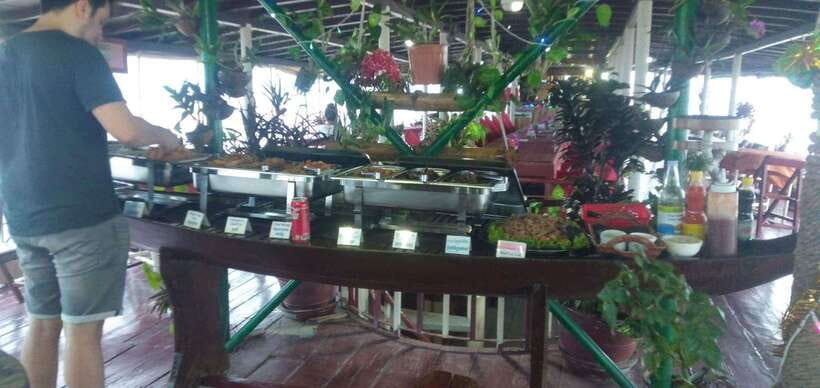
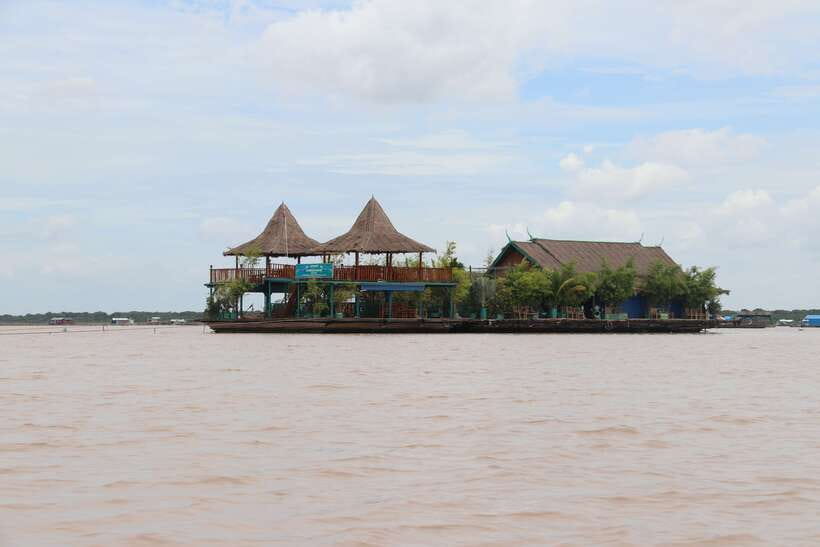
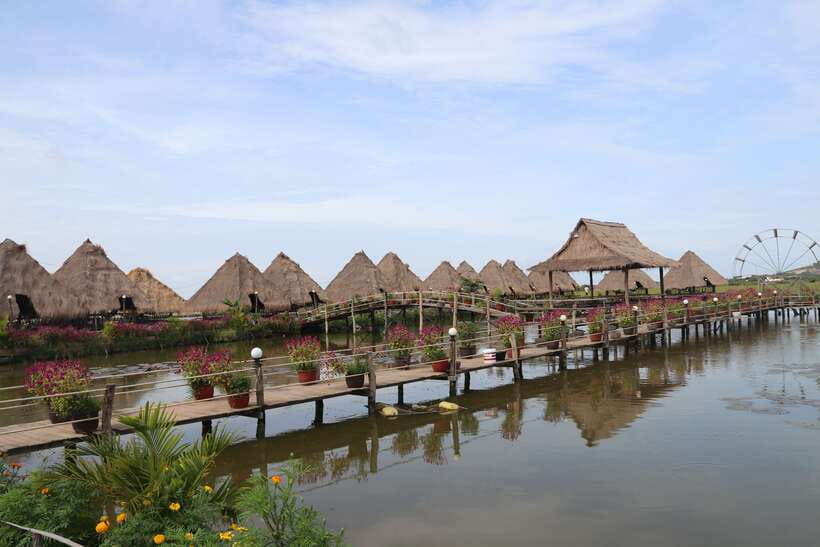
After you’ve toured the village area by boat, you’ll head to the Queen Tara for lunch. It’s located in the heart of the floating village area, which means lunch doesn’t feel like a rushed stop on land. You’re eating while staying in the same watery setting.
The meal is included, and that’s a big part of the value. Reviews note the lunch is freshly cooked and enjoyable, and you also get a couple of free drinks.
What I like about lunch here is that it gives you a break between “look and learn” mode and “head back” mode. It’s also a good time to ask follow-up questions while you’re not navigating boat time.
Vegetarian options are available if you request them when booking, so you’re not left hoping the kitchen can adjust. If food matters for you, plan ahead and specify vegetarian when you reserve.
Bird sanctuary spotting: painted stork and spot-billed pelicans
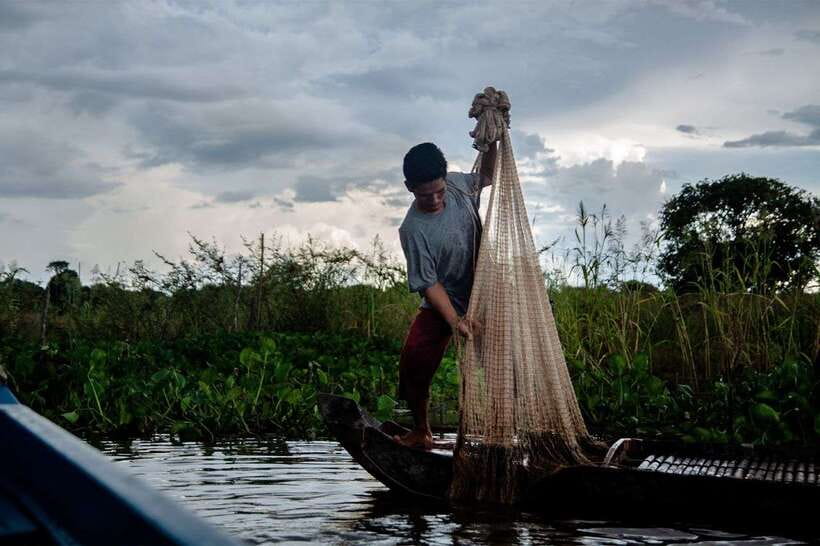
As you move through the reserve area, your guide helps you look for local birdlife connected to a nearby bird sanctuary. This is one of those parts that can feel slow if you don’t know what you’re looking at—so pay attention when the guide points things out.
The reserve can attract a wide range of birds, and the names you should watch for include painted stork and spot-billed pelicans. Even if you can’t identify every species, you’ll notice the patterns: where birds gather, how they react to boat movement, and what areas provide feeding opportunities.
My practical advice is simple: keep your eyes up and don’t only scan the waterline. Many of the best sightings are higher up than you expect, and the guide will usually guide your attention where it counts.
Price and what $65 buys you in real terms
At $65 per person for about 4 hours, this isn’t a budget add-on like a quick tuk-tuk ride. But it also isn’t overpriced if you look at what’s covered.
You’re paying for:
- round-trip hotel transfers
- an expert guide (English-speaking, with local lake guidance)
- a private boat trip
- entrance fees
- cold towels
- lunch (plus a couple of free drinks)
If you’ve done day tours in Cambodia that “look included” but still nickel-and-dime you for transport, tickets, and food, this one feels more straightforward. Lunch alone would be an extra expense on its own. The private boat component is also the kind of detail that makes a half-day more comfortable and less hectic.
Compared with longer temple days, the price can feel higher per hour. But this tour delivers a different setting, and it’s the kind of change of pace that makes your Siem Reap trip feel varied rather than repetitive.
Who should book this floating villages tour (and who might not)
This tour is a strong match if you want:
- a short, meaningful outing outside Angkor
- real-life village context, not just “look at the water”
- a boat experience with an English guide and time for questions
- lunch included and a low-stress half-day format
It can also be a good choice for couples and solo travelers. Small groups with a cap of 11 generally keep things friendly without turning chaotic. Solo travelers often appreciate that someone handles the logistics and you just show up.
Consider skipping or adjusting expectations if:
- you want a full-day immersion—this is designed for about 4 hours
- you’re only interested in one specific stop like the crocodile/fish farm, since it can depend on water levels
- you’re expecting an intense walking tour; most of what you do is boat-based with village viewing and explanations
Kids can go, with limits: unaccompanied minors aren’t allowed. Children 10 and under are half price, and children 5 and under are free, as long as they’re accompanied by an adult.
Should you book this Tonle Sap floating villages tour?
I’d book it if you want a compact day that teaches you how floating life works. The private boat, the guide-led explanations, and the lunch on the Queen Tara make it feel complete rather than chopped into random stops.
It’s also a nice antidote to a temple-heavy itinerary. You’ll leave with a different kind of understanding of Cambodia—one tied to water, seasons, and community systems on Tonle Sap.
If you’re the type who hates uncertainty, go in knowing that the crocodile/fish farm may or may not happen depending on water levels. Still, the core village experience and the birdlife focus are built into the day.
Provider-wise, this is run by Khmerdetours, and the structure is the main appeal: you get transfers, guide, boat, entrances, and lunch without having to coordinate multiple parts yourself.
FAQ
How long is the Tonle Sap Floating Villages Tour?
The tour lasts about 4 hours door-to-door, including pickup and drop-off from your Siem Reap hotel.
What time does the tour depart?
Departure time is listed as 10:00.
How much does the tour cost?
The price is $65 per person.
What’s included in the price?
Inclusions are transportation, an expert guide, a private boat trip, cold towels, entrance fees, and lunch.
Is lunch included, and is there a vegetarian option?
Yes, lunch is included. A vegetarian option is available if you request it when booking.
Is the tour private, or do I share the boat?
This experience includes a private boat trip.
How big is the group?
The group is small, limited to 11 participants.
What are the rules for children?
Unaccompanied minors are not allowed. Children 10 and under are half price, children 5 and under are free, and children must be accompanied by an adult.
Is there free cancellation?
Yes. You can cancel up to 24 hours in advance for a full refund.