REVIEW · SIEM REAP
Full-Day Angkor Wat Sunrise and Sunset Private Tour
Book on GetYourGuide →Operated by Happy Angkor Tour Cambodia · Bookable on GetYourGuide
Early mornings at Angkor can be worth it. This full-day private tour strings together Angkor Wat sunrise, the top sights of the Small Circle, and a late-day sunset at Phnom Bakheng, all with hotel pickup, an English-speaking guide, and an A/C car waiting when your feet need a break. If you’re short on time in Siem Reap, this is a smart way to see the big-name temples without living out of a tour bus.
What I really like is how much you fit in a single day without feeling purely checklist-driven. You get expert context from guides like Jimmy, Thean, Vanna, or Bun, and you’re not stuck doing everything in one rigid order—private means your guide can shift the flow for heat, crowds, and your pace.
One consideration: it’s physically a long day. You’ll start around 4:45am, you’ll climb at Phnom Bakheng earlier than sunset because of limited capacity, and lunch is on you (temple pass and meals aren’t included).
In This Review
- Key things that make this private day work
- A one-day plan that actually hits the big temples
- 4:45am pickup to Angkor Wat sunrise: the early start strategy
- Morning temples on the Small Circle: Ta Prohm’s roots and the “movie look”
- Lunch break around 12:30: plan for your own food budget
- Pre Rup and the “temple-meets-funerary” connection
- Angkor Thom and Bayon: the 196 faces moment
- Baphuon, terraces, and the walk along Royal Enclosure Wall
- Phnom Bakheng sunset: plan for the earlier climb
- Guide quality and comfort: why private feels different here
- Price and value: what you’re really paying for
- Who should book this sunrise-to-sunset private day
- Should you book this Full-Day Angkor Wat Sunrise and Sunset Private Tour?
- FAQ
- What time does the tour start?
- How long is the full-day tour?
- Is this a private tour or a group tour?
- What’s included in the price?
- What is not included?
- What temples and sights are covered?
- When do you climb Phnom Bakheng for sunset?
- What time do you get back to your hotel?
Key things that make this private day work
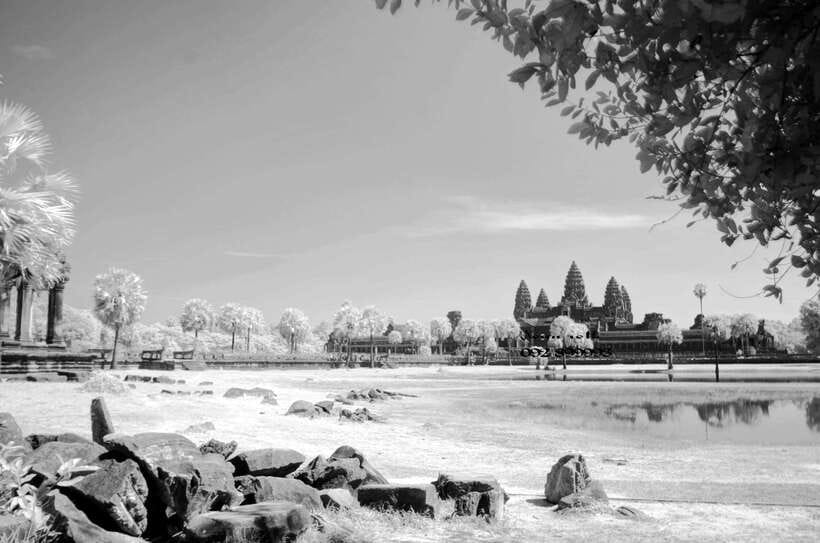
- Sunrise at Angkor Wat + sunset on Phnom Bakheng in the same schedule, so you don’t have to plan two separate temple days
- Small Circle highlights like Ta Prohm, famous for those massive tree roots over the stones
- Angkor Thom focus: Bayon’s 49 towers with four faces each (196 faces total) gives you a clear centerpiece
- Comfort where it counts: hotel pickup/drop-off, A/C vehicle, water, and towels throughout the day
- Real flexibility: guides often adjust order and timing when it’s hot, rainy, or crowded
- Guides who know photo angles: several guides in this program act like a photographer, not just a lecturer
A one-day plan that actually hits the big temples
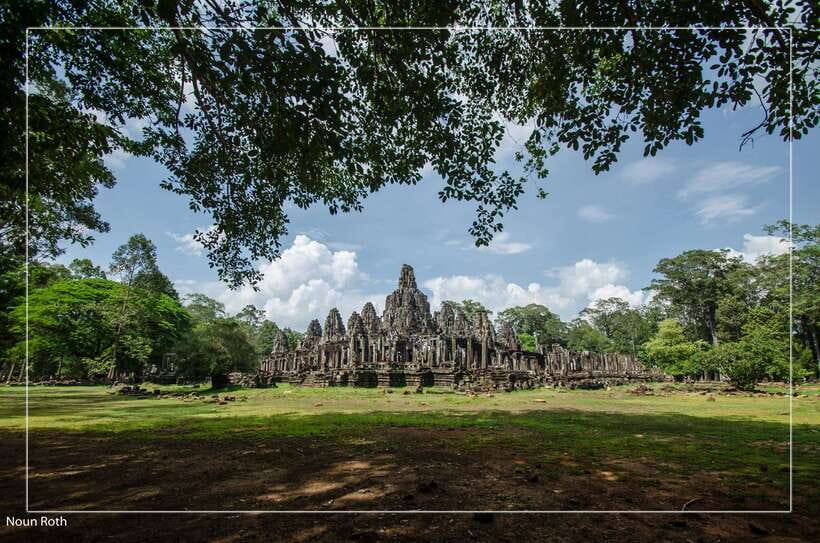
This tour is built for people who want the strongest Angkor highlights in one hit: dawn at Angkor Wat, key temples across the Small Circle, then the dense “city” feeling of Angkor Thom, and finally the sunset view from Phnom Bakheng. The pacing is intense on paper, but private guides help it feel more like a guided day trip than a grind.
You’re also getting the best kind of trade-off. Instead of spending two days commuting between scattered ruins, you compress the logistics into one early start and one long loop, with breaks built in (sunrise, breakfast, lunch, and an afternoon reset before sunset).
You can also read our reviews of more private tours in Siem Reap

4:45am pickup to Angkor Wat sunrise: the early start strategy
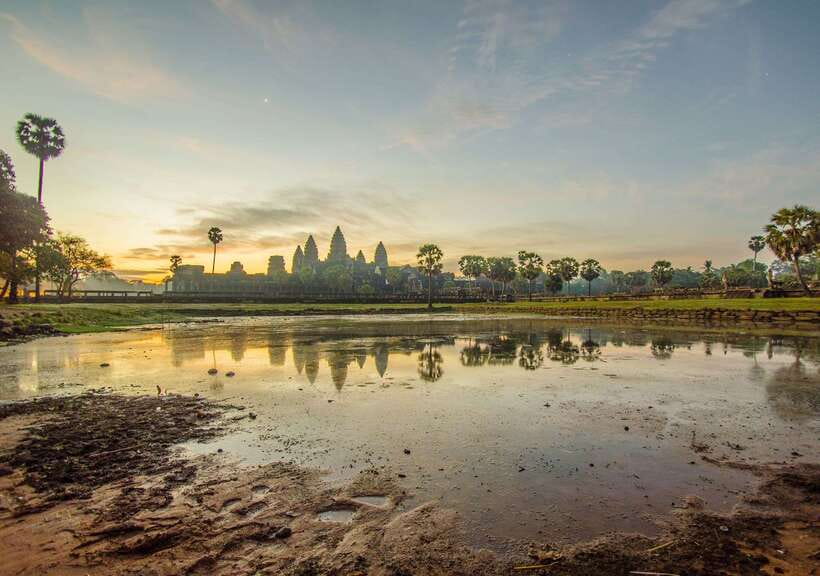
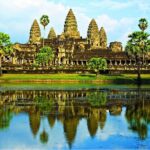
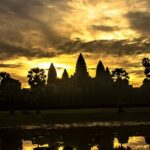
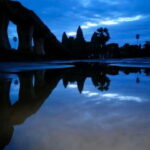
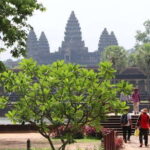
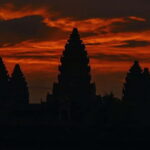
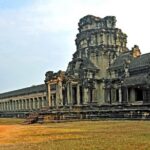
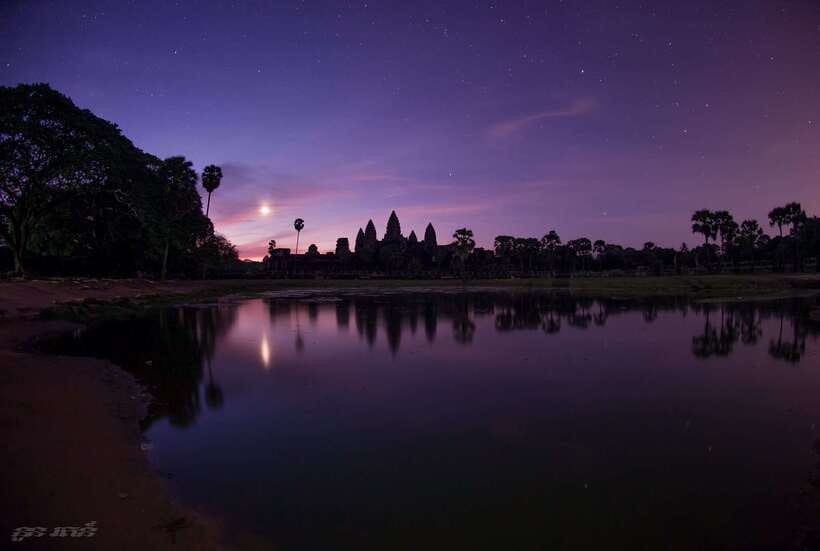
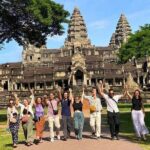
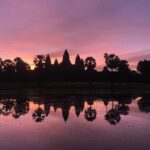
The day begins early: you’ll be picked up from your hotel lobby around 4:45am. Your guide then heads you toward Angkor Wat for sunrise, which is the main event of the morning. This is one of those moments where the effort makes sense—you arrive before the worst crowds and before the temples heat up.
A key detail that helps: you’re not necessarily limited to one crowded viewing area. In this tour style, guides often guide you to a good sunrise spot outside the chaos, then take time for photos and explanations. If you get a guide like Jimmy or Thean, you’ll likely notice the pattern: they’ll point out what you’re looking at and then help you frame it for pictures, too.
After the sunrise moment, the plan shifts quickly into fuel. You’ll head back for breakfast—either at your hotel if it includes breakfast, or at a nearby restaurant if it doesn’t. Either way, it matters that you don’t immediately jump into more walking right after dawn.
Morning temples on the Small Circle: Ta Prohm’s roots and the “movie look”
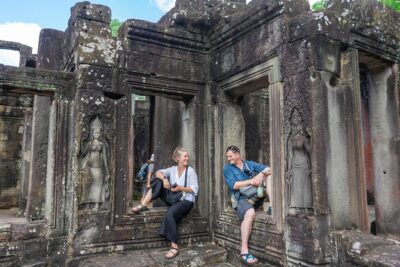
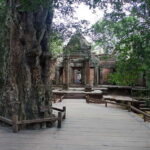
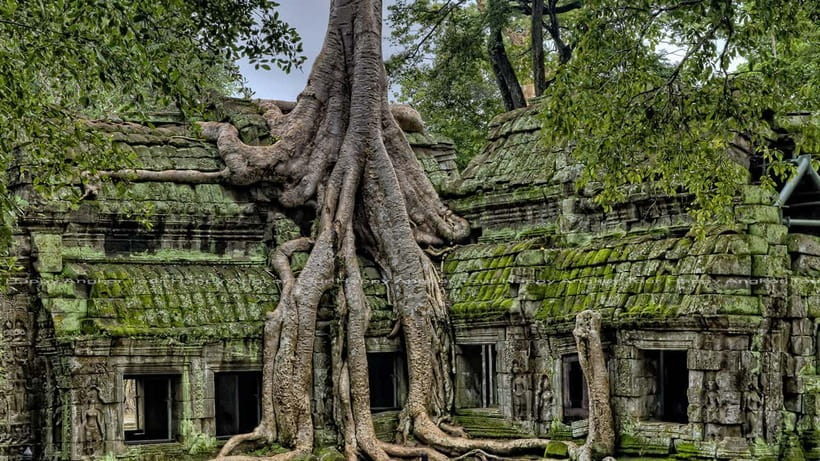
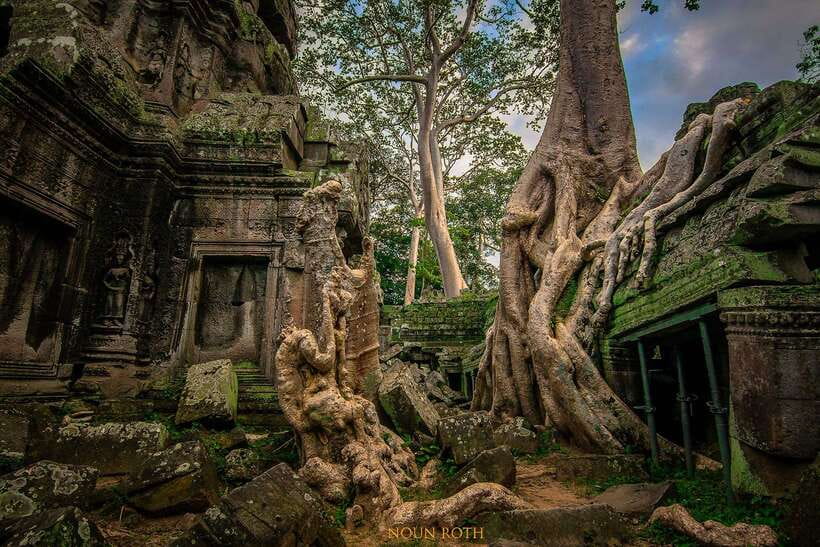
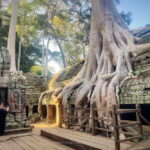
Once breakfast is handled, you continue through the morning temples on the Small Circle. The big standout here is Ta Prohm, the temple known for those gigantic tree roots that have taken over the stone. It’s the one site that many people recognize before they even get there, thanks to its Tomb Raider film fame.
But the value of going with a private licensed guide is that Ta Prohm becomes more than a photo stop. Your guide can explain how the temple’s layout and carvings connect to how Angkor functioned, and they’ll help you understand why this temple has the distinctive look of nature reclaiming architecture. You’ll also get guidance on where to walk so you can see the most striking angles without doing unnecessary backtracking.
The Small Circle block also serves a practical purpose: you’re hitting the “must-see variety” before midday. Each temple changes the mood—some feel open and airy, others feel enclosed and shadowy—and by the time the heat peaks, you’ve already harvested the key impressions.
Lunch break around 12:30: plan for your own food budget
Around 12:30pm, you’ll take a lunch break at a local restaurant nearby. Lunch isn’t included in the tour price, so this is where you’ll spend extra on the day.
This timing is a smart design choice. It prevents a common sunrise-tour problem: arriving at lunch tired, cranky, and hungry without a real break. With a private guide, you’re also more likely to be steered toward a meal that won’t feel like a rushed tourist trap—your schedule is already built around rest.
Pre Rup and the “temple-meets-funerary” connection
After lunch, the tour heads to Pre Rup around 1:30pm or 2:00pm. This temple was constructed in the late 10th century and is associated with Hindu gods. What’s interesting is how the Cambodian belief system linked temple space with funeral practices—this is one of those stops where your guide can connect religion, daily life, and how people view sacred sites.
Pre Rup isn’t just a history lesson. It’s also a viewpoint temple, and your guide can explain what you’re seeing as you move up and around the terraces. Because this is an afternoon slot, it also helps you cool down gradually as the sun lowers—though it’s still hot, so you’ll want to pace yourself and use the water and towels provided.
You can also read our reviews of more evening experiences in Siem Reap
Angkor Thom and Bayon: the 196 faces moment
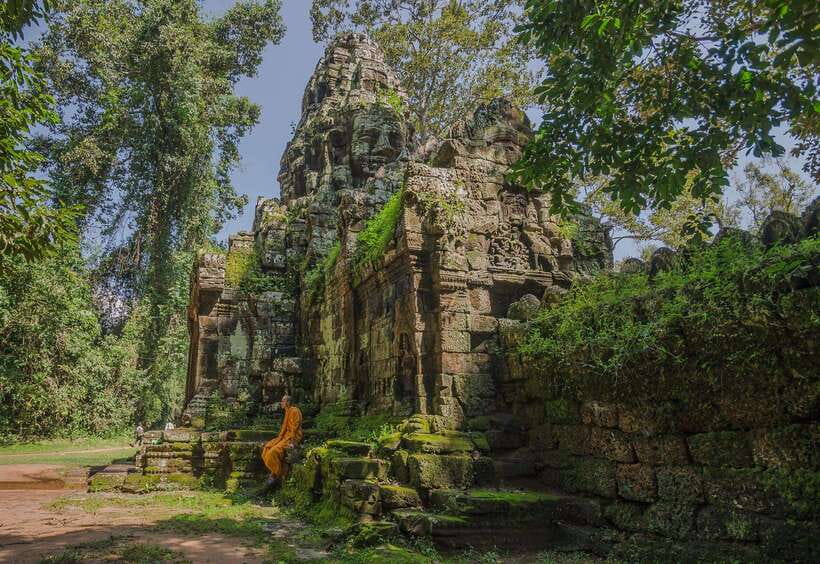
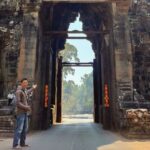
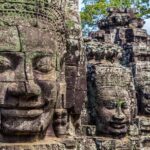
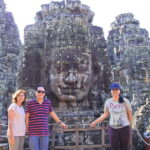
Then comes Angkor Thom, the walled city area that centers on Bayon Temple. This is where the tour becomes unmistakably “Angkor City,” not just scattered ruins. Bayon has 49 towers, and each tower has four faces, totaling 196 faces of Avalokitesvara.
This is a great segment to do with a guide, because it’s easy to walk in circles around a complex like this and miss the bigger story. Your guide can show you how to orient yourself so the faces aren’t just repeating carvings—they become a pattern, and the pattern becomes meaning.
Baphuon, terraces, and the walk along Royal Enclosure Wall
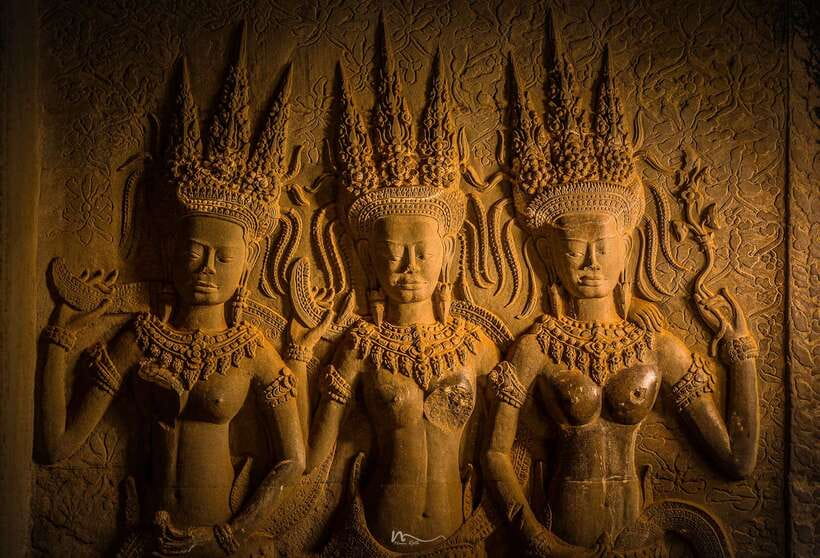
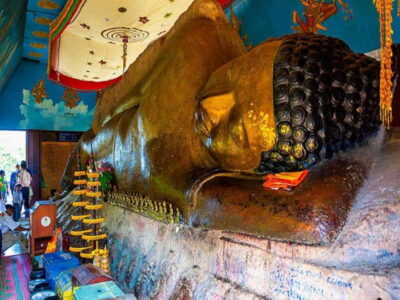
After Bayon, you continue walking to nearby sights, including Baphuon Temple and then a chain of royal and symbolic terraces. Baphuon dates earlier than Angkor Wat (11th century), and behind it you can see a reclining Buddha that was built later in the 16th century.
The tour also includes the Royal Enclosure Wall and sites like Elephant Terrace, Leper King Terrace, and Phimeanakas. These stops are where the ruins feel less like isolated temples and more like a working royal landscape—stone details that hint at ceremonies, status, and the choreography of power in Angkor.
Phnom Bakheng sunset: plan for the earlier climb
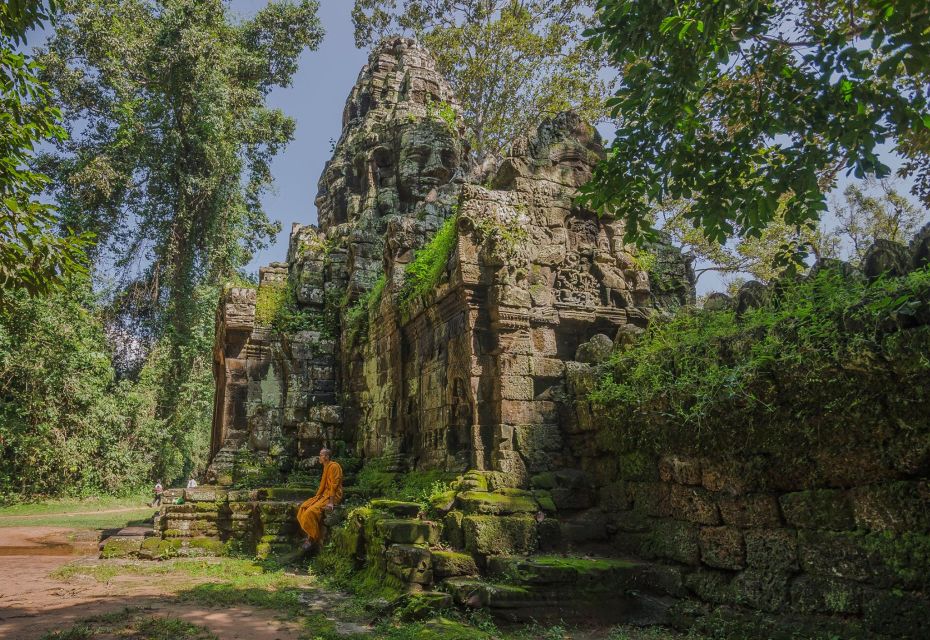
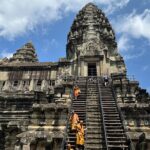
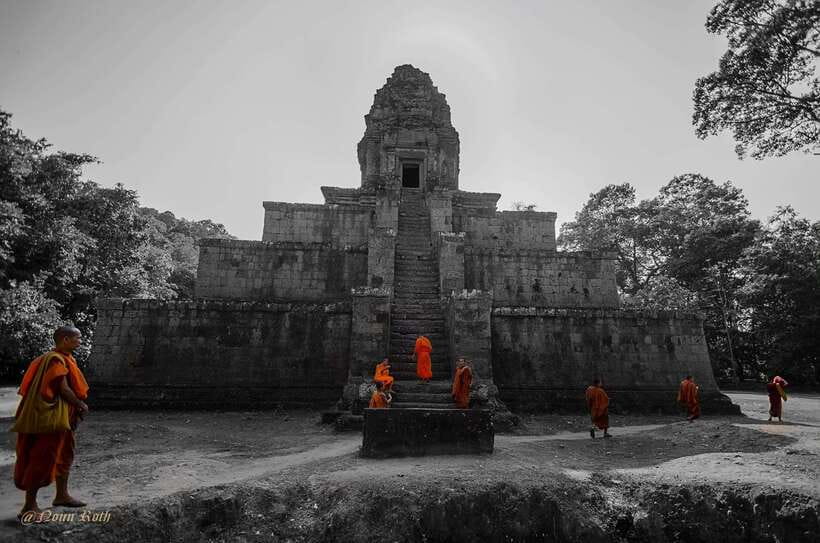
The last major stop is Phnom Bakheng for sunset. Expect the climb. The tour note is important: because there are limited tourists at the peak, you’ll need to climb earlier—at least 1:30 to 2:00 hours before sunset.
This detail changes the whole experience. Going earlier helps you avoid the crush, gives you time to find a viewing spot, and lets your guide handle the timing so you still get the sunset colors. It also means you should prepare mentally for a warm climb, not a breezy stroll.
If you want photos, this is where your guide’s pacing matters. They can help you time your shots around the changing light rather than forcing you to sprint from one vantage point to the next.
The day ends with your return to your hotel between 6:00pm and 7:00pm.
Guide quality and comfort: why private feels different here
This tour stands or falls on two things: the guide and the car. The comfort part is clear from the included items—A/C vehicle, water, and towels. On an Angkor day, those aren’t nice-to-haves. They keep you functional during the long hours from dawn to sunset.
From the guide side, the names that show up often include Jimmy, Thean, Vanna, Bun, and others. Across these guides, the pattern is consistent: clear English, strong explanations of how temples connect to Cambodian culture and belief, and flexibility when weather or crowds shift. Some guides also bring a photography eye, helping you get better angles and better timing.
That flexibility is especially valuable on a day with tight lighting windows. Sunrise and sunset don’t care about your schedule. A good guide works around real-world conditions—heat, foot traffic, and occasional rain—and keeps the day moving without making it feel rushed.
Price and value: what you’re really paying for
The price is listed at $71 per person for a full day, with hotel pickup/drop-off, an English-speaking guide, A/C transportation, water, and towels included. The major add-on is the temples pass, noted at US$37 per person, plus your meals (breakfast might be included at your hotel, but lunch is not).
So your realistic day cost is roughly:
- $71 tour fee
- +$37 temple pass
- + food, depending on where you eat
That total lands you in a reasonable zone for what you’re getting: a private guide (not a group bus), a full-day circuit across major sites, and a comfort package that matters in Cambodia’s heat. If you’re the type who would otherwise hire a guide for just one temple day, the value here is that you’re stacking the highlights in one run.
The other value point: the schedule is designed around seeing sunrise and sunset without you spending extra time figuring out transport and timing on your own.
Who should book this sunrise-to-sunset private day
This tour fits best if you:
- have limited time in Siem Reap and want a strong “greatest hits” day
- prefer a private guide who can shift the plan for crowds, weather, and your pace
- want both the classic Angkor Wat dawn experience and the Phnom Bakheng sunset viewpoint
- like understanding what you’re seeing, not just collecting photos
It might feel too intense if you:
- hate early mornings (pickup is around 4:45am)
- don’t want a long walking day with a timed climb at Phnom Bakheng
- want a slow, uncrowded, museum-like pace
Should you book this Full-Day Angkor Wat Sunrise and Sunset Private Tour?
I’d book it if you want maximum Angkor impact in one day and you’re comfortable with an early start. The mix of Angkor Wat at sunrise, the Small Circle highlights (including Ta Prohm), the centerpiece Bayon faces at Angkor Thom, and the Phnom Bakheng sunset creates a complete arc that feels more satisfying than doing random temples one by one.
Just go in with eyes open: budget for the temples pass and your meals, and plan for a long day. If you want the day to feel smoother, pack for heat and wear shoes you can walk in for hours. Then let your guide do what private tours are good at—timing, context, and smart routing.
FAQ
What time does the tour start?
The tour requires you to start at 4:45am, when your guide picks you up from your hotel lobby.
How long is the full-day tour?
It’s listed as 1 day. The exact starting time depends on availability.
Is this a private tour or a group tour?
It’s a private group tour.
What’s included in the price?
Included items are hotel pickup and drop-off, an English-speaking guide, transportation in an A/C vehicle, water, and towels.
What is not included?
The temples pass (US$37 per person) and food are not included. Breakfast may be taken at your hotel if it includes breakfast; lunch is at a local restaurant and isn’t included.
What temples and sights are covered?
You’ll see Angkor Wat (sunrise and continued visiting), Small Circle temples such as Ta Prohm, Pre Rup, Ta Nei, and sights in Angkor Thom including Bayon (196 faces), Baphuon, Royal Enclosure Wall, Elephant Terrace, Leper King Terrace, and Phimeanakas, plus Phnom Bakheng for sunset.
When do you climb Phnom Bakheng for sunset?
Because of limited space at the peak, you’ll climb about 1:30 to 2:00 hours before sunset.
What time do you get back to your hotel?
The tour concludes when you’re returned to your hotel between 6:00pm and 7:00pm.