REVIEW · SIEM REAP
Small-Group Explore Angkor Wat Sunrise Tour with Guide
Book on GetYourGuide →Operated by Pitt Angkor Tour · Bookable on GetYourGuide
Up at 4:20 am, the temples feel like a different world. I like this tour because it starts before the heat and crowd energy kick in, then stitches together the big emotional hits of Angkor with an English-speaking guide who explains what you’re looking at. Two things I especially like are the Angkor Wat sunrise with local breakfast and the way you move temple to temple with air-conditioned transportation. One possible drawback: you’re up early, and if you’re not a morning person, the start time can feel brutal.
You’ll also get a sensible rhythm: a guided sunrise, a break to eat near Srah Srong, then several high-impact temples that cover different eras and styles. This is a small private group (up to 10), so the pace stays easier to manage than big bus tours. Still, it’s a full day, so plan for a lot of standing, walking, and sun exposure after sunrise.
In This Review
- Key things to know before you go
- 4:20 am Angkor Wat sunrise and why that timing matters
- Srah Srong breakfast: local fuel before you hit the temples
- Bayon Temple’s 54 towers and 200 faces
- Ta Prohm, the Tomb Raider Temple, and the tree-root effect
- Angkor Thom: visiting the last capital of the Khmer Empire
- Where Pre Rup and the Pink Temple fit into your day
- Price and logistics for $20: value without getting trapped
- Your English guide: what the best commentary does
- What a typical 7-hour rhythm feels like
- Who should book this sunrise tour
- Should you book Pitt Angkor Tour’s Angkor Wat sunrise day?
- FAQ
- What time does the Angkor Wat sunrise start?
- How long is the tour?
- How much does the tour cost?
- What is included in the price?
- Is the Angkor pass included?
- Is breakfast included?
- What about other meals and drinks?
- What language is the guide?
- How big is the group?
- Do children need to be accompanied by an adult?
Key things to know before you go
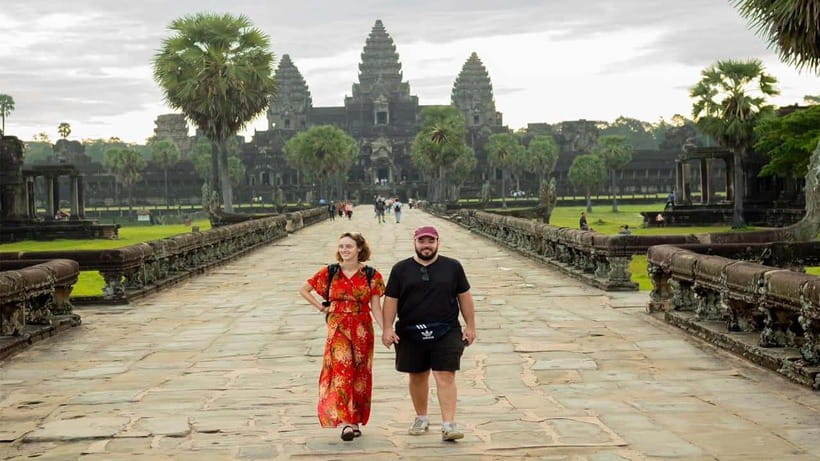
- 4:20 am start for Angkor Wat in softer light
- Breakfast near Srah Srong so you’re fueled before the temple circuit
- Bayon Temple faces: 54 towers and 200 smiling stone faces
- Ta Prohm’s tree roots: the famous Tomb Raider Temple look
- Small-group feel: max 10 people with English commentary
- Value add: water and towels included, plus hotel pickup and drop-off
4:20 am Angkor Wat sunrise and why that timing matters
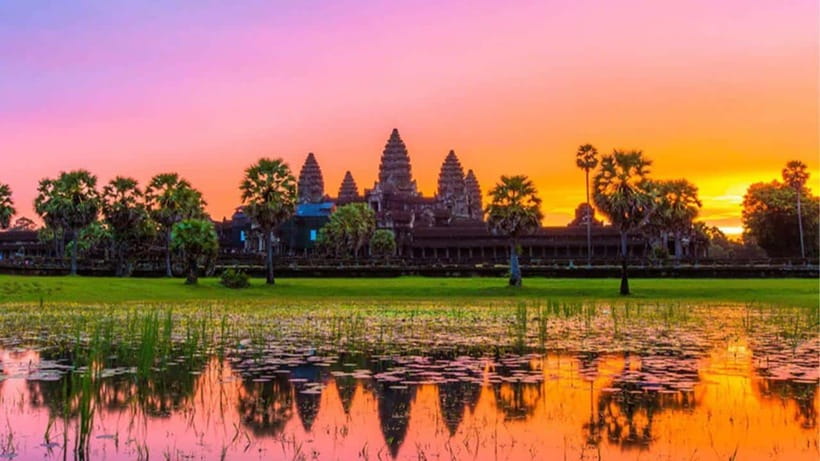
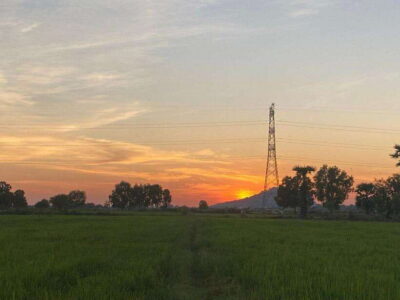
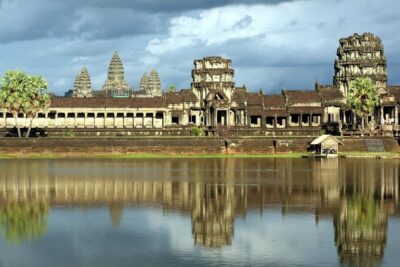
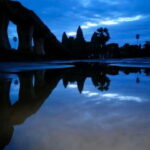
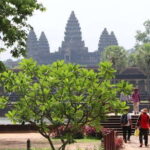
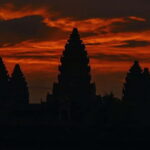
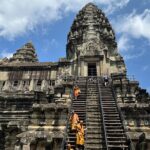
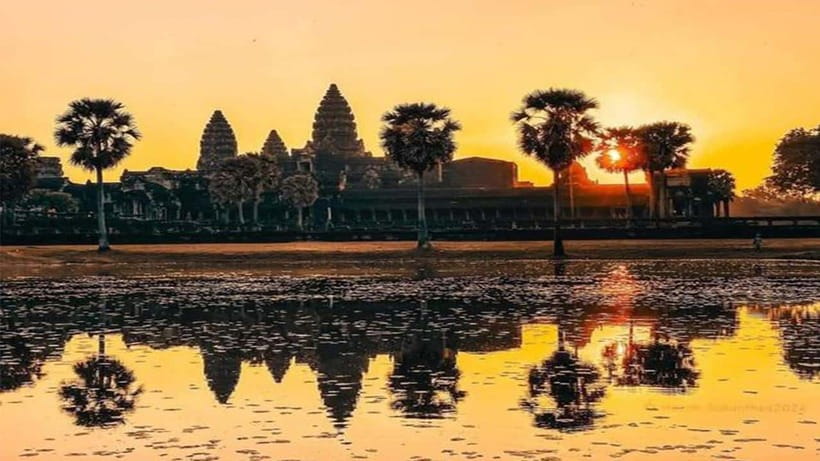
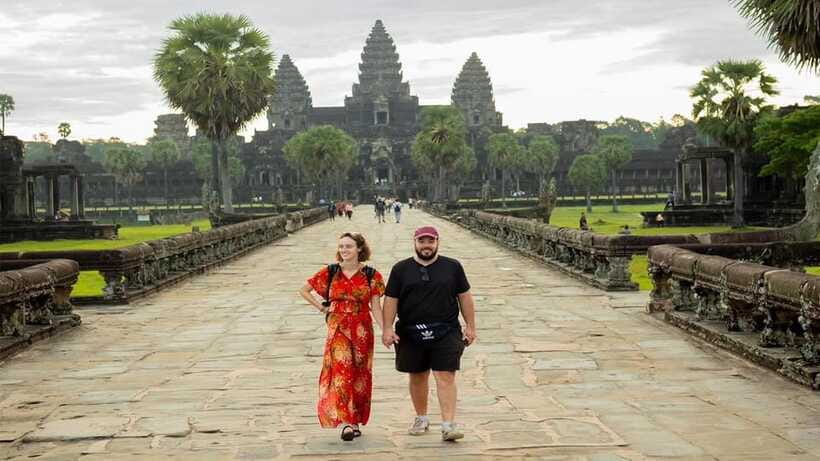
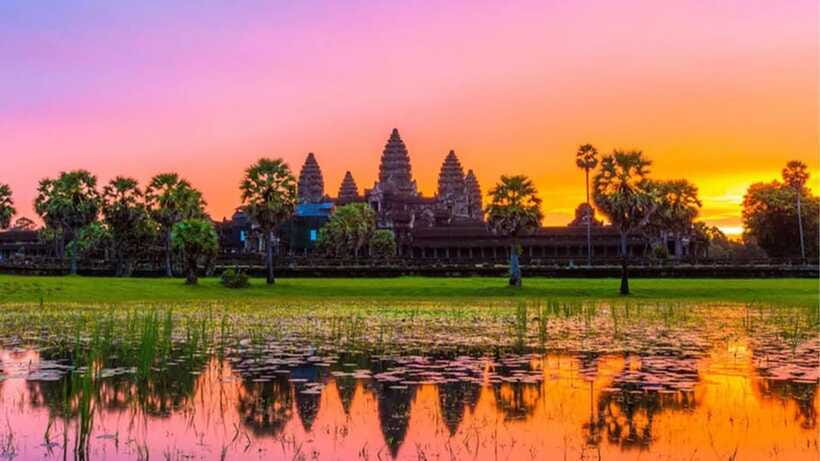
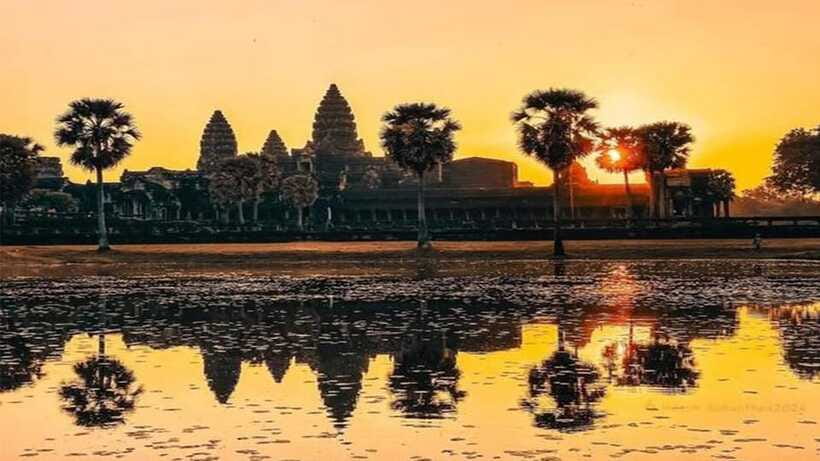
Angkor Wat at sunrise is more than a photo stop. Starting at 4:20 am means you catch the temple in early morning calm, when the light is gentler and the atmosphere feels less like a sightseeing race. Even if you’ve seen pictures before, the scale hits differently when you’re standing in front of the world’s largest religious monument, built in the early 12th century.
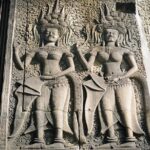
The tour includes a guided sunrise segment, so you’re not just looking up and hoping it makes sense. A good sunrise guide helps you understand the layout and the carvings without turning it into a lecture. You also get roughly a couple hours built around this moment, which is important because the best light doesn’t come instantly. It changes in stages, and having time helps you catch those shifts instead of rushing.
Practical note: sunrise tours are early by design. You’ll want a night that lets you get real sleep, and you’ll likely feel the day’s length later. But if you can handle the early start, the payoff is big.
You can also read our reviews of more guided tours in Siem Reap
Srah Srong breakfast: local fuel before you hit the temples
Right after sunrise, you’ll break for breakfast at a local restaurant near Srah Srong, which is known as the Royal Bath. This stop matters because it keeps the day from turning into a long stretch on empty stomachs. It’s also a nice reset after the emotional intensity of Angkor Wat.
What I like about this setup is that it’s still connected to the Angkor story. Srah Srong isn’t just a scenic landmark on the way—it’s part of the atmosphere of the temple area. Breakfast here gives you a moment to slow down, drink water, and refuel before the next temples.
Two “heads up” items for your planning:
- Food and drinks beyond the breakfast are not included, so bring cash for snacks if you want them.
- Water is included, but you’ll probably drink more than usual in the morning heat that builds quickly after sunrise.
Bayon Temple’s 54 towers and 200 faces
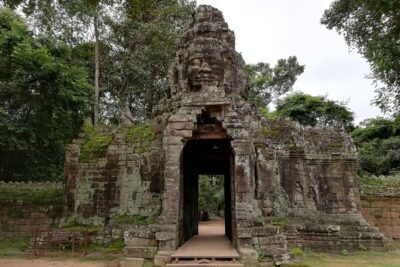
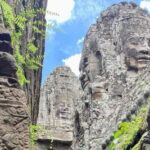
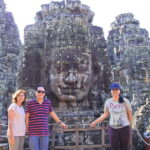
Next up is Bayon Temple, one of the most instantly recognizable parts of Angkor. You’re looking at a late 12th-century masterpiece with 54 towers and over 200 smiling stone faces representing King Jayavarman VII. That number matters, because it’s why the temple feels alive. You don’t just see a few carvings; you see a whole field of faces from different angles.
This is where a good English-speaking guide really pays off. With Bayon, you can wander around and get some great views, but you’ll miss the bigger meaning without context. The guide helps you connect the iconography to the person it represents, so the temple stops being only “wow, faces” and starts becoming “I understand why the faces are everywhere.”
A balanced expectation: Bayon is a highlight, but it’s also a popular site. The tour’s structure helps you keep moving efficiently, and the guided stops mean you’re less likely to get stuck at the same viewpoints while everyone else streams past.
Ta Prohm, the Tomb Raider Temple, and the tree-root effect
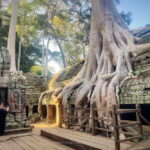
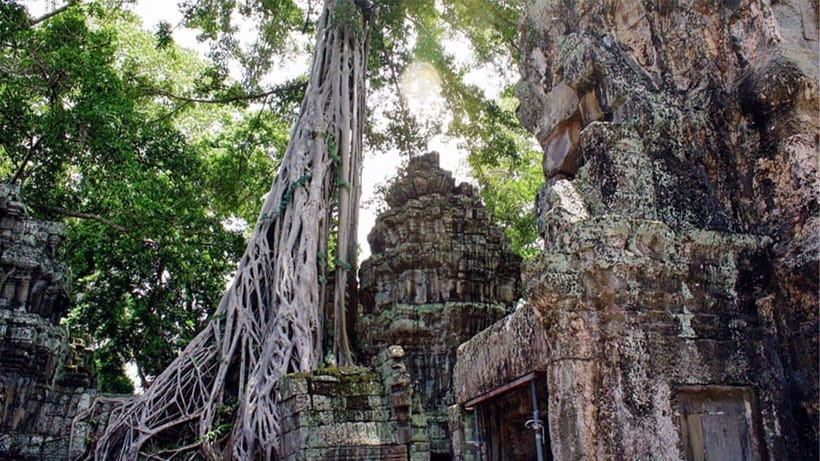
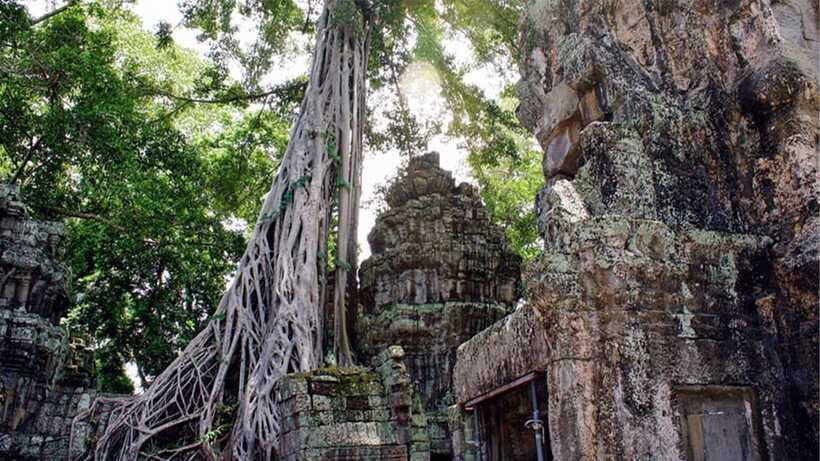
Then you’ll head to Ta Prohm, often called the Tomb Raider Temple because of its dramatic look: massive tree roots tangled into the stones. This stop is special because it’s where architecture and nature share the same frame. Even if you’ve seen it online, being there in person makes the scale of the roots feel real.
I like Ta Prohm because it breaks up the day. Earlier temples feel more formal and designed around symmetry and procession. Ta Prohm feels more like survival, like a living reminder that time doesn’t respect human planning. The guide’s job here is to help you notice details—how the roots sit, how the stonework changes, and why the place has become such a cultural symbol.
One practical note: Ta Prohm can be visually busy. It’s easy to lose track of your route or spend too long staring straight up. Having an itinerary and a guide keeps you from getting stuck in the best photo spot and missing other angles.
Angkor Thom: visiting the last capital of the Khmer Empire
Your route continues into Angkor Thom, described as the last capital of the Khmer Empire. This part of the day is about feeling the city scale rather than only admiring individual temples. When you step into Angkor Thom, it feels like the temple circuit starts to behave like a real urban space—paths, gateways, and a sense of movement that makes the whole zone easier to grasp.
This stop is guided for about an hour, which I think is the right length for a place like this. You don’t need to see every inch to understand what it is. You need a guided overview so the different parts feel connected.
The guide also helps you make sense of what you’re seeing as you move through the space. Otherwise, Angkor Thom can blend into a blur of stone and towers. With commentary, it becomes a progression, not a checklist.
You can also read our reviews of more tours and experiences in Siem Reap

Where Pre Rup and the Pink Temple fit into your day
The tour highlights include Pre Rup and the Pink Temple. Pre Rup is noted as the largest brick Hindu temple of the Angkor area, and that’s exactly the kind of detail I love when you’re touring ruins: it gives you a reason to look closer rather than treating each stop as interchangeable.
Pre Rup is also a useful counterpoint to the more famous Angkor names. You get a Hindu temple focus in a region where many people mostly associate the highlights with Bayon and Buddhism imagery. The Pink Temple adds another visual flavor to the day. Even without deep technical explanations, it’s the kind of landmark that helps you build a mental map of Angkor beyond one style.
Because the itinerary you’re following is structured around multiple major stops, these additional highlights are best treated as bonus value that rounds out the experience. If you’re the type who likes variety—different temple styles, different design materials, different “moods”—this combination makes the day feel less repetitive.
Price and logistics for $20: value without getting trapped
At $20 per person for a full Angkor sunrise-and-temples day, the value is clear: you’re paying for more than a ticket to a monument. You’re paying for a guided route, hotel pickup and drop-off, transportation, and included basics like water and towels.
Here’s the honest part: the Angkor 1-day pass is not included and costs USD 37 per person. That means your real day cost is closer to the pass plus the tour fee. Still, the tour price doesn’t feel overpriced for what you’re getting, especially because you’re getting English commentary and air-conditioned transport, not just a driver dropping you at gates.
Transportation is also handled in a practical way. For 1–2 people, you ride by tuk tuk; for 3 people or more, you go by minivan. That matters for comfort because mornings can be cool, but mid-day travel can feel longer if you’re bouncing around too much.
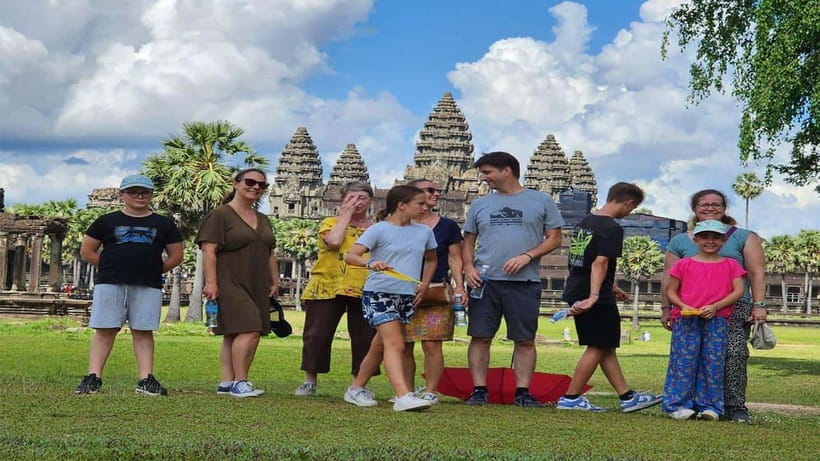
Also, this is a small private group with a max of 10 travelers. That “small” detail is a real value factor here. It helps keep the guide’s attention on you and helps the day feel organized instead of chaotic.
Your English guide: what the best commentary does
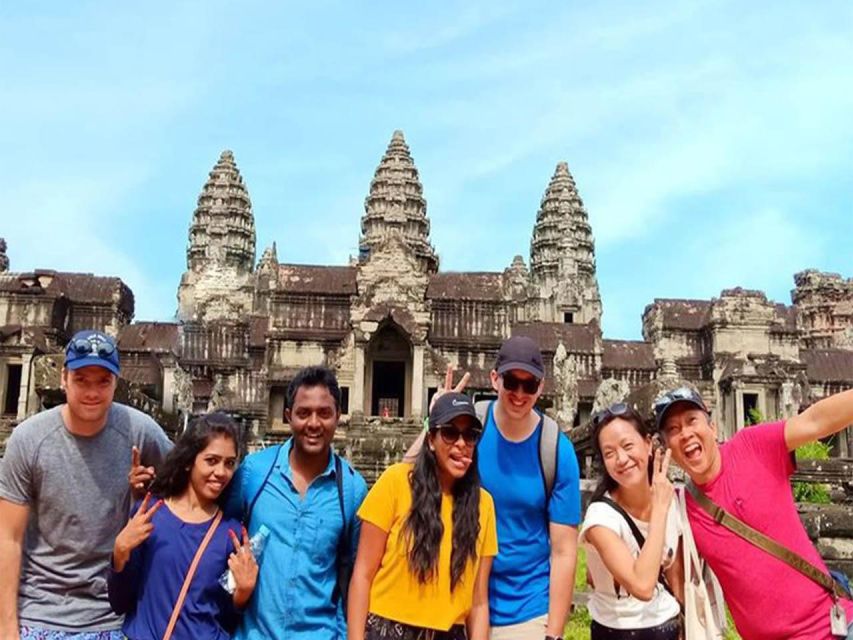
A big part of why this tour is rated highly is the guide. The experience description is clear about English-speaking commentary, and the reviews point to strong temple explanations plus Cambodian culture context. One reviewer specifically called out MR T by name, praising the guidance through each temple.
So what should you look for from a good guide on a day like this?
- They point out what you’re seeing instead of assuming you’ll infer it
- They connect symbols to people and time periods
- They help you navigate the space so you’re not wandering without direction
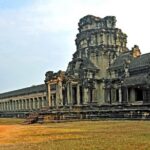
This tour is designed around that idea. You get guided time at Angkor Wat for the sunrise, then guided temple visits through Bayon, Ta Prohm, and Angkor Thom, plus coverage of other key highlights. When the guide is good, Angkor goes from scattered sights to a story you can follow.
My advice: listen closely at the first few stops. Once you understand the themes, the later temples start to click faster, and the day feels smoother.
What a typical 7-hour rhythm feels like
Even though the tour is listed as 7 hours, what you’ll experience is more like one long, connected sequence: early sunrise, breakfast, then multiple temples back-to-back. The schedule is built so the big moment (sunrise) happens first, when conditions are best.
That rhythm matters because temple sites in Siem Reap can feel intense if you only visit later in the day. Sunrise sets the tone, and then you get the daylight for the rest of the route.
Expect short breaks. There’s a break built in for breakfast (about 30 minutes). After that, you’re mostly in guided segments. This style is ideal if you want efficiency and interpretation, not a slow “wander at your own pace for hours” day.
If you’re a slow walker or you need frequent breaks, you should mentally plan for that pace. The tour tries to keep things moving, which is a plus for many people, but it’s not built like a leisurely, flexible day.
Who should book this sunrise tour
This tour is a strong fit for:
- First-timers who want the top Angkor highlights in one organized day
- People who care about context, not just photos
- Anyone who hates wasting time and prefers pickup, transport, and a plan
- Small groups that like a more personal experience (max 10)
It’s also a good choice if you want a sunrise that feels structured. Starting at 4:20 am with a guide means you’re not trying to figure out timing alone, and you’re not guessing how to make the morning worth it.
If you’re already an Angkor expert with a personal itinerary, this may feel like a “great greatest-hits” day rather than deep specialization. But for most visitors, that balance is exactly what you want.
Should you book Pitt Angkor Tour’s Angkor Wat sunrise day?
If your goal is a high-impact Angkor morning, a proper guided explanation, and a smooth day with hotel pickup and air-conditioned transportation, I’d book this. The $20 tour fee is the attractive part, and you’re getting real logistics support: English guide, water, towels, and a route that hits the main emotional stops.
Just do two things before you commit:
- Budget for the USD 37 Angkor 1-day pass, since that’s separate
- Be honest about the start time. If you can’t do early mornings, sunrise tours stop feeling romantic and start feeling punishing
If you can handle the 4:20 am start, this tour is a practical, well-structured way to see the heart of Angkor without turning your day into a transportation puzzle.
FAQ
What time does the Angkor Wat sunrise start?
The tour starts for sunrise at 4:20 am.
How long is the tour?
The duration is listed as 7 hours.
How much does the tour cost?
The price is $20 per person.
What is included in the price?
Included items are an English-speaking guide, hotel pickup and drop-off, transportation (tuk tuk for 1–2 pax, minivan for 3 pax and up), plus a cool bottle of water and towels.
Is the Angkor pass included?
No. The Angkor 1-day pass is not included and costs USD 37 per person.
Is breakfast included?
Yes. You’ll have breakfast at a local restaurant near Srah Srong.
What about other meals and drinks?
Food and drinks (breakfast is included, but not other meals/snacks/beer/wine/soft drinks) are not included.
What language is the guide?
The tour offers a live English guide.
How big is the group?
It’s a private group with a maximum of 10 travelers.
Do children need to be accompanied by an adult?
Yes. Children must be accompanied by an adult.