REVIEW · SIEM REAP
2-Day: Angkor Temple Treasures and Unique Floating Lifestyle
Book on GetYourGuide →Operated by Individual professional guide · Bookable on GetYourGuide
Angkor in two days still feels unreal. This trip strings together Angkor Thom stonework and small-group attention, then swaps temples for daily life on Tonle Sap.
I like two things the most. First, the English guide (Rathan is a standout) keeps the stops clear and answers your questions without rushing. Second, the logistics are calm: the driver (Mr. Toi) meets you at the right moments with cool water and fresh towels, which matters in the heat. The main catch: Angkor park entry, the Tonle Sap boat part, and lunch aren’t included, so your final day-to-day spend may run higher than the headline price.
In This Review
- Key things to know
- How This Two-Day Plan Helps You Actually See Angkor
- Day 1: Angkor Thom Small Circuit With a Sunset Finale at Bakheng
- What to watch out for on Day 1
- Day 2: Angkor Wat Main Complex Plus Hidden Temples on the Grand Circuit
- A note on timing and expectations
- Tonle Sap Floating Lifestyle: School, Stilt Houses, and Water-Market Life
- Price and Logistics: What $75 Really Covers
- The Real Secret Sauce: Small Group Energy and Rathan’s Q&A Style
- Practical Tips for Temple Comfort (Without Overthinking It)
- Who This Tour Fits Best (And Who Might Want a Different Plan)
- Should You Book This 2-Day Angkor and Tonle Sap Tour?
- FAQ
- How long is the tour?
- What’s included in the price?
- What’s not included?
- Is the boat visit to Tonle Sap included?
- What group size is it?
- Do you have English guides?
- Is pickup and drop-off included?
- Is there any age limit?
- FAQ
- What about cancellation?
- Can I reserve without paying right away?
Key things to know
- Angkor Thom Small Circuit, end with a Bakheng sunset view instead of jumping straight to the biggest name.
- Bayon and Ta Prohm are timed for the best mix of famous faces and that jungle-temple feel.
- Angkor Wat focus on galleries and bas-reliefs at a slower, more readable pace.
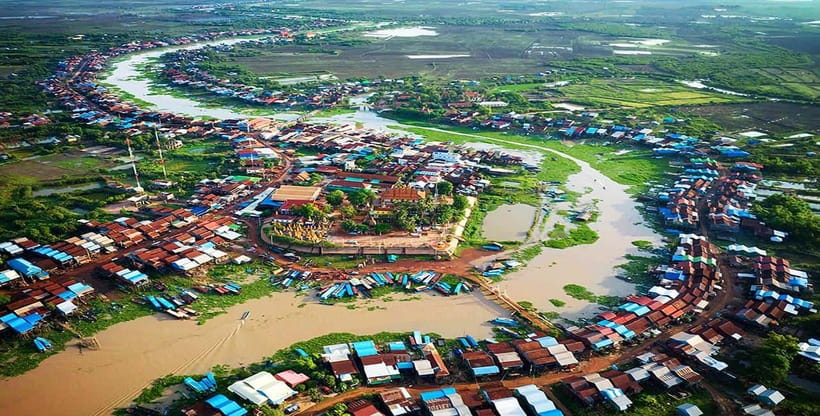
- Tonle Sap floating lifestyle includes wooden stilt houses and a floating school moment, but the boat visit isn’t included.
- Small group of up to 10, often under 6, so you’re not lost in a crowd.
- Cool waters and fresh towels are included, plus pickup/drop-off to reduce hassle.
How This Two-Day Plan Helps You Actually See Angkor
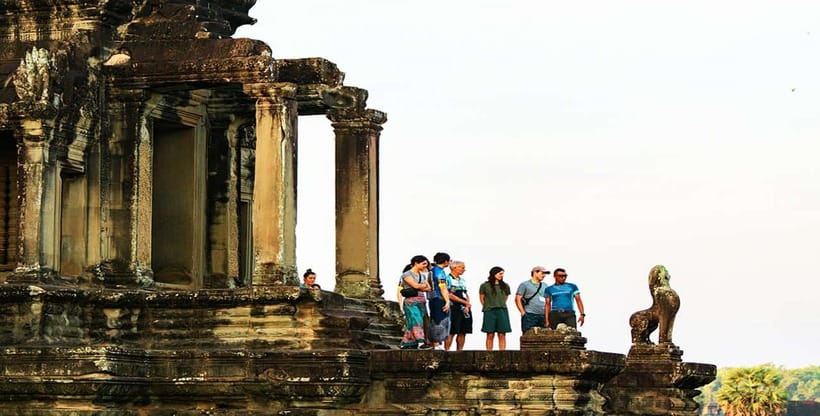
Angkor is big. Really big. And if you only see the most famous temples, you miss why the whole site feels like a living city of stone—different eras, styles, and purposes. This tour uses two structured circuits so you get a true sense of place, not just a highlight reel.
On day one, you work through Angkor Thom, the former Khmer capital, starting at the South Gate and moving temple to temple. Day two shifts to Angkor Wat and then the Grand Circuit temples that most first-timers don’t have time for on a rushed schedule. And then you finish with Tonle Sap’s floating communities, which changes the mood from stone and carvings to people and routines.
You can also read our reviews of more tours and experiences in Siem Reap


Day 1: Angkor Thom Small Circuit With a Sunset Finale at Bakheng
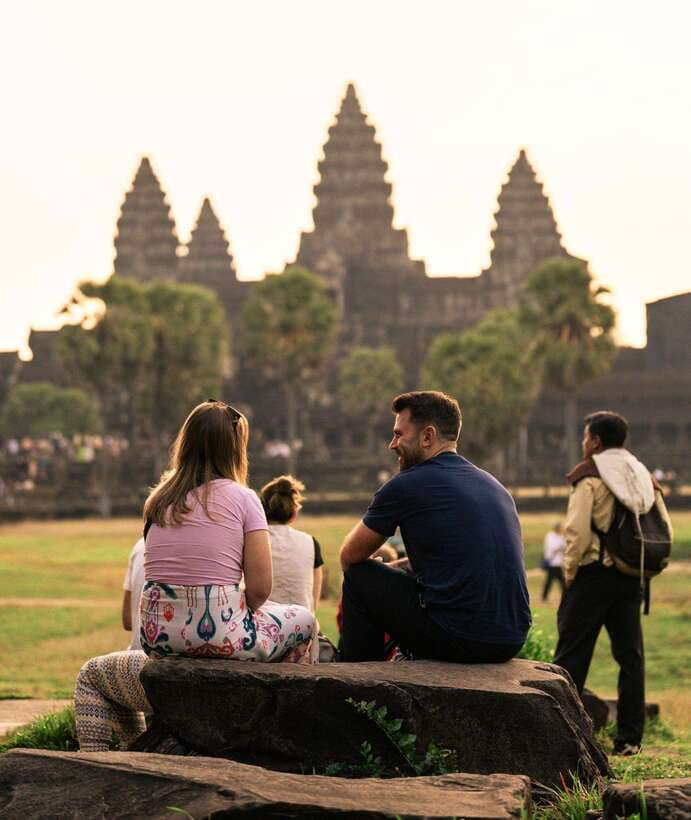
Day one is built for momentum, but with breathing room. You start at the South Gate of Angkor Thom, which is a good way to mentally set the map. It’s not just a dramatic entrance; it’s also your reset point for understanding how this whole walled zone functioned.
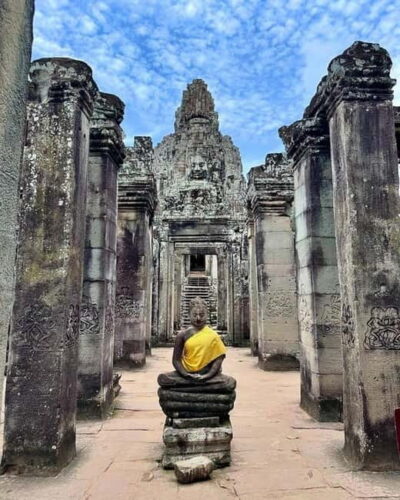
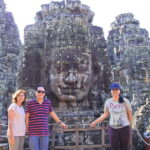
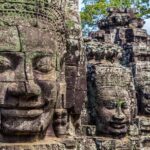
Next comes Bayon Temple, famous for its hundreds of smiling faces. What I like about having a guide here is simple: you don’t just look up at the faces. You learn what you’re seeing and how the temple layout ties into the broader Angkor Thom story. If you’ve ever felt like carvings are just decoration, this is where the visuals start to make sense.
Then you’ll visit the Terrace of the Elephants, once linked to royal ceremonies and kingly presence. It’s the kind of stop where you can take in the scale without needing to memorize details. A good guide helps you understand why this spot mattered, which turns a photo stop into a viewpoint with context.
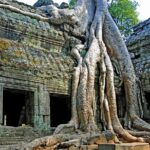
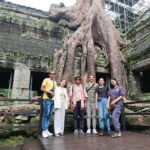
After that, the pace stays temple-focused with Ta Prohm and Ta Keo. Ta Prohm is often the one people recognize right away. But even if you’ve heard of it, the real value is in the explanation—how the ruins hold together, how the stone and roots shape what you see, and why this temple feels different from more orderly structures. Ta Keo adds a contrasting feel with a stronger, more architectural look.
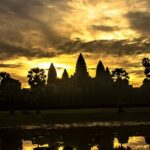
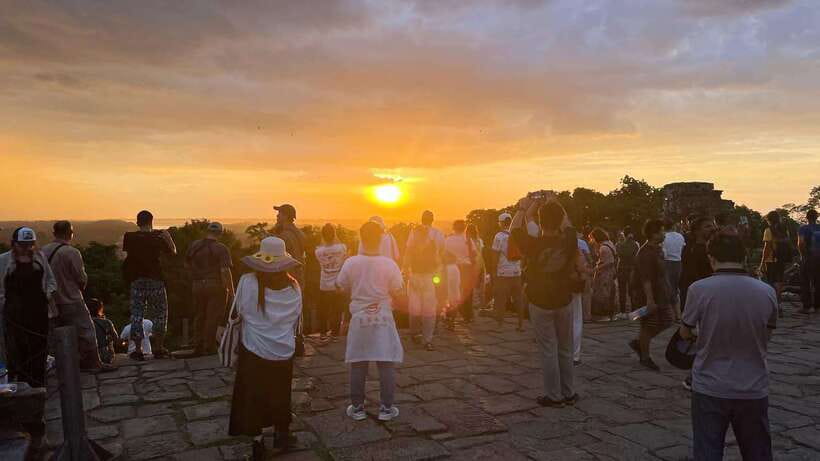
Finally, you wrap the day with Bakheng Mountain for a sunset view overlooking Angkor Wat and other temples. This is the kind of finish that makes the earlier walking worthwhile. You get a big-picture moment where all the separate sites start to feel connected, like a single vast complex rather than random landmarks.
What to watch out for on Day 1
Day one is packed with named stops. If you’re sensitive to heat or you want long, slow hangs at every temple, you may feel the schedule. The tradeoff is that you’ll see a lot without feeling like you’re sprinting.
Day 2: Angkor Wat Main Complex Plus Hidden Temples on the Grand Circuit
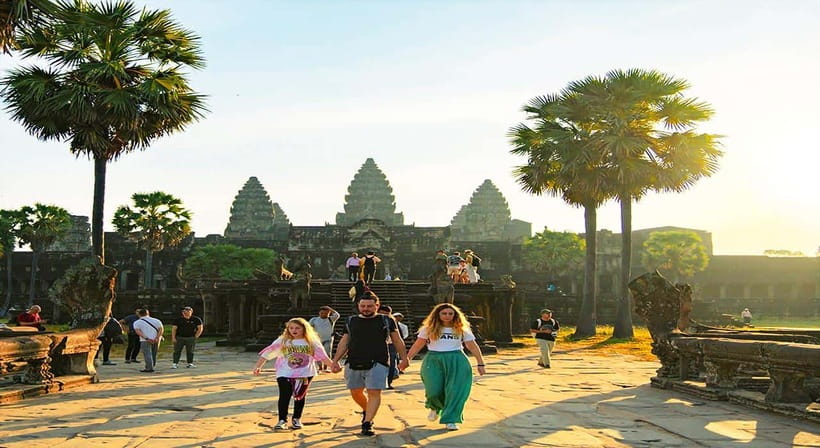
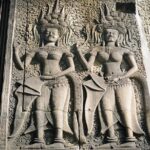
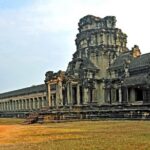
Day two is where Angkor Wat takes the center stage. You’ll spend time exploring the main temple complex at a leisurely pace, which is important because Angkor Wat isn’t something you can “skim.” The value is in taking in the outer galleries and the bas-reliefs—the carved stories that reward a careful look.
Instead of rushing to the next headline photo, your guide can point out patterns in the carvings and architecture so you understand what’s going on. I like that this tour’s approach is about reading the temple through the details, not just walking through a doorway.
From there, you continue with hidden or less-expected treasure stops such as Ta Som, Preah Khan, and Neak Pean. These are the temples that often separate a good Angkor day from a great one. Ta Som can feel like a quieter companion to the famous giants nearby. Preah Khan offers a different texture and scale, while Neak Pean gives you a more reflective, contained atmosphere.
If you’re the type who wants to leave with memories that aren’t only of the most photographed facades, this second day is the reason to book.
A note on timing and expectations
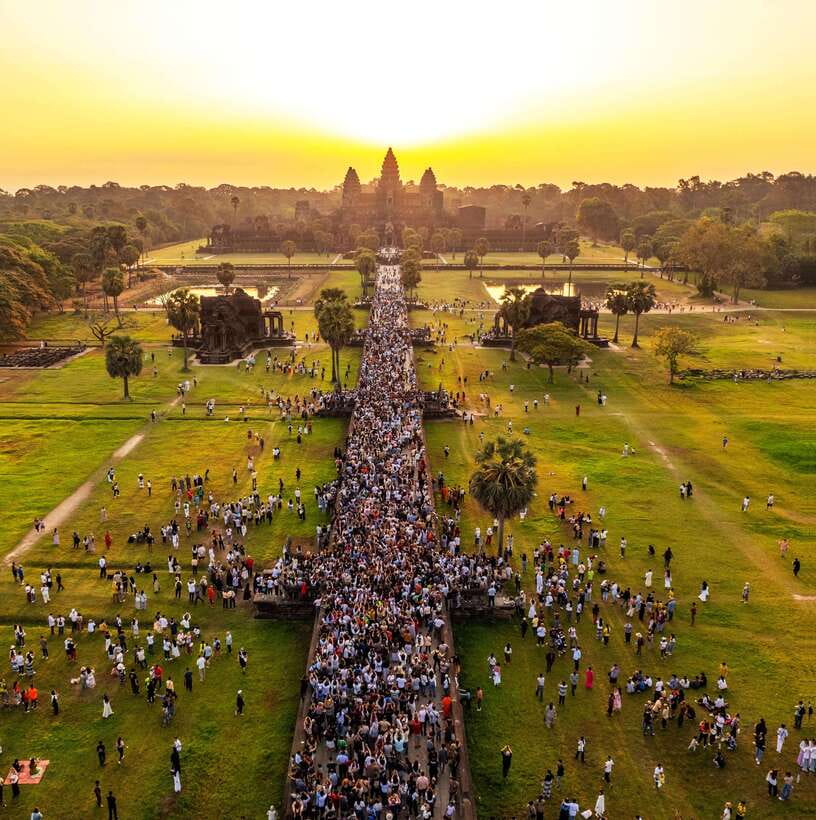
The overall tour is listed as 2 days with check availability for starting times. That matters at Angkor because early starts can change the feel of the site. If your schedule includes an early moment at Angkor Wat, you’ll likely get a calmer, more atmospheric experience than mid-day crowds.
Tonle Sap Floating Lifestyle: School, Stilt Houses, and Water-Market Life
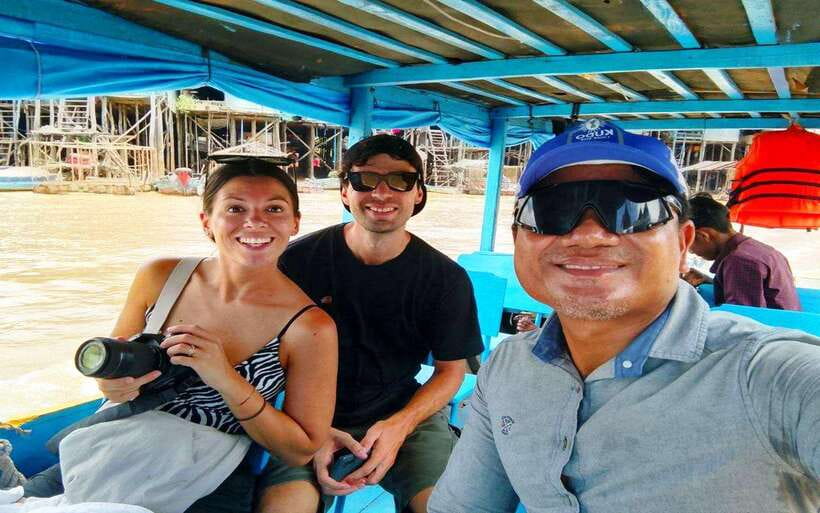
The closing chapter shifts from temples to a living landscape. Tonle Sap is famous for its seasonal water levels, which shape daily routines for the communities around it. In this tour, the goal is to experience floating village life: floating school, wooden stilt houses, and markets on the water.
One practical detail: the tour includes the floating village component, but the boat visit is not included. That means you should plan to budget extra if the floating village segment depends on getting out onto the water. If you want to see more up close, boat time can be the difference between watching from a distance and truly understanding how people live there.
This is also where the tour becomes more than sightseeing. You’re stepping into a different kind of “museum,” one powered by routine instead of history boards. Even if you only spend a short time there, it changes your overall Angkor perspective.
Price and Logistics: What $75 Really Covers
At $75 per person for a 2-day experience, the price looks simple. But what makes it valuable is what’s included and how it reduces the hassle you’d otherwise handle yourself.
Included highlights:
- Pickup and drop-off
- Professional English-speaking guide and driver
- Hygiene local transport
- Cool waters and fresh towels
That last part sounds small until you’re in the heat, walking between temples with no convenient pause. Fresh water and towels turn discomfort into manageable moments. The guide also does the heavy lifting of making sense of what you see, which is worth real money when you’re dealing with complex sites like Angkor Thom and Angkor Wat.
Not included items (the ones that can change your real total):
- Angkor Archaeological Park entry ticket
- Boat visit for the floating village
- Lunch
- Personal expenses
So yes, you’ll likely pay more than $75 by the end. But those add-ons are common on this type of trip. What you’re buying here is a guided, two-day flow that saves time, cuts guesswork, and keeps you moving efficiently.
The Real Secret Sauce: Small Group Energy and Rathan’s Q&A Style
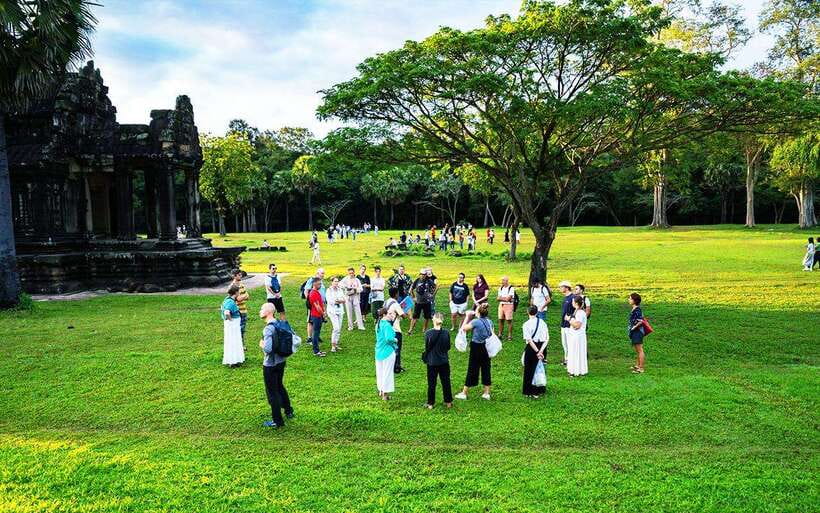
The tour caps group size at 10 participants, and the experience is described as small and private, often under 6. That difference matters. With fewer people, you get more attention when you ask questions, and it’s easier for the guide to keep the pace comfortable.
The quality of the guide matters most for Angkor, because the carvings and temple choices are not random. You need someone to translate what you’re seeing—why a terrace matters, how one temple differs from another, and what you can ignore because it won’t add value to your visit. Rathan’s style (especially the way he answers lots of questions) is exactly what makes the day feel personal instead of mechanical.
Then there’s the driver teamwork. In the best versions of this tour, the driver (Mr. Toi) stays ready so you’re not waiting around in the sun. That “right spot, right time” reliability keeps the schedule from dragging, and it lets the guide focus on the story instead of managing logistics.
Practical Tips for Temple Comfort (Without Overthinking It)
Angkor days reward preparation, but you don’t need to be fancy.
- Plan for sun and walking. Even with transport between sites, you’ll be on your feet for hours across multiple temples.
- Bring a simple layer. Mornings and late afternoons can feel cooler, especially around viewpoints like Bakheng Mountain.
- Use what’s provided. This tour includes cool water and fresh towels, so use them early rather than waiting until you feel wiped out.
- Don’t skip your questions. If you like learning, a good guide will turn your curiosity into better photos and better memories.
If you’re the type who tends to get overwhelmed in busy places, the small-group approach helps you keep your head. You can actually look at things instead of just moving past them.
Who This Tour Fits Best (And Who Might Want a Different Plan)
I’d point you to this experience if:
- You want a first real Angkor orientation that covers Angkor Thom and Angkor Wat across two days.
- You like having an English-speaking guide who explains details rather than just dropping you at gates.
- You want an Angkor day followed by a people-and-lifestyle ending at Tonle Sap.
You might reconsider if:
- You have a strict budget and don’t want extra costs for the Angkor ticket, boat component, and lunch.
- You prefer total freedom with no set sequence, because this is designed as a guided circuit plan.
- You’re older or have mobility limits beyond what’s comfortable for a multi-stop day. The tour is listed as not suitable for people over 95 years.
Should You Book This 2-Day Angkor and Tonle Sap Tour?

I think this is a smart booking if your goal is to see Angkor in a way that actually connects the dots. The two-day circuit structure covers the big names and the more interesting in-between temples, and the Tonle Sap finale adds a real change of pace.
Book it if you appreciate:
- Small group pacing
- Strong guide storytelling (Rathan’s Q&A focus is a big plus)
- Included comfort items like cool water and fresh towels
- A complete Angkor-and-lifestyle mix instead of only temple photos
Hold off if you’re hoping for a fully all-in-one deal with no add-ons, because the major extra costs—entry ticket, boat visit, and lunch—are not included. But if you’re okay planning for those, the value here comes from time saved, context gained, and a schedule that feels designed for seeing, not rushing.
FAQ
How long is the tour?
It runs for 2 days. Starting times depend on availability, so you’ll want to check the schedule for the time slots offered.
What’s included in the price?
The tour includes pickup and drop-off, a professional English-speaking guide and driver, hygienic local transport, and cool waters plus fresh towels.
What’s not included?
Personal expenses, the Angkor Archaeological Park entry ticket, the boat visit for the floating village, and lunch are not included.
Is the boat visit to Tonle Sap included?
No. The boat visit for the floating village of Tonle Sap is listed as not included.
What group size is it?
It’s a small group limited to 10 participants, and it’s also described as a private small group of fewer than 6 people.
Do you have English guides?
Yes. The tour is offered with a live guide in English.
Is pickup and drop-off included?
Yes, pickup and drop-off are included.
Is there any age limit?
The tour is not suitable for people over 95 years.
FAQ
What about cancellation?
Free cancellation is offered up to 24 hours in advance for a full refund.
Can I reserve without paying right away?
Yes. You can reserve now and pay later, with booking available without paying today.