REVIEW · SIEM REAP
2-Day Angkor Wat & Tonle Sap Tour
Book on Viator →Operated by Asia Voyage Travel · Bookable on Viator
Two sunrises and a floating village in 48 hours. This private 2-day Angkor and Tonle Sap tour strings together the sunset at Phnom Bakheng and the sunrise at Angkor Wat, with hotel pickup plus your own guide and air-conditioned car. I like the way it compresses big-name sights and quieter corners of the Angkor complex without feeling like you’re getting herded.
One caution: temple entry passes and meals are extra. You’ll also need to plan for early wake-ups and some waiting at Phnom Bakheng because summit access is limited.
In This Review
- Key things I’d circle before you book
- Why this 2-day Angkor + Tonle Sap layout makes sense
- Day 1: Angkor Thom, Bayon faces, Ta Prohm, and Angkor Wat
- The one downside to Day 1 pacing
- Phnom Bakheng sunset: summit limits and why “early” actually means something
- What to expect with the crowd-control setup
- Day 2: sunrise Angkor Wat, breakfast back at the hotel, then Banteay Srei
- Why I like the Day 2 temple mix
- Tonle Sap by motorized boat: stilted villages and life on the water
- Floating cafe + pagoda stops: what they add
- Small-group private tour energy: your guide makes a big difference
- Price and value: does $250.26 per group make sense?
- Practical tips so you get the best out of both days
- For temple days
- For Phnom Bakheng sunset
- For sunrise Angkor Wat
- For Tonle Sap
- Should you book this 2-day Angkor Wat & Tonle Sap tour?
- FAQ
- Are temple entry passes included in the tour price?
- What’s included in the tour besides the guide?
- Are meals included during the 2 days?
- What time does the tour start on Day 1?
- How early is Day 2 sunrise at Angkor Wat?
- Is this a private tour or a shared group?
Key things I’d circle before you book
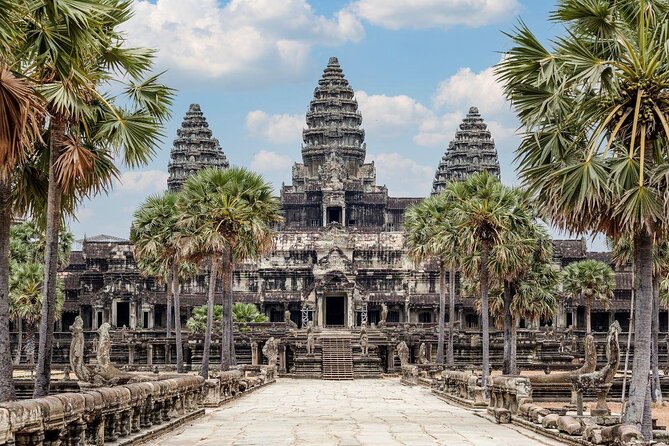
- Sunrise Angkor Wat + sunset Phnom Bakheng in the same package, with early starts built in
- Private transportation and a real guide, not a crowded bus day
- Day 1 hits the major Angkor highlights (Angkor Thom, Ta Prohm, Angkor Wat) in a sensible order
- Day 2 swaps in “after breakfast” temples like Banteay Srei and Banteay Samre, plus optional stops
- Tonle Sap by motorized boat around stilted villages, with a floating cafe stop and an island pagoda
- Cold bottled water and cold towels keep temple-day comfort from sliding downhill
Why this 2-day Angkor + Tonle Sap layout makes sense
Angkor can eat your whole week. So the value of a tight 2-day plan is not just that you see a lot. It’s that you catch the temples when the light and timing help you most. This tour does both ends of the day: the dramatic late-day glow at Phnom Bakheng, and the calm early light at Angkor Wat before the crowds fully kick in.
The Tonle Sap part matters for a different reason. It’s not another stone monument. You’re switching to water life and everyday rhythms, with villages built on stilts and boat travel as the main mode. If you only do Angkor temples, Siem Reap can feel like one long hike on ancient stone. This adds a completely different Cambodia.
You can also read our reviews of more tours and experiences in Siem Reap

Day 1: Angkor Thom, Bayon faces, Ta Prohm, and Angkor Wat
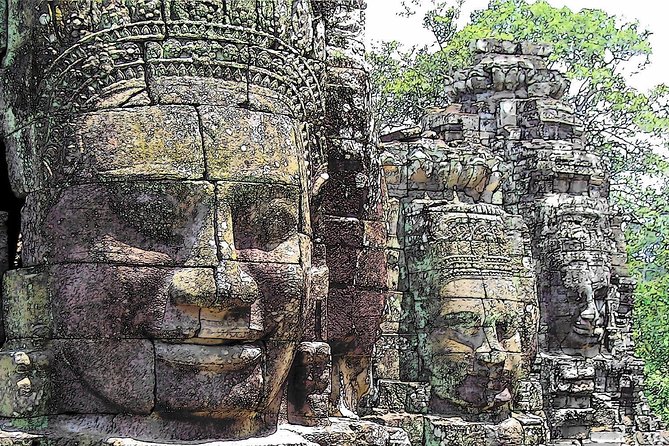
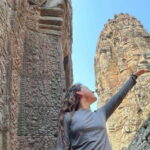
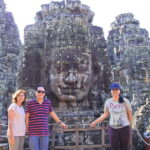
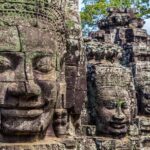
Day 1 is your “big temples first” day, starting inside Angkor Thom. You’ll begin at Angkor Thom and head right to Bayon, the temple known for those many stone faces looking in different directions. It’s a great opener because Bayon’s repeating carvings help you get your bearings fast—your brain starts recognizing patterns, not just staring at random details.
From there it stays efficient. Baphuon is nearby, so you get a quick, focused stop without wasting time on long backtracking. Next comes the Terrace of the Leper King, plus the Terrace of the Elephants nearby. Even if you’re not an expert on Khmer art, these terraces feel different from the main “standing temples.” They’re all about storytelling in stone—bas relief carvings and a sense of ceremony around palace-era life.
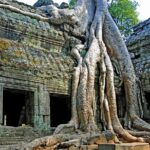
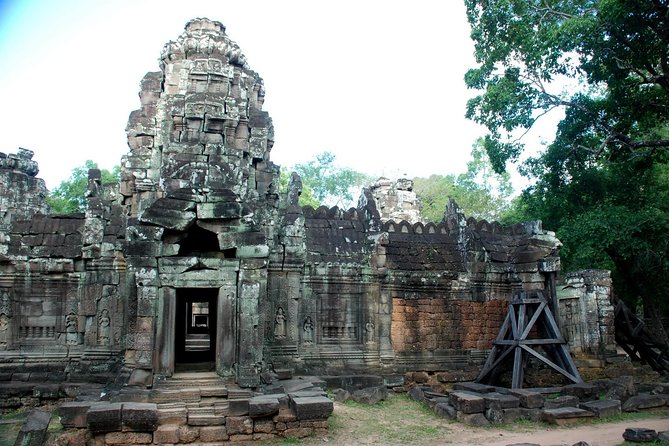
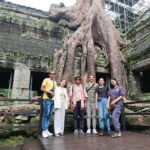
Then you move into Ta Prohm, the one most people remember from movie sets and ancient-tree photos. This stop is famous for the giant roots that wrap around the structures. It’s also a good contrast point. After a day of symmetry and planned layout (Bayon, Baphuon, Angkor Thom), Ta Prohm feels more tangled and organic, like the jungle decided to move in permanently.
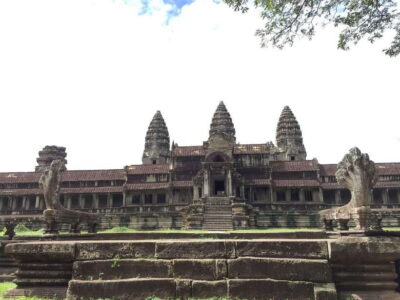
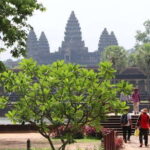
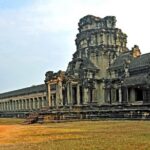
You’ll then take lunch at a nearby restaurant before continuing to Angkor Wat itself. The time there is long enough that you’re not stuck doing a fast walk-through. You can slow down to catch viewpoints, corridors, and the way the temple complex changes as you move around it. Angkor Wat is the obvious highlight, but it’s also the place where good pacing matters most, since it’s easy to rush and miss what makes it special.
The one downside to Day 1 pacing
It’s full. Even with the private setup, you’re still covering several temple zones. If you want a lot of quiet time for sketching, photo-stops, or lingering on carvings, you’ll need to consciously slow yourself down when you can.
Phnom Bakheng sunset: summit limits and why “early” actually means something
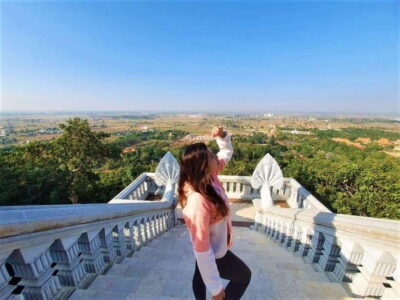
After Angkor Wat, you head to Phnom Bakheng for sunset. This is where timing gets real. The summit has restrictions on how many people can be up there at once, so you’ll need to go earlier and wait. That waiting part can feel annoying, but it’s also what makes the sunset moment work.
Phnom Bakheng isn’t just about the view. It’s about the transition from daylight clarity into that softer, more forgiving late light. If the weather cooperates, you’ll feel how the whole area changes tone when the sun drops.
What to expect with the crowd-control setup
Because of summit limits, the top can feel like a slow-moving checkpoint. You’re not “strolling up and staying whenever.” Plan to be patient and keep your energy. This is one of those temple moments where a guide helps a lot—knowing how to manage the line pressure and timing can be the difference between a stressy evening and a satisfying one.
Day 2: sunrise Angkor Wat, breakfast back at the hotel, then Banteay Srei
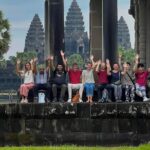
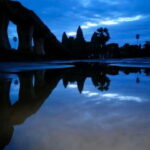
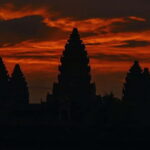
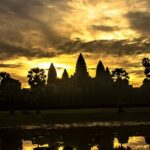
Day 2 starts very early—around 5:00am from your hotel or earlier. You’re heading straight for Angkor Wat, joining the small army of people who understand that early light beats late crowds. The tour experience here is simple: arrive, wait for the sun to show, then watch the colors shift across the temple area.
This is also one reason the tour is a strong “first Angkor” choice. Sunrise doesn’t just look good. It gives you a calmer first emotional memory of Angkor Wat before the day turns into a photography marathon.
After that, you return to the hotel for breakfast. The tour notes this depends on whether breakfast is included with your room rate—so don’t count on it blindly. If you want a low-stress start, ask your hotel front desk what your morning includes.
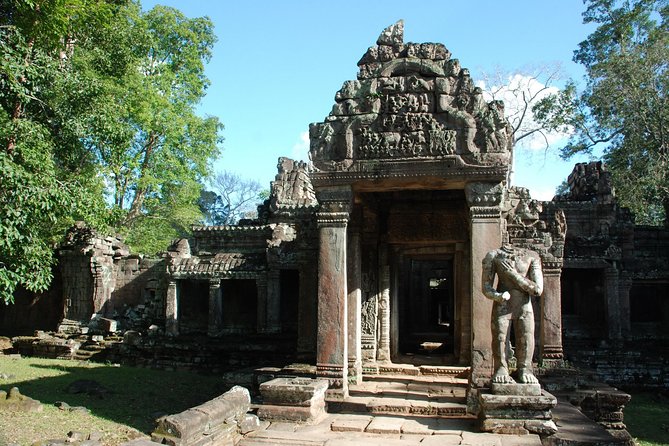
Once you’re fed, you move on to other temples that keep the trip from feeling repetitive. You’ll visit Prep Rup first, then head to Banteay Samre. There’s also a short optional stop that can include either a palm sugar manufacture look or a visit to the landmine museum, depending on what fits the route and schedule.
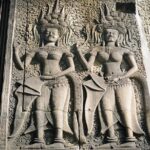
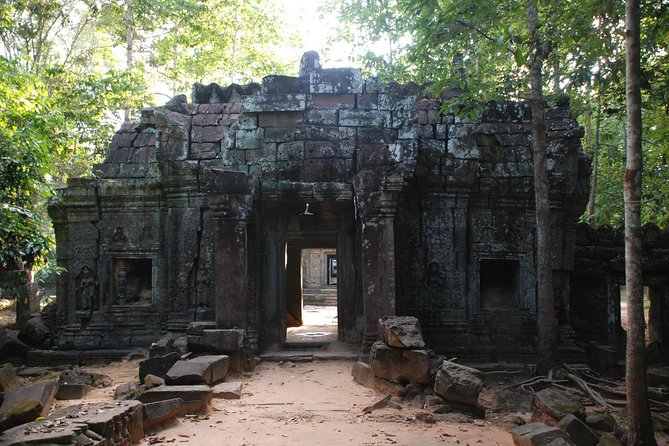
Then comes Banteay Srei, the famous pink ladies temple. It’s known for its distinctive color and delicate carvings, and it’s set up as a longer stop. You’ll get time to slow down here after the early-morning rush of Day 2.
Why I like the Day 2 temple mix
Day 2 doesn’t just rebrand Angkor Wat as the only show. The temples you visit shift the feel from grand ceremonial centers to more intricate carvings and calmer atmospheres. If you’re already tired from Day 1, Banteay Srei is the kind of stop that rewards you for slowing down.
Tonle Sap by motorized boat: stilted villages and life on the water
After lunch, you move to Tonle Sap Lake in the Kompong Pluk area. This is where the trip turns from stone to water and from walking paths to boats.
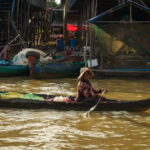
You’ll cruise around the village on a motorized boat and see stilted houses and floating village life. Along the way, you stop at a floating cafe and also at an island pagoda. This is a key part of the experience because it makes Tonle Sap feel like a real place people live and work—not a staged “look and leave” side trip.
Floating cafe + pagoda stops: what they add
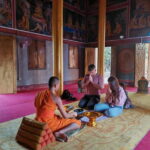
The floating cafe stop gives you a built-in break from sun and movement. It’s also a chance to observe daily routines from a calmer angle. The island pagoda adds a spiritual marker to the scenery, tying together why these communities and waterways matter.
One more small note: Tonle Sap is not just scenery. It’s a living system. Even if you don’t speak Khmer, the activity around you does the explaining.
Small-group private tour energy: your guide makes a big difference
This is a private tour, and the group size is capped at up to 3 per group. That changes the entire feel of Angkor. You’re not stuck behind someone who needs five minutes for every single step. You can also ask questions without feeling like you’re hijacking a moving crowd.
The standout from the guide feedback is Mr Seng. People praised his Cambodia context—historical and mythological background—and his ability to answer questions with precision. They also mentioned he gave flexibility so you could explore at your own pace rather than following a rigid script.
That matters. Angkor is confusing if you don’t have a guide who explains the logic of what you’re seeing. It also matters at sunset and sunrise, when timing and movement are more sensitive.
Price and value: does $250.26 per group make sense?
At $250.26 per group (up to 3 people), this isn’t the cheapest way to see Angkor. But it’s also not trying to be. You’re paying for three big value drivers:
- Private transportation with an air-conditioned vehicle across two days
- Guide service plus the time-intensive sunrise/sunset logistics
- A boat fee included for Tonle Sap, along with cold bottled water and cold towels
What’s not included is just as important: Angkor temple passes and meals are extra. So your real budget depends on how you handle entry tickets and what you eat during lunch breaks.
If you’re traveling as a couple, the cost often feels easier to swallow because the guide and car costs are spread across two people. If you’re solo, it may feel pricier—but if sunrise and sunset are your must-dos, a private plan can still be worth it.
Practical tips so you get the best out of both days
Here’s what I’d do to make the experience smoother.
For temple days
- Wear comfortable shoes with grip. Angkor floors can be dusty and uneven.
- Bring a hat and sunscreen for midday heat, especially on Day 1 when you’ll be moving between multiple zones.
- Keep water handy even though bottled water is included. You’ll likely drink more than you expect.
For Phnom Bakheng sunset
- If summit access requires waiting, treat it like part of the program. You’ll enjoy the sunset more if you avoid getting annoyed at the schedule.
- Bring a light layer if you get cold while waiting early evening.
For sunrise Angkor Wat
- Make your morning simple: pack what you’ll need the night before.
- Keep your expectations practical. Sunrise is stunning, but it’s also a time when people are focused. Move with calm efficiency so you don’t waste your best light.
For Tonle Sap
- Expect sun and boat movement. A hat and sunglasses help.
- Don’t rush the floating cafe stop. It’s your built-in reset button.
Should you book this 2-day Angkor Wat & Tonle Sap tour?
Book it if you want a strong “first Cambodia” rhythm: sunrise and sunset temples, major Angkor highlights, and a real look at Tonle Sap water life in a short time. This is also a good fit if you care about having a guide who can explain the meaning behind what you’re seeing—especially with a guide like Mr Seng.
Skip or compare if your budget is extremely tight, because temple passes and meals are not included. Also skip if you hate early mornings. Day 2 is a real pre-dawn start.
If you’re the kind of traveler who likes your days organized but still wants some flexibility to linger, this private setup hits a sweet spot.
FAQ
Are temple entry passes included in the tour price?
No. The Angkor temple passes for a two-day visit are not included, so you’ll need to budget for them separately.
What’s included in the tour besides the guide?
The tour includes hotel pickup and drop-offs, private transportation in an air-conditioned vehicle, a guide, the motorized boat fee for Tonle Sap, and cold bottled water plus cold towels.
Are meals included during the 2 days?
Meals are not included. You’ll have lunch during the itinerary, and breakfast timing depends on whether it’s included in your hotel rate.
What time does the tour start on Day 1?
The meeting point start time is 8:30am.
How early is Day 2 sunrise at Angkor Wat?
Day 2 involves a very early departure from your hotel at 5:00am or earlier to reach Angkor Wat for sunrise.
Is this a private tour or a shared group?
This is a private tour/activity. Only your group participates, with a group size capped at up to 3 people.