REVIEW · PHNOM PENH
Phnom Penh Countryside Cycle Tour
Book on Viator →Operated by Vana Adventure Travel · Bookable on Viator
Early morning bikes beat city crowds. This Phnom Penh countryside tour trades traffic for rice fields and craft time, with hotel pickup, a ferry crossing, and a small-group ride. I like the hands-on element (sedge mat and silk weaving workshops) and the fact that it feeds you along the way with Khmer snacks and lunch. One consideration: it’s set up for moderate fitness and works best in good weather, since you’ll be cycling outdoors for about half a day.
You’ll also get a real sense of how the area around the Mekong works—mango, banana, lemongrass, corn, vegetables, lotus ponds, and chances to spot wetland birds. The guide setup feels practical, and in reviews I saw praise for guides like Anea Pisey for being flexible and good at explaining what you’re seeing. If you hate early starts or prefer very long, fast rides, this might feel more like a gentle, rural sightseeing pedal than an athletic workout.
In This Review
- Key Points You’ll Care About
- From Diamond Island to the Mekong: Getting on the Ferry
- Countryside Pedals: Mango Farms, Rice Paddies, and Lotus Ponds
- Weaving Workshops: From Sedge Mats to Silk Thread
- Khmer Snacks and Lunch at a Villager House
- Bikes, Helmets, and Group Size: What to Expect on the Ride
- Price and Logistics: Is $45 Worth It?
- Should You Book This Tour?
- FAQ
- How long is the Phnom Penh Countryside Cycle Tour?
- What time does pickup and the tour start?
- Where does the tour begin after pickup?
- What’s included in the price?
- How fit do I need to be?
- Does the lunch have vegetarian or vegan options?
- Optional booking notes (weather + cancellation)
Key Points You’ll Care About
- Pickup near Diamond Island plus a short transfer to the Areyksat ferry dock
- Ferry crossing of the Mekong before you start cycling, so the day has built-in variety
- Farm-to-village route through mango, banana, lemongrass, corn, vegetable plots, and rice paddies
- Two crafts in one morning with sedge mat weaving and silk weaving workshop time
- Lunch at a villager house plus Khmer snacks and drinking water along the way
- Small group size (max 12), which helps keep the pace comfortable and the guide responsive
From Diamond Island to the Mekong: Getting on the Ferry
The day starts with an early pickup from your accommodation, around 7:30am, with the tour beginning at about 8:00am. That timing matters. You’re not just escaping heat and crowds—you’re also catching the countryside when people are already working, not just posing for photos.
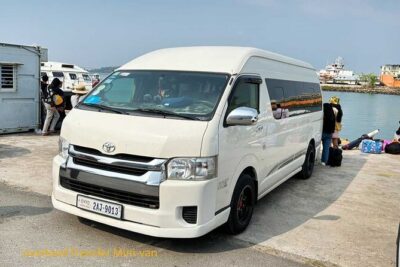
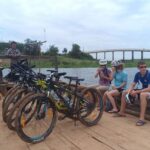
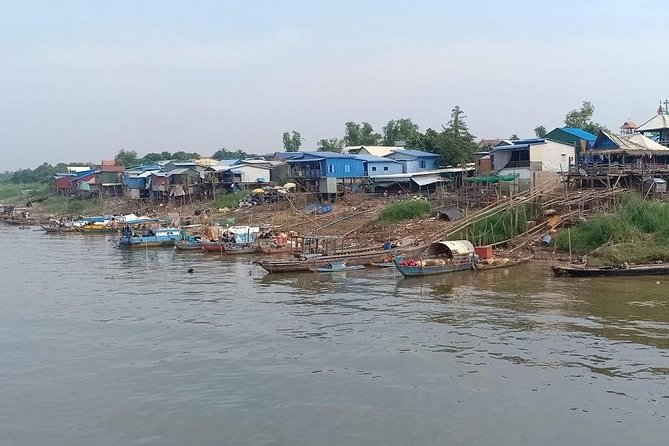
After pickup, you’ll do a short transfer to the meeting point at the Areyksat ferry dock, located near Diamond Island. Then comes the part that turns this from a simple bike loop into a Mekong day: you ride the local ferry across the river before you start pedaling into the Phnom Penh countryside.
Why I like this setup: it gives you a mental shift right away. One moment you’re dealing with city logistics, the next you’re on open water, heading toward agricultural areas. The ferry also means the route naturally changes elevation and pace. Even if you’re not a power cyclist, that rhythm keeps the experience from feeling monotonous.
Practical note: your first instructions include a quick bike check—especially brakes—and a short briefing from your cycle guide about traffic and what to expect on the ride. That is exactly the kind of simple, safety-first prep you want on an outdoor day where you’re sharing space with locals.
You can also read our reviews of more cycling tours in Phnom Penh


Countryside Pedals: Mango Farms, Rice Paddies, and Lotus Ponds
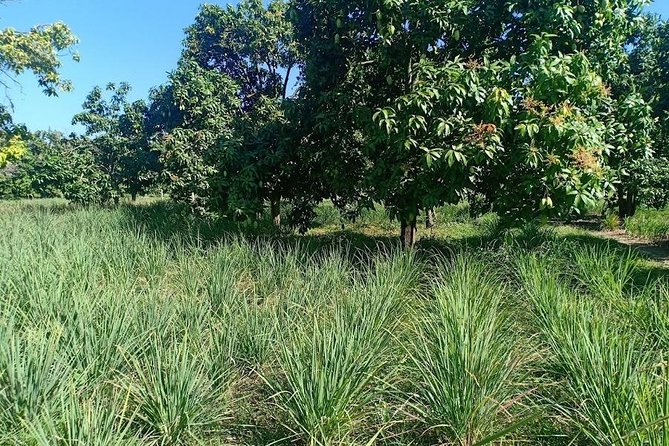
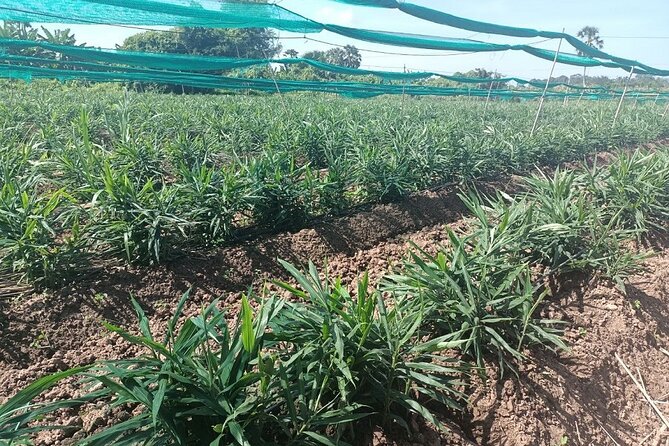
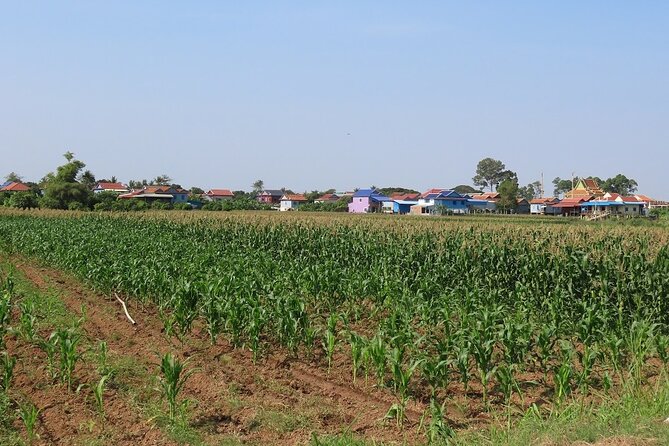
Once you reach the countryside, the tour is built around what the region grows and how daily life looks when agriculture is the main timetable. You’ll cycle through areas planted with mango, banana, lemongrass, corn, and vegetable farms. You’re not just passing scenery—you’re moving through working fields.
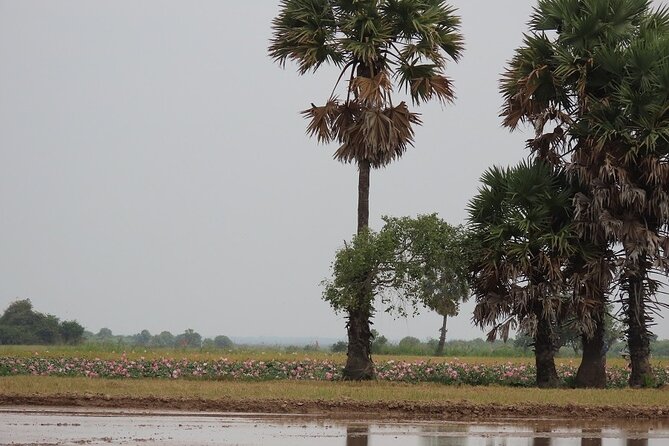
Then the route shifts toward “wetland Cambodia” features. You should expect paddy rice fields and a lotus pond, plus a chance to see wetland birds. The best way to enjoy this part is to ride slower than your instinct. Keep your eyes scanning the edges of fields—ditches, tree lines, and pond borders—because that’s where birdlife tends to show up.
This tour also connects you to local rhythms in a subtle way. You’ll see farmland that is close enough to the city that you can still imagine Phnom Penh nearby, but far enough that you can hear birds and feel the slower pace. In rural areas, that contrast can be more meaningful than any big “wow” moment.
One possible downside: this isn’t a fast tour. You’ll be cycling at a comfortable pace with frequent stops and craft/lunch time. If you’re hoping to rack up serious mileage, you might find the ride portion to be more of a moving introduction than a workout.
Weaving Workshops: From Sedge Mats to Silk Thread
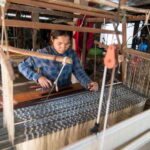
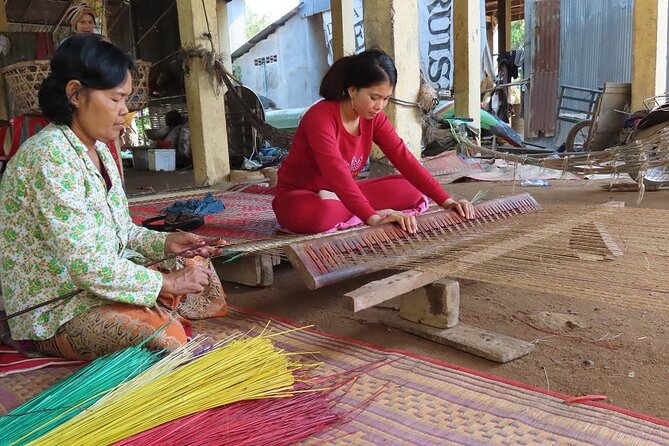
The craft stops are a core reason to choose this tour, especially if you like learning by doing instead of watching from a distance. You visit local artisans at sedge weaving and silk weaving workshops. Depending on how the day runs, you may get a chance to connect with the process and see how traditional materials are turned into usable products.
Why this matters: both sedge and silk are tied to the local economy. You’re not learning crafts as a museum lesson—you’re learning how the skills support livelihoods in the countryside. When a guide can point out why a plant is harvested a certain way, or how thread becomes fabric, the whole landscape starts making sense.
In reviews, guides were praised for being flexible and informed about agriculture in the areas you visit, and that same style of explanation helps during craft time. Even if your Khmer vocabulary is limited (mine would be too), visual steps do the heavy lifting.
What to watch for as you plan your day: craft workshops usually mean some standing around and potentially sitting for short periods. Wear breathable clothes, and consider bringing a small scarf or light layer if you get sunburn easily. Your helmet is provided, but you’ll still want to manage head and skin exposure during workshop pauses.
Khmer Snacks and Lunch at a Villager House
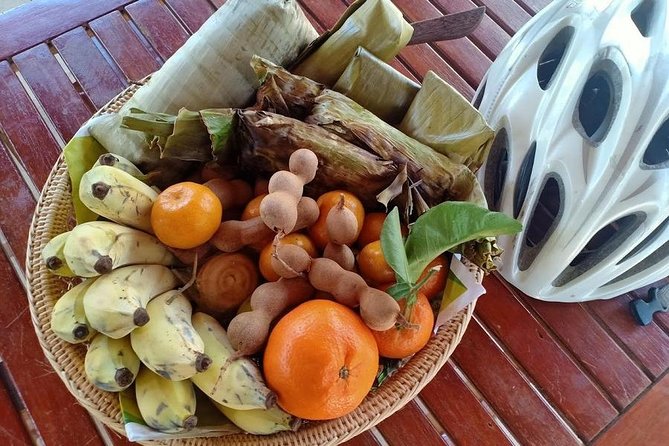
Food is where this tour feels most generous. You get Khmer local snacks and drinking water as part of the experience, and later you’ll have lunch at a villager house with time to taste local foods.
The lunch detail is important for value. At $45, you’re not paying extra for a stand-alone meal stop. That means you can actually enjoy the day without making constant cash decisions every time you get hungry.
Diet options are also explicitly handled: vegan and vegetarian lunches are available. That’s a real benefit in Cambodia, where menu options can be hit-or-miss once you leave tourist hubs.
As for what the lunch experience feels like, think “simple and local” rather than formal. The point is to eat in the setting where farming families live, and to see what a countryside meal looks like when it’s not designed for a restaurant schedule.
Tiny practical tip: bring a little sense of patience. Lunch and craft visits aren’t factory-timed. The rhythm may shift based on what’s happening in the village and how the artisan schedule fits in. If you treat this as a half-day of rural life rather than a strict checklist, you’ll get more out of it.
Bikes, Helmets, and Group Size: What to Expect on the Ride
This tour includes a mountain bike and a helmet, and you’ll cycle with an English-speaking cycle guide. The maximum group size is 12 travelers, which is a big deal for comfort. Smaller groups make it easier to stop, ask questions, and keep pace with people who prefer a slower ride.
Also, because the day includes a ferry crossing and multiple short segments on the ground, your mental energy matters more than your leg strength. The tour description calls for moderate physical fitness, which I interpret as: you should be comfortable riding a bike for extended stretches, handling small road variations, and staying on task with group stops.
Here’s how to prep:
- Choose clothes you don’t mind getting dusty.
- Wear closed-toe shoes you can ride in comfortably.
- Bring sunscreen and maybe a hat, since outdoor exposure is part of the deal.
- If you’re sensitive to heat, go slow at the start—your body will warm up as the day goes on.
One more practical point: you’ll have a briefing about bike and traffic. That suggests you’re not cycling in a car-free bubble. You’ll share road space with local movement, so keep your focus and follow your guide’s lead.
In reviews, people specifically liked that bikes were solid and that the guide was flexible. That’s what you want from a half-day countryside ride—smooth enough to enjoy, structured enough to feel safe.


Price and Logistics: Is $45 Worth It?
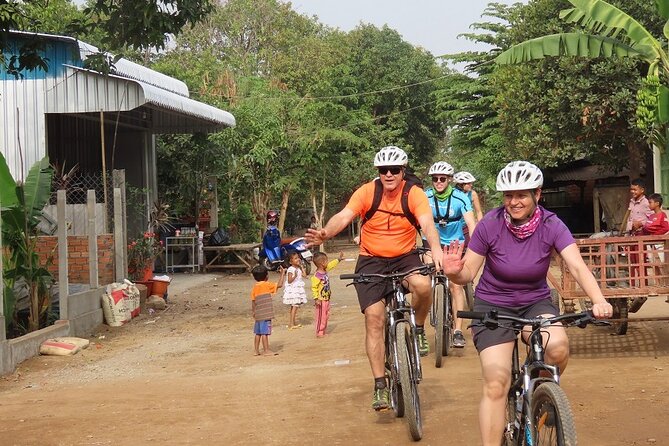
At $45 per person, this tour can feel like a bargain once you add up what’s included. You’re getting:
- Hotel pickup
- Bike hire + helmet
- English-speaking guide
- Khmer snacks + drinking water
- Lunch (with vegan/vegetarian options)
- A local ferry crossing as part of the routing
If you compare that to doing similar components on your own in Phnom Penh—transport, ferry time, renting a bike, paying a guide for a half day, and then finding an included lunch—the package pricing starts to make sense fast. The real value here isn’t just the cost. It’s how the day is stitched together so you don’t spend your morning figuring logistics.
Timing also adds value. The tour is about 6 hours total. That fits nicely if you have limited time in Phnom Penh but still want something that feels grounded in daily life rather than just big landmarks.
The main “cost” you pay is personal: an early start and outdoor cycling time. If you’re traveling with someone who hates being on a bike, the structure might be less appealing. But for most people who like countryside views and hands-on culture, $45 buys a lot.
Should You Book This Tour?
Book it if you want a countryside day that feels practical, not performative. The strongest reasons are the combo of rural cycling, craft workshops (sedge mat weaving and silk weaving), and a meal included at a villager house. This is also a good choice if you like small-group experiences—up to 12 people keeps things manageable.
Skip it (or think twice) if you’re expecting an intense fitness ride, or if you can’t do outdoor time in the morning. Weather also matters because you’ll be cycling outdoors, and the tour is described as requiring good weather.
If you’re on the fence, here’s my simple test: ask yourself whether you’ll enjoy learning by watching and asking questions at workshops, and whether you’re okay riding at a comfortable pace for a half day. If the answer is yes, this tour is a strong use of a Phnom Penh morning.
FAQ
How long is the Phnom Penh Countryside Cycle Tour?
It runs for about 6 hours total, roughly a half-day.
What time does pickup and the tour start?
You’re picked up from your accommodation at around 7:30am, and the start time is 8:00am.
Where does the tour begin after pickup?
After pickup, you transfer to the Areyksat ferry dock near Diamond Island, where you meet the group and get set up with bikes.
What’s included in the price?
Inclusions include an English-speaking cycle guide, mountain bike and helmet, Khmer snacks plus drinking water, and Khmer local lunch with vegan and vegetarian options. Hotel pickup and the ferry crossing are also part of the experience.
How fit do I need to be?
The tour is for travelers with moderate physical fitness. You’ll be cycling outdoors for the duration of the half day, so comfortable bike riding helps.
Does the lunch have vegetarian or vegan options?
Yes. Vegan and vegetarian lunch options are available.
Optional booking notes (weather + cancellation)
Good weather is required. If the tour is canceled due to poor weather, you’ll be offered a different date or a full refund. You can cancel for a full refund up to 24 hours before the experience’s start time.