REVIEW · PHNOM PENH
Private One Day Tour in Phnom Penh Capital City
Book on GetYourGuide →Operated by Tour Guide Team Cambodia · Bookable on GetYourGuide
Phnom Penh hits hard, then softens your steps. This one-day, private route pairs the pageantry of Cambodia’s Royal Palace and Wat Phnom with the heavy realities of Tuol Sleng (S21) and Choeung Ek. I especially loved the smooth private pickup/AC ride and the fact that you’re with a licensed guide for context, not just a driver. One thing to consider: key entrance fees are not included, and the S21 and Killing Field stops are emotionally intense.
What makes the day work well is the pacing. You get a focused set of sights in about 6 hours, with guided time at the big stops and walking/photo breaks built in. Cold waters and wipes help on hot days, and the separate entrance means you can get through more quickly at the major sites.
The tour is also very straightforward about what it is and isn’t. It’s not ideal for wheelchair users or people with visual impairments, and there’s no meal included, so plan for lunch or snacks on your own if your schedule allows.
In This Review
- Key things I’d circle before you book
- Phnom Penh in One Private Day: How the 6 hours feel
- Royal Palace: Throne Hall, Napoleon III iron, and the Silver Pagoda floor
- What to know before you go in
- Wat Phnom: Grandma Penh’s story and the hilltop viewpoint
- The practical side
- Independence Monument: a serene intermission on your way to S21
- Tuol Sleng (S21): What the museum teaches you about routes to terror
- Why a guided visit matters here
- Choeung Ek Killing Field: A peaceful memorial built over mass graves
- The big takeaway for your day
- Price and logistics: Is $75 a good deal?
- Who this tour suits best (and who should pick something else)
- Should you book this Phnom Penh private day?
- FAQ
- How long is the private tour?
- Is this tour private or shared?
- Does the tour include hotel pickup and drop-off?
- What transportation is included?
- Are entrance fees included for Royal Palace, Tuol Sleng, and Killing Field?
- Does the tour have a separate entrance to skip lines?
- What is included in the package besides transport?
- What should I bring?
- Is the tour suitable for wheelchair users or visually impaired people?
- Is cancellation flexible?
Key things I’d circle before you book
- Royal Palace highlights, from the Throne Hall to the iron Napoleon III Pavilion
- Silver Pagoda details you’ll actually notice, like the 5,000 silver floor tiles
- Wat Phnom’s origin story with Grandma Penh and the five Buddha statues
- Tuol Sleng S21 with hard facts and a guided path through interrogation and death
- Choeung Ek’s peaceful memorial setting built over mass graves
Phnom Penh in One Private Day: How the 6 hours feel
This tour is built for visitors who want an efficient day without cramming random stops. You start with hotel pickup from the lobby, then head straight into the sights in a comfortable, air-conditioned vehicle driven by a licensed driver. Since it’s 100% private for your group size, you’re not stuck waiting on other people’s slow photos or fast exits.
The timing is a big deal in Phnom Penh. The day’s layout is clear: Royal Palace and Wat Phnom in the first half, then Tuol Sleng and Choeung Ek in the afternoon. That order matters because it helps you understand the contrast: royal Cambodia and daily spirituality in the morning, then the machinery of terror in the afternoon.
You’ll also appreciate the small comforts. Cold waters and wipes are included, and there’s a safety briefing at key points. That doesn’t remove the heaviness of S21, but it does make the logistics calmer.
The only real friction I can see is practical. Several major attractions charge entrance fees and those are not included, so you’ll want cash ready. Also, there’s no food included, so you may need to grab something nearby if you get hungry between stops.
You can also read our reviews of more city tours in Phnom Penh
Royal Palace: Throne Hall, Napoleon III iron, and the Silver Pagoda floor
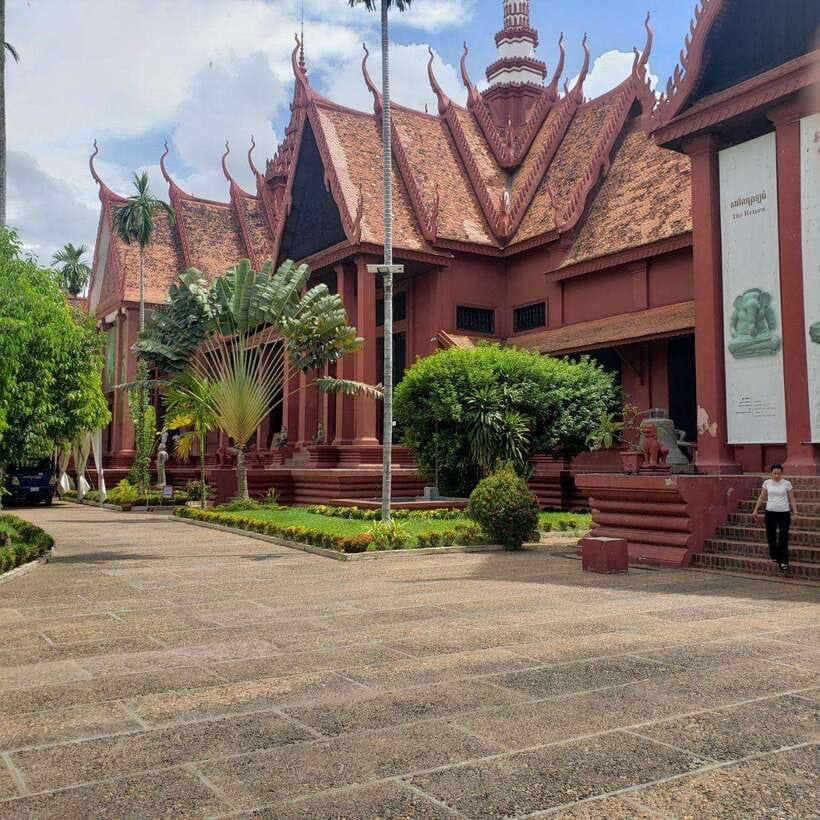
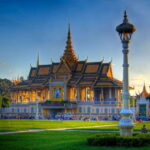
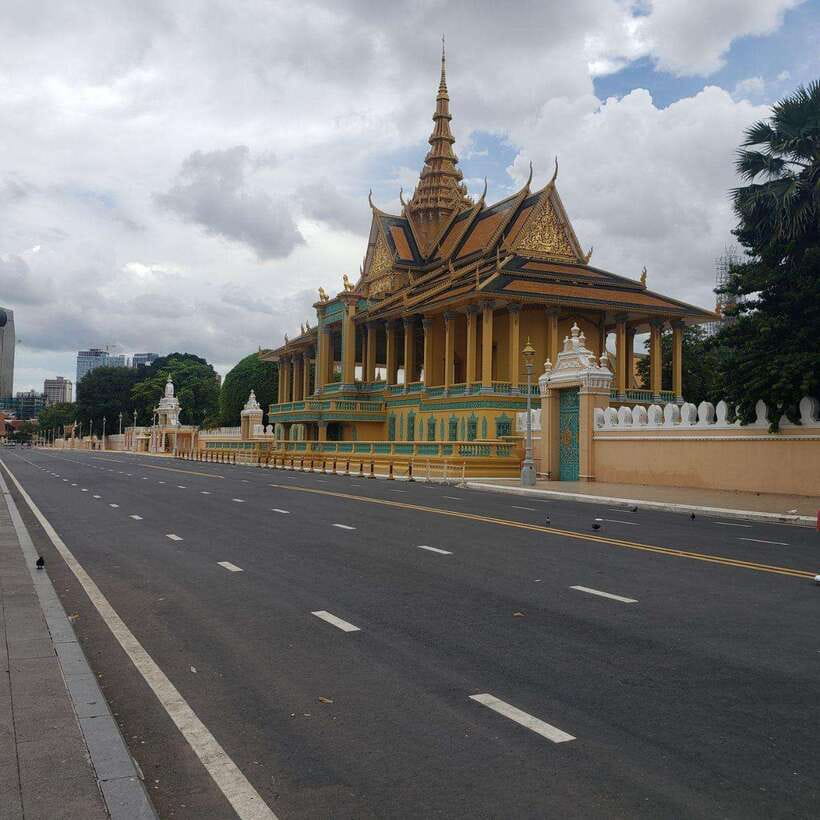
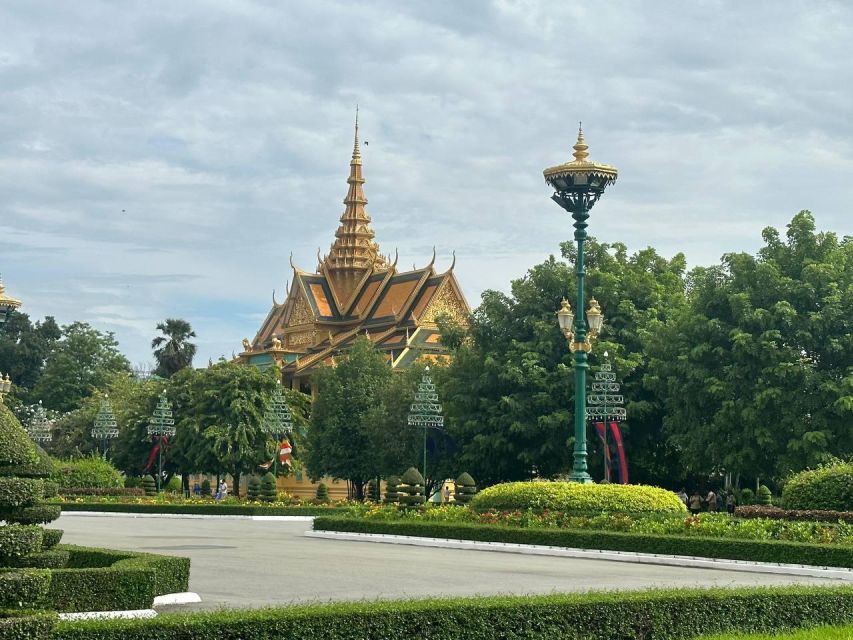
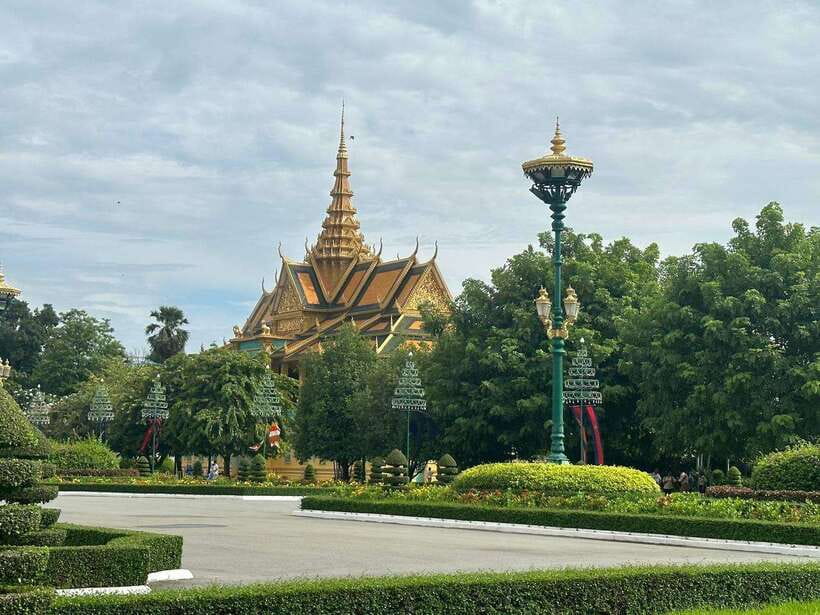
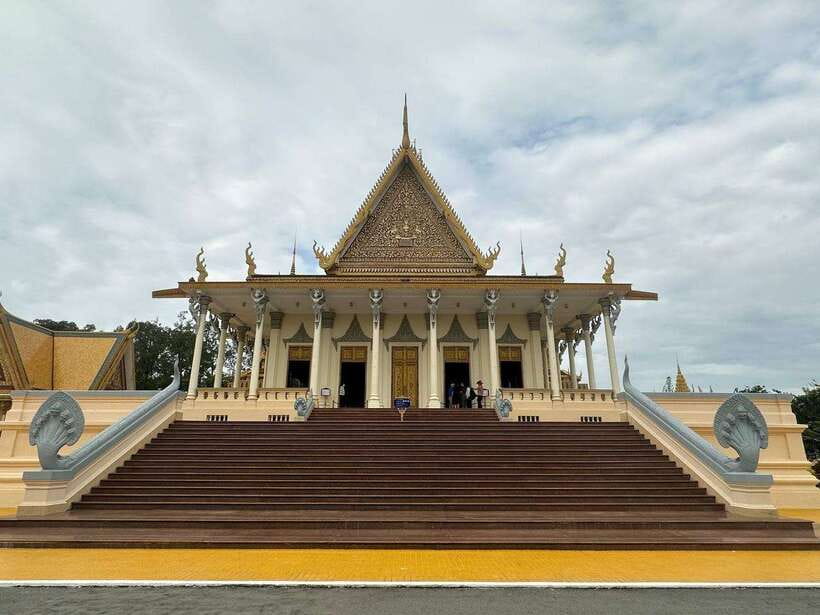
The Royal Palace stop is where Cambodia’s formal side shows up: crisp lines, royal gardens, and gleaming spires. You’ll walk the grounds with a guide, then step inside the Throne Hall where royal receptions happened and where the Cambodian king’s coronation took place. Even if you’re not a history person, that’s the kind of space you can feel—ceremony built into architecture.
Next comes one of my favorite specific details on this route: the Napoleon III Pavilion made from iron. It’s described as an 19th-century gift from the French emperor, and you’ll likely spot the contrast right away. It’s a reminder that Cambodia’s story includes outside influence, not just internal legend.
Then you move to the Silver Pagoda, named for the 5,000 silver tiles covering the floor, with each tile weighing about 1kg. This is one of those facts that becomes meaningful only when you’re standing there. You can look down and connect the name to the physical scale.
Inside, the treasure list is exact. There’s a life-size gold Buddha set with 9,584 diamonds, and it’s described as weighing about 25 carats for the largest stone. You don’t need to be dazzled by diamonds to get what the guide is pointing out here: the Silver Pagoda is a carefully curated display of belief, craftsmanship, and national identity.
What to know before you go in
- You’ll do photo stops and guided time, so plan to slow down for explanation rather than rush.
- Entrance fees for the Royal Palace are not included, so bring cash in advance.
- This is a place where the details matter, so wear shoes you can walk in comfortably.
Wat Phnom: Grandma Penh’s story and the hilltop viewpoint
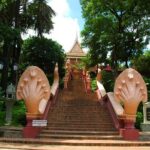
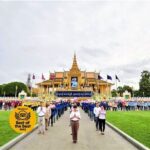
After the palace complex, you head to Wat Phnom, a temple founded on Phnom Penh’s “little mountain” by Daun Penh, known as Grandma Penh. The story is memorable: in 1372 she retrieved a log with five Buddha statues from a river, then arranged for a temple to be built to house them.
The guide’s version of the story includes the community part too. Grandma Penh and villagers built the temple on the hilltop and moved the four Buddha statues there. A goddess statue was placed in a shrine on the eastern side of the hill, which is where the site becomes more than just old bricks. It turns into a sacred spot for blessings and prayer.
What I like about this stop is the tone shift. Royal Palace is about nation and authority; Wat Phnom is about local spiritual roots. It also offers the kind of calmer pause you need before S21. You’re still in Phnom Penh, with its street-level reality, but you’re also rising toward a quieter perspective.
The practical side
Wat Phnom includes guided time and walking, with scenic views on the way. Bring your sun hat and insect repellent. Even with waters provided, the heat and sun can wear you down fast in Phnom Penh.
You can also read our reviews of more private tours in Phnom Penh



Independence Monument: a serene intermission on your way to S21
The route includes a stop at Independence Monument, built in 1958 and inaugurated in 1962 during the Sangkum Reastr regime. It also ties directly to the idea of sacrifice for the country’s welfare, which gives the monument more weight than a quick photo would suggest.
The description you’ll hear is that it’s captivating partly because of the cool, serene atmosphere. In other words, it’s a breather before the day turns darker. If your mind is already bracing for Tuol Sleng, a calm pause like this can help you stay present rather than numb.
You shouldn’t expect this to replace the big museum stops. It’s more of a mental reset point, and it fits well in the flow between Wat Phnom and the afternoon.
Tuol Sleng (S21): What the museum teaches you about routes to terror
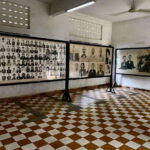
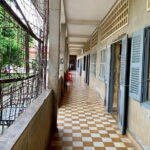
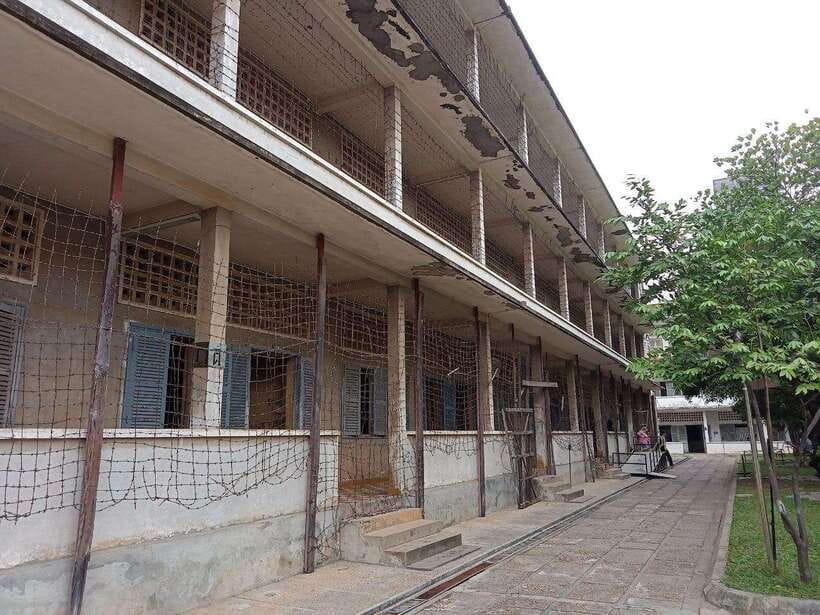
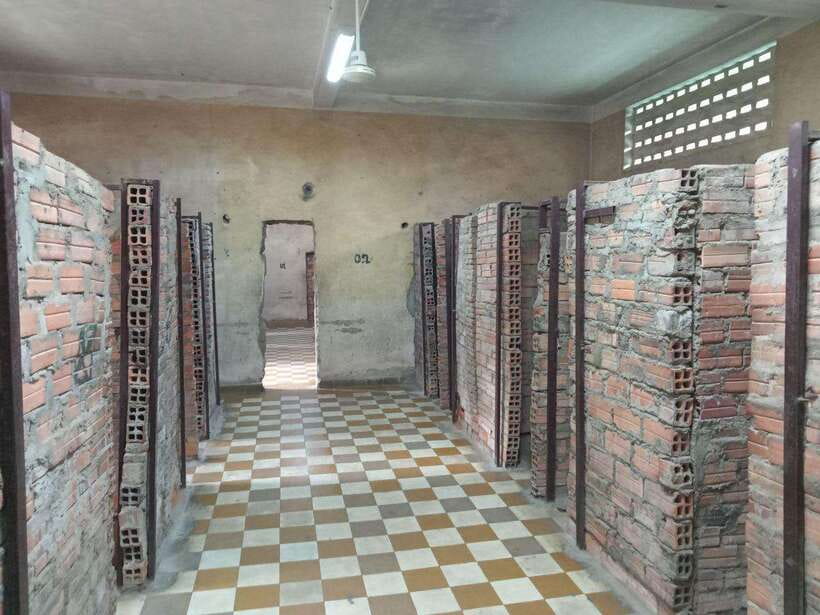
Tuol Sleng Genocidal Museum is the turning point of the day. The site was a former high school that the Khmer Rouge converted into a center for interrogation, torture, and death. Today, it’s a museum that exists to show what happened and to remind you of the atrocities Cambodia endured.
This isn’t a “light” visit. You’ll walk through the museum with a guide, and the details are described in the tour as a path through the system. The route is part of the message: people passed through the gates—17,000 is the number you’re given—and only seven lived to tell the tale.
That line lands harder when you’re inside the place. The tour’s structure helps, because you’re not left on your own to connect empty rooms to a full human story. The guide gives you the order of events and what each area represents.
Why a guided visit matters here
S21 can be overwhelming if you treat it like an ordinary museum. With a licensed guide, you’re better able to follow what you’re seeing and why it matters. The included safety briefing and the staged walking also help keep the visit controlled instead of chaotic.
If you’re sensitive to graphic history, consider pacing yourself. It’s okay to take your time and step back when you need a minute.
Choeung Ek Killing Field: A peaceful memorial built over mass graves
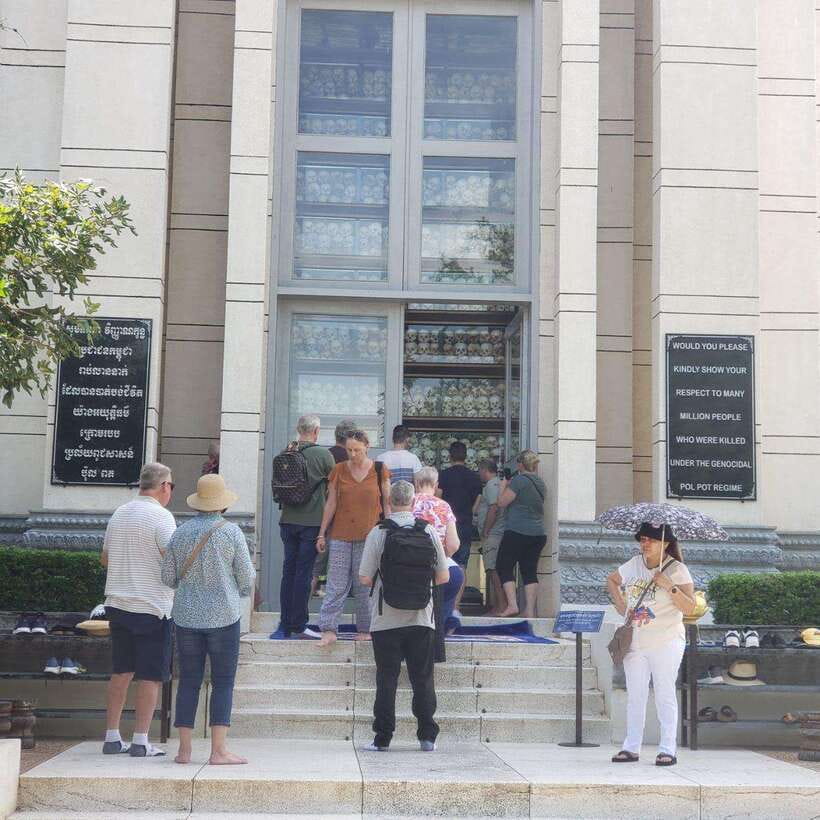
After Tuol Sleng, you continue to Choeung Ek, the Killing Field. The tour explains that prisoners from Tuol Sleng followed the same route to their fate. That connection matters because you’re not just seeing one site. You’re seeing parts of one system.
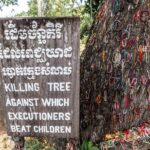
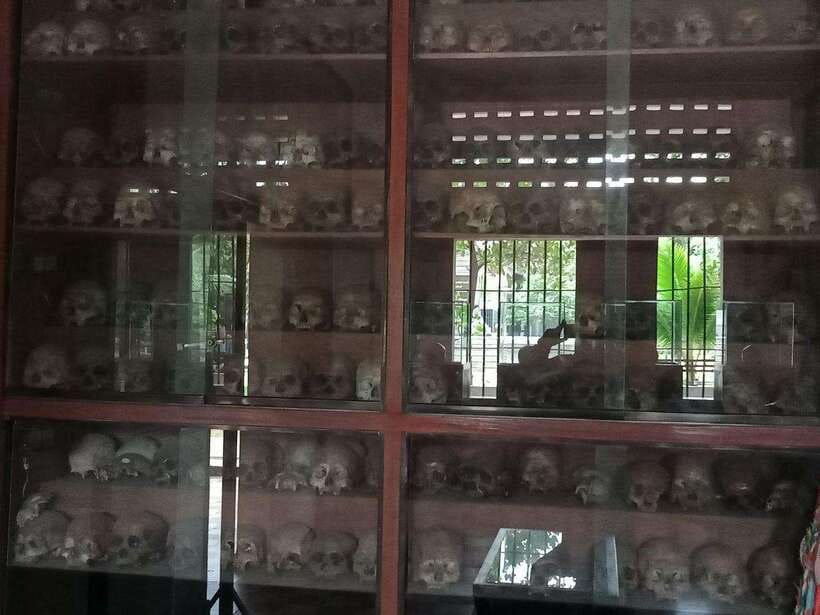
Choeung Ek is described as an old Chinese cemetery that was turned into an extermination camp for political prisoners. A memorial stupa at the site holds the remains of 8,985 people exhumed from mass graves. That number is part of the way the museum keeps the tragedy concrete, not vague.
What surprises many visitors is the description of the atmosphere. Despite the horror, it’s described as peaceful—a tranquil place to reflect on the events that engulfed Cambodia and its people. That calm is not meant to soften what happened. It’s meant to give you room to think and to remember.
The big takeaway for your day
This stop closes the emotional loop of the tour. You started with national symbols and spiritual tradition, then saw how a political regime turned ordinary life into an apparatus of terror. Ending in a memorial setting helps the day land with meaning instead of bouncing you out immediately to shopping streets.
Price and logistics: Is $75 a good deal?
At $75 per person for about 6 hours, the value depends on two things: what you want to avoid, and what you’re okay adding on top.
Here’s what you do get for that price:
- Private, air-conditioned transportation with a licensed driver
- A licensed English-speaking guide
- Hotel pickup and drop-off
- Toll roads and parking
- Cold waters and wipes
- Travel insurance
- Skip-the-line access through a separate entrance
You’re also getting control. Since it’s private, you’re not dragged by other group schedules. And for a day with both palace walking and museum time, that control matters. You’ll spend more of your energy on seeing and understanding, and less on “when do we go again” stress.
The add-on you should plan for is entrances. Tickets for Royal Palace and the major museum sites are not included. So your real total cost will be higher than $75 once you pay entry fees.
If you’re traveling as a couple or small group, this tour often makes sense because the private transportation + guide cost is spread across fewer people than a larger group day.
Who this tour suits best (and who should pick something else)
This is a strong fit if you want:
- A focused Phnom Penh day with private comfort
- Guided context at the emotionally heavy sites
- A clear route that pairs major highlights rather than random detours
It’s less ideal if you:
- Need wheelchair access (the tour is not suitable for wheelchair users)
- Rely on visual accessibility support (the tour is not suitable for visually impaired people)
- Want a day that’s mostly “light” sightseeing. S21 and Killing Field are heavy by design.
Should you book this Phnom Penh private day?
I think you should book it if you want a structured, guided route that balances Cambodia’s visible symbols (Royal Palace and Wat Phnom) with its painful history (Tuol Sleng and Choeung Ek). The private transport and separate entrance help you keep the day efficient, and the licensed guide keeps you from turning museum time into guesswork.
I’d hesitate only if you know S21 and Killing Field will be too much for your current state of mind, or if you’d rather avoid paying entrance fees on top. In that case, you might choose a shorter or more selective day.
If you do book, come prepared: cash for entrances, a hat and insect repellent, and your camera ready. This is one of those Phnom Penh days where you’ll remember details long after you leave the city.
FAQ
How long is the private tour?
It runs for about 6 hours. The exact starting times vary, so you’ll want to check availability for your preferred time.
Is this tour private or shared?
It’s a 100% private tour. Your group does not join other guests.
Does the tour include hotel pickup and drop-off?
Yes. Pickup and drop-off are included at your hotel lobby in Phnom Penh. You’ll provide the hotel name and address so the guide and driver can meet you.
What transportation is included?
You get private transportation in an air-conditioned vehicle with a licensed driver, plus toll roads and parking are included.
Are entrance fees included for Royal Palace, Tuol Sleng, and Killing Field?
No. Entrance fees for the Royal Palace and the key sites (Tuol Sleng and Killing Field) are not included.
Does the tour have a separate entrance to skip lines?
Yes. The tour includes skip-the-line access through a separate entrance.
What is included in the package besides transport?
A professional English live guide, cold waters and wipes, travel insurance, and a licensed driver are included.
What should I bring?
Bring a sun hat, camera, cash, and biodegradable insect repellent.
Is the tour suitable for wheelchair users or visually impaired people?
No. It is not suitable for wheelchair users or visually impaired people.
Is cancellation flexible?
Yes. You can cancel up to 24 hours in advance for a full refund.