REVIEW · SIEM REAP
Private Siem Reap 4 Days: Full Exploration of the Angkor Complex
Book on Viator →Operated by About Cambodia Travel & Tours · Bookable on Viator
Four days, one big ancient brain teaser. This private Angkor program is built around the moments that make Angkor feel real: a 4:30 AM start for Angkor Wat sunrise and a late-day sunset viewing, plus a licensed English guide who turns stone carvings into understandable stories. It’s not just a checklist—it’s a smooth way to see a lot of ground without losing your mind.
What I like most is the private, air-conditioned vehicle and the daily rhythm it creates. You get hotel stay options from 3- to 5-star categories (with daily breakfast), an English-speaking licensed guide, and admission fees handled, so you can focus on temples instead of logistics. One consideration: the schedule is early and full. Expect long temple days, and expect crowd pressure at the headline sites.
There’s also a useful human element. In previous trips with this company, guides such as Sara, Sok, Dorn, Meng, and Leap have been praised for clear English, country stories, and flexibility; drivers named Paul, Lym, Deab, and others are often mentioned for safe, on-time driving. If you want deep explanations, this is the kind of tour where you can ask questions and get real answers.
In This Review
- Key things to know before you go
- Four days, one plan: how the private format helps
- Angkor Wat sunrise at 4:30 AM: worth the alarm
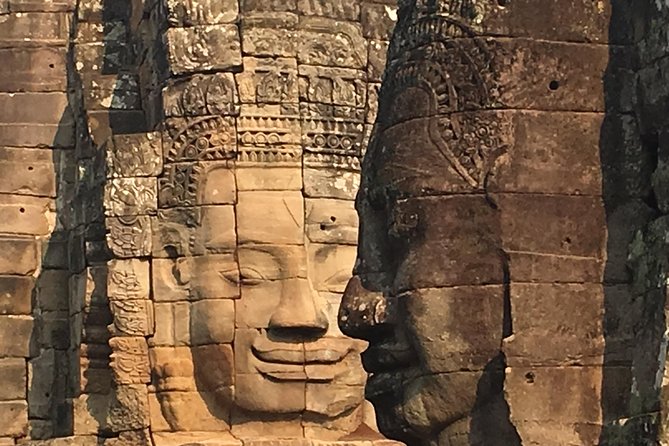
- Angkor Thom and Bayon: the stone faces hit harder in person
- Angkor Thom South Gate
- Bayon Temple
- Baphuon, Phimeanakas, and the palace area
- Ta Prohm: enjoying the trees without fighting for space
- Small Circuit day: Banteay Srei through Preah Khan
- Banteay Srei: the “precious gem” energy
- Banteay Samre and Pre Rup: design contrasts
- Ta Som and Neak Pean: quieter stops with a calm pace
- Preah Khan: long, immersive and story-friendly
- Sunset reality check: Srah Srang vs Phnom Bakheng
- Tonlé Sap and Kampong Phluk: the Cambodia add-on that matters
- Tonlé Sap Lake
- Kampong Phluk Floating Village
- Return to Siem Reap and airport
- Price and value: what $375.06 is really buying
- The human factor: licensed guides and the question-answer style
- Getting the most from each day (without adding stress)
- Who should book this private Angkor program
- Should you book Private Siem Reap 4 Days?
- FAQ
- What’s the duration of this Siem Reap Angkor tour?
- Does the tour include airport transfers?
- Is a licensed English-speaking guide included?
- Are temple admission fees included?
- Are meals included?
- What hotel categories are offered?
- What’s included in the tour price?
- Can I cancel and get a refund?
Key things to know before you go
- Early-morning Angkor Wat pickup at 4:30 AM makes sunrise actually happen, not just in theory.
- Grand and Small Circuit coverage helps you see both the famous and the quieter temple faces.
- Licensed English-speaking guide means history, symbolism, and context get explained, not guessed.
- Hotel breakfast included plus daily transfers keeps the pacing sane.
- Tonlé Sap and Kampong Phluk give you a Cambodia view beyond Angkor stone.
- Sunset stop has two signals (Phnom Bakheng in the overview, Srah Srang in the day-by-day). Ask which viewpoint you’ll use.
Four days, one plan: how the private format helps
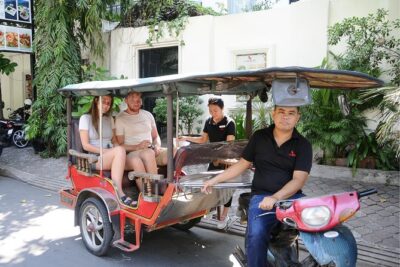
Angkor is massive. On a DIY day you’ll spend time juggling tickets, routes, tuk-tuks or car seats, and timing. On this private format, you get a driver and a guide working as a team, so the day feels organized instead of rushed.
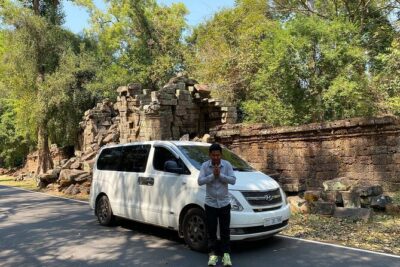
You’ll move by air-conditioned vehicle through Siem Reap and into the Angkor Archaeological Park. During the touring time, the package includes water and fresh tissue—small items, but they matter when you’re sweating in temple heat.
The biggest practical advantage is timing. Angkor’s best light happens early (sunrise) and late (sunset). When you don’t control those windows, you end up at temples while the best photos are already gone. Here, sunrise and sunset are built into the schedule.
You can also read our reviews of more private tours in Siem Reap
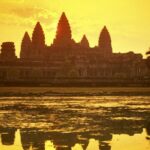

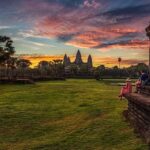
Angkor Wat sunrise at 4:30 AM: worth the alarm

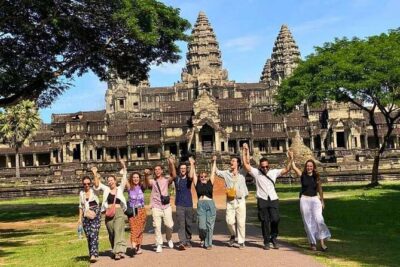
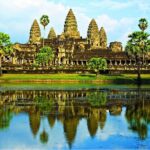
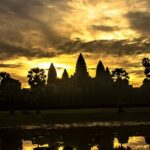
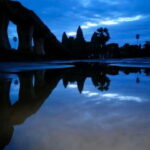
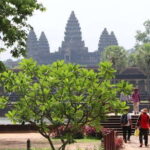
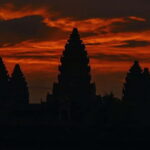
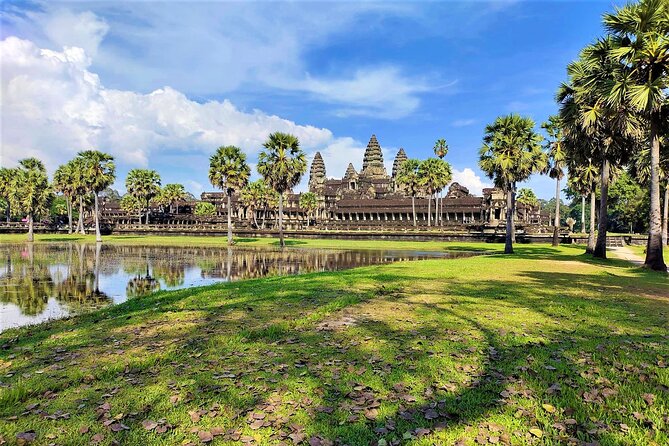
Angkor Wat is the headline for a reason. Even if you’ve seen photos, being there at sunrise changes the feeling. The sky goes from dark to color while the temple silhouette stays still.
This tour picks you up from your hotel lobby at 4:30 AM for sunrise at Angkor Wat. That timing is the difference between watching sunrise from a distance and actually being in position early enough to enjoy the first light.
What you should do during that early window:
- Be ready for cold-to-warm temperature swings. Morning can feel cooler than midday.
- Stay near your preferred viewpoints before the light peaks. The crowd settles into habits fast.
- Bring a hat and sunscreen anyway. You’ll be standing in bright sun soon enough.
Admission for Angkor Wat is included, so you’re not hunting for tickets at the last second.
Angkor Thom and Bayon: the stone faces hit harder in person
After sunrise, the tour continues with Angkor Thom, including the South Gate and key inner structures.
Angkor Thom South Gate
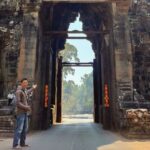
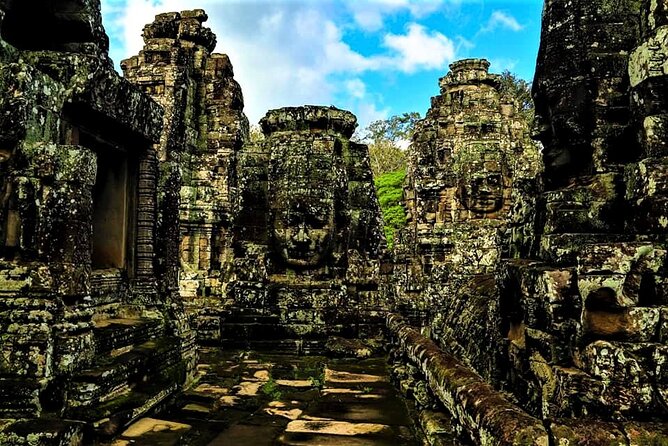
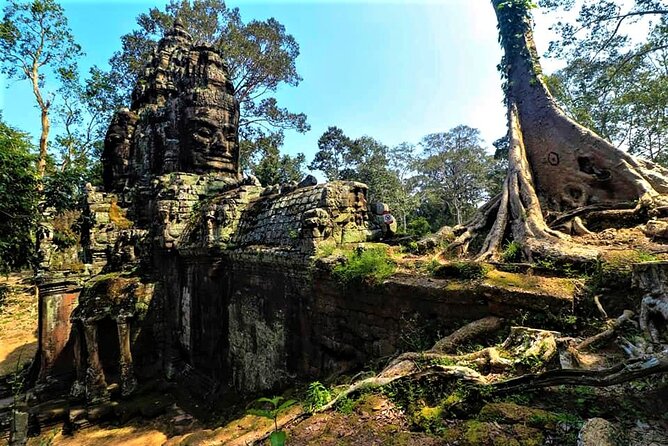
The South Gate is a main entry route into Angkor Thom from Angkor Wat. It’s fully restored in the program and features many of the carved head elements still in place. This gate is a good starting point because it gives you a clear sense of arrival and scale.
Bayon Temple
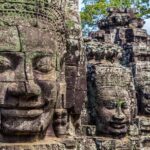
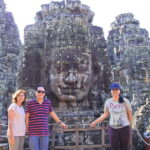
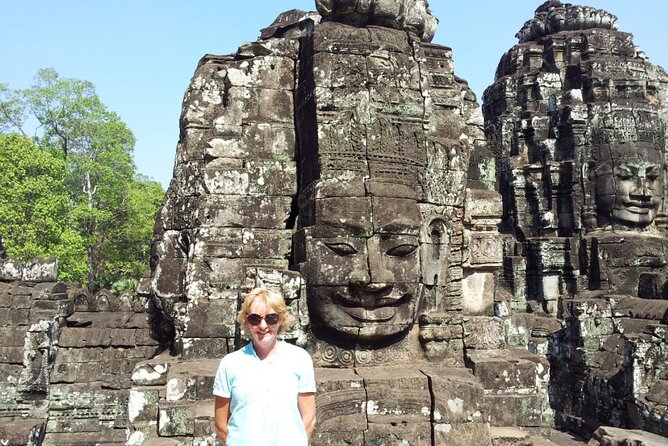
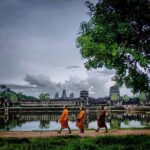
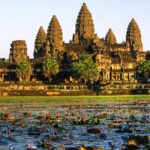
Bayon is where the famous faces take over. Built nearly a century after Angkor Wat, it sits in the center of the royal city. The guide’s job here is crucial: without explanation, Bayon can feel like impressive stone decoration. With a good guide, the faces become a way to read royal power and Buddhist cosmology in stone.
You can also read our reviews of more tours and experiences in Siem Reap
Baphuon, Phimeanakas, and the palace area
You also get stops such as:
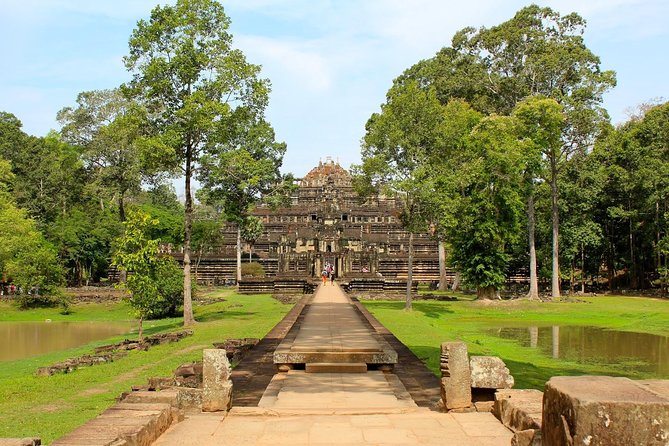
- Baphuon, known for a stepped, rectangular base and its multi-level feel.
- Phimeanakas near the royal palace enclosure area.
- Terrace of the Elephants with its storytelling reliefs.
- Terrace of the Leper King, known for dramatic bas-reliefs from Jayavarman VII’s reign.
- Ta Nei, a late-12th-century stone temple near the East Baray area.
These are not just “more temples.” This group forms a sense of how Angkor Thom functioned—religion, governance, and ritual spaces packed into one walled world.
A practical tip: the best way to enjoy these stops is to slow down for 5 minutes at each relief area. Even if you move on quickly, the guide’s explanations help you notice details you’d otherwise miss.
Ta Prohm: enjoying the trees without fighting for space
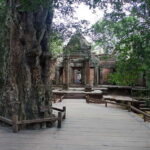
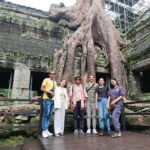
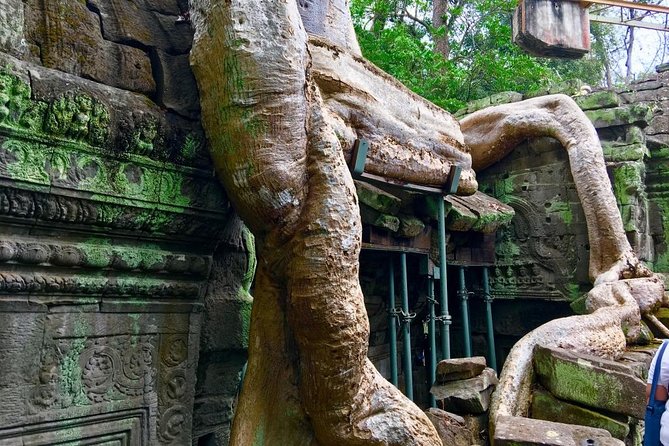
Ta Prohm is famous for a reason: it’s where nature and stone wrestle in a way that looks dramatic even at midday. The program includes it as a major stop, with a visit time that gives you a chance to see the temple from multiple angles.
What I like about including Ta Prohm inside a longer structured day is that you’re not only dealing with one crowd-heavy site. You move from Bayon and the palace terraces into Ta Prohm’s more atmospheric ruins, which breaks up the intensity.
You might expect:
- Lots of photo opportunities, because the temple’s framing with roots and branches invites it.
- Uneven footing on cleared paths and temple edges.
If you prefer quieter temple experiences, the day still includes enough other stops (like Banteay Kdei and Srah Srang on the same day) to balance Ta Prohm’s busier atmosphere.
Small Circuit day: Banteay Srei through Preah Khan
Day 3 leans into the parts of Angkor that feel more intimate and craft-focused. It’s great if you care about carving detail and temple design.
Banteay Srei: the “precious gem” energy
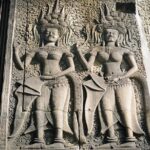
Banteay Srei is described as a precious gem and a jewel in Khmer art by French archaeologists. In practice, this stop tends to feel like Angkor but scaled in a way that makes the carvings easier to study.
You’ll have time to wander and see why this temple has a reputation for fine workmanship.
Banteay Samre and Pre Rup: design contrasts
Next you’ll go to Banteay Samre, including a note about restoration methods (anastylosis) and the reality that maintenance levels have changed over time. That matters because it affects what you can see and how “complete” the ruins feel.
Then comes Pre Rup, which is known for bold architectural design and strong balance in proportion. If you like temples that feel symmetrical and “composed,” Pre Rup delivers.
Ta Som and Neak Pean: quieter stops with a calm pace
The itinerary includes Ta Som, described as smaller and more quiet, with the interesting reminder that fig trees once shaped parts of the entrance towers’ look. Then Neak Pean, centered on a square man-made pond with surrounding steps and four smaller elements.
These are great breaks from the biggest crowds. They also work well if you’re traveling with family or anyone who gets tired of constant crowds and long lines.
Preah Khan: long, immersive and story-friendly
Preah Khan sits on the Grand Circuit, built in the second half of the 12th century and dedicated to the king’s father. In my opinion, this stop benefits most from a guide who explains what you’re looking at beyond the basics.
You’ll also include Srah Srang again at the end of the day as a sunset viewing stop (more on that timing later).
Sunset reality check: Srah Srang vs Phnom Bakheng
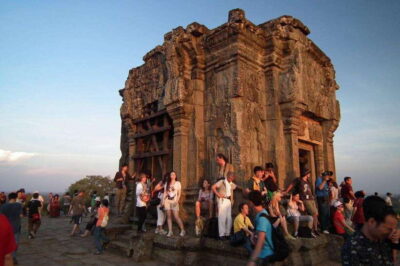
The tour overview mentions Phnom Bakheng sunset, but the day-by-day schedule specifically lists Srah Srang as the sunset viewing time. That’s not unusual in tour planning, because sunset points can be adjusted based on conditions, crowds, or access.
My advice: when you book or when you’re picked up, ask the guide one clear question: Which sunset viewpoint will we use on your dates—Phnom Bakheng or Srah Srang?
Either way, you’ll get the benefit of a planned late-day stop rather than random wandering in the last hour of daylight.
Tonlé Sap and Kampong Phluk: the Cambodia add-on that matters
Day 4 shifts away from temple stone to Cambodia’s water world.
Tonlé Sap Lake
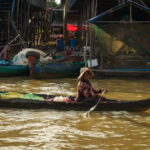
You’ll visit Tonlé Sap Lake, one of Southeast Asia’s largest freshwater lakes and part of the Mekong system. It’s included as a 2-hour stop, which is a realistic length for seeing the environment and getting context.
Kampong Phluk Floating Village
Then you’ll go to Kampong Phluk Floating Village, a well-known place to understand daily life connected to the Tonlé Sap water cycle. This is a good balance after days spent inside the Angkor Archaeological Park.
Even if you’re only there for a short time, it changes your mental map of the country. Angkor is only one chapter of Cambodia.
Return to Siem Reap and airport
The day ends with transfer back to Siem Reap International Airport for your flight.
Price and value: what $375.06 is really buying
At $375.06 per person, the value comes from what’s bundled.
Included in the package:
- Hotel stay (double/twin sharing) with daily breakfast, with options from 3-star to 5-star categories
- An English-speaking licensed guide
- Admission fees for the tour sights
- Private transfers by air-conditioned vehicle
- Water and fresh tissue during the tour
- Airport pickup/transfer on day 1 and day 4
Not included:
- Tips for the guide and driver
When you judge value, treat this as a “time-saver + ticket-handling + guide explanation” product. If you tried to DIY this itinerary, you’d likely spend more (vehicle rental, tickets, guide time, and the friction of coordinating routes), and you’d miss the sunrise timing advantage.
The sweet spot is that you’re paying for a plan that helps you see a lot of Angkor without feeling like you’re constantly solving problems.
The human factor: licensed guides and the question-answer style
One reason this Angkor format tends to work is that the guide’s role is more than narration. In examples of this company’s tours, guides such as Sara, Sok, Dorn, Meng, and Leap are described as friendly, professional, and very good at explaining details in clear English. Drivers named Paul, Lym, and Deab are often mentioned for safe and warm service.
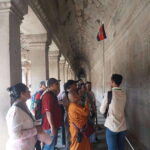
This matters for you because Angkor is full of symbols and weird little transitions (a face here, a terrace there, a reservoir role, a temple added centuries later). A guide who can answer questions helps you turn “I saw it” into “I understand why it looks like that.”
Also, several notes highlight flexibility. That’s not a marketing promise. In real life, it can mean adjusting time so you don’t get stuck at one spot while your group cooks in the sun.
Getting the most from each day (without adding stress)
This schedule is full. To make it enjoyable, I’d plan your comfort strategy around heat and early starts.
- Start your mornings ready to go. The 4:30 AM pickup means you can’t sleep in or “take your time” getting ready.
- Keep a light layer for early temple air, but don’t skip sun protection later.
- Bring a small bottle of water if you’re sensitive to thirst, even though water is provided during the tour.
- Wear shoes that handle stone dust and uneven steps.
The itinerary also spreads out temple types: major icons (Angkor Wat, Bayon) plus palace terraces and jungle ruins (Ta Prohm) plus smaller craft-focused stops (Banteay Srei). That pacing helps you stay interested instead of just blinking at another doorway.
Who should book this private Angkor program
This is a strong fit if you:
- Want a private, guide-led plan rather than a crowded group day
- Care about explanations, not just photos
- Prefer hotel pickup and private vehicle comfort
- Want your trip to include Tonlé Sap rather than returning to Siem Reap right after temples
You might choose differently if you:
- Hate early mornings and long days
- Only want the absolute top two or three temples and nothing else
- Are trying to travel ultra-budget with zero paid guide time
Should you book Private Siem Reap 4 Days?
If you want a practical way to see Angkor’s big hitters and the quieter corners within 4 days, this private format makes sense. The early Angkor Wat sunrise start, the licensed English guide, and the included admissions plus vehicle support are exactly the ingredients that help you enjoy Angkor instead of managing it.
My main “wait and ask” point is the sunset viewpoint. Because the overview points to Phnom Bakheng while the schedule lists Srah Srang, confirm the exact sunset stop when you book.
If that’s settled and you’re comfortable with early starts, I’d say yes. This is the kind of plan that turns a once-in-a-lifetime temple visit into a smooth, understandable story you’ll remember.
FAQ
What’s the duration of this Siem Reap Angkor tour?
The experience is listed as 4 days (approx.).
Does the tour include airport transfers?
Yes. There is pickup/welcome at Siem Reap Angkor International Airport on day 1, and a transfer back to the airport on day 4.
Is a licensed English-speaking guide included?
Yes. The tour includes an English speaking license tour guide.
Are temple admission fees included?
Yes. All admission fees for the tour sights are included.
Are meals included?
Yes. The tour includes breakfast (3), with daily breakfast included at your hotel.
What hotel categories are offered?
You can choose from 3-star, 4-star, or 5-star hotels (the exact options listed include Royal Crown Hotel & Spa, Kulen Central Mall Hotel, and Angkor Paradise Hotel or similar).
What’s included in the tour price?
The price includes hotel stay (double or twin sharing), guide, admissions, air-conditioned vehicle transfers, and water/fresh tissue during the tour.
Can I cancel and get a refund?
Yes. You can cancel up to 6 days in advance for a full refund (with reduced refunds available if you cancel closer to the start date, as stated in the policy).