REVIEW · SIEM REAP
Siem Reap: Angkor Wat Small-group Sunrise or Sunset Tour
Book on GetYourGuide →Operated by Angkor Wat Combine Tours · Bookable on GetYourGuide
Angkor Wat in first light changes the whole day. This Siem Reap tour gives you sunrise at Angkor Wat plus three more major temple stops, all with an English-speaking guide and transport that keeps the logistics simple. I especially like the way the schedule builds from iconic Angkor Wat into Angkor Thom and then out to the calmer, less crowded temple world.
The main thing to watch is the guide variable. In the best cases, the guide turns stone carvings into stories and helps you nail the best photo spots. In a weaker case, you might get less temple context and you can end up mostly exploring on your own, which is a shame when the ticket price for Angkor Wat is on you.
In This Review
- Fast Facts That Matter
- How the Morning Starts in Siem Reap
- Angkor Wat Sunrise: Western Entrance and Photo Rhythm
- Inside Angkor Wat: Vishnu Origins, Buddhist Life, and Carving Details
- Bayon Temple: 54 Towers, Smiling Faces, and Battle-Era Carvings
- Ta Prohm: Jungle Roots, “Unrestored” Feeling, and Photo Windows
- Banteay Kdei: Peaceful Chambers and a Calmer Finish
- Price and Value: What $12 Really Buys (and What It Doesn’t)
- Guide Quality Makes or Breaks This Day
- Who This Tour Fits Best
- Should You Book This Siem Reap Sunrise Tour?
- FAQ
- Are temple tickets included?
- How long is the tour?
- What’s the pickup time in Siem Reap?
- Do I get an English-speaking guide?
- Is transportation included?
- Is water provided?
- What temples are visited?
- Is it allowed to bring alcohol or drugs?
- Is there free cancellation?
Fast Facts That Matter
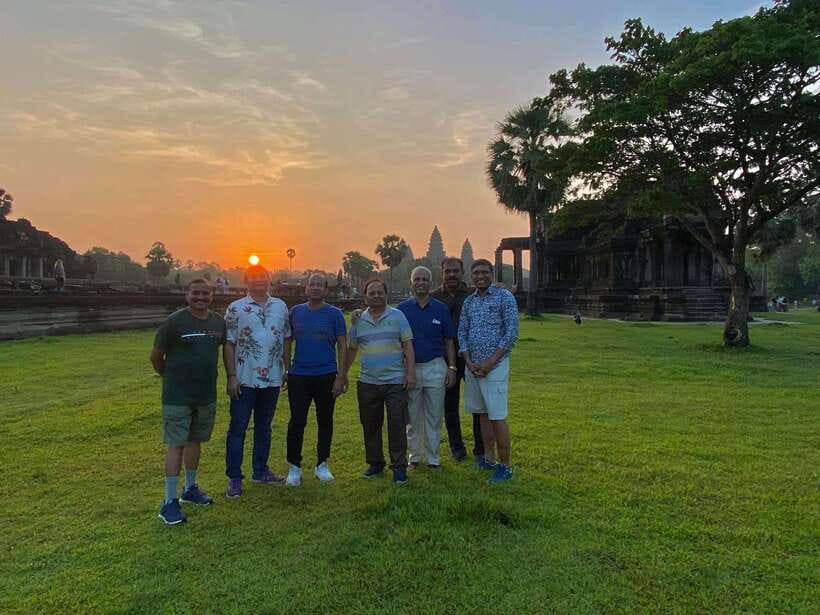
- Western entrance sunrise timing: you start Angkor Wat from a lesser-used approach for great early views before crowds.
- Guided walking at each temple: Angkor Wat, Bayon, Ta Prohm, and Banteay Kdei all include guided time.
- Bayon’s 54 towers and 200+ faces: you’ll focus on the smiling faces and the carved scenes around them.
- Ta Prohm’s tree roots, left largely unrestored: expect a real jungle-temple feel and major photo moments.
- Skip-the-ticket-line advantage: you handle tickets separately, but the process is meant to be smoother.
- Air-conditioned minibus ride: breaks up the day and keeps you comfortable between sites.
How the Morning Starts in Siem Reap
Your day begins with pickup from the Krong Siem Reap hotel zone, and you’ll meet your guide in the lobby during the pickup window (8:15am to 9:00am). From there, it’s a straightforward ride by air-conditioned minibus toward the Angkor Archaeological Park, about 45 minutes out.
This is one of those tours where “on time” matters. Sunrise only works if you’re already positioned when the sky begins to lighten. If you’re the type who enjoys photos, you’ll be glad they plan time for a sunrise photo stop and then enough walking time afterward rather than rushing you in and out.
One small practical note: you’re responsible for temple tickets. That means you should plan a little extra buffer for ticket purchase on arrival and bring the payment method you prefer. Your tour includes skipping the ticket line, but the tickets themselves are not included.
You can also read our reviews of more evening experiences in Siem Reap

Angkor Wat Sunrise: Western Entrance and Photo Rhythm
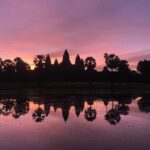
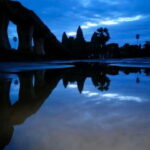
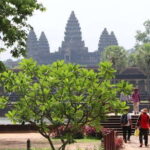
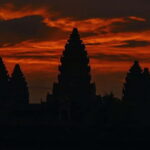
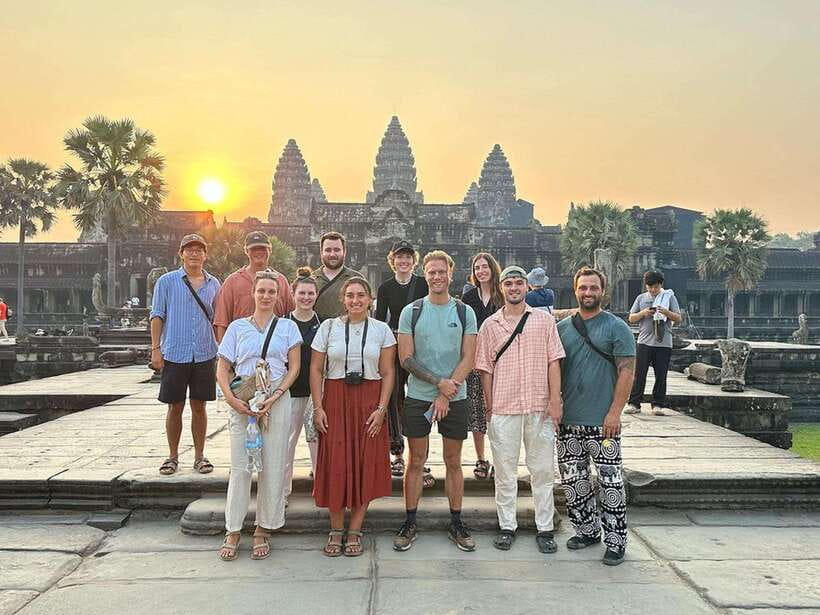
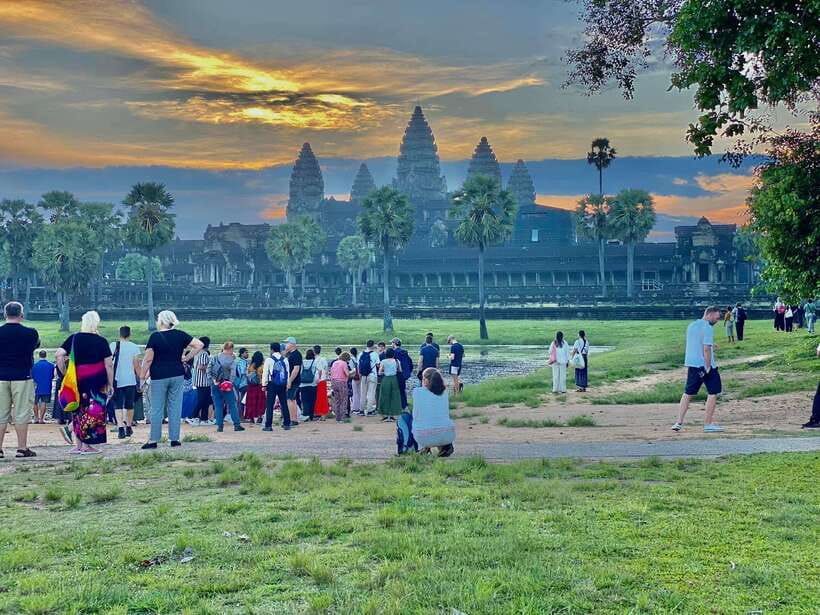
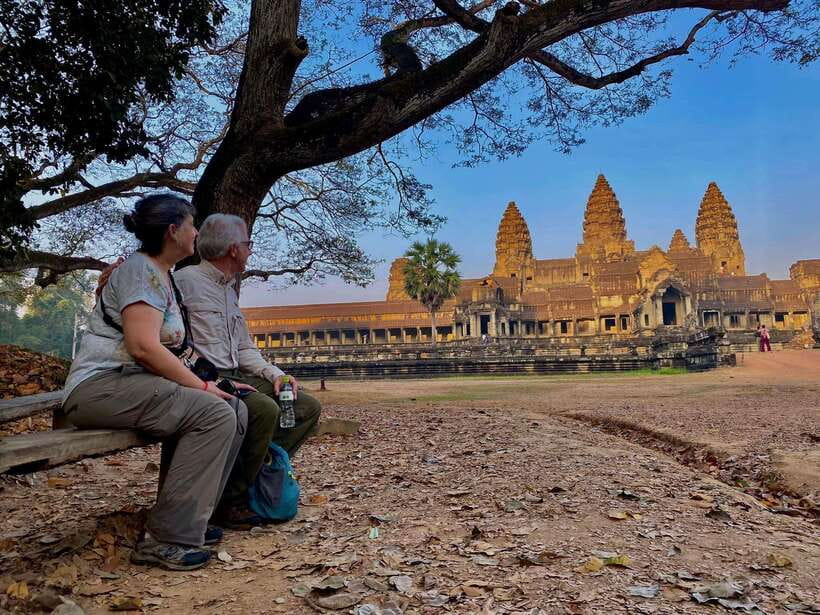
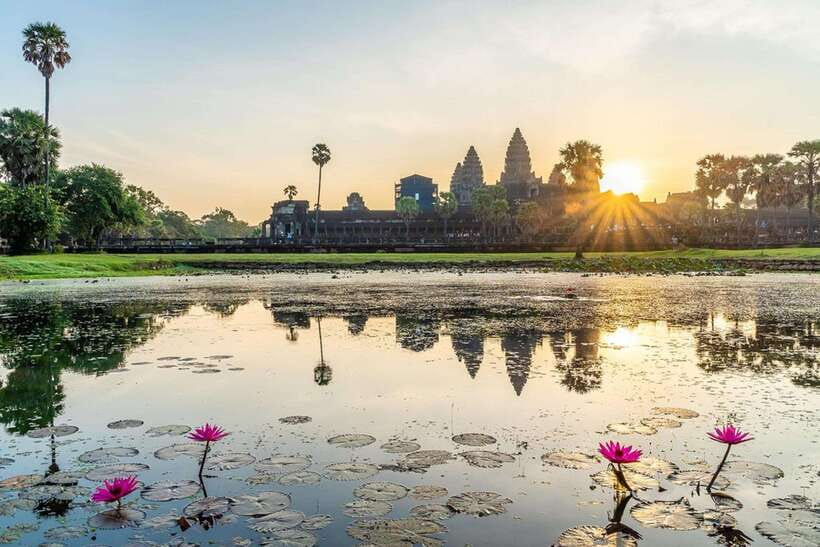
Angkor Wat is the reason you get up early. The tour heads through the little-visited western entrance, then sets you up for sunrise with a chance to photograph the iconic towers reflected in the moat. This timing is key: in early light, Angkor Wat looks more sculpted and less flat, and the air feels quieter.
I love how the tour doesn’t treat sunrise as a two-minute stunt. You get a dedicated sunrise window (the Angkor Wat segment runs about 3 hours) with time to watch the light shift and to take photos before the main flow arrives. If you hate feeling rushed at landmarks, that extra breathing room helps.
Also, keep your expectations realistic. Sunrise photos can be a bit chaotic everywhere because everyone’s looking at the same sky. The guide can help by pointing you to good angles and timing your shots. In strong-guide situations, that part feels like a cheat code.
If you want the sunrise, you’ll likely be walking on uneven ground. Comfortable shoes matter. So does sun protection. Water is provided, but bring a hat or something that makes heat less annoying.
Inside Angkor Wat: Vishnu Origins, Buddhist Life, and Carving Details
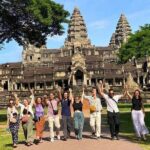
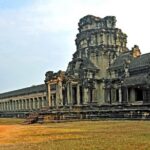
After sunrise, the tour moves into exploring Angkor Wat itself. You’ll see the grand galleries and the central sanctuary, and you’ll get context on how the site began as a Hindu temple dedicated to Vishnu and later became a Buddhist site.
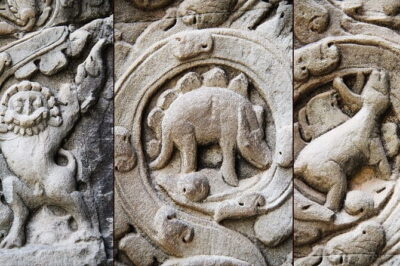
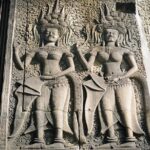
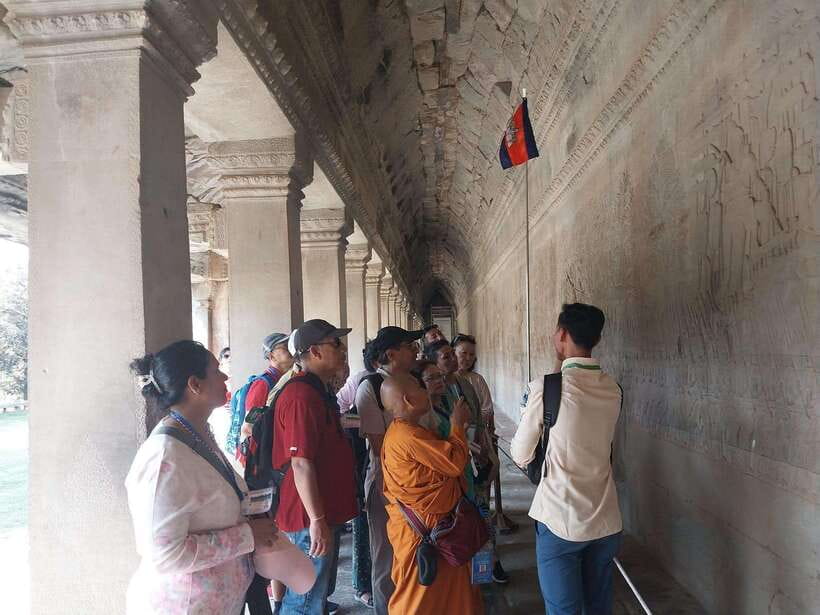
What I like here is that the guide isn’t only telling you where to stand. A good guide helps you read the stone. You’ll notice bas-reliefs tied to Hindu mythology, and you’ll start recognizing how the architecture guides you through the story of the place. When the guide explains the meaning behind carvings and layouts, the temple stops being just big and becomes understandable.
This is also where guide quality becomes the difference between a great morning and a frustrating one. A strong English guide can connect daily-life carvings, religious symbolism, and the way the complex is organized. A weaker guide can leave you staring at details without the thread that makes them click. If temple history and symbolism matter to you, ask questions early. You’ll usually get a better experience if you set that tone right away.
Bayon Temple: 54 Towers, Smiling Faces, and Battle-Era Carvings
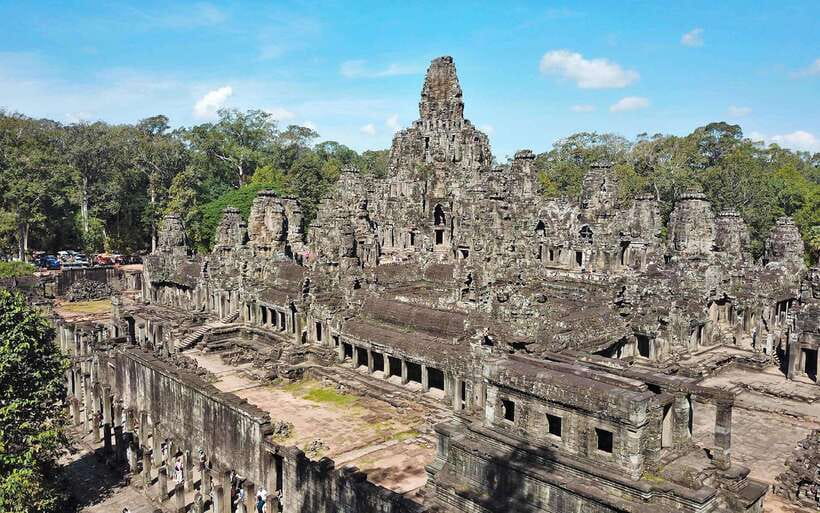
Bayon Temple sits in the center of Angkor Thom, and it’s one of Angkor’s most distinctive looks. Your stop here includes photo time plus guided walking (about 1 hour total), so you’re not stuck standing still while the group moves on.
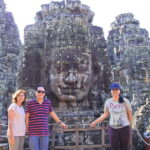
The headline is obvious: 54 towers topped with massive stone faces, each tower showing four faces of Avalokiteshvara. But what makes it memorable is the carved world around those faces. The tour highlights the intricate carvings that show scenes of daily life and historical battles. That mix matters because it turns Bayon from a symbol into evidence of what people did and fought for in their time.
One practical tip: the faces feel symmetrical, but the carvings shift with your viewing angle. If you only photograph from one spot, you’ll miss variations in expression and detail. If your guide is the hands-on type, they can help you reposition and choose angles quickly.
Ta Prohm: Jungle Roots, “Unrestored” Feeling, and Photo Windows
Then comes Ta Prohm, the temple people recognize instantly once they see the towering roots. You’ll have a break period (the schedule includes breakfast/lunch downtime around this part of the day), then you’ll return for more focused time at the temple. The tour includes guided walking here in a way that gives you both recovery time and a second chance to slow down and photograph.
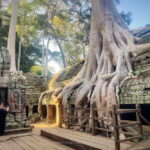
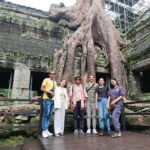
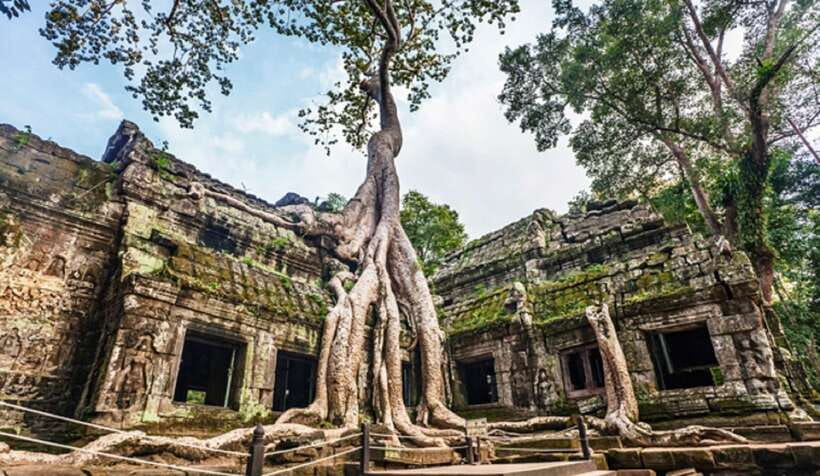
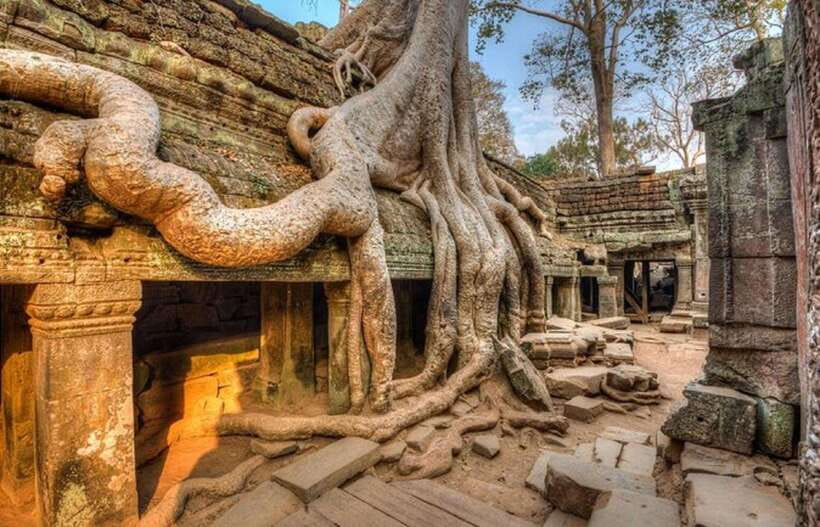
Ta Prohm is famous for massive tree roots growing over ruins, creating that jungle-temple effect. The tour also notes it was left largely unrestored, which is why it still feels like you’re stepping into a landscape of tangled growth rather than a perfectly cleaned museum set.
There’s also a pop-culture connection: Ta Prohm became world-famous through the movie Tomb Raider starring Angelina Jolie. Even if you’re not chasing cinematic references, the point stands—this is a visual scene that grabs you. The roots make natural frames for your photos, and the contrast between pale stone and darker wood looks great in morning light.
If you’re a photographer, don’t just chase the biggest root shot. Look for textures: root patterns over carvings, stones tilted with time, and small details that sit halfway between ruin and structure. A good guide can steer you toward photo spots and help you take pictures in a way that doesn’t keep your group waiting.
You can also read our reviews of more tours and experiences in Siem Reap
Banteay Kdei: Peaceful Chambers and a Calmer Finish
After Ta Prohm, the tour continues to Banteay Kdei, which means Citadel of Chambers. This is the quieter temple in the lineup, and that contrast is part of the value. While Angkor Wat and Bayon are major drawcards, Banteay Kdei gives you a different mood: serene corridors, unique carvings, and a partially ruined atmosphere that feels more mysterious than grand.
The schedule keeps this stop shorter (about 45 minutes of guided time plus walking). That can be perfect at the end of a long day. By this point, your legs will want a lighter load, and your brain will enjoy a slower pace.
If you like “less crowded” temples, this is where you’ll feel it. You get the sense of a lived-in sacred space rather than a photo factory. It’s also a good moment to look at temple architecture beyond the biggest icons, because Banteay Kdei rewards close attention to the shape and rhythm of corridors and chamber-like structures.
Price and Value: What $12 Really Buys (and What It Doesn’t)
At $12 per person, the headline price is easy to like. But the smart way to think about value is this: you’re paying mainly for the guide, the transport, and the structured route, not for the temple entrance fees.
Temple tickets are not included, and Angkor Wat ticket costs can be significant on your total day budget. That said, this tour includes skip-the-ticket-line, which matters. It reduces waiting time, which is the difference between enjoying the sunrise and watching it disappear behind your bureaucracy line.
You also get drinking water and a full day that covers multiple high-impact temples. If you’re in Siem Reap for a limited number of days, one guided day can be more efficient than piecing together separate tuk-tuk rides plus self-guided temple hopping.
Still, the biggest value factor isn’t the price. It’s whether your guide delivers context well. In the best cases, the guide makes you understand why things look the way they do. In weaker cases, you can end up paying for a ticket-rich day with fewer meaningful explanations.
Guide Quality Makes or Breaks This Day
The tour runs with an English-speaking guide, but English clarity and explanation style can vary.
On the positive end, I’ve seen guides like Kosal praised for personality, humor, and for tailoring explanations to what people care about—religious stories, building techniques, and history behind the temples. The best part in those situations is often practical: knowing good photo spots and taking time to get photos for each group member. That turns a temple day into something you can actually remember, not just something you survive.
Another guide name you might hear is David, known for generous energy and teaching you plenty along the way. When a guide keeps the pace friendly and the stories clear, the carvings stop being random.
On the caution side, there’s also a case where Noon was described as explaining very little about temples and needing work with English. The result was less connection between the facts shared and the temples you were actually standing in. That can happen on any tour line, so here’s your counter-move: ask one simple question at the start of each major site. If you don’t get a clear, temple-specific answer, you’ll know to adjust your expectations and focus more on self-exploration.
Who This Tour Fits Best
This is a good fit if you:
- Want a guided day covering Angkor Wat, Bayon, Ta Prohm, and Banteay Kdei without navigating transport and timing.
- Care about sunrise timing and want help with photo placement.
- Prefer an English guide and structured stops over doing it all solo.
It might be less ideal if you:
- Want deep historical explanations at every site no matter what, because guide quality can swing.
- Are hoping the tour tickets are included, since you’ll buy entrance fees separately.
- Dislike walking and guided walking segments, since the route includes frequent strolls between stops.
Should You Book This Siem Reap Sunrise Tour?
Book it if you want the classic Angkor arc in one day—Angkor Wat at sunrise, then Angkor Thom, then the jungle-root spectacle of Ta Prohm, ending with a quieter temple like Banteay Kdei. The low base price makes it tempting, and the guided structure helps you get the most out of limited time in Siem Reap.
Consider choosing a different format if temple explanation is your top priority and you’re worried about guide variability. If you do book this one, your best strategy is simple: show up ready to ask questions, and use the photo time wisely. When the guide is on form, this day turns into a story you can actually read in the stone.
FAQ
Are temple tickets included?
No. Temple entrance fees are not included, and you’ll purchase them yourself at the park. The tour includes skip-the-ticket-line to help with timing.
How long is the tour?
The tour runs for 8 hours.
What’s the pickup time in Siem Reap?
Pickup is included from your hotel lobby during the 8:15am–9:00am window.
Do I get an English-speaking guide?
Yes. The tour includes an English-speaking live guide.
Is transportation included?
Yes. You’ll travel by air-conditioned minibus between Siem Reap and the Angkor Archaeological Park, with pickup and drop-off included.
Is water provided?
Yes. Drinking water is included.
What temples are visited?
The tour includes Angkor Wat, Bayon Temple, Ta Prohm, and Banteay Kdei.
Is it allowed to bring alcohol or drugs?
No. Alcohol and drugs are not allowed.
Is there free cancellation?
Yes. You can cancel up to 24 hours in advance for a full refund.