REVIEW · SIEM REAP
3-Day Angkor Wat & All Interesting Major Temples & Kulen Mount Waterfall
Book on Viator →Operated by Happy Angkor Tour · Bookable on Viator
Three days, and Angkor shows its layers. This tour strings together the big names of Angkor Wat and Phnom Kulen, plus the in-between temples that make the whole place feel real, not just photographed. You’ll also get a sunrise start and a proper day out of the heat-and-stone routine with a waterfall swim in Phnom Kulen National Park.
What I really like is the day-to-day pacing: you’re not just dropped at temples and left to wander. Starting with hotel pickup and an English-speaking guide, the trip is set up so you’re learning what you’re seeing as you go, and getting practical help like good route timing and comfort breaks (cool water and wet towels are included).
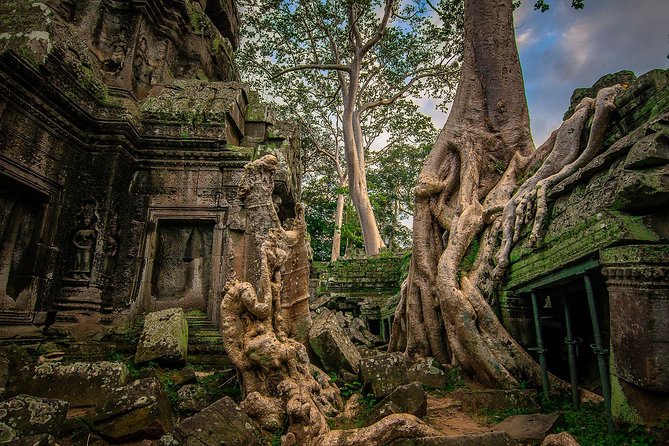
Second, I like that the route mixes headline sights with smaller stops. You’ll hit Ta Prohm’s movie-famous trees, but you also get quieter pockets like Ta Nei, plus Angkor Thom’s Victory Gate and Bayon’s face towers. One thing to consider: admission fees and the Kulen entrance are extra, and sunrise plus a later temple climb (Phnom Bakheng) means long, early days.
In This Review
- Key highlights worth your attention
- How this tour feels in real time: hotel pickup, private comfort, and a packed but doable rhythm
- Entering Angkor Wat: sunrise timing and why it changes everything
- Day 1 inside Angkor Thom: Victory Gate, Bayon faces, and the palace-zone temples
- Angkor Wat (Day 1) first, then Ta Prohm
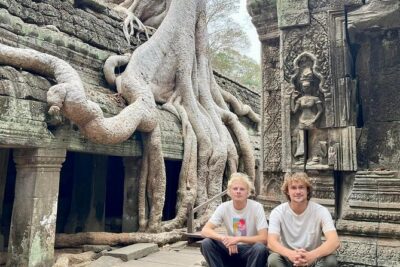
- Ta Prohm: tree roots and the Tomb Raider vibe
- Ta Nei: a calmer pause when you need one
- Victory Gate and Bayon: the faces of Avalokiteshvara
- Baphuon, Phimeanakas, and palace-enclosure details
- Phnom Bakheng at the end: sunset views, with a catch
- Day 2 in Phnom Kulen National Park: 1000 Lingas, reclining Buddha rock, and waterfall swim time
- Day 2 Hindu temples: Banteay Srei, Banteay Samre, and Pre Rup’s meaning
- Banteay Srei (Ladies Temple) and pink sandstone
- Banteay Samre: quieter and less restored
- Pre Rup: funerary temple beliefs and viewpoint terraces
- Day 3 sunrise plus the Rolous Group: a different Angkor feeling
- Preah Khan: Jayavarman VII’s Buddhist monument
- Neak Poan and Ta Som: small island temple calm
- Eastern Mebon, Lolei, Preah Ko, and Bakong in the Rolous Group
- Lunch break and the reality of long driving days
- Artisans Angkor and Psar Chaa Old Market: culture you can choose to skip
- Price and tickets: how to budget for a value-minded 3-day plan
- Who should book this tour—and who might want something slower
- Final thoughts: should you book this 3-day Angkor Wat and Kulen tour?
- FAQ
- Is hotel pickup and drop-off included?
- Is the tour private or shared?
- Are admissions included in the tour price?
- What about meals?
- What time do you start for sunrise at Angkor Wat?
- Is there a chance to swim at Phnom Kulen?
- Can I skip Artisans Angkor or the market?
- If I book and then change my mind, can I cancel?
Key highlights worth your attention
- Angkor Wat sunrise early start on Day 3 for softer light and cooler temps
- Ta Prohm + giant tree roots for the movie look, with time to actually take it in
- Phnom Kulen National Park with the 1000 Lingas area and time for a waterfall swim
- Less-crowded temple stops like Ta Nei, so your photos don’t feel like a crowd scene
- Rolous Group ruins (Lolei, Preah Ko, Bakong) for a different side of Khmer temple history
- Artisans Angkor and Psar Chaa market time if you want culture beyond stone
How this tour feels in real time: hotel pickup, private comfort, and a packed but doable rhythm
This is a private tour, so it’s just your group with an English-speaking guide and a driver, in a private A/C vehicle. That matters in Siem Reap because driving between sites can chew up time, and temple days get hot fast. Having pickup and drop-off at your accommodation also keeps your mornings simpler—no figuring out transport while you’re already thinking about gates, tickets, and sweat.
Your guide provides the context as you move, not just a list of what’s where. I especially appreciate that this kind of temple route works best when someone can point out the details you’d otherwise miss—carvings, what each temple type meant, and why certain structures were placed where they are. And based on guide feedback I’ve seen around this style of tour, you can expect names like Mr Chhay, Pal Saruon, Small Mony, Chandri, and Em Somuch to come up for their passion and clear explanations.
Also included: cool drinking water and wet towels. On a multi-day temple plan, that little comfort factor can save you from the cranky version of yourself.
You can also read our reviews of more tours and experiences in Siem Reap
Entering Angkor Wat: sunrise timing and why it changes everything
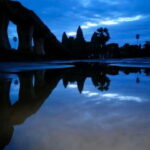
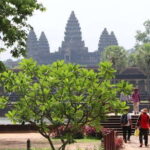
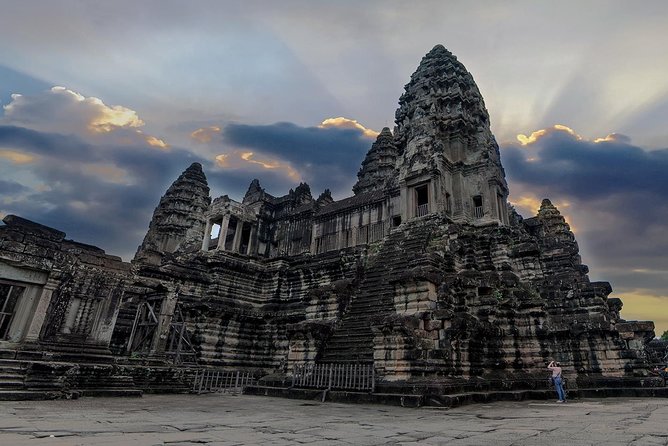
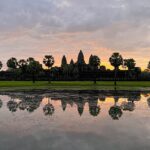
Angkor Wat is the center of gravity here, but this tour handles it in two different ways: a daytime visit on Day 1 and a sunrise visit on Day 3. For sunrise, the pickup is set for 5:00am, so you’re at the site early enough to beat the harsh light and the thickening crowds.
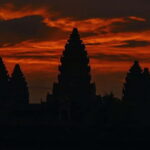
Even if you’ve seen Angkor Wat photos a hundred times, sunrise changes the feeling. The colors soften, shadows stretch across the causeways, and the whole complex looks less like a postcard and more like a living sacred space. You’ll typically have enough time to look around and not feel rushed off to the next stop.
Practical tip: if you’re not a fan of early starts, this is the one moment you’ll want to mentally prepare for. It’s worth it, but it does mean you trade sleep for better light.
Day 1 inside Angkor Thom: Victory Gate, Bayon faces, and the palace-zone temples
Day 1 is a full Angkor Thom circuit built around the big anchors of the area: you start with Angkor Wat, then head into Angkor Thom’s core, moving from gate to gate and temple to temple. It’s a tight sequence, but it’s structured so you get several distinct visual experiences rather than repeating the same view.
Here are the stops that shape the day:
Angkor Wat (Day 1) first, then Ta Prohm
You begin with Angkor Wat before heading to Ta Prohm. That order is smart because you’re building context: you see Khmer architecture at its most iconic, then you shift into the surreal world where nature has swallowed the stones. It helps the temples feel connected instead of isolated.
Ta Prohm: tree roots and the Tomb Raider vibe
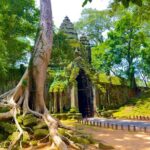
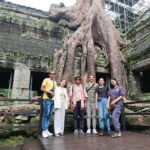
Ta Prohm is famous for a reason. Expect huge tree roots snaking over stone, columns, and doorways. The vibe is dramatic, and it’s easy to understand why film makers love it. On this tour, you get a longer visit here, which is key. If you only glance for ten minutes, you miss the details—root angles, worn thresholds, and the contrast of carved faces against living wood.
A small practical note: Ta Prohm can be busy, so try to walk slowly. Let your eyes adjust. The place is visually busy by design.

Ta Nei: a calmer pause when you need one
Ta Nei is short and smaller, and that’s the point. It has less restoration than some major sites, and it tends to feel quieter because fewer people chase it. You’re surrounded by big trees, which helps break up the headliner-stampede feeling.
If you’re trying to avoid the busiest temple crowds, this is the kind of stop that makes a difference.
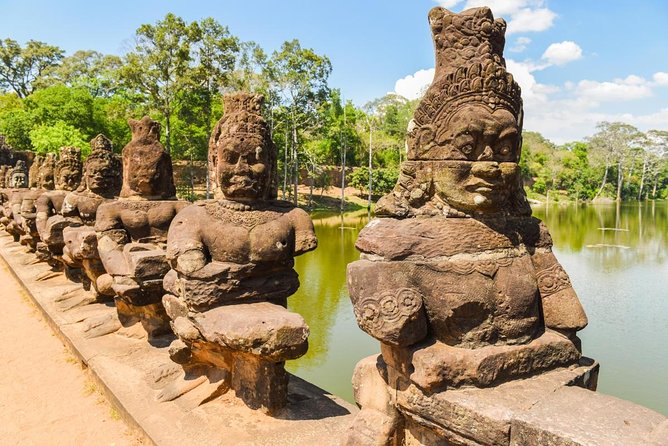
Victory Gate and Bayon: the faces of Avalokiteshvara
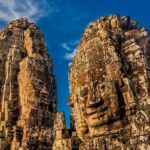
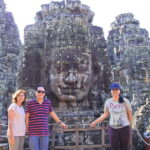
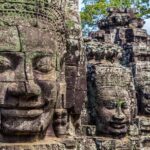
From the east side of Angkor Thom, the Victory Gate is a quick photo moment and a strong orientation point. Then you move to Bayon, with its 49 towers and many carved faces. Walking through Bayon’s central space feels like being surrounded by watchers—you notice how the expressions change depending on where you stand and which angle you’re viewing from.
Baphuon, Phimeanakas, and palace-enclosure details
After Bayon, you get a sequence of palace-zone temples: Baphuon, Phimeanakas, and the terraces. The pace keeps you moving, but each stop has a different personality:
- Baphuon mixes Hindu temple origins with a later reclining Buddha element.
- Phimeanakas is a Hindu pyramid temple inside the royal palace area.
- The Terrace of the Elephants connects with ceremonial and political symbolism, because this was a platform used for viewing returning armies.
- The Terrace of the Leper King is another platform stop nearby, giving you a fuller sense of the Angkor Thom ceremonial layout.
Even if you don’t memorize every name, you start to see how the city functioned—like a staged sacred complex with power built into the architecture.
Phnom Bakheng at the end: sunset views, with a catch
The day closes with Phnom Bakheng, usually timed around sunset. The tour notes there are limits on the number of tourists allowed, so you might have to be flexible if access is restricted.
If sunset crowds and climbing aren’t your thing, the good news is you can skip that wait-and-queue part. You’ll still have had a full Day 1 of major stops.
Day 2 in Phnom Kulen National Park: 1000 Lingas, reclining Buddha rock, and waterfall swim time
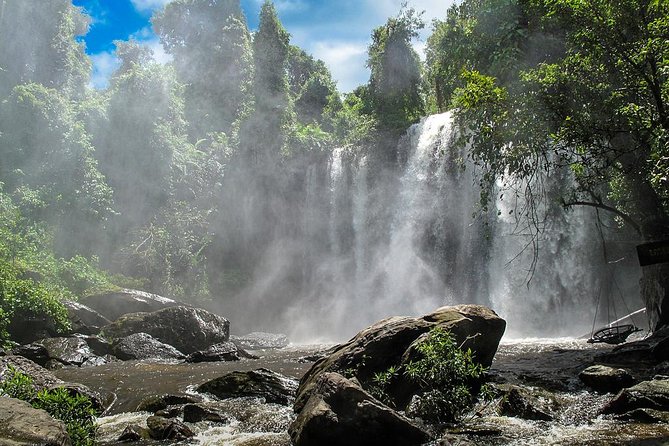
This is your big “leave the ruins” day. Phnom Kulen National Park is more than a temple detour—it’s a change of setting, and it breaks up the stone-heavy rhythm of Angkor.
The tour focuses on the riverbed area covered with sculptures of Lingas, often described as the 1000 Lingas. These stone symbols of Shiva are the kind of detail that makes the site feel active and spiritual, not just scenic.
You also get to the rock Reclining Buddha area mentioned as part of the Kulen experience. Again, it’s a different style from what you see at Angkor Wat and Ta Prohm, which helps keep your brain from blending everything into one big blur.
And yes—this experience includes time for a waterfall swim. That’s one of the best value moments of the whole trip because it gives you a real reset: cool water, a break from heat, and a memory that isn’t just another temple photo.
Practical note: plan for comfort. Wear something you can handle getting wet, and be ready for uneven ground around natural areas.
Day 2 Hindu temples: Banteay Srei, Banteay Samre, and Pre Rup’s meaning
After Kulen, the tour shifts back to temples, but with a strong focus on specific architectural styles.
Banteay Srei (Ladies Temple) and pink sandstone
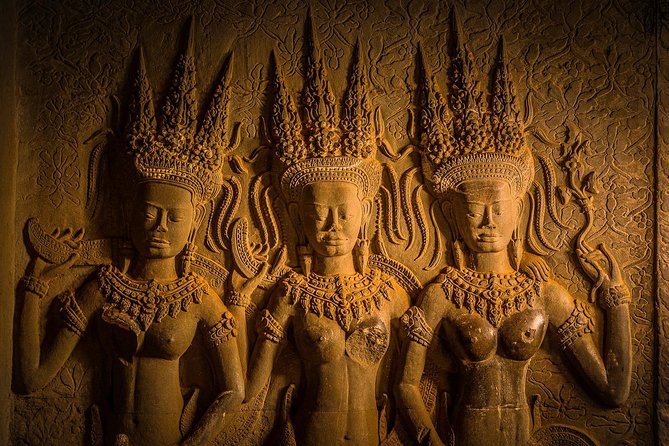
Banteay Srei is built from pink sandstone and tied to the Hindu King Rajendravarman II and dedication to the trinity gods in Hindu practice (especially Shiva). This is one of those stops where texture matters. The color and finer detailing feel different from the larger, more massive stone blocks you associate with Angkor Wat.
Banteay Samre: quieter and less restored
Banteay Samre is another Hindu temple, dated to the 12th century. The key idea here is that its architecture doesn’t make identification as obvious at first glance, so your guide’s explanation becomes especially useful. It’s also shorter, which helps keep the day from stretching into exhaustion.
Pre Rup: funerary temple beliefs and viewpoint terraces
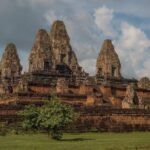
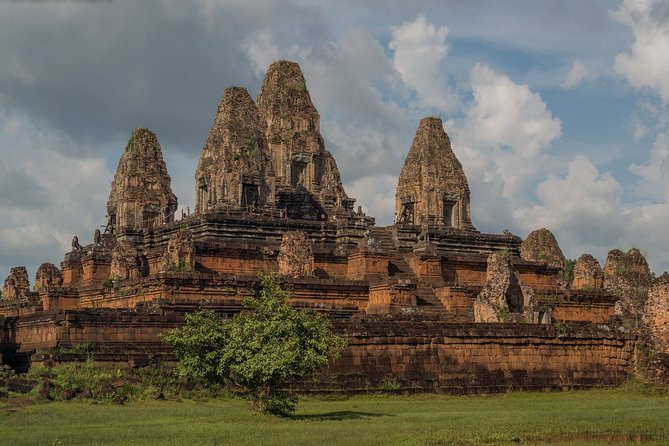
Pre Rup is a temple with a name that hints at turning the body, tied to beliefs about funeral practices at distant junction temples. It’s a short stop, but it adds cultural meaning to the day so you’re not just sightseeing stone shapes.
Day 3 sunrise plus the Rolous Group: a different Angkor feeling
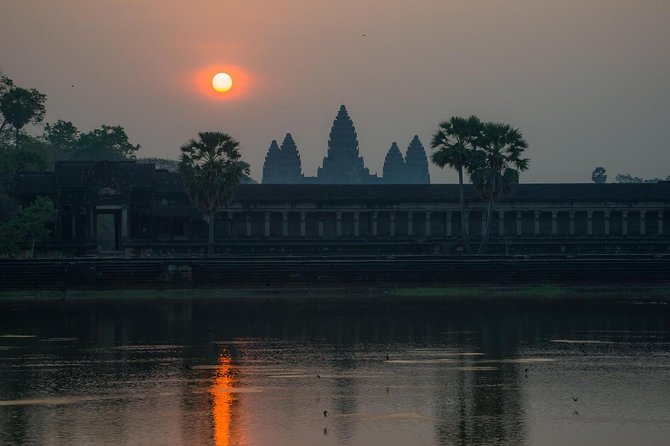
Day 3 starts early again, with sunrise at Angkor Wat. If you’ve already done daytime Angkor Wat, sunrise gives you a fresh perspective rather than repetition. You’re basically re-seeing the same monument under different light and with different energy.
Then you move to the temples that broaden the story:
Preah Khan: Jayavarman VII’s Buddhist monument
Preah Khan is tied to King Jayavarman VII and dedicated to his father. It’s described as a Buddhist temple, and this mix of religious influence is one reason Angkor still feels alive to modern Cambodians. The scale and layout can be a bit much if you’re trying to walk too fast—so slow down and let your guide connect the details.
Neak Poan and Ta Som: small island temple calm
Neak Pean is a small island temple built in the Angkor area. The next stop, Ta Som, sits on the east side of Neak Pean and is also a small Buddhist temple. These are ideal when you want a break from the bigger structures—short visits where the setting is part of the experience.
Eastern Mebon, Lolei, Preah Ko, and Bakong in the Rolous Group
This block gives you more temple variety:
- Eastern Mebon rises in three levels and is crowned by towers, with big elephant statues at corners.
- Lolei is a smaller Hindu temple from the 9th century.
- Preah Ko is the first temple of the ancient city of Hariharalaya in the Rolous area.
- Bakong is an early sandstone temple mountain and the biggest in the Rolous cluster.
Bakong is a strong closer because it feels foundational—like you’re seeing an early phase of temple-mountain thinking. It’s a different vibe than the most famous Angkor center temples.
Lunch break and the reality of long driving days
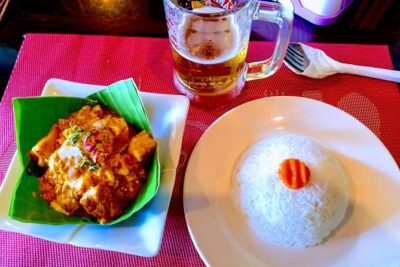
You’ll break for lunch at a good restaurant along the way. Meals aren’t included, but the tour gives an estimated lunch cost of USD 5.00 per person depending on the menu. In practice, that means you can keep budget control, but you’ll want to confirm what lunch includes when you order.
Artisans Angkor and Psar Chaa Old Market: culture you can choose to skip
Not every Angkor tour includes anything beyond temples. This one adds Artisans Angkor and Psar Chaa (Old Market) time, which can be a nice change of pace on Day 3 when your legs are already tired.
Artisans Angkor focuses on traditional crafts like stone carving, wood carving, lacquering, gilding, and silk processing. If you enjoy watching processes and learning where products come from, this is a good cultural add-on. If you’re not into shopping-style stops, the tour explicitly lets you skip it.
Psar Chaa Old Market is local, not a staged tourist market. It can be fun for browsing and soaking up street-level life, but again—if you’d rather keep your time for temple viewpoints and photos, you can skip this part too.
Price and tickets: how to budget for a value-minded 3-day plan
The tour price is USD 248.50 per person. You’re also paying for temples and specific entrances separately. Based on the tour’s listed costs:
- Temple admission for Angkor Wat plus the temples is USD 62.00 per person
- Kulen mountain entrance is USD 20.00 per person
- Meals are not included; lunch is mentioned as about USD 5.00 per person depending on menu
So a realistic all-in budget for the main costs is around USD 330+, before any snacks, drinks, or optional purchases at crafts/market stops.
What makes it feel like good value:
- Private A/C vehicle with pickup and drop-off
- English-speaking, licensed guiding
- Comfort extras like cool water and wet towels
- A long, multi-site route across Angkor Wat, Ta Prohm, Angkor Thom, Phnom Kulen, and Rolous
What can make it feel less like a deal:
- Temple and Kulen fees are extra, so you’ll want to plan cash or payment method ahead of time
- The schedule is packed, so if you want slow wandering with zero rushing, this may feel intense
Who should book this tour—and who might want something slower
I think this tour fits best if you want a strong overview with high-impact stops. It’s a great match for:
- First-timers who want Angkor Wat, Ta Prohm, Bayon, and Phnom Kulen in one run
- People who like learning as they walk, not just checking boxes
- Anyone who values convenience: hotel pickup, private transport, and guide help through crowd hotspots
- Travelers who want a break from temples via the Kulen nature swim
Consider a different pace if:
- You hate early starts and climbing for sunset views
- You prefer fewer stops and more free time at each site
- You want meals and admissions fully included in one package price
Final thoughts: should you book this 3-day Angkor Wat and Kulen tour?
Yes, I’d book it if you want a structured, private temple-and-nature itinerary with strong comfort and a guide who can explain what you’re seeing. The mix—sunrise Angkor Wat, Ta Prohm’s iconic roots, Angkor Thom’s faces and palace terraces, plus Phnom Kulen’s 1000 Lingas and waterfall swim—keeps the experience varied instead of repetitive.
Just budget for the extra entrance fees, and plan for long, early days. If you do that, you’ll spend three days seeing why Angkor isn’t just famous—it’s complicated, layered, and still meaningful.
FAQ
Is hotel pickup and drop-off included?
Yes. The tour includes pickup from your hotel or guest house and finishes by dropping you back at your accommodation.
Is the tour private or shared?
It’s private. Only your group participates.
Are admissions included in the tour price?
No. Angkor Wat plus the temples admission fee is listed separately, and Kulen mountain entrance is also listed separately.
What about meals?
Meals are not included. Lunch is described as USD 5.00 per person depending on the menu.
What time do you start for sunrise at Angkor Wat?
For the sunrise visit on Day 3, pickup is listed for 5:00am.
Is there a chance to swim at Phnom Kulen?
Yes. The tour highlights time for swimming at the waterfall in Phnom Kulen National Park.
Can I skip Artisans Angkor or the market?
Yes. The tour notes that you can skip Artisans Angkor and also skip Psar Chaa Old Market if you don’t want to see them.
If I book and then change my mind, can I cancel?
Free cancellation is offered up to 24 hours in advance for a full refund.