REVIEW · SIEM REAP
2 Days Tour in Siem Reap including Lunch, Dinner & Apsara Show
Book on Viator →Operated by Dear Diary Tours · Bookable on Viator
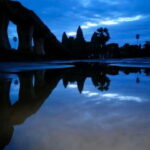
Angkor at sunrise beats any alarm. I like how this two-day Siem Reap plan mixes Angkor Wat early-morning magic with a calmer, real-life look at life on the water at Kampong Phluk. You’ll get private transport, timed stops, and meals built around the day instead of forcing you to hunt food between temples.
I also like that the schedule has breathing room: you do boat/kayak in the morning, temple sightseeing in the right light, and an evening meal plus dance at Amazon Angkor. The guides’ focus on safety and smooth pacing shows up in the way the day flows, not just in the talking.
One consideration: the big temple ticket for Angkor Wat (and other temple entries on day 2) isn’t included, so you’ll want to budget for the Angkor pass on top of the tour price. Also, Angkor Wat starts with a very early pickup.
In This Review
- Key highlights at a glance
- Price and what $210 actually buys you
- Day 1: Kampong Phluk floating village plus a local market stop
- What to watch for at Kampong Phluk
- Late afternoon at Phnom Bakheng / Phnom Krom for sunset
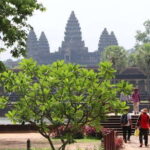
- Day 2: Angkor Wat sunrise at 5 AM and temple time that feels timed, not rushed
- Sunrise strategy tip
- Bayon Temple: the faces that anchor King Jayavarman VII’s legacy
- Ta Prohm: Tomb Raider vibes with time to look at the roots
- Preah Dak palm cake stop: a small break that actually matters
- Banteay Srei and lunch on a floating hut: delicate carvings in a calmer mood
- Amazon Angkor Restaurant and the Apsara show dinner
- Logistics that make the trip smoother than it looks on paper
- Who this tour is best for
- A few smart things to plan before you go
- Should you book this 2-day Siem Reap tour?
- FAQ
- What’s included in the tour price?
- Do I need an Angkor pass for this tour?
- Are temple admission tickets included for Angkor Wat, Bayon, and Ta Prohm?
- Is there pickup from my hotel?
- What time is pickup for Angkor Wat sunrise?
- Does the tour include Kampong Phluk by boat and kayak?
- Is lunch included, and where do we eat?
- Is the Apsara show included, and does it include dinner?
- What’s the cancellation policy?
Key highlights at a glance
- Private, door-to-door transport that keeps you from wasting time between far-flung sights
- Kampong Phluk by boat and kayak, giving you a hands-on view of floating village life
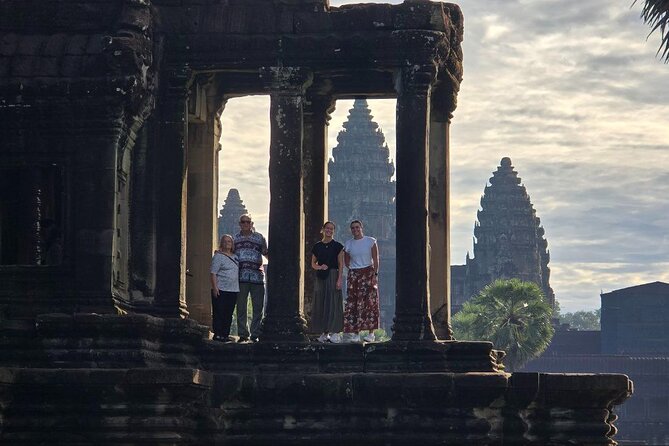
- Angkor Wat sunrise with a 5 AM pickup, plus time for interior exploration
- Temple variety without dead hours: Bayon faces, Ta Prohm roots, then Banteay Srei carvings
- Apsara show dinner at Amazon Angkor, so culture and dinner land in one stop
- Meals included twice (lunch and dinner both days), plus water and snacks
Price and what $210 actually buys you
At $210 per person for about two days, this is priced like a proper guided, private experience—especially because it covers more than “just getting you to temples.” You get private transportation, water and snacks, and the community/entry costs connected to the floating village experience.
The part you must plan for: the Angkor sites run on an Angkor pass. Angkor Wat is listed as admission not included, and Bayon and Ta Prohm are also marked not included. The tour price covers a lot of the “on the ground” costs, but it doesn’t replace the pass that lets you enter the big Angkor zone.
For value, I like that the included meals aren’t an afterthought. Lunch and dinner are built into the timing of the day, including a full buffet setting during the Apsara show.
You can also read our reviews of more tours and experiences in Siem Reap


Day 1: Kampong Phluk floating village plus a local market stop

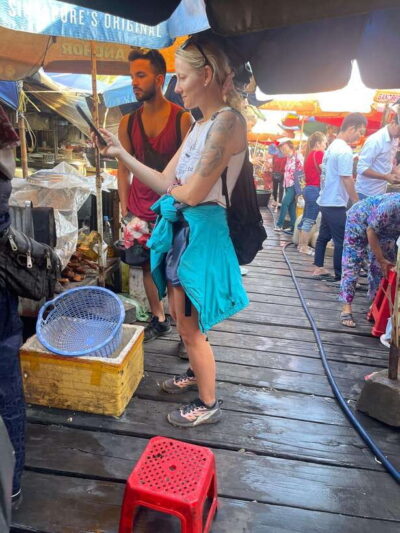
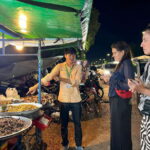
Your day starts around 8:00 AM pickup from your hotel area. The tour then adds a quick stop at Rolous Market, described as being tied to an older city area that comes before Angkor Wat. Even if you’re not going for deep archaeology, it helps you get context for what people were doing here long before the famous temples dominated the skyline.
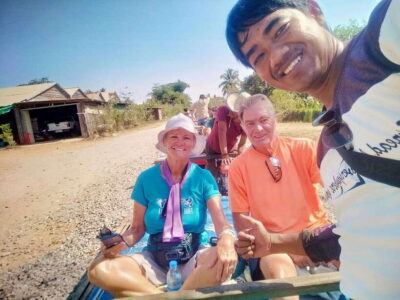
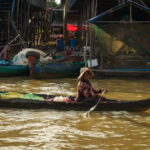
Then comes the star of day one: Kampong Phluk Floating Village. The experience is built around getting on the water rather than just looking from a dock. You’ll explore by boat and kayak, and admission/boat tickets for this segment are included. That matters because you’re paying for the active part—hands-on movement—rather than standing still while everyone else does the real work.
A quick practical tip: wear something you don’t mind getting a bit dusty or damp, and plan for sun. Kayaking time in Siem Reap can be bright and warm, and it’s better to be comfortable than “photo pretty.”
What to watch for at Kampong Phluk
Floating villages change with the water season, so your best mindset is flexibility. The value here is seeing daily life—homes, routines, and water routes—through the lens of actually traveling the waterways.
Late afternoon at Phnom Bakheng / Phnom Krom for sunset

After the floating village, the day shifts toward viewpoints. The itinerary frames this as the Phnom Bakheng stop, and then includes sunset time at Phnom Krom, followed by dinner. Even with the naming overlap, the point is clear: you’re going to a higher spot to catch the sky shift, not just to check off another temple.
Sunset viewpoints around Siem Reap are popular for a reason. Even if you’ve seen a lot of temples already, the light changes how the whole area looks—so it’s a smart pacing move to put the big temple day on day two.
Dinner follows this segment. Since dinner is included as part of the tour package, you don’t need to gamble on finding a place that fits the timing.
Day 2: Angkor Wat sunrise at 5 AM and temple time that feels timed, not rushed
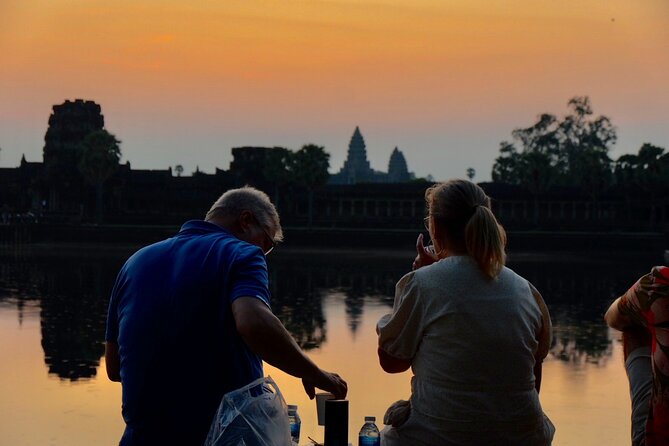
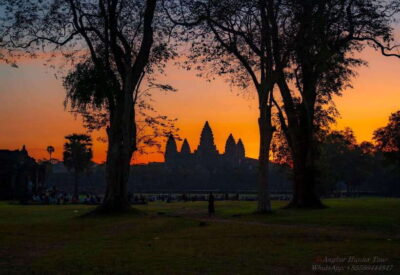
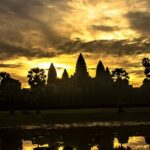
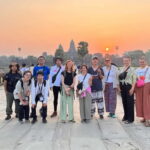
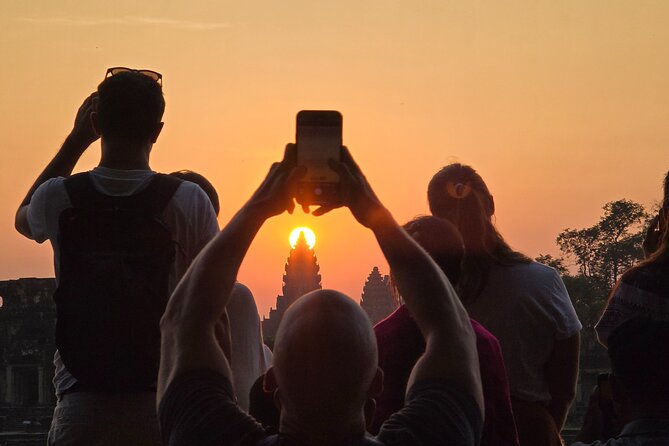
If you want the classic Angkor moment, you need an early start. This tour picks you up at 5:00 AM and takes you to Angkor Wat for sunrise. That early departure is the difference between photos with only a handful of people and photos with long lines in the frame.
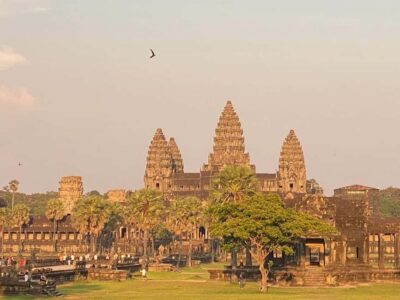
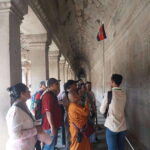
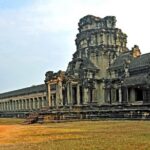
You get about two hours at Angkor Wat, including time to experience sunrise and then explore the interior. Admission is not included here, and that’s where the Angkor pass comes in. The pass is listed as $37 per adult, so calculate that into your total budget.
What I like about this setup: the schedule respects how Angkor works. Sunrise is a short window, so you’re there for it, then you continue inside while the heat hasn’t fully kicked in.
You can also read our reviews of more tours and experiences in Siem Reap
Sunrise strategy tip
Bring your patience with you. Early mornings in Cambodia can still be warm, but the main effort is mental: get up, get there, and let the light do the work. If you’re sensitive to early starts, this is the one part of the trip you’ll feel most.
Bayon Temple: the faces that anchor King Jayavarman VII’s legacy
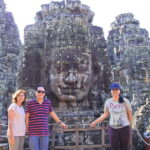
After Angkor Wat, you move into the next big stop: Bayon Temple. It’s built during the reign of King Jayavarman VII, with construction dated to the late 12th to early 13th centuries. You get about one hour here, and admission is not included.
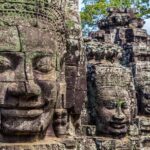
Bayon is famous for its oversized stone faces, and that makes it a great “breather” between the wide-open feel of Angkor Wat and the more nature-plastered atmosphere of Ta Prohm. The time limit is useful, too: Bayon rewards focused looking more than long wandering.
If you’re traveling with people who want a quick explanation, this kind of stop usually does well with a guide’s storytelling. The tour is set up to keep that moving so you don’t end up staring at random carvings without any way to connect them.
Ta Prohm: Tomb Raider vibes with time to look at the roots

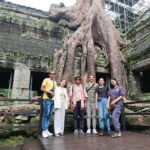
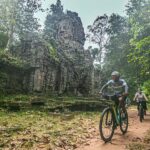
Next up is Ta Prohm, the temple people often describe through its dramatic tree-and-root look. The big draw here is the way giant trees grow through and around the ruins, mixing stone and nature into one scene.
You’ll have about one hour, and admission is also listed as not included. Time is right for Ta Prohm because it’s visually dense. If you try to rush it, you miss the little moments—where roots creep along steps, or where the shadows fall through branches.
Preah Dak palm cake stop: a small break that actually matters
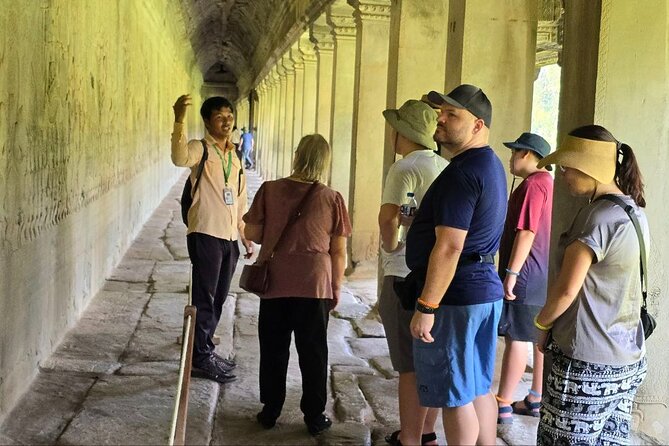
Not every stop needs to be another temple. Preah Dak is a shorter stop—about 30 minutes—built around food. You’ll enjoy palm cake, and the village is described as known locally for Khmer noodles, roasted pig, palm cake, and various desserts.
This is one of those “small but smart” pauses. It gives you a break from walking, and it also helps you taste something specific to the area without turning it into a full meal search.
Banteay Srei and lunch on a floating hut: delicate carvings in a calmer mood
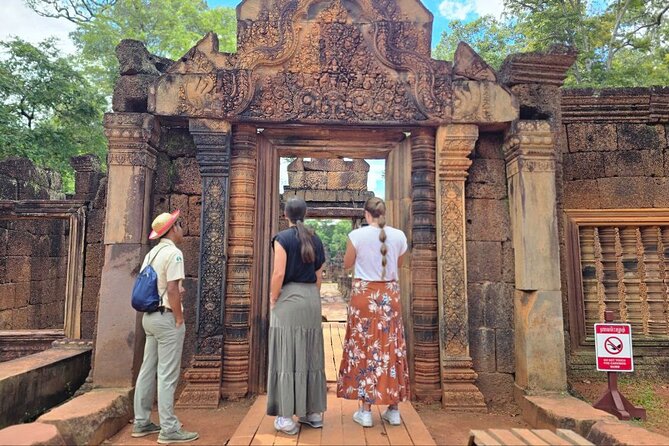
The next stop is Banteay Srei, known for its delicate pink sandstone carvings. It’s also a bit farther from the main Angkor complex area, and the itinerary notes that it’s worth the trip for the artwork even if you’re not chasing the biggest names.
You’ll have about two hours here, and admission is listed as free for this stop. That’s a nice value boost: you get a major temple experience without another ticket line item.
Then comes a highlight for food lovers: lunch on a floating hut. It’s included, and it fits the day’s theme—temples by day, water life nearby, and eating somewhere different from the standard Siem Reap tourist plate.
Practical note: floating-lunch spots can be affected by breeze and humidity. If you’re prone to getting cold easily, bring a light layer. If you run hot, be ready for sun after lunch.
Amazon Angkor Restaurant and the Apsara show dinner
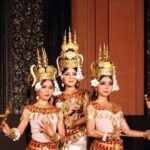
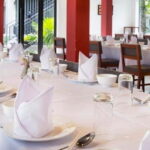
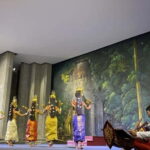
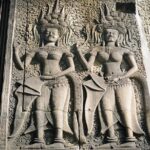
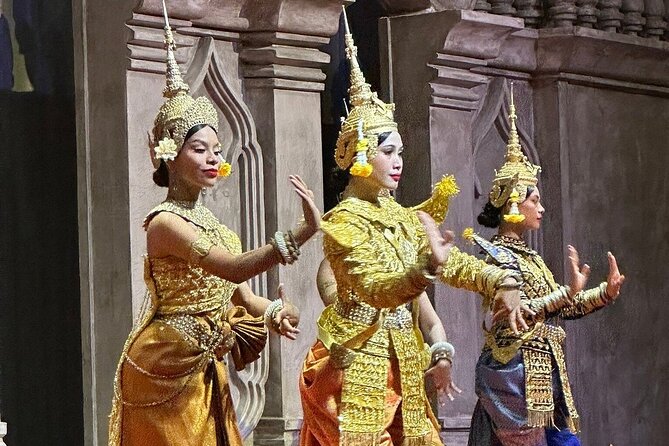
The final stop is both dining and performance: Amazon Angkor Restaurant. You’ll enjoy a Western and Asian buffet while watching the Apsara show, which introduces traditional Khmer arts and dance.
This segment is listed as about two hours and includes the admission ticket. In other words, you’re not just buying a show ticket and then guessing where to eat. The tour bundles dinner and culture in one timed block.
Why this works well at the end of the day: after temple walking, you want something that doesn’t require your brain to keep track of directions. The performance gives your feet a rest, and the buffet makes the evening feel complete.
Logistics that make the trip smoother than it looks on paper
A tour like this stands or falls on how it handles transitions. Here, private transportation is included, which is a big deal in Siem Reap. It means you can focus on sights instead of juggling tuk-tuk availability, waiting times, and route confusion.
Pickup is also offered, and the tour is described as a private activity, meaning only your group participates. That matters for early departures like the 5 AM Angkor Wat start, because you’re not sharing the chaos with random other groups.
You’ll also have water and snacks included, which is essential for comfort. Temple days can turn dehydrating fast, even when you’re taking it slow.
Who this tour is best for
This is a strong fit if you want a balanced Siem Reap mix:
- You want major Angkor landmarks without spending full days figuring out transport.
- You like experiences with movement, especially boat and kayak at Kampong Phluk.
- You want a cultural night with dinner built in, not a separate dinner scramble.
It’s also a good choice for people who appreciate safety and clear pacing. In the provided feedback about this experience, themes like professionalism, feeling safe, and accommodating schedules come up more than once. Guides also appear to be set up to handle photos for you, which is a real convenience when you’re busy watching your timing at sunrise and then flipping between temples.
A few smart things to plan before you go
- Budget for the Angkor pass since key sites are not included. The pass is listed at $37 per adult.
- Expect early mornings—especially day two at 5 AM.
- Bring sun protection and comfortable shoes. This route includes a lot of walking and at least one active water segment.
- If you’re sensitive to heat, plan to pace yourself at each temple stop. Two hours can feel long when the sun is strong.
Should you book this 2-day Siem Reap tour?
I’d book it if you want a guided, private Siem Reap plan that covers the big emotional hits (sunrise at Angkor Wat, famous face temple time, Ta Prohm’s roots) and still gives you something lived-in and different (Kampong Phluk by boat and kayak). The included meals and the fact that the Apsara show comes with dinner make it feel like a complete experience, not a rushed checklist.
I’d pause if you’re trying to keep costs ultra-low, because the Angkor pass (and some temple entries) are extra. And if early starts are a dealbreaker for you, day two will test that.
If you’re okay with the pass and you’re excited by sunrise plus real daily-life water travel, this is a solid way to use two days well in Siem Reap.
FAQ
What’s included in the tour price?
The tour includes water and snacks, community entrance fees and boat tickets, private transportation, plus lunch (2) and dinner (2).
Do I need an Angkor pass for this tour?
Yes. The Angkor pass is listed as not included for Angkor Wat and is priced at $37 per adult.
Are temple admission tickets included for Angkor Wat, Bayon, and Ta Prohm?
No. Angkor Wat admission is not included, and Bayon and Ta Prohm are also listed as not included.
Is there pickup from my hotel?
Yes, pickup is offered and you’ll be collected from your hotel area.
What time is pickup for Angkor Wat sunrise?
You’ll have a 5:00 AM pickup for the Angkor Wat sunrise.
Does the tour include Kampong Phluk by boat and kayak?
Yes. At Kampong Phluk Floating Village, you’ll explore by boat and kayak, and the admission ticket for this stop is included.
Is lunch included, and where do we eat?
Lunch is included (2 lunches total across the tour), including lunch on a floating hut during the Banteay Srei day segment.
Is the Apsara show included, and does it include dinner?
Yes. The Apsara show at Amazon Angkor Restaurant includes a buffet meal, and admission is included for that stop.
What’s the cancellation policy?
Cancellation is free if you cancel up to 24 hours in advance for a full refund.