REVIEW · SIEM REAP
Angkor Wat: Sunrise 2.5 Days with Tonle Sap Lake Tour
Book on GetYourGuide →Operated by Journey Cambodia · Bookable on GetYourGuide
Angkor feels different before sunrise. This 2.5-day run strings together atmospheric temple moments with a human, local side of Cambodia on Tonle Sap. I like that you get a private pace option inside a small group, so you’re not just herded. One thing to consider: temple entrance tickets are not included, so you’ll want to budget the separate fee.
The best part is how the day-to-day flow actually helps you see more well. You’ll catch sunrise at Angkor Wat and sunset at Bakheng, then spend focused time at the big hitters like Ta Prohm, Angkor Thom, and Bayon. I also really like the guide style, because names like Sopheap Rath, Pal Saruon, and Chhay show up in the feedback for clear explanations and strong photo guidance. A possible drawback is the early starts and long walking days—wear good shoes.
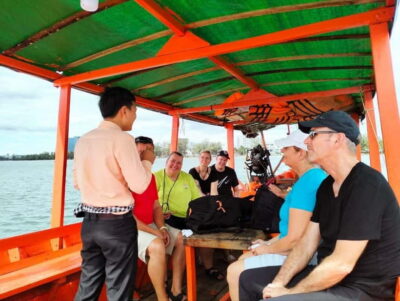
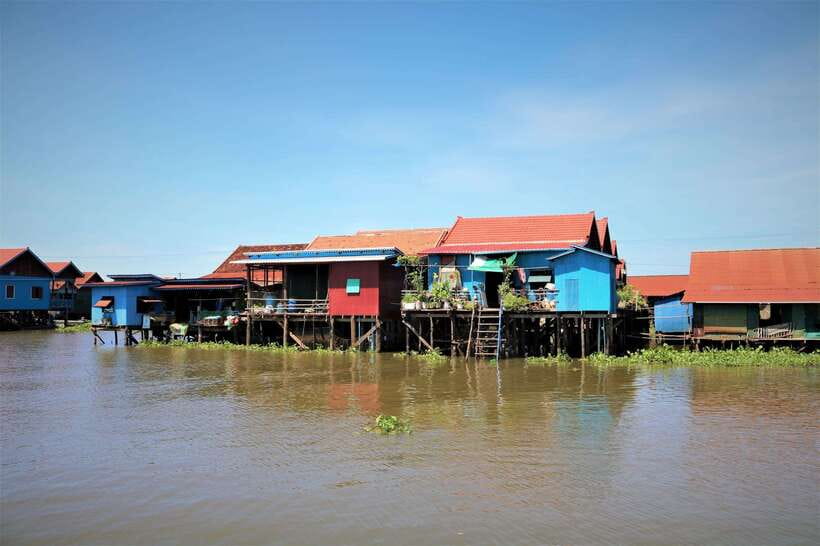
Tonle Sap on the third day adds contrast. Instead of staying locked inside the Angkor park bubble, you’ll ride out to Kampong Phluk in a flooded forest setting and see how lake life works season to season. I also appreciate the practical comfort touches like hotel pickup and air-conditioned vehicle. If you’re traveling in the dry season (March to July), the lake boat component may switch to Cambodia Phare Circus (Seat C), so don’t plan on only one kind of day.
In This Review
- Key points to know before you go
- Angkor Wat at sunrise, Bakheng at sunset: why this timing works
- Getting around: pickup, small group pacing, and skip-the-line sanity
- Day 1: Re Rub, Banteay Srei, Neak Pean, Preah Khan, then Bakheng sunset
- Day 2: Angkor Wat sunrise, a focused two-hour interior visit, then Ta Prohm to Ta Nei
- Day 3: Tonle Sap Lake and Kampong Phluk—meeting lake life by boat
- Price and value: what your $69 covers (and what doesn’t)
- What the tour does well (and where you should be ready for reality)
- Who should book this 2.5-day Angkor Wat + Tonle Sap tour?
- Final verdict: should you book?
- FAQ
- FAQ
- What time is pickup on the Tonle Sap day?
- Are Angkor temple entrance fees included in the price?
- Does the tour include sunrise and sunset?
- What temples are included besides Angkor Wat?
- Is there an English-speaking guide?
- Do you get skip-the-ticket-line access?
- Is bottled water and a cool towel provided?
- What happens in the dry season (March to July) for Tonle Sap?
- What should I bring?
- Is the tour wheelchair accessible?
Key points to know before you go
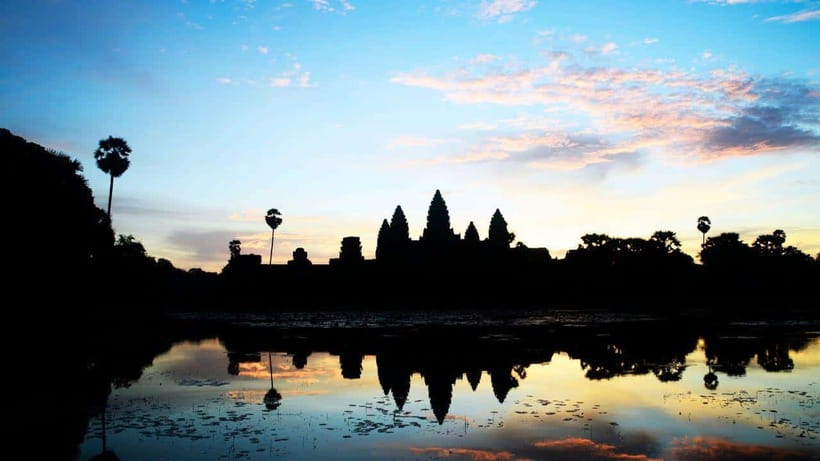
- Sunrise at Angkor Wat + sunset at Bakheng: two “low light” moments that make the stones feel alive
- A real guide, not just a driver: English-speaking support with strong temple explanations (and good photo stops)
- Focused temple coverage: Angkor Wat interior time plus Angkor Thom/Bayon, Ta Prohm, and Banteay Srei
- Tonle Sap villages at Kampong Phluk: boat time in flooded forest, plus a meet-the-locals feel
- Comfort included: air-conditioned vehicle, cool towel, and bottled water during the tour days
- Entrance fees are extra: plan for the $62/person temple ticket for 2–3 days
Angkor Wat at sunrise, Bakheng at sunset: why this timing works
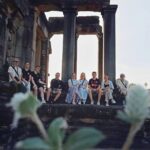
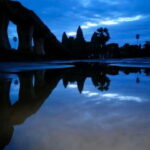
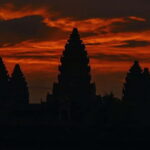
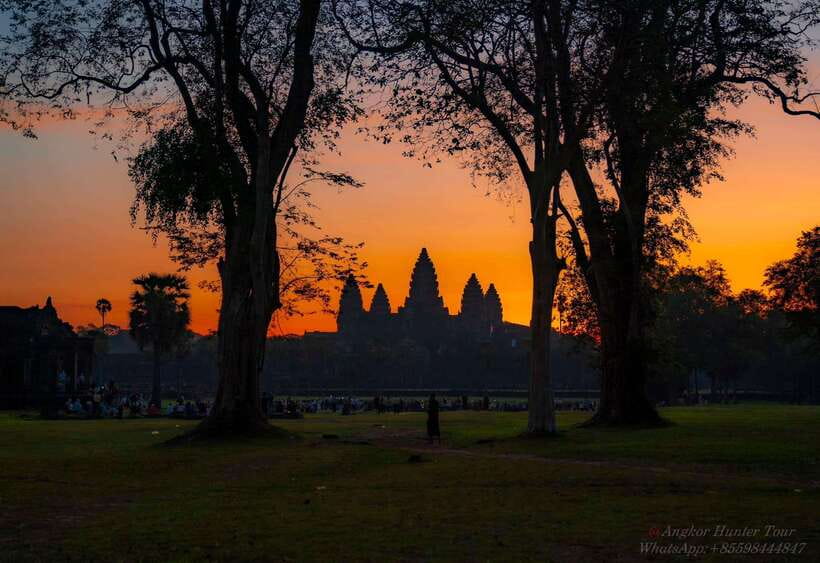
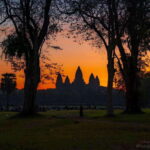
There are lots of ways to see Angkor, but timing is everything. When you do sunrise at Angkor Wat, you’re not fighting the crush of daylight crowds, and the temple shapes look more dramatic as the light builds. Then Bakheng at sunset gives you the other side of the day—long shadows, warmer tones, and that slightly “once-in-a-lifetime” feel that people chase.
What I like about this style is that it treats sunrise and sunset as events, not just add-ons. You’re picked up from your hotel, driven in comfort, and guided through the best way to move and look. That matters because Angkor is big, and without direction you can end up walking in circles while missing the angles that make photos look effortless.
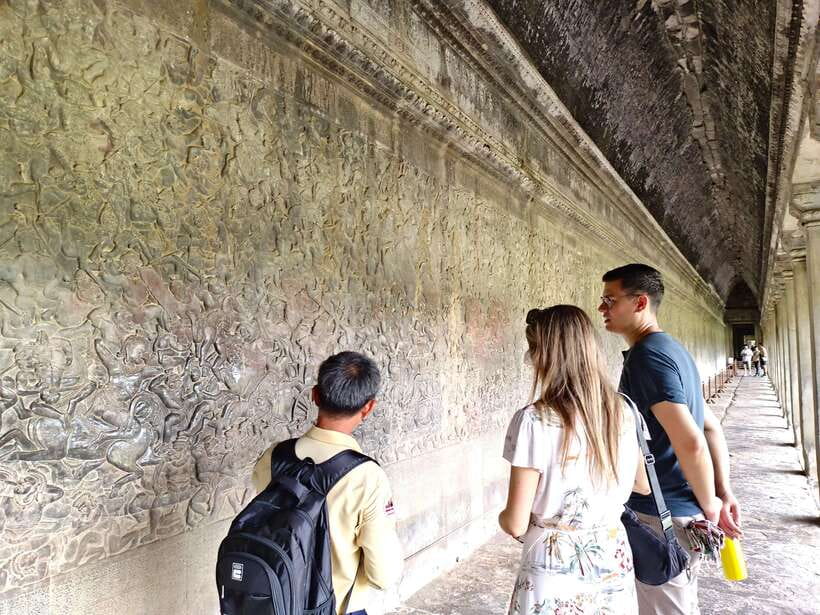
You’ll also get “real time” at Angkor Wat. The plan includes a thorough look around the interior, with about two hours to take in corridors, central chambers, and upper terraces. That’s plenty to understand the layout, not just snap a few images and rush off.
You can also read our reviews of more tours and experiences in Siem Reap

Getting around: pickup, small group pacing, and skip-the-line sanity
This tour is built for practicality in Siem Reap. Hotel pickup and drop-off are included, and you travel by air-conditioned vehicle—nice on humid days and helpful when you’re stacking multiple temple stops across consecutive hours.
It’s also set up for smoother entry. You’ll skip the ticket line, which saves time you’d otherwise spend standing around with everyone else. That doesn’t remove the need to buy the temple pass (more on that below), but it does help the day move.
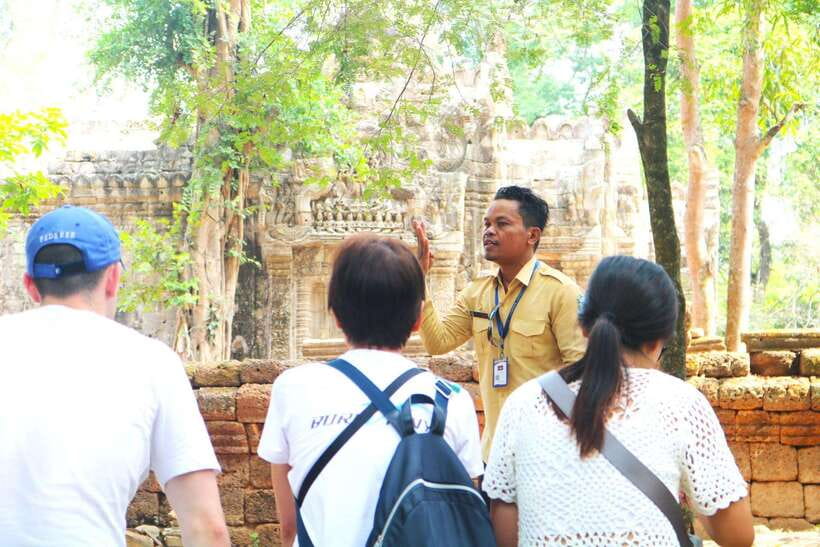
Group size matters here, and the tour lists a small group option with private-tour availability. In practice, that means you can go at your pace, ask questions, and shift your attention when something grabs you—like a detail on a doorway relief or a view from a terrace. The feedback highlights guides such as Sopheap Rath, Pal Saruon, and Sokpee as people who explain in a way that feels right for visitors: enough background to make the stones mean something, but not so much that you lose the joy of just looking.
Two comfort notes you should take seriously:
- Wear comfortable shoes. You’ll be walking for hours.
- Use insect repellent. Cambodia evenings and wet-season vegetation can be relentless.
And remember the dress rules. Shorts aren’t allowed, and you’ll want to cover shoulders and knees. This is common for temples, but it can be the difference between a smooth day and a last-minute outfit scramble.
Day 1: Re Rub, Banteay Srei, Neak Pean, Preah Khan, then Bakheng sunset
Day one is a strong mix: big names, smaller gems, and atmosphere. You start with Re Rub, a Hindu temple that served as the state temple for Khmer king Rajendravarman, dedicated in the early 960s (built as a temple mountain using brick, laterite, and sandstone). This matters because it sets the tone: Angkor wasn’t one single style. It changed over time and religion shifted across reigns.
Next comes Banteay Srei, often described as one of Cambodia’s best-crafted smaller sandstone temple sites. The plan includes this because it’s visually rewarding without the scale stress of the larger complexes. You’ll get to slow down and focus on the detailed relief work—exactly the kind of place where a good guide can point out what to look for.
After that, you move to Neak Pean. It’s an artificial island with a Buddhist temple set on a circular island in Jayatataka Baray. The key benefit of Neak Pean is contrast. You go from intricate carving to a structure that feels like a spiritual island in water—very different visually, and a good palate cleanser before you tackle the most dramatic “ruin-and-roots” vibes.
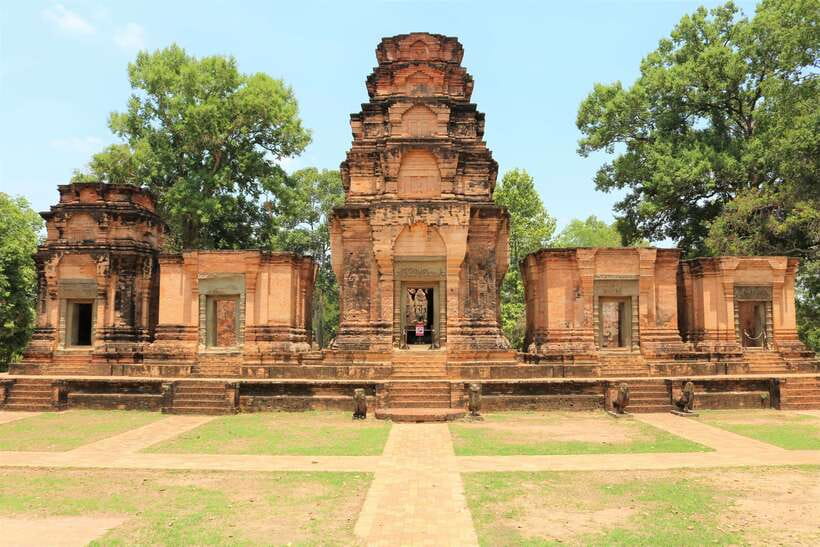
Then you arrive at Preah Khan. It’s ruined, but highly atmospheric—tree roots, crumbling stone, and a sense that the site is still breathing. This is a temple that can feel confusing if you’re alone. With a guide, you get help reading the layout and understanding what you’re seeing as part of a larger Angkor story.
You end the day with sunset at Bakheng mountain. Sunrise gets the headlines, but sunset here is a real closer. By this point you’ve already clocked multiple temple styles, so the final viewpoint feels earned.
Practical consideration: Day 1 is active. If you’re the type who likes to stop often for photos, you’ll love this day. If you’re the type who hates crowds and walking, you’ll want a guide who can steer you to calmer routes and help you focus so you don’t waste time.
Day 2: Angkor Wat sunrise, a focused two-hour interior visit, then Ta Prohm to Ta Nei
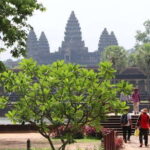
This is the day for the headline experience: Angkor Wat at sunrise. You head out before dawn, then you’ll take in the atmosphere from the edge of one of the ancient library pools. That small detail is more important than it sounds. It gives you a moment to settle, look, and let the whole complex reveal itself as light changes—before you go deep inside.
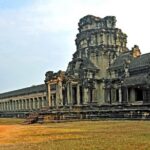
Then you shift to the main event: exploring Angkor Wat’s interior with about two hours of guided time. This is where you benefit most from having an English-speaking guide. The corridors and central chambers are not random. A good guide helps you understand what the space is doing—how the design pulls you forward and why certain chambers matter.
Breakfast follows at a local restaurant near the temple area. You’ll want to eat something real, because the rest of the day keeps going.
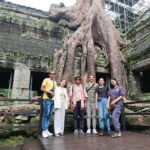
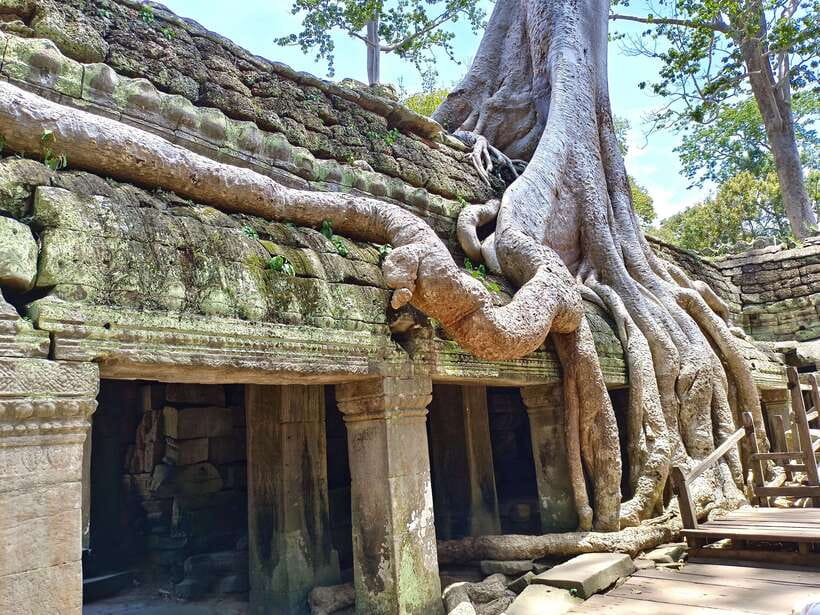
After lunch rhythm breaks, you head to Ta Prohm, the famous Tomb Raider temple. Even if you’ve seen photos before, there’s a reason it keeps pulling people back: the way the tree roots and stone interact feels intense in person. This is also one of those places where photography matters, and the feedback repeatedly praises guides for finding strong photo stops—people like Sopheap Rath and others credited for “best spots” and camera-friendly guidance.
You then continue to Ta Nei, a long but fulfilling finish. It’s a late 12th-century stone temple dedicated to the Buddha. That “religion-and-era” transition is part of why this tour is satisfying. You’re not just collecting famous names—you’re seeing how Angkor evolved.
Day 3: Tonle Sap Lake and Kampong Phluk—meeting lake life by boat
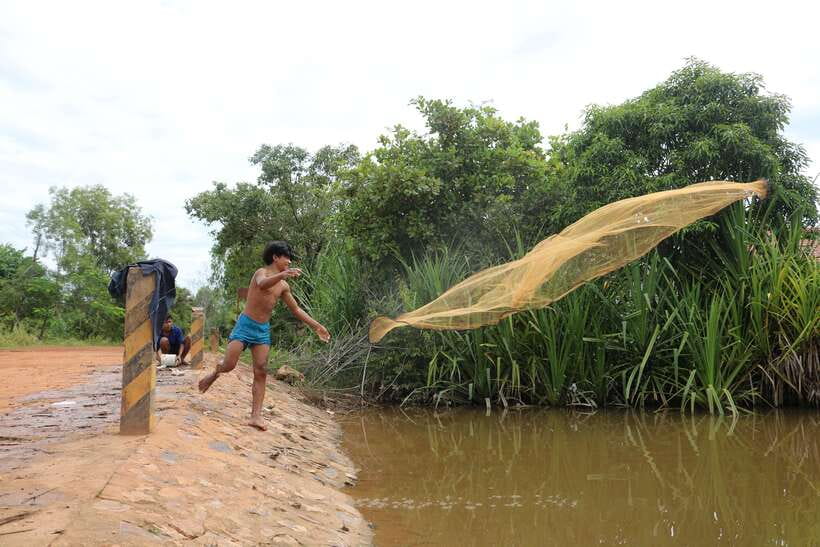
Tonle Sap is where Angkor’s story expands into daily life. Day three starts with pickup around 8:00 AM from your accommodation, then a countryside drive toward the world-famous lake system.
What makes Tonle Sap worth planning for is the sheer seasonal change. The lake swells to about 12,000 km² and, in the dry season, shrinks to roughly 2,500 km² as it drains into the Tonle Sap River. That’s not trivia. It explains why the communities on the water adapt, rebuild, and live with shifting water levels.
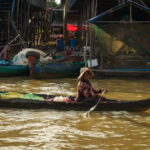
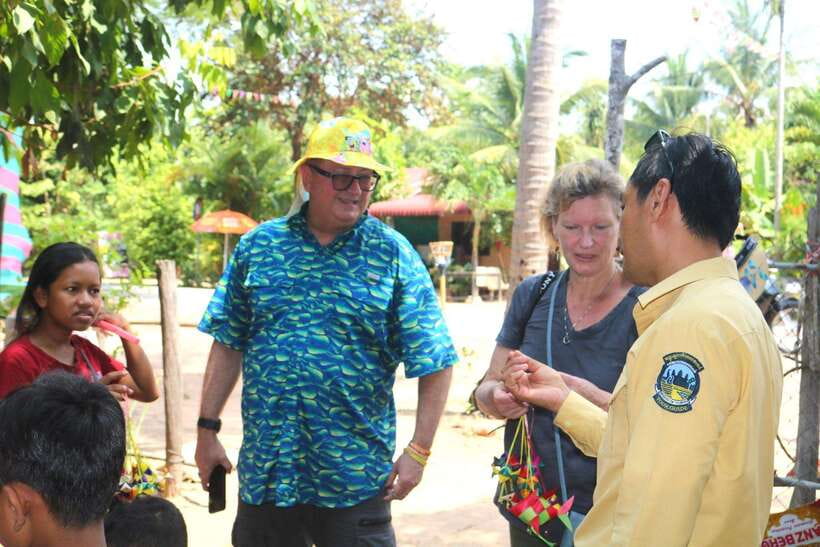
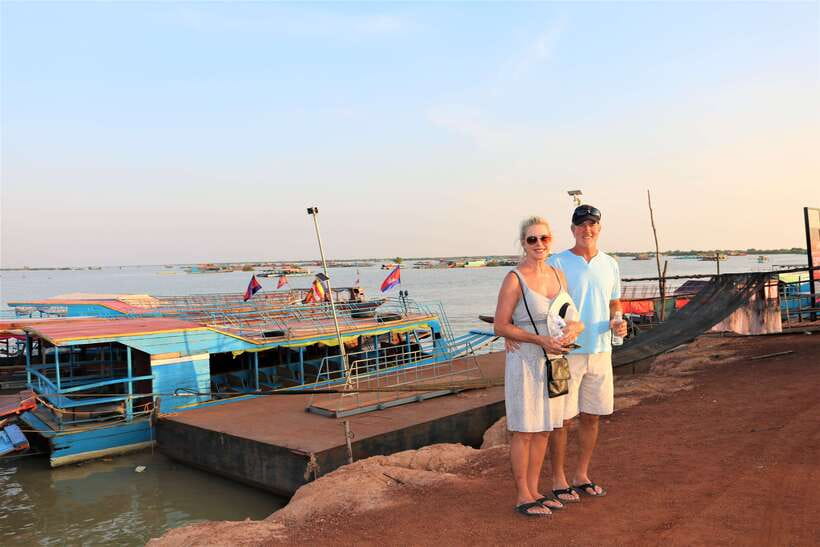
You’ll take a boat trip to Kampong Phluk, described as a collection of three small fishing villages. The tour focuses on the flooded-forest setting, and it includes that meet-the-locals feel that’s hard to fake from photos alone. Even if you keep expectations realistic, this is one of the most memorable “human-scale” parts of Cambodia you can tack onto Angkor without feeling like you’re cheating yourself.
Lunch is at your own expense, with a short rest after the boat time. That gives you flexibility if you want to spend more time watching village life or simply cool down before heading back.
One important seasonal note: during the dry season (March to July), the Tonle Sap lake alternative may be Cambodia Phare Circus (Seat C). If lake boat access is a must for you, check your travel month and treat that as a key decision point.
You can also read our reviews of more tours and experiences in Siem Reap
Price and value: what your $69 covers (and what doesn’t)
The listed price is $69 per person for 2.5 days, and that can feel like a bargain or a trap depending on what’s included. Here’s the honest breakdown:
Included in the tour price:
- Hotel pickup and drop-off
- English-speaking guide
- Sunrise at Angkor Wat and sunset at Bakheng
- Ta Prohm, Angkor Thom, Bayon, Banteay Srei, and the Grand Circuit coverage
- Air-conditioned vehicle
- Complimentary bottled water and a cool towel
- Skip-the-ticket-line convenience
Not included:
- Temple entrance fees: $62 per person (covers all temple visits for 2–3 days)
- Meals
So your likely total spend is close to $131 per person once you add the temple pass, plus meals you choose. For Angkor, that’s still a very workable value if you care about guided interpretation and efficient timing. A guide at sunrise plus organized temple movement usually costs more if you try to assemble it yourself.
The best value signal here is the guide quality. Multiple feedback comments connect the experience to guides who can explain Khmer temple periods and help you find good photo stops. That’s the kind of value you feel immediately—standing in front of a relief and suddenly understanding what it’s depicting.
If you’re the type who likes to wander without context, you could save money by doing DIY. But if you want Angkor to make sense, this price-to-wisdom ratio can be strong.
What the tour does well (and where you should be ready for reality)
Here’s what I’d call the strongest, most repeated strengths you’ll feel on the ground:
- Atmosphere first: sunrise at Angkor Wat and sunset at Bakheng give you emotional variety, not just sightseeing checkboxes.
- Guides who teach without drowning you: feedback highlights a pacing that’s informative but not overwhelming, plus guides who answer questions and connect temples to Cambodian life.
- Photo-smart guidance: several comments credit guides for excellent photography instincts and knowing good spots.
- Safe, attentive driving: the driver role comes up in feedback often, with attention to comfort and careful driving. That reduces stress, which matters on bumpy roads.
- Tonle Sap adds meaning: the boat trip to Kampong Phluk turns the trip from “ruins and architecture” into “ruins + living culture.”
And here are the realities to plan for:
- It’s not wheelchair accessible.
- You’ll be doing a lot of walking on uneven ground and in temple areas with stairs and steps.
- It’s early starts, especially for sunrise.
- Tonle Sap experiences can change by season, with a circus alternative possible in March–July.
If you go in expecting a comfortable, guided day with enough walking to earn the views, you’ll be happy.
Who should book this 2.5-day Angkor Wat + Tonle Sap tour?
This is a great fit if you:
- want sunrise and sunset instead of just daylight temple hours
- like learning as you look, with an English-speaking guide who can explain temple meaning
- want a small-group feel, and maybe even a more tailored pace if you get private guiding
- want Tonle Sap’s village life as part of the same trip, not as a separate add-on
It may be less ideal if you:
- need wheelchair access (the tour is not wheelchair accessible)
- prefer short walks and low physical effort
- plan carefully around strict meal budgeting (meals are not included)
Final verdict: should you book?
If you’re deciding between doing Angkor “on your own” and doing it with structure, I’d lean toward booking this type of guided run. Sunrise at Angkor Wat plus sunset at Bakheng is hard to replicate well without help, and the temple explanations make the stones feel less like random ruins and more like a story you can follow.
The only real catch is cost math. You’ll pay $69 plus $62 for the temple pass, and you’ll cover meals yourself. If you’re okay with that, you’re buying time saved, entry efficiency, and interpretation that makes the experience click.
FAQ
FAQ
What time is pickup on the Tonle Sap day?
Pickup is listed at around 8:00 AM from your accommodation in Siem Reap City.
Are Angkor temple entrance fees included in the price?
No. Temple entrance fees are not included. The listed cover for temples is 2–3 days at $62 per person.
Does the tour include sunrise and sunset?
Yes. Sunrise at Angkor Wat and sunset at Bakheng Temple are included.
What temples are included besides Angkor Wat?
The tour includes time at Re Rub, Banteay Srei, Neak Pean, Preah Khan, Ta Prohm, Ta Nei, Angkor Thom City, and the Bayon temple.
Is there an English-speaking guide?
Yes. The tour includes an English-speaking live guide.
Do you get skip-the-ticket-line access?
Yes, skip-the-ticket-line is included.
Is bottled water and a cool towel provided?
Yes. Complimentary bottled water and a cool towel are included.
What happens in the dry season (March to July) for Tonle Sap?
In the dry season (March–July), the Tonle Sap Lake alternative may be Cambodia Phare Circus (Seat C).
What should I bring?
You should bring comfortable shoes and insect repellent.
Is the tour wheelchair accessible?
No. The tour is not wheelchair accessible. Shorts are also not allowed, and you’ll need respectful coverage of shoulders and knees.