REVIEW · SIEM REAP
Siem Reap: 1-Hour Cambodian Buddhist Water Blessing
Book on GetYourGuide →Operated by Beyond. Unique Escapes · Bookable on GetYourGuide
Water hits. Then your mind chills.
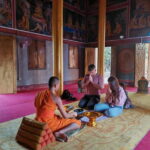
This Siem Reap experience is a real Buddhist water blessing in the countryside at Wat Arang Pagoda, tied to the same Theravada traditions you see behind the stone faces of Angkor—just lived and practiced, not preserved behind ropes. I like how the monks chant with you watching, then you leave with a visible sign of participation: special red ties on your wrist.
I also like the care in the setup. You get an English-speaking guide who explains what will happen and the simple protocol, including when to offer your donation and how to sit or prepare for water. And before the ceremony, you stop at a local market, which adds context to the day beyond a single ritual.
One thing to consider: you should expect to get wet. The longer blessing involves water poured over your head, and even the lighter version includes sprinkling. Also, if you’re hoping to clearly hear chanting over the sound of water and ritual motion, you might find it harder than you expect.
In This Review
- Key Things I’d Put On Your Radar
- Wat Arang Pagoda: A Ritual That’s Not Just for Tourists
- Getting There by Tuk-Tuk, Plus a Market Stop That Adds Context
- Choosing Between Two Water Blessings (and What Each One Feels Like)
- Option 1: Chanting + Light Sprinkling
- Option 2: The Longer Head-Pouring Ritual
- Step-by-Step: What Happens During the Ceremony at Wat Arang Pagoda
- Monks, Chanting, and Meaning: How to Get More Out of the Moment
- What to Bring (and What You’ll Be Given) So You Don’t Have a Bad Day
- You’ll get
- You should bring
- Price and Value: Is $37 Worth It for About Two Hours?
- Who This Fits Best (and Who Might Feel It’s Not for Them)
- Should You Book This Wat Arang Pagoda Water Blessing?
- FAQ
- Where does the water blessing take place?
- How long is the experience?
- What’s included in the price?
- Do I get to choose how the blessing is done?
- Will I get wet?
- What should I wear?
- Is there a towel provided?
- Is pickup from my hotel included?
- Can I cancel and still get a refund?
- Do I pay immediately?
Key Things I’d Put On Your Radar
- Two blessing styles: a light sprinkling chant, or a longer head-pouring ritual
- You’re guided step-by-step by an English speaker, including what to do and where to sit
- Sarong provided so your regular clothes stay dry for the full ritual
- A real market visit helps the pagoda stop feel connected to daily life
- Red wrist ties mark that you received the blessing
- Photo help is built in, since guides commonly document the moment for you
Wat Arang Pagoda: A Ritual That’s Not Just for Tourists
Siem Reap has plenty of impressive sights, but this kind of activity gives you something different. The point here isn’t spectacle. It’s participation in a working spiritual routine at a local pagoda, with monks who chant as part of the blessing itself.
What makes this worth your time is that you’re not just standing at the edge and watching. You’re invited into the process with a guide who makes the steps clear. That matters because water ceremonies can feel confusing if you don’t know what comes next—when to sit, when to bow slightly, when the monk’s gestures mean you should stay still, and how the blessing ends.
A nice bonus is how the guides frame the meaning. Some guides talk about Buddhist ideas in plain language and also touch on how spiritual beliefs intersect with local Cambodian life. That helps the ritual feel respectful and grounded, not like a performance designed only for visitors.
And yes, the countryside pagoda setting helps. You’re just outside the main Siem Reap hub, which makes the ceremony feel like it belongs to a community schedule, not a tourist timetable.
You can also read our reviews of more tours and experiences in Siem Reap.
Getting There by Tuk-Tuk, Plus a Market Stop That Adds Context
The day starts with hotel pickup and a tuk-tuk transfer. That short ride is more than logistics. It shifts your brain from Angkor-mode into countryside rhythm, with less traffic noise and more of that rural “this is where people actually live” feeling.
Then you add a market visit. This is the part that often gets skipped or minimized on cultural tours, but here it’s included. The market stop gives you a quick look at daily buying habits—food items and everyday supplies—so when you later make a donation to the pagoda, it doesn’t feel random. It feels like you’re contributing to a local system.
I like this structure because it turns the day into a story:
1) See how people live
2) Meet the monastery space
3) Participate in the blessing
Even if you don’t remember every detail afterward, the day hangs together.
Choosing Between Two Water Blessings (and What Each One Feels Like)
The experience gives you two forms of blessing. Knowing which one fits you is half the decision.
Option 1: Chanting + Light Sprinkling
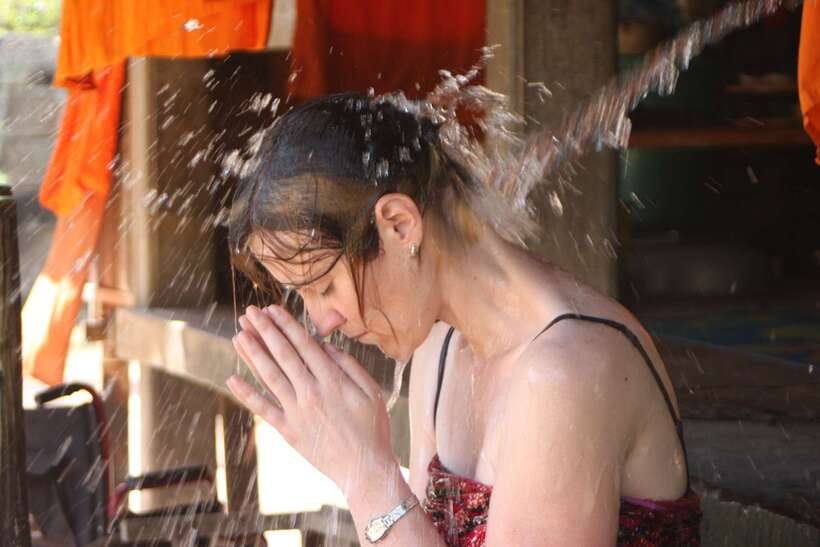
This starts with monks chanting harmoniously as they wish you good luck, safe travel, and a long life. You’ll feel a light sprinkling of water as part of the blessing.
If you’re the type who wants the ritual without a full wet-and-shiver moment, this is likely the better pick. It still feels ceremonial, but your body doesn’t get hit with the biggest temperature and splash change.
Option 2: The Longer Head-Pouring Ritual
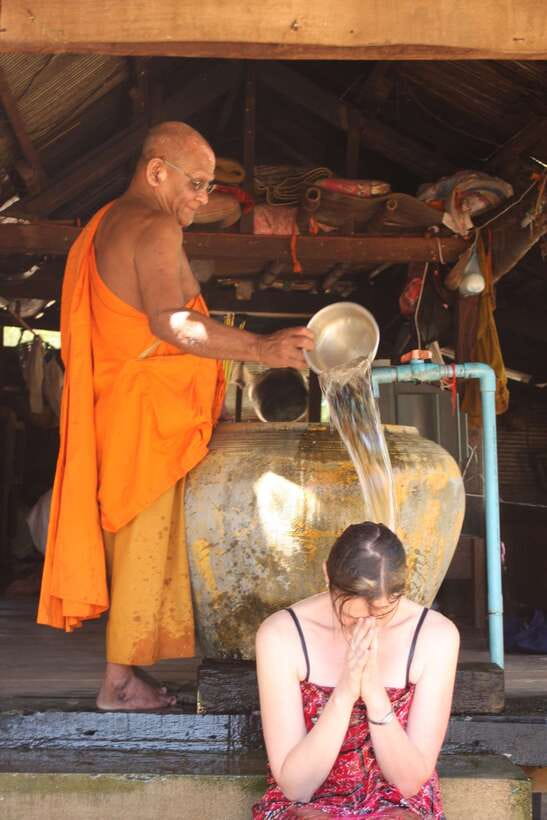
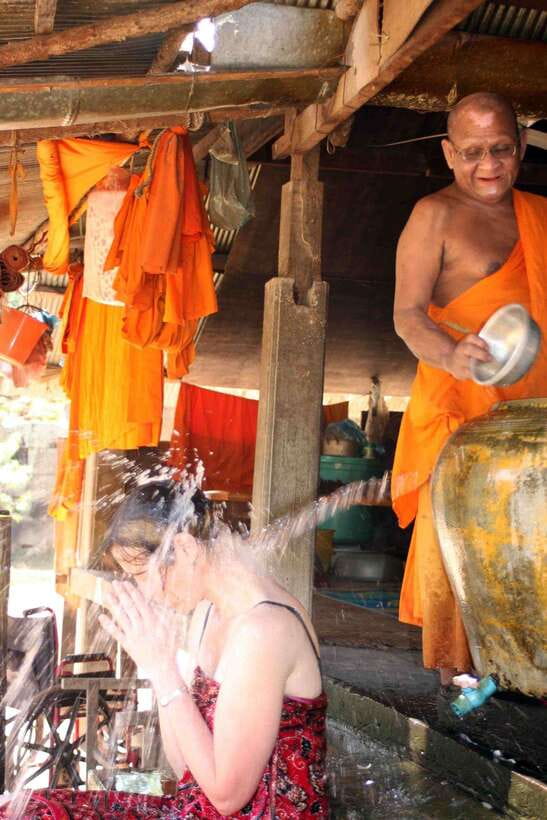
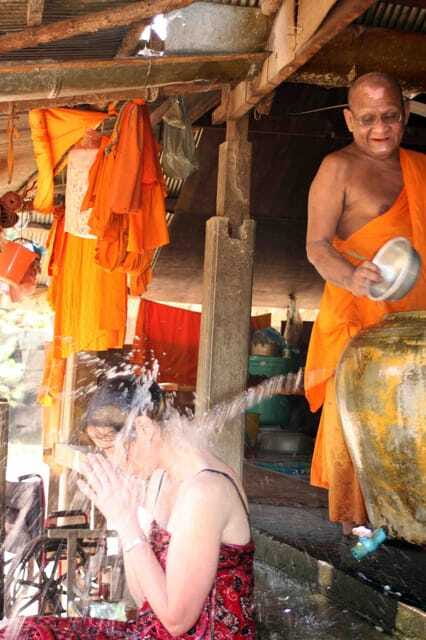
The second option is longer and more intense. Blessed water is poured over your head while monks chant.
For this ritual, you’ll be provided a sarong to change into so your clothing stays dry. Even so, you should assume your body will be fully part of the experience. Bring patience. The moment is brief, but the sensation can be strong in Cambodia’s heat.
One more practical note: some people felt they couldn’t fully choose which blessing style they received. The clear takeaway for you is simple: if water intensity matters, ask your guide right up front what you’ll be doing and confirm it before the ceremony starts.
Step-by-Step: What Happens During the Ceremony at Wat Arang Pagoda
Here’s how the flow typically feels, from start to finish.
First, you arrive at the pagoda and the guide gets you ready with quick explanations. You’ll participate in the blessing ritual inside the pagoda setting, and you’ll be guided on what to do during the chanting.
Before you get to the water portion, there’s also a moment for a donation. Your experience includes a donation to the pagoda, and you’ll make an offering as part of respectful participation. One helpful detail from the guidance you get: your guide will show you the right protocol so you don’t feel like you’re guessing.
Then comes the clothing prep. You’ll change into a sarong for the longer ritual so you stay more comfortable afterward. For the shorter sprinkling, you still follow the guide’s instructions, but you’re generally less exposed.
During the blessing itself:
- monks chant
- water is applied according to the option you take
- you stay seated and follow the pace of the ceremony
After the water portion ends, you’ll receive something symbolic. Your wrist is adorned with special red ties that signify the blessing performed. It’s a small thing, but it helps you remember this as a real event, not a blur of photos and walking.
Finally, you usually get time to look around the pagoda grounds with your guide and ask questions. This turns the experience from event-only into understanding. You’re not forced to learn everything, but you’ll leave with more sense of how the monastery functions in daily life.
Monks, Chanting, and Meaning: How to Get More Out of the Moment
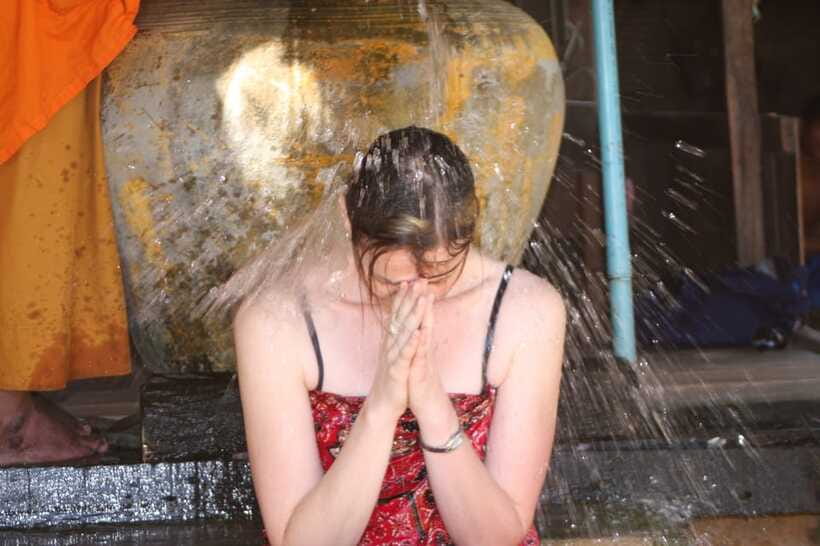
The biggest “value” of this trip isn’t the water itself. It’s how much you can understand in the moment—if you go in ready to listen.
You’ll get an English-speaking guide, and the guides are often strong at translating the philosophy in human language. For example, guides such as Mr. Sokha and Lee are cited for explaining the process clearly, answering questions, and sharing thoughtful context about Buddhism and monastery life.
A practical tip: ask one question before the chanting starts. Something like what the blessing represents, or what the red ties are meant to symbolize. When you know the intention, the ceremony feels calmer and more meaningful.
Also, don’t stress about trying to hear every syllable. If the water is running and you’re seated close, it’s normal for sound to be harder to catch. Your role isn’t to perform. Your role is to be present.
One more helpful frame: some guides describe the ceremony in a broader spiritual way—less about tourism faith-testing, more about spiritual cleansing concepts and respect for local belief systems. Even if you’re not Buddhist, you can still treat it like a moment of reflection and intention-setting, with real monks doing a real ritual.
What to Bring (and What You’ll Be Given) So You Don’t Have a Bad Day
This tour is set up to handle the key needs for the water ritual, but you should pack smart.
You’ll get
- Sarong for changing (especially for the longer head-pouring ritual)
- A donation to the pagoda is included
- English-speaking guide
- Tuk-tuk transfer
- A market visit
- Red wrist ties after the blessing
You should bring
- A change of underwear is a good idea. One practical tip from participants: extra underwear helps if you get thoroughly soaked.
- If you have long hair, think about drying and cleanup. Some people recommend having your own extra towel, even though a towel may be provided.
- A sense of humor about getting splashed. It happens fast, and the monk’s pacing won’t wait for you to feel awkward.
Also, take a moment to plan your expectations around comfort. Cambodia is hot, and water can feel refreshing, but your comfort comes down to how quickly you dry afterward.
Price and Value: Is $37 Worth It for About Two Hours?
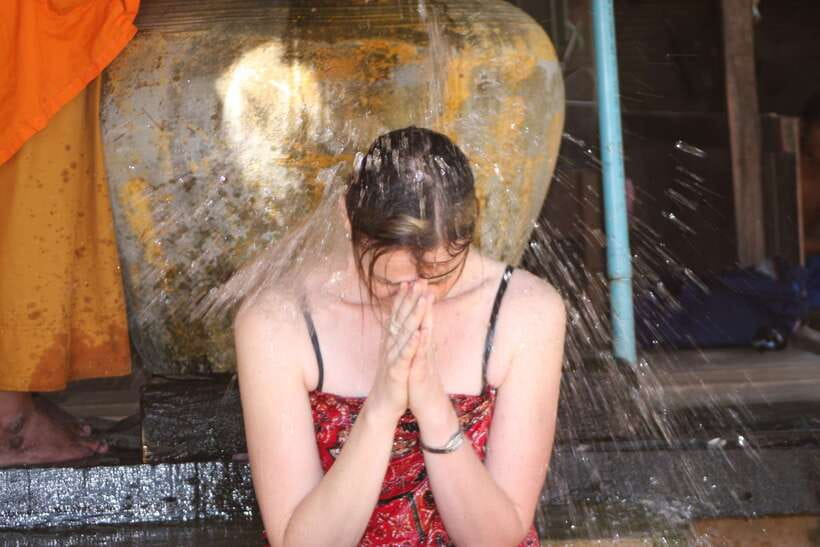
At $37 per person for a total of about two hours, the price can feel steep if you compare it to a quick stop. But the value here is the package, not just the water ritual.
What you’re paying for includes:
- hotel pickup and tuk-tuk transfer
- an English guide who helps you understand the steps
- the sarong for the ritual that keeps your clothes from soaking
- the donation to the pagoda
- a market visit that makes the day feel connected
So you’re not only purchasing access to the ceremony. You’re paying for interpretation, respectful guidance, and transportation in a place that’s less walkable and more “you need a guide” than a city street.
That said, there are fair concerns in the real world. Some people found it expensive for what they got, and a few felt they didn’t get the exact blessing style they expected. If those points matter to you, your best defense is clear communication with your guide early.
Who This Fits Best (and Who Might Feel It’s Not for Them)
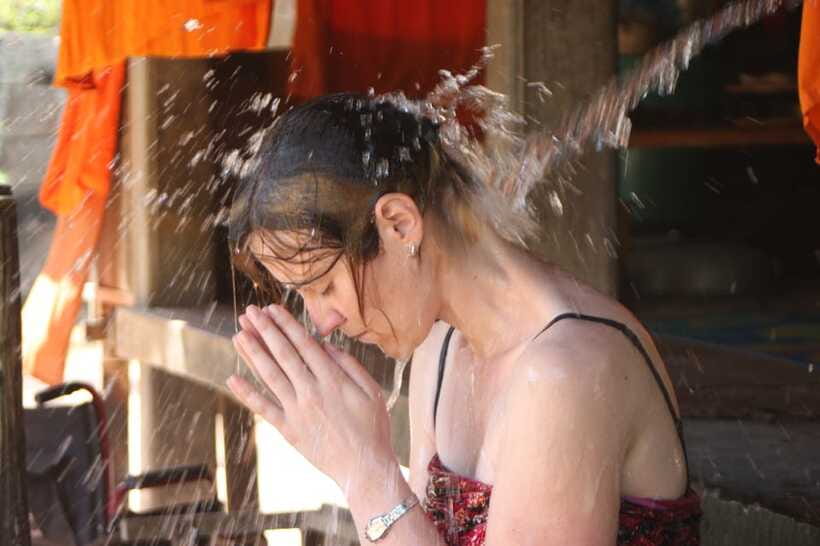
This is ideal if you want:
- a functioning temple/monastery experience, not another Angkor photo sprint
- a ritual where you can participate without insider confusion
- a calmer cultural break when you’ve had enough ruins for the day
It’s also a strong choice for couples or solo travelers who like structured, meaningful activities.
You might want to skip (or choose the lighter sprinkling) if:
- getting wet is a deal-breaker
- you’re looking for long sightseeing time rather than a focused ritual
- you care more about quiet observation than participation
Should You Book This Wat Arang Pagoda Water Blessing?
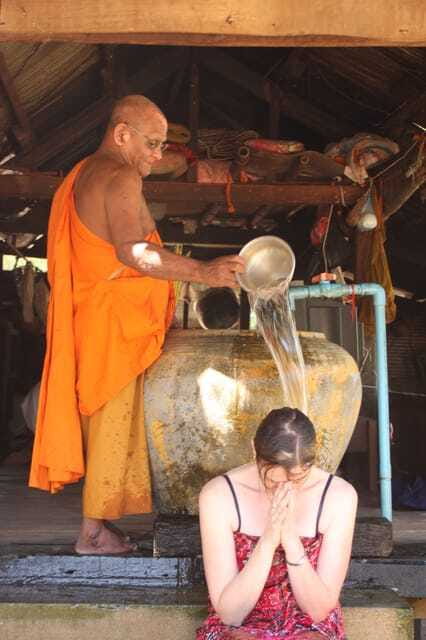
I’d book it if you want something small, local, and genuinely interactive—especially after days of temple viewing when you want your trip to feel lived, not just photographed. The guide support, the sarong, the donation component, and the red wrist tie all make it feel like more than a gimmick.
If you’re on the fence, do one thing before you go: decide how you feel about water intensity. The longer head-pouring ritual is the part you can’t fully avoid, even with the sarong.
Overall, at this price point, you’re buying a guided cultural ritual plus transportation plus a market stop. For many people, that combination is exactly the kind of Siem Reap detour that leaves you remembering the feeling, not just the landmark.
FAQ
Where does the water blessing take place?
It takes place at Wat Arang Pagoda in the countryside just south of Siem Reap.
How long is the experience?
The total activity duration is about two hours, and the water blessing itself is about one hour.
What’s included in the price?
Included are an English-speaking guide, tuk-tuk transfer, sarong, donation to the pagoda, and a market visit.
Do I get to choose how the blessing is done?
The experience offers two forms of blessings from the monks. You can choose between them as part of the experience description.
Will I get wet?
Yes. The blessing includes water—either a light sprinkling with chanting or a longer ritual where blessed water is poured over your head.
What should I wear?
You’ll be provided a sarong to change into for the ritual that involves pouring water over your head, so your regular clothing stays more protected.
Is there a towel provided?
A participant mentioned that a towel is provided after the ritual, though you may want your own extra towel for comfort.
Is pickup from my hotel included?
Yes. Your driver will pick you up from your hotel at the time indicated on your booking.
Can I cancel and still get a refund?
Yes. You can cancel up to 24 hours in advance for a full refund.
Do I pay immediately?
You can use reserve now & pay later, which means you can book your spot and pay nothing today.