REVIEW · SIEM REAP
Angkor Wat Small Group Tour Inclusive lunch
Book on Viator →Operated by Siem Reaper Travel - Phnom Penh Day Tours · Bookable on Viator
Angkor Wat is mind-blowing in daylight. This small-group day takes you through the big Angkor Wat complex plus Angkor Thom and Ta Prohm-style jungle ruins, all with a real historian guide. If you hate wasting time on logistics, you’ll like that the tour is built around hotel pickup and drop-off in Siem Reap.
I especially like the human touch: the tour uses an English-speaking guide (a professional historian) so you don’t just walk from stone to stone. On top of that, the day includes bottled water, local snacks and fruits, and a break for lunch at a local house.
One thing to plan for: temple tickets are not included and cost USD 37 per day, so your total day out of pocket will be higher than the $49 tour price.
In This Review
- Key things that make this tour work
- Small-group comfort, timed for temple reality
- A historian guide makes stone carvings feel like a story
- Banteay Kdei: your first stop in the wider Angkor archaeological park
- Ta Prohm’s jungle feeling: the ruins that refuse to stay quiet
- Angkor Thom: the walled royal city and the Bayon faces
- Lunch at a local house: the sanity break between temples
- Angkor Wat: carved hallways, a huge complex, and the time to slow down
- Price and tickets: what you pay, what you still need
- What the day feels like (and who it’s best for)
- Should you book this Angkor Wat small-group day?
- FAQ
- What’s the tour duration?
- What time does the tour start?
- How many people are in the group?
- Is hotel pickup and drop-off included?
- What’s included in the price?
- Are Angkor temple tickets included?
- Do I get a mobile ticket?
- Is lunch included, and can it be vegetarian?
- What should I pack for the day?
- What’s the cancellation policy?
Key things that make this tour work
- Max 6 travelers: small enough for questions and a steady pace.
- Hotel pickup and drop-off: saves time in Siem Reap before and after the temples.
- Historian guide in English: helps the carved ruins make sense fast.
- Lunch plus snacks and water: you’re not scrambling for food mid-day.
- Mobile ticket option: makes entry-day logistics easier.
Small-group comfort, timed for temple reality
A seven-hour temple day sounds simple until you add heat, walking, and crowds. This is designed as a true small group, capped at 6 travelers, which usually means less waiting around and fewer “single-file shuffle” moments. Starting around 8:00am also helps you get moving before the hottest part of the day ramps up.
You travel by air-conditioned vehicle, and you get bottled water plus local snacks and fruits during the day. That matters more than it sounds in Angkor, because the temples aren’t one quick stop. It’s a full circuit of different zones, and your body will thank you for staying fueled and hydrated.
You can also read our reviews of more tours and experiences in Siem Reap

A historian guide makes stone carvings feel like a story
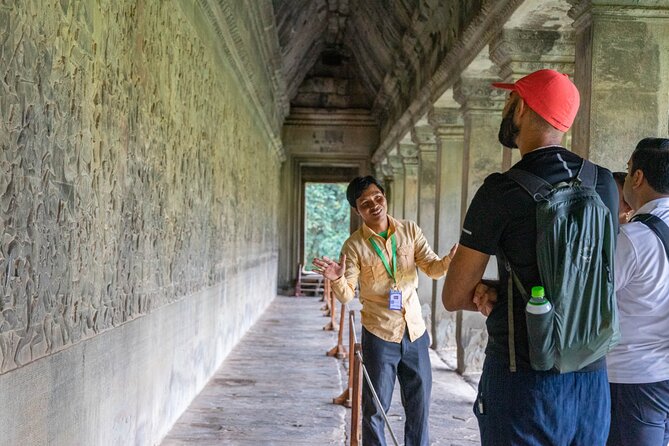
Angkor isn’t just impressive. It’s confusing if you only look at what’s in front of you. The tour’s big strength is the guide—an English-speaking historian—who puts context to what you’re seeing as you move between sites. When you understand what a structure was for, the details stop looking random.
In the guide department, the names that come up again and again are Ben and Son, plus other guides like Rith and Sotin. People credit them with strong English, a friendly style, and a focus on Khmer history and cultural context—not just dates and directions. You also get an added bonus when guides are good at helping with photos, because Angkor rewards timing and angles.
The tour is also paced around “take your time” rather than a rushed stamp-collecting run. That’s my favorite style for Angkor, because you’re looking at carved stone that rewards slow attention. If you’ve ever felt that guided tours move too fast, this one is worth considering because it’s built around multiple hours per zone.
Banteay Kdei: your first stop in the wider Angkor archaeological park
The day starts with a temple stop in the Angkor Archaeological Park at Banteay Kdei (about 2 hours). The practical reason to start here is simple: it gets you into the rhythm of temple-walking early, before you head to the most famous, face-filled sights.
Because the tour begins with this early temple zone, it also gives you time to settle in—sunscreen on, water in hand, and shoes sorted. The tour specifically cues you to pack sunscreen and water beforehand, which is smart advice for Siem Reap mornings that can turn intense later.
What you’ll like most at Banteay Kdei is the chance to see another side of Angkor beyond the headline photos. Even if you’ve been online studying famous temples, this “warm-up” stop can help you get your bearings fast once you start seeing the different architectural styles and layouts across the complex.
Ta Prohm’s jungle feeling: the ruins that refuse to stay quiet
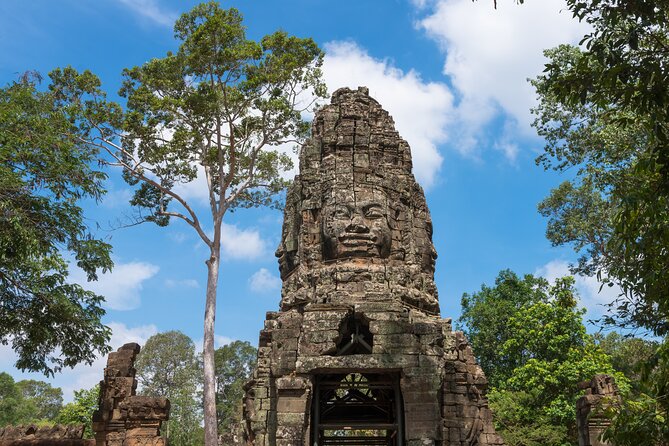
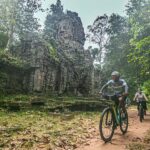
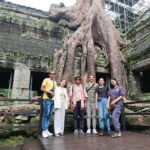
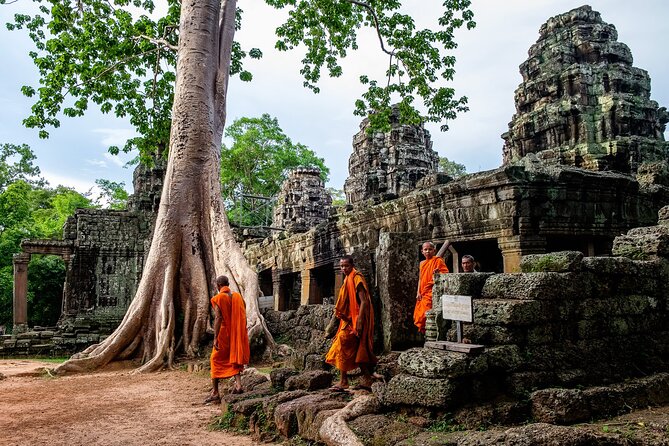
The overview for this tour includes Ta Prohm, described as a temple complex slowly being reclaimed by the jungle. Even if you’ve seen images before, the real thing hits differently because the setting isn’t just backdrop. The growth and decay feel part of the design experience, and the place looks like it’s still in conversation with time.
This stop fits well with the tour’s overall approach: you’re not just checking a box. You’re given guided context so you notice more than the obvious. You’ll likely find yourself looking upward at roots and spanning stones, then back down to carvings and pathways—trying to understand how people built these spaces in the first place.
If you’re the type who enjoys atmosphere as much as architecture, Ta Prohm is the emotional hinge of the day. It’s also a good reminder that Angkor isn’t only about religion and monuments—it’s about how living nature and human history overlap.
Angkor Thom: the walled royal city and the Bayon faces
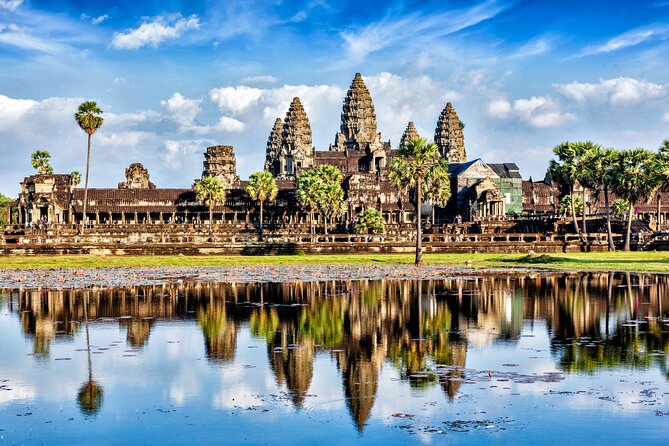
Next up is Angkor Thom (about 2 hours). This is the royal capital in the 12th century, and the tour frames it as a massive walled city, even noting an old figure of 1 million people—far larger than any European city of the time. Whether or not you love the comparison angle, the takeaway is clear: this wasn’t a small ceremonial site.
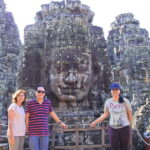
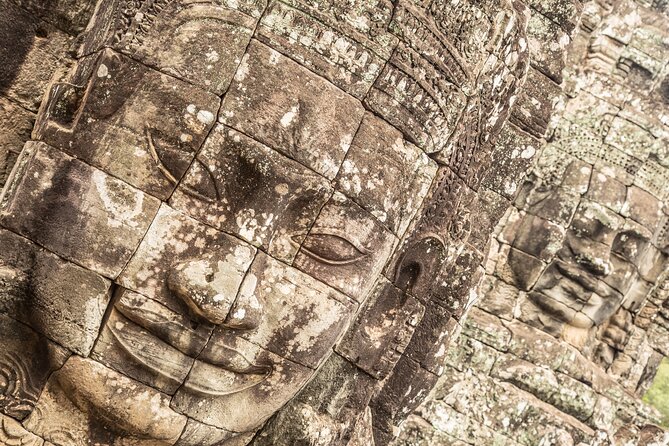
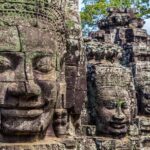
The centerpiece here is Bayon, with carved-stone faces that watch from multiple directions. That’s the kind of detail you can walk past if you’re not thinking about sightlines and layout. A historian guide helps you understand why the faces are positioned the way they are and what that says about the beliefs and priorities of the city.
I like that the tour keeps Angkor Thom as a real chunk of time, not a quick “look then go.” Two hours is enough to find a couple of key viewpoints, re-check your route, and still feel like you’re seeing the city—not just the highlights.

Lunch at a local house: the sanity break between temples
Between Angkor Thom and Angkor Wat, the tour includes lunch, and the itinerary calls it a break before diving into Angkor Wat’s main temple exploration. This is one of those details that genuinely affects your day. If you skip lunch, your energy drops right when Angkor Wat demands longer attention.
You also get vegetarian option available if you request it when booking. The tour also includes local snacks and fruits and bottled water, so you should arrive at lunch feeling human instead of shaky and overheated.
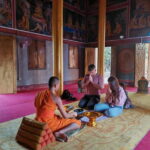
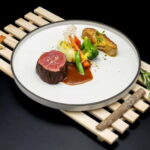
The lunch is at a local house, which usually means you’re eating something more typical for the area than a generic tourist meal. I’d plan to go in with curiosity rather than expectations of a specific menu, since the tour only promises the setting and inclusion—not a written dish list.
Angkor Wat: carved hallways, a huge complex, and the time to slow down
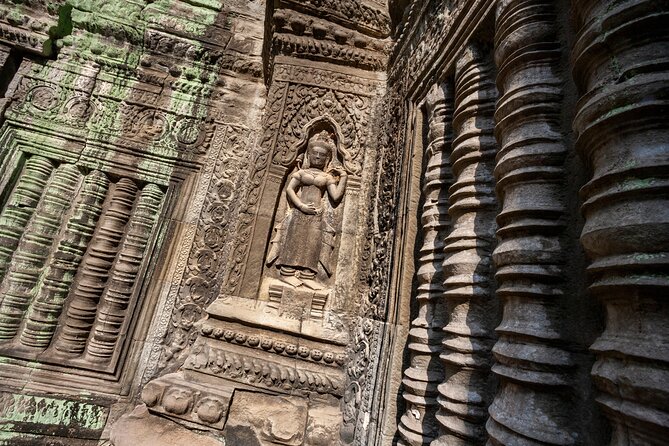
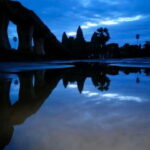
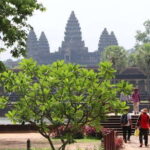
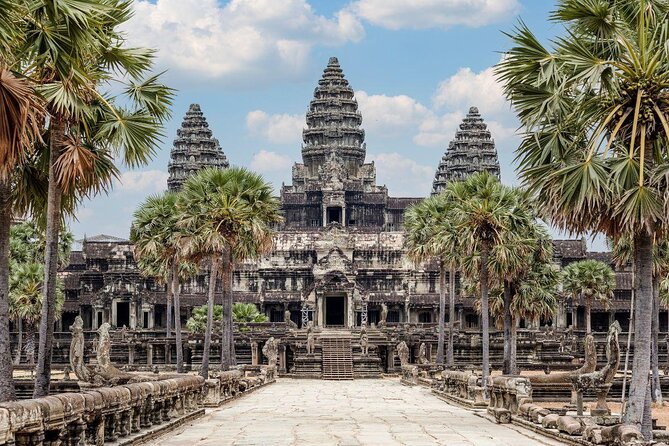
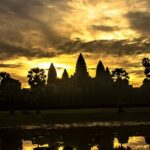
This is the big one: Angkor Wat (about 3 hours). The tour describes it as the largest religious building in the world, built over 30 years with the labor of 300,000 workers. Even if you already knew those headline stats, the way your guide uses them while you’re standing inside the complex makes them feel more real.
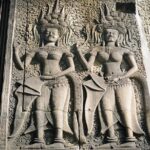
The tour also highlights that Angkor Wat sits inside a 400-acre complex, which is crucial context. When you understand it’s a big “world,” not a single temple photo, you stop feeling like you’re missing something by not seeing every corner. The tour sets expectations by building in time for the intricately carved hallways and a paced exploration.
This is where you’ll want to pay attention to footing and heat. Three hours can fly, but you’ll still cover a meaningful amount of ground. The good news is that because the tour isn’t rushing you out, you can pause where the carvings catch your eye instead of treating it like a corridor checklist.
If you care about photos, guides who help with photo timing can make a difference here. The day’s guides have a reputation for steering people toward better angles and cleaner sightlines, which can help you avoid the most chaotic crowd moments.
Price and tickets: what you pay, what you still need

At $49 per person, this is positioned as a budget-friendly way to do Angkor with a guide and comfort included. What makes it better value than “just entry tickets” is what you get for that fee: hotel pickup and drop-off, an English-speaking historian guide, air-conditioned transport, bottled water, local snacks and fruits, and lunch at a local house.
But you do need to account for the main extra cost: temple admission tickets are USD 37 per day and are not included. So your day isn’t $49 all-in. It’s more like the tour price plus the daily temple ticket cost, depending on how many people you’re booking and the ticket rules for your entry.
One more practical detail: the tour notes a mobile ticket. That’s helpful for reducing paper fuss, but it doesn’t replace the need for the temple ticket itself. Plan on paying attention to what’s included versus what you purchase separately.
Also, the tour notes that bookings are typically made far in advance, with an average of 285 days. That’s a hint that this kind of small-group schedule can fill up, especially in busy seasons. If you have fixed dates, don’t wait until the last minute.
What the day feels like (and who it’s best for)
This is a full-day outing in a hot environment, and the tour asks for moderate physical fitness. That usually means you’ll deal with uneven surfaces, lots of steps, and long stretches of standing and walking. If you’re comfortable with that pace, you’ll likely enjoy the mix of major highlights and the guided narrative.
If you’re traveling with kids or anyone who hates heat and walking, you might find the day too much, even though group size stays small. Likewise, if you’re trying to visit Angkor at an ultra-slow pace or want long time for solo wandering, you may feel the structure of a 7-hour tour. The upside is that the tour is guided and time-boxed, which helps most people avoid getting lost or missing key areas.
Where this tour shines is for first-timers who want meaning, and for return visitors who want a better explanation than a phone app. The “historian guide” element is the real differentiator.
Should you book this Angkor Wat small-group day?
I’d book this if you want a guided Angkor day that’s small, comfortable, and organized around the major sites. You get a smart mix: Banteay Kdei, Angkor Thom, Ta Prohm, and then Angkor Wat with lunch in between. For many people, that’s the best way to see the essentials without feeling like you’re sprinting.
I’d think twice if you’re trying to do Angkor on the absolute cheapest ticket math, because the temple entry fee is a separate USD 37 per day. Also, if walking and sun will be a problem for you, the “moderate fitness” requirement is worth taking seriously.
If your goal is to understand what you’re seeing—carved faces, royal-city layout, and the jungle mood of Ta Prohm—this tour format makes that goal realistic.
FAQ
What’s the tour duration?
The tour runs about 7 hours.
What time does the tour start?
The start time is 8:00am.
How many people are in the group?
The group size is capped at a maximum of 6 travelers.
Is hotel pickup and drop-off included?
Yes. Hotel pickup and drop-off are included.
What’s included in the price?
Included features are an English speaking tour guide, bottled water, local snacks and fruits, an air-conditioned vehicle, lunch at a local house, and pickup/drop-off.
Are Angkor temple tickets included?
No. Temples Ticket costs USD 37.00 per day and is not included.
Do I get a mobile ticket?
Yes, the tour notes a mobile ticket.
Is lunch included, and can it be vegetarian?
Lunch is included, and a vegetarian option is available if you advise at booking.
What should I pack for the day?
The tour advises bringing sunscreen and water before you set out.
What’s the cancellation policy?
You can cancel for a full refund up to 24 hours before the experience starts. If you cancel less than 24 hours before, the amount paid is not refunded.