REVIEW · SIEM REAP
Angkor Wat Sunrise & 3 Main Temples with Breakfast – Small Group
Book on Viator →Operated by Siem Reap Shuttle · Bookable on Viator
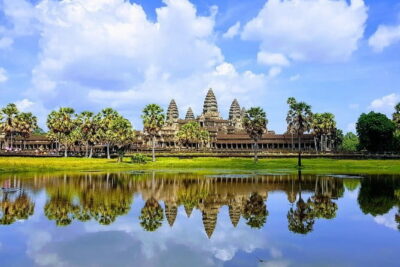
Sunrise at Angkor Wat is the easy win. This small-group trip pairs an early pickup with guided temple time and short hops between stops so you can actually enjoy it.
Two things I like a lot: the guided interpretation (symbolism, architecture, and why things are carved the way they are) and the fact that the tour is designed to save your energy in the heat with air-conditioned minibus transfers. It also helps that it caps at 10 people, which keeps the day from feeling like a stampede.
One consideration: even with an early arrival, Angkor can feel crowded. You’re still going to see plenty of people at 5-ish a.m., and the day includes waiting around before you move through the temples.
In This Review
- Key highlights you’ll care about
- Sunrise, symbolism, and real time-saving between temples
- Price and what you’re really paying for
- The early pickup grind: sunrise timing that actually makes sense
- Stop 1: Angkor Wat sunrise and the first temple “wow”
- Stop 2: Srah Srang breakfast with a local-food advantage
- Stop 3: Bayon Temple and the 200 faces of Lokeśvara
- Stop 4: Ta Prohm for photos, details, and atmosphere
- How the guide experience shapes the whole day
- Transport and comfort: why the minibus really matters
- Who this tour is best for
- Should you book this Angkor Wat Sunrise & 3 Main Temples tour?
- FAQ
- What time does hotel pickup happen?
- Is breakfast included?
- Are Angkor Wat, Bayon, and Ta Prohm admission tickets included?
- How long is the tour?
- How many people are in the group?
- Is transportation included between the temples?
- What should I wear?
Key highlights you’ll care about
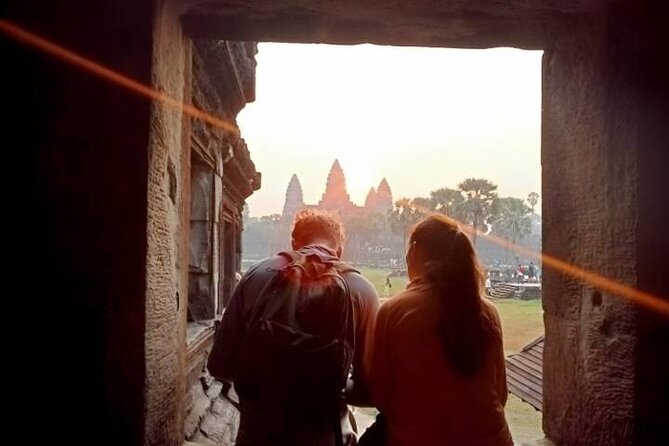
- Angkor Wat sunrise at the main viewing zone, timed around an early start (pickup begins 4:20–4:50 a.m., activity starts about 4:30 a.m.)
- Small group max 10, which makes questions easier and photo stops less chaotic
- Air-conditioned mini-bus between sites, a real comfort upgrade in Siem Reap heat
- Bayon Temple’s 200 faces of Lokeśvara, explained as part of the guide’s storytelling
- Breakfast included at Srah Srang, with a local restaurant chosen for quality, hygiene, and price
Sunrise, symbolism, and real time-saving between temples
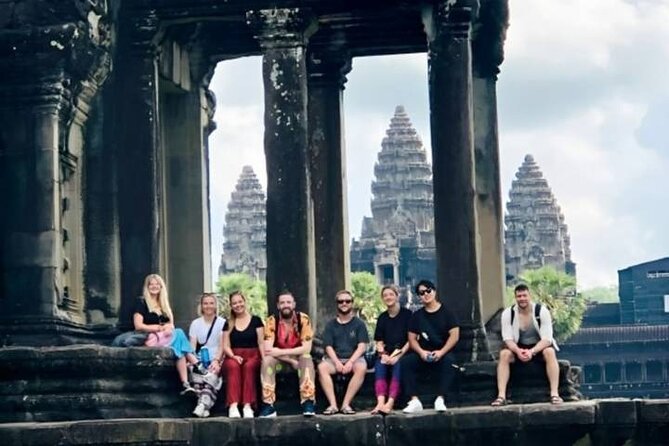
Angkor isn’t just one temple. It’s a whole archaeological park packed with different eras, religions, and styles that overlap in ways that can feel confusing if you show up cold. That’s where a small-group guided route helps: you don’t just walk around looking at stones. You get a framework for what you’re seeing and why it mattered.
This tour is built around the biggest “wow” moment first: sunrise at Angkor Wat. Then it keeps the rest of the day efficient with a minibus between the three main temples. You’ll also get cold towels and water, which sounds minor until you’re standing in the pre-morning cool and then suddenly notice the heat creeping in.
At $15 per person, the tour price alone is low. The tradeoff is that temple admissions are not included in that base price, so you’ll want to budget for the official passes up front.
You can also read our reviews of more tours and experiences in Siem Reap

Price and what you’re really paying for
The tour costs $15 per person, and the temple pass is extra. The day pass is USD 37, and the 2-day pass is USD 62. If you’re doing only these main sites, expect your total to land around the day-pass level once you add admissions.
What you get for that base price is the hard-to-do part: the early logistics, the professional English-speaking guide, and the air-conditioned transport that moves you between Angkor World Heritage sites without turning your morning into a sweaty commute. If you tried to DIY it, you’d still spend money on a guide or private transport (and you’d still need to figure out sunrise timing and where to be).
So I see it as value in two ways:
- you’re paying for time and guidance, not just a bus ride
- the small group format makes the guide’s explanations more useful, not lost in a big crowd
The early pickup grind: sunrise timing that actually makes sense
The tour activity starts around 4:30 a.m., with hotel pickup typically between 4:20 and 4:50 a.m. That means you’ll be moving before most of Siem Reap is fully awake.
Why that matters: Angkor Wat is the headline site, and the viewing areas get busy. Even when you arrive early, you may still see lots of people. That’s not a flaw in your planning; it’s just the reality of a world-famous sunrise.
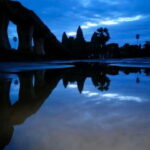
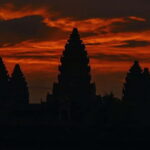
Still, this is the point of the tour. You’re not sleeping in and hoping for a miracle. You’re showing up early enough to watch the sky change over the temple towers, then get into the complex with less rushing and more time to take in the details.
Practical tip: keep your camera ready. The “light switch” moment can be quick, and you don’t want to be digging for settings while everyone else is already watching.
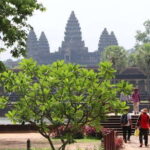
Stop 1: Angkor Wat sunrise and the first temple “wow”
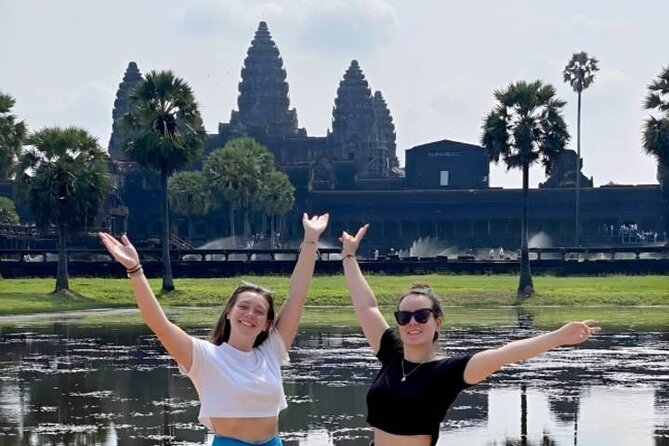
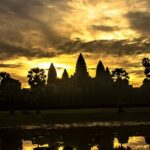
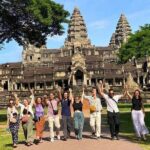
This is the main event, and it’s scheduled for about 4 hours. Admission for Angkor Wat is not included, so plan on having your pass ready (or buying it separately before entering, depending on what’s available).
What makes this stop so special is the way the temple reads at sunrise. From certain angles, the towers and galleries look sharper and more structured than they do under harsh midday sun. The lighting makes carvings easier to notice, and the mood tends to shift fast as the first light hits stone.
A practical note on pacing: you’ll spend some time waiting before you can move freely. That’s common for sunrise tours. If you hate waiting, bring something to occupy yourself (water, snacks if allowed, and a warm layer for the early hours).
This stop is also where your guide’s interpretation starts to pay off. Even before you get deep into the complex, you’ll usually get a quick sense of the layout and what you’re looking for—so you don’t just wander aimlessly once the gates open.
Stop 2: Srah Srang breakfast with a local-food advantage
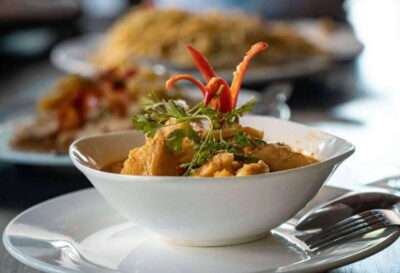
After sunrise, you shift gears to Srah Srang. Breakfast is included here, and the tour specifies that your guide picks a local restaurant based on food quality, hygiene, and prices compared across the area.
This matters more than it sounds. Angkor day tours can leave you hungry and dehydrated, and the easiest way to ruin the day is to grab the wrong meal. Having breakfast built in keeps you from hunting for food while you’re also trying to follow the group schedule.
Srah Srang is also visually interesting on its own. It’s not just a “break” stop. You get a calmer break in the middle of an otherwise fast, stone-heavy day. It helps reset your eyes before the next temple.
One small caution: the tour includes a breakfast, but the data says breakfast drink is not included. So if you rely on coffee or bottled water with breakfast, budget a little extra or bring your own.
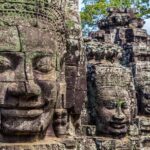
Stop 3: Bayon Temple and the 200 faces of Lokeśvara
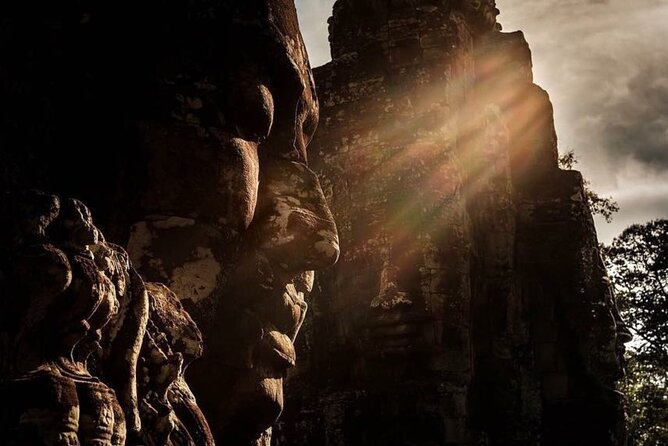
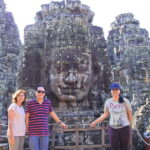
Next up is Bayon Temple, roughly 1 hour, with admission not included. If you’ve seen Angkor photos before, you’ve probably seen this place. Those famous stone faces are the attraction, but the guide is the difference between seeing a postcard and understanding what you’re standing in front of.
The tour highlights Bayon’s 200 faces of Lokeśvara carved into the stone. A good guide will help you connect those faces to the broader temple symbolism and the religious history of the site. That’s why a guided visit works well here: the temple is dense, layered, and easy to misread without a framework.
Time-wise, one hour is enough to cover the main areas without feeling like you’re sprinting. But it can also feel short if you want to stop for every carving and photo. If you’re serious about photography, ask your guide when the best angles are, and don’t be shy about taking a few extra minutes at the places you care about most.
Stop 4: Ta Prohm for photos, details, and atmosphere
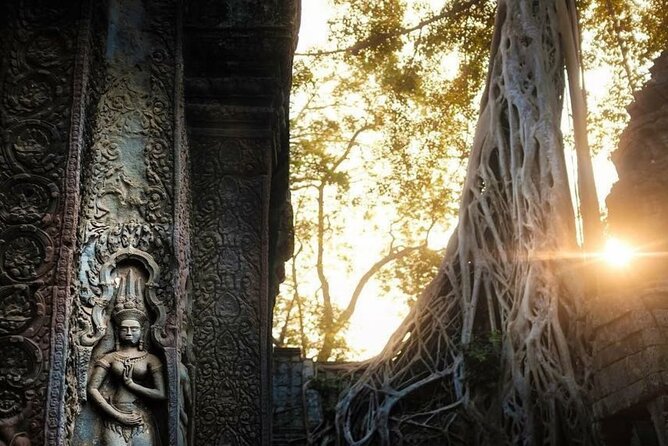
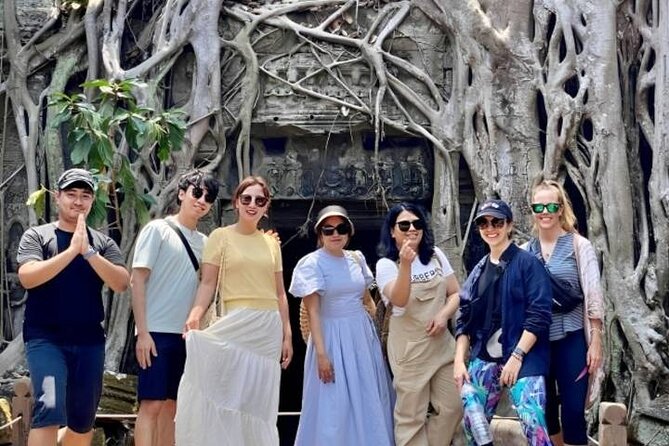
The final temple stop is Ta Prohm, also about 1 hour, again with admission not included. This is the temple that many people recognize for the trees and roots growing through the stone.
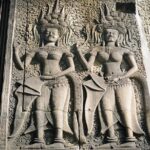
This stop is different from Bayon. Bayon is about faces and structure. Ta Prohm is about texture and atmosphere. The guide’s job here is usually to help you spot what you’d otherwise miss—how the temple was shaped by time, what restorations changed, and what stories the architecture can tell.
It’s also a photo stop in real time. The tour is built around capture time, not just walking. You’ll have chances to frame shots with the trees, gateways, and root tangles.
Heat reality check: this is Cambodia in the daytime. Even with air-conditioned transport between stops, you’ll be outside. Wear the right clothing and don’t underestimate how tired you’ll get by the afternoon. The tour includes water and cold towels, but your best defense is basic comfort: breathable shirt, hat, and shoes you can walk in for hours.
How the guide experience shapes the whole day
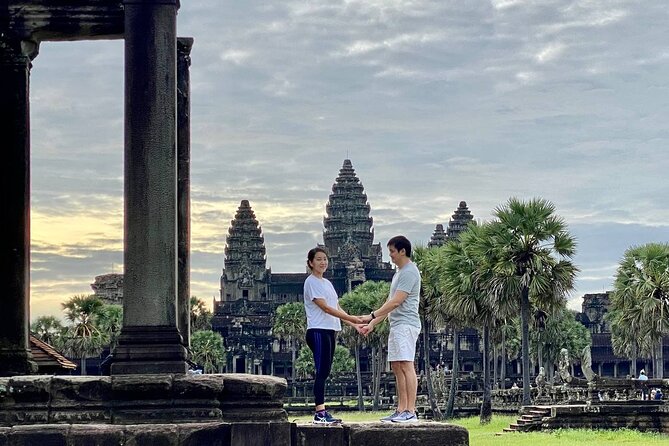
Small-group tours live or die on the guide, and this one has a strong track record. Multiple named guides show up in real experiences—King Kong, Mr. Lok, Chendra, Phleap, Sopheap, YOUK, and Yib Phana—and the recurring theme is that the guide makes the day more fun and more understandable.
Here’s what that usually looks like in practical terms:
- you learn why carvings matter, not just what they look like
- you get help reading temple layouts quickly
- you can ask questions without feeling rushed
- photo time feels more organized because you know where to look
Even with excellent guides, there’s one reality: sunrise tours have tight schedules and inevitable waiting. Some guides talk a lot, some less, and you may have your preference. If you like stories, you’ll probably love the pacing. If you prefer quiet time, you can still use the guide’s info to spot details and then take your own time when you want.
Transport and comfort: why the minibus really matters
The tour moves you between sites using an air-conditioned mini-bus. That’s not just convenience. At Angkor, your energy level is your biggest limiting factor.
Without transport, you’d be dealing with longer transfers, more sun exposure, and more time lost to finding routes. With this setup, you’re protected from the worst parts of the midday heat and you stay focused on each temple stop.
The tour also includes hotel pickup and hotel drop-off, with the drop-off around 12:30pm. So you can still have a second half of the day for a market, lunch, or a slower temple circuit if you want.
Who this tour is best for
This tour is a good fit if:
- you want one efficient day covering Angkor Wat, Bayon, and Ta Prohm
- you’re a first-timer who wants context while you walk
- you like sunrise experiences and don’t mind an early start
- you want a small group (max 10 travelers) rather than a huge bus
It’s less ideal if:
- you hate crowds even early (it can still feel busy)
- you prefer total freedom and minimal structure
- you’re sensitive to heat and long waits in the morning
Should you book this Angkor Wat Sunrise & 3 Main Temples tour?
I think you should book it if you want the best odds of a smooth Angkor day. The sunrise at Angkor Wat is the headline, but the real value is the combo: early timing, guided interpretation, and air-conditioned transfers that keep your energy for the temples.
If you’re on a tight schedule in Siem Reap, this route is the kind of plan that keeps you from wasting hours figuring things out. You still pay for the temple passes, but you’re paying for organization and understanding once you’re there.
One last tip before you decide: budget for the USD 37 one-day pass if that’s the only Angkor temple day you’re doing. Then you can enjoy the tour without last-minute math.
FAQ
What time does hotel pickup happen?
Hotel pickup is typically between 4:20 a.m. and 4:50 a.m., with the tour starting around 4:30 a.m.
Is breakfast included?
Yes. Breakfast is included at Srah Srang in a local restaurant your guide selects based on food quality, hygiene, and prices.
Are Angkor Wat, Bayon, and Ta Prohm admission tickets included?
No. Temple admissions and passes are not included. The listed prices are USD 37 for a 1-day pass and USD 62 for a 2-day pass.
How long is the tour?
The duration is about 7 to 8 hours.
How many people are in the group?
This is a small group capped at 10 travelers.
Is transportation included between the temples?
Yes. You travel by air-conditioned mini-bus between the temple stops.
What should I wear?
Dress smart casual and respect the religious grounds. Wear a shirt that covers your shoulders and trousers or knee-length pants or skirts, plus comfortable walking shoes. The tour runs in all weather conditions, so dress appropriately.