REVIEW · BATTAMBANG
Exploring Battambang History (Walking Tour)
Book on Viator →Operated by The Adventure Bike · Bookable on Viator
Battambang’s past is written on its streets. This 3 to 4 hour history walk turns big Cambodian events into real places you can point at, from French colonial architecture to symbols of peace after war. You’ll also get a guide-led look at religion and culture, plus photo stops that are easier when someone else handles the route.
Two things I like right away: hotel pickup and drop-off make it low-stress, and the tour is led by a local, English-speaking guide who can connect landmarks to the story behind them. One consideration: the morning start and time outside means you’ll want sun protection and flexible shoes.
In This Review
- Key things to know before you go
- Battambang History on Foot: what this tour really feels like
- Price and what $25 buys you in practical terms
- Pickup, meeting time, and how to be ready at 7:30 am
- Your guide matters here: English, energy, and context
- Stop-by-stop: what you’re seeing and why it matters
- Central Market: French-style bones of a trading city
- The 300 House: French colonial living, on a Cambodian timeline
- White Elephant: changing power under Thailand control
- Naga Peace: a symbol of post-war relief
- Governor House: seeing a difficult era without sugarcoating
- Chinese Temple: how Chinese religion shaped local life
- Indochina Bank: the practical side of history—money
- Temple and crocodile farm: a change of pace for photos and texture
- Learning more than dates: religion and culture in real places
- Walking pace, energy level, and what to wear
- Who should book this history walk (and who might skip it)
- Quick FAQ on the Battambang History walking tour
- FAQ
- How long is the Battambang History walking tour?
- What time does the tour start?
- How much does the tour cost?
- Is hotel pickup and drop-off included?
- What’s included in the price?
- What’s not included?
- How many people are in a group?
- What should I bring?
- Is a mobile ticket provided?
- Is there free cancellation?
- Should you book it?
Key things to know before you go
- 7:30 am start: plan for a morning begin, especially if you’re staying outside central Battambang
- Small group (max 15): better questions and less crowding at the stops
- History across eras: French colonial, Khmer Rouge period, civil war, and the role of religion (Hinduism, Buddhism, Christianity, Islam)
- Real-world landmarks: Central Market, the 300 House, Governor House, Chinese Temple, and Indochina Bank
- Photo-friendly pacing: guided stops where you can step out and frame shots without parking hassles
- Covered essentials: local guide, bottled water, and all fees and taxes are included
Battambang History on Foot: what this tour really feels like
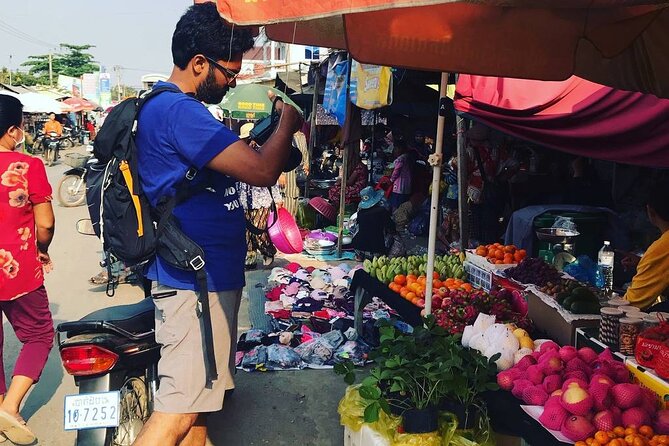
Battambang can be a slow, charming city to explore on your own. This tour gives that same city vibe, but with a stopwatch and a story in your pocket. Instead of wandering randomly and hoping you guess the context, you follow a planned route that ties each stop to a specific period.
You’ll be looking at places tied to power, commerce, and belief. That matters because history in Battambang isn’t just dates in a guidebook. It’s visible: French-style streets and buildings, traces of Thai control, and reminders of war and its aftermath. When a guide explains what you’re seeing, the city becomes easier to read.
The early start also helps. Morning light can flatter stone, signage, and the details people often skip. And since this is 3 to 4 hours, you get a solid hit of history without turning your day into a full-time mission.
You can also read our reviews of more walking tours in Battambang
Price and what $25 buys you in practical terms
At $25 per person for about half a day, you’re paying for three things that usually cost time or energy on your own: a local English-speaking guide, smart routing, and included basics.
Here’s the value breakdown as you’ll experience it:
- Guiding: the guide connects French colonial, Khmer Rouge, civil war, and religion to specific sites, not just general commentary.
- Friction removal: hotel pickup and drop-off from Battambang hotels means you don’t waste time figuring out meeting points.
- “Small stuff” covered: bottled water plus all fees and taxes are included, so you’re not constantly pulling out your wallet.
You still control the pace—photo stops are built in—but the heavy lifting is done for you. For a short time in Battambang, that’s a good deal.
Pickup, meeting time, and how to be ready at 7:30 am
The tour starts at 7:30 am, so you’ll want an early breakfast and clothes ready the night before. Even in the cooler morning hours, Battambang sun can catch you fast. The tour asks you to bring flexible or sport clothes, plus sunscreen and sunglasses.
Hotel pickup and drop-off is included for hotels in Battambang, which is a real advantage if you’re not staying in the exact center. I’d treat that pickup as part of the value: it protects your schedule and keeps you from arriving late, sweaty, and slightly stressed.
This is also a mobile-ticket experience, so have your phone ready and your confirmation at hand. If you’re traveling with a service animal, service animals are allowed.
Your guide matters here: English, energy, and context

The biggest repeat theme in the guide feedback is not just that staff are friendly. It’s that the guides bring a clear narrative and strong English.
You’ll see the names Sothea and Reaksa in standout reviews, both praised for history understanding and communication. Even if you don’t get those exact guides, the point is that this company seems to take the guiding portion seriously.
What that means for you: you’re not just checking boxes at famous corners. You’re learning what to look for. A good guide will point out how colonial-era design differs from local construction, or how a symbolic site connects to war and peace in the city’s memory.
Stop-by-stop: what you’re seeing and why it matters
Below is the core set of Battambang sights tied to the story the guide is teaching. The exact order may vary a bit, but the tour centers on these places and the themes behind them.




Central Market: French-style bones of a trading city
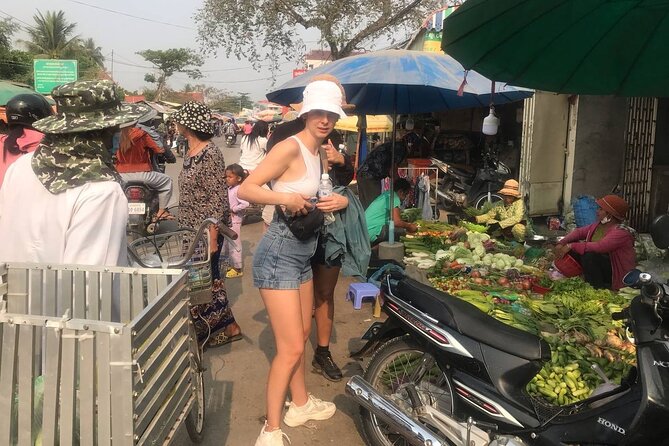
One of your first big “oh, that’s why” moments is the Central Market with its French-style look. Battambang developed as a commercial hub, and markets were where money and people mixed.
When a guide explains what colonial planning changed—how trade was structured, how the city functioned—you’ll start noticing the logic behind the architecture. Without context, you’d just think it’s an atmospheric market. With context, you’ll understand why it became a magnet.
Tip: this is a great stop for wide shots and street-level details, especially early in the day.
The 300 House: French colonial living, on a Cambodian timeline
Next up is the 300 House, tied to the French colonial period. The idea here isn’t the number on the sign—it’s what that housing represents: a system of control and organization during a colonial era.
A guide’s role is to connect a physical place to the human experience behind it. You should come away seeing how foreign rule affected everyday life, not just politics from far away.
Possible drawback: colonial architecture can feel similar across regions, so you’ll get the most out of this stop if you ask a question about what makes this one distinct.
White Elephant: changing power under Thailand control
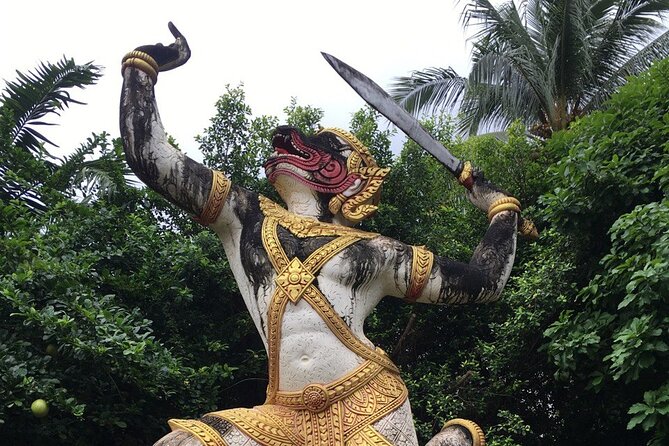
The tour includes a White Elephant reference connected to a period of Thailand control. This is the kind of detail you’d likely miss if you were self-guiding. It’s also a reminder that borders and influence shifted over time, and local symbols sometimes traveled with the power structure.
When a guide explains what the white elephant symbolizes in that context, the stop becomes more than a photo moment. It becomes a lesson in how authority turns into iconography.
Naga Peace: a symbol of post-war relief
Then there’s Naga Peace (No more war in Cambodia). This kind of site is important because it changes the emotional temperature of the tour. You go from describing conflict and governance to seeing a message about peace and stopping violence.
Even if you don’t fully grasp the historical layers at first glance, a guide can help you read the meaning. It’s a good reminder that history isn’t only about what happened—it’s also about how people try to live afterward.
Governor House: seeing a difficult era without sugarcoating
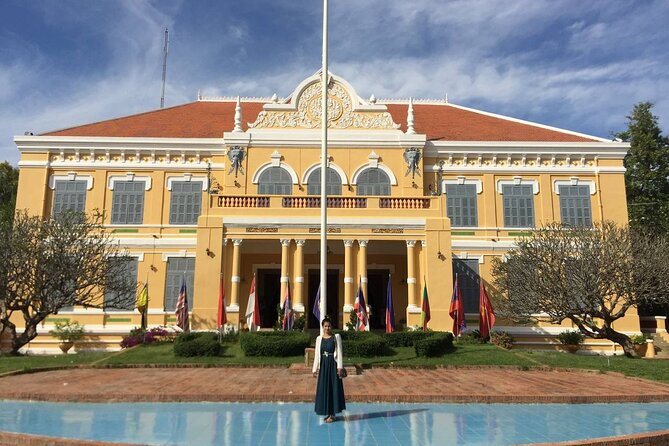
The Governor House is described as being tied to a very bad time in Battambang history. This stop works best when your guide is honest and specific, because it’s easy for tragic history to become vague if it’s treated like a storyboard.
Expect the guide to frame it within the broader struggles of the region, connecting local leadership structures to periods of oppression and instability. If you’re sensitive to heavy topics, give yourself a moment here—slow down, listen closely, and take photos only if you feel comfortable.
Chinese Temple: how Chinese religion shaped local life
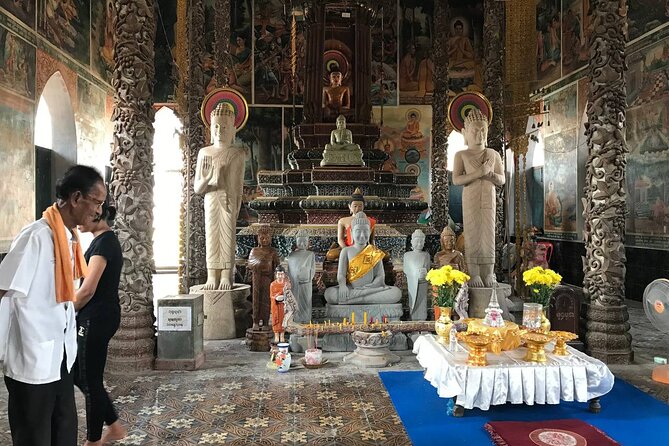
You’ll also visit the Chinese Temple, and the tour frames it as a window into how Chinese religion influenced Battambang. That matters because Cambodian culture has never been in a sealed box. Trading routes bring people, and people bring belief.
A good guide won’t just point at decorations. They’ll explain how immigrant communities and shared trade networks can shape religion, festivals, and daily life over time.
Indochina Bank: the practical side of history—money
Finally, you get Indochina Bank, with a focus on how the money system worked. This is one of my favorite types of stops because it makes history concrete. Money isn’t abstract here—it shapes who gets access, how commerce flows, and how cities function.
Even if you’re not an economics person, you can still grasp the logic when a guide shows you how banks and trade related to the city’s broader role.
Temple and crocodile farm: a change of pace for photos and texture
The tour also includes time at a temple and a crocodile farm, which adds variety to the history-heavy structure. These stops can feel like a break, letting you shift from documents and eras to everyday sights and sounds.
They’re also practical photo opportunities. The tour is designed so you can stop for pictures without worrying about parking or timing—use that time to capture details you can’t recreate later.
Learning more than dates: religion and culture in real places
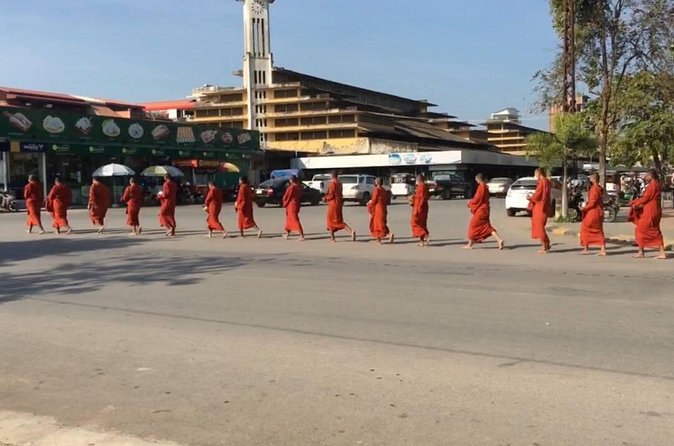
One of the tour’s strongest themes is how it links history with religion and culture. The guide’s framing covers Hinduism, Buddhism, Christianity, and Muslim influences.
Why that’s valuable: religions show up in architecture, in festival rhythms, in community spaces, and in how people talk about good and bad fortune. You’ll likely start noticing that Battambang isn’t defined by one identity. It’s a layered place shaped by many groups moving through time.
If you want to get the most out of this part, ask your guide for one example of how each religion shows up in the city. Even if you only get quick answers, it will help your brain file what you’re seeing.
Walking pace, energy level, and what to wear
This is a short, half-day style tour with 3 to 4 hours on the clock, and it’s built for most people to participate. That doesn’t mean it’s a “sit on a bench” experience. You’ll still be moving, and some stops can involve uneven ground and steps.
Wear comfortable, flexible clothes and shoes you trust. Bring your own sunscreen and sunglasses, since the tour explicitly nudges you to protect yourself from the sun.
Also: take the bottled water seriously. You’ll appreciate it even if the day feels mild.
Who should book this history walk (and who might skip it)
This tour is a great fit if you:
- want a guided way to understand Battambang’s past without spending hours researching first
- enjoy history that connects to specific places you can see and photograph
- prefer a small group with a real English-speaking guide
- only have half a day and want maximum “meaning per hour”
You might consider skipping (or switching tours) if:
- you dislike visiting sites connected to war and difficult history
- you want totally quiet sightseeing with no discussion
- you’re looking for a purely outdoor adventure rather than structured historical storytelling
Quick FAQ on the Battambang History walking tour
FAQ
How long is the Battambang History walking tour?
It runs for about 3 to 4 hours.
What time does the tour start?
The start time is 7:30 am.
How much does the tour cost?
The price is $25.00 per person.
Is hotel pickup and drop-off included?
Yes. Hassle-free hotel pickup and drop-off from Battambang hotels are included.
What’s included in the price?
A local English-speaking guide, bottled water, and all fees and taxes are included.
What’s not included?
Personal expenses and insurance are not included.
How many people are in a group?
The tour has a maximum of 15 travelers.
What should I bring?
Bring a camera, flexible or sport clothes, sunscreen, and sunglasses.
Is a mobile ticket provided?
Yes, the tour uses a mobile ticket.
Is there free cancellation?
Yes, cancellation is free up to 24 hours in advance for a full refund. If you cancel less than 24 hours before the start, the amount paid is not refunded.
Should you book it?
If you’re serious about understanding Battambang—not just taking photos—this is an easy yes. The $25 price feels fair because the guide does the real work of making French colonial sites, Khmer Rouge-era context, war-era reminders, and religious influences click into place.
Book it if you like short, focused tours with a guide who can explain what you’re looking at. Skip it only if you want history kept light or you’d rather wander with no structure at all.