REVIEW · SIEM REAP
2-Day Angkor Wat, Banteay Srei & Floating Village Kampong Pluk
Book on Viator →Operated by Happy Angkor Tour · Bookable on Viator
Two mornings make Angkor feel alive. This 2-day tour strings together Angkor Wat sunrise views, the tangled roots of Ta Prohm, and the real-life rhythm of Tonle Sap at Kampong Pluk. I also like how the day is paced for photography and breaks, not just a stamp-collecting dash between ruins.
I love the mix of “big names” and quieter moments. You get the headline stops like Bayon and Angkor Wat, then you slip in smaller, less-restored sites like Ta Nei, which feels more like a temple in the trees than a postcard set. And I especially like that you finish Day 1 with Phnom Bakheng at sunset timing, so your last light hits before night falls.
One thing to consider: the headline price is only part of the real cost. You’ll add the Angkor pass (and the Tonle Sap floating village private boat ticket), plus lunch, and the schedule includes a hill climb for sunset unless you choose to skip waiting.
In This Review
- Key highlights (what makes this tour tick)
- Before you go: how this two-day format works
- Price and passes: what you’ll likely pay in real life
- Pickup times and the importance of early starts
- Day 1: Angkor Wat, Ta Prohm, and the warm-up circuit
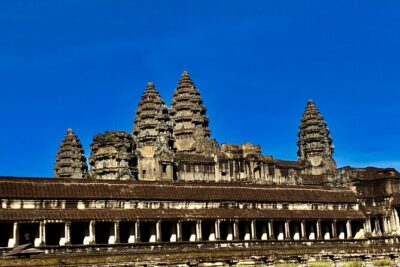
- Angkor Wat first: the world’s most famous silhouette
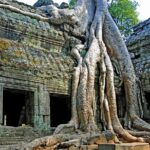
- Ta Prohm: the Tomb Raider look, but with real atmosphere
- Ta Nei: smaller temple, better chance to breathe
- Angkor Thom core on Day 1: Victory Gate to the terraces
- South Gate and photo stops: where the crowds gather for a reason
- Bayon Temple: the 216 face moment
- Baphuon and the Royal Enclosure Wall area
- Phimeanakas and the pyramid temple feeling
- Terrace of the Elephants + Terrace of the Leper King
- Preah Palilay: the wooded sanctuary detour
- Phnom Bakheng sunset: optional waiting, big payoff
- Day 2: Angkor Wat at sunrise, then the real water world
- The 5:00am Angkor Wat sunrise hit
- Kampong Pluk Floating Village by private boat
- Banteay Srei and more pink-sandstone temple stops
- Banteay Srei: the “jewelry of Angkor” vibe
- Banteay Samre and Pre Rup: different moods, quick hits
- Banteay Kdei: the Ta Prohm/Bayon style echo
- Your guide and driver can make or break the day
- What kind of traveler this suits best
- Should you book this Angkor Wat, Banteay Srei & Kampong Pluk tour?
- FAQ
- What time is the pickup for Day 1?
- What time is the pickup for the Angkor Wat sunrise on Day 2?
- Is pickup and drop-off included?
- Are the Angkor admissions included in the price?
- Is the floating village boat ride included?
- What about meals like lunch?
- Are there drinks and towels provided?
- Is this tour private?
- How long is the tour?
- What’s the cancellation policy?
Key highlights (what makes this tour tick)
- Two-day timing for best light with Angkor Wat sunrise and a sunset stop at Phnom Bakheng
- Comfort with pickup, A/C car, water, and towels so you’re not cooking in the heat
- Ta Prohm’s roots + Ta Nei’s calmer feel keeps the ruins from blurring together
- Angkor Thom in a smart loop from Victory Gate to Bayon, plus Terrace stops
- Kampong Pluk by private boat gives you the lake-village view, not just a roadside glance
- Photo-friendly guide support (many guides are praised for taking great pictures for the group)
Before you go: how this two-day format works
Angkor can feel like a theme park if you rush it. This tour avoids that by using a tight-but-reasonable rhythm: start early, hit the big sites before crowds stack up, then mix in temples where the vibe changes. You’ll also have an English-speaking guide and an A/C vehicle with a driver, which matters in Siem Reap heat.
The structure is clear. Day 1 is about the Angkor Wat area and the heart of Angkor Thom, plus sunset at Phnom Bakheng. Day 2 begins before dawn for Angkor Wat sunrise again, then shifts to Tonle Sap Lake and ends with several temple stops in the Banteay Srei zone.
It’s a private-group setup, so it’s meant for your group only. That’s a big deal for families and couples who want a smoother pace and fewer “everyone stop, everyone start” moments.
You can also read our reviews of more tours and experiences in Siem Reap

Price and passes: what you’ll likely pay in real life
The listed price is $166 per person for 2 days. What makes the value work is that the essentials are covered: hotel pickup and drop-off, A/C transport, parking/road tolls, guide service, and even cool drinking water and towels.
But you should budget extra because admission fees are not included. Based on the provided info:
- Angkor pass + all temples: $62 per person
- Tonle Sap Lake / Floating Village ticket with private boat: $20 per person
- Lunch: about $5 per person, depending on what’s on the menu
So a realistic “trip total” often lands around $248 per person before any souvenirs, tips, or extra snacks. For many people, that’s still a fair deal because you’re paying for guide time across a packed schedule, plus the boat component that’s hard to DIY without local coordination.
Pickup times and the importance of early starts
Day 1 pickup is at 8:00am, and Day 2 pickup for sunrise is at 5:00am. That early start is not just for drama. It’s what helps you see Angkor without spending your whole morning behind a wall of people.
You’ll also be stopping for temple passes along the way to sites, so you’re not scrambling at the gate. Having water and towels in the car is practical too—Angkor touring is a sweat sport.
Day 1: Angkor Wat, Ta Prohm, and the warm-up circuit
Angkor Wat first: the world’s most famous silhouette
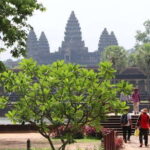
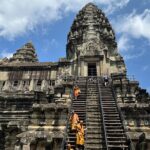
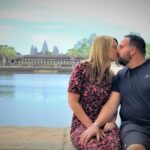
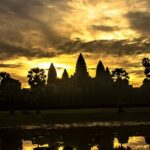
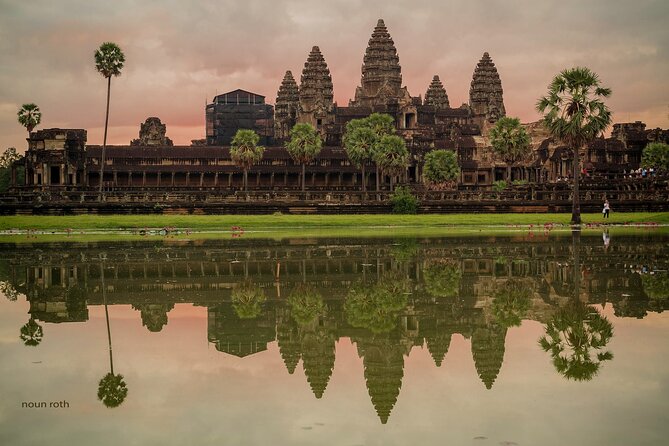
Angkor Wat is the headline for a reason. Even if you’ve seen it in photos, being there makes the scale hit differently—especially once morning light starts shaping the stone. Starting the day here keeps your energy focused. You get one main “wow” early, before the ruins start to blur later in the day.
What to watch for: the way the layout guides your eyes. Angkor Wat feels planned and symmetrical, so take a slow moment before you rush to the most photographed angles.
Ta Prohm: the Tomb Raider look, but with real atmosphere
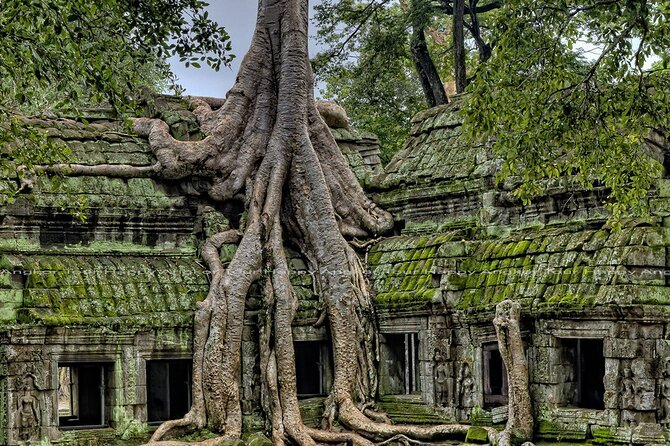
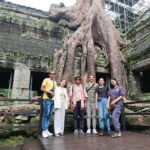
Next comes Ta Prohm, famous for the gigantic tree roots that weave over and through structures. This is where the ruins stop being only architectural and start feeling like living history—stone holding a long, slow conversation with nature.
Practical tip: because roots and shadows create high-contrast scenes, you’ll want a little patience with your camera settings. A good guide can also help you find the spots where the light and roots frame cleanly.
Ta Nei: smaller temple, better chance to breathe
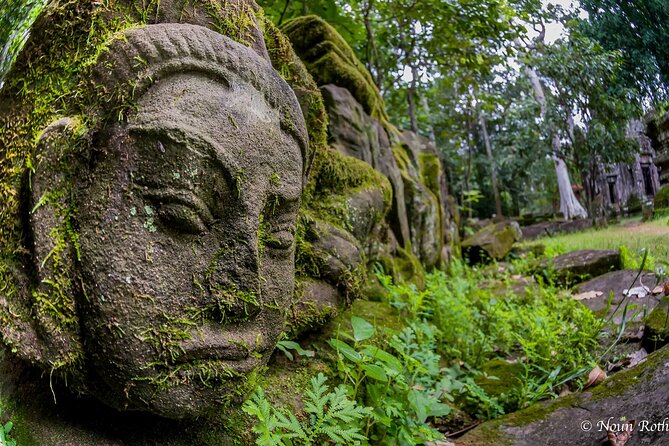
Then the itinerary shifts to Ta Nei, described as smaller and quite, with less restoration and a temple setting surrounded by big trees. This is a smart move. After Ta Prohm’s dramatic visuals, Ta Nei gives your brain a reset. You’re still in the temple jungle mood, but the crowd pressure feels lower.
This stop is also a reminder that Angkor isn’t only the iconic faces and massive courtyards. It’s also these quieter corners where the mood is what you remember.
Angkor Thom core on Day 1: Victory Gate to the terraces
After lunch, you move into Angkor Thom’s South Gate area and then work through multiple signature points in the city core. This part is about variety: gates, faces, pyramids, and carved terraces.
South Gate and photo stops: where the crowds gather for a reason
The South Gate is listed as one of the most photograph spots in Angkor Park. Even if you’re not chasing photos, this is a good place to orient yourself in Angkor Thom. Gates help you understand flow—where you are, and what direction you’ll be moving.
Bayon Temple: the 216 face moment
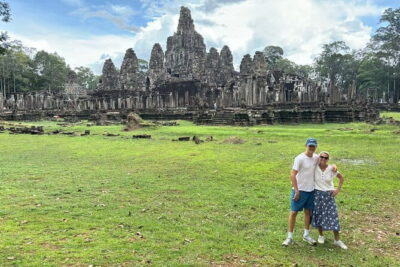
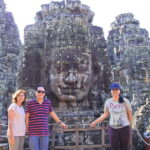
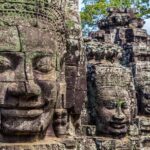
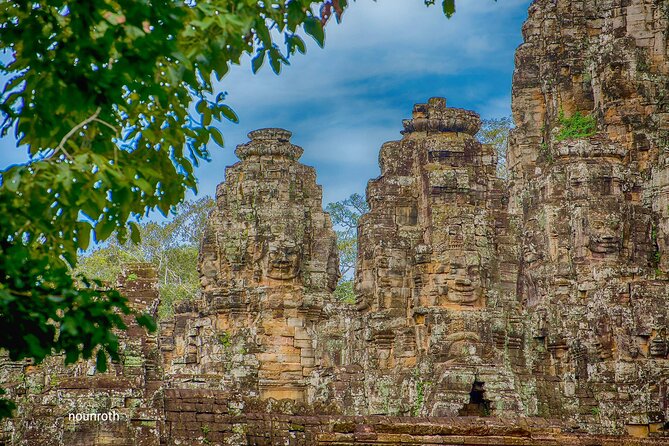
Bayon is central to Angkor Thom and is known for the 49 towers, each with four faces. That’s the 196-face effect people talk about, and it’s striking in person. The faces feel like they’re watching you from many angles, and the stone textures pick up light in different ways as you walk.
Timing note: because Bayon is the “center of the center,” it can be busy. The tour keeps it efficient with a set visit length, so you’re not trapped there all afternoon.
Baphuon and the Royal Enclosure Wall area
Baphuon is described as a Hindu temple built before Angkor Wat, with a big reclining Buddha added later. This stop adds a different religious layer compared with the sites around it. It also helps you connect why different temples feel different even when they sit close together.
Phimeanakas and the pyramid temple feeling
Phimeanakas is a pyramid Hindu temple located in the center of the old Royal Palace area. Even with shorter time here, it gives you a sense of how royal space functioned in Angkor—less about “walk around endlessly,” more about standing back and taking in the planned geometry.
Terrace of the Elephants + Terrace of the Leper King
You’ll visit two terrace platforms in the area. The Terrace of the Elephants is noted for the carvings of elephants that once decorated a viewing platform used by kings for returning armies. The Terrace of the Leper King is another platform nearby and is treated as a key storytelling stop.
These terraces can be easy to skim if you’re tired. I recommend using them as an anchor: pick one panel to study closely instead of trying to see everything at once.
Preah Palilay: the wooded sanctuary detour
Preah Palilay is listed as a small Buddhist sanctuary north of the royal palace area, in a wooded setting. This is the kind of detour that makes a tour feel human rather than mechanical. When you’re walking through the big named spaces all day, a short woodland stop gives you breathing room.
Phnom Bakheng sunset: optional waiting, big payoff
The day ends with Phnom Bakheng, climbed for sunset views. The info notes you can skip sunset waiting if you don’t want to stand around.
This is the part where you’ll want to assess your group’s energy. The hill climb is the one element that can test knees and stamina after a long day of temple walking. If you’re with kids or anyone who dislikes stairs, I’d treat this as optional and choose the best version of “sunset” that your comfort level allows.
If you do climb, the payoff is the view angle. Angkor’s geometry turns into a wider scene, and you start understanding why people talk about the park as much more than a set of buildings.
Day 2: Angkor Wat at sunrise, then the real water world
The 5:00am Angkor Wat sunrise hit
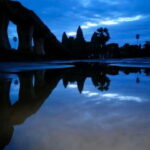
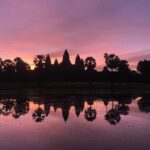
Day 2 sunrise means you’ll be picked up at 5:00am. That kind of timing is hard on your bed schedule, but it’s great for temples. You get softer light and a calmer start. Even when you’re tired, sunrise at Angkor Wat tends to reset your brain. The first light makes the stone feel cooler and more dimensional.
Because you’re going early, the rhythm is different. You’re not moving as much as you would later in the day. You can watch how the structure holds the light, and you get that classic “stillness before crowds” feel.
Kampong Pluk Floating Village by private boat
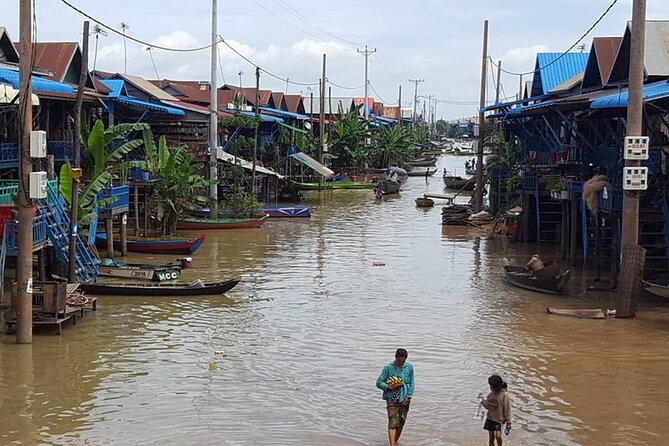
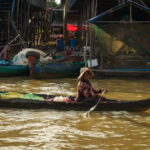
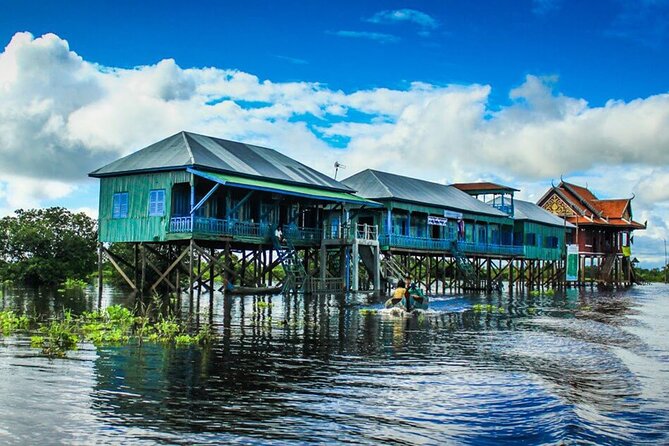
After breakfast, you’ll go to Kampong Pluk on Tonle Sap Lake. The tour includes a private boat ride through the stilt houses of the fishing villages.
This is one of the most authentic-feeling parts of the itinerary because you’re on the water, moving through the village layout instead of just looking from a pier. The lake changes everything about the atmosphere—color, reflections, even how the village looks from different angles.
Important practical note: the boat ticket is $20 per person and is not included in the base price. Budget for it and wear something comfortable for getting in and out of boats.
Banteay Srei and more pink-sandstone temple stops
In the afternoon, you shift gears to Banteay Srei and nearby temples. This portion is listed as:
- Banteay Srei (Ladies Temple): pink sandstone, half of the 10th century, dedicated to Hindu trinity gods
- Banteay Samre: 12th century Hindu temple, architecture not described as overly evident, believed to follow a model similar to Angkor Wat
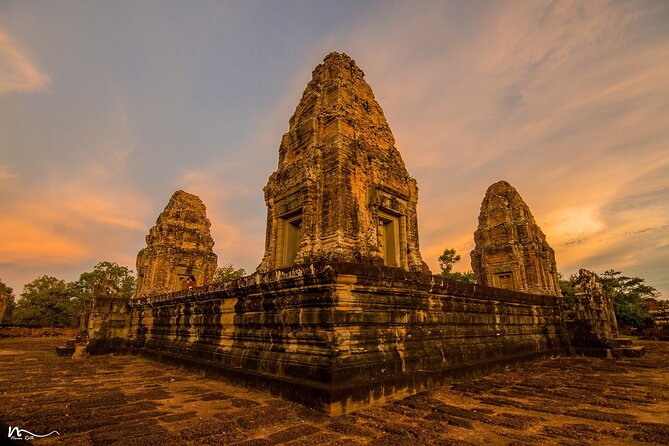
- Pre Rup: late 10th century, dedicated to Hindu gods, tied to the idea of funerals at distant temples
- Banteay Kdei: 12th century Buddhist temple, similar style to Ta Prohm and Bayon
Banteay Srei: the “jewelry of Angkor” vibe
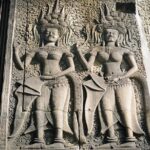
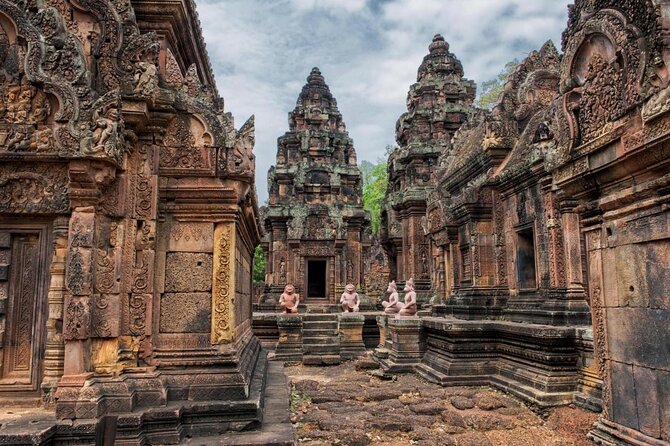
Banteay Srei is known for rare pink sandstone, and it’s called the jewelry of Angkor in the description. That reputation fits the experience: smaller scale, more detail in stonework, and a sense of delicacy compared with the massive Angkor Wat and Angkor Thom structures.
If you like detail, Banteay Srei rewards you. If you want only big vistas, it still matters, but you may need to slow down and look longer.
Banteay Samre and Pre Rup: different moods, quick hits
Banteay Samre is described as having architecture that doesn’t make the facts as obvious, but the idea is that it resembles a model similar to Angkor Wat. Pre Rup is more about symbolism and structure, tied to late-10th-century Hindu practice and the funerary belief.
These are shorter stops, so the value is in listening. A guide who can explain how each temple fits into the broader religious mix makes these feel like more than quick photo breaks.
Banteay Kdei: the Ta Prohm/Bayon style echo
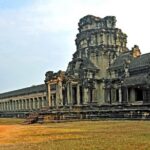
Banteay Kdei is described as Buddhist, built in the 12th century, and structurally similar in style to Ta Prohm and Bayon. This matters because you start noticing patterns—how styles repeat, how religious functions shift, and how stonework carries meaning across sites.
Your guide and driver can make or break the day
This tour is built around time, walking, and crowd flow. The reviews highlight guides and drivers by name, including Vanna, Bun, Chhay, Lonn, and Dat, with drivers like Sreang, San, Path, and Lis.
The big theme from that praise: the guides don’t just recite dates. They help with the lived experience—explaining what you’re looking at, and even helping the group get great photos. For many first-timers, that’s half the value: your pictures and your understanding both improve.
What kind of traveler this suits best
This works best if you want:
- A full Angkor hit in two days without planning every route yourself
- Sunrise and sunset moments, including the 5:00am Angkor Wat and Phnom Bakheng stop
- A mix of iconic temples and smaller, quieter sites like Ta Nei
- A real cultural change on Day 2 with Kampong Pluk by boat
If you’re the type who hates early mornings and long walking days, you might find this schedule tight. Still, the tour includes breaks and uses a car and water/towels support, which helps.
Should you book this Angkor Wat, Banteay Srei & Kampong Pluk tour?
I’d book it if you want an efficient, guided two-day plan that hits the big Angkor targets, adds the floating village experience, and includes the light-changing parts of the day. The comfort extras—A/C car, pickup/drop-off, water, towels—also make a difference when you’re touring temple after temple.
I’d think twice if you’re budget-tight on add-ons or if you’re physically not comfortable with a hill climb at Phnom Bakheng (even though sunset waiting can be skipped). Also, double-check your total cost early in your planning, because the Angkor pass and the floating village boat ticket are the two big “not included” line items.
If you want Angkor with less guesswork and better pacing, this is a strong choice.
FAQ
What time is the pickup for Day 1?
Day 1 pickup is at 8:00am from your accommodation in Siem Reap.
What time is the pickup for the Angkor Wat sunrise on Day 2?
Day 2 pickup for sunrise is at 5:00am.
Is pickup and drop-off included?
Yes. The tour includes hotel pickup and drop-off.
Are the Angkor admissions included in the price?
No. The Angkor pass + all temples is listed as not included, at $62 per person.
Is the floating village boat ride included?
No. The Tonle Sap Lake/Floating Village ticket with a private boat ride is not included and costs $20 per person.
What about meals like lunch?
Meals are not included. Lunch depends on the menu and is listed as about $5 per person.
Are there drinks and towels provided?
Yes. Cool drinking water and towels are included.
Is this tour private?
Yes. It’s listed as a private tour/activity with only your group participating.
How long is the tour?
It’s approximately 2 days.
What’s the cancellation policy?
Free cancellation is available up to 24 hours in advance for a full refund. If you cancel less than 24 hours before the start time, the amount paid is not refunded.