REVIEW · BATTAMBANG
Customs and Culture Half Day Walk and Bike Tour in Battambang
Book on Viator →Operated by Soksabike · Bookable on Viator
Battambang is more than temples and bikes. This half-day tour mixes Muslim fishing-village life, a Khmer crash course, and a real conversation with a newly-trained monk. You get to see how everyday work shapes Cambodian food, faith, and family routines.
I especially love the hands-on stops: net weaving, how dried fish fits into meals, and the practical rhythm of rice-growing areas. I also like the travel feel—small-group biking with imported mountain bikes—so you can relax, look around, and still cover a lot in a few hours.
One thing to plan for is the end of the tour: there is no hotel drop-off after the experience, so have a simple return plan ready.
In This Review
- Key things you’ll enjoy most
- Battambang’s fishing-village life and the Buddhist thread
- Bike comfort and the pace: what 3 to 4 hours really feels like
- Soksabike ride-out: Muslim villages, nets, and the work behind dinner
- Rice fields, dried fish, and snack stops that teach without a lecture
- Temple time with a newly-trained monk: questions you can ask
- Lunch with local families: what you’re really paying for
- Khmer crash course: small phrases that change the vibe
- What to wear and bring for rural cycling around Battambang
- Guides, safety, and why small groups matter
- Price and value: why $37 can feel fair for what you get
- Who this tour fits best (and who might want another option)
- Should you book this customs and culture half-day walk and bike tour?
- FAQ
- What time does the tour start?
- How long is the tour?
- Do I get picked up from my hotel?
- Is there a hotel drop-off after the tour?
- Are mountain bikes and helmets provided?
- What cultural stops are included?
- Is lunch included?
- What language support do I get?
- Can I cancel and get a full refund?
Key things you’ll enjoy most
- Imported mountain bikes (Giant, Trek, GT) plus helmets for a comfortable ride
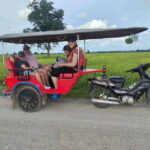
- Pickup by tuk-tuk from your hotel at the start
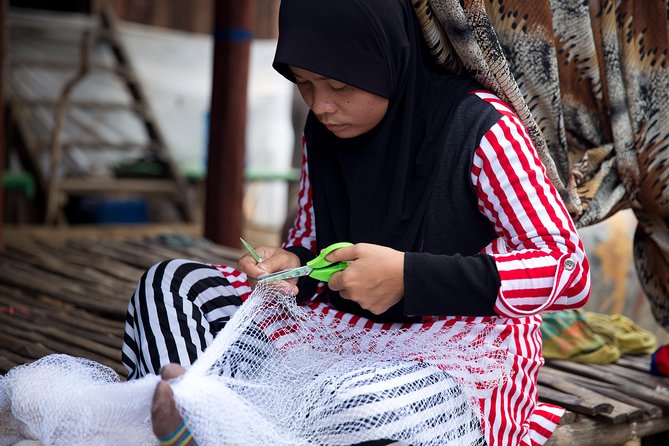
- Fishing village work like net weaving and drying fish, explained in plain English
- Temple time with a newly-trained monk and respectful questions
- Khmer crash course so you can greet people beyond hello in English
- Home-cooked Cambodian lunch with local family stop-ins
Battambang’s fishing-village life and the Buddhist thread
This is the kind of Battambang tour that doesn’t treat religion like a museum topic. You’ll compare daily life in a mostly Muslim fishing village with Theravada Buddhism you’ll see through a temple visit and monk conversation. The contrast stays human, not dramatic.
What makes it work is that it’s not only sightseeing. You’ll follow real routines—net work, food preparation, and the way rice areas feed the whole region. That’s why the cultural talk lands better: you see the context first, then the meaning.
You can also read our reviews of more walking tours in Battambang
Bike comfort and the pace: what 3 to 4 hours really feels like
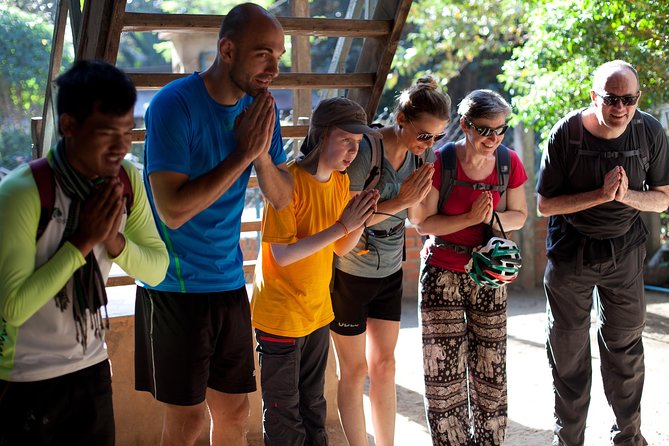
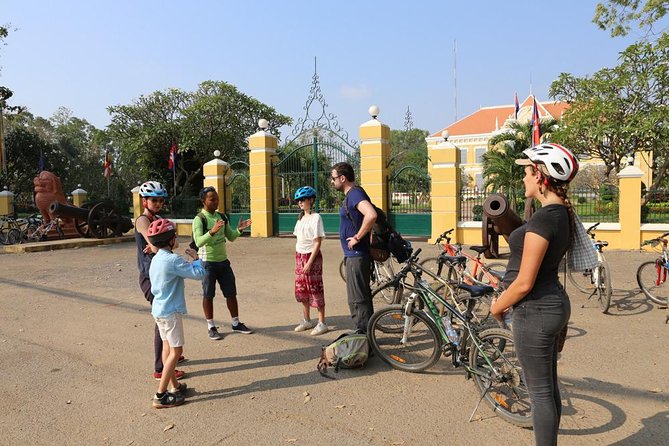
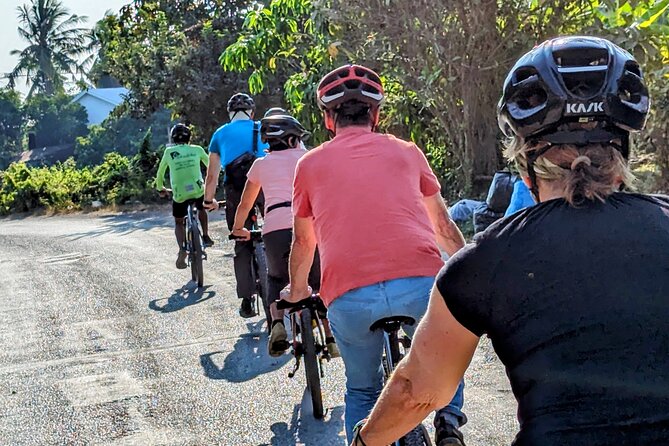
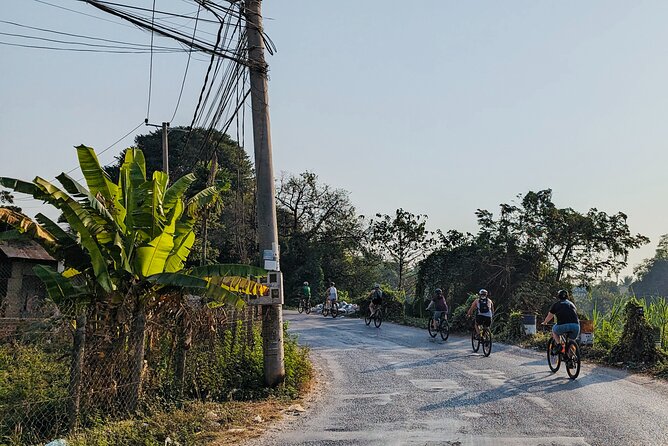
You’re on the move for about 3 to 4 hours starting at 7:30 am. The pace is set for a relaxed morning ride, not a workout challenge. Since there’s a maximum of 8 travelers, you’re not stuck in a huge line and you’ll have time to ask questions.
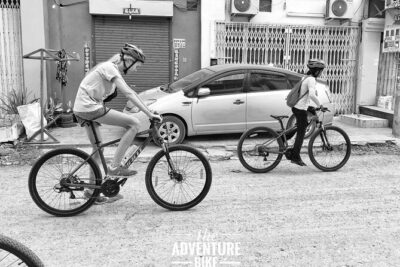
The bike setup is a big part of the comfort. You’re given a high-quality imported mountain bike (brands like Giant, Trek, GT) plus a helmet. And because rural roads can be uneven, having a real suspension-style mountain bike helps more than you’d think.
Also note the practical bit: there are no bike baskets. If you bring a camera, extra water, or a thin layer, use a backpack or small bag you can carry safely.
Soksabike ride-out: Muslim villages, nets, and the work behind dinner
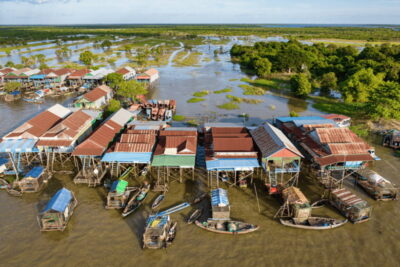
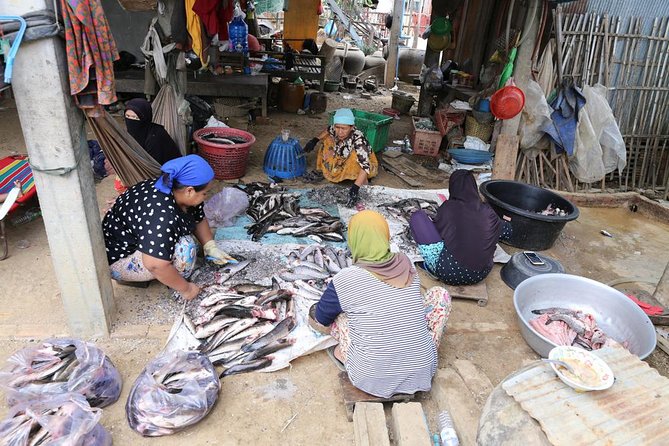
Your morning kicks off with a ride that immediately shifts you into local rhythms. You cycle through the countryside toward a mostly Muslim village where you’ll meet people connected to fishing and food processing. This is where the tour earns its name: you learn how nets get woven and how fishing work ties into what ends up on the table.
One of the neat details here is the focus on roles. Instead of only seeing a single craft, you hear how different people contribute—fishing, net making, and drying fish. That matters because Cambodian meals often rely on ingredients made through steady, seasonal effort.
You’ll likely stop for a break at a local Muslim cafe during the ride. It’s a small moment, but it helps you cool down and reset before the temple visit.
Rice fields, dried fish, and snack stops that teach without a lecture
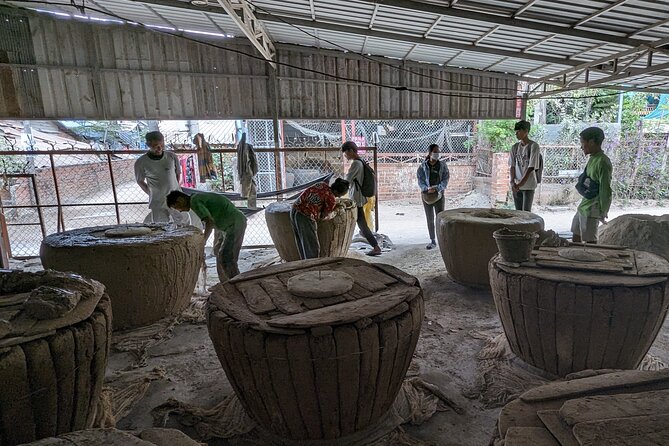
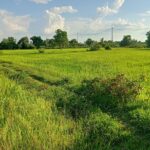
After the village work, the route moves through rice-growing areas. You’ll get explanations that connect rice cultivation to why the region’s food and livelihoods follow the same seasonal pattern.
The tour also treats snacks as learning. You might try sticky rice, and you may sample a fermented fish snack that shows how Cambodian flavor can be bold even in small bites. It’s not about tasting for shock value—it’s about understanding what locals already know.
This is also where the tour avoids the usual trap of rushing through “culture.” You’re not just taking photos of scenery. You’re making sense of why certain foods show up together, like dried fish and rice-based dishes, and how that connects to daily labor.
Temple time with a newly-trained monk: questions you can ask
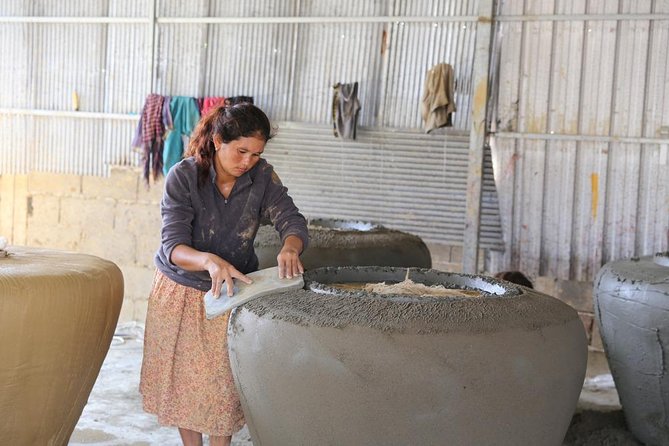
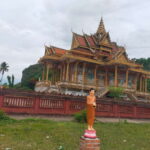
The Buddhist stop is a key part of the experience. You’ll visit a temple and talk about Buddhist culture with a young, newly-trained monk. The tone is respectful and conversational, and it helps if you treat it like a chat, not an interview.
I love that you get time for questions rather than a quick walk-by. When you ask simple things—what the monk learns, what life looks like for someone training—you usually get answers that feel grounded in routine, not theory.
Because the tour also began in a Muslim fishing village, the temple conversation has extra weight. You can compare how community life functions through different traditions while still sharing the same broader Cambodian social fabric.
You can also read our reviews of more cycling tours in Battambang

Lunch with local families: what you’re really paying for
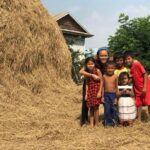
A home-cooked Cambodian lunch is part of the flow. You’ll get to learn about a family’s way of life and see how food is prepared and served in a household setting, not a restaurant stage.
One practical plus: lunch helps you slow down after the ride. Your legs can rest, and your brain can catch up. You’ll also likely get a few food stories tied to ingredients you saw earlier, like rice and fish-based items.
There’s another value layer here, too. The tour includes compensation to families tour visits. That matters because you’re not just consuming a moment—you’re supporting the households that open their doors and share time with you.
Khmer crash course: small phrases that change the vibe
You’ll get a crash course on basic Khmer, meant for real human interaction—things like greetings you can use right away. I like this approach because it’s not studying for homework. You’re using it while you’re still in the countryside, before you’ve turned your brain back into tourist mode.
Your guide is also English-speaking, so you’re not left stranded. Guides also get praised for clear explanations and story-sharing, including names like Pich, Pek, and Phalla. If your guide is someone like Savith/Savit, you’ll likely get both translation support and a smooth, friendly pace.
If you want the best experience, treat the Khmer lesson like a warm-up. Even if your pronunciation isn’t perfect, the effort usually lands well.
What to wear and bring for rural cycling around Battambang
Dress rules are simple and respectful: cover your shoulders. You’ll be cycling near rural communities, and the tour specifically asks for clothing that fits the setting. It’s also smart to wear breathable fabric, since mornings can still feel warm in Cambodia.
Bring sunscreen and plan for sun exposure. Even if you move at a comfortable pace, you’ll be outside for hours. Sunglasses help, and a light layer can be nice if the morning starts cooler.
For carry items, remember the no baskets detail. A small backpack is the easiest solution, so you can keep hands free and not worry about where your camera goes.
Guides, safety, and why small groups matter
This tour runs with a local guide who’s first-aid certified and speaks English. That combination makes a difference when you’re biking in rural conditions and need clear instructions.
The small group size (up to 8 travelers) is also part of the quality. You get a quieter experience and more time for questions at each stop. You’re not forced to follow a camera-driven stampede.
In the feedback around guides, a theme shows up: people praise how guides keep things easy while explaining history and culture in clear, friendly ways. Names that came up include Peak, Pek, Paulla, and Savith, often linked with relaxed pace and good communication.
Price and value: why $37 can feel fair for what you get
At $37 per person for about 3 to 4 hours, the big value isn’t just the bike. You’re also getting hotel tuk-tuk pickup, helmet and bottled water/snack support, English guidance, and the cultural visits that include family time and a home-cooked lunch.
The family compensation detail adds another fairness layer. A lot of tours talk about supporting communities. This one builds it into the visit model, since you’re paying for the people who share their work and space.
If you’re someone who likes guided structure but hates rigid museum-style pacing, this price point can feel like a sweet spot. It’s not trying to compete with backpacking on a budget—it’s offering a well-paced morning where you actually meet people.
Who this tour fits best (and who might want another option)
This is a strong match for you if you want real local life: fishing work, rice rhythms, and temple conversation. It’s also a good choice if you like biking but don’t want to turn your vacation into a training plan.
You’ll probably enjoy it even more if you’re the type who asks questions at table stops. The tour seems built for conversation, not just observation.
If you dislike early starts, or you don’t feel comfortable with rural cultural dress expectations (shoulders covered), you might find the morning demanding. And if you rely on strict end-of-tour hotel drop-off, you’ll need to plan your return since it’s not included.
Should you book this customs and culture half-day walk and bike tour?
Yes, if your ideal Battambang day looks like countryside cycling plus respectful culture time. The mix of fishing-village work, a temple visit with a newly-trained monk, and a family lunch makes it more meaningful than a standard bike ride.
Book it especially if you want value that includes transport, equipment, and actual community interaction—not just scenery. If you do book, get ready for the practical stuff: start at 7:30 am, wear shoulder-covering clothes, use sunscreen, and plan for a simple ride back since there’s no hotel drop-off after.
FAQ
What time does the tour start?
The tour starts at 7:30 am.
How long is the tour?
It’s about 3 to 4 hours.
Do I get picked up from my hotel?
Yes. You get tuk-tuk pickup from your hotel, and the tour also includes tuk-tuk transport at the start.
Is there a hotel drop-off after the tour?
No. The experience includes pickup and drop-off from your hotel, but it specifically notes that hotel drop-off after the tour is not included, so you’ll need your own plan for getting back.
Are mountain bikes and helmets provided?
Yes. The tour provides imported mountain bikes (Giant, Trek, GT) and a helmet.
What cultural stops are included?
You’ll visit a Muslim village area tied to fishing work and then go to a Buddhist temple to discuss Buddhist culture with a newly-trained monk.
Is lunch included?
Yes. The experience includes time with a local family and a home-cooked Cambodian lunch.
What language support do I get?
You’ll have an English-speaking guide, plus a crash course on basic Khmer so you can greet locals.
Can I cancel and get a full refund?
Yes. Cancellation is free up to 24 hours in advance for a full refund. If you cancel less than 24 hours before, the amount paid is not refunded.