REVIEW · SIEM REAP
From Siem Reap: Koh Ker and Beng Mealea Temples Tour
Book on GetYourGuide →Operated by Siem Reap Shuttle · Bookable on GetYourGuide
Jungle ruins with fewer people really matter. On this Koh Ker and Beng Mealea day, I love how quickly you get out of the Angkor crowd pattern and into quiet temple grounds, and I also love the contrast between Beng Mealea’s jungle-swallowed courtyards and Koh Ker’s seven-tiered pyramid remains. One heads-up: entrance fees are extra (Koh Ker costs USD 15, and Beng Mealea needs your Angkor Wat ticket), and the walking is real on uneven surfaces.
This is the kind of trip that feels efficient without feeling rushed, thanks to a small group (up to 10) and an English-speaking guide who can answer the big “so what am I looking at?” questions. Guides like Lok, Nara, Pip, Kim, and John have stood out for bringing Khmer temple history to life while still giving you space to pause for photos and details.
In This Review
- Key Points To Know Before You Go
- A Day Trip That Feels Like a Change of Region
- Price and What You Actually Pay on the Ground
- From Pickup to the Countryside: How the Morning Flows
- Beng Mealea: A 12th-Century Temple the Jungle Did Not Forget
- Koh Ker: Seven Tiers, Lost Roads, and Prasat Pram’s Tree
- Lunch Break: Simple Food, Your Choice, Real Calm
- The Ride, the Guide, and Why Small Groups Win
- What to Bring (So the Day Feels Easy, Not Annoying)
- Dress Code and Temple Etiquette That Keeps You Comfortable
- Who This Tour Suits Best (And Who Might Want a Different Plan)
- Should You Book This Koh Ker and Beng Mealea Tour?
- FAQ
- What’s included in the tour price?
- Do I need to pay for temple entrances?
- How long is the tour?
- How big is the group?
- Is lunch included?
- What should I wear and what’s the dress code?
- Is there walking involved?
- Is free cancellation available?
Key Points To Know Before You Go
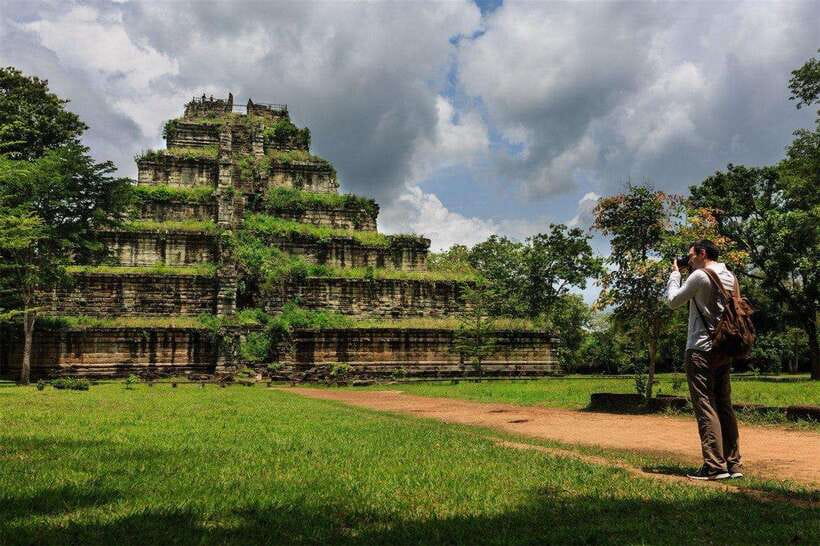
- Koh Ker and Beng Mealea are a quieter temple break from the main Angkor circuit
- Small-group pace (max 10) keeps the day relaxed and photo-friendly
- Beng Mealea runs on an Angkor Wat ticket requirement, while Koh Ker is extra
- The Phnom Penh-sized time gap matters: you spend a lot of the day driving, so start with energy
- Bring real walking shoes and bug spray; temple paths aren’t smooth
- Guides often double as photo helpers, which saves time when you’re aiming for good angles
A Day Trip That Feels Like a Change of Region
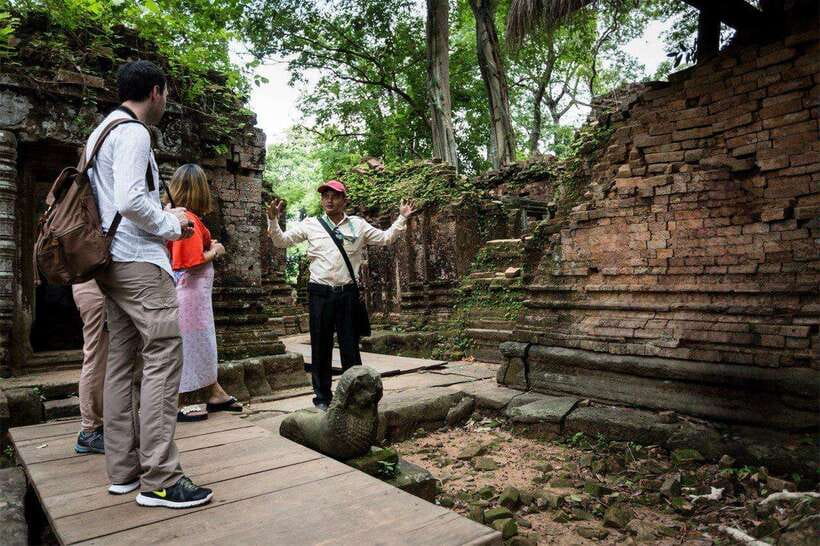
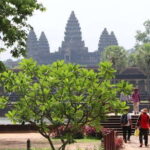
Siem Reap is built for Angkor. This tour is built for the rest of Cambodia’s Khmer-era temple world north and east of the main sites. What I like most is that your day doesn’t revolve around the biggest ticket names. Instead, you get to see how different Khmer sites can feel depending on where they sit in the region and how nature has reclaimed them.
You’ll head out from Siem Reap in the morning, and the route gives you a slow, real view of Cambodian countryside between stops. Even the “in-between” time feels useful because you’re traveling along older roads rather than hopping from one quick photo spot to another.
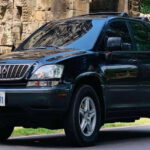
One practical note: you’re trading convenience for quiet. Koh Ker is far enough north that you can’t do it as a casual half-day. That’s why the tour includes hotel pickup, a quality vehicle, bottled water, and cold towels—to make the long day manageable.
You can also read our reviews of more tours and experiences in Siem Reap.

Price and What You Actually Pay on the Ground
The tour price is USD 50 per person, and that covers the big-ticket basics: hotel pickup and drop-off, transportation in a quality vehicle, an English-speaking guide, bottled water, cold towels, and local taxes.
What’s not included is important:
- Beng Mealea entrance (you’ll use your Angkor Wat ticket for entry)
- Koh Ker entrance (USD 15)
- Lunch
So is it good value? I think it is, if you price it like a whole day, not like a “cheap excursion.” You’re getting guided visits to two temple areas that are both harder to reach by yourself, plus comfort items (water and towels) for the heat and dust. You’re also getting a guide who can explain what makes Koh Ker different from the Angkor region you already know.
If you’re counting every dollar, just plan for the extra entrances and bring cash so you’re not stuck at a ticket office when you’re hot and tired.
From Pickup to the Countryside: How the Morning Flows
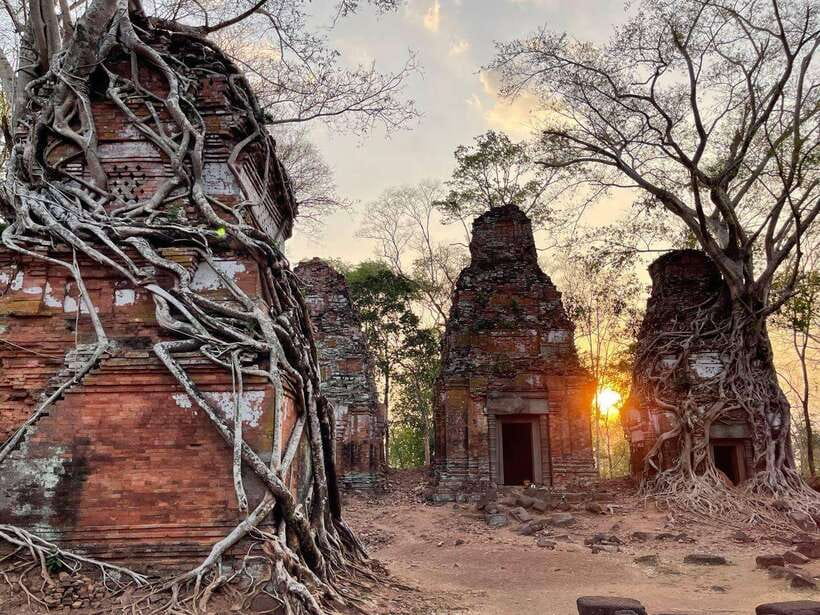
You’ll be picked up from any hotel/accommodation in Siem Reap City, and the tour guide will call out your name in the lobby when they arrive. For this kind of full-day route, that detail matters: it reduces confusion and helps you start moving without wasting energy.
Then you’ll do a short coach transfer and make a hop-on stop at a local café before the longer drive begins. After that, it’s mainly road time toward Beng Mealea first. Expect a day that’s structured, with clear stops rather than lots of “maybe we’ll find a place to eat” moments.
Dress matters for comfort and respect. You’ll want shoulders covered and pants at knee high when you reach the temples. In hot weather, that can feel sweaty, but it also keeps you in the right mode for sacred spaces—quiet, respectful, and ready to walk.
Beng Mealea: A 12th-Century Temple the Jungle Did Not Forget
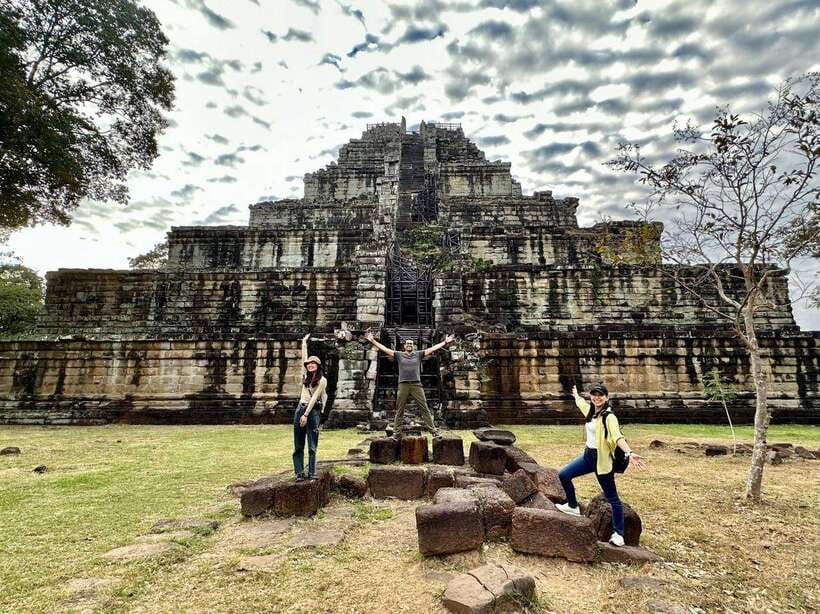
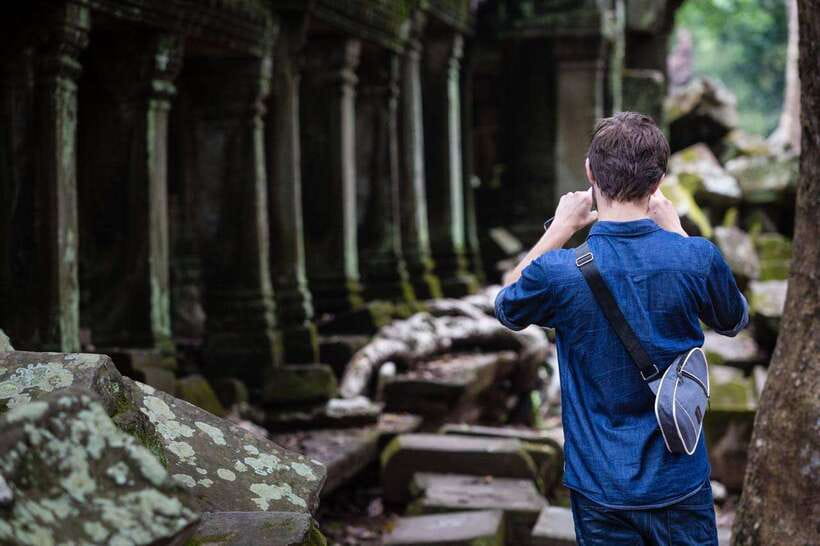
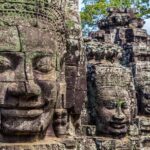
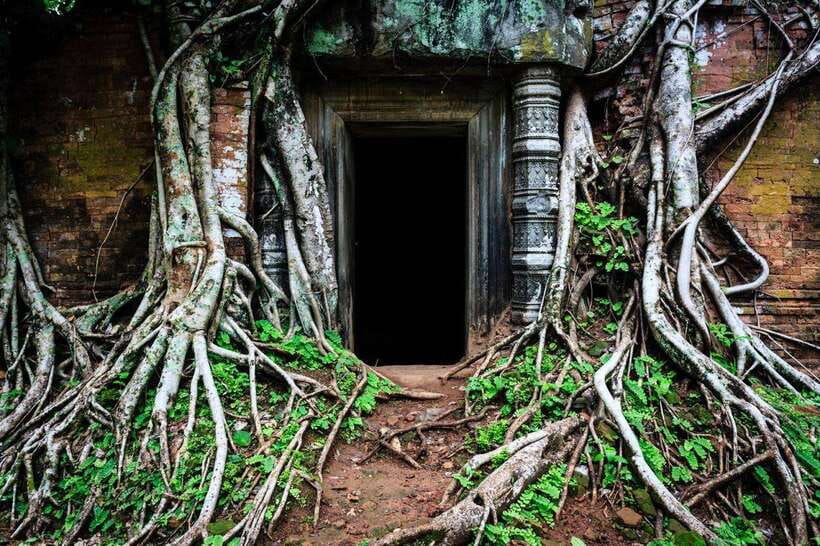
Beng Mealea is the kind of place that makes you slow down. It’s built of sandstone and was originally a Hindu temple in the 12th century. The reason it feels so different from polished major Angkor sites is that parts of it have been reclaimed by nature.
On the ground, that means you’re not just looking at clean stone walls and a neat visitor route. You’re seeing courtyards and towers with dense vegetation pressing in around them. It’s atmospheric, and it helps you understand how Khmer religious sites could look when they were abandoned for generations and then re-occupied by the living world.
This stop is guided for about two hours, which is the sweet spot: long enough to explore at a pace you can control, short enough that you don’t feel trapped in one long line of narration. One of the most useful things your guide can do here is point out details you might miss on your own—how the layout works, why certain areas feel open or hidden, and how the temple’s Hindu roots connect to the broader Khmer story.
Important entry detail: you need your Angkor Wat ticket for Beng Mealea. If you’re short on funds or still figuring out tickets, check your pass before you go so you’re not scrambling when you arrive.
Koh Ker: Seven Tiers, Lost Roads, and Prasat Pram’s Tree
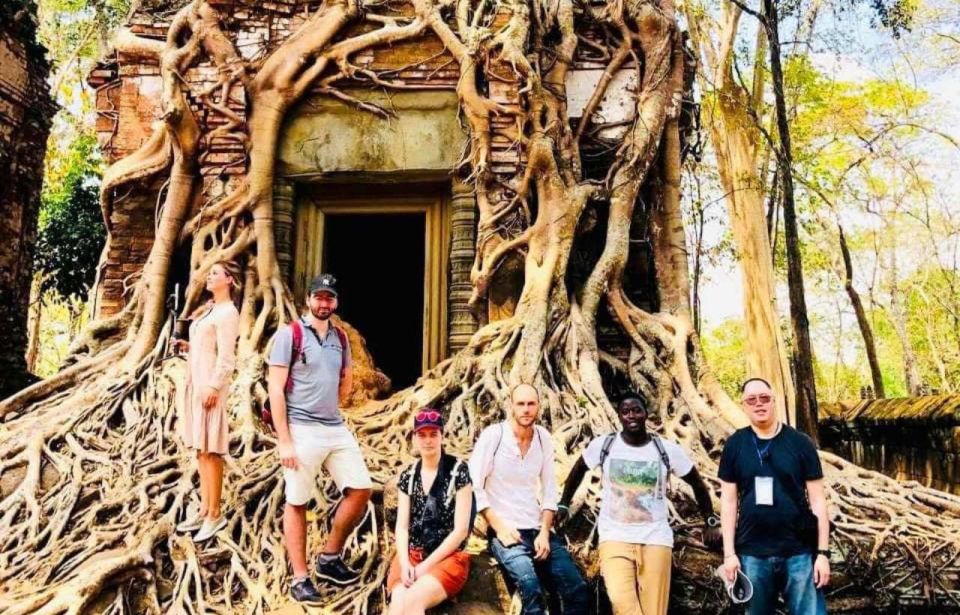
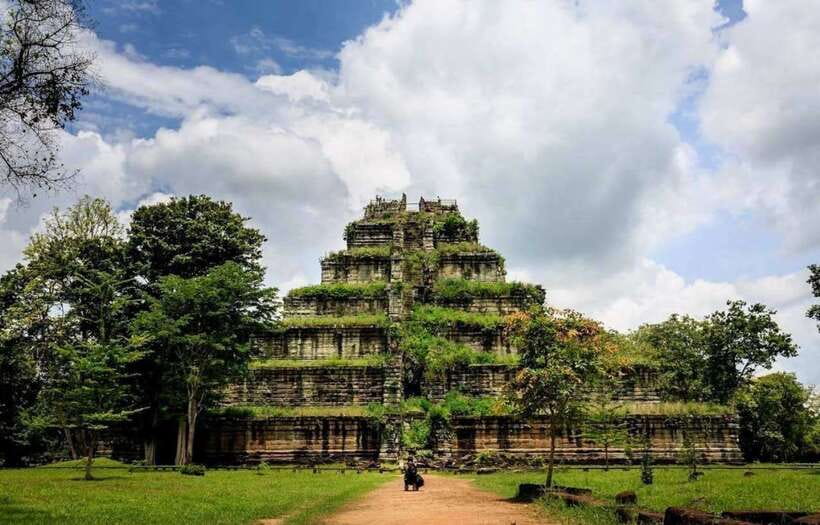
After Beng Mealea, you’ll drive farther north to Koh Ker, abandoned to the forests north of Siem Reap. This is the part of the day that feels most “out there.” You’ll spend about 80 minutes on the road before the temple area opens up.
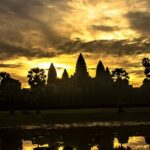
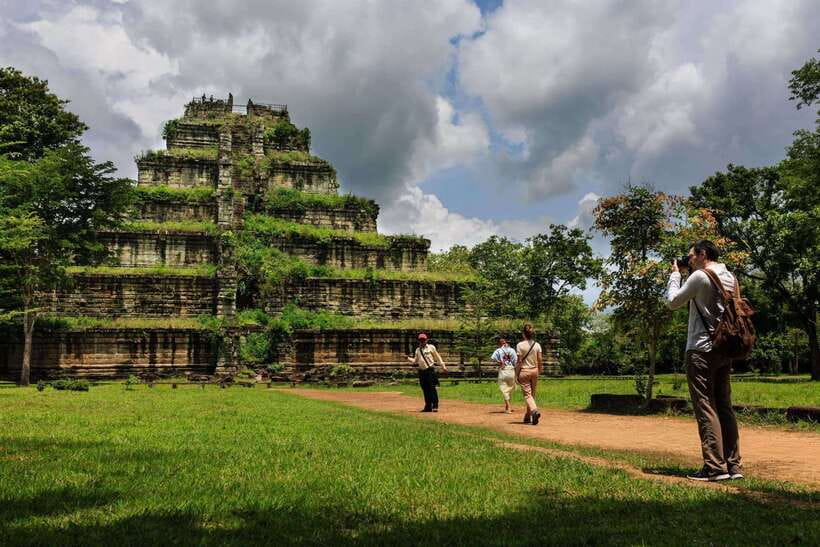
Koh Ker is known for the remains of a majestic seven-tiered pyramid. Even when parts are in ruins, the sheer scale hits you. It’s not like wandering through scattered blocks; it feels like you’re dealing with a serious state project.
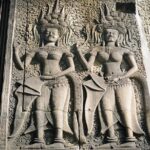
Your guided time at Koh Ker includes several sacred sites, including Prasat Thom, Prasat Pram, and Prasat Chrap. The stories your guide tells matter here. People often think temples are just stone and carvings, but the guide’s job is to connect that stone to ideas—religion, authority, and how Khmer leaders used architecture as messaging.
One standout detail from guides in this experience is the attention to mixed elements: stone, symbolism, and nature’s “afterlife.” At Prasat Pram, the highlight is the dramatic scene where a big tree grows through the temple structure. That’s exactly the kind of visual that makes a good guide valuable: they’ll help you notice what the tree does to the space and why it still reads as sacred even after centuries.
Also, this is where uneven ground is most noticeable. Even if you’re reasonably fit, go slow, watch your footing, and plan for photos that require short climbs and pauses.
Lunch Break: Simple Food, Your Choice, Real Calm
Lunch is not included, but you do get a stop at a local restaurant set in a more natural setting. You can try traditional curries, soups, and stir-fries at your own expense.
This break is genuinely practical. You’ve had a morning of walking and climbing in heat, and now you need fuel. I like that this isn’t a rushed “grab something in two minutes” situation. It’s enough time to reset, rehydrate, and get back to the next stretch without feeling cranky.
If you’re picky about food quality or you prefer certain flavors, plan to use your judgment at the restaurant. The tour gives you the stop; you still control what you eat.
The Ride, the Guide, and Why Small Groups Win
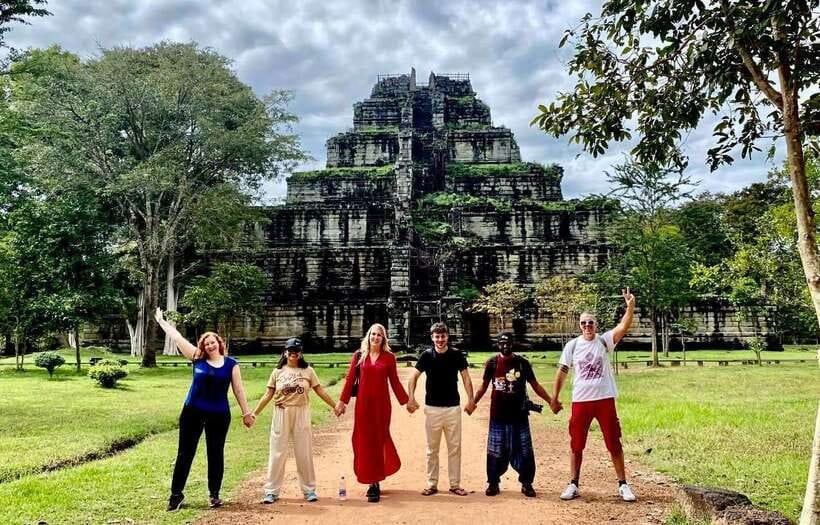
Small group matters more than you’d think on a long rural route. When you’re limited to 10 participants, you’re less likely to feel lost in a crowd, and your guide can actually tailor the pacing—slower when you want more photos, faster when you’re ready to move on.
In the feedback patterns from this tour, a lot of praise goes to guides’ mix of history and hands-on help. Names that come up include Lok, Nara, Pip, Kim, John, Ra, and Tola, often with the same theme: explanations that make sense, plus help for photography so you’re not stuck searching for the best angle while the group moves.
A balanced guide is useful in temples. You want context, but you also want silence sometimes. The best moments at Beng Mealea and Koh Ker aren’t when someone talks non-stop; they’re when the explanation ends and you can just look—at carvings, at the scale of the pyramid base, or at how the jungle and stone share the space.
What to Bring (So the Day Feels Easy, Not Annoying)
This is a comfort-and-safety day. Based on what’s specifically recommended, pack like this:
- Camera
- Hiking shoes (uneven ground is the enemy)
- Sunscreen
- Insect repellent
- Cash (for entrances and your lunch)
Also consider a hat and a refillable water bottle if you like having extra, even though bottled water is included.
The tour also includes cold towels and water, which is a big help in Cambodia’s heat. Still, I’d rather you arrive prepared than rely on “I’ll be fine without protection.”
Dress Code and Temple Etiquette That Keeps You Comfortable
Dress code is simple but strict: your shoulders need to be covered, and pants should be knee length. You don’t have to wear anything fancy. You just need fabric that respects sacred spaces.
And because these are religious ruins, move with care. That means no climbing where you shouldn’t, no rushing through sacred sections just to check a box, and taking your time to look rather than treat each site like a quick photo wall.
Who This Tour Suits Best (And Who Might Want a Different Plan)
This trip fits best if you want a Khmer temple day that’s not centered on Angkor Wat. If you’re curious about Hindu-era roots, later Khmer transitions, and how nature changes sacred architecture over time, you’ll likely get a lot out of it.
It also suits people who enjoy guided context plus time to explore independently. The best tours here aren’t the ones with nonstop talking—they’re the ones where you can ask questions and then wander a little.
Not suitable:
- Children under 12
- People with mobility impairments (uneven surfaces and moderate walking)
- Anyone expecting fully smooth, flat temple paths
If walking long distances over uneven ground is a challenge for you, I’d consider staying closer to the main Angkor circuit instead.
Should You Book This Koh Ker and Beng Mealea Tour?
Book this tour if you want two different temple moods in one day: Beng Mealea’s jungle reclaiming and Koh Ker’s big-state pyramid remains out in the forested north. The small group size, English-speaking guidance, and included comfort items (water and cold towels) make the long drive more tolerable than DIY.
Skip it—or plan carefully—if you’re mainly chasing the most famous Angkor icons. You’ll see impressive Khmer ruins, but this route is intentionally off the busiest map. Also budget for the USD 15 Koh Ker entrance and remember Beng Mealea uses your Angkor Wat ticket.
If you’re short on time in Siem Reap and you want a quieter, more distinct Khmer temple day, this is one of the strongest use-of-time options.
FAQ
What’s included in the tour price?
The tour includes hotel pickup and drop-off, transportation by quality vehicle, an English-speaking guide, bottled water, cold towels, and local taxes.
Do I need to pay for temple entrances?
Yes. Beng Mealea requires your Angkor Wat ticket for entry. Koh Ker has an additional entrance fee of USD 15. Lunch is also not included.
How long is the tour?
The duration is 8 hours.
How big is the group?
It’s a small group limited to 10 participants.
Is lunch included?
No. Lunch is available at a local restaurant, and you pay at your own expense during the break.
What should I wear and what’s the dress code?
Casual clothes are fine, but you must cover your shoulders and wear pants that are at least knee length. Comfortable clothing helps because you’ll be walking on uneven surfaces.
Is there walking involved?
Yes. There’s moderate walking and uneven ground. It isn’t recommended for people with walking disabilities or in a wheelchair.
Is free cancellation available?
Yes, you can cancel up to 24 hours in advance for a full refund.