REVIEW · BATTAMBANG
Full-day: Wat Banan. Old bamboo train. Bat Cave. Killing cave
Book on Viator →Operated by Battambang Tour: Mr Lychee · Bookable on Viator
A bamboo train and dark cave stops in one day.
This full-day Battambang outing mixes cycling, a classic bamboo train ride, and two very different cave experiences on Sampov Mountain. You’ll move through rural roads, temple stops, and local life at a pace that fits a small group. The day runs long, but it’s broken into chunks—so you get variety without feeling rushed.
Two things I really like here: the small-group feel (max 10 people) and the balance between active sightseeing and slower, meaningful stops. The guide support stands out too—names like Mr Lychee and Sambath come up in guides tied to this tour style, with a focus on clear explanations in English. One thing to consider: the route includes a mountain climb at Wat Banan and a visit to the Killing Cave, so it’s not a casual day for everyone.
In This Review
- Key Points Before You Go
- Battambang at Bike Speed: A Small-Group Day With Tuk-Tuk Transfers
- Cycling the Countryside: About 45 km, Plus Snacks and Village Life
- Fitness reality check
- Old Bamboo Train Time at Ou Srauo Laou: A Ride Worth Pricing Attention
- Suspension Bridge to Cham and Javanese Villages: Buddhism and Everyday Faith
- Battambang City Stretch and Statues: Quick Context Without Dragging the Day
- Wat Banan Temple: Ancient Stairs, Mountain Views, and Bamboo Sticky Rice
- A good strategy
- Sampov Mountain Caves: Bats Above, the Killing Cave Below
- Price and Logistics: What $15 Really Means for Your Wallet
- Should You Book This Battambang Adventure?
- FAQ
- How long is the full-day tour?
- Is hotel pickup and drop-off included?
- Do I get a bike and helmet?
- Is the bamboo train ticket included?
- What meals and drinks are included?
- Is the tour fully refundable if I cancel?
- Should You Book This Full-Day Battambang Tour?
Key Points Before You Go
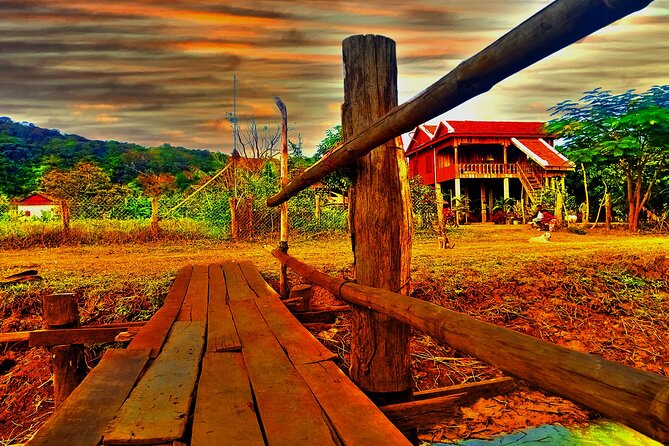
- Bike + helmet included for a ride around Battambang’s countryside (about 45 km is cited for a full day).
- Small group capped at 10 people, which usually means easier questions and a calmer pace.
- Bamboo train at Ou Srauo Laou is the star ride, but the admission is not included.
- Wat Banan involves climbing ancient stairs to reach the temple viewpoint.
- Sampov Mountain pairs bats with a heavy historical site in the Killing Cave.
Battambang at Bike Speed: A Small-Group Day With Tuk-Tuk Transfers
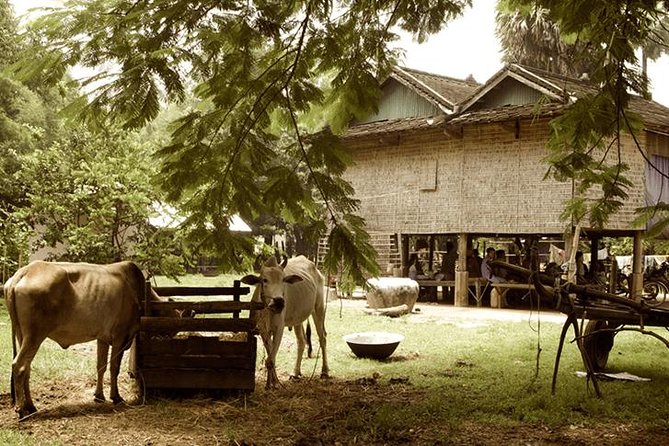
This is one of those Battambang tours that doesn’t just throw you from one landmark to the next. You get a day structured around getting out into the countryside by bike, then using tuk-tuk transport to connect the more spread-out sights. Hotel pickup and drop-off is included, which matters in Battambang because distances add up and the day is about 16 hours long (approx.).
The group size is the other big advantage. With a maximum of 10 people, the guide can slow down when you want photos, ask questions about Buddhism or village life, or help you adjust the pace on the ride. That’s backed up by how often guide names like Mr Lychee and Sambath are associated with this kind of day: the focus is on making the route make sense, not just moving on.
The practical takeaway: plan for a long day and bring real stamina. You’re biking, climbing stairs, and then walking around cave sites. If you prefer a shorter half-day, you may feel the full-day length in your legs and feet.
You can also read our reviews of more tours and experiences in Battambang

Cycling the Countryside: About 45 km, Plus Snacks and Village Life
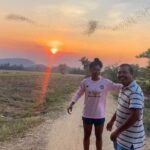
The cycling part is built around a simple truth: Battambang’s roads around the villages can be very manageable, and the pace keeps it from turning into a punishment. One full-day bike experience is described as around 45 km, and the feedback made a clear point: even if you’re not a strong cyclist, the ride pace and the relatively flat riding help you keep up.
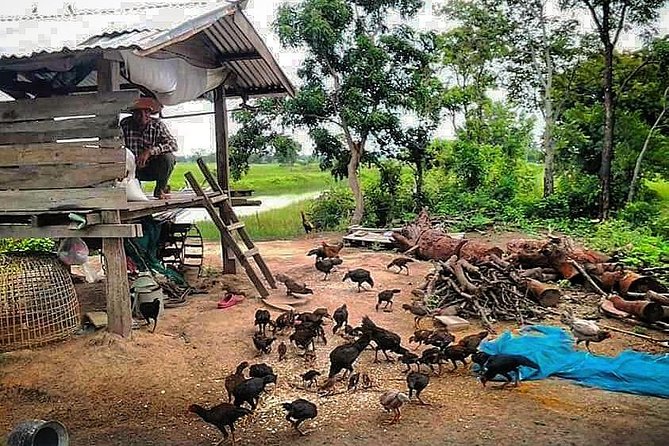
On the bike portion, you also get a “food-and-culture” thread, not just miles. The day includes local snacking such as dried banana and fried spring rolls, and you’ll also have time tied to rural life, where you can see everyday rhythms rather than staged photo moments.
You might also run into stops tied to local production and the broader food scene in Battambang. The tour description calls out a look at Khmer rice whiskey production and a chance for fishing with locals at Tonle Sap Lake. Those sound like side quests, but they’re actually the best kind of travel: you’re learning something small and specific instead of only collecting big sights.
Fitness reality check
If stairs make you grimace, this day includes them—at Wat Banan, later. If you bike at a steady but not sporty pace, you’ll likely be fine. The tour description also says most travelers can participate, which is reassuring.
Old Bamboo Train Time at Ou Srauo Laou: A Ride Worth Pricing Attention
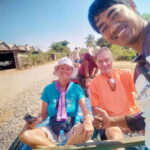
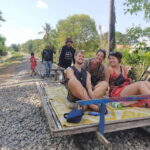
The bamboo train is the centerpiece, and it’s not just a quick photo stop. At Ou Srauo Laou, you take an approximately one-hour ride. The key detail for your planning: the bamboo train admission is not included, so you’ll want to budget extra for that portion when you compare the final total cost.
What makes the ride feel special is the setup. The information you’re given includes that after arriving at the bamboo train, you ride it and then the driver takes you to the next village so you can experience a longer distance ride. That’s why it works as a full activity, not a token demonstration.
Here’s how to make it enjoyable: wear shoes you trust for uneven ground and keep your camera ready, because the train moments tend to happen quickly. Also, bring a bottle of water mindset even though the tour includes water—because the day is long and you’ll bike beforehand.
Suspension Bridge to Cham and Javanese Villages: Buddhism and Everyday Faith
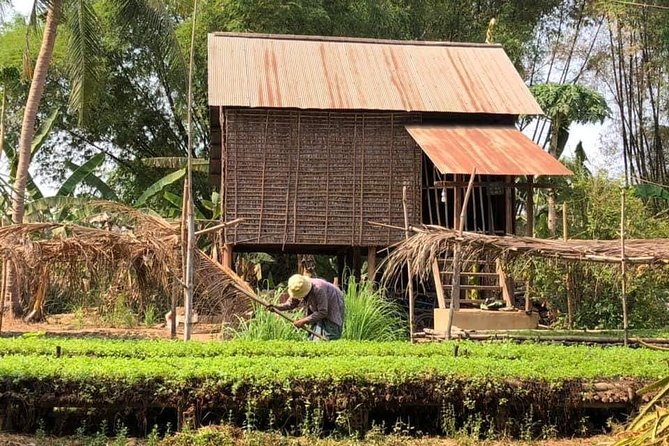
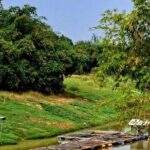
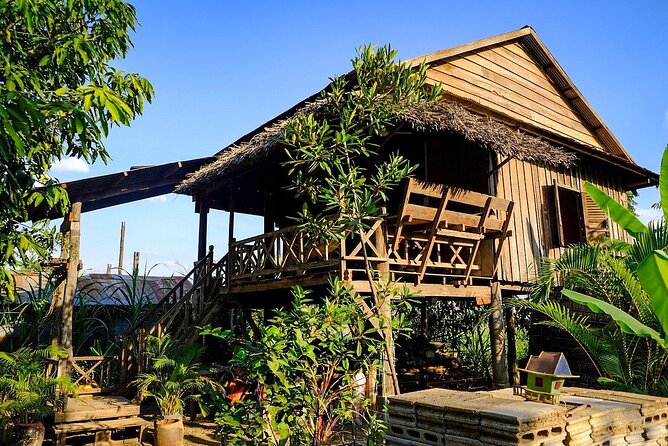
Between riding and cave sites, you also get a culture-and-religion slice that’s closer to daily life. There’s a stop for a suspension bridge where you can get photos and cross the Sangke River. From there, the tour includes Kampon Pile Pagoda, giving you a chance to learn how Buddhism fits into the rhythm of the area.
Then comes a more social stop: walking around Cham and Javanese ethnicity villages to understand culture and religion. The description doesn’t spell out every detail of what you’ll see, but the intent is clear—you’re not just staring at buildings. You’re getting context for how community identity shows up in religious practice and daily routine.
This is also a good mental reset from cycling. It’s slower walking and observation, and it can help you appreciate what you’ve been biking through.

Battambang City Stretch and Statues: Quick Context Without Dragging the Day
The morning begins in Battambang, with a city introduction that includes stops like a colonial building or a provincial hall plus the Tadam Bong Kro Aung statue. Even if you’re not a museum person, this kind of orientation helps because Battambang can feel like a collection of separate experiences unless you connect them.
A practical reason this matters: once you know the basics—colonial-era presence, local symbols, and how the city organizes around important landmarks—the later rural stops start to feel connected, not random.
You don’t need to treat this portion as a deep historical lecture. The value is in getting your bearings fast.
Wat Banan Temple: Ancient Stairs, Mountain Views, and Bamboo Sticky Rice
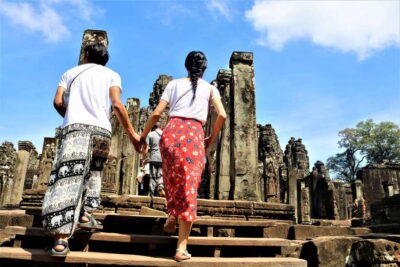
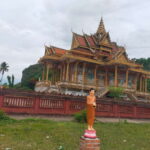
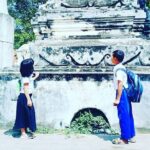
Wat Banan is one of those stops that changes the mood of the day. You’ll head there in the afternoon and climb up a mountain through ancient stairs to reach the temple. The temple visit is tied to admission included, and it’s positioned as a “work for the view” moment.
Be honest with yourself here: if you hate stairs, pace yourself. The stairs are part of the experience, but that doesn’t mean you should sprint them. Take breaks when you need them, especially if it’s warm.
The day also includes time connected to local cooking life. On the way, you may visit locals who bake bamboo sticky rice. That’s one of the best uses of a temple climb because it links “culture” to something you can smell and taste rather than something locked behind a sign.
A good strategy
I’d plan to slow down at Wat Banan and focus on questions for your guide. Places like this are easiest to enjoy when you understand what you’re seeing, not just where it is.
Sampov Mountain Caves: Bats Above, the Killing Cave Below
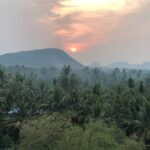
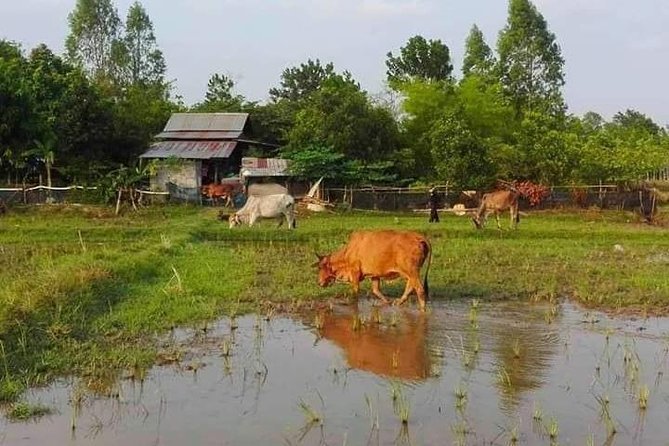
After Wat Banan, you move to Phnom Sampov Mountain, where you see scenic countryside and rice fields with farmers working in the fields. This is a nice pause between climbs: it’s more open, with more visible daily life, before you go into the cave environments.
Then the day turns serious. You’ll visit the Battambang Bat Caves and the Killing Cave (Sampov Mountain). The information provided makes it clear what to expect: you see the victims’ skulls and learn more about the site’s meaning.
This part of the day isn’t “fun,” and it shouldn’t be. It’s heavier than the rest of the route, and that’s exactly why it deserves your attention. If you’re sensitive to graphic historical content, you’ll want to prepare yourself mentally before you go.
The main planning point: bring patience. Cave sites often require walking in uneven areas, and the day is already long from biking. If you need to step away, do it. There’s no prize for pushing through discomfort.
Price and Logistics: What $15 Really Means for Your Wallet
The advertised price is $15, and that’s genuinely good value for a full-day format with pickup, a guide, bike equipment, transportation, and multiple paid stops. But the fine print also includes something you should double-check: $5.00 per person is listed as all fees and taxes not included, even though “all fees and taxes” also appears under included.
So here’s the smart move: confirm the final total at booking, and ask what’s covered versus what’s added for admissions and any cave/bamboo train fees. The bamboo train ticket is explicitly noted as not included, which may be the main additional cost you’ll encounter.
What you can count on being included:
- Hotel pickup and drop-off
- Friendly English-speaking local guide
- Mountain bike rental with helmet
- Transportation by traditional tuk-tuk
- Unlimited mineral water and cold towel
- Fees and taxes are shown as included, but the extra $5 note means you should verify the final bill
Also budget for tips. Tips are listed as not included, which is common, and a small tip can feel fair for a full day with real guide time.
Should You Book This Battambang Adventure?
Book it if you want a Battambang day that mixes movement with meaning: cycling, an old-fashioned bamboo train, temple time at Wat Banan, and two cave stops on Sampov Mountain. It’s especially appealing if you like having a guide who can explain the “why” behind religion and local life, not just the where.
Skip or think carefully if you’re dealing with mobility limits (the Wat Banan stairs and walking around caves may be tough) or if the Killing Cave content feels too heavy for you. Also consider the length: the day is around 16 hours, so it’s not a light, casual outing.
If you’re comfortable with a long day and you want the contrast—bats overhead and history up close—this tour is one of the more memorable ways to see Battambang in a single push.
FAQ
How long is the full-day tour?
It runs about 16 hours (approx.) for a full-day outing in Battambang.
Is hotel pickup and drop-off included?
Yes. Hotel pickup and drop-off are included, along with transportation by traditional tuk-tuk.
Do I get a bike and helmet?
Yes. Mountain bike rental with a helmet is included in the tour.
Is the bamboo train ticket included?
No. The bamboo train admission for the ride at Ou Srauo Laou is listed as not included.
What meals and drinks are included?
A Cambodian lunch is included, and you also get unlimited mineral water and a cold towel during the day.
Is the tour fully refundable if I cancel?
You can cancel up to 24 hours in advance for a full refund.
Should You Book This Full-Day Battambang Tour?
Yes—if you’re looking for a packed day with real variety: bikes, bamboo train, temple stairs, and the caves of Sampov Mountain. Just confirm the final cost (especially around the $5 per person note) and be ready for both the climb and the heavy historical visit.