REVIEW · BATTAMBANG
Morning Tour,Ak Phnom temple,Rice wine,Rice Paper, killing Field
Book on Viator →Operated by Mr. Pov Battambang Amazing Tour · Bookable on Viator
Rice wine, ancient ruins, then a sobering stop.
In North Battambang, this small-group morning tour pairs a classic Buddhist temple ruin at Ek Phnom with hands-on village food stops like rice paper and a sobering visit to Wat Samrong’s killing field site.
I particularly like the mix of hands-on and human stories: tasting rice wine, seeing how rice becomes rice paper, and learning how local farming links to daily life. I also appreciate guides such as Mr. Yi Yong, Pao, and Mr. Pov, who explain the area in clear English and bring real local humor to keep things moving.
One drawback to think about: the Wat Samrong segment is emotionally heavy, so go with the right mindset, and also plan for morning heat once you’re outside the shade.
In This Review
- Key things to notice before you go
- How this morning tour really works in Battambang
- Price and logistics: what you’re paying for with $20
- Tuk tuk pickup and small-group comfort (where the value hides)
- Ek Phnom temple: a calmer, Angkor-style feel near town
- Rice wine tasting: a simple stop that teaches a lot
- Rice paper and dried bananas: where you go beyond souvenir shopping
- Rice fields, village work, and bamboo sticky rice traditions
- Fish market stop: a quick hit of everyday commerce
- Wat Samrong Killing Field: respect, context, and a heavy emotional tone
- Timing and heat: do mornings for a reason
- What to pack and how to stay comfortable
- Who this tour suits best (and who might rethink it)
- Should you book this Battambang tour?
- FAQ
- Is hotel pickup offered?
- What does the $20 price include?
- Are tickets and fees included?
- What food and drink stops are part of the experience?
- Are there any visits to markets?
- Will I visit a temple?
- Do you include the Killing Field site?
- How large is the group?
- What if the weather is bad?
- Can I cancel for free?
Key things to notice before you go

- Ek Phnom’s 11th-century temple ruins: an Angkor-type stop without the Angkor crowds.
- Rice wine and rice paper you can actually try: fewer tourist shops, more real production.
- Small-group tuk tuk with pickup: max 10 travelers, so you’re not lost in a bus.
- Village food stops: dried banana, a fish market stop, and village work tied to rice.
- Wat Samrong Killing Field context: respectful but unforgettable.
- Guides with strong English: including Pao, Mr. Pov, and Mr. Yi Yong.
How this morning tour really works in Battambang
This is the kind of Battambang outing that feels practical, not scripted. You start in town, climb out into the rural north, and let the day’s stops do the teaching: temple stones first, then rice-based foods, then a serious historical stop that brings the region into focus.
What makes it work is the pacing. You get time to look closely at temple details and ask questions, then you shift to taste-and-watch activities where your guide can explain what you’re seeing. Finally, the tour turns quiet and reflective at Wat Samrong.
If you like days that are part food tour, part culture stop, and part history lesson, this hits a sweet spot.
You can also read our reviews of more wine tours in Battambang

Price and logistics: what you’re paying for with $20
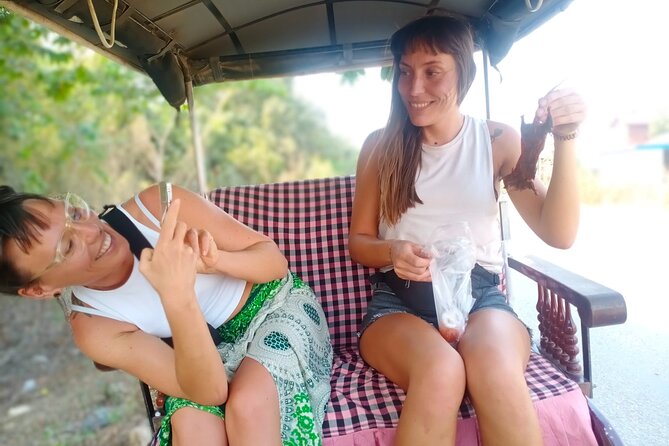
At $20, you’re mostly paying for transportation, a guide, and the structure to reach outlying places. The tour includes waters, a tuk tuk ride, and a sharing-group setup (small enough to still feel personal).
Tickets and fees are not listed as included overall, even if certain entrance items may be free at specific stops. So treat your $20 as the value of the guide and transport, not a guarantee that every single entrance cost is covered.
Also check your timing expectations. The experience is sold as a morning tour, but it may show a longer duration window depending on booking details. In practice, you should plan on being out for a meaningful block of the day and use your confirmation to know the exact start and end.
The upside: you’re not paying for a huge tour bus. The tuk tuk and the small group size make the day feel flexible, especially when you’re moving between rural spots.
Tuk tuk pickup and small-group comfort (where the value hides)
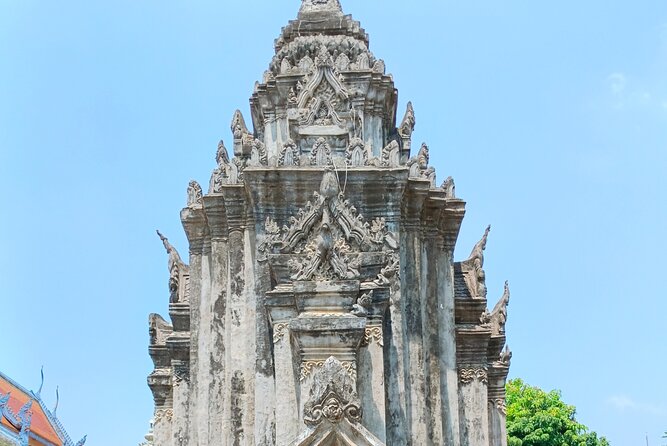
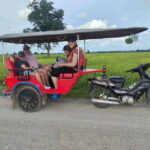
The pick-up from your hotel is one of the easiest wins. You don’t waste time finding meeting points or negotiating rides at the start of the day.
You’ll be in a tuk tuk with a small group (maximum 10). That matters more than it sounds. In a larger group, you often miss explanations or lose your turn to ask a question. Here, you can usually follow along and actually remember what the guide said because you’re close enough to hear details.
And because this is a sharing tour, it’s also easier to meet your guide’s pace. If the guide talks a bit longer at the temple, the group doesn’t feel rushed into the next stop like a checklist.
Ek Phnom temple: a calmer, Angkor-style feel near town
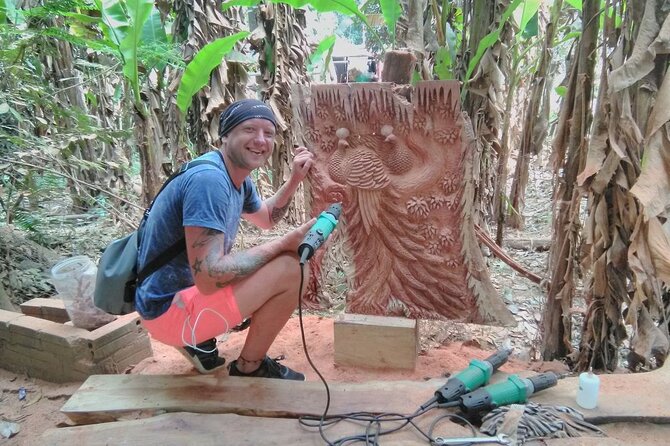
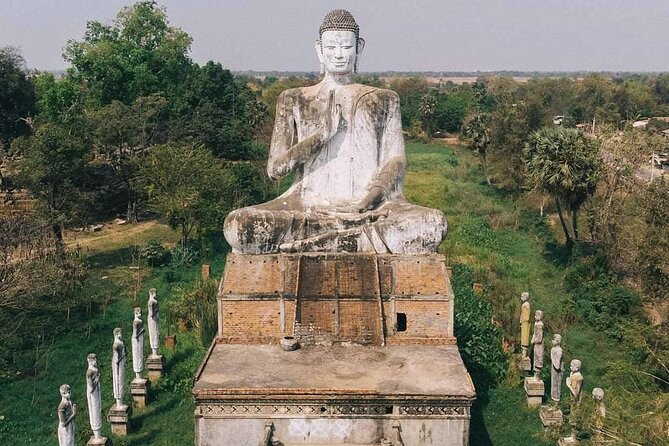
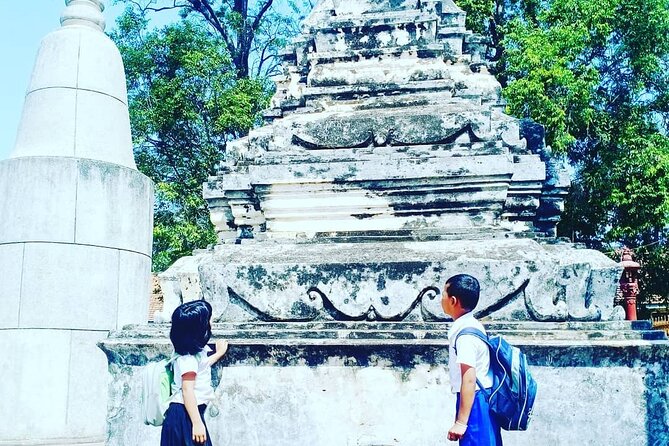
Ek Phnom is the core temple stop, and it has that “Angkor-type” vibe that people come to Cambodia for. It’s an 11th-century Buddhist temple ruin about 15 km northwest of Battambang, so you get the old-stone atmosphere without the big-tour crush.
What I like about this stop is the focus on meaning. A good guide will talk through how religious ideas show up in the carvings and the way the site was built and used. In this area, guides also tend to connect Buddhist and Hindu traditions, so it’s not just statues and dates. It’s why the place looked the way it did.
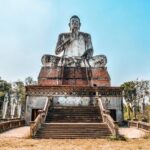
You may also see a giant Buddha statue as part of the temple complex approach (depending on the route your guide uses). It’s a visual way to anchor the story: old ruins plus something that still feels active.
Practical note: wear something comfortable for walking around uneven ground. Bring water (you’ll get it, but Battambang sun can still be a lot) and plan to spend enough time looking, not just taking photos.
Rice wine tasting: a simple stop that teaches a lot
The rice wine stop is one of those experiences that sounds small until you realize it explains an entire local economy. You’re tasting something made from what grows nearby, and your guide can connect the drink to rice cultivation and local production habits.
This is also where the tour gets fun in a grounded way. A shot of rice wine is part of the cultural learning, not a gimmick. You’ll likely get a quick explanation of the process and what makes different batches taste different.
If you don’t drink alcohol, you can still enjoy the explanation and the culture around fermentation. Just be clear about what you’re comfortable trying. Guides on this route are used to mixed preferences.
You can also read our reviews of more tours and experiences in Battambang
Rice paper and dried bananas: where you go beyond souvenir shopping
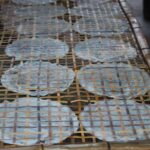
One reason I recommend this tour is that it doesn’t stop at a shop counter. You get direct access to production and snack culture—especially at rice paper making and dried banana stops.
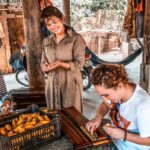
Rice paper is one of those foods that seems simple until you watch the steps. The tour’s angle is practical: you see rice-based ingredients become something that can travel and last, and you learn why rice products are so central here. It’s less about “exotic food” and more about survival skills that turned into everyday cuisine.
The dried banana stop adds another layer. It’s a good contrast to rice-based items: different raw ingredients, different process, same goal of turning crops into shelf-stable treats. You’ll see how snack businesses work in the region and how the local supply chain stays close to the fields.
Bring your appetite. These are tastings and small purchases, not a single sit-down meal.
Rice fields, village work, and bamboo sticky rice traditions

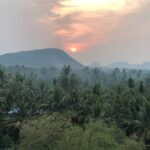
North Battambang is surrounded by rice fields, and this tour uses that geography the right way. Instead of just driving past greenery, you get village context that ties crops to daily habits.
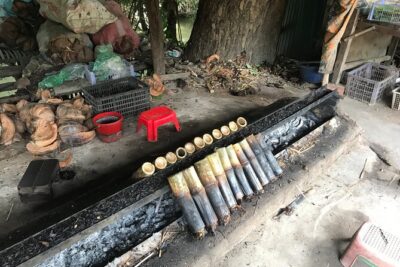
You may hear about bamboo sticky rice, which is a signature way locals prepare rice in village settings. The value here isn’t a complicated lecture—it’s seeing the logic behind the food and the tools used to make it.
This part of the day also helps you understand Battambang beyond the city center. The tour goes to more rural areas, where the routines look slower and more tied to agriculture.
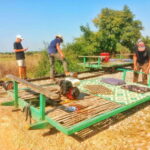
If you’re the type who likes photo opportunities, this also gives you scenes that feel real: workers, small-scale production, and fields that define the rhythm of the region.
Fish market stop: a quick hit of everyday commerce
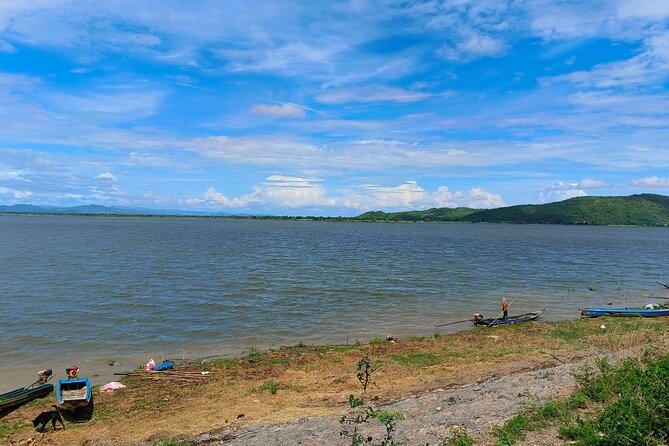
Some routes include a fish market stop, which makes sense in a river-and-farming region. It’s not an all-day lesson, but it’s an important snapshot of how food reaches plates: trade, freshness, and local buying rhythms.
If your brain likes connecting dots, this fish-market moment pairs nicely with the rice-focused food stops. You end up seeing how different parts of the local food system work together.
Keep an eye on your comfort level with crowded spaces. Markets can be busy, and you’ll want to move at an easy pace while still listening to your guide’s explanations.
Wat Samrong Killing Field: respect, context, and a heavy emotional tone
The Wat Samrong segment is the emotional pivot point of the tour. It’s a Killing Field site, and your guide should frame what you’re seeing with context, not just facts.
I suggest you mentally prepare for this part as a real history lesson, not an optional photo stop. Go quietly, dress respectfully, and keep your attention on the explanation your guide provides.
What makes this tour worth doing (as long as you’re emotionally ready) is that it doesn’t treat tragedy like a checklist item. A capable guide will connect the site to the broader human impact, and you’ll leave with a clearer understanding of how the region endured—beyond whatever you read in a hotel lobby.
Take your time here. If you feel overwhelmed, that’s normal. The best choice you can make is to slow down and absorb what’s being explained.
Timing and heat: do mornings for a reason
One practical tip that keeps coming up for this area: do it in the morning. Battambang can heat up, and the day includes outdoor walking and rural travel.
Bring sun protection: hat, light shirt, and your water bottle even though waters are included. If you’re sensitive to sun or fatigue, this is the easiest way to avoid turning a meaningful day into an uncomfortable one.
Also plan your photos earlier in the day if you care about light. Temples and village stops look better when the sun isn’t blasting from overhead.
What to pack and how to stay comfortable
You don’t need a huge kit, but you’ll enjoy the day more if you come prepared for sun and uneven ground.
Bring:
- A light hat or cap and sunglasses
- Comfortable shoes for temple paths
- A small day bag with sunscreen and a spare layer
- Some cash for any tickets and fees not covered by the tour price
If you’re doing tastings, remember that food pauses are built into the day. Don’t schedule anything major immediately afterward. Give yourself time to reset, especially after the killing field visit.
Who this tour suits best (and who might rethink it)
This works well if you want more than a temple-and-back day. You’ll like it if you care about daily life: how rice becomes food, how snack production works, and how local history is explained through real places.
It’s also a strong choice for couples or solo travelers because the group stays small and guides can tailor their pace. In fact, the small max group size helps even more if you’re picky about hearing details.
You might want a different plan if:
- You’re not comfortable with heavy history sites
- You’re looking for a purely “relaxing” day with no somber moments
- You hate walking on uneven ground
But if you can handle a mix of food, culture, and history, this is the kind of tour that makes Battambang feel like a real place.
Should you book this Battambang tour?
Book it if you want value that goes beyond transport. For $20, you get a guide, tuk tuk pickup, waters, and a route that balances temple ruins, hands-on rice foods, and an important historical stop. And you’re in a small group, so the explanations land.
Skip or reconsider if the killing field context would be hard for you right now. There’s no shame in choosing self-protection. Cambodia’s history deserves respectful attention, and you get to decide when you’re emotionally ready.
If you do book, pick the morning slot, wear comfortable shoes, and come with curiosity. This tour isn’t just about seeing places. It’s about understanding why Battambang’s everyday life and its hardest history sit side by side.
FAQ
Is hotel pickup offered?
Yes. Pickup is offered, and the tour uses a tuk tuk to move you between stops.
What does the $20 price include?
The price includes waters, a sharing tour setup, a guide, and tuk tuk transportation.
Are tickets and fees included?
No. Tickets and fees are not included in the listed price.
What food and drink stops are part of the experience?
You’ll visit places to try or learn about rice wine and rice paper, and you may also see other rural snack items like dried banana.
Are there any visits to markets?
Yes, a fish market stop can be included on the route.
Will I visit a temple?
Yes. The tour includes a visit to Ek Phnom.
Do you include the Killing Field site?
Yes. The tour includes a visit to Wat Samrong Killing Field (Wat Samrong Khong).
How large is the group?
This experience has a maximum of 10 travelers.
What if the weather is bad?
This experience requires good weather. If it’s canceled due to poor weather, you’ll be offered a different date or a full refund.
Can I cancel for free?
Yes. You can cancel up to 24 hours in advance for a full refund. If you cancel less than 24 hours before the start time, the amount paid is not refunded.