REVIEW · BATTAMBANG
Morning village tour Livelihood tour with Local Product discover
Book on Viator →Operated by Kim Tours Battambang · Bookable on Viator
Battambang turns edible when you walk its villages. This half-day countryside tour makes rural life feel real by taking you into Khmer homes and workplaces for local food and drink production—and you get to taste what you see. I especially love watching rice paper and sticky rice get made, and I like how many different products are covered in just 4 to 5 hours. One consideration: if you choose the optional temple and killing fields stop, it’s emotionally intense and not a casual add-on.
I also like the practical side: pickup is available, the group is small (max 10 people), and the schedule is built around a morning window that works well if you still want a full afternoon in Battambang. Expect lots of moving around, talking, and snack-size tastings along the way.
In This Review
- Key points to know before you go
- Why This Battambang Morning Village Tour Feels Worth It
- Pickup, Small Group Pace, and Timing That Actually Works
- The Countryside Start: Seeing Homes and Workplaces Up Close
- Rice Paper and Sticky Rice in Bamboo Tubes
- Fermented Fish Paste: One Old Factory Stop With Big Nose Energy
- Dried Bananas and Banana Chips: When Snack Food Has a Story
- Rice Wine Distillery Visit: A Traditional Process You Can Ask About
- Optional Wat Samrong Knong and Killing Fields: Choose Carefully
- Tastings and Local Product Discovery: How to Make It Enjoyable
- Price and Value: What $15 Buys in Real Work Time
- What I’d Pair It With in Your Battambang Day
- Who This Tour Suits Best (and Who Might Want a Different Day)
- Should You Book Kim Tours Battambang for This Morning Village Experience?
- FAQ
- How long is the Battambang morning village tour?
- What does the tour cost?
- Is pickup offered?
- What time does the tour start?
- How big is the group?
- Is there free cancellation?
Key points to know before you go
- Rice paper making: see how the thin sheets go from process to product.
- Sticky rice in bamboo tubes: cooked over an open fire for a very specific texture.
- Fermented fish paste factory: watch an old production setup in action.
- Dried bananas and banana chips: production steps you’d never notice from a convenience shop.
- Optional Wat Samrong Knong and killing fields: choose this based on your comfort level.
Why This Battambang Morning Village Tour Feels Worth It
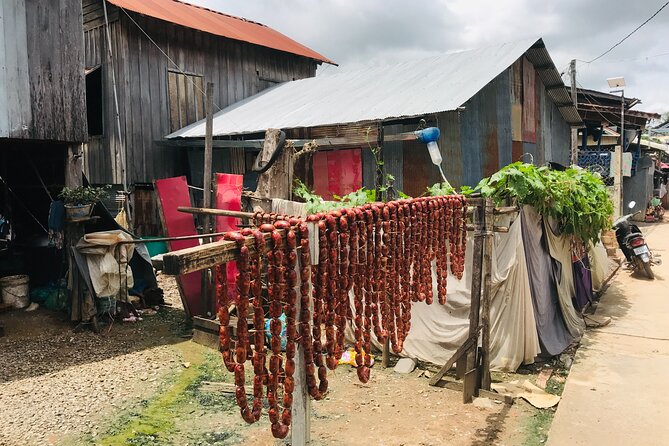
A good market visit shows you what’s for sale. This tour shows you what happens before the sale—kneading, cooking, fermenting, drying, and pressing. You’re not just viewing from a distance. You’re walking through working rhythms in the countryside and seeing how everyday food becomes everyday culture.
What I like most is the focus. Instead of trying to check off ten sightseeing boxes, you spend time on a smaller theme: how local products are made. Rice paper, sticky rice, fermented fish paste, bananas, and rice wine are all different, so the day stays interesting even if you’ve already been to Battambang’s city center.
You can also read our reviews of more tours and experiences in Battambang

Pickup, Small Group Pace, and Timing That Actually Works
The tour runs in the morning, with a start time window of 8:00 AM to 8:30 AM. It typically lasts 4 to 5 hours, and you can usually fit it neatly between other Battambang plans—like a lunch out or an afternoon boat ride.
Two practical details matter here:
- The group size is capped at 10 people, so you’re less likely to get lost in the crowd.
- Pickup is offered, which helps if your guesthouse is outside the most convenient area.
You’ll also want to plan around the weather. The experience notes that it requires good weather, and if it’s canceled due to poor weather, you’ll be offered another date or a full refund. In other words: don’t count on a rainy morning as a guaranteed “do it anyway” situation.
The Countryside Start: Seeing Homes and Workplaces Up Close
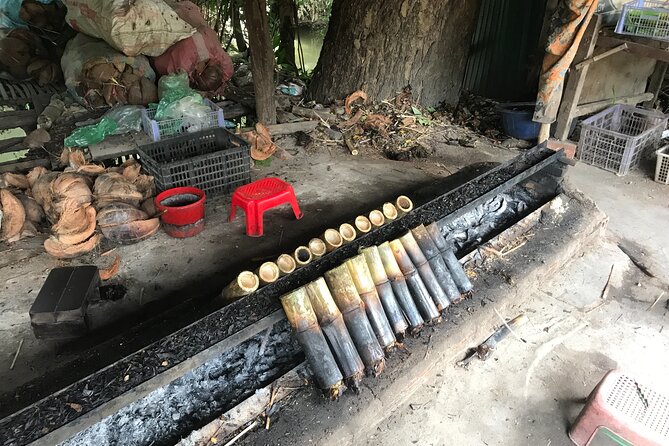
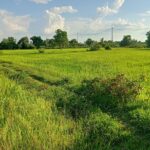
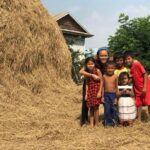
Early on, the tour sets expectations for what you’re actually seeing: homes and workplaces of local Khmer people, where daily life and production happen side by side. That’s where this tour earns its value. Food here isn’t only a dish. It’s a process, and the process is part of people’s routine.
You’ll get a quick introduction to Battambang and its background, then you head out into the countryside. From there, the day is essentially a guided walk through production areas, with short stops that explain what’s happening and why.
Rice Paper and Sticky Rice in Bamboo Tubes
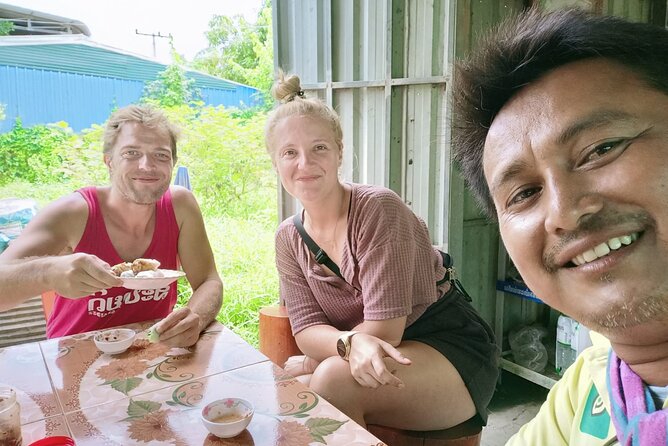
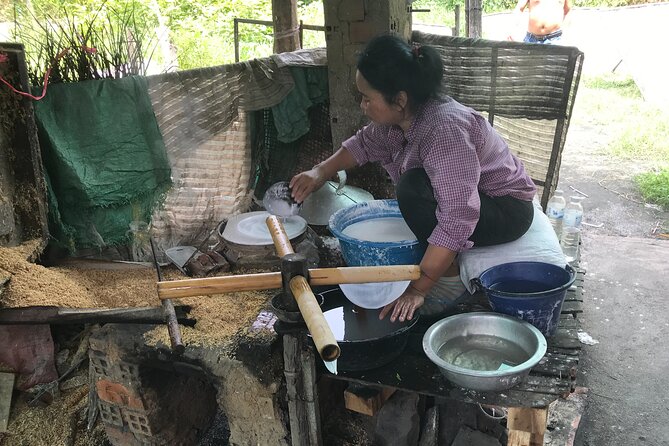
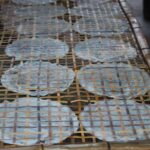
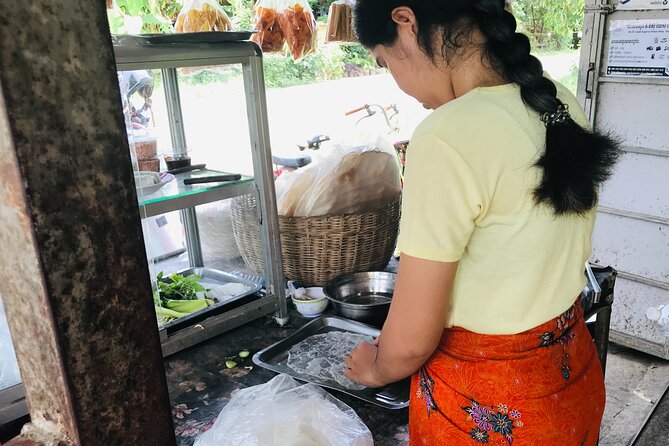
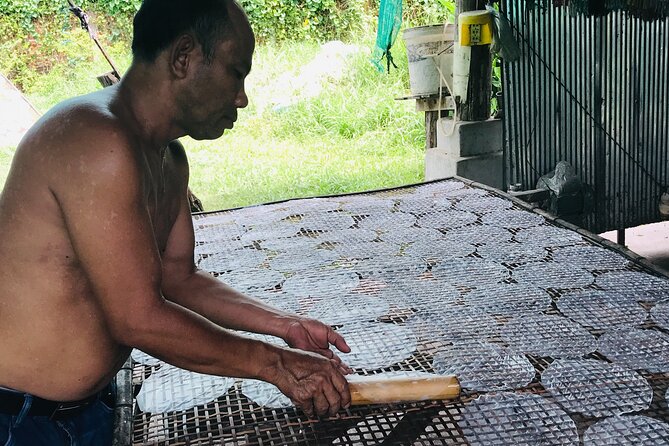
If you want one clear reason to book, start here. Rice paper is one of those foods that seems simple until you see the steps behind it. You’ll get the chance to watch rice paper being made, and you’ll learn how the mixture and handling turns into those thin sheets.
Then comes sticky rice cooked in bamboo tubes over an open fire. Open fire cooking is something you can smell instantly. It also changes the way you think about “sticky” rice, because you’re not just tasting you’re seeing the cooking method that produces the texture.
What to expect: this part of the tour can be hands-on in feeling, even if you’re not doing the cooking yourself. You’ll get close enough to understand the sequence, and you’ll likely taste as well—because the tour is built around local product discovery, not just watching.
Fermented Fish Paste: One Old Factory Stop With Big Nose Energy
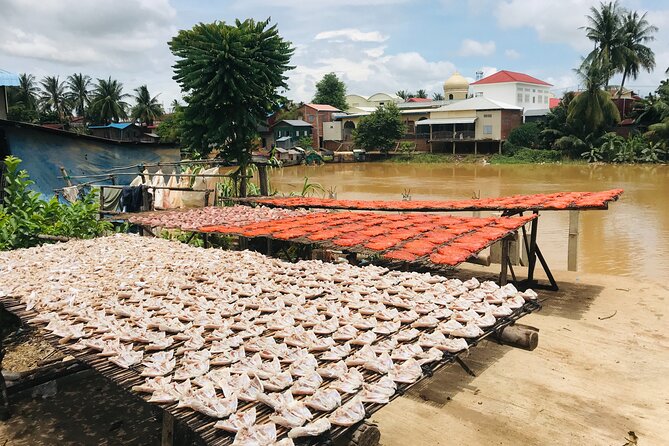
Fermented fish paste is not for everyone, and you should treat it as a separate experience, not a “try everything” challenge. The tour includes a visit to an old factory area where fermented fish paste is made, so you can see the production setup and understand how long-fermentation traditions lead to strong flavors.
Here’s the practical way to approach it: even if you’re curious, go gently with smell and taste. If you’re sensitive, ask for smaller bites. You’re not required to force anything.
Why it’s worth the stop anyway: it broadens your understanding of Cambodian cuisine beyond what’s served to you in restaurants. This is food as preservation, process, and local know-how.


Dried Bananas and Banana Chips: When Snack Food Has a Story
Bananas are a classic Cambodia product, but this tour shows you them as an outcome of drying and processing work. You’ll see dried bananas and banana chips being produced. The point isn’t just the final snack—it’s the steps that turn fruit into something that can last and travel.
This stop is also good pacing. After cooking and fermentation, you get a calmer, more visual process. Watch how the fruit moves through drying and preparation stages, and you start to connect local agriculture with what ends up on your plate.
Rice Wine Distillery Visit: A Traditional Process You Can Ask About
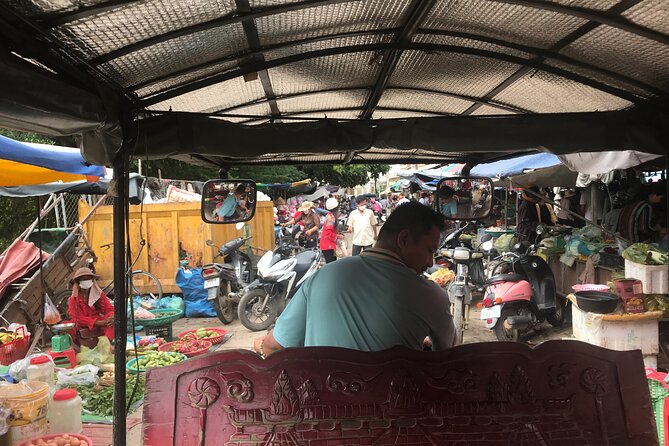
The tour also includes a visit to a traditional old rice wine distillery. This is one of those experiences where the “watching” matters as much as any tasting. You’ll see how the process works, and you’ll have time to ask questions about why it’s made and how it fits into local production.
Important note: alcohol culture varies by person and situation. If tasting is part of your comfort level, treat it like part of the education, not a party. If you’d rather skip it, you can focus on the process and explanations.
Optional Wat Samrong Knong and Killing Fields: Choose Carefully
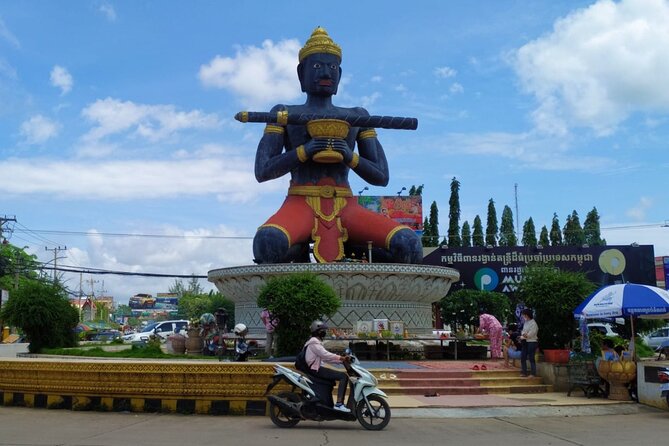
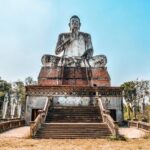
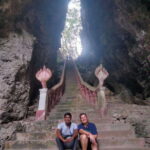
This tour offers an option to add the Wat Samrong Knong temple complex and the killing fields. This can make the outing feel heavier and more serious, because you’re mixing everyday village production with a place connected to Cambodia’s brutal past.
My advice: decide based on your energy and emotional readiness. If you want a lighter day focused on food making, consider skipping the heavier add-ons. If you feel steady and informed enough to handle it, doing it with the same guide can provide context and make the experience more meaningful.
Either way, keep an eye on time. The base tour is 4 to 5 hours, so adding stops changes the feel of the morning.
Tastings and Local Product Discovery: How to Make It Enjoyable
The tour is designed around tasting, which is great—until you realize you might get offered more than you expected. Here’s how I’d handle it so it stays fun:
- Take small portions first. You can always go back for a second taste if something clicks.
- Drink water when you need it. You’ll be walking and outdoors for much of the morning.
- Ask what you’re tasting and how it’s used locally. Even quick explanations make a big difference.
One more practical thing: strong smells are part of the experience, especially around fermentation. If you already know you dislike certain categories of food, you can steer the tasting gently without ruining the day.
Price and Value: What $15 Buys in Real Work Time
At $15 per person, this tour is priced like a budget half-day, but it includes more than “a ride to a viewpoint.” You’re paying for guided movement through multiple production stops and tasting opportunities, plus pickup being available and a small group size.
Think about it in components:
- Transportation to several countryside stops
- A guided intro that connects what you see to local life
- Multiple different food and drink processes in one morning
- Tastings as part of understanding the products
If you’ve already visited Battambang’s main attractions, this tour can feel like a smart second layer: you’re getting the behind-the-scenes version of Cambodian food.
What I’d Pair It With in Your Battambang Day
This morning tour is ideal when you want a hands-on cultural morning but still want free time later. After 4 to 5 hours, you’ll have enough energy to continue sightseeing without needing another packed schedule.
Because the focus is rural production, I like following it with something that lets you process what you learned—like a casual lunch where you can recognize the foods you just saw made.
Who This Tour Suits Best (and Who Might Want a Different Day)
This is a strong fit for you if:
- You enjoy food as a window into culture.
- You want real countryside life, not only city sights.
- You prefer small groups and guided explanations.
- You like watching processes rather than just looking at finished products.
It may be less ideal if:
- You dislike outdoor walking and early mornings.
- You want museum-style context for history instead of production-focused stops.
- The optional killing fields visit doesn’t match your comfort level.
Should You Book Kim Tours Battambang for This Morning Village Experience?
I’d book it if you’re the kind of person who gets more curious when you see how things are made. The tour’s strength is its tight focus: rice paper, sticky rice over open fire, fermented fish paste, banana products, and rice wine, all within a half-day format.
Also, the feedback on the experience emphasizes the guide and driver side—safe driving, water provided, and the ability to accommodate requests. That matters because when you’re hopping between countryside stops, a smooth, careful logistics routine keeps the day enjoyable.
If you’re choosing between this and another city tour, pick this one when you want authenticity through food and work. Pick something else if your priority is light sightseeing without smells, cooking smoke, or heavier optional history stops.
FAQ
How long is the Battambang morning village tour?
It runs about 4 to 5 hours.
What does the tour cost?
The price is $15.00 per person.
Is pickup offered?
Yes, pickup is offered.
What time does the tour start?
The listed morning time window is 8:00 AM to 8:30 AM.
How big is the group?
The tour has a maximum of 10 travelers.
Is there free cancellation?
Yes. You can cancel up to 24 hours in advance for a full refund. If you cancel within 24 hours of the start time, the amount paid is not refunded.