REVIEW · BATTAMBANG
Morning Tuk tuk: City, Handicrafts, Killing field, Temples
Book on GetYourGuide →Operated by Battambag full day city and countryside Tuk Tuk tour · Bookable on GetYourGuide
Battambang through tuk-tuk, rice, and temples. This morning tour is a tight loop of city sights and countryside work—where you see how Khmer families make breakfast staples and snack foods, then you head into major temple stops. I especially love the hands-on rice-food making moments, and I also like how the route touches both religion and real local history at Wat Samrong Knong.
One possible drawback: one stop is emotionally intense. The killing field and torture-house area asks for a calm mindset and some respect for what happened there.
In This Review
- Key highlights you’ll actually feel
- Battambang by morning tuk-tuk: 7:20 pickup and the city opening
- From rice noodles to bamboo sticky rice: food work you can see and taste
- Wat Samrong Knong (1707): the brick stupa, the pagoda, and the killing field reality
- Rice paper production: from village hands to spring roll dinner
- Rice wine since the 1980s: what it’s used for and how it tastes
- Ek Phnom temples: the 25 m giant Buddha and the 11th-century Hindu ruins
- Lunch timing and your return to Battambang town
- Is the $20 price fair for a morning of tuk-tuk stops and tastings?
- Who this tour suits best (and who should think twice)
- Should you book this Battambang city and countryside tuk-tuk tour?
- FAQ
- What time does the tour start, and how long is it?
- Where are pickup and drop-off located?
- What’s included in the $20 per person price?
- What food and drinks will I sample?
- Is this tour suitable for older adults or people with health issues?
- What should I wear?
- Can I cancel and get a full refund?
Key highlights you’ll actually feel
- Khmer rice noodle factory tastings: watch noodles get made, then try them fresh
- Bamboo sticky rice production: see the sweet, bamboo-steamed snack process
- Wat Samrong Knong (1707) and the brick stupa (1887): religion plus Cambodia’s difficult past
- Rice paper made by villagers: learn spring-roll basics and see production up close
- Rice wine since the 1980s: hear its uses, then sample it
- Ek Phnom temples: a 25 m Buddha with surrounding standing statues
Battambang by morning tuk-tuk: 7:20 pickup and the city opening
This is a 5-hour early-day tour that starts with pickup at 7:20 AM. You’ll meet your English-speaking guide and ease into the day with stories about Battambang’s culture, religion, agriculture, and folk tales. It’s the kind of start that helps the later stops click into place instead of feeling like a checklist.
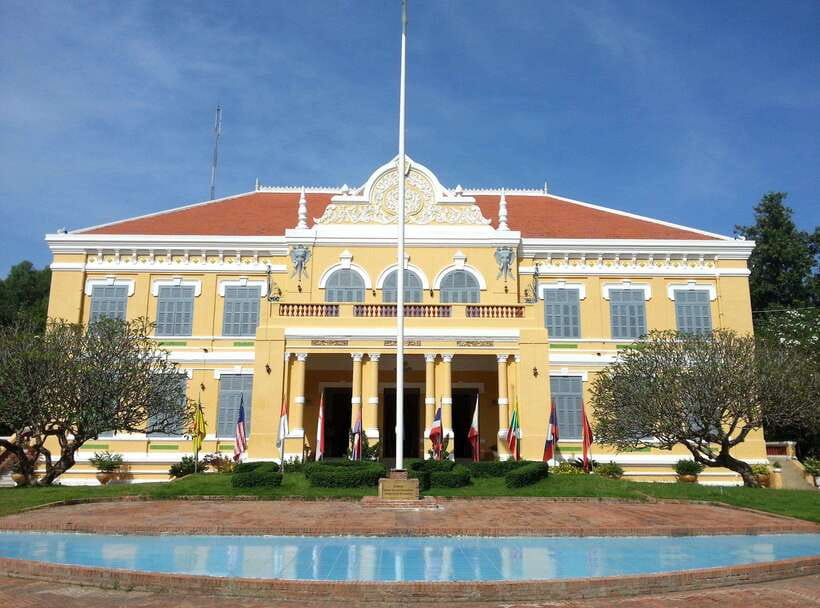
The city section isn’t just driving past stuff. You’ll visit key local landmarks such as the central market area, a provincial hall, and the Battambang symbol statue called Ta Dambong Kranhoung. It’s also a good moment to get your bearings—what’s where, what matters locally, and how daily life connects to the countryside stops.
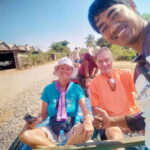
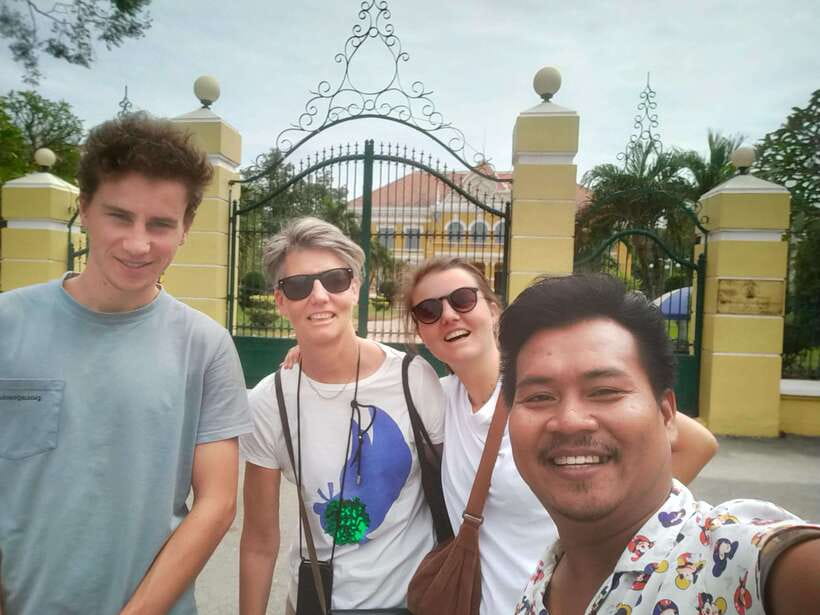
If your guide is someone like Samol or Mr David, expect a friendly pace and clear explanations. Some guides also take photos during the day, and you may receive them later by WhatsApp.
You can also read our reviews of more city tours in Battambang


From rice noodles to bamboo sticky rice: food work you can see and taste
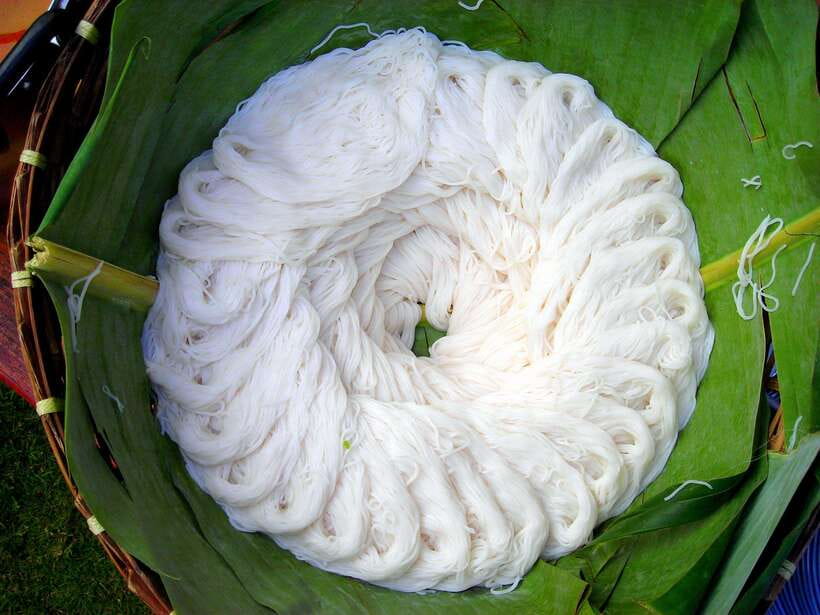
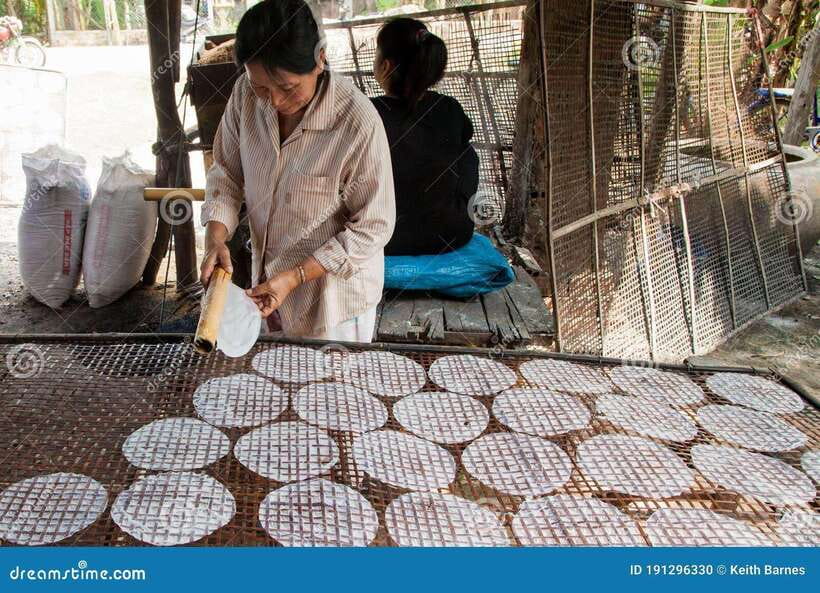
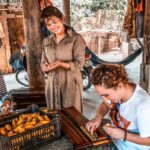
The best part of this tour for many people is how it treats food like culture, not just a snack. You’ll spend time watching local families make Khmer rice noodles and learn why they’re such a common breakfast, lunch, and dinner item in Cambodia. The process is practical and repetitive—exactly the kind of work that keeps a community fed.
At the noodle stop, you don’t just watch. You’ll also get to taste the noodles. That small bite is a big deal because you’ll understand what makes them different once you see how they’re formed and cooked. It helps you spot the difference between “noodles in a restaurant” and noodles made for real daily use.
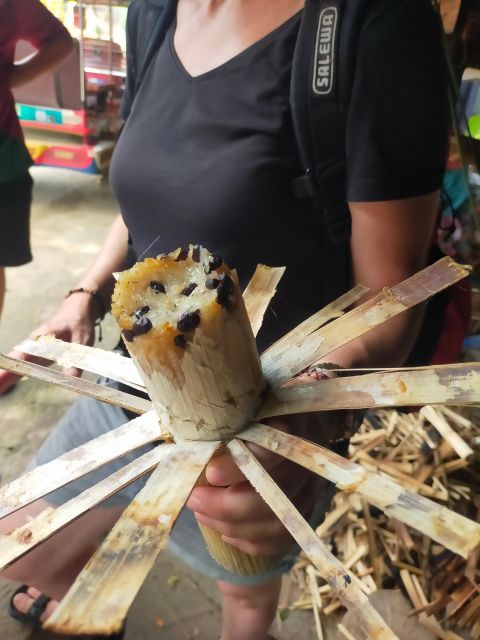
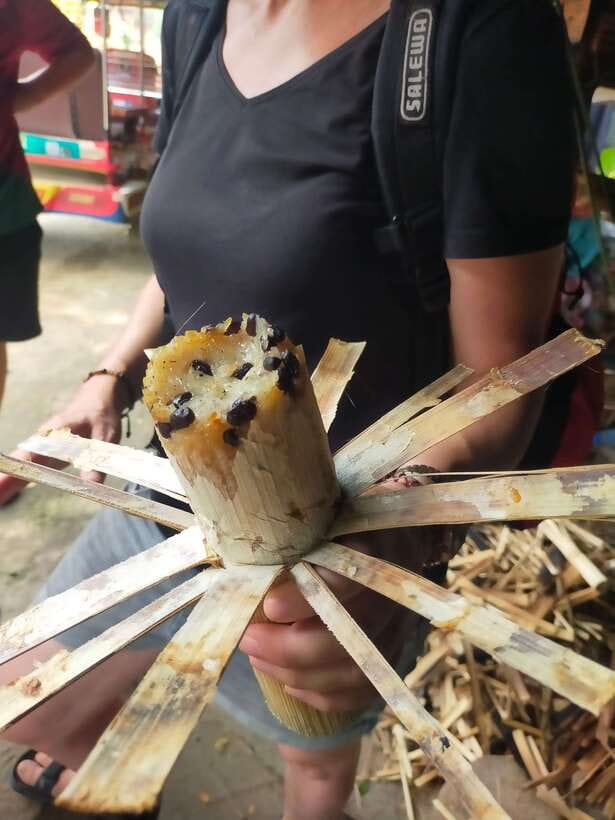
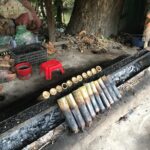
Then comes bamboo sticky rice. You’ll see how bamboo sticky rice is cooked and why it’s often treated like a dessert or sweet snack. It’s popular with tourists, sure, but it’s also a local favorite. Watching the cooking method matters here, because the bamboo isn’t just for show—it ties into flavor and tradition.
What I like about pairing these stops is rhythm. You go from savory daily noodles to a sweet snack, and suddenly the whole day feels like you’re moving through actual Khmer food culture instead of hopping between unrelated sights.
Wat Samrong Knong (1707): the brick stupa, the pagoda, and the killing field reality
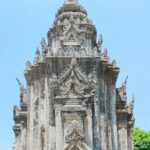
Next, you head to Wat Samrong Knong, described as the oldest Buddhist temple on the route, built in 1707. Around it, you’ll notice a mix of beautiful architecture and heavy context. The brick stupa built in 1887 is part of that layered scene.
Then the tour turns to the Khmer Rouge period. The pagoda was used to house Khmer Rouge soldiers, and it also functioned as a detention area for victims. You’ll also see the torture house and the killing field, with the site associated with approximately 10,008 victims.
This is the moment where you should slow down mentally. There’s no way to “make it fun,” and that’s the point. For me, what makes the stop valuable is that it’s not just about shock. It shows how places of belief and community were repurposed into sites of harm.
If you tend to get overwhelmed by history like this, choose your pace at the site. You don’t need to rush to check boxes. Give yourself time to look, then step back and let your guide’s explanations land.
Rice paper production: from village hands to spring roll dinner
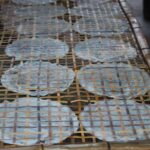
After the heavy temple stop, the tour shifts to craftsmanship that feels lighter—though it’s still real labor. You’ll visit rice paper production, where you learn how rice paper is made and why it’s so useful.
This is one of those stops where the details matter. Rice paper production is time-sensitive and technique-driven, and seeing it up close explains why the texture and flexibility show up the way they do later in spring rolls. You’ll also learn how rice paper is used for making spring rolls, which is why this stop pairs so well with the tastings the tour includes.
The numbers here help you understand the scale of local work. Villagers can make at least 1,500 rice paper pieces per day. You don’t have to memorize the figure, but it gives you context: this isn’t a tiny hobby operation. It’s a serious source of income and everyday food support.
Rice wine since the 1980s: what it’s used for and how it tastes
Next is rice wine production, run as a plant in use since the 1980s. You’ll learn how rice wine is made and what role it played beyond drinking. The guide explains that it was used for medication and also for soaking plants and fruits.
One unusual part of the explanation is that it was even used with poisonous animals like cobras and tarantulas. That’s the kind of detail you wouldn’t pick up wandering around town on your own, and it helps you see how local knowledge developed practical uses over time.
Then you get a chance to sample the rice wine. Even if you’re not a big alcohol person, tasting once is the quickest way to connect story to reality. The taste doesn’t have to be for everyone, but it gives you a direct sense of how locals experience the product in daily life.
You can also read our reviews of more tours and experiences in Battambang
Ek Phnom temples: the 25 m giant Buddha and the 11th-century Hindu ruins
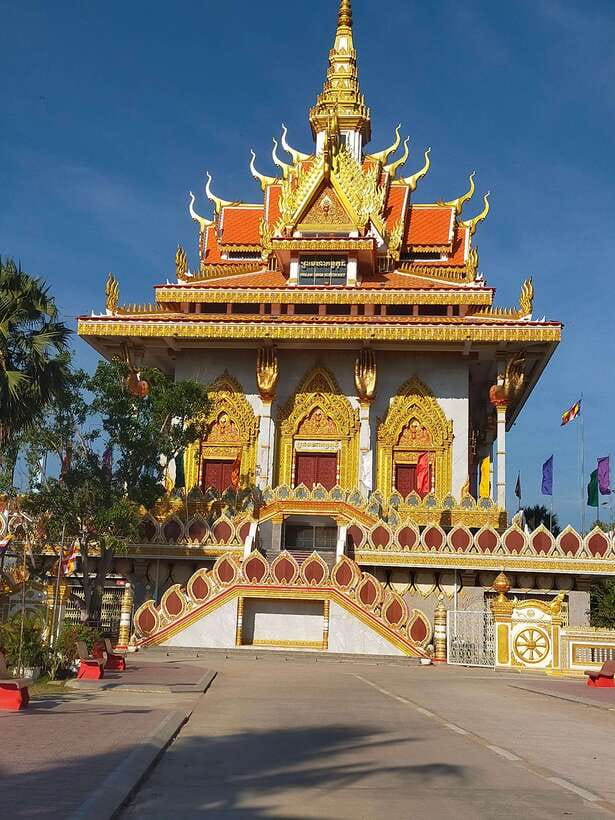
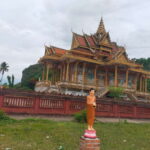
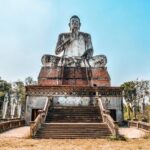
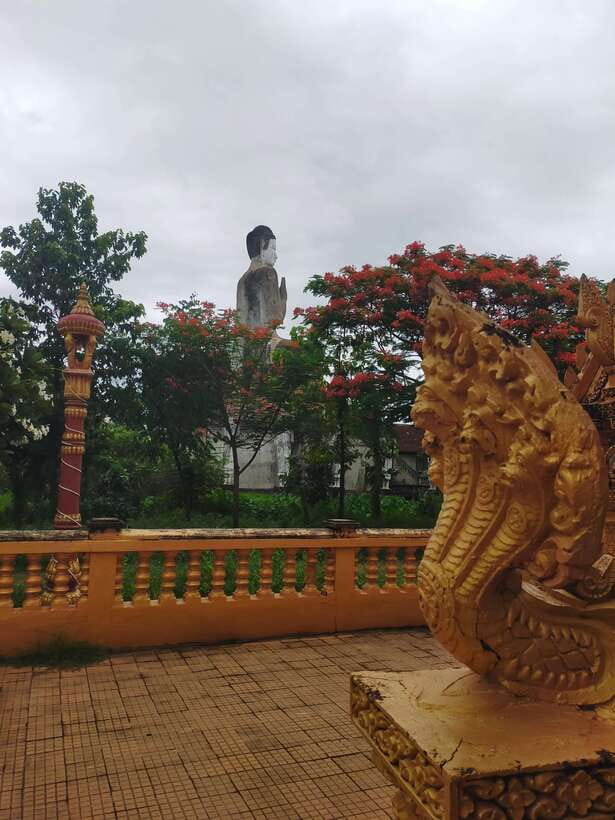
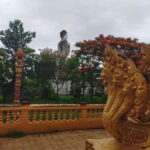
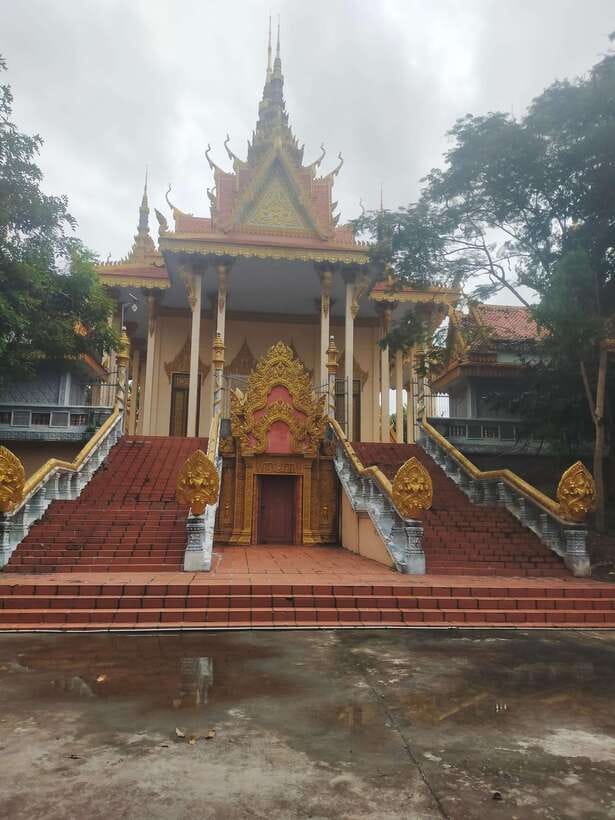
The day closes with Ek Phnom. This is where the scenery gets classic and dramatic. You’ll see a 25 m-high giant Buddha surrounded by standing Buddha statues on either side. It’s visually striking, and it’s also useful as a reset after the earlier stops.
After that, you walk to a Buddhist temple built in 1991. Going inside, you can see Buddha’s story on the wall. It’s a different kind of storytelling than what you saw at Wat Samrong Knong—here it’s about religious narrative, not political history.
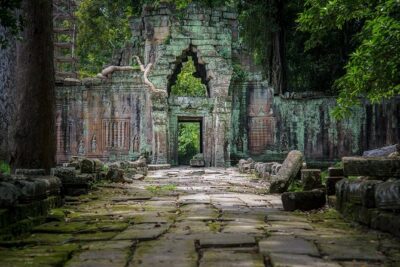
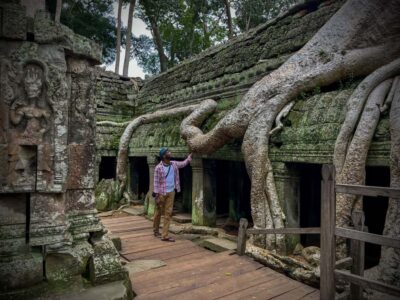
Finally, you’ll also see ruins of an Angkorian Hindu temple dating to the 11th century, built under King Suryavarman I. This is a neat reminder that Cambodia’s temple landscape isn’t one single storyline. It overlaps beliefs, styles, and eras in the same physical spaces.
Lunch timing and your return to Battambang town
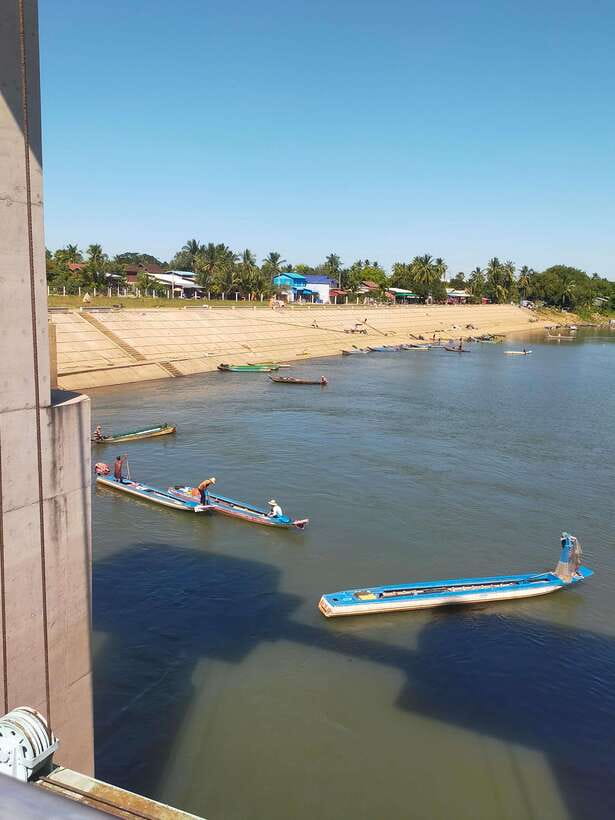
You’ll head back to the city for lunch or to continue on from your hotel. Since the full tour is about 5 hours, you don’t end up stuck for the rest of the day tied to a schedule. It’s a good format if you want a meaningful morning experience and still keep your afternoons flexible.
When I plan a day like this, I like having a clear finish point. You’ll have food tastings behind you, temple sights done, and enough energy left to explore the market area again later or relax.
Is the $20 price fair for a morning of tuk-tuk stops and tastings?
At $20 per person for a 5-hour tour, this is one of those deals that works because you’re paying for organization, admissions, and time—not just transportation. The day includes hotel pickup and drop-off, an English-speaking guide, cold bottled water, wet wipes, snack tasting, and admission fees and donations.
The value shows up in the mix. You’re not only seeing temples and viewpoints. You’re also visiting family-run production stops for rice noodles, bamboo sticky rice, rice paper, and rice wine. That’s the kind of access that would be slow and expensive to arrange by yourself, especially early in the day.
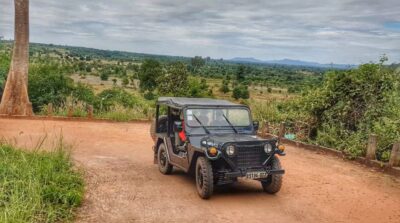
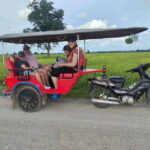
Also, the tuk-tuk format matters. On a short itinerary, it helps you move between places without spending hours coordinating rides. For many first-timers, it’s exactly the level of “structured but not rushed.”
If you’re the type who likes to understand everyday life, $20 can feel like a bargain. If you only want big monuments and don’t care about food-making, you might feel the day is more about local craft than epic sights.
Who this tour suits best (and who should think twice)
This tour is a great fit for people who enjoy practical culture: food production, local religion sites, and history explained by someone who can connect it all. It’s also ideal if you want to taste multiple Khmer foods in one morning—without having to search for them.
It’s not for everyone. The tour isn’t suitable for people with high blood pressure or for those over 70. It also has clothing rules: sleeveless shirts aren’t allowed, and baby strollers aren’t. If you’re sensitive to heat or walking on uneven ground, you might want to plan for slower moments at the temple sites.
For solo visitors, this also has a friendly feel. With an accommodating guide and a small, guided flow, you’re not stuck trying to translate everything on your own.
Should you book this Battambang city and countryside tuk-tuk tour?
Book it if you want a morning that feels like Battambang’s real rhythm: rice work, temple meaning, and a guide who makes the connections clear. The day is strongest when you care about how locals live and what they’ve endured—not just where to take photos.
Skip it (or choose another option) if the idea of visiting a killing field and torture-house area would be too heavy for you. Also skip if you know you don’t do well with mobility limits or if the tour’s age and health limits apply to you.
If you do book, go with a simple attitude: look closely, ask questions, and don’t rush the serious parts. That’s when the tour becomes more than a route—it becomes understanding.
FAQ
What time does the tour start, and how long is it?
Pickup starts at 7:20 AM. The total duration is about 5 hours.
Where are pickup and drop-off located?
Pickup and drop-off are provided within 5 km away from Battambang town.
What’s included in the $20 per person price?
The price includes hotel pickup and drop-off, a live English guide, cold bottled water, wet wipes, photo opportunities, snack tastings, all admissions, and donations.
What food and drinks will I sample?
You’ll try Khmer rice noodles and sample bamboo sticky rice. You’ll also sample rice wine. Rice paper production is shown because it’s used to make spring rolls.
Is this tour suitable for older adults or people with health issues?
No. The tour is not suitable for people with high blood pressure or for people over 70.
What should I wear?
Sleeveless shirts are not allowed. A basic rule of thumb is to wear something that covers your shoulders.
Can I cancel and get a full refund?
Yes. You can cancel up to 24 hours in advance for a full refund.