REVIEW · SIEM REAP
Siem Reap: Angkor Wat Tour Explore The Most Iconic Temples
Book on GetYourGuide →Operated by Angkor Wat Combine Tours · Bookable on GetYourGuide
Sunrise at Angkor Wat has a way of resetting your whole day. This tour strings together the big icons plus a couple of calmer stops, so you get variety without feeling like you’re bouncing around aimlessly. I especially like how the day is built around seeing Angkor Wat in the early light, and how the route hits contrast points like the jungle-grabbed Ta Prohm and the face-filled Bayon.
Two other things I like: the included pickup and private transport make the logistics easy, and the small comforts matter in the heat—unlimited bottled water and a cool towel show up at the right times. The main drawback to plan for is the temple ticket: the Angkor Wat Pass is required and not included, so your final cost won’t be just the tour price.
In This Review
- What Makes This Tour Work
- How The 8-Hour Plan Fits From Your Siem Reap Hotel
- Angkor Wat at Sunrise: Light, Layout, and Getting There Before the Crush
- Banteay Kdei: The Calm Temple Stop I’d Repeat
- Ta Prohm: Jungle Roots, Lost-Temple Atmosphere, and Monkey-Spotting
- Ta Keo’s Unfinished Core and Bayon’s 54 Towers of Faces
- Tonle Om Gate at Angkor Thom: A Photo Stop With Real Power
- Price and Temple Pass Reality: What You’re Actually Getting
- What’s Included (And Why It Matters More in Cambodia Heat)
- Practical Tips: Dress Code, Shoes, and Cash
- Who This Tour Fits Best
- Should You Book This Angkor Wat Sunrise Temples Tour?
- FAQ
- How long is the Angkor temples tour?
- What is the starting point and pickup time?
- What does the $24 price include?
- Is the Angkor Wat temple pass included?
- Are meals included?
- Is there a sunrise option for Angkor Wat?
- What temples are included in the route?
- Does the driver speak English?
- What should I bring with me?
- Is the tour wheelchair accessible?
What Makes This Tour Work
- Angkor Wat at sunrise with time for photos before the heaviest crowds
- A smart mix of famous and quieter temples: Banteay Kdei plus the jungle drama of Ta Prohm
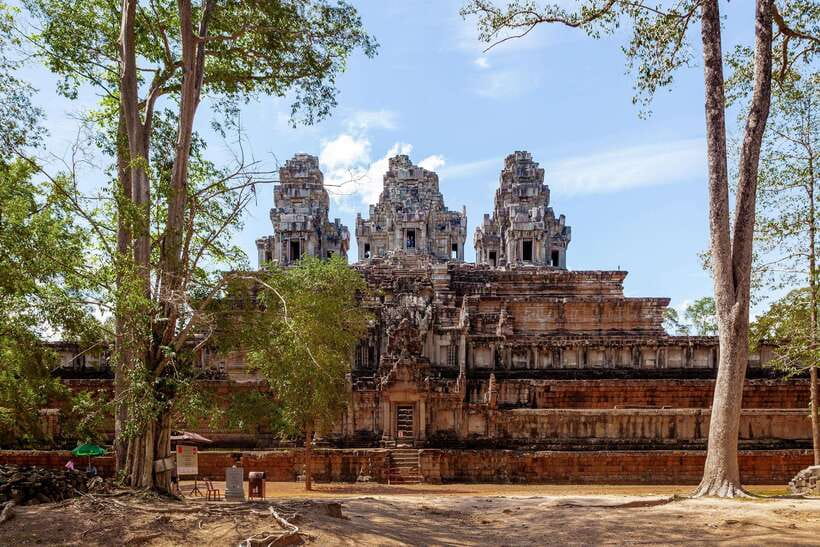
- Ta Keo’s unfinished layout gives you a rare angle on how Angkor temples evolved
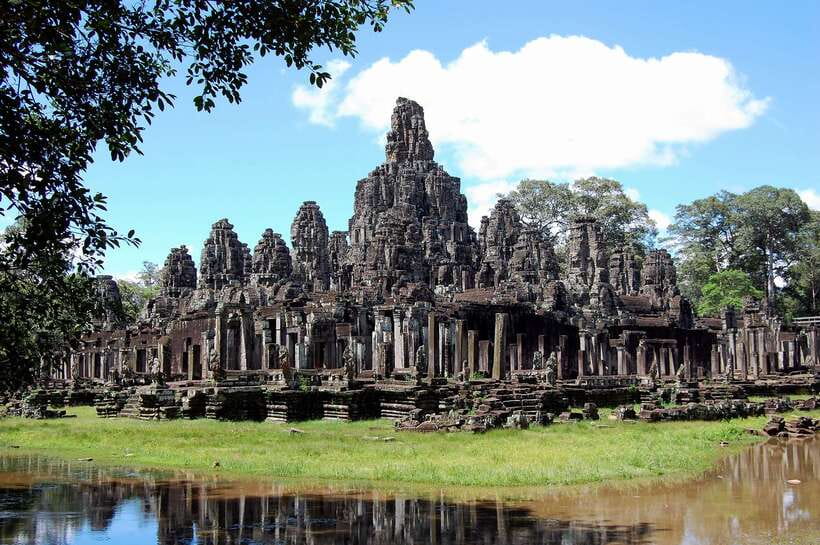
- Bayon’s scale: 200+ stone faces across 54 towers in Angkor Thom
- A strong photo finish at Tonle Om Gate, with its statues-lined causeway and big stone faces
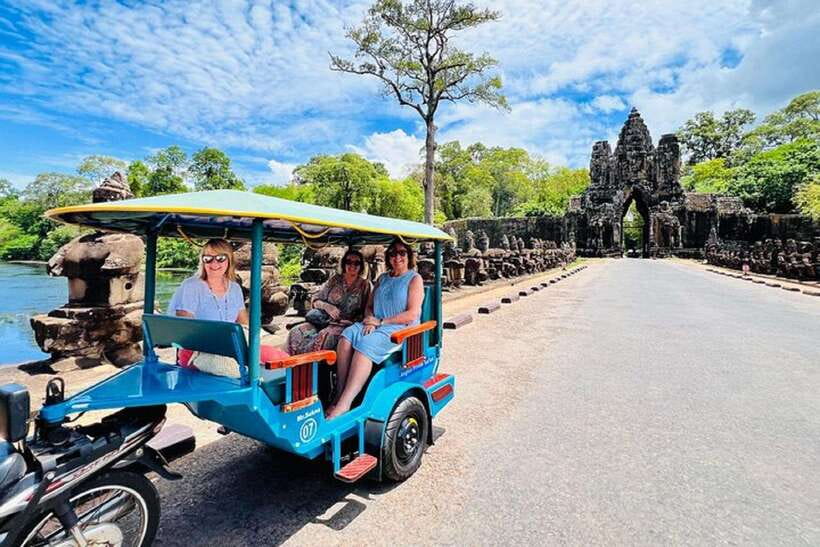
- Guides (English-speaking drivers) tend to stay close and help you keep your bearings; some pickups even feel tuk-tuk breezy on hot days
How The 8-Hour Plan Fits From Your Siem Reap Hotel
This is a straightforward, hotel-to-temple day. The driver picks you up from your accommodation, then you head to buy the required temple pass before you start walking. If you book the sunrise option, you’ll get an early morning pickup so you can reach Angkor Archaeological Park with time to get set up.
The duration is 8 hours, and that matters because these sites are large. You won’t be forced into marathon temple-hopping, but you also won’t feel like the day is just a highlight reel. In a private setup for up to 2 people, the pacing feels easier to manage when you’re trying to catch good light and still move at a human speed.
You can also read our reviews of more tours and experiences in Siem Reap.


Angkor Wat at Sunrise: Light, Layout, and Getting There Before the Crush
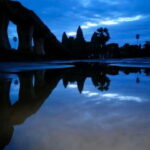
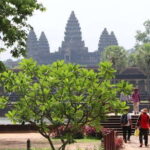
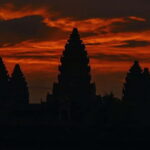
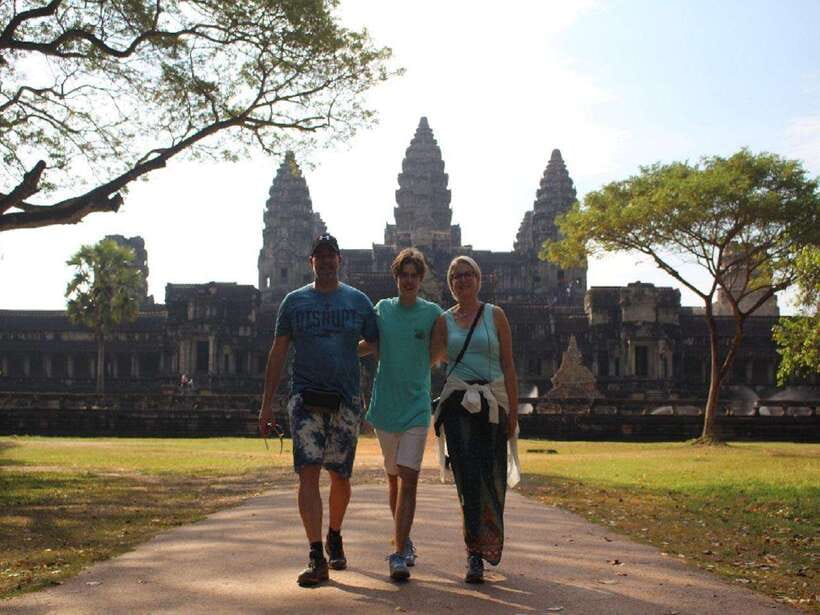
Angkor Wat is the headline for a reason. You’ll arrive early, and the goal is simple: catch the reflections and the atmosphere before the crowds thicken. On the sunrise schedule, you also get the chance to experience Angkor Wat through the western entrance, which can help you feel like you’re entering the complex with less of the usual scramble.
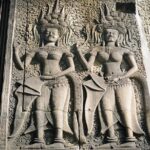
Once the gates open into the temple’s core areas, you start seeing what makes Angkor Wat so addictive: grand galleries, sacred sanctuaries, and the dense carved storytelling. The site began as a Hindu temple dedicated to Vishnu, then later became a Buddhist site—so your “what am I looking at?” questions start clicking into place as you move. Even if you’ve seen photos before, standing inside the scale of the corridors feels different.
Practical reality: it’s an outdoor morning. Wear sunglasses, use sunscreen, and bring breathable layers if you get early humidity. And if you’re doing sunrise, accept that your body will wake up faster than your camera does—give yourself a few minutes to slow down and take in the whole composition.
Banteay Kdei: The Calm Temple Stop I’d Repeat
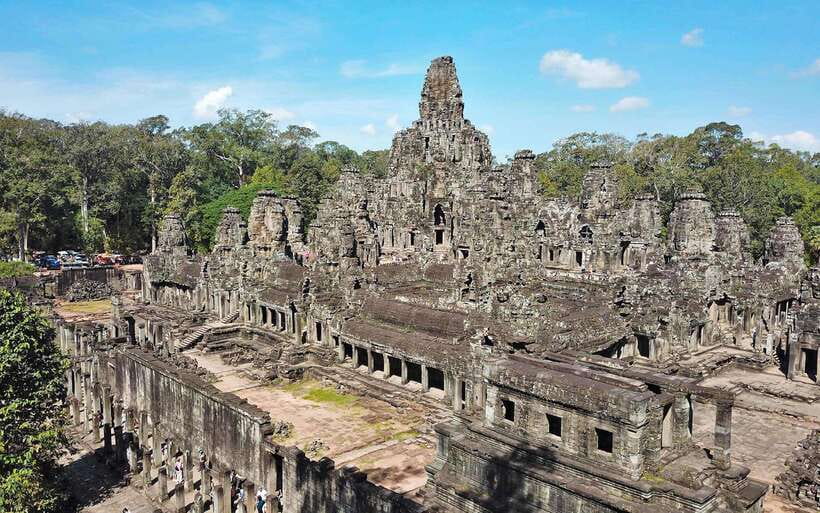
After the big emotional hit of Angkor Wat, Banteay Kdei feels like the palate cleanser. It’s a Buddhist monastery built in the late 12th century, and the name translates as Citadel of Chambers, which is a good description of how it feels when you’re walking through the corridors and stone spaces.
This temple is partially in ruins, and that’s not a problem—it’s the point. The broken edges and quieter sections create a more peaceful vibe than the ultra-famous stops. You’ll often have more room to notice carvings and texture instead of just moving as fast as possible to keep up with the crowd.
The tradeoff? Banteay Kdei doesn’t have the instant wow factor of Bayon’s faces or Ta Prohm’s roots. If you love details—layout, carvings, and the way ruins shape mood—this is one of the most satisfying pauses in the full route.
Ta Prohm: Jungle Roots, Lost-Temple Atmosphere, and Monkey-Spotting
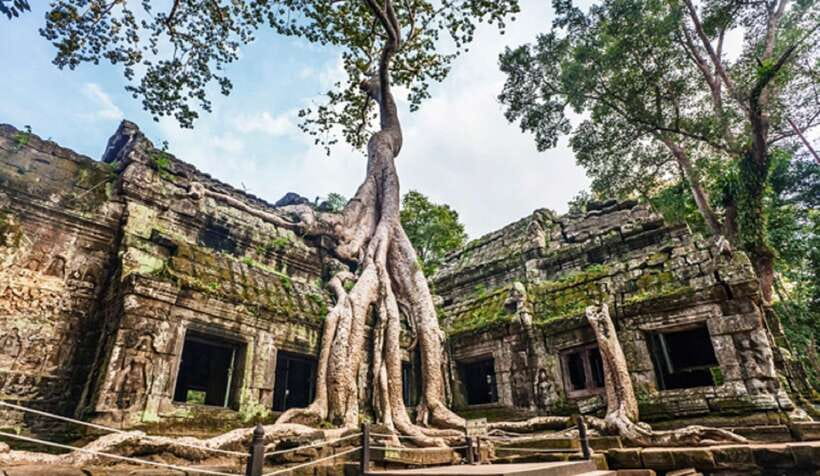
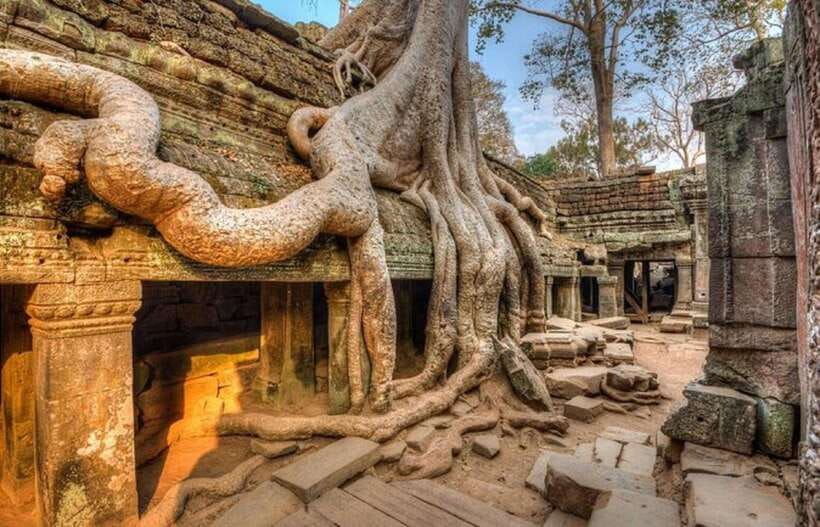
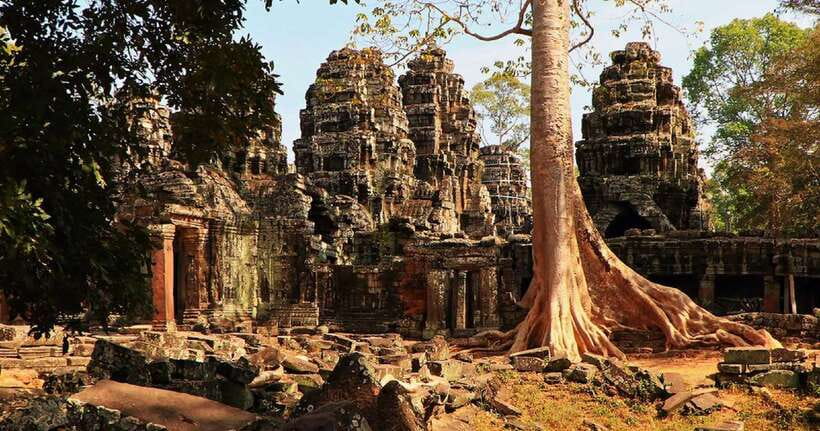
Then comes Ta Prohm, and it’s the kind of temple your brain can’t stop photographing. Giant tree roots wrap over the ruins, making the stone feel like it’s been claimed by the jungle over time. You’ll also hear its pop-culture fame, including its association with Tomb Raider, which is part of why so many people come knowing the image before they ever arrive.
What I like here is the “left as found” feeling. The temple was largely unrestored, which keeps that jungle effect front and center. That means some areas can be uneven or visually busy, but it also means you get the authentic contrast of nature and architecture rather than a perfectly polished look.
A practical note: expect animals around temple grounds. In the feedback I reviewed, people mentioned seeing monkeys, and it’s smart to stay aware while you’re taking photos or setting down your bag. Don’t treat them like props.
Ta Prohm is also where the day’s heat starts to matter. You’ll be glad the tour includes bottled water and a cool towel, because you’ll appreciate breaks when the shade disappears and the sun takes over.
Ta Keo’s Unfinished Core and Bayon’s 54 Towers of Faces
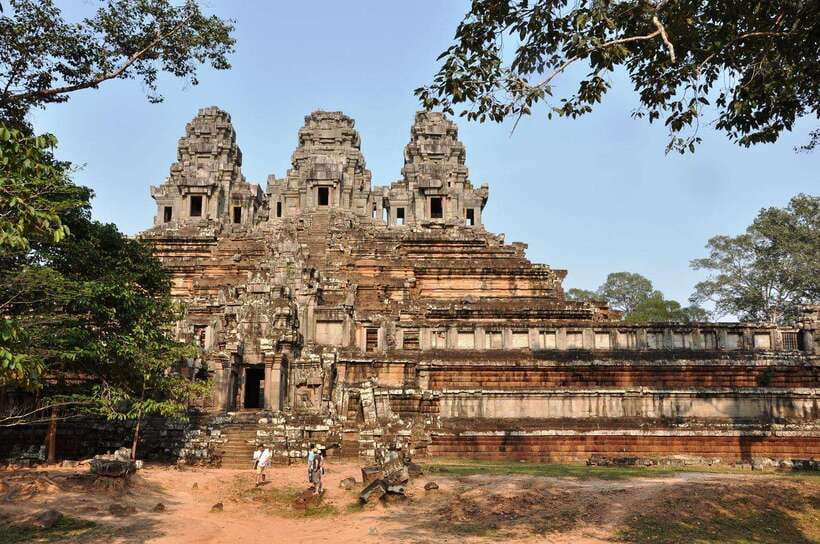
Ta Keo is a different kind of wow. This temple, built from the late 10th to early 11th century by King Jayavarman V (with later work continued by successors), is unique in that it was never fully completed. That unfinished state changes how you read the temple. Instead of everything feeling “completed,” you notice structure, interruptions, and the way planning and ambition show up in stone.
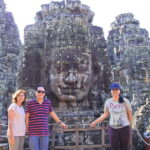
Then Bayon pulls you back into sheer energy. Located in the center of Angkor Thom, Bayon is known for its 54 towers topped with more than 200 stone faces of Avalokiteshvara. Walking among them feels slightly surreal—like the temple is watching you from multiple directions at once. The faces aren’t just decoration, either. The carvings also depict scenes tied to daily life and historical battles, so the site feels less like a single monument and more like a visual record.
If you like temples that reward slower looking, Bayon is your friend. If you don’t, it can be easy to skim. I’d suggest moving steadily, pausing often, and taking a moment to look up before your feet get ahead of your attention.
Tonle Om Gate at Angkor Thom: A Photo Stop With Real Power
Your day ends with a strong gateway moment at Tonle Om Gate, the South Gate of Angkor Thom. This is a dramatic entrance crowned with four giant stone faces, with a causeway lined by statues of gods and demons leading into the complex.
Even if you don’t plan to take a million photos, this stop helps your brain connect the dots. Bayon’s faces are here too, but the gate setting adds a sense of arrival and ceremony. The causeway statues help you “feel” the flow between spaces, which is something you don’t always notice when you only focus on the major temple cores.
It’s also a good moment to catch your breath before you head back. You’ll likely leave with that mix of tired feet and energized mind that only Angkor can produce.
Price and Temple Pass Reality: What You’re Actually Getting
The listed price is $24 per group up to 2 for an 8-hour day with pickup, private round-trip transport, unlimited bottled water, and a cool towel. That’s excellent value if you want a smooth day without negotiating rides or timing your own jumps between sites.
The catch is the temple ticket. You need an Angkor Temple Pass, and it’s purchased separately (not included in the tour price). The driver will help you get to the pass purchase, but you’re still responsible for the cost. So do your budgeting like this:
- Tour price: what you pay for the guide/transport and included comforts
- Temple pass: required entry cost you pay separately
- Meals: not included, so plan a snack or lunch stop you can afford
When the pass and meals are added, it’s still a good deal if you value private pacing and less stress. If you’re a hardcore independent planner who enjoys mapping everything yourself, you might spend less on transport. But you’ll lose the benefit of having someone manage the order and timing.
What’s Included (And Why It Matters More in Cambodia Heat)
Included in the experience:
- Pickup and drop-off at your hotel or accommodation
- Private round-trip transportation
- Unlimited bottled water during the tour
- Cool towel
That list looks simple, but the benefits are real. Angkor days can be hot, and comfort becomes part of the experience. Water keeps you moving instead of pausing for overpriced bottles. Cool towels can reset you when you’re sweating through the middle of the day.
There’s also a driver who communicates in English. In feedback, people named drivers like Ray, Lay, Paul, Danny, Daniel, and Soka, and the consistent theme was helpfulness—staying available, guiding you through each stop, and waiting outside temples so you’re not stuck figuring out logistics while you’re tired.
Practical Tips: Dress Code, Shoes, and Cash
Before you go, check the requirements that can trip people up:
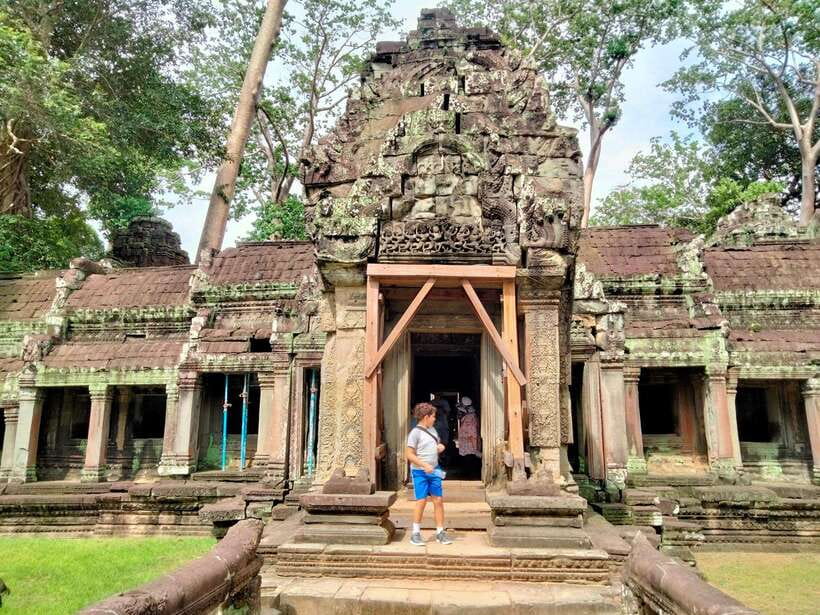
- Wear clothing that covers shoulders and knees
- Bring comfortable walking shoes (temples mean uneven terrain)
- Bring sunglasses, sunscreen, and cash
You also can’t bring pets, and alcohol and drugs aren’t allowed. It’s a basic rule set, but it’s worth taking seriously because you’ll want a smooth entry day without detours.
One more real-world note: it’s not wheelchair accessible because of uneven temple terrain. If you use mobility aids, you’ll want to consider a different plan with fewer stairs and rough surfaces.
Who This Tour Fits Best
This is a strong fit if you:
- Want a single organized 8-hour day that hits the classic Angkor sites
- Prefer private transport and pickup rather than building your own route
- Like photography and sunrise light more than rushing just to say you went
- Appreciate a guide who can keep the flow going and help you avoid time-wasting confusion
If you’re the kind of traveler who loves details (carvings, layout, what unfinished temples tell you), Ta Keo and Bayon will keep you interested. If you only care about the most famous single photo, you might feel the day is dense. But for most people, the mix hits the right balance.
Should You Book This Angkor Wat Sunrise Temples Tour?
If you want the classic Angkor temples in one clean plan, I’d book it. The sunrise start at Angkor Wat is a meaningful upgrade because the lighting and atmosphere land better before the biggest crowd pressure. The other temples also work as counterweights—Ruins calm things down after the headliner, then Bayon turns the dial back up.
I’d think twice only if you’re trying to minimize costs down to the absolute minimum. The tour price is low, but the temple pass is mandatory and separate, and meals aren’t included. Also, if you hate early mornings, the sunrise option will cost you sleep.
For the right traveler—private, organized, and comfortable—this is a smart way to spend your day in Siem Reap.
FAQ
How long is the Angkor temples tour?
The tour duration is 8 hours.
What is the starting point and pickup time?
Pickup is from your Siem Reap hotel or accommodation, approximately 5 minutes before departure. You should receive a message one day before the tour.
What does the $24 price include?
It includes pick-up and drop-off, private round-trip transportation, unlimited bottled water, and a cool towel.
Is the Angkor Wat temple pass included?
No. A valid Angkor Temple Pass is required and must be purchased separately.
Are meals included?
No, meals are not included.
Is there a sunrise option for Angkor Wat?
Yes. If you book the sunrise start, the tour begins with an early morning pickup and you experience Angkor Wat at sunrise through the western entrance.
What temples are included in the route?
The tour includes Angkor Wat, Banteay Kdei, Ta Prohm, Ta Keo, Bayon Temple, and a stop at Tonle Om Gate (South Gate of Angkor Thom).
Does the driver speak English?
Yes. The driver is English-speaking.
What should I bring with me?
Bring sunglasses, sunscreen, and cash.
Is the tour wheelchair accessible?
No. It is not wheelchair accessible due to uneven temple terrain.