REVIEW · SIEM REAP
Angkor Silk Farm & Lotus Silk Farm: Siem Reap Discovery Tour
Book on GetYourGuide →Operated by Savin Lotus Shop · Bookable on GetYourGuide
A short ride, a long story. In Siem Reap, this 4-hour tour links old-school silkworm silk with an innovative lotus-fiber approach, so you see how Khmer textile craft changes while keeping its roots. I love the live production demos at both farms, and I also love how the stops lead you to ethical purchasing that supports local women. The main downside to plan for is the heat and time spent in the drive between sites, so bring sun protection and expect it to feel long if you’re not into road time.
If you like craft with a cause, this one works. With pickup at Biolab Café downtown and a bilingual guide (English or French), you’ll get clear explanations, plenty of photo moments, and enough shopping time to browse without turning the tour into a rushed market sprint. I’d call it an easy, culture-minded half-day that fits well around temple time.
In This Review
- Quick Hits: What Makes This Silk Tour Worth Your Half-Day
- Starting at Biolab Café: How the Day Flows in Real Time
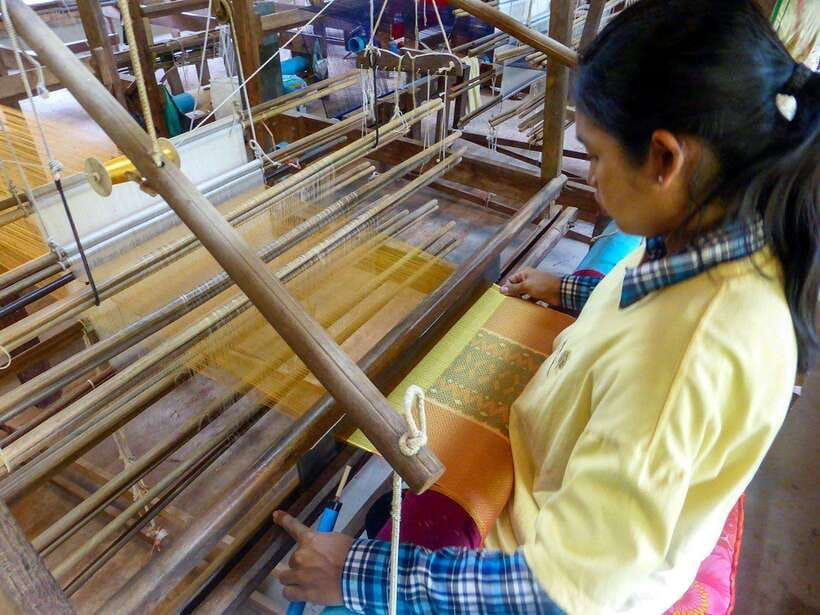
- Angkor Silk Farm: Silkworm Life Cycle and Wooden-Loom Weaving
- The Drive Between Farms: Scenery, Heat, and How to Prepare
- Lotus Silk Farm (Samatoa): Lotus Fiber Extraction and Women’s Impact
- Boutique Time: How to Shop Without Losing the Point
- Price and Value: Is $25 Fair for Four Hours?
- Who Should Book This Silk and Lotus Tour
- Should You Book Angkor Silk and Lotus Silk?
- FAQ
- Where is the meeting point, and do you pick up from hotels?
- What farms are included in the tour?
- How long does the tour last?
- Is food included?
- Do I get time to shop at the farms?
- What languages are the guides?
Quick Hits: What Makes This Silk Tour Worth Your Half-Day
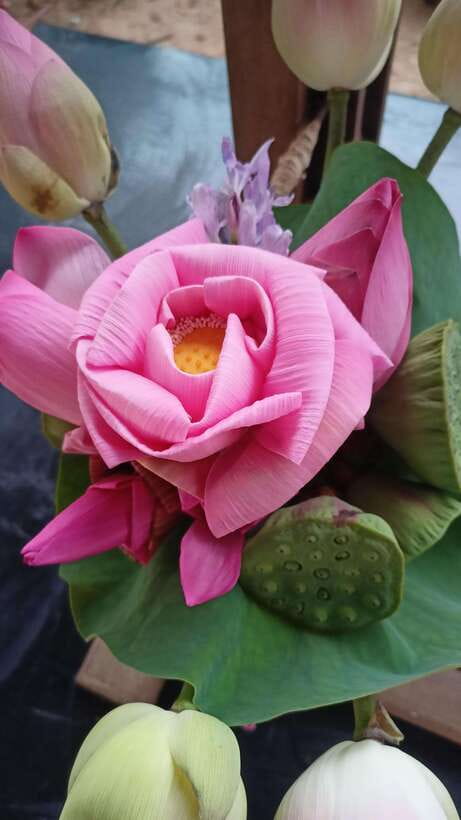
- Two farms, side-by-side stories: traditional silkworm silk at Angkor Silk Farm, plus lotus-fiber textiles at Lotus Silk Farm.
- Real production in motion: you’ll see the silkworm life cycle and the lotus-fiber extraction process, not just finished fabric.
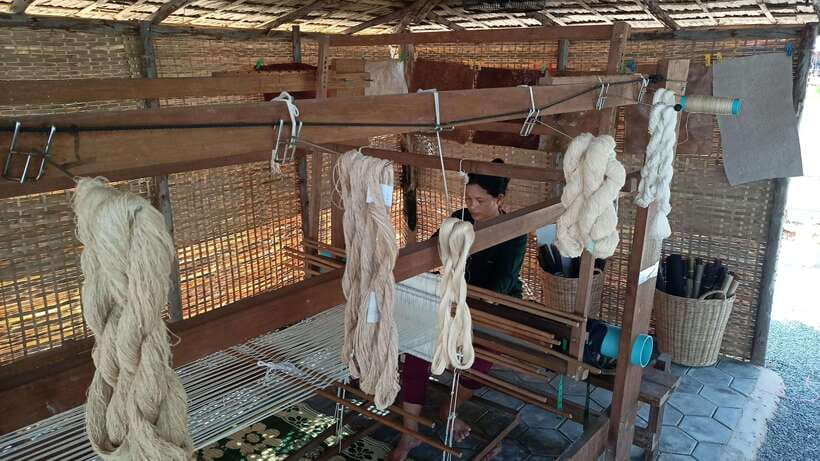
- Wooden-loom weaving techniques: watch artisans work with traditional looms and patterns.
- Countryside transport between stops: comfortable car rides connect the two locations with scenic views.
- Complimentary lotus tea and biscuits: a calm break at Lotus Silk Farm.
- Boutiques that support local work: you can buy directly from the farms, with purchases not required for the tour.
Starting at Biolab Café: How the Day Flows in Real Time
The tour meets at Biolab Café in downtown Siem Reap. Look for the lotus-colored flag marked PICKUP – Lotus Silk Farm, and a grey van is usually waiting outside. It’s a nice setup because you can arrive and settle into the garden-café vibe before things start moving.
Morning departures are scheduled for 8:30 AM and 10:00 AM, and they ask you to arrive about 10 minutes early. That timing matters because the tour is only 4 hours total, including the drive. Plan on a tight, well-paced morning—this isn’t a slow “wander until you feel like leaving” type of outing.
One practical note: the tour is typically shared with other guests. That usually means you’ll move as a group and get a consistent rhythm at each farm. It’s also why a clear meeting point helps—no one is scrambling to find the guide mid-day.
You can also read our reviews of more tours and experiences in Siem Reap

Angkor Silk Farm: Silkworm Life Cycle and Wooden-Loom Weaving
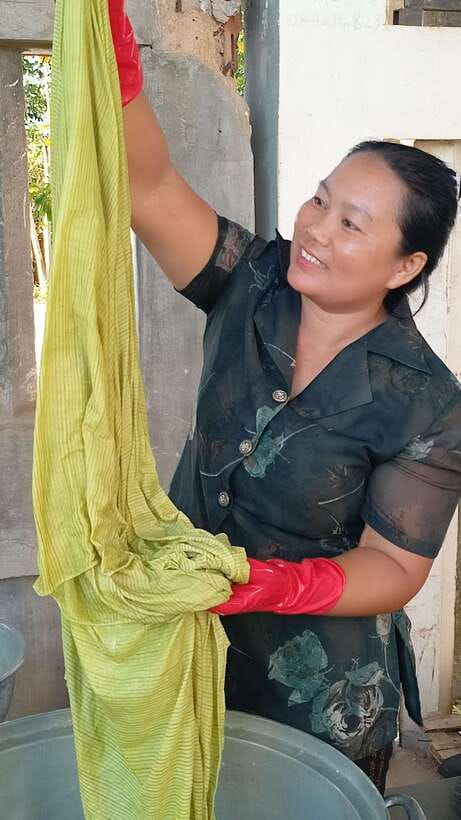
This is the more traditional stop, and it’s built around the full silk journey—from raw materials to finished threads. At Angkor Silk Farm, you’ll get a guided tour that runs about 45 minutes, which is long enough to understand the steps without turning it into a lecture.
Here’s what you’ll focus on:
- Silkworm life cycle presentation: you’ll see the stages of the worms and how cocoons connect to silk production.
- Mulberry to cocoon to thread: you’ll be guided through the process of producing silk with a clear sequence.
- Delicate thread extraction demonstrations: the farm shows how thread is extracted, not just how fabric looks.
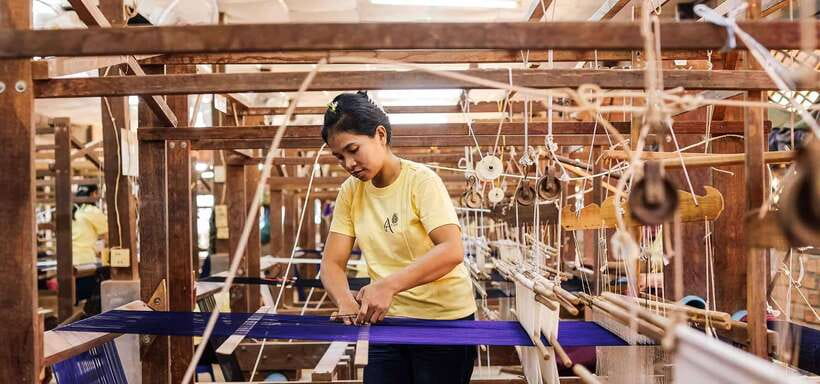
- Weaving techniques showcase on traditional wooden looms: watch how patterns and skills are carried forward through practice.
What I like about this stop is the cause-and-effect feel. Once you understand what has to happen before a thread becomes cloth, shopping for silk later makes more sense. It also makes it easier to appreciate why some items cost more than mass-produced alternatives: you’re paying for time, labor, and skill.
Time management is the only catch here. After the guided part, there’s a short shopping window (about 15 minutes). If you want to linger with zero pressure, you’ll probably need to set expectations and treat this as browsing time, not a deep-stocking session.
The Drive Between Farms: Scenery, Heat, and How to Prepare
Between the two farms, you’ll travel through Cambodian countryside. The transport is included and uses a comfortable car, not a long hike or anything strenuous. That’s great when Siem Reap traffic is unpredictable.
Still, this is where you should plan smart. One of the most common frictions with this kind of half-day is that the drive time can feel long, especially when the sun is strong. The tour itself encourages you to bring sun protection, so follow that advice even if you’re only going for four hours.
Pack like a realist:
- Sunscreen and a hat (you’ll be outside around the properties)
- Comfortable walking shoes (both sites have walking paths and courtyards)
- Your camera (photo opportunities are built into the stops)
If you get stuck wondering why the tour doesn’t feel perfectly “productive” the whole time, that’s the answer: the drive is part of connecting the two textile worlds.
Lotus Silk Farm (Samatoa): Lotus Fiber Extraction and Women’s Impact
Then you arrive at the more inventive counterpart: Lotus Silk Farm, associated with Samatoa. The guided visit is shorter at about 30 minutes, but the tour adds a calm break with lotus tea and biscuits (about 15 minutes). That tea stop is more than a snack—it gives you time to slow down, look around the garden, and let what you learned at the first farm click into place.
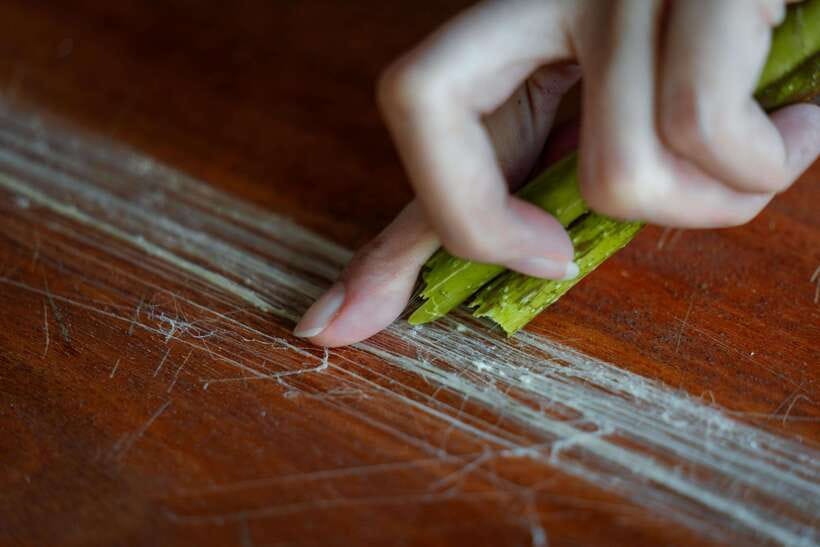
This is where you see a completely different raw material story. Instead of mulberry and cocoons, you’re looking at the lotus plant—especially how fibers are extracted from lotus stems. You’ll watch a demonstration of lotus fiber extraction and learn how the process works from plant to textile.
The other half of the Lotus story is social impact. This farm is set up as an ethical social enterprise that supports and empowers local women. When you’re at a place like this, it helps to think past the product and ask: who does the work, and how does it create steady opportunity? The tour’s design nudges you toward exactly that question, because the craftsmanship is tied directly to the people behind the production.
If you’re the kind of visitor who likes to understand how sustainability is applied, this is the more satisfying stop. Lotus fiber production is presented as the farm’s sustainability angle, and the women-led model turns that sustainability into something practical: income, skills, and long-term community benefits.
As at Angkor Silk Farm, there’s time to browse. There’s also restroom access at the Lotus site, and free Wi‑Fi is available there, which is helpful if you want to check messages or upload photos.
Boutique Time: How to Shop Without Losing the Point
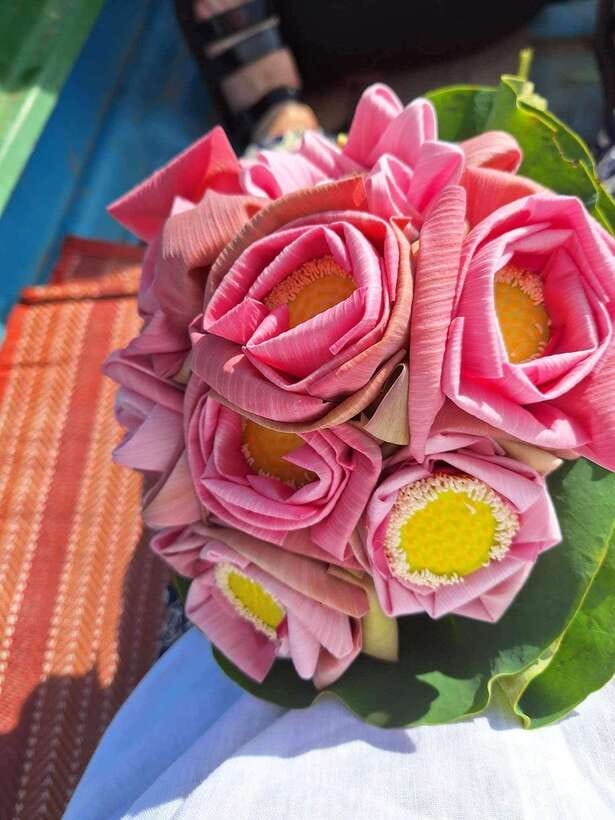
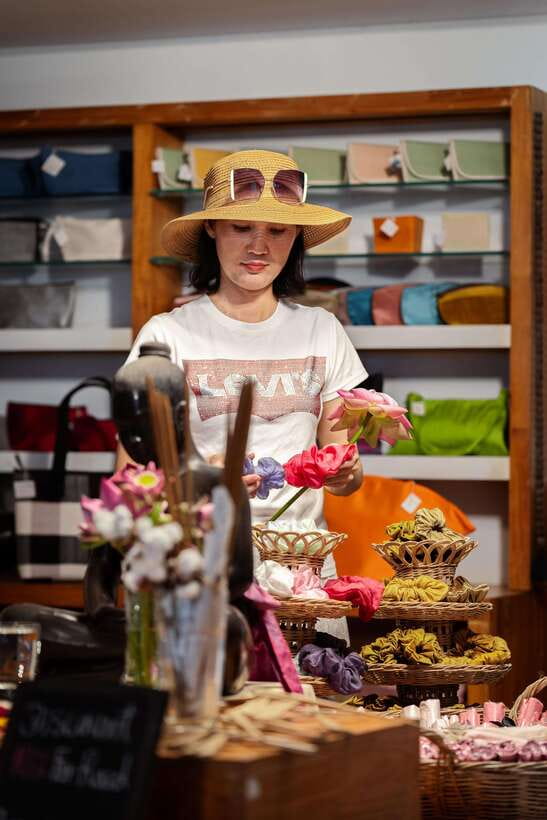
Both farms have boutiques, and that’s where the tour’s meaning becomes tangible. You can browse and buy handmade products, and purchases are described as supporting the local artisan communities and ethical production.
The key thing: shopping is optional, and the tour price doesn’t include what you buy. The included time blocks are short enough that you won’t feel dragged into a sales push—but long enough that you can leave with something if it catches your eye.
My practical advice: decide your budget before you enter the shop. Silk and lotus-based textiles can be priced higher than you’ll see in generic souvenir stores. When you’ve just watched production and extraction demonstrations, you’ll understand why, but you might still want control over spending.
If you’re buying gifts, look for items that clearly connect to what you saw:
- items that look like they come from woven cloth
- anything that highlights the lotus-fiber process
- well-finished pieces where you can tell there’s real labor in the stitching or pattern
Also, bring cash in USD if you can. The tour data notes USD is accepted, which is always easier than relying on card machines in small shops.





Price and Value: Is $25 Fair for Four Hours?
At $25 per person for about 4 hours (including transport), this is one of the more approachable “craft + context” tours in Siem Reap. You’re not just paying for a photo stop—you’re paying for guided explanations, live demonstrations, and the connection between two production systems.
Here’s where the value comes from:
- Guided farm tours at both sites (not self-guided wandering)
- Live demonstrations of silk production and lotus fiber extraction
- Weaving technique showcase using traditional wooden looms
- Transportation between farms from the downtown meeting point
- Refreshments (including complimentary lotus tea and biscuits)
What’s not included is equally important. You won’t get hotel pickup from outside the meeting point area, meals beyond the complimentary refreshment, or extra craft workshops. If you want hands-on activities, you should expect them to cost extra on site, and the tour itself does not promise weaving workshops.
So is it a bargain? For a short, guided textile experience that includes both heritage and a sustainability model, I’d say it’s strong value—especially if you care about how the work is made and who benefits from it.
Who Should Book This Silk and Lotus Tour
This tour fits best if you’re interested in:
- textiles as culture, not just souvenirs
- the difference between silkworm silk and lotus-fiber production
- ethical travel where shopping can support local women’s livelihoods
- a manageable half-day plan that doesn’t require long temple queues
It’s also a good match for families and mixed ages. The tour is described as suitable for all ages and fitness levels, and it runs in all weather conditions. That matters in Siem Reap, where rain and heat can both throw off outdoor plans.
If you’re only interested in temple history or you want heavy time outdoors, you might find this less compelling. The focus here is craft and production, and that’s the trade: you’re getting a different kind of Siem Reap learning.
Should You Book Angkor Silk and Lotus Silk?

If you like seeing how everyday objects are made, I’d book this. The structure—two farms, live demos, and quick context on sustainability and local impact—makes it easier to understand what you’re looking at in the boutiques afterward. At $25 and four hours, it’s also an easy fit into a busy itinerary without hijacking your whole day.
I’d think twice only if you hate road time or you expect a hands-on workshop experience included in the price. Bring sun protection, wear comfortable shoes, and treat the boutiques as optional icing—not the core of the event.
FAQ
Where is the meeting point, and do you pick up from hotels?
The tour meets at Biolab Café in downtown Siem Reap. Hotel pickup and drop-off isn’t included, and transportation is only provided from and to the Biolab Café meeting point.
What farms are included in the tour?
You’ll visit two locations: Angkor Silk Farm and Lotus Silk Farm (by Samatoa). Both include guided tours and demonstrations.
How long does the tour last?
The total duration is about 4 hours, including transportation time.
Is food included?
You get complimentary lotus tea and biscuits at the Lotus Silk Farm. Meals and additional beverages are not included.
Do I get time to shop at the farms?
Yes. There are shopping periods at both farms, and access to both boutiques is included. Purchases are not included in the tour price.
What languages are the guides?
Guides provide explanations in English or French throughout the tour.