REVIEW · SIEM REAP
Siem Reap: Angkor Wat Tour with French-Speaking Guide
Book on GetYourGuide →Operated by Vamos Camboja Turismo · Bookable on GetYourGuide
Angkor feels bigger when a French guide leads. This tour turns Siem Reap into a real-time walk through the Khmer Empire, with French-speaking explanations and smart photo timing. You also get practical comfort for the heat: cold water and cold towels show up during temple breaks, which matters fast at 30–35°C.
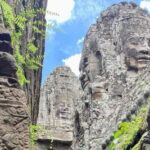
My favorite part is how the guide’s wording makes the stones make sense. You’ll get clear context for places like Bayon’s face towers and Ta Prohm’s root-choked walls, without turning it into a lecture. One thing to budget for up front: the Angkor Archaeological Park entrance ticket is not included, so you’ll pay separately.
In This Review
- Key things that make this tour worth your time
- Getting to Angkor on time: Siem Reap pickup and why it matters
- The one extra cost: Angkor pass fees (and how to plan around them)
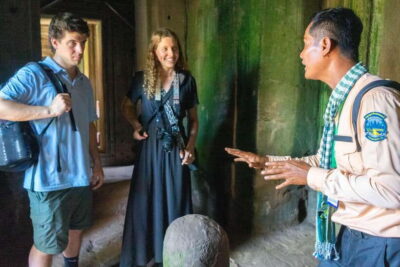
- What the French-speaking guide really adds
- The 1-day Small Circuit: Angkor Thom, Ta Prohm, and Angkor Wat
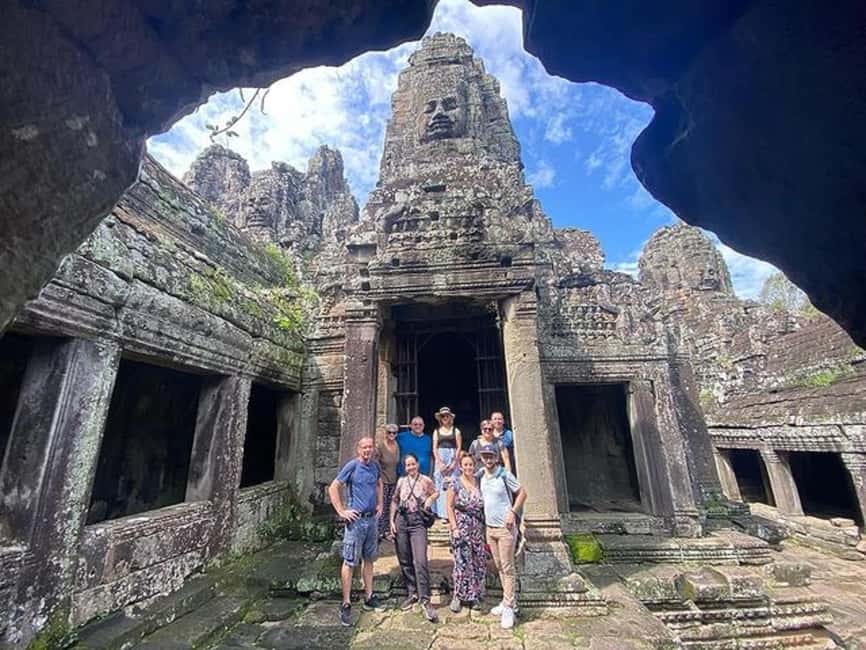
- South Gate and Angkor Thom faces
- Bayon Temple: smiling faces and carved meaning
- Terrace stops: Elephants and the Leper King
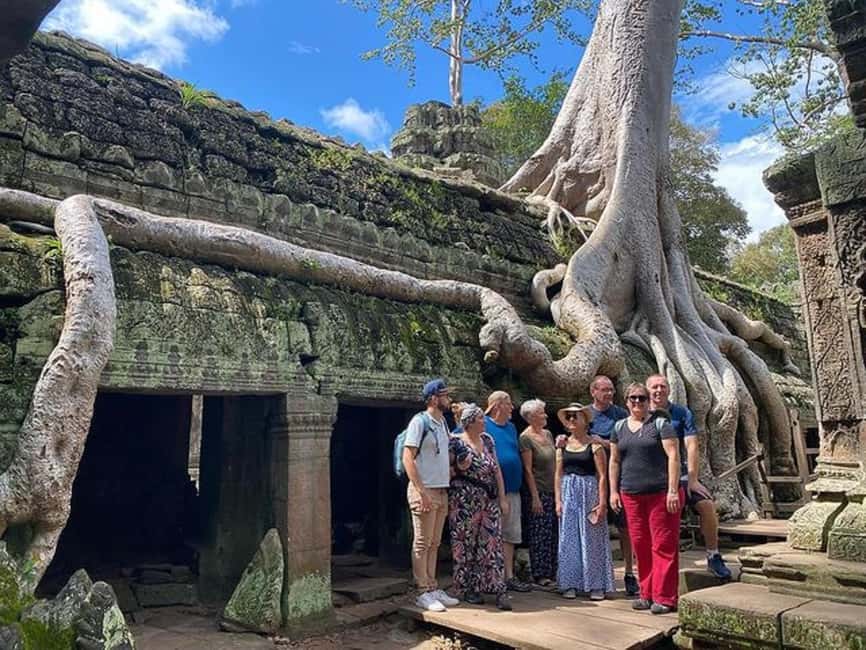
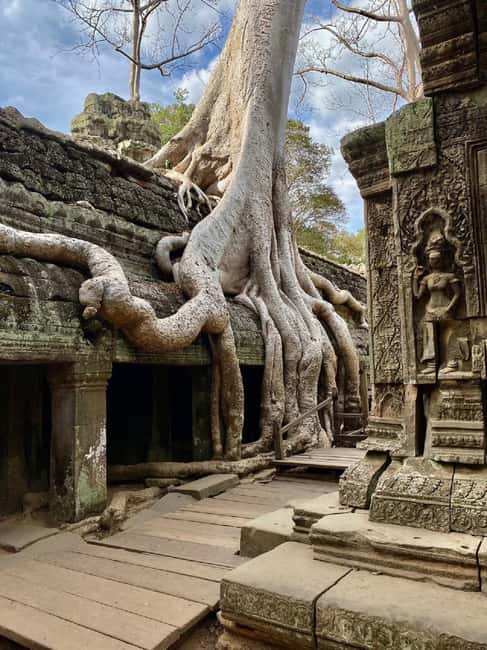
- Ta Prohm: roots, walls, and movie-set drama
- Lunch break: what to do about it
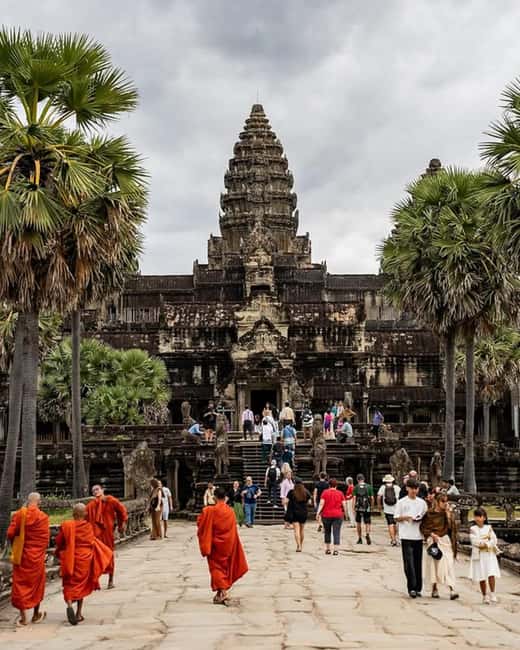
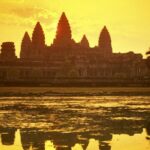
- Angkor Wat in the afternoon
- The 2-day Extended Tour: Grand Circuit plus Banteay Srei
- Day 2: Preah Khan, Neak Pean, Ta Som
- East Mebon and Pre Rup viewpoints
- Banteay Srei: intricate pink carvings at the end
- Heat, comfort, and transport: how the day actually feels
- Dress code and temple rules: don’t get stuck at the gate
- 1-day vs 2-day: which option fits your travel style?
- Who this tour suits (and who should rethink it)
- Should you book this Angkor Wat tour with a French-speaking guide?
- FAQ
- Is the Angkor Archaeological Park entrance ticket included?
- What time does pickup happen for the standard tour?
- Does the tour offer a sunrise option?
- What does the tour include for comfort during temple visits?
- Is lunch included?
- What kind of transport will I use?
- What dress code do I need for Angkor temples?
Key things that make this tour worth your time
- French-speaking guide support with clear, structured explanations (often with humor)
- Heat-smart comfort: cold drinking water and cold towels during visits
- Photo-focused pacing so you hit iconic viewpoints without rushing the whole day
- Two route choices: Small Circuit day trip or a more relaxed 2-day plan with Banteay Srei
- Transport that stays comfortable (shared tuk-tuk or A/C van depending on group size)
Getting to Angkor on time: Siem Reap pickup and why it matters
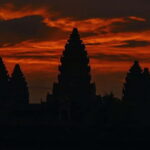
Pickup is smooth and early—your guide meets you at your hotel lobby between 08:30 and 09:00 AM. If you pick the sunrise option, pickup shifts to 05:00 AM, and you’ll finish around 12:00 PM. Those early starts aren’t just schedule trivia; they’re your best chance for softer light and fewer crowds around the most photographed spots.
In practice, you’re not left guessing. The driver and guide handle the handoffs, and the pace stays organized between sites. I like this style because temple days can get chaotic fast—simple timing helps you see more without feeling like you’re sprinting.
You can also read our reviews of more guided tours in Siem Reap
The one extra cost: Angkor pass fees (and how to plan around them)
Here’s the cost surprise to watch: the tour price does not include the Angkor Complex entrance ticket. You’ll pay:
- $37 per person for 1 day
- $62 per person for 2–3 days
You can buy the pass when you arrive (the guide will take you to the ticket booth), or you can buy it online in advance if that’s easier for your schedule. Either way, you’ll want to budget for this early—because it’s the main “real cost” that decides whether this is a great deal or just an ordinary tour.
My advice: if you’re choosing between the 1-day and 2-day options, treat the pass price as part of the equation. The 2-day option can feel like better value if you want more temples—especially Banteay Srei, which many people don’t get to see on a rushed day trip.
What the French-speaking guide really adds
Angkor is visually stunning, but it can also blur together if you don’t get context. I love the way a strong French-speaking guide helps you read the site: why certain temples were built, how symbols connect, and what to notice when you’re standing in front of the carvings.
Guides in this program are known for clear explanations delivered in perfect French, and they often keep the tone friendly rather than stiff. In my book, that matters because you’ll be walking a lot in sun and heat. When the talk is structured, you don’t feel lost, and you remember what you saw.
Also, you’ll get practical guidance on where to look for the best views and photos. That’s not just about angles—it’s about knowing which parts of a temple are the “story points.” If you care about photography, this is a big quality upgrade.
The 1-day Small Circuit: Angkor Thom, Ta Prohm, and Angkor Wat
A 1-day tour is ideal if you want the strongest highlights without committing to two full days. You’ll cover the Small Circuit focusing on classic Angkor Thom highlights, then shift to Angkor Wat in the afternoon.
South Gate and Angkor Thom faces
You start by entering through the South Gate of Angkor Thom. The first moment is usually “wow” followed by “okay, what am I looking at?” That’s where the guide earns their spot. You’ll understand what the massive stone faces mean and what they symbolize as you cross into the ancient city.

Bayon Temple: smiling faces and carved meaning
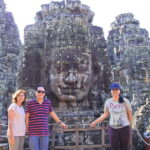
Next is Bayon Temple, famous for its towers covered in serene faces. You’ll walk through key areas with a guided approach, not just a “see it and move on” checklist. Bayon can be visually overwhelming; the guide helps you pick up details you’d miss on your own.
Terrace stops: Elephants and the Leper King
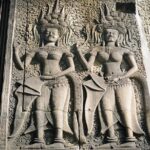
You’ll also hit the Terrace of the Elephants and the Terrace of the Leper King. These terraces are short stops, but they’re worth it because they show off Angkor’s carving style and storytelling in stone. Even when you’re not studying every detail, you’ll leave with a better sense of how the temple complex functions as both a monument and a narrative space.
Ta Prohm: roots, walls, and movie-set drama
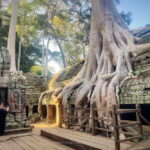
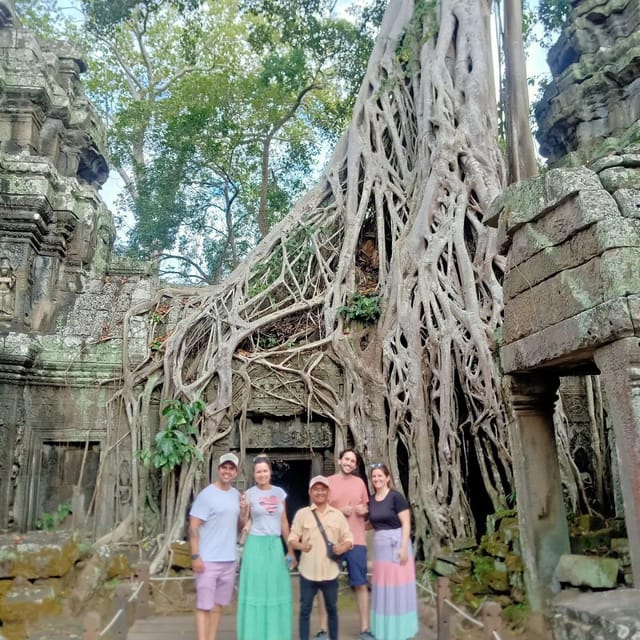
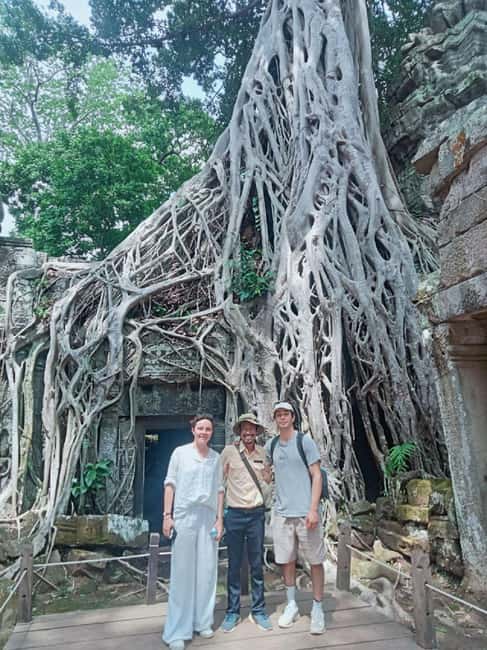
Then comes Ta Prohm, where massive tree roots grow through temple structures. This is one of the best places in all of Angkor for dramatic photos. You’ll get time to walk slowly and understand what you’re seeing—because the roots are not random. They’re part of the site’s long relationship with nature and decay.
Lunch break: what to do about it
Lunch is not included, and you’ll stop at a local restaurant for a break. I recommend you treat this as a pause to recharge, not a sit-down meal experience. If you’re sensitive to price or food quality, have a simple plan: carry a small snack for energy and be ready to keep lunch optional if the first stop doesn’t match your expectations.
Angkor Wat in the afternoon
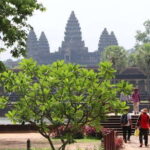
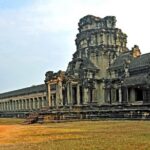
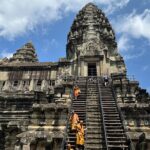
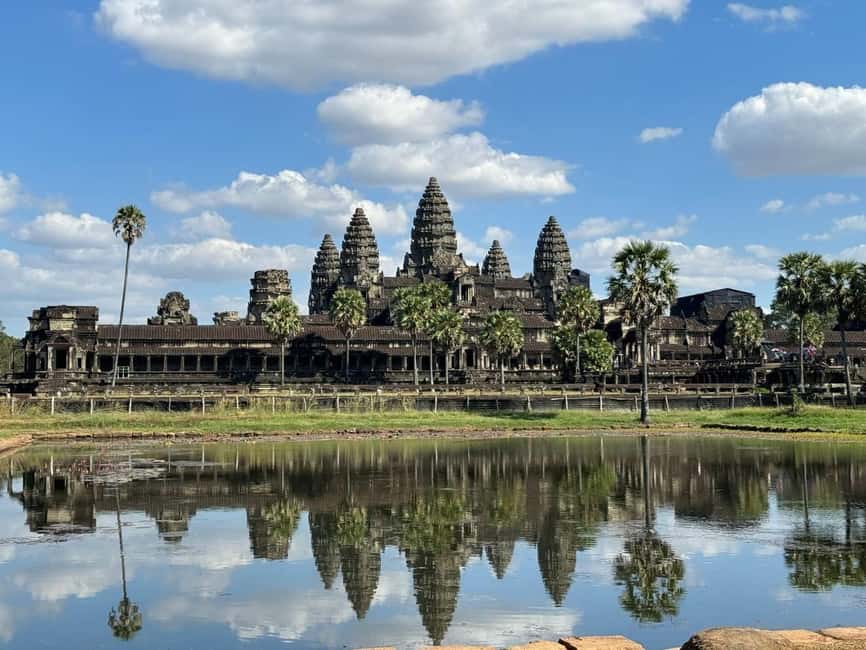
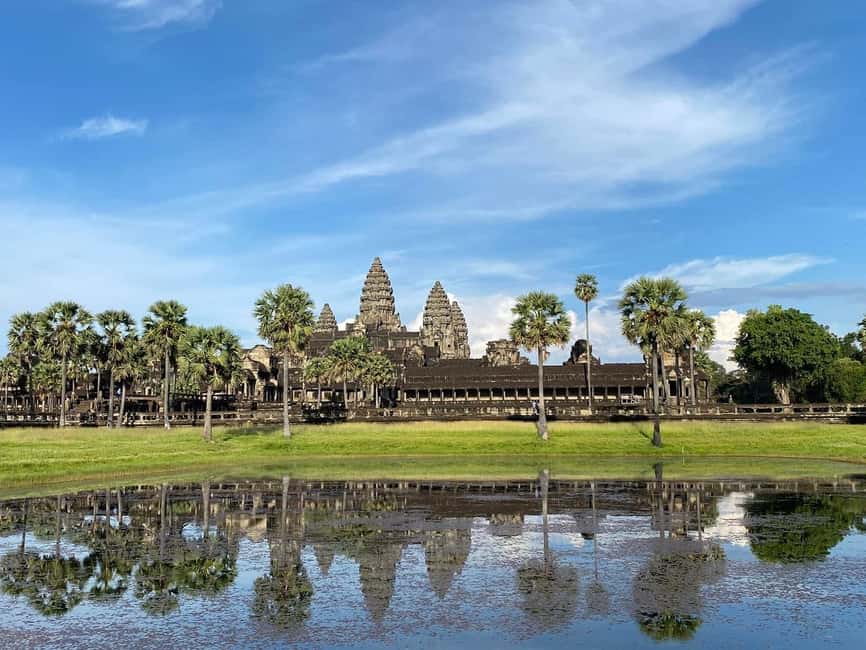
The day ends with Angkor Wat, the world’s largest religious monument. Afternoon lighting isn’t sunrise golden, but it’s still strong enough for details in the bas-reliefs. Your guide will help you interpret symbolism and art so it doesn’t become just a huge photo backdrop.
The 2-day Extended Tour: Grand Circuit plus Banteay Srei
If you want a more relaxed pace and more temples, the 2-day option is the better fit. You’ll do the Small Circuit on day one, then add the Grand Circuit and finish with Banteay Srei, the famous pink-sandstone “Citadel of Women.”
Day 1 sunrise is also available, with pickup at 05:00 AM and finish around 12:00 PM. If you go sunrise, the tour recommends bringing breakfast from your hotel so you can eat after the early temples.
Day 2: Preah Khan, Neak Pean, Ta Som
On the second day, you start with Preah Khan, a monastic complex with atmospheric corridors and carved details. This one rewards slow walking because the space feels layered. The guide’s explanations help you connect what you see to the bigger Khmer story.
You continue to Neak Pean, a small temple surrounded by tranquil pools. It’s a welcome change of pace from the denser temple clusters because the surroundings feel calmer. Then you visit Ta Som, known for its iconic tree-covered gate, another strong photo moment that feels a little less crowded than the most famous stops.
East Mebon and Pre Rup viewpoints
Next is East Mebon, once standing on an island in a reservoir. The guide’s context helps you understand why that setting mattered in the original design. Then you move on to Pre Rup, a mountain-style temple with sweeping views across the countryside.
Pre Rup is a great place for photos that include context—temple shapes with the wider area behind them. This is also where you’ll appreciate taking a second day. You’re not trying to “do everything” in one long sprint.
Banteay Srei: intricate pink carvings at the end
You finish at Banteay Srei. This is the site many people remember most for carving quality. The color and the fine detail make it feel more delicate than the larger, more worn monuments. The guide will point out what to look for so you don’t just see pink stone—you see craftsmanship.
The tour finishes around 04:00 PM, and you’re back to your hotel after.
Heat, comfort, and transport: how the day actually feels
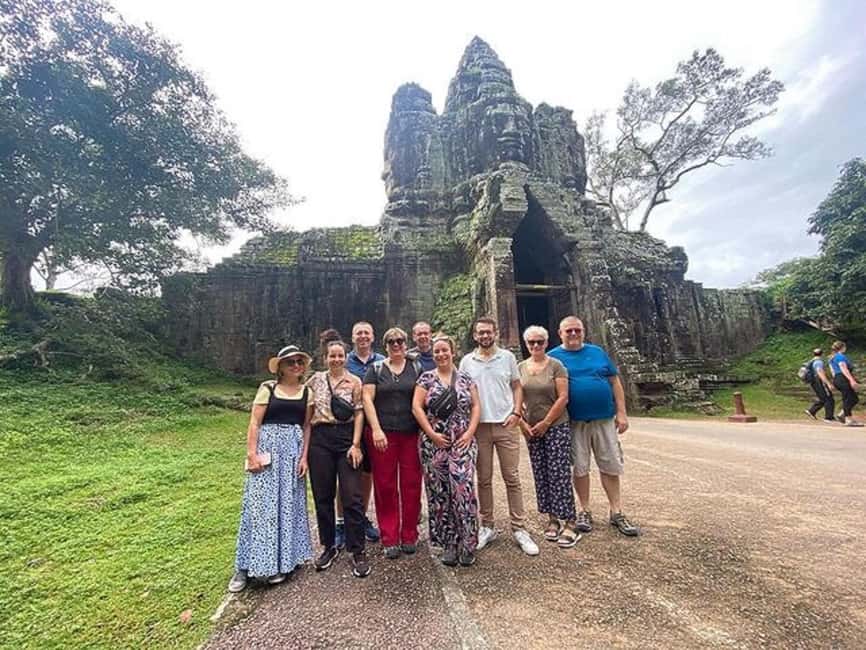
Angkor days are about sun exposure and walking, so comfort is not a luxury detail—it’s part of whether you enjoy the temples or just survive them.
This tour includes cold drinking water and cold towels during visits, and the transport is rated very highly. For shared options, you might ride a tuk-tuk for 1–2 people, or an A/C van for larger groups (3–6). Private arrangements match the same logic, with tuk-tuk for the smallest groups and A/C vehicles for bigger ones.
A/C van rides matter between temple blocks. Even a short transfer can feel long in hot weather, so having climate control keeps your energy for the next stop. I also like that the timing between sites is handled by the driver-guide pairing—less time waiting around.
Dress code and temple rules: don’t get stuck at the gate
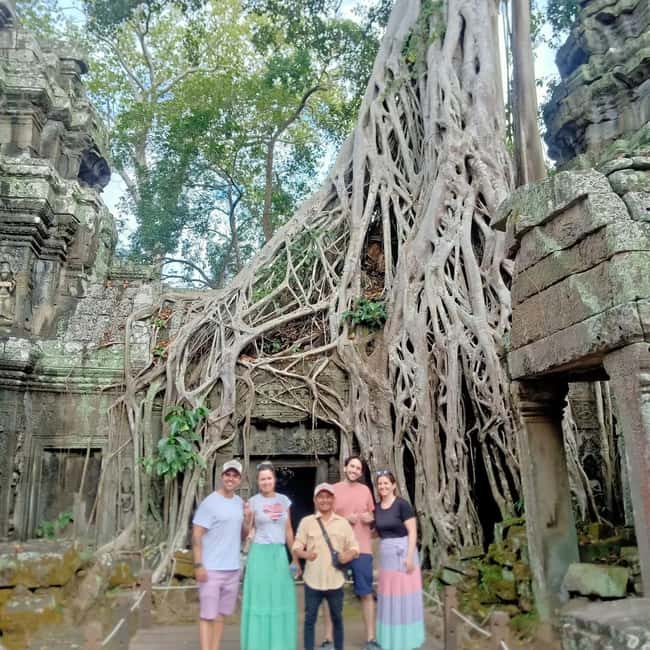
Angkor temples have a clear dress code, and you’ll want to follow it before you get stopped. The general rule is:
- Cover knees and shoulders
- Shorts, short skirts, and sleeveless shirts aren’t allowed
At Angkor Wat, you’ll need proper clothing: pants or skirts covering knees, and shirts covering shoulders. A scarf can help cover knees/shoulders at most temples.
You should also bring simple sun protection: sun hat, sunscreen, sunglasses, and insect repellent. Comfortable shoes are a must because you’ll do a lot of walking on stone and uneven paths.
Also note what’s not allowed: alcohol and drugs.
1-day vs 2-day: which option fits your travel style?
Choose the 1-day Small Circuit if you:
- Have limited time in Siem Reap
- Want the core must-sees (Angkor Thom highlights, Ta Prohm, Angkor Wat)
- Prefer one big day with an earlier evening return
Choose the 2-day Extended Tour if you:
- Want a more relaxed rhythm
- Enjoy variety and different temple “moods”
- Plan to see Banteay Srei and multiple Grand Circuit temples
- Would rather not spend every hour in transit
If sunrise is your priority, both options offer it, but do think about sleep. A 05:00 AM start is early no matter how organized the tour is. Bring breakfast if you can, and treat it like a ritual: early start, strong light, then recovery.
Who this tour suits (and who should rethink it)
This is a strong match if you want:
- A French-speaking guide
- Organized temple pacing with photo-friendly stops
- Comfort support for heat (water and cold towels)
- Either a compact highlights day or a more complete 2-day route
It’s not suitable for wheelchair users, and it may not work well for people over 95 years based on tour requirements.
Also, if you’re traveling with children: children under 12 join free on private tours only, which can be a helpful value lever for families choosing private.
Should you book this Angkor Wat tour with a French-speaking guide?
I’d book it if you want Angkor to feel understandable and efficient. The combination of French-language guiding, practical comfort, and a route designed for major temples makes it an easy yes—especially if this is your only Angkor shot.
Two final decision points:
- Budget for the temple pass. It’s the big extra cost, and you don’t want that to sneak up on you.
- Decide whether you want the Small Circuit only or the more satisfying 2-day plan with Banteay Srei.
If you’re doing Angkor for photos and story at the same time, this tour style fits the job.
FAQ
Is the Angkor Archaeological Park entrance ticket included?
No. The entrance ticket is not included in the tour price. It costs $37 per person for 1 day and $62 per person for 2–3 days, and you must purchase it separately.
What time does pickup happen for the standard tour?
The guide picks you up at your hotel lobby in the 08:30 to 09:00 AM window. The day then begins with heading to the ticket booth (or you can buy your pass online in advance).
Does the tour offer a sunrise option?
Yes. If you choose the sunrise option, pickup is at 05:00 AM and the tour finishes around 12:00 PM.
What does the tour include for comfort during temple visits?
You get cold drinking water and cold towels during visits, plus guided visits and transport depending on the option you choose.
Is lunch included?
No. Lunch is not included, and you’ll stop for a meal at a nearby restaurant during the tour.
What kind of transport will I use?
For shared tours, 1–2 people typically travel by tuk-tuk, while groups of 3–6 use an A/C van. Private options follow similar logic: tuk-tuk for small groups and A/C transport for larger groups.
What dress code do I need for Angkor temples?
You need to cover knees and shoulders. Shorts, short skirts, and sleeveless shirts are not permitted. For Angkor Wat specifically, pants or skirts must cover knees and shirts must cover shoulders; a scarf can help cover shoulders and knees at most temples.