REVIEW · SIEM REAP
Angkor Wat: Highlights and Sunrise Guided Tour
Book on GetYourGuide →Operated by Journey Cambodia · Bookable on GetYourGuide
Angkor Wat at sunrise is one of those rare travel moments where light, stone, and silence all line up, and this guided tour is built around making that happen. I love how early you start (with quiet corridors and a smart entry route) and how the guide helps you see more than the postcard stuff, including strong photo tips at the reflection pools. The only real catch: you will be on your feet for a long morning, and the day ends around midday before the heat fully ramps up.
One more thing I like: the experience is structured so you’re not wandering alone through a UNESCO maze. People often highlight the combination of an English-speaking guide and a driver who keeps things moving and comfortable, with cold water and cool towels at stops. The main drawback to think about up front is the Angkor Pass cost, which is not included in the $19 price and must be paid on tour day.
If your idea of value is seeing the big hits (Angkor Wat, Ta Prohm, Angkor Thom, Bayon) with context and comfort, this is a solid fit. If you want a super slow pace, or you’re traveling with very young kids, you may prefer a different style of Angkor tour.
In This Review
- Key moments you’ll care about
- Sunrise at Angkor Wat: the spires-and-shadow moment
- Pickup at 4:15 AM and the eastern-gate plan through the dark
- Photo tips at the reflection pool: turning a memory into a picture
- Angkor Wat’s galleries and carvings: what the guide helps you notice
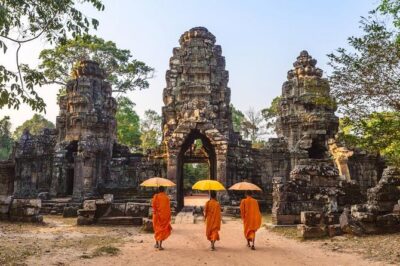
- Ta Prohm, Angkor Thom, and Bayon: roots, gates, and 200+ faces
- Srah Srang stop and the midday break you’ll want
- Price and value: $19 is the deal, but $37 is the pass
- What to pack and the temple dress rules that matter
- Guides and drivers: the comfort and safety factor
- Who should book this Angkor Wat highlights and sunrise tour
- Should you book it?
- FAQ
- What time is hotel pickup for the sunrise tour?
- How long is the tour, and when will I return to my hotel?
- Is the Angkor Pass included in the $19 price?
- Will I get help with tickets when I arrive?
- What should I wear or bring for temple visits?
- Is breakfast included?
- Is this tour suitable for wheelchair users and young children?
Key moments you’ll care about
- Eastern entrance, flashlight walk, and quiet corridors before the crowds fully arrive
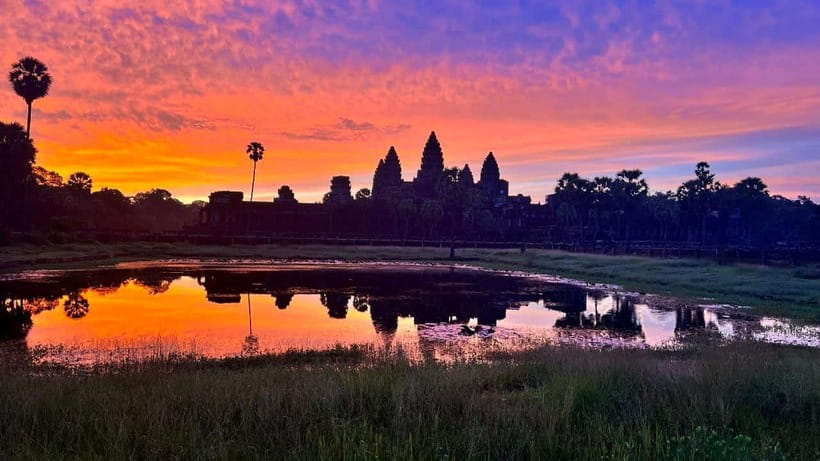
- Sunrise near the reflection pools, plus guide-led photo tips so you can actually get the shot
- A guided Angkor Wat gallery walk focused on carvings and temple stories
- Ta Prohm with big tree roots framing the ruins
- Bayon Temple faces and the feel of walking through Angkor Thom’s core
- Cold water + cool towels that keep you sane during the early hot hours
Sunrise at Angkor Wat: the spires-and-shadow moment
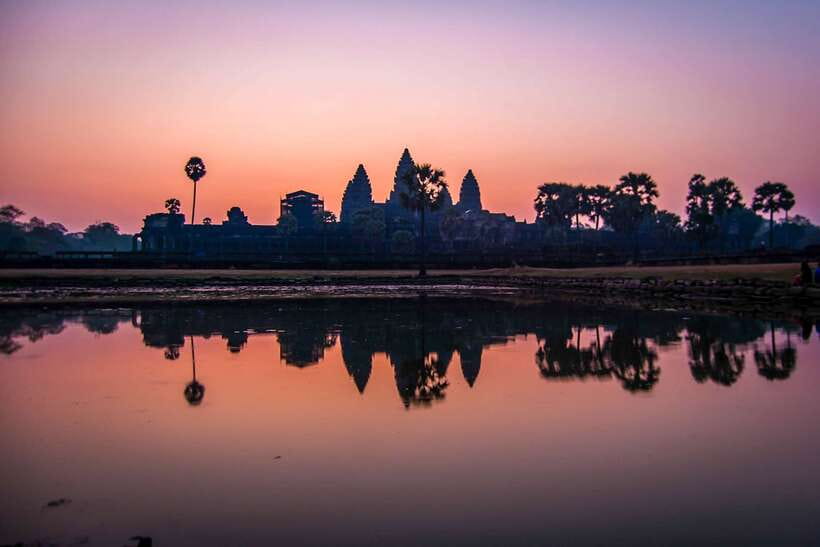
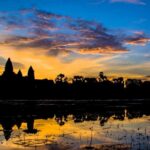
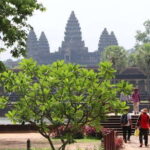
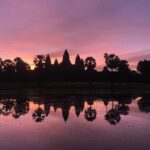
Angkor Wat sunrise is famous for a reason: the whole complex takes on a different personality before the day heats up and tourist energy takes over. You’ll arrive while it’s still dark, then gradually shift into that slow turning of the sky from deep pre-dawn to warm gold. The tour is timed so you’re in the right place to watch the temple’s silhouette and spires start to cut through the light.
The tour’s value isn’t just that sunrise is included. It’s that you’re guided to a viewing area near the reflection pools (near the library area) where the visual payoff is strong. If you’ve ever taken a sunrise photo and felt like your camera captured everything except the magic, this part is designed to help you get closer to what your eyes see.
And yes, weather can change the look of the sunrise. On clear mornings you’ll get the classic color shift; on wetter mornings you may still see the sky break open as the day transitions. Either way, the timing helps you beat the midday crush and start your Angkor day with momentum.
You can also read our reviews of more guided tours in Siem Reap

Pickup at 4:15 AM and the eastern-gate plan through the dark
The day starts early—pickup is typically between 4:15 and 4:35 AM, and you’re headed to the Angkor Archaeological Park before most people are awake. The ride is in an air-conditioned vehicle, which matters more than it sounds. Siem Reap mornings can be cool, but the long day that follows is not.
When you arrive, you enter Angkor Wat through a quieter route, and there’s even a flashlight-supported walk through dim temple corridors. That initial walk has a real feeling of entering another time. You’re not battling crowds; you’re moving with purpose, following your guide’s lead, and using the low-traffic window to get your bearings fast.
A practical benefit of the early timing: you can soak in the architecture without spending the first hours just trying to reach the right spot. You’ll also get a smoother flow into the sunrise viewing area, rather than arriving late and doing the classic scramble-and-squint routine.
Photo tips at the reflection pool: turning a memory into a picture
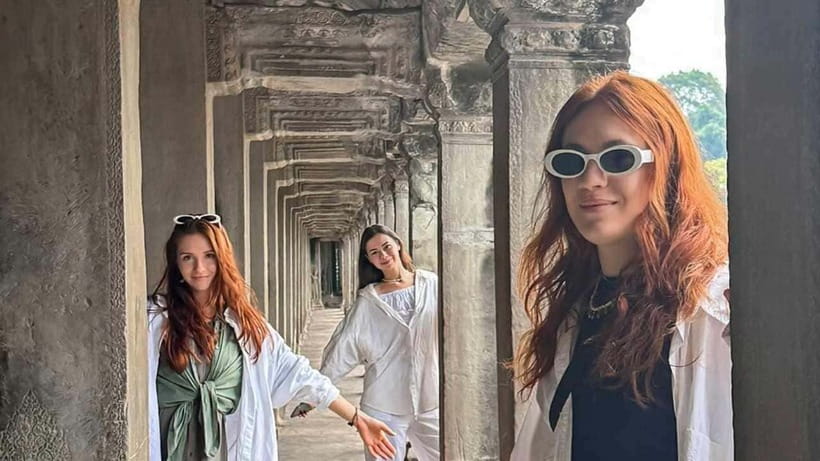
A big part of why this tour gets repeat love is the photo support. You don’t need to be a serious photographer, but you do need to know where to stand and how to frame the scene so the temple and the light actually show up.
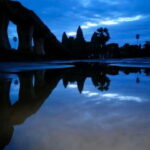
At sunrise, your guide gives practical directions—how to position yourself, when to lift your camera, and how to use the reflection pool setting for that layered temple look. Several guides are praised for being especially good at phone photography too, including examples like Mr Hang (noted for iPhone picture tips) and others who are described as patient with taking photos and helping with shot ideas.
This is also where the tour becomes more than sightseeing. You’re learning how to see. You’ll notice details like how the shadows and temple lines interact with the rising sun, and you’ll start to understand why Angkor Wat is so often photographed from water-level perspectives.
Angkor Wat’s galleries and carvings: what the guide helps you notice
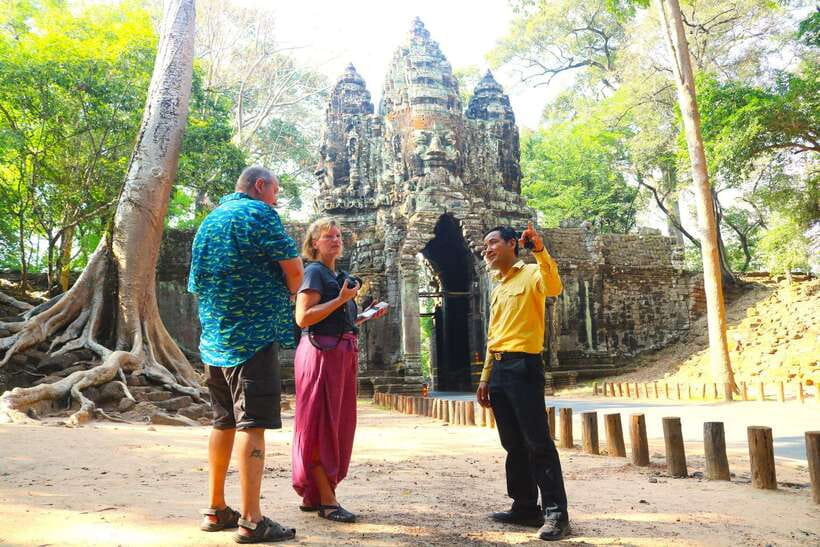
After the sunrise viewing, you get a guided walk through Angkor Wat itself—roughly a two-hour focused period that’s built to help you read the temple rather than just walk it.
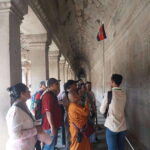
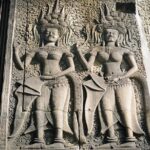
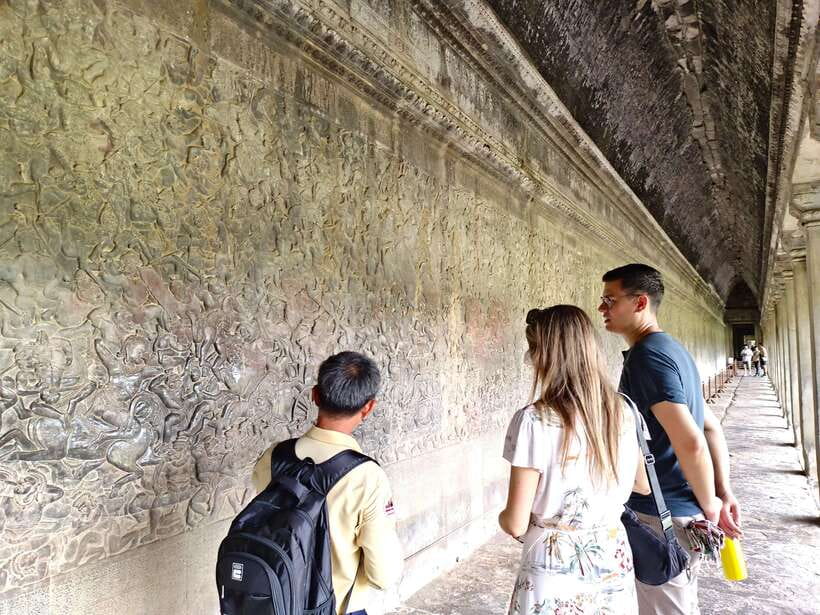
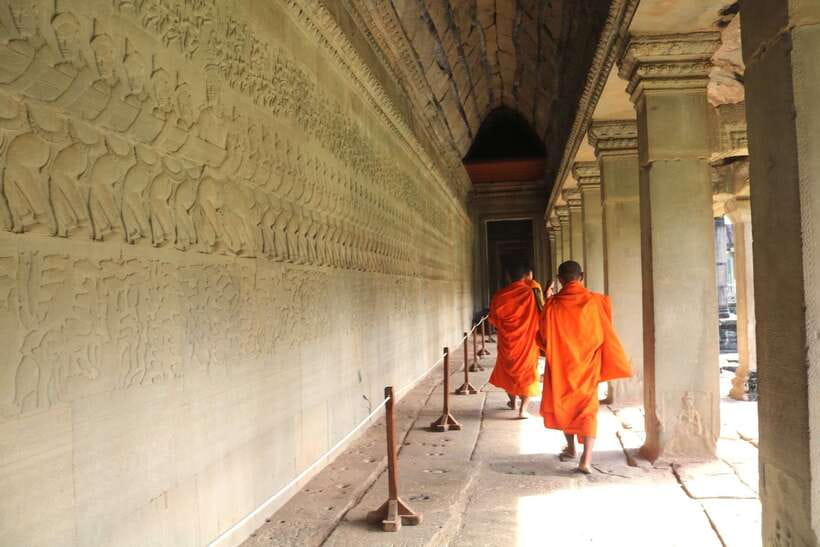
Angkor Wat can feel endless if you’re solo. With a guide, the galleries become a story. You move through sections where bas-reliefs explain epic tales of gods and kings, and you start connecting the symbolism to the way the site is laid out. Instead of asking what you’re looking at every five minutes, you’re being given the context that makes the carvings make sense.
This portion is also where the best guides tend to shine. People have mentioned guides who grew up near the temple area and who point out subtle spots that most visitors miss, plus guides who answer questions clearly and keep the group organized so you don’t repeatedly lose your place.
One small consideration: the walk includes lots of stone steps and uneven ground. It’s not a “sit and cruise” day. If you’re comfortable walking for hours and don’t mind dressing for temple rules, you’ll do great.
Ta Prohm, Angkor Thom, and Bayon: roots, gates, and 200+ faces
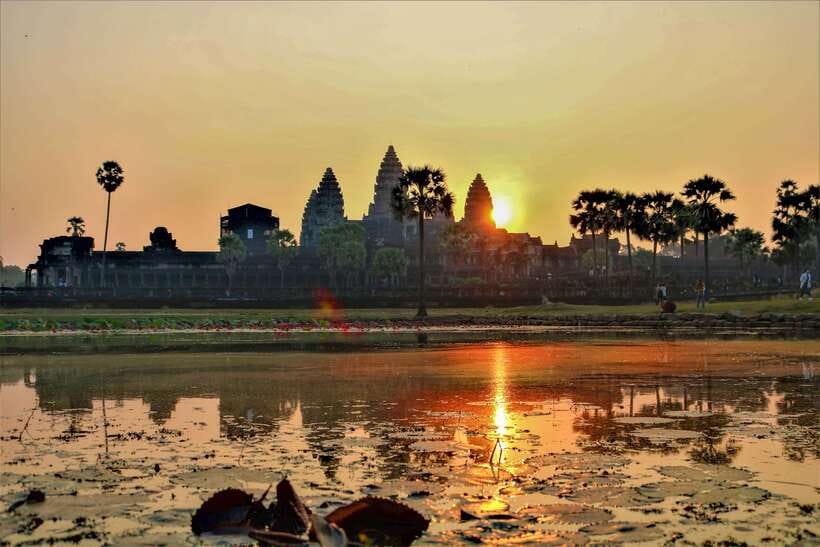
Once sunrise is done and Angkor Wat’s main story is in place, the tour shifts to the classic Angkor highlights beyond it.
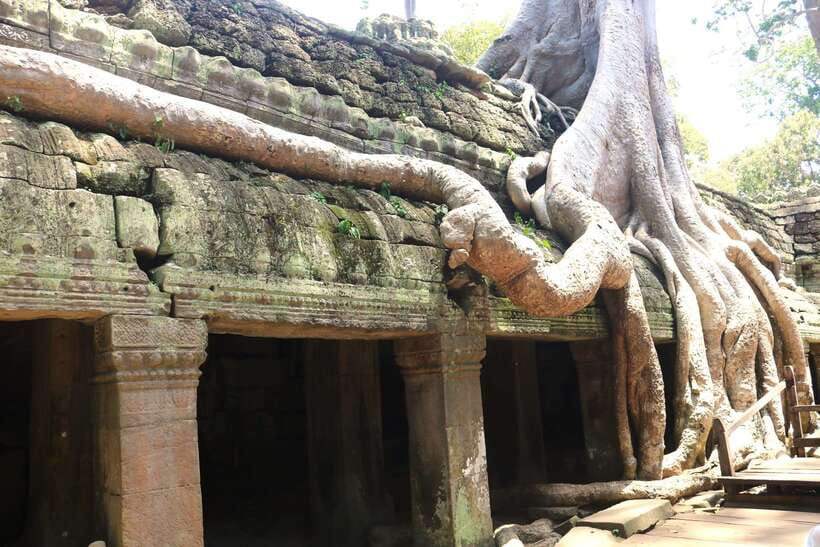
Ta Prohm is where you feel the dramatic side of Angkor’s “nature meets stone” look. Giant tree roots wrap around walls and corridors, turning the ruins into a living scene. This is the stop many people remember most vividly, partly because it feels cinematic without trying too hard.
Next comes Angkor Thom City, including a major gate photo opportunity (often discussed as either the Victory Gate area or the Southern Gate area as you move through). The point here is to see how the Khmer Empire organized space—how you travel from monumental entrance points into the heart of the city.
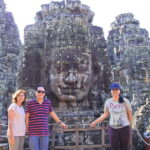
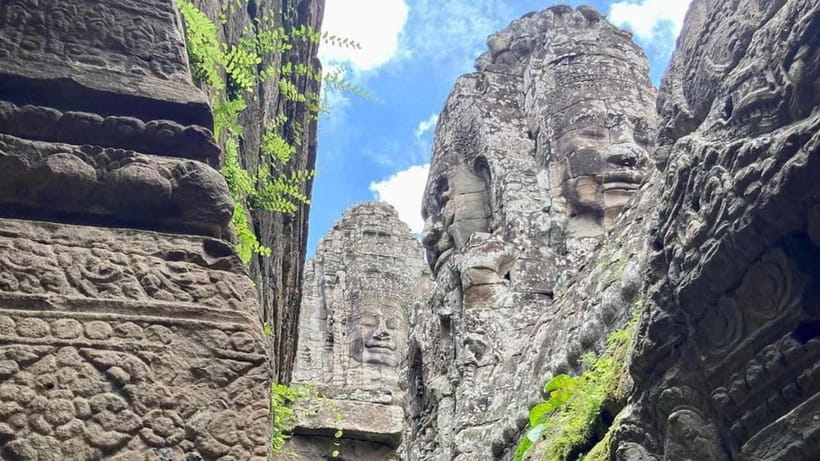
Finally, Bayon Temple delivers the signature face-filled experience: hundreds of stone faces (often described as 200+), staring out across courtyards and causeways. This is where a guide really helps again. When you understand what you’re seeing—how the temple’s layout guides your path—you stop treating it like a photo stop and start feeling like you’re moving through a designed worldview.
You can also read our reviews of more tours and experiences in Siem Reap
Srah Srang stop and the midday break you’ll want
Around late morning, you’ll pause at Srah Srang for a break. This is where you can grab something to eat and drink—coffee, tea, or breakfast options—though it’s generally at your own expense. The tour schedule gives you this reset before the day gets too heavy.
Practically, this is where you should take advantage of the chance to slow down for a moment, use restroom facilities, and prepare for the final temple blocks. Your feet and head will thank you, especially if you’re taking in sunrise timing plus multiple major sites.
Also, keep in mind that Angkor days can get hot and humid quickly. The tour ends around 12:30 to 1:30 PM arrival back at your hotel, which is exactly why this early start works. You’ll see a lot without spending the entire day in peak heat.
Price and value: $19 is the deal, but $37 is the pass
Let’s talk money in real terms.
The tour price is $19 per person, but you still need to pay for the 1-day Angkor Pass, which is $37 per person on the tour day. So your effective spend for the core experience becomes about $56, before optional breakfast and snacks.
What makes that feel reasonable is what’s included: hotel pickup and drop-off, air-conditioned transport, an English-speaking guide, skip-the-ticket-line help, and practical extras like bottled water and cool towels. Those towels and water don’t sound exciting, but they’re exactly the kind of comfort that makes a long temple morning feel manageable.
If you were planning to piece Angkor together on your own, you’d still pay for transport, tickets, and a guide (unless you’re relying entirely on apps and guidebooks). This tour bundles the hard parts—timing, route planning, and explanation—into one morning.
What to pack and the temple dress rules that matter
This is an early day followed by active walking, so pack for comfort and basic temple respect.
Bring:
- Sunglasses
- Comfortable clothes
- Insect repellent
- Hat
Plan to wear clothing that lets you cover up properly at temples. You’ll need to cover your knees and shoulders when visiting. Short skirts aren’t allowed. If you forget, you might end up improvising or cutting your visit short, and that’s the opposite of what you want on a once-a-day sunrise timing.
Also, consider bringing a light layer for early morning. Even if Siem Reap warms up later, the start can feel chilly when you’re waiting for sunrise.
Guides and drivers: the comfort and safety factor
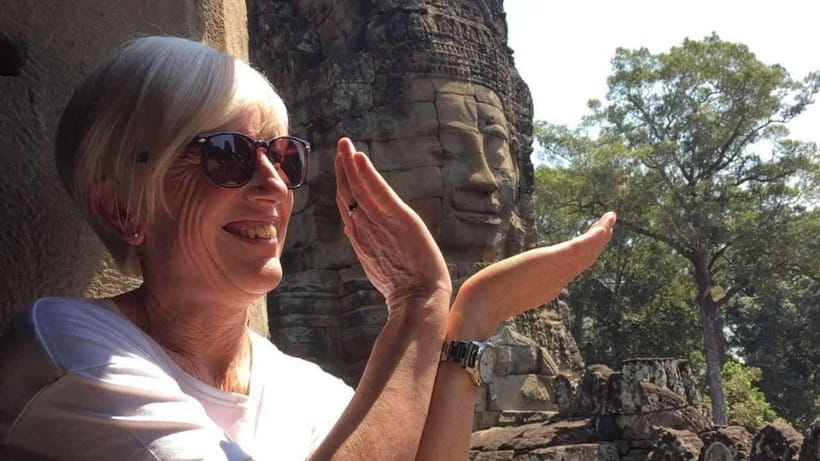
A lot of the praise around this tour is practical, not poetic. People repeatedly talk about the guide-and-driver partnership: an English guide who manages the flow of temple stops, and a driver who handles the logistics so you’re not constantly worrying about crossing streets or losing time.
You’ll notice how the team handles the day in small ways: cold water and cool towels at stops, timing that gets you to key moments without long dead waits, and guidance that keeps the group together. Some guides are specifically described as great at taking photos (including with phones), and some drivers are described as very friendly and attentive with water and towels at multiple points.
There’s also an important safety rhythm: you’re not freewheeling in a big complex. You’re walking with someone who knows the route and keeps you oriented—especially useful when the early morning is dark and your eyes haven’t adjusted.
Who should book this Angkor Wat highlights and sunrise tour
This tour is a great match if you want:
- Sunrise at Angkor Wat without chaos
- Guided context at Angkor Wat, Ta Prohm, Angkor Thom, and Bayon
- A schedule that avoids the worst heat by finishing around early afternoon
- A comfortable ride and hydration support during the day
It’s not a fit if you’re:
- Traveling with children under 8 years
- Using a wheelchair (this isn’t set up for wheelchair users)
If you’re a first-timer to Angkor and you want the “big four” in one morning with explanations, this is one of the cleaner ways to do it.
Should you book it?
If your top goals are sunrise timing, guided understanding, and staying comfortable while you hit multiple major temples, I’d book this. The $19 price is attractive, but the real value is the whole package: early start, smart routing, English guide, skip-the-ticket-line, and those small comfort details that matter on a long temple morning.
I’d only think twice if you’re set on a very relaxed pace, or you know you’ll struggle with walking in the heat and temple dress requirements. Otherwise, this is a practical, well-structured way to experience Angkor at its most atmospheric—before the day turns loud.
FAQ
What time is hotel pickup for the sunrise tour?
Pickup is typically between 4:15 AM and 4:35 AM, depending on where your hotel is located.
How long is the tour, and when will I return to my hotel?
The tour lasts about 8 hours. You’ll generally arrive back at your hotel between 12:30 PM and 1:30 PM.
Is the Angkor Pass included in the $19 price?
No. The Angkor Pass is not included. You must pay an additional $37 per person on the day of the tour.
Will I get help with tickets when I arrive?
Yes. The tour includes skip-the-ticket-line.
What should I wear or bring for temple visits?
Bring sunglasses, comfortable clothes, insect repellent, and a hat. You also need to cover your knees and shoulders for temple visits, and short skirts are not allowed.
Is breakfast included?
Breakfast is not included in the tour price. You can purchase breakfast at local restaurants near the temples during the break.
Is this tour suitable for wheelchair users and young children?
No. It is not suitable for wheelchair users, and it’s not recommended for children under 8 years old.