REVIEW · SIEM REAP
Siem Reap Cambodian Buddhist Water Blessing and Local Market
Book on GetYourGuide →Operated by Cambo Tours Services · Bookable on GetYourGuide
A sacred ritual and a market wander in one day. This small-group tour pairs a Buddhist water blessing at an old pagoda with a guided local market stop where you learn what people actually buy and eat. The main thing to consider is that one blessing option involves water being poured over your head, so you should be comfortable with the ritual and possible wet hair.
I love how the guide explains what you’re seeing, not just what to do. If your guide is Seila, you’re likely to get especially clear, thoughtful explanations, plus guidance on what to look for at the stalls. If you prefer strict sightseeing over participatory ceremonies, this might feel a little intense at first.
In This Review
- Key Points Before You Go
- A Sacred Water Blessing Just South of Siem Reap
- Two Blessing Rituals: Light Sprinkling vs. Water Poured Over Your Head
- What the Monks Chant For (and Why It Feels Personal)
- The Pagoda Setting: Calm Moments Between Chanting and Reflection
- Siem Reap Market Visit: Shopping With Explanations, Not Just Browsing
- A Straightforward 2–5 Hour Plan That Actually Fits a Day
- Price and Value: What $19 Covers (and What You Should Budget For)
- Who This Tour Is Best For (and Who Might Skip It)
- Should You Book the Cambodian Water Blessing and Market Tour?
- FAQ
- How long is the tour?
- How much does it cost?
- Is hotel pickup included?
- Where does the water blessing take place?
- What are the two blessing options?
- Will I need to change clothes for the longer ritual?
- What’s included in the price?
- Is alcohol allowed during the tour?
- What languages does the guide speak?
- Is the tour wheelchair accessible?
Key Points Before You Go
- Two blessing choices: light sprinkling with chanting, or a longer ceremony with water poured over your head
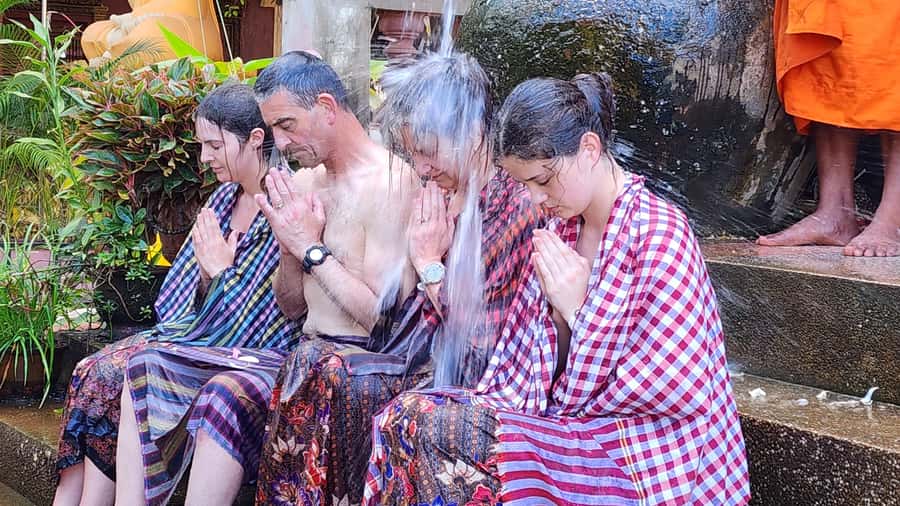
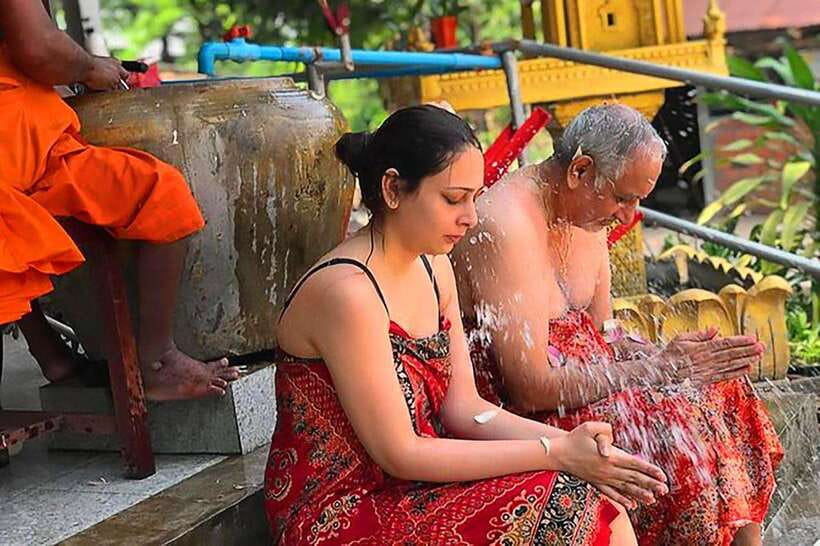
- You keep your clothes dry: a sarong is provided for the longer head-pouring ritual
- Meaningful ending: red ties on your wrist to mark the blessing you received
- Small-group feel: a small group with a live guide in English, Chinese, or Cambodian
- Market time with context: shopping and guided viewing of Cambodian specialties, sometimes with tasting
- Straightforward logistics: tuk-tuk transfers and a 2–5 hour overall window, depending on your schedule
A Sacred Water Blessing Just South of Siem Reap
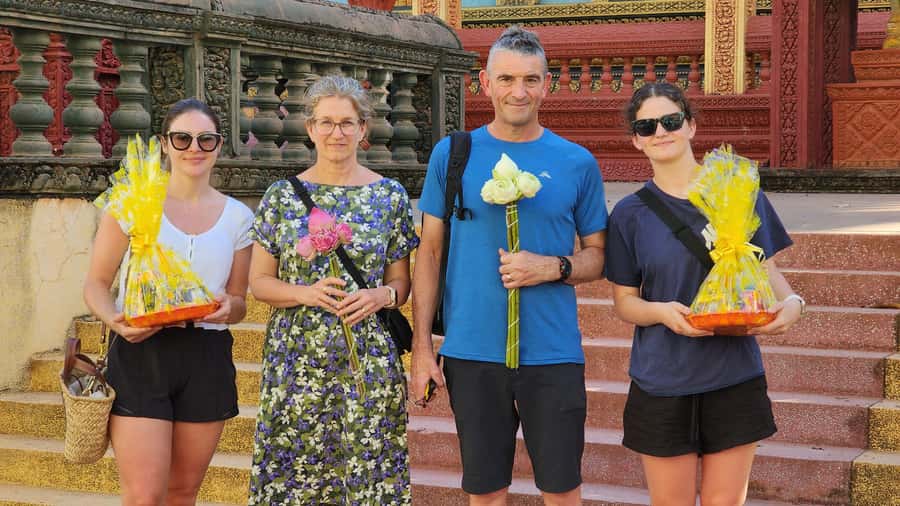
This is the kind of activity that makes Siem Reap feel bigger than Angkor. Instead of only looking at temples from the outside, you step into a living tradition practiced in Cambodia’s countryside, south of town, at an ancient pagoda.
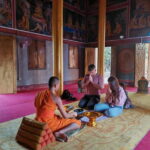
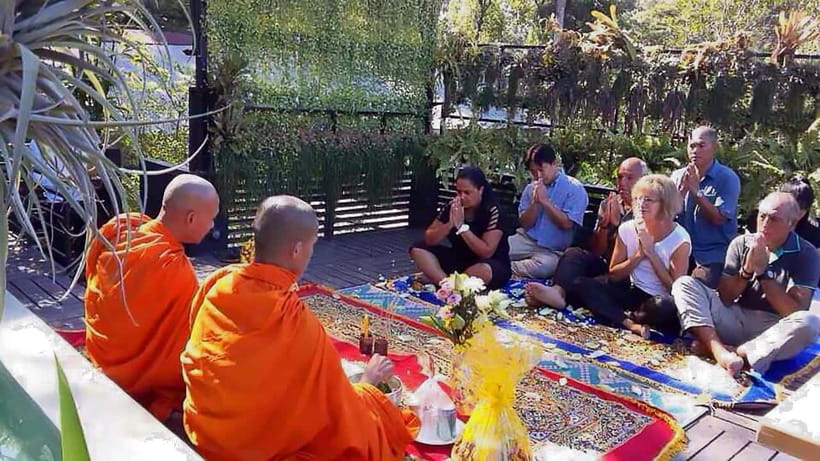
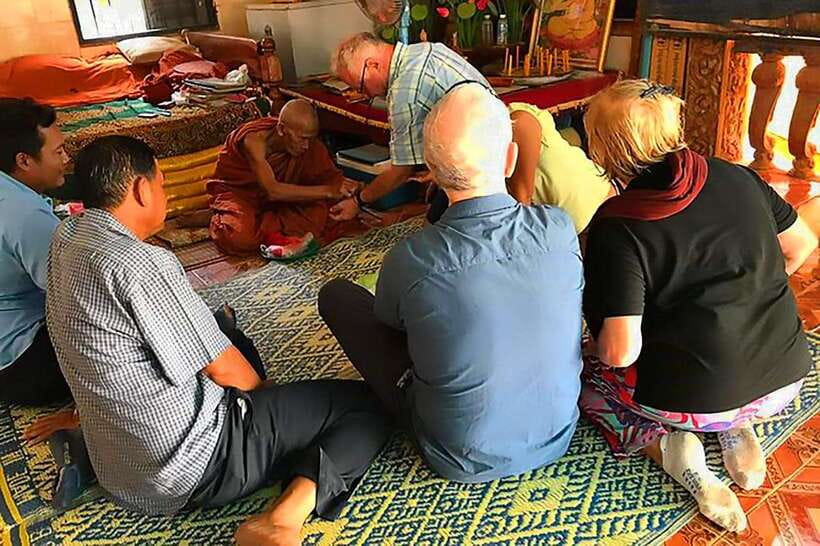
The ceremony is conducted by monks who live at the pagoda. You’ll be guided through the ritual so you know what’s happening while you’re standing there. And that matters, because a blessing like this isn’t just a photo moment. It’s a structured set of words, gestures, and water that represents wishes for wellbeing.
I also like the pace. You’re not rushed through the spiritual part, but you also don’t lose the rest of your time in a long, slow schedule. You’ll get enough time to settle in, understand the meaning, and then move on to the market portion of the day.
One practical note: you’re outdoors and in a real neighborhood/countryside environment. Wear comfortable shoes and be ready for heat and humidity, even if the ceremony itself is calm.
You can also read our reviews of more shopping tours in Siem Reap
Two Blessing Rituals: Light Sprinkling vs. Water Poured Over Your Head
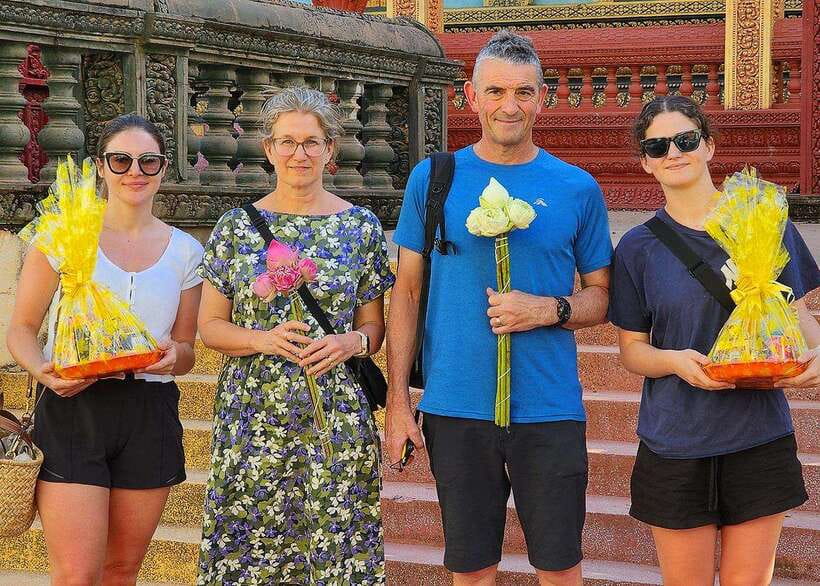
You choose between two forms of blessings, both led by chanting monks. That choice is a big part of the value here because it lets you pick the intensity level.
The first blessing starts with the monks chanting in harmony while they wish you good luck, safe travel, and a long life. It’s paired with a light sprinkling of water. If you want a meaningful experience without the more dramatic elements, this is the easier option.
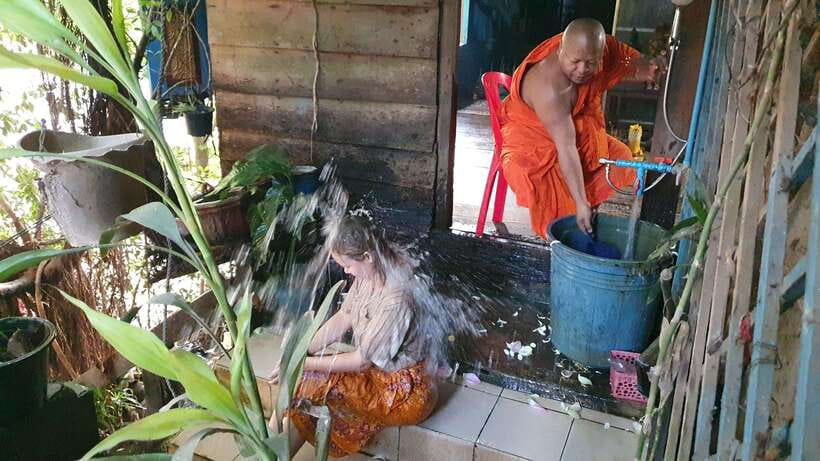
The second is longer and more ceremonial. Blessed water is poured over your head while the monks chant. For this one, you’re provided a sarong so you can change and keep your clothing dry.
Here’s what to think about before you choose:
- If you’re sensitive to cold water or hate surprises, start with the light sprinkling option.
- If you’re comfortable with a more immersive ritual and want the full “this is what the ceremony looks like” feeling, go for the head-pouring option.
- Either way, you’ll finish the ceremony the same way: with the meaning of the blessing marked on you.
What the Monks Chant For (and Why It Feels Personal)
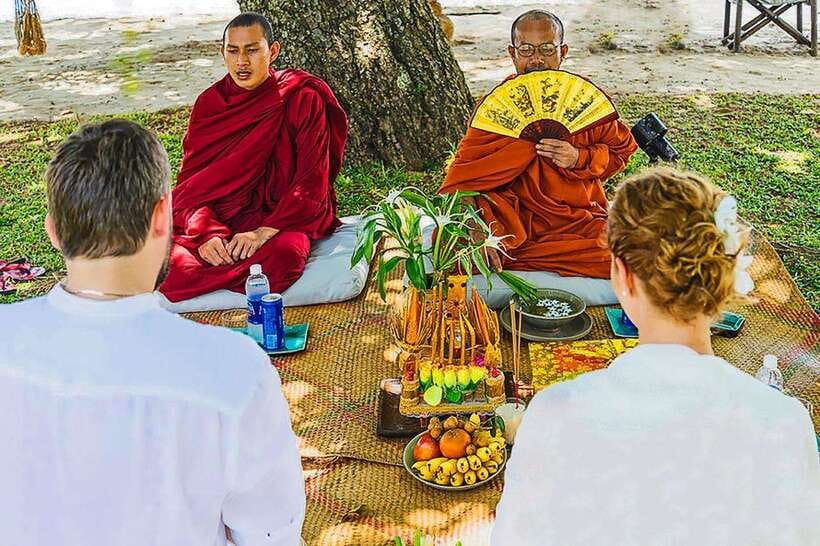
The chanting isn’t random background audio. It’s built around specific wishes—things you’d actually want to hear when you’re traveling in a new place: good luck, safe travel, and a long life. When you understand that, the ritual starts to feel directed at you, even though you’re one person among many.
The guide’s job is to make the ceremony understandable. In the best cases, you’re hearing not just translation, but also explanation of what believers are doing and why water is involved. Reviews strongly point to guides who explain the ceremony in clear detail, and that changes the whole experience from sightseeing into something more human.
And the ritual leaves a physical reminder. After the blessing, your wrist is adorned with special red ties. They signify that the blessing was performed for you. It’s a small thing, but it’s also a lasting cue that this wasn’t just a drive-by stop.
If you want authenticity over theater, this is where it shows. You aren’t watching something staged for tourists. You’re receiving a blessing from people who perform it as part of their community life.
The Pagoda Setting: Calm Moments Between Chanting and Reflection
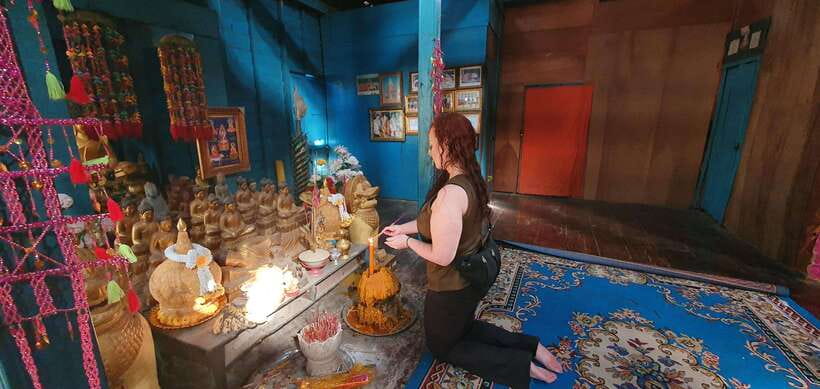
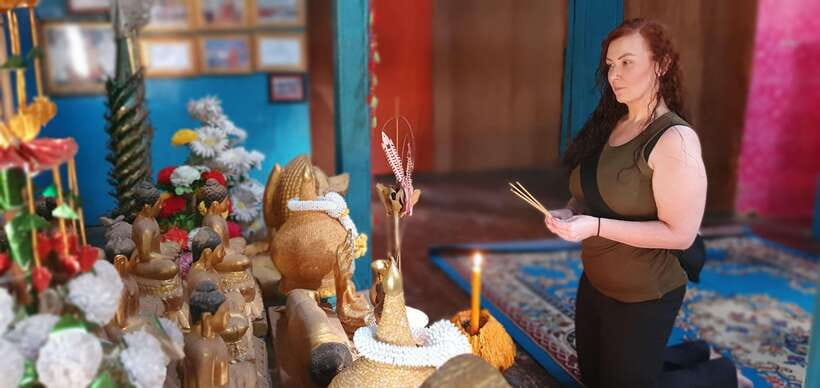
You’ll reach the pagoda area and then enter the space where the monks live and work. The setting is described as an ancient pagoda in the countryside, just south of Siem Reap—so you’re trading city noise for something quieter and more grounded.
What I think makes this part worthwhile is that it gives you a break from the usual tempo of Siem Reap. Many visitors focus on temples as architecture. Here, the focus is on the spiritual practice, led by monks who chant as part of their everyday religious routine.
The experience also comes with a built-in respect framework. You’re receiving a blessing in a religious setting, not just buying a ticket. The tour also clearly states that alcohol and drugs are not allowed, which helps keep the mood appropriate.
If you’re the type of person who likes to understand customs before you participate, you’ll be glad you brought that mindset. The guide helps connect the words and actions to Buddhist beliefs and ritual practice, so it doesn’t feel like you’re standing there with no context.
Siem Reap Market Visit: Shopping With Explanations, Not Just Browsing
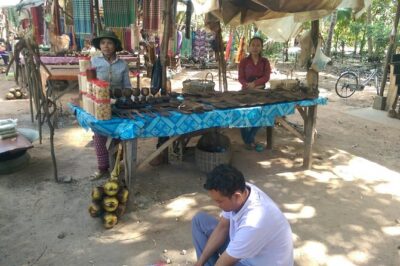
After the blessing, you shift from spiritual calm to everyday life in Siem Reap. The tour includes a market visit, plus guided shopping and a bit of walking through the local area.
This is the part that often surprises people. It’s easy to think a market stop means chaos and random souvenir grabbing. But when the guide explains what you’re seeing, the market becomes a lesson in local life—what kinds of Cambodian specialties people look for, and how to spot useful goods among the clutter.
One standout detail from the experience is that you may be able to taste a few items. That’s a huge upgrade over purely looking. Food tasting turns the market into something you can judge with your own senses, not just interpret from a label.
And the shopping segment isn’t just retail time. It’s guided, so you know what’s worth asking about and what to look for. You’ll also get help moving at a comfortable pace rather than getting pulled in five different directions at once.
If you like practical souvenirs—things you can actually use or eat—this market time is where you’ll get the most out of your money and your short window in the area.
You can also read our reviews of more tours and experiences in Siem Reap

A Straightforward 2–5 Hour Plan That Actually Fits a Day
The total duration is listed as 2–5 hours, and that range makes sense when you factor in transfers, ceremony time, and market walking. It’s not a half-day commitment that ruins your afternoon plans, but it’s long enough to feel complete.
You can choose between two pickup-style options in the wider Siem Reap area. If you opt for pickup, your driver and guide arrive about 30 minutes before departure at your hotel, and you’ll be asked to provide your hotel address clearly.
You’ll transfer by tuk-tuk, with one segment timed around 15 minutes. That’s long enough to move you out of the center and into the countryside area, without turning the whole morning or afternoon into travel.
Once you’re back near town, you’ll have:
- A photo stop plus guided visiting and shopping (a longer block of time)
- Then a final guided area in Siem Reap with shopping and walking before the return tuk-tuk ride and drop-off
The practical takeaway: this tour is built to keep you moving, but not sprinting. If you want one “meaningful” experience plus a local flavor stop, this structure works.
Price and Value: What $19 Covers (and What You Should Budget For)
At $19 per person, the price is where this becomes interesting. You’re not only paying for entry to a ceremony. You’re also paying for a live guide, tuk-tuk transfers, the sarong for the longer ritual option, a donation to the pagoda, and time in a guided market setting.
That matters because many similar tours around Southeast Asia end up charging extra once you add transportation, guide time, and entry-related fees. Here, the core pieces are bundled. You get context, not just movement.
What’s not included is personal spending—so if you buy snacks, textiles, or souvenirs, that’s on you. But you’ll also be in a better position to shop intelligently because the guide is already explaining what people use and why.
If your goal is value, this is strongest when you:
- want a guided, respectful ritual moment
- appreciate explanation at markets
- like small-group experiences where you can ask questions
If your goal is only quick temple photos and nothing participatory, you might consider a more sightseeing-focused option instead.
Who This Tour Is Best For (and Who Might Skip It)
This fits best if you want a spiritual experience that connects to how Buddhists live day-to-day. You’ll also enjoy it if you like guided markets where someone helps you understand what you’re seeing and gives you a direction for shopping.
It’s also a good pick if you don’t want the logistics headache. Transfers are handled, you’re given what you need for the longer ritual (the sarong), and the guide speaks English, Chinese, or Cambodian.
Consider skipping if:
- you’re strongly uncomfortable with religious participation
- you dislike the idea of water being poured over your head (even with protection for your clothes)
- you prefer purely visual sightseeing with minimal interaction
On the upside, it’s a small group. That means you’re more likely to get personal guidance rather than getting swept along like a number.
Should You Book the Cambodian Water Blessing and Market Tour?
If you want more than temple sightseeing, I’d book this. The mix is the point: you receive a real Buddhist water blessing with clear ceremony choices, then you get guided time in the market where local specialties and shopping make sense.
What tips the decision in favor of booking is the combination of meaning and practicality. You get a donation included, the sarong provided, and a guide who helps you understand what you’re doing. And the ending detail—the red ties on your wrist—gives the experience a real sense of completion.
If you’re on the fence because of the water aspect, pick the light sprinkling option. You still get the chanting wishes, the ritual moment, and the wrist tie at the end.
FAQ
How long is the tour?
The duration is listed as 2 to 5 hours.
How much does it cost?
It costs $19 per person.
Is hotel pickup included?
Pickup is optional. If you choose pickup, the guide and driver will pick you up about 30 minutes before departure.
Where does the water blessing take place?
The blessing happens at an ancient pagoda in the countryside just south of Siem Reap.
What are the two blessing options?
You can receive either a blessing with monks chanting and a light sprinkling of water, or a longer ritual where blessed water is poured over your head while monks chant.
Will I need to change clothes for the longer ritual?
For the longer head-pouring ritual, you’re provided with a sarong so your clothing stays dry.
What’s included in the price?
The tour includes a tour guide, tuk-tuk transfers, a sarong, a donation to the pagoda, and a market visit.
Is alcohol allowed during the tour?
No. Alcohol and drugs are not allowed.
What languages does the guide speak?
The live tour guide is available in English, Chinese, and Cambodian.
Is the tour wheelchair accessible?
Yes, it is wheelchair accessible.