REVIEW · SIEM REAP
Siem Reap: Fishing in the rice fields, in the villages of Siem Reap
Book on GetYourGuide →Operated by Joe Jungle Adventure · Bookable on GetYourGuide
Rice fields are your fishing classroom. This Siem Reap day turns village life into a hands-on lesson, from market chatter to topwater snakehead fishing. I love the early scooter ride to Khmer villages and the chance to fish alongside local fishermen using the same methods they use every day. One heads-up: it starts at 7 a.m., and the fields can be hot, muddy, and home to wild animals.
You’ll get tackle set-up, then practice a simple rule-driven approach to frog bait on the water’s surface. I like that you’re not just watching from shore; you’re learning enough to cast, feel the bite, and try for your own catch. If you’re expecting a tidy, indoor experience, this is the opposite of that.
The tour is kept small, private for up to 4 people, and guided in English or German. That makes it easier to ask questions and actually understand what you’re doing instead of rushing through steps. If you hate mornings, you’ll still manage, but you’ll need that first jolt of caffeine at breakfast back in Siem Reap.
In This Review
- Key highlights at a glance
- Why snakehead fishing in Siem Reap rice fields feels different
- 7 a.m. scooters, 20 to 30 km out, and why the early start matters
- Village markets before the fishing: daily Khmer life in plain view
- Getting your tackle and frog bait casting rules
- The snakehead bite: reading the water and reacting fast
- Lunch in a nearby village and what happens to your catch
- Afternoon fishing: moving spots based on water level and fish stock
- Nature in the fields: snakes, wild creatures, and staying sensible
- What to bring so the day stays comfortable
- Price and value: what $68 gets you (and what it costs in effort)
- Who this tour is best for
- Should you book this Siem Reap rice-field fishing day?
- FAQ
- Where does this experience take place?
- What time does the tour start?
- How long is the tour?
- How many people are in the group?
- What languages are spoken on the tour?
- What’s included in the price?
- What kind of fishing do you do?
- Do you eat the fish you catch?
- What should I bring?
- Is hotel pickup included, and when do I need to be ready?
- Can I cancel for a full refund?
Key highlights at a glance
- Snakehead fishing from the surface with frog bait and topwater technique basics
- Village market stops that show daily Khmer life before you hit the rice fields
- Small-group, private pace for up to 4 people
- Water-level dependent fishing spots so the plan adapts to conditions
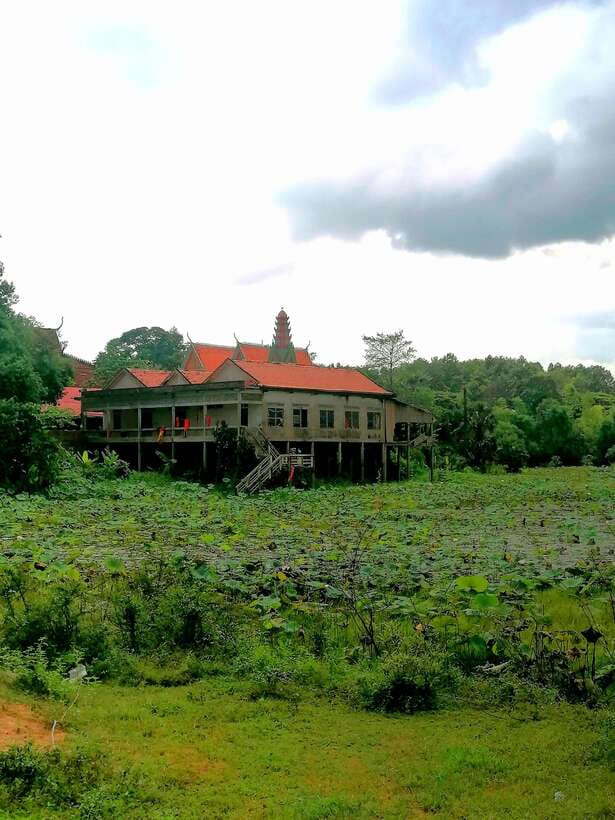
- Lunch in a surrounding village and the chance to eat what you catch if prepared on-site
- A real nature setting with the possibility of snakes and other wild creatures
Why snakehead fishing in Siem Reap rice fields feels different
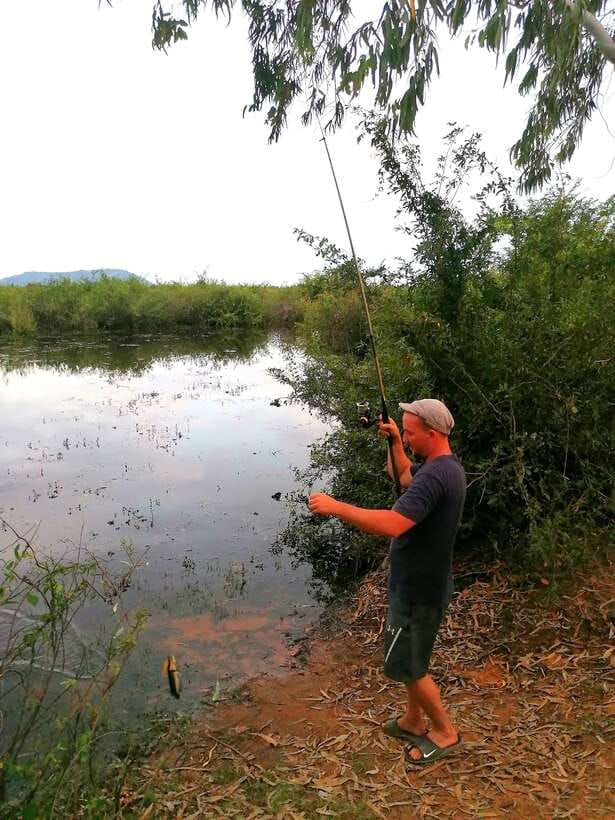
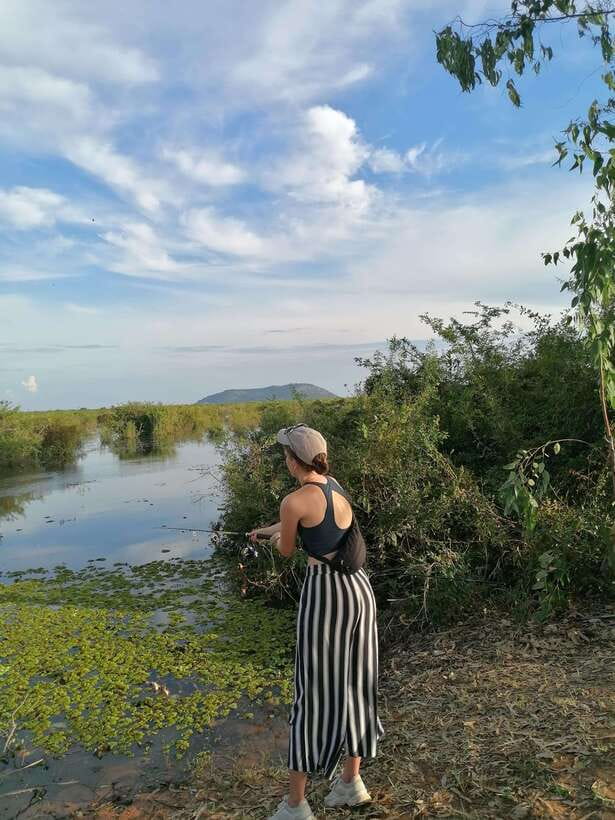
Most fishing trips teach you one thing: how to hold a rod. This one teaches you how rice fields work as fishing environments, because the water level changes and the fish move with it. You’ll learn a local-style topwater approach where the frog bait sits on (or just under) the surface and invites a strike.
The big draw is the moment the snakehead takes the bait. It’s not a slow, gentle nibble. It’s a surface attack, and once you feel that hit, you understand why people fish this way for hours. It’s active, visual, and very hands-on.
I also like the cultural side because it’s not a lecture. You meet locals, you fish near them, and the day is built around rural routines rather than staged photo stops. You’ll come away with more than memories; you’ll leave with a better sense of how people live and work outside the main tourist circuits.
You can also read our reviews of more tours and experiences in Siem Reap
7 a.m. scooters, 20 to 30 km out, and why the early start matters
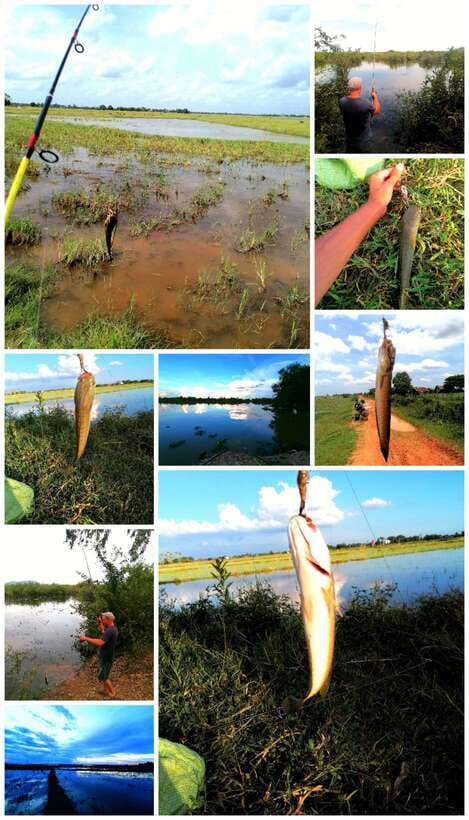
You’ll start at 7:00 a.m., with hotel pickup in Siem Reap. From there, you ride by motorcycle or scooter to villages roughly 20–30 km from town, depending on where the day’s fishing conditions look best.
This early timing isn’t random. Rice-field fishing often depends on daily water conditions and on when the best spots are accessible. Going early also means cooler air and better light for seeing what’s happening on the water’s surface. You’ll feel the “morning work” tempo that locals deal with every day.
Practical reality: you’ll be on a scooter, so wear clothes you don’t mind getting dirty and plan for sun. If you’re prone to feeling carsick, you might want to sit in a stable position and stay hydrated from the start.
Village markets before the fishing: daily Khmer life in plain view
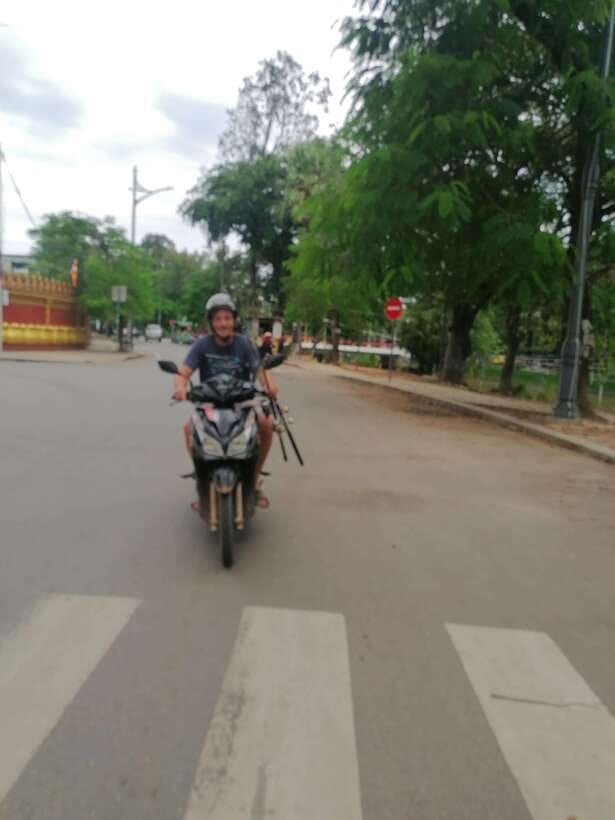
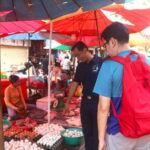
Before you head to the rice fields, you stop at a local market. It’s a short stop, but it gives you a quick, grounded look at Khmer life—how people shop, move, and talk in the neighborhood rhythms that don’t show up in temple-only itineraries.
This is also a useful mental warm-up. Seeing market life first helps you understand the rest of the day as part of an everyday ecosystem, not a separate “activity.” You’ll then step from that human world into the working landscape of water, mud, and rice.
You might find that the pace here is slower than you expect. That’s a good thing. It gives you time to ask questions and absorb how the community thinks about work, food, and fishing.
Getting your tackle and frog bait casting rules
Once you reach the fishing spot, you’ll get an introduction to the tackle and the basic rules for topwater fishing. You’ll use frogs as bait, which changes everything compared with worms or lures. Your job is to present the bait naturally enough to trigger a strike, without spooking the water or wasting casts.
Before you start fishing hard, you’ll get a small snack. It sounds minor, but it matters when you’re learning a new technique while your body is still adjusting to the early morning start. You’ll feel steadier once you’re casting again, and your focus will last longer.
Listen carefully during the tackle briefing. The tour is simple by design: learn the essentials, then apply them again and again. If you ask questions on how to handle the bait and how to read the water, you’ll get better results faster.
The snakehead bite: reading the water and reacting fast
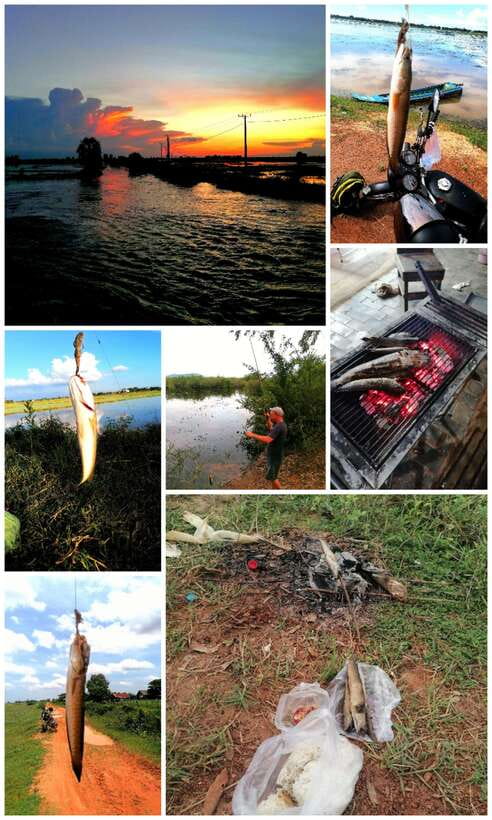
Then comes the part everyone remembers: the strike. The goal is to catch snakehead fish using a surface attack on frog bait. When the fish grabs the bait, you need to react quickly and manage the line so you can land it.
Even if you don’t land every fish, you’ll still learn from each attempt. Topwater fishing is partly technique and partly timing—when the bait looks right and when the water is calm enough for a bite to happen clearly. The more casts you get, the more you pick up on patterns.
From a confidence standpoint, I think this is one of the best formats. You’re not guessing what to do; you’re practicing a method the guide teaches you. The day gives you multiple chunks of fishing time, including a possible second stop later, so you have chances to improve instead of burning through the whole method in one short window.



Lunch in a nearby village and what happens to your catch
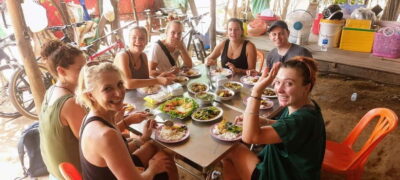
After a morning session, you’ll have lunch in one of the surrounding villages. This keeps the day tied to the rural rhythm rather than turning it into a pickup-and-drop cycle. You also get a break from the heat and sun, which helps you enjoy the afternoon fishing instead of surviving it.
If you catch snakehead fish, the tour setup allows for the fish to be prepared and eaten on the spot if you want. One past group specifically described cooking what they caught on a fire beside the lake, continuing to fish afterward. That’s not just about food; it’s about how long fishing days function when your meal comes from the water you’re working.
If eating your catch matters to you, go in with a flexible attitude. You’ll be in a village environment, so it’s less about restaurant standards and more about living with the way people handle food day-to-day.
Afternoon fishing: moving spots based on water level and fish stock
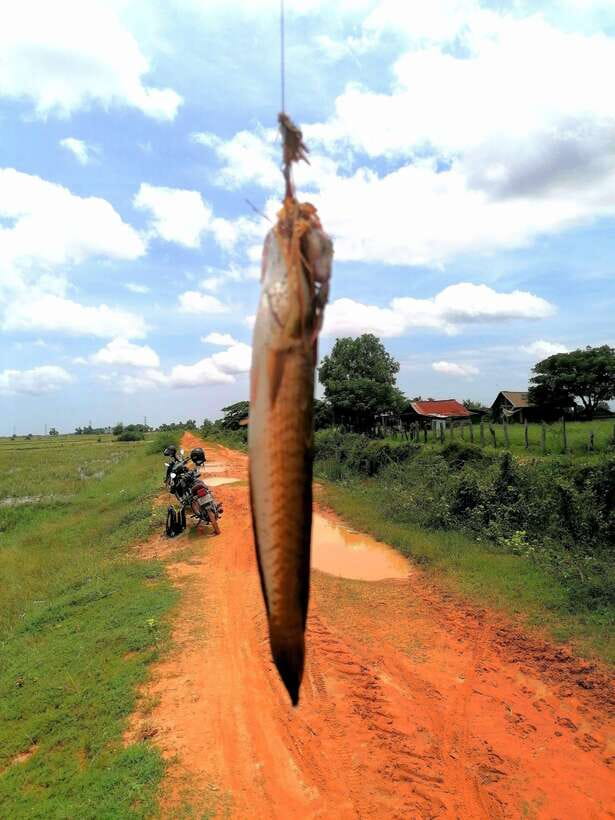
Later, you’ll strengthen up again and head to another fishing spot if needed. The day is designed around changing conditions. Spots can vary depending on water level, and the second fishing round can depend on fish stock.
That means you’re not locked into one postcard view all day. You may relocate to keep the fishing productive, and you’ll feel the day adapt. For many people, that’s a feature, not a bug. It’s a reminder that rural work responds to nature instead of forcing nature to obey a schedule.
This also explains why the tour length is about 10.5 hours. You’re given time to learn, try, pause for meals, and fish again. If you’re the type who gets restless with rigid plans, this adaptive structure usually works well.
Nature in the fields: snakes, wild creatures, and staying sensible
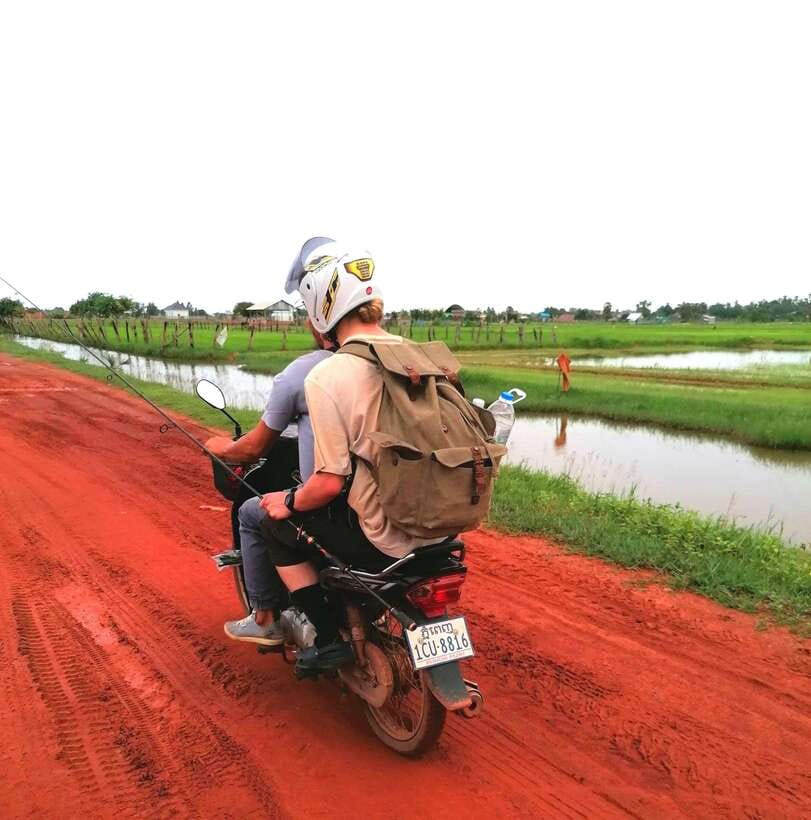
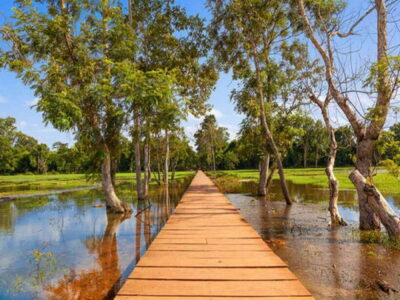
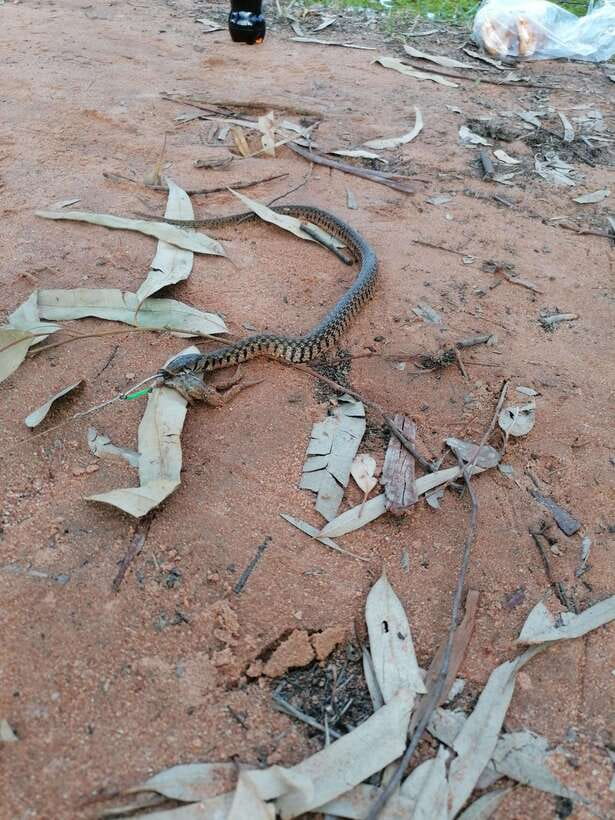
Rice fields are working environments, and they come with real nature risks. It’s not uncommon to encounter snakes or other dangerous wild creatures, so the tour is built as an adventure with an outdoors mindset.
You can’t eliminate risk, but you can manage it. The best approach is to follow the guide’s instructions, stay aware where you’re stepping, and avoid wandering away from the group. Wear clothes that can get dirty, and keep your sun protection on—because being distracted by heat is its own kind of hazard.
I’d also treat this as a reminder to bring the basics seriously: good sun coverage and head protection. When you’re in fields all day, sun can sneak up on you fast.
What to bring so the day stays comfortable
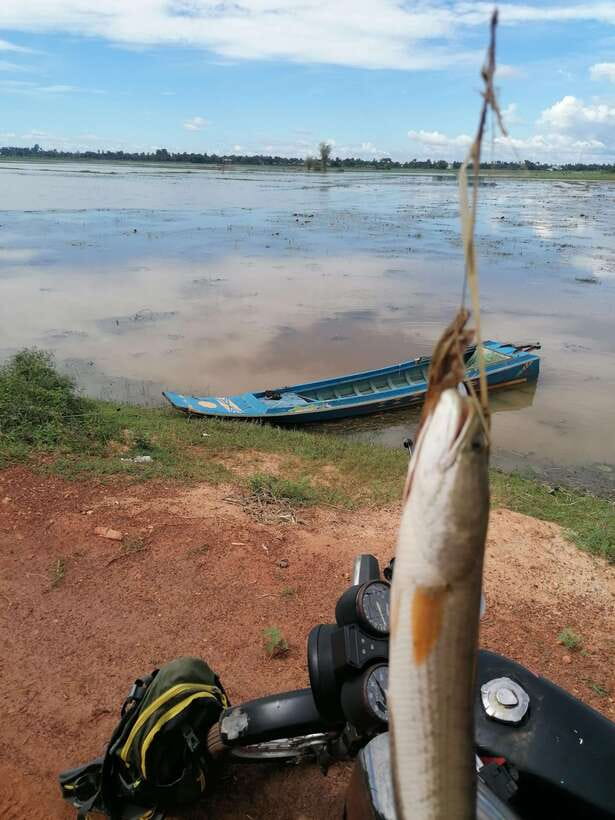
The tour gives you fishing equipment, but you handle your own comfort and safety. Bring:
- Sun hat
- Head covering or kippah
- Sunscreen
- Clothes that can get dirty
You’ll also want to wear something you don’t mind if it gets wet or dusty. Scooter rides plus rice-field terrain can mean unexpected splashes or mud. A good rule: if your outfit is too nice, leave it at the hotel.
And yes, you’ll be in Cambodia’s outdoors heat for much of the day. Water is included, but you should still sip steadily instead of chugging at the end.
Price and value: what $68 gets you (and what it costs in effort)
At $68 per person, you’re paying for a long, guided day with transport, meals, and fishing gear—plus real instruction in a technique most visitors don’t get. For a tour that runs about 10.5 hours, includes pickup from any hotel in Siem Reap, and keeps the group private for up to 4 people, the value comes from two places:
1) You’re not doing this alone. You’re learning the topwater frog-bait method and fishing alongside locals. That coaching is hard to replicate by yourself without connections.
2) You’re getting a full-day rural program. Markets, village lunch, two possible fishing sessions, and time in the rice fields are built into the day, not added as optional extras.
The trade-off is time and physical comfort. You’ll start early, ride by scooter, and spend hours in outdoor conditions. If you want a low-effort day with guaranteed comfort, this may feel like too much. If you want hands-on rural life and are okay with heat and mud, it’s a strong deal.
Who this tour is best for
This fits best if you:
- Enjoy active outdoor experiences more than sitting in a van
- Want a break from the temple-centered side of Siem Reap
- Like learning skills you can describe to friends later
- Prefer small-group attention where you can ask questions during the fishing
It might be less ideal if you:
- Hate early mornings and long days
- Have trouble with scooters or getting a bit dirty
- Are uneasy about being in nature where you could encounter snakes or other wild creatures
If you’re middle-of-the-road and curious, I think you’ll still enjoy it, especially because the day is paced with snacks and lunch and the guide teaches the basics before you cast for real.
Should you book this Siem Reap rice-field fishing day?
I’d book it if you’re craving something practical and different from the usual “see sights, take photos, repeat” rhythm. The standout value is the method: frog-bait topwater fishing for snakehead, taught in the middle of working rice fields, alongside local life.
Book it if you can handle a 7 a.m. start and you’re ready for an outdoor day. Bring the right clothing, follow the guide’s lead in the field, and go with curiosity instead of strict expectations about catches.
If you’re mainly looking for a comfortable, predictable day with minimal risk and minimal mess, this isn’t that. But if you want real rural Cambodia—markets, village lunch, rice-field fishing, and the thrill of a surface strike—this is the kind of day you’ll talk about long after Siem Reap fades.
FAQ
Where does this experience take place?
It takes place in Siem Reap Province, with travel from Siem Reap to nearby villages and rice-field fishing spots.
What time does the tour start?
It starts early in the morning at 7:00 a.m.
How long is the tour?
The duration is 10.5 hours.
How many people are in the group?
It’s private for a maximum of 4 participants. For groups larger than 4, you’ll need to contact the provider.
What languages are spoken on the tour?
The instructor speaks German and English.
What’s included in the price?
Transportation from your specified hotel and back, water, 1 soft drink per person, snacks, lunch, and fishing equipment are included.
What kind of fishing do you do?
You fish using topwater rules with frogs as bait, targeting snakehead fish.
Do you eat the fish you catch?
The fish can be prepared and eaten on the spot if required, just like locals do when they’re out fishing.
What should I bring?
Bring a sun hat, head covering or kippah, sunscreen, and clothes that can get dirty.
Is hotel pickup included, and when do I need to be ready?
Yes, pickup is included from any hotel in Siem Reap. Be in the hotel lobby 15 minutes before pickup.
Can I cancel for a full refund?
You can cancel up to 24 hours in advance for a full refund.