REVIEW · SIEM REAP
Siem Reap: Kulen Mountain, Beng Mealea, and Kampong Phluk
Book on GetYourGuide →Operated by Passion Indochina Travel Co.,Ltd. · Bookable on GetYourGuide
A day trip where the temples mix with real village life. You get Kulen Mountain (birthplace stories linked to the Khmer Empire) and the iconic Reclining Buddha in one long, eye-opening circuit. I like how the route doesn’t feel like just stamp-taking; it ties holy places to everyday Cambodia.
My favorite moments were the River of a Thousand Lingas blessing stop and the way Beng Mealea feels like a “broken puzzle” you can actually walk through thanks to newer walkways. One thing to consider: it’s a full 10-hour push, and the biggest entry fees aren’t included, so your total cost can rise fast.
In This Review
- Key Things I’d Circle in This Tour
- Getting to Kulen Mountain: Preah Dak villages and Palm Sugar Village
- Phnom Kulen: Preah Ang Thom Pagoda, Reclining Buddha, and holy-water blessing
- Kulen Waterfall time: how to make the most of 90 minutes
- Beng Mealea: a 12th-century temple in pieces (and why the walkway matters)
- Kampong Phluk on Tonle Sap: fishing life, floating houses, and mangrove forest
- Price and logistics: what $85 really means in real costs
- Who should take this tour (and who might want to adjust expectations)
- Should you book this Siem Reap day trip?
- FAQ
- What time is hotel pickup for this tour?
- How long is the experience?
- What’s included in the price?
- What main entrance fees are not included?
- Do I need the Angkor pass for Beng Mealea?
- Is the tour guide available in English?
Key Things I’d Circle in This Tour
- Phnom Kulen National Park stops that combine pagoda sights with a holy-water ritual
- River of a Thousand Lingas carvings on the river floor, plus a blessing moment
- Beng Mealea’s wooden walkway that makes the wrecked temple easier (and safer) to explore
- Kampong Phluk boat ride to fishing life on Tonle Sap, plus mangrove scenery
- Plenty of small photo and walk breaks so you’re not stuck in one long van stare
Getting to Kulen Mountain: Preah Dak villages and Palm Sugar Village
Your day starts early, with pickup from your Siem Reap hotel around 7:30 to 8:00 AM. The van ride is part of the experience, because the scenery changes from busy Siem Reap outskirts to quieter, rural roads. Along the way you pass through villages like Preah Dak, where you can see locals going about normal life. Look for rice paddies and traditional houses as you go. It’s the kind of “glimpse” stop that helps you understand the setting for the places you’ll visit later.
One practical stop that I really like is Palm Sugar Village. Here you can watch how Cambodian families make their own sugar for daily use. It’s not a big production. It’s closer to a living workshop, and it gives context for what you’ll see later at holy sites: in Cambodia, belief and daily life often sit side by side.
Also, you’re taken to purchase the Kulen Mountain ticket before heading into Phnom Kulen National Park. That means less time lost on paperwork and lines, and more time moving through the day’s main sights.
If you’re the type who likes to travel with a bit of structure but still have breathing room, this layout works. You get several short stops with guided explanations, then little pockets of time for photos and walking. Your guide is English-speaking, and based on past group experiences with this style of tour, they tend to be patient and happy to answer questions as you go.
Main consideration: this is a day trip that starts early and finishes late-ish, so if you’re planning anything afterward (like a big dinner plan), don’t schedule it too aggressively.
You can also read our reviews of more tours and experiences in Siem Reap.
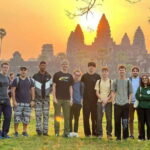
Phnom Kulen: Preah Ang Thom Pagoda, Reclining Buddha, and holy-water blessing
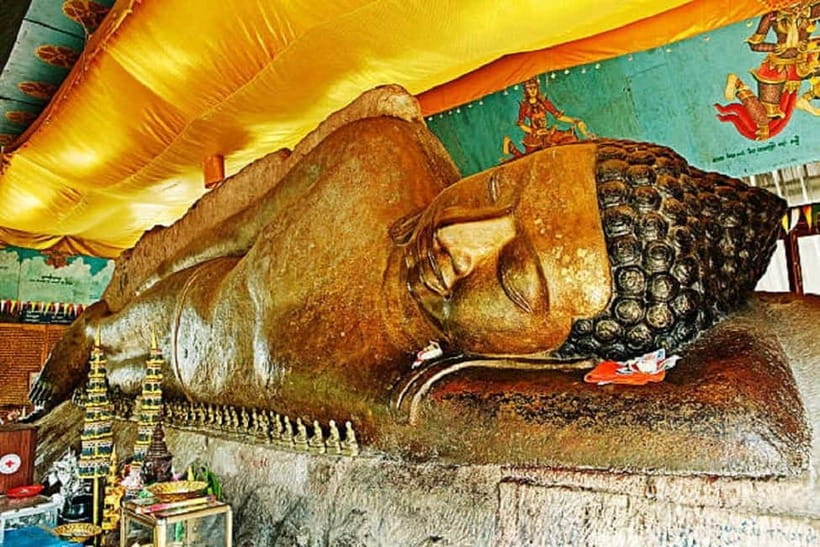
Once you’re in Phnom Kulen National Park, the trip feels like stepping into a living spiritual route. The area is considered a holy mountain with religious importance for both Hindus and Buddhists. You’ll feel that quickly once you’re at the pagoda sites.
The highlight is the Preah Ang Thom Pagoda, where you see the world-famous Reclining Buddha. This isn’t just a statue stop. Your guide explains what you’re looking at and gives the background for why people come here. You’ll have a mix of guided time and walking time, so you can move around, take photos, and slow down when the mood hits.
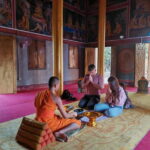
Then comes one of the most memorable stops on the entire itinerary: the River of a Thousand Lingas. The details here matter. The river floor is adorned with intricate Shiva Linga carvings, and the site is treated as sacred. You’ll also get a chance to receive a blessing the traditional way—using holy water from the sacred river.
A quick note on expectations: for a lot of people, this is the moment the tour stops being sightseeing and becomes something more personal. Even if you’re not deeply religious, it helps to approach it respectfully and with a calm pace. Follow the guidance from your guide, and you’ll get more out of the moment.
Timing-wise, the tour includes stops for photos and short guided talks, plus some free time inside the park route. That makes it easier to handle the heat and crowds (and yes, there can be both). If you like your photos, this is also a good place to ask your guide for help setting up shots—this kind of tour tends to include people taking pictures for you, not just you wandering around hoping for good light.
Kulen Waterfall time: how to make the most of 90 minutes
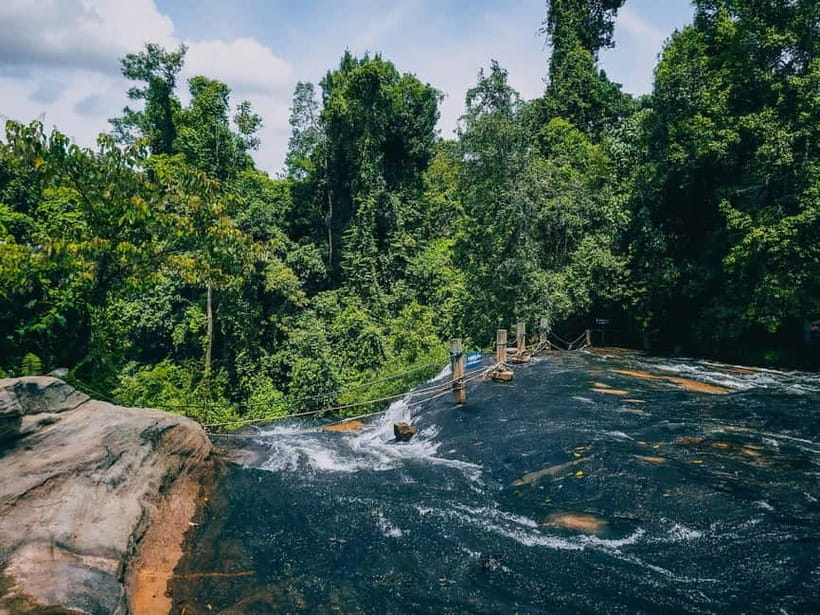
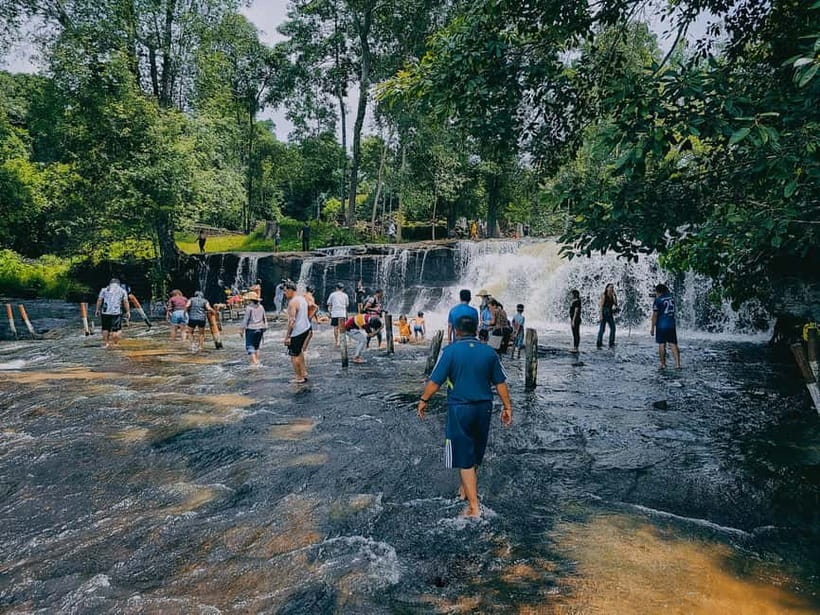
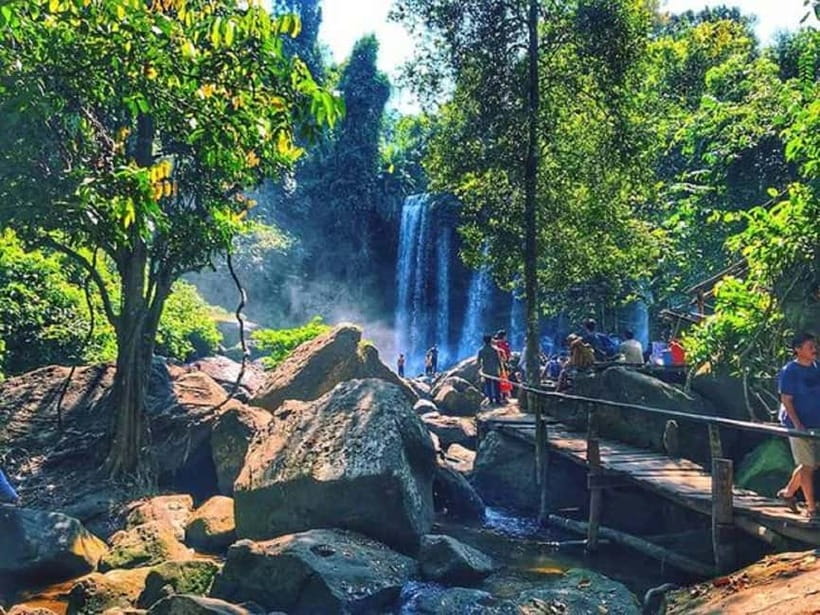
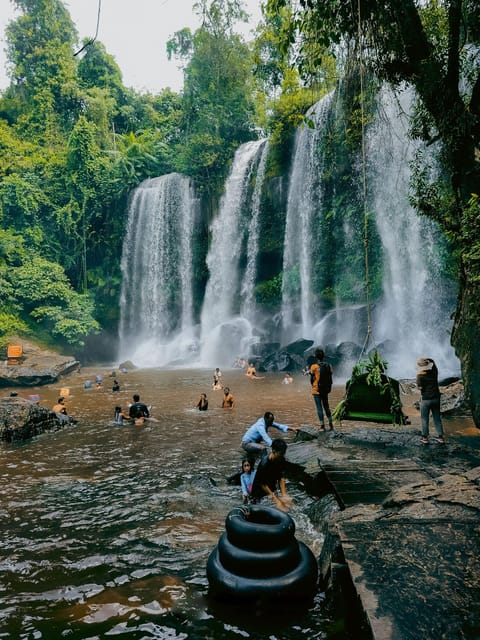
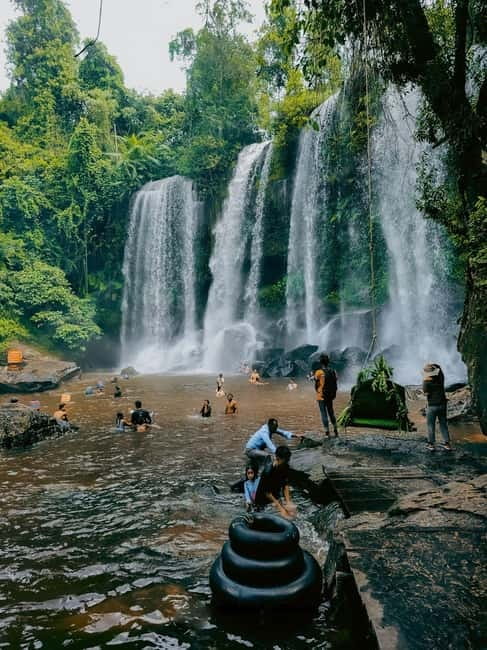
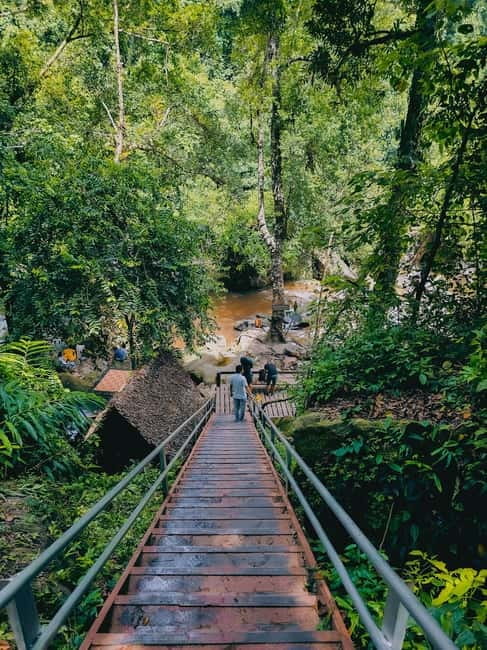
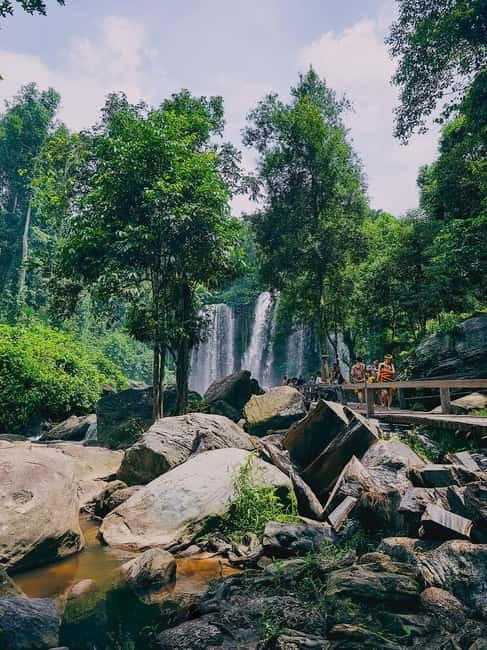
After the pagoda and the river stop, you’ll head toward Kulen waterfall. In the itinerary it’s listed as about 1.5 hours, including breaks, photos, and time to walk and enjoy the area.
This is a great stretch if you want nature without turning the day into a hiking marathon. The waterfall area gives you a break from stone and carvings and a different kind of sensory experience: the sound of water, cooler air in spots, and a more open feeling after the temple stops.
Two practical tips that help here:
- Wear shoes you don’t mind getting a little wet or muddy. The ground can be slippery around water.
- Keep your phone and camera safe if you’re near splash zones.
Also, because this tour is designed as a tight “three major stops” circuit (Kulen → Beng Mealea → Kampong Phluk), this waterfall time is intentionally limited. You don’t need to treat it like a full-day hike. It’s more like a nature palate cleanser between temple scenes—use it to reset.
Beng Mealea: a 12th-century temple in pieces (and why the walkway matters)
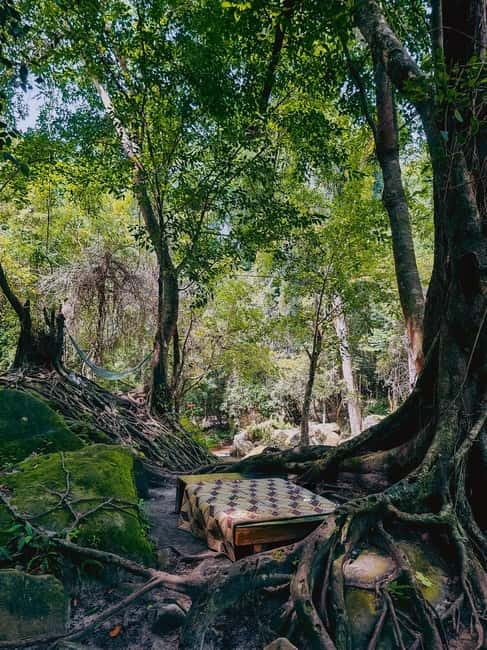
After lunch break time, you continue to Beng Mealea, the jungle-clad temple that many people remember as one of Cambodia’s most atmospheric ruins. This temple dates to the mid 12th century, and it carries both Buddhist and Hindu traits. That blend is part of what makes Beng Mealea feel different from other Angkor-era sites.
Here’s the key visual: the temple is in a state of serious disrepair, often described as a giant jigsaw puzzle. You’ll find broken stone corridors, overgrown edges, and a maze-like feel that makes you slow down and look up as much as you look ahead.
Now for the big practical upgrade: Beng Mealea has become more accessible with the addition of a wooden walkway throughout much of the structure. It provides safer access and a bit of elevation, which can improve your views while keeping you moving without guessing where the ground will hold.
This is also one of the places where timing matters. The tour notes that it’s particularly mesmerizing in the wet season. Even if you’re not traveling in heavy rains, you can still feel the “moody ruin” vibe—this isn’t a polished, perfectly restored complex. It’s a ruin you navigate with your eyes and your feet.
What I’d focus on while you’re there:
- Photo angles that show layers: stone, trees, and sky.
- Guided explanations that help you understand the mixed influences (Buddhism and Hinduism) rather than only seeing it as “a cool pile of rocks.”
- Taking short pauses. Beng Mealea rewards slow looking.
If you dislike uneven ground or you’re very uncomfortable with stairs and rocky textures, Beng Mealea might feel more challenging than the other stops. But the walkway helps a lot, and the guide keeps things organized so you’re not wandering totally blind.
Kampong Phluk on Tonle Sap: fishing life, floating houses, and mangrove forest
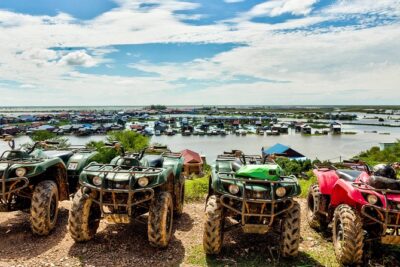
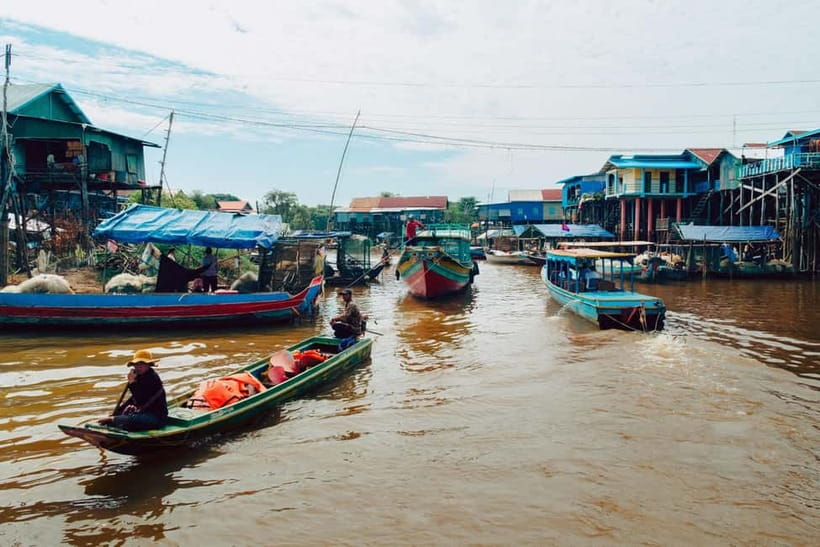
From Beng Mealea, you shift into a totally different world: Kampong Phluk, on the Tonle Sap lake. This part of the day feels lighter, even if it’s still action-packed, because you’re traveling by water and seeing how people live where the seasons change everything.
You’ll take a local boat to explore the floating village. The area is made famous for families who earn income mainly from fishing. Many homes sit on the lake shore in brightly colored houses on long poles. The advantage here is practical: when water levels rise in the rainy season, those houses can stay above the flooding. That’s not just a scenic fact. It’s how daily life works.
The tour also includes time for walking and exploring around the village area with your guide. You get a chance to see firsthand what “living on the lake” means beyond postcard photos.
Then you’ll head into the mangrove forest surrounding Kampong Phluk. The tour describes this area as home to crab-eating macaques and also mentions about 3,000 inhabitants connected to the local community. That mix of wildlife and human life is part of the reason the place feels so alive.
Finally, there’s a visit to a Buddhist monastery built on an artificial island. That’s a small but meaningful transition from boats and houses to spiritual space—again, belief and daily work sit close together here.
Two things to keep in mind for this part:
- Bring sunglasses or a hat if the sun hits hard. Time on the water can be bright.
- Expect water-level changes to affect what you can see and how the shoreline looks. That’s normal for Tonle Sap.
Price and logistics: what $85 really means in real costs
The tour price is listed at $85 per person, and it’s a solid deal for a day that strings together three major experiences: Kulen Mountain (holy mountain + reclining Buddha + Thousand Lingas), Beng Mealea (jungle temple ruins), and Kampong Phluk (Tonle Sap boat village + mangroves).
But here’s the part you should do the math on early: the biggest sites have extra entry fees not included.
- Kulen Mountain admission: US$20 per person
- Beng Mealea pass: US$10 per person or you can use a valid Angkor pass
- Tonle Sap lake pass with boat ride: US$15 per person
So depending on whether you already have the right Angkor pass, your total can land around $120 to $130+ per person for the core sightseeing. That’s still reasonable for the amount of driving, guided time, and the included boat components—but it’s not a “cheap add-on.” Plan your budget like a day tour with entry fees.
What’s included is useful:
- Hotel pickup and drop-off
- A/C transportation by car or minivan
- English-speaking tour guide
- Mineral bottle of water
- Towels
- Seasonal fruits
Not included: alcohol or soft drinks. You’ll also have a lunch break, but the tour doesn’t list meals as included here, so it’s smart to be ready to buy food or snacks.
Value verdict? I’d call it fair-to-good value if you want a structured day that hits the big-ticket sights beyond Angkor’s main temple circuit.
Who should take this tour (and who might want to adjust expectations)
This is a great choice if you:
- Want variety in one day: spiritual mountain stops, broken temple ruins, and lake life by boat.
- Like guided context—especially for the Shiva Linga carvings and the meaning behind the holy-water blessing.
- Prefer a tour where the guide helps keep things moving without rushing you through every photo.
It’s also a good fit for couples and small groups because the day is busy enough that you’ll appreciate not figuring out transport between distant sites on your own.
You might want to reconsider or adjust your plan if you:
- Hate long, full days. You’re looking at about 10 hours total.
- Get worn down by early starts. Pickup is between 7:30 and 8:00 AM.
- Have trouble with uneven ruin terrain. Beng Mealea is made more walkable by the wooden walkway, but it’s still a ruin environment.
The vibe of the guide also seems to matter a lot here. In past experience with this style of tour, guides are usually patient and good at explaining what you’re seeing. If you like asking questions, you’ll likely feel comfortable doing so.
Should you book this Siem Reap day trip?
Yes, I’d book it if your goal is a one-day taste of Cambodia that goes beyond Angkor ticket lines. The combination of Kulen’s sacred sites, Beng Mealea’s wrecked-by-time temple maze, and Kampong Phluk’s lake-and-mangrove life is exactly the kind of “big picture” travel day that pays off.
But book it with eyes open: you’ll want to budget for the separate fees (Kulen, Beng Mealea, and Tonle Sap/boat), and you’ll need to handle a packed schedule.
If you’re a photo person, ask your guide for help with angles and timing at the major viewpoints. The guides on these tours tend to be good at getting people set up for shots. And if you like places where daily life is part of the scenery, this route delivers.
FAQ
What time is hotel pickup for this tour?
Pickup is from your hotel in Krong Siem Reap at around 7:30 AM or 8:00 AM.
How long is the experience?
The tour duration is 10 hours.
What’s included in the price?
Included are hotel pickup and drop-off, transportation by A/C car or minivan, an English-speaking tour guide, mineral bottled water, towels, and seasonal fruits.
What main entrance fees are not included?
Not included: Kulen Mountain admission (US$20 per person), Beng Mealea pass (US$10 per person) or use of a valid Angkor pass, and a Tonle Sap lake pass with a boat ride (US$15 per person).
Do I need the Angkor pass for Beng Mealea?
You can pay the Beng Mealea pass (US$10 per person), or use a valid Angkor pass for entry.
Is the tour guide available in English?
Yes, the tour includes an English-speaking live guide.
If you tell me your travel month and whether you already have an Angkor pass, I can help you estimate your total cost more accurately.