REVIEW · SIEM REAP
2-Days Private Tour Discovery Angkor Wat , Waterfall and Beng Mealea Temple
Book on Viator →Operated by Siem Reap Experience · Bookable on Viator
A proper Angkor day starts before the sun. This 2-day private route strings together Angkor Wat sunrise with big-name temples, then trades crowds for cooler, quieter ruins at Phnom Kulen and Beng Mealea. You get an English guide and air-conditioned pickup, so you’re not just shuffling around with a map and guesswork.
I especially like the way this tour is built around timing. Start at 4:30am, beat the worst crowds, and you’ll walk through the temples when the stones feel cooler and the mood is calmer. I also like that the guide paces you through the sites to help you avoid the crush of large groups, which makes the storytelling and photos much easier to manage.
One thing to keep in mind: the headline sites are not cheap to enter on your own, because temple tickets aren’t included and meals also aren’t covered. If you’re budgeting tightly, that add-on will shape what “$154” really means for your trip.
In This Review
- Key points before you go
- Why the 4:30am start matters more than you think
- Angkor Wat at sunrise: what to expect on the main steps
- Bayon and Angkor Thom: seeing the 216 faces in context
- Ta Prohm’s tree roots: the popular temple that still feels special
- Banteay Kdei: a calmer finish to day one
- Phnom Kulen National Park: waterfall plus the 1000 linga carving site
- Beng Mealea: the lost temple feel outside the main circuit
- What the private format really buys you (beyond comfort)
- Price and value: what $154 covers, and what it doesn’t
- Practical tips that make your two days easier
- Who this tour suits best
- Should you book this 2-day private Angkor Wat + Kulen + Beng Mealea tour?
- FAQ
- What time does the tour start?
- Is this tour private?
- What’s included in the price?
- Are temple tickets included?
- What temples and sites are visited over the two days?
- Do I get a ticket on my phone?
- What’s the cancellation policy?
Key points before you go
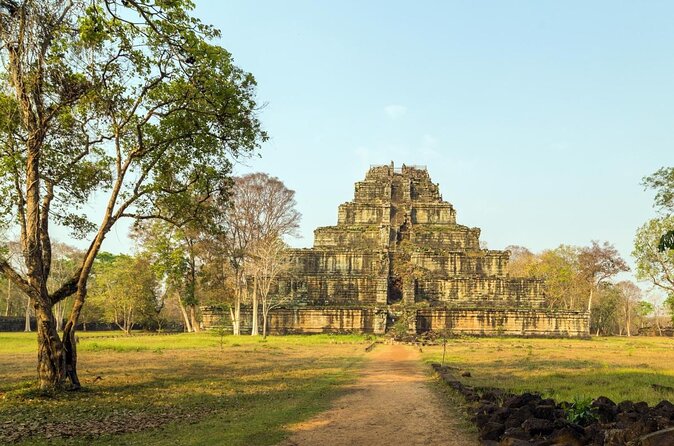
- 4:30am start for sunrise at Angkor Wat, when lines and heat are usually easier to handle
- Private guide flow through major temples to reduce time lost to crowd bottlenecks
- Jungle Temple Ta Prohm plus quieter stops like Banteay Kdei
- Phnom Kulen waterfall and 1000 linga carvings with a very local vibe
- Beng Mealea (70 km away) for a more explorer feel beyond the main Angkor circuit
Why the 4:30am start matters more than you think
Angkor Wat is famous. That also means it gets busy. The practical magic here is the early start time, which puts you on temple steps when visibility is good and the day hasn’t turned into a hot slog.
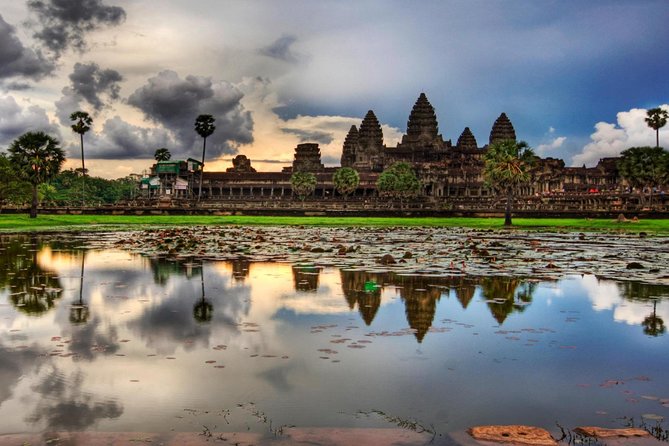
You’ll also notice a difference in how the place feels. Morning light makes the stone glow and the carvings pop. It’s also easier to read the temple layout when your brain isn’t fried from midday heat.
You can also read our reviews of more private tours in Siem Reap

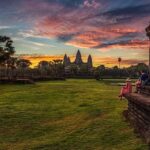
Angkor Wat at sunrise: what to expect on the main steps
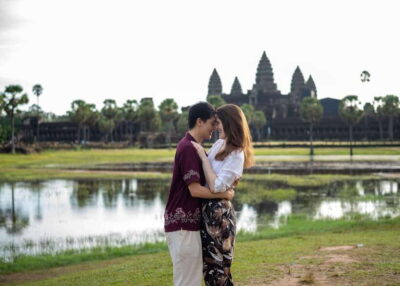
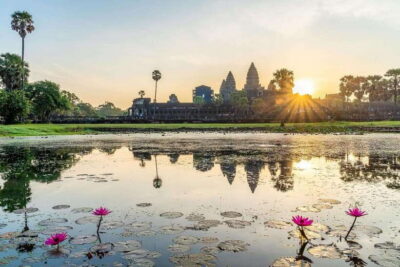
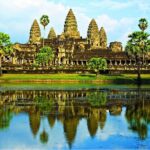
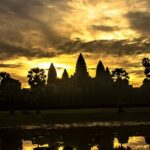
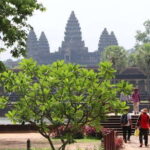
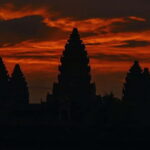
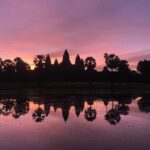
The tour starts at Angkor Wat with a climb to the main entrance and sunrise over the temple and surrounding Angkor ruins. This is the classic moment: you’re there before the day ramps up, and you can watch the light shift across the causeways.
A quick reality check: the admission ticket for Angkor Wat isn’t included. So plan for entry fees separately, and make sure you have whatever you need in advance for smooth entry. Also, remember it’s a Hindu temple complex with deep cultural significance—so keep your voice down, dress respectfully, and follow your guide’s cues.
If you can, add a second Angkor Wat visit at sunset on another day. One helpful tip from past visitors: sunrise is the big wow, but sunset is also special and gives you a totally different light mood.
Bayon and Angkor Thom: seeing the 216 faces in context
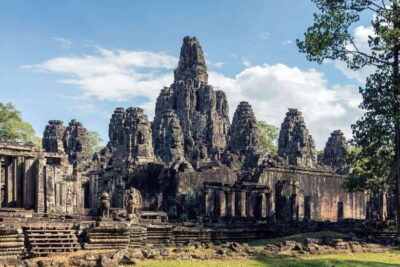
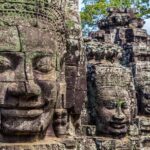
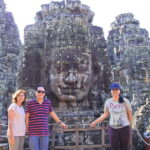
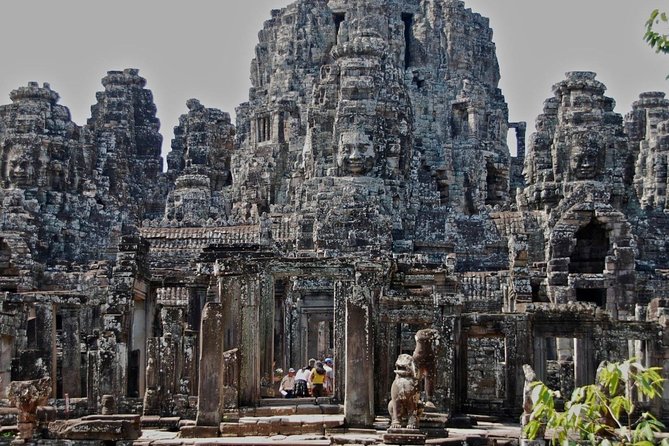
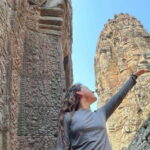
After Angkor Wat, you’ll head into the Angkor Thom area with a stop at the South Gate and time at Bayon Temple. Bayon is known for its towers and faces—originally described as 54 towers and 216 faces of Avalokesvara. Seeing those faces up close is one of those “I get it now” moments, because the emotion in the carvings reads differently depending on the angle and the light.
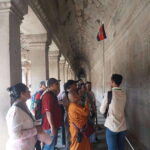
Why this stop works on a private format: the guide can point out what you’re looking at before you get pulled into random photo angles. You’ll spend about two hours here, so you’re not just rushing through.
Watch for the usual temptation: don’t sprint from face to face. Slow down for a few minutes in one spot and let your eyes adjust. You’ll start noticing patterns in the carvings and the way the terraces connect.
Ta Prohm’s tree roots: the popular temple that still feels special
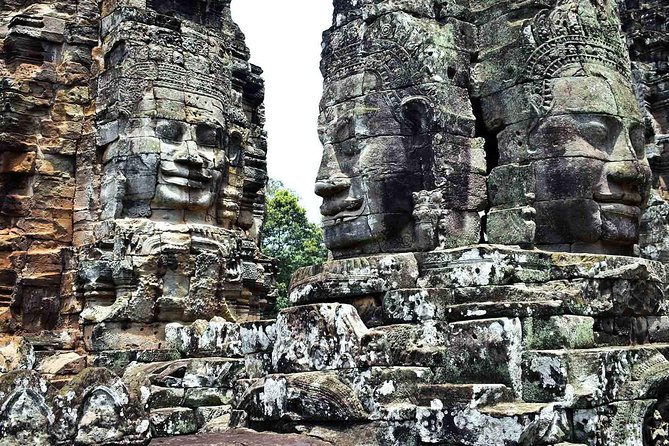
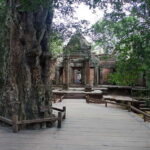
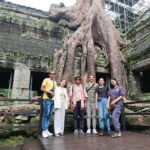
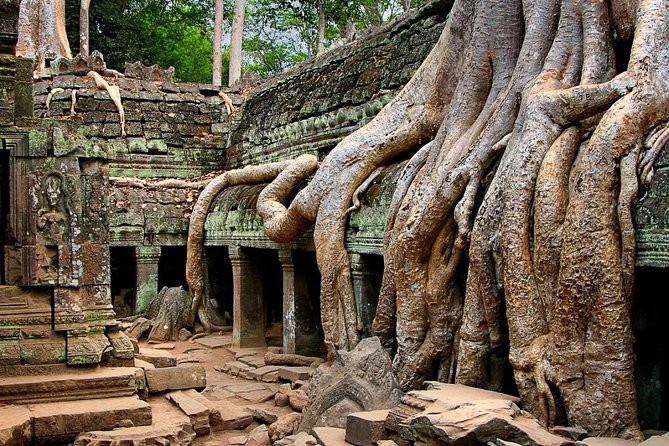
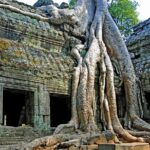
Next is Ta Prohm, often called the jungle or tree temple because of the massive roots wrapped around the ruins. This is one of Angkor’s most photographed sites for a reason, but it can still feel real if you pace yourself.
In a big-group setting, Ta Prohm turns into a moving walkway. In this private setup, your guide helps you manage the flow so you spend more time looking and less time waiting. You’ll get around two hours, which is enough to explore the key sections and still catch those dramatic root-and-stone views.
Practical note: wear shoes you can trust on uneven ground. Roots and stone can be slippery, and you don’t want to think about footing every minute. And bring your patience—Ta Prohm is popular, even early.
Banteay Kdei: a calmer finish to day one
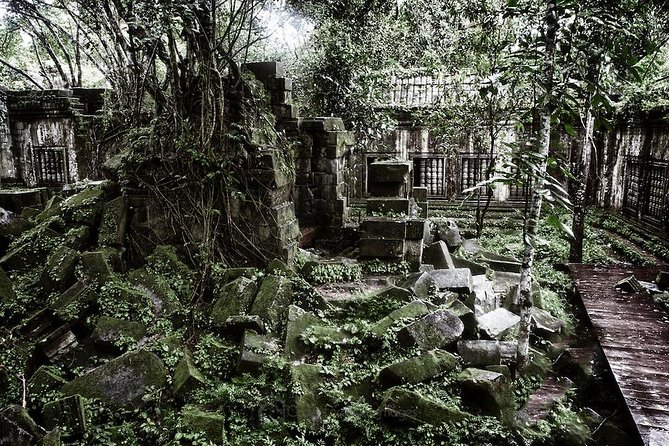
Day one ends with Banteay Kdei, built under King Jayavarman VII in the late 12th century. This stop is valuable because it shifts the tone from the most famous, most crowded zones into something more “walk and observe.”
It’s also a good temple to review what you’ve learned in the first day. You’ll be better at reading the temple structure by now—how the courtyards work, how different buildings relate, and why Angkor’s layout is so intentional.
Expect about an hour here. That’s enough time to appreciate details without your legs turning to sand by the end of the day.
You can also read our reviews of more tours and experiences in Siem Reap


Phnom Kulen National Park: waterfall plus the 1000 linga carving site
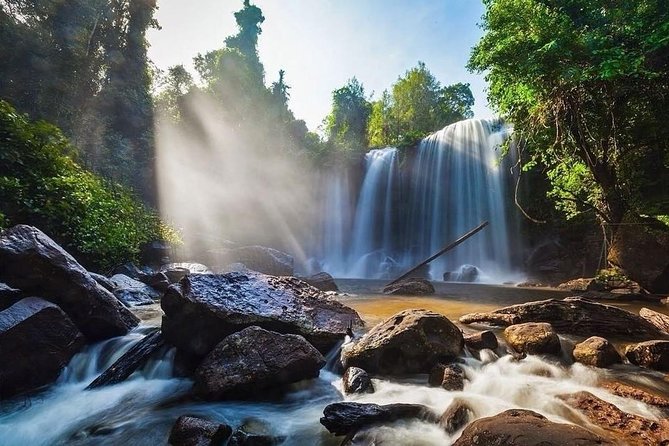
Day two starts with Phnom Kulen National Park, a long stretch of time that’s more about scenery and local life than just major temple snapshots. You’ll spend about six hours here, with the highlight being the waterfalls at the top of Kulen Mountain.
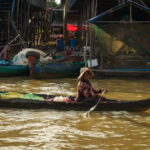
One of the neat cultural details: Phnom Kulen literally means Mountain of the Lychees. And it’s not just a tourist stop; it’s described as a playground for locals. That matters because the atmosphere feels less like a museum and more like a place people use.
You’ll also visit the waterfall and the 1000 linga carving area. Linga carvings connect to Hindu worship traditions, so it’s worth listening closely to your guide’s explanation. Even if you’re not a religion expert, you can still appreciate the meaning and the craft.
Two practical tips:
- Pack for changing conditions around the falls. Water brings humidity and damp stone.
- Bring snacks or plan for food stops wisely, since meals aren’t included in the tour price. If you want a picnic, this is exactly the sort of place where that idea makes sense.
Beng Mealea: the lost temple feel outside the main circuit
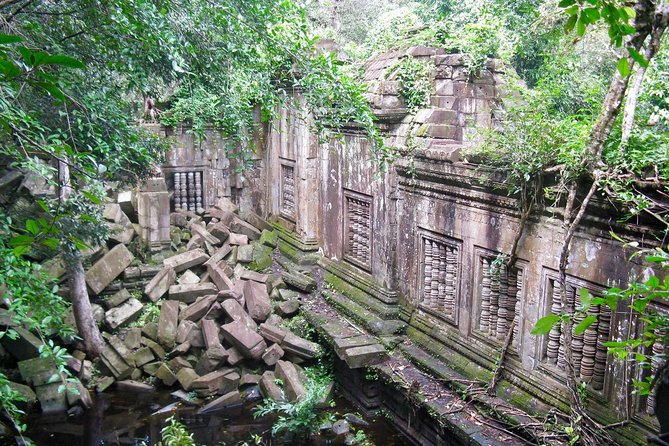
After Kulen, you head to Prasat Beng Mealea, about 70 kilometers north-east of Siem Reap. This is often called the lost temple of Angkor because it feels more remote and less restored than the core sights.
You’ll have about three hours here, which is a strong amount of time for a site like this. Beng Mealea is not just about standing and looking—it’s about moving through the ruins and feeling like you’ve stumbled onto an older, quieter Angkor chapter.
This is also where the “private” element really helps. If you want to slow down and explore side passages or take your time with the stone textures, you can. If you rush, it becomes a checklist. The guide can steer you toward the parts that make the place click.
What the private format really buys you (beyond comfort)
This tour includes an air-conditioned vehicle, plus cold water and a cold towel. That sounds small, but in Cambodia heat it’s the difference between enjoying your day and becoming cranky before lunch.
More important, the private guide format changes how you experience temples. With a good guide, you’re not just collecting images—you’re learning what the architecture is trying to say. From past groups, the names Sen Prourng (guide) and Jamesbone (driver) came up with praise for being friendly and attentive. Another guide mentioned was Paim, specifically connected to a standout sunrise experience.
You shouldn’t expect the same team, but you can expect the same style of help: pacing you, answering questions, and adjusting to what you want to emphasize.
And if you’re traveling with a flexible group, you can usually move through at a human speed—so you don’t spend the day waiting at gates or doing math on the fly.
Price and value: what $154 covers, and what it doesn’t
The tour price is $154 for the 2 days. That’s a fair baseline when you consider the private transportation, an English-speaking guide, early start, and the added time spent outside the main Angkor core on day two.
But the key cost catch is clear: temple admission tickets are not included, and meals aren’t included either. That means your final budget depends on how many official sites you enter and what you choose to eat each day.
Here’s how I’d think about value before booking:
- If you want sunrise timing plus private guidance, this is often worth it compared to piecing together separate tuk-tuk rides and entry logistics.
- If you’re an independent planner who enjoys chaos and walking long distances, you might spend less on guide fees—but you’ll trade away the smooth flow and time savings.
Also factor in that you’ll be awake early. That’s part of the value, but it’s also part of the deal—so plan rest the night before.
Practical tips that make your two days easier
A few things will help you enjoy this route more:
- Start the day with light layers. Mornings can feel cool, and midday can swing hot fast.
- Bring a hat and sunscreen for Angkor Wat and Ta Prohm. Stone shade is helpful, but not everywhere.
- Wear closed shoes with grip. The ground around roots and ruins isn’t always friendly.
- Keep your attitude respectful at religious sites. The tour’s own guidance emphasizes not insulting locals, and it’s good advice. Dress neatly, speak softly, and follow your guide’s lead.
If you’re planning photos, remember that early light helps, but you still need time to frame shots without blocking others. Your guide will help you find good angles while keeping the flow moving.
Who this tour suits best
This is a strong fit if you want:
- A private, guided temple plan with less crowd chaos
- A mix of big-name classics (Angkor Wat, Bayon, Ta Prohm) and less “front-page” picks (Banteay Kdei, Beng Mealea)
- A day-two shift into nature and culture with Phnom Kulen waterfalls and carvings
It’s also a good choice for couples and small groups who want early morning quality without hiring multiple drivers for each leg.
If you want a faster, more minimalist schedule with only the top temples and no longer drives, this might feel like a lot. But for a true two-day Angkor arc, it’s well paced.
Should you book this 2-day private Angkor Wat + Kulen + Beng Mealea tour?
If you like your Angkor days organized—with sunrise timing, a guide who can explain what you’re seeing, and a day two that goes beyond the main circuit—then yes, this is worth serious consideration. The early start and private pacing are the big selling points, and the inclusion of AC transport plus cold water and towel makes the day feel less physically demanding.
I’d say book it if:
- you want sunrise at Angkor Wat without wrestling crowds
- you’re happy to budget extra for temple tickets and meals
- you want both temple drama (Ta Prohm, Bayon) and a more remote feel (Beng Mealea)
I’d hesitate if you’re trying to keep total costs ultra-low, or if you dislike early mornings. In that case, you may be happier building a DIY schedule.
FAQ
What time does the tour start?
The start time is 4:30am for the first day, timed for sunrise at Angkor Wat.
Is this tour private?
Yes. It’s a private tour, so only your group participates.
What’s included in the price?
The tour includes an air-conditioned vehicle, an English tour guide, and cold water & cold towel. Temple admissions and meals are not included.
Are temple tickets included?
No. All temple ticket(s) are not included, so you’ll need to arrange admission separately for each site.
What temples and sites are visited over the two days?
Day one focuses on Angkor Wat, Bayon Temple (South Gate of Angkor Thom), Ta Prohm, and Banteay Kdei. Day two includes Phnom Kulen National Park (waterfall and 1000 linga carving) and Prasat Beng Mealea.
Do I get a ticket on my phone?
The tour features include a mobile ticket.
What’s the cancellation policy?
There is free cancellation. You can cancel up to 24 hours in advance of the experience start time for a full refund.
If you want, tell me your travel dates and group size, and I’ll help you map out a realistic day-two food and packing plan around the long Phnom Kulen hours.