REVIEW · SIEM REAP
3-D Angkor Temples With One Sunrise
Book on Viator →Operated by Happy Angkor Wat Tour · Bookable on Viator
Waking up at 5am feels intense, but Angkor at dawn is special. I like this 3-day set-up because it puts your time where it counts: one focused sunrise at Angkor Wat and a day away from the main grounds on the Tonle Sap lake boat trip. The trade-off is you’ll need to buy major add-on tickets separately, and it’s a lot of early starts even with air-conditioned transport.
You’ll also get an English-speaking guide and cold water, plus the chance to fine-tune the transport (tuk-tuk vs car with A/C) when you book. And if you’re the type who wants to understand what you’re seeing, guides such as Bunleat, Sonoth, Jimmy, and Borey are mentioned by name for doing exactly that. The big consideration: the plan is best for first-timers and time-crunch travelers, not for people who want a slow, flexible sightseeing pace.
In This Review
- Key things I’d plan around before you go
- Why Angkor Wat sunrise beats another full day of temples
- Day 1: Ta Prohm first, then the Pre Rup–Banteay Samre–Banteay Srey loop
- Day 2: One early morning to experience Angkor Wat in its quietest mood
- Day 3: Kompong Kleang on Tonle Sap, plus Roluos temples for a break from the big crowds
- Price and Logistics: what the $150 actually buys (and what to budget next)
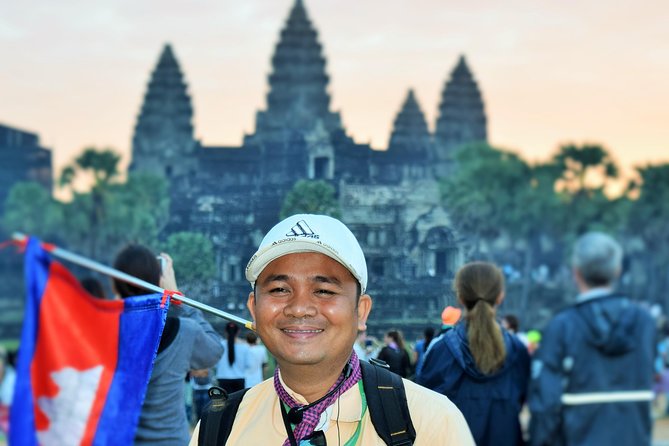
- How the guide shapes your experience (Bunleat, Sonoth, Jimmy, Borey)
- What to expect on the ground: timings, comfort, and how not to waste energy
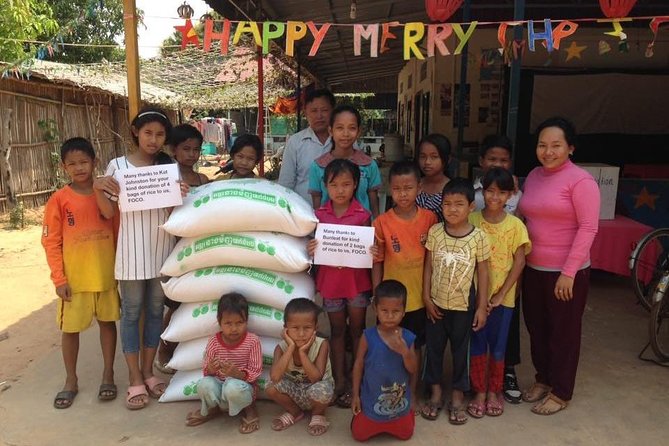
- Community-minded travel: why this operator frames the trip that way
- Should you book this 3-day Angkor Wat sunrise tour?
- FAQ
- What does the $150 price include?
- Are Angkor temple tickets included?
- Is the Tonle Sap boat trip included?
- What time do you start each day?
- Is this tour private or shared?
- Can I request air-conditioned transport?
- Does the tour include meals or accommodation?
- What’s the fitness level requirement?
- What happens if the weather is bad for sunrise?
- What’s the cancellation window?
Key things I’d plan around before you go
- One-dawn strategy: you get the sunrise experience without trying to cram dawn-plus-everything else all day
- Ta Prohm + classic temple circuit: Day 1 focuses on Ta Prohm, Pre Rup, Banteay Samre, and Banteay Srey for a long 7–8 hour block
- Tonle Sap lake day: Day 3 adds Kompong Kleang and its stilted village feel, with a separate boat ticket
- English-speaking guide quality matters: several guides are cited for strong pacing and clear explanations, like Bunleat, Sonoth, Jimmy, and Borey
- Separate tickets add up: expect extra costs for the 3-day temple ticket and the boat tour ticket
Why Angkor Wat sunrise beats another full day of temples
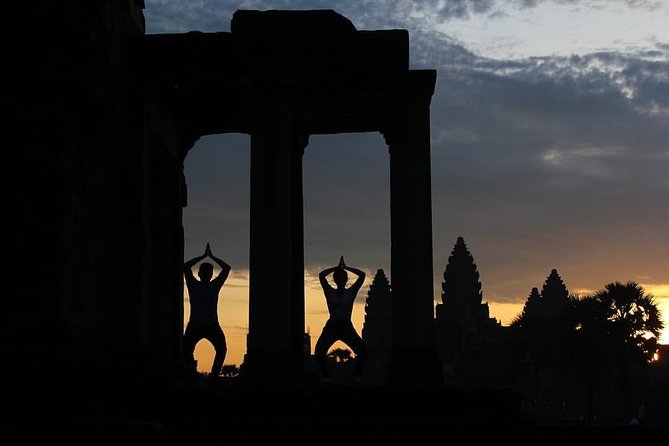
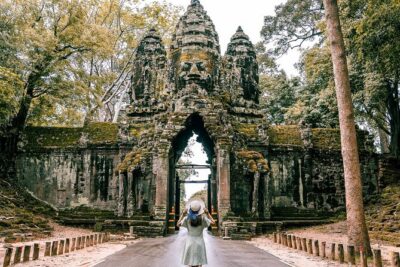
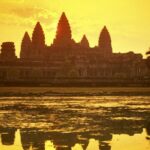
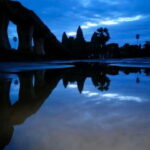
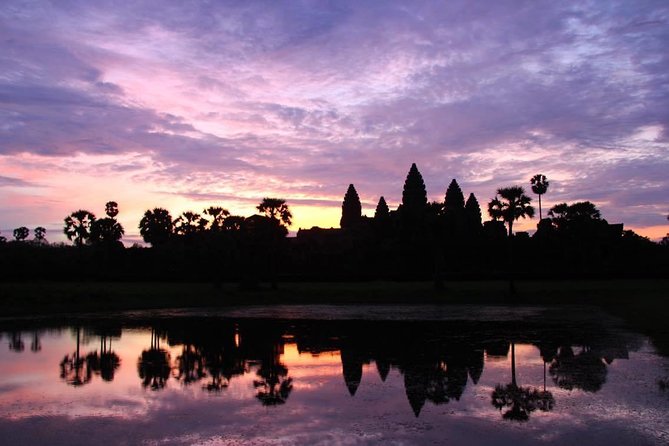
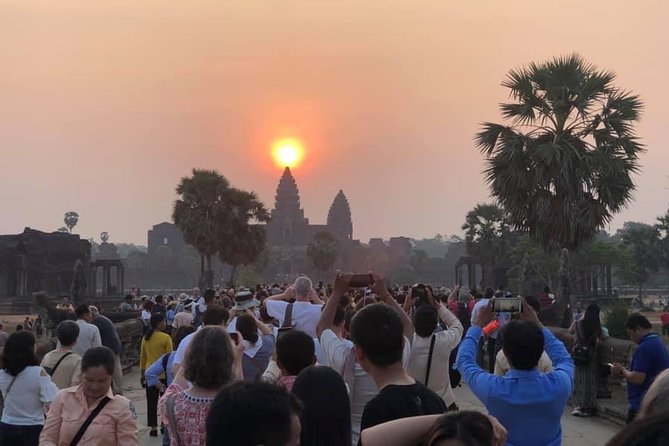
The main reason to pick this style of tour is simple: sunrise at Angkor Wat is the most time-efficient way to experience the site. You’ll be transported at about 5:00am to reach the complex in time, and the schedule is built so you’re there before the heaviest crowds move in. That early light also does something practical. It makes the stone look different. And it turns your walk into a calmer, more manageable experience than mid-morning crowds and heat.
The other advantage of “one sunrise” is that it keeps the plan realistic. You’re not trying to do multiple early mornings, which is where many temple tours fall apart for energy and enjoyment. Expect a long day, though—this is not a quick photo stop. You’ll be on-site early, then the rest of the day is about temple time, not lingering in town.
One note for your planning: sunrise tours require good weather. If conditions are poor, the tour provider may offer a different date or a full refund. So if your travel dates are fixed, you’ll want to keep some flexibility.
You can also read our reviews of more tours and experiences in Siem Reap
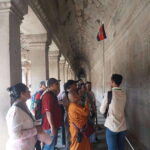

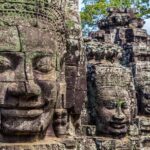
Day 1: Ta Prohm first, then the Pre Rup–Banteay Samre–Banteay Srey loop
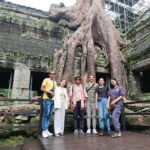
Your day begins with a 7–8 hour temple block built around the more “storybook” Angkor feel, starting with Ta Prohm. This is the one most people recognize, mainly because of the famous tree roots that wrap around the stone. Even if you’ve seen photos, being there in person changes the scale. The roots feel less like decoration and more like nature slowly taking back a city.
From there, the tour moves through a set of temples that help you see variety in Angkor’s style and setting:
- Pre Rup gives you a more stepped, viewpoint-focused feel. It’s the kind of temple where you notice how the design channels sightlines.
- Banteay Samre shifts the mood back toward a more structured layout, still inside the broader Angkor archaeological park.
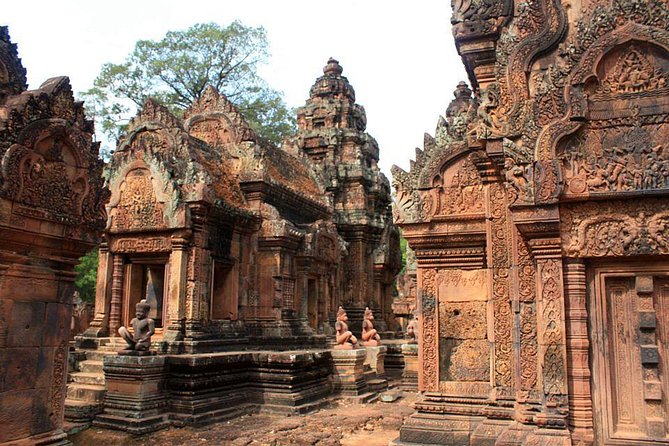
- Banteay Srey is often a favorite because it feels more delicate in detail compared with some of the larger showpieces.
The practical reality: these are long hours on foot and in bright sun after morning. Even with air-conditioned vehicle transfers and cold water, you’ll want sturdy shoes and a plan for heat. If your group has mixed ages, this is where a good guide’s pacing matters. Guides like Sonoth and Borey are specifically referenced for handling families with different needs without turning the day into a sprint.
Day 2: One early morning to experience Angkor Wat in its quietest mood
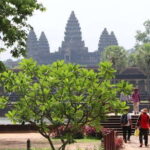
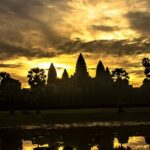
Day 2 is the star: Angkor Wat at sunrise. You’ll start with transport around 5:00am, then watch the light roll across the complex. The tour format is built around the idea that sunrise gives you something most later visits don’t: calm space to orient yourself and actually read the site visually before it gets crowded.
A calm crowd isn’t just comfort. It helps with photos and it makes walking less stressful. You can take a few minutes to step back, notice the geometry, and understand why Angkor Wat feels so controlled and symmetrical compared with the more overgrown temples.
After sunrise, you’ll still spend roughly another full 8-hour day on temples in the Angkor area. The key is that you start the day early enough that the hardest part of the heat isn’t waiting for you when you still have temple energy. If you’ve ever bounced between sites in mid-day sun, you already know why this matters.
For attire, keep it simple: shoulders covered and comfortable clothing you can tolerate in humidity. You’ll likely be walking more than you think, and temples mean uneven stone and steps.
Day 3: Kompong Kleang on Tonle Sap, plus Roluos temples for a break from the big crowds
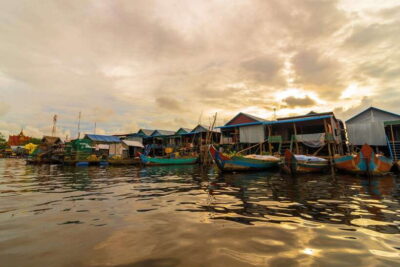
On Day 3 you change gears—this is where the tour earns its “more than Angkor” claim. You head out to Kompong Kleang, described as a stilted and floating village on the Tonle Sap lake. This part is valuable because it gives you context for Cambodia beyond temple walls.
The emotional feel is different here. Instead of monumental stone, you’re looking at real homes and daily life tied closely to the water. The tour includes a boat trip on Tonle Sap, and that’s one of the main separate ticket costs on your budget (boat tour ticket is listed as $30 per person).
The rainy season detail is also useful for expectations. The description notes that in rainy season you can see houses that are usually less visible when water levels change. So if your travel window is rainy, you may see more of the floating edges—and you’ll want to dress for it.
After the lake time, you’ll visit the Roluos group temple area. This gives you one more “classic temple” finish without forcing you into yet another early sunrise. It’s a nice contrast: water life, then stone temples. Many first-timers love this structure because it prevents the trip from feeling like one long photo sprint.
Price and Logistics: what the $150 actually buys (and what to budget next)
The headline price is $150 per person, and it’s described as covering the tour guide and tuk tuk. The tour also includes cold waters, an English-speaking tour guide, and air-conditioned vehicle service is listed as included. At the same time, the provider notes you can ask for a car with A/C for extra money and switch transport when you book (by texting them).
So here’s the practical budget math based on what’s clearly listed as not included:
- Three-day temple ticket: $62 per person
- Boat tour ticket: $30 per person
- Meals, accommodation, and travel insurance: not included
That puts a straightforward total near $242 per person before meals and lodging (and before any insurance you choose). Is it good value? For Angkor, yes—especially because the plan includes both the sunrise experience and the Tonle Sap boat trip, which often means extra logistics on your own. You’re also paying for time and clarity: the guide’s role is to steer you between sites efficiently and explain what you’re looking at, instead of you piecing it together with guesswork.
Two small logistics thoughts to keep you comfortable:
- Start times are early. Day 2 is about 5:00am, even though the general meeting start time is listed as 7:00am. Build in sleep and a simple breakfast plan.
- This is described as a private tour/activity, meaning it’s set up for only your group. That’s great for pacing and questions, even if you’re a small party.
How the guide shapes your experience (Bunleat, Sonoth, Jimmy, Borey)

Angkor isn’t just monuments. It’s religion, symbolism, and Khmer history—things you can miss if you only treat the temples like scenic backdrops. This is where the guide makes the tour feel worth it.
From the experiences shared, the guides named Bunleat, Sonoth, Jimmy, and Borey get consistent credit for doing three things well:
- Explaining history and religion clearly, so the stone design feels meaningful, not random.
- Managing pacing for mixed groups, including families with children and elderly travelers.
- Planning efficiently, especially when your time in Siem Reap is short.
You’ll also see references to practical coordination with drivers and transport. Names like Ang Bong and guides such as Vanny Chhoem show up as part of the on-the-ground team for multi-day trips. Even if you don’t know the names in advance, it signals one point: this operation leans into guided interpretation, not just driving.
What to watch for as you choose: if you care about understanding, ask your guide upfront what you’ll focus on—temple layout, myths and symbolism, or how Angkor fits into Cambodia’s broader story. A good guide will adjust the emphasis without turning it into a lecture.
What to expect on the ground: timings, comfort, and how not to waste energy
Expect a strong rhythm across all three days:
- Long temple blocks with transfers by vehicle
- One early sunrise day
- One water-and-village day with a boat ride
You’ll be offered cold waters along the way, which sounds minor until you’re walking in the heat with temple stone that holds warmth. It’s a small comfort that helps you keep moving instead of stopping every 10 minutes.
The tour is also marked for moderate physical fitness. That usually means you can handle steps and uneven ground, but you shouldn’t expect easy strolling on flat paths. Wear shoes you trust. Bring sun protection. And if you’re sensitive to long days, plan downtime in Siem Reap at night.
One more comfort upgrade option: ask about transport. If you want the smoothest ride between sites, you can request the car with A/C option for extra money. The key is you’re allowed to change transport when you book.
Community-minded travel: why this operator frames the trip that way
The provider’s pitch includes a clear intention: the profit supports their family and gives back to the community. That doesn’t automatically make a tour “good,” but it does tell you what they value. If you care about spending money with operators who reinvest locally, this fits the vibe.
Also, the tour format itself supports that idea. A multi-day local guide and driver arrangement keeps more of your travel spending in the area than DIY tourism where you’re often just paying entry tickets and rideshare costs.
Should you book this 3-day Angkor Wat sunrise tour?
Book it if:
- You’re coming to Angkor for the first time and want sunrise at Angkor Wat without overcommitting to multiple dawns
- You want a Tonle Sap boat trip experience in addition to temples
- You like guided explanations and a structured plan that saves you from decision fatigue
Consider passing (or upgrading) if:
- You strongly prefer flexible, slow days with lots of free time in town
- You hate early mornings. Day 2 starts around 5:00am
- You don’t want to add costs. Temple tickets ($62) and the boat ticket ($30) are separate, plus meals and accommodation
My practical recommendation: treat the package like a smart route, not a casual stroll. If you prepare for early starts and plan for the add-on tickets, this is a good way to get both the big Angkor moment and the Tonle Sap contrast without turning your trip into a chaotic DIY puzzle.
FAQ
What does the $150 price include?
The $150 per person price covers the tour guide and tuk tuk. Included in the experience are an English-speaking tour guide, cold waters, and air-conditioned vehicle service is listed as part of the package.
Are Angkor temple tickets included?
No. The three-day temple ticket is not included and costs $62 per person.
Is the Tonle Sap boat trip included?
The boat trip is not included in the base price. The boat tour ticket is $30 per person.
What time do you start each day?
The meeting start time is listed as 7:00am. For the sunrise day, you’re transported at around 5:00am to reach Angkor Wat for sunrise.
Is this tour private or shared?
It’s described as a private tour/activity, meaning only your group participates.
Can I request air-conditioned transport?
Yes. The provider notes you can ask for a car with A/C for some extra money and that you can change the transport when you book by contacting them.
Does the tour include meals or accommodation?
No. Meals and accommodation are not included, and travel insurance is also not included.
What’s the fitness level requirement?
The tour notes that travelers should have moderate physical fitness, since you’ll be walking through temple areas and moving between sites.
What happens if the weather is bad for sunrise?
The experience requires good weather. If it’s canceled due to poor weather, you’ll be offered a different date or a full refund.
What’s the cancellation window?
You can cancel for a full refund if you cancel at least 24 hours before the experience’s start time. Changes inside 24 hours aren’t accepted, and late cancellations aren’t refunded.