REVIEW · SIEM REAP
From Siem Reap: Angkor Wat and Floating Village 3-Day Trip
Book on Viator →Operated by Asean Angkor Guide · Bookable on Viator
Three days that move fast in Siem Reap. This private tour packs major Angkor hits with lesser-seen stops, then adds Tonle Sap’s floating village life so the trip doesn’t feel like temple overload.
I love that the day starts early with practical help: cool water and towels during the tour, plus hotel pickup and drop-off so you’re not wrestling with tuk-tuks between sites. I also love the way the route mixes big “wow” monuments with smaller, more atmospheric temples, guided by an English-speaking specialist (for example, a guide named Sean and a driver named Mr Sophon were both described as highly professional).
One thing to plan around: key tickets are not included in the $199 base price, and temple/park passes add up fast—plus you’ll be walking in real heat.
In This Review
- Key highlights to notice before you go
- Price and Logistics: What $199 Covers (and What’s Extra)
- A Day-by-Day Route That Balances Big Temples and Real Variety
- Day 1: Angkor Thom, Angkor Wat, and a Sunset Plan at Phnom Bakheng
- Day 2: Banteay Srei, Beng Mealea, Bakong, and Kampong Phluk on Tonle Sap
- Day 3: Sunrise at Angkor Wat and the Temple Sequence That Feels Like a Tour, Not a Sprint
- Heat, Dress Code, and the Little Things That Actually Help
- The Guide and Driver Experience: Why This Trip Can Feel Easy
- Value Check: What You’re Getting for Around $276 Plus Meals
- Should You Book This Angkor Wat and Floating Village 3-Day Trip?
- FAQ
- What’s included with the $199 per person price?
- Do I need to buy the Angkor 3-day pass separately?
- Is the Tonle Sap floating village boat part included?
- Are temple admissions included in the tour price?
- How long is the trip?
- Does the tour include airport pickup and drop-off?
- Is lunch included on the tour?
- What should I wear for the temple visits?
- Is this a private tour?
- FAQ
- What should I do if the weather is bad for sunrise or sunset?
Key highlights to notice before you go
- Angkor pass handled on Day 1 so you’re not stopping mid-morning to sort tickets.
- Sunrise option at Angkor Wat with a realistic 1-hour wait and a local breakfast afterward.
- Beng Mealea brings that Jungle-temple vibe instead of only the postcard Angkor core.
- Kampong Phluk (Tonle Sap) adds real daily-life context with stilt houses and fishing families.
- Cool water and towels keep you comfortable when the sun gets aggressive.
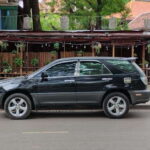
- Private AC transport means fewer waiting games between distant sites.
Price and Logistics: What $199 Covers (and What’s Extra)
The headline price is $199 per person for about 3 days. That includes an English speaking tour guide, private air-conditioned transport, hotel pickup and drop off, and cool water and towels during the tour. You also get breakfast on Day 3.
Now for the part that matters for budgeting: the Angkor 3-day pass is extra at $62 per person, and the Tonle Sap pass plus a private boat ride is $15 per person. Temple admissions are listed as extra too, so the true day-to-day spend depends on what you’re required to pay at each stop.
If you’re looking for a quick value estimate, you’re likely adding $77 in core passes/boat fees to the base price, putting the total around $276 per person before meals. Lunch and dinner (and soft drinks) are on you, and there are planned lunch breaks where you pay at local spots.
Because it’s private transport, you’re not stuck waiting around for other groups to finish photos. That convenience has real value in Angkor, where driving time and heat can drain your energy.
You can also read our reviews of more tours and experiences in Siem Reap
A Day-by-Day Route That Balances Big Temples and Real Variety
This trip is built around a straightforward idea: see the most famous Angkor scenery, but don’t stop there. You’ll move through a sequence that changes mood—from walled city gateways, to major temple complexes, to a jungle-style ruin, and finally to the water-based life of Tonle Sap.
The pacing also reflects the fact that mornings are cooler and evenings are more comfortable. For example, Day 1 includes a possible sunset plan, and Day 3 is built around sunrise at Angkor Wat. That’s a trade-off: early mornings cost sleep, but they pay you back with lighter crowds and more pleasant walking.
You’ll also get a couple of built-in breaks. On Day 1 and Day 2, there’s a lunch pause in the Angkor Park area for about 45–60 minutes, and you’ll eat at a local restaurant you choose on the spot (food isn’t included).
All of this matters because Angkor is enormous. Even when the itinerary says each stop lasts about 25–120 minutes, the real time cost includes walking between photo points, climbing temple stairs, and dealing with heat. This plan tries to keep you moving without turning the whole day into a sprint.
Day 1: Angkor Thom, Angkor Wat, and a Sunset Plan at Phnom Bakheng
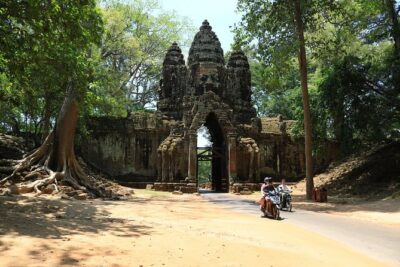
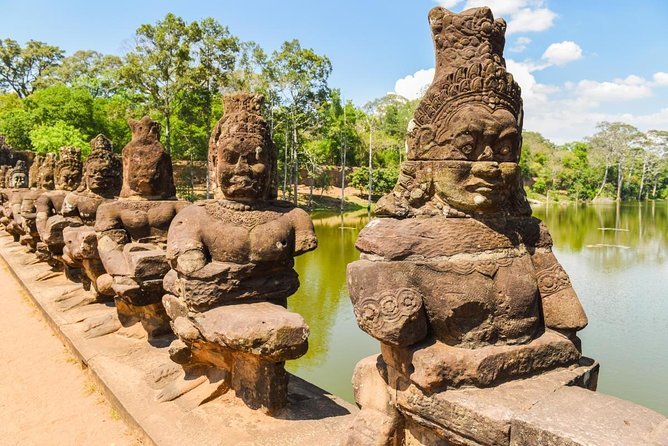
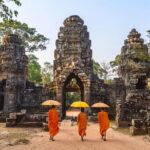
Day 1 starts with Angkor Thom, beginning at the South Gate. This is a smart first move because it gives you context fast: you’re entering the ancient Khmer city layout, not just wandering temple ruins as random stones. Your guide also organizes the schedule so you purchase the Angkor 3-day pass before deep temple time.
From there, you head to the Angkor Archaeological Park area for lunch (about 45–60 minutes). This is one of those practical pauses that prevents later fatigue. You’ll pay for food yourself, but the time window is long enough to actually sit down and cool off.
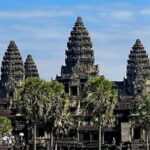
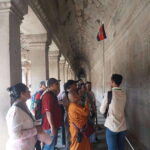
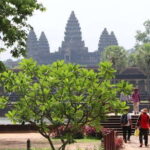
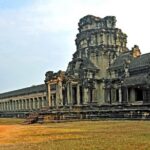
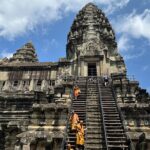
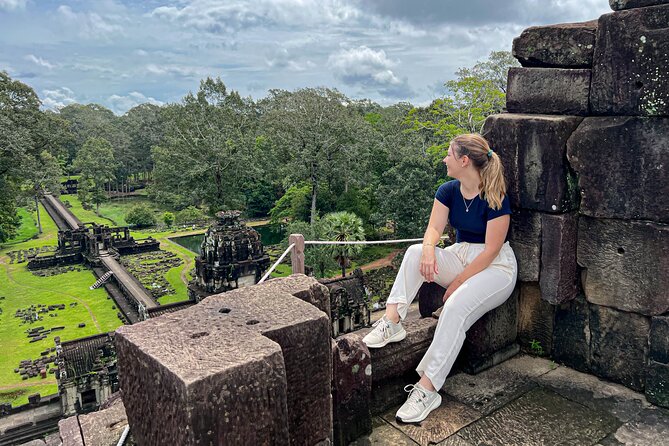
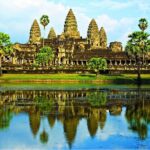
Then comes Angkor Wat, the massive centerpiece. The time on site is about 1.5 hours, which is usually enough to cover key views and major structures without feeling like you only caught the highlights from the road. Your guide’s role is especially important here because Angkor Wat isn’t just impressive—it’s layered, with a design and religious purpose that makes more sense when someone explains it while you’re standing in front of it.
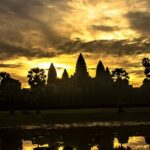
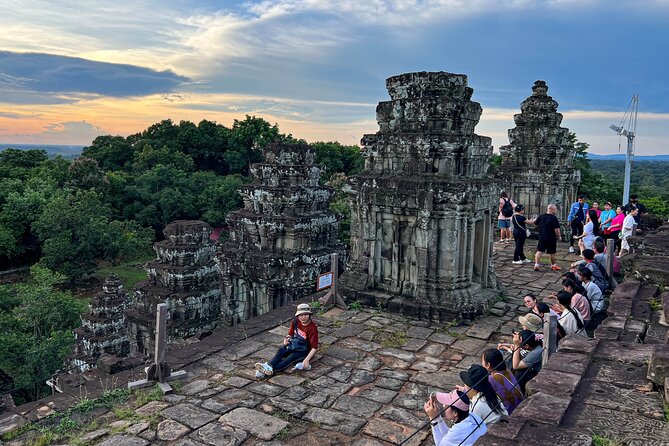
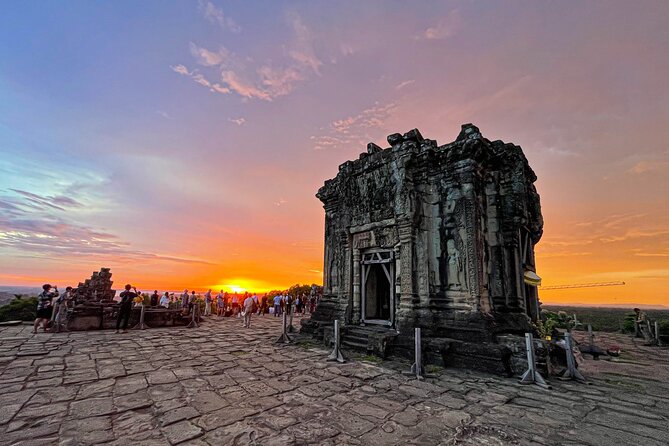
The day ends with a weather-dependent option: Phnom Bakheng for sunset if conditions allow and you’re not too tired, or alternatively Pre Rup. This is one of the few “flex” moments in the itinerary. If you arrive on a clear evening, you’ll likely feel like the whole trip was worth it just for that golden-hour light.
Tip: bring energy for a late day. Sunset plans can be the best photos, but they can also be the moment your legs feel it.
Day 2: Banteay Srei, Beng Mealea, Bakong, and Kampong Phluk on Tonle Sap
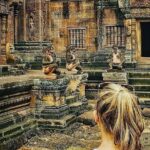
Day 2 is where the trip stops feeling like a one-note Angkor factory line. It starts with Banteay Srei, a 10th-century temple dedicated to Shiva. This stop is shorter (about 45 minutes), so treat it as a careful look: slow down for carvings and shapes rather than trying to “cover everything” quickly.
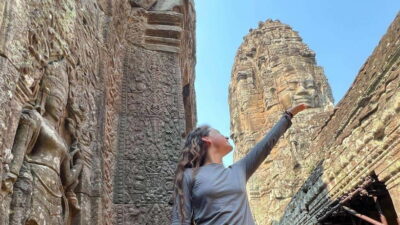
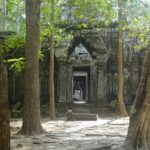
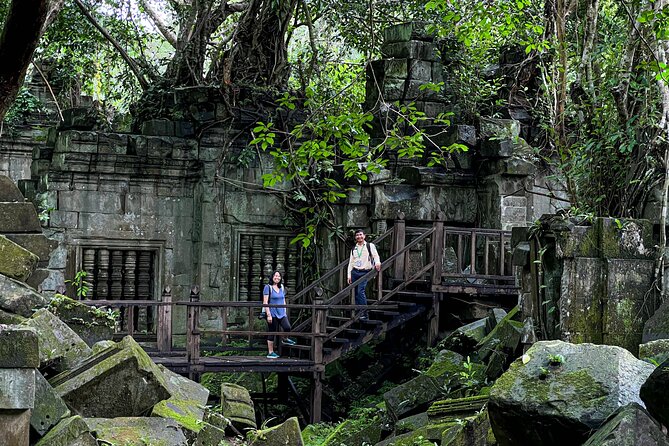
Next is Prasat Beng Mealea, often called the Jungle-temple. It’s from the Angkor Wat period and sits about 40 km east of the main Angkor group. At around 1 hour, it’s long enough to appreciate the ruin’s rougher, wilder atmosphere—especially compared with the more polished “main circuit” temples.
Then you visit Prasat Bakong, described as the first temple mountain built by Khmer rulers near modern Siem Reap. This is a good contrast stop: it connects you to earlier Angkor-style temple-mountain ideas before you move back toward the more complex city-temple landscape.
You’ll loop back to the Angkor Archaeological Park again for another lunch break (about 45–60 minutes). If you’re paying attention, Day 2 is basically a rhythm day: temple look → reset with food → temple look → reset again.
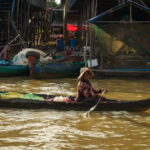
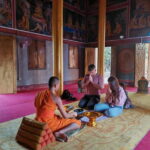
After lunch, you travel to Kampong Phluk Floating Village at Tonle Sap Lake. This part is important because it reframes the region as a living place, not only a museum of stone. The village is made up of traditional stilt houses for fishermen’s families, with more than 1000 families mentioned, and there’s also a Buddhist monastery in the area.
This stop also requires the extra Tonle Sap pass and private boat ride. If you’re hoping to understand how people actually live around the lake, the boat ride is a key part of the experience rather than a side show.
Practical thought: Day 2 can feel like a long haul—many sites in one day. If you’re sensitive to heat, use the cool water/towels, and don’t “tough it out” when you feel the sun doing damage.
Day 3: Sunrise at Angkor Wat and the Temple Sequence That Feels Like a Tour, Not a Sprint
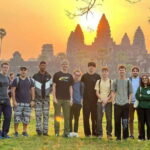
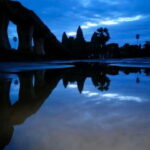
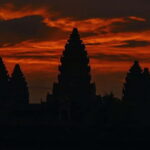
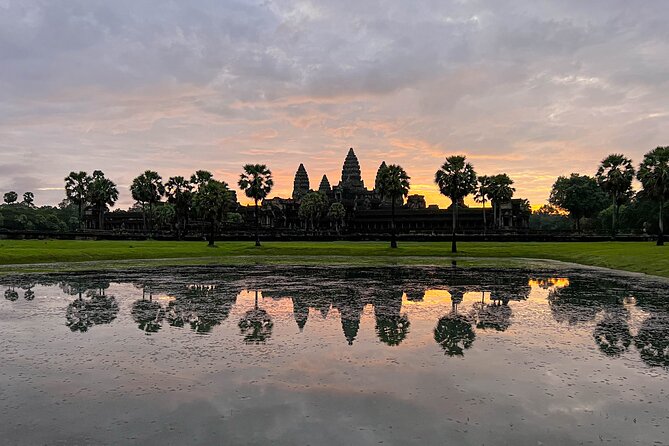
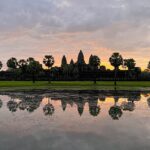
Day 3 is built around one of the most memorable ways to see Angkor: sunrise at Angkor Wat. You may wait about 1 hour for sunrise, and the itinerary includes time for a short break afterward plus a local breakfast.
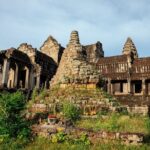
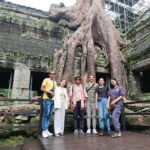
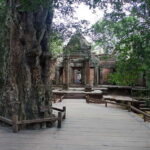
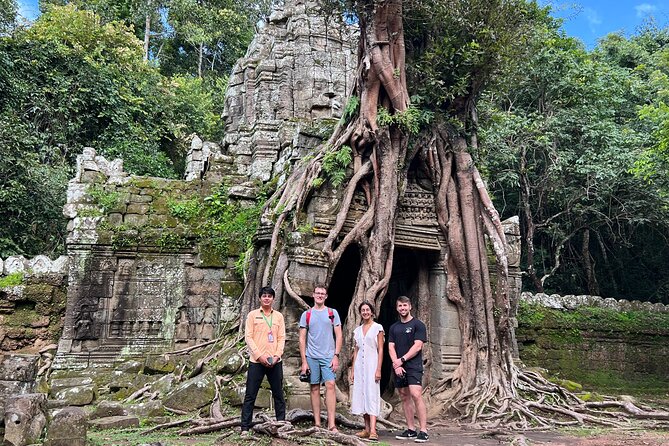
This is the day where the tour shifts from “big monuments only” to a more interesting mix of temples. Ta Prohm is next: the well-known Jungle-temple connected with the film Tomb Raider. Expect about 1 hour here—enough time to appreciate how the roots and ruins change the feel of the site compared with more restored temples.
After Ta Prohm, the route moves to Pre Rup, a Hindu temple built as the state temple of Khmer king Rajendravarman (dated to 961 or early 962). The time here is about 35 minutes, so again: look for the temple mountain form and the views from higher points rather than trying to photograph every angle.
Then you head to Ta Som (about 25 minutes), described as a smaller late-12th-century temple built for King Jayavarman VII. Stops like Ta Som matter because they help you learn the patterns of the Khmer temple style without being overwhelmed by crowds.
Next is Neak Pean, an artificial island with a Buddhist temple on a circular island in Jayatataka Baray. This stop is short (about 25 minutes), but it’s a nice “breather” in the day—less about stairs and more about the weird-cool layout of water and stone.
Finally, you visit Preah Khan (about 1 hour), built in the 12th century for King Jayavarman VII to honor his father. This ending makes sense: it’s a larger stop, so it feels like a satisfying finish instead of a quick stop-and-go temple.
If you want a trip that ends with a sense of meaning rather than exhaustion, Day 3 is the better day to bring your best energy.
You can also read our reviews of more tours and experiences in Siem Reap
Heat, Dress Code, and the Little Things That Actually Help
Angkor is hot. That’s not drama; it’s just the reality of Cambodia in the sun. This tour gives you cool water and towels, but you still need your own game plan.
I strongly recommend you come prepared with sun protection and mosquito spray. The guidance here is practical: you can buy both in town, but it’s easier if you arrive ready. Loose, lightweight clothing usually works better than stiff fabric, especially during long walks between temple clusters.
The dress standard is also clear: shoulders and knees should be covered for both men and women. The Apsara authority managing the park can refuse entry to areas if your clothing is considered immodest. So don’t plan on wearing a fashion outfit and hoping it passes.
Also, wear comfortable shoes. A lot of temple time is uneven stone and climbs. This matters because you’ll want your legs to feel steady during sunrise and sunset options—those are the moments you’ll want to move confidently for photos.
One more tip: if you’re sensitive to heat, treat the itinerary’s “short stop” times as intentional. Don’t try to extend every stop on your own. Use the guide to keep you moving efficiently between sites.
The Guide and Driver Experience: Why This Trip Can Feel Easy
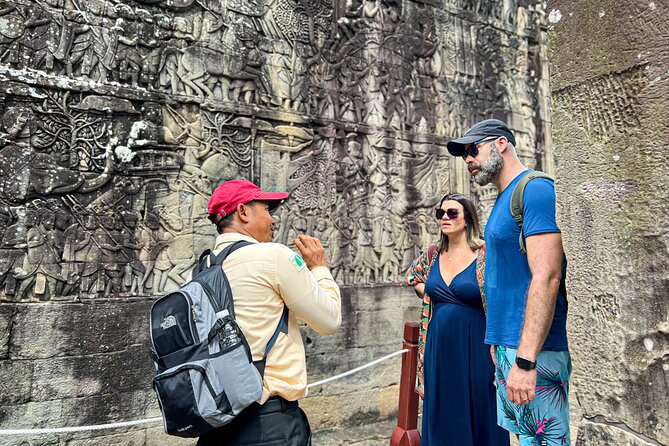
A huge part of whether Angkor feels smooth or stressful is how well your guide handles the flow. Here, you’re assigned an English speaking tour guide and you travel in a private air-conditioned vehicle, which cuts the usual friction.
From guide notes shared with this operator, names like Sean and Mr Sophon show up in feedback tied to professionalism and kindness. Another guide named Mr Sam was described as professional, available, and genuinely friendly. You can think of this as a hint that the team focuses on pacing and comfort, not just reciting facts.
Why that matters: the itinerary includes a mix of major temples and more spread-out sites. The ability to time the day, plan photo moments, and handle logistics like pass purchase early on can make the difference between a memorable trip and a stressful checklist.
You’ll also notice the tour’s “private group” setup: it’s only your group in the vehicle. That usually means fewer pauses for others, fewer waits for someone who’s lost their spot, and less time wasted re-starting the day.
If you want a trip where someone else handles the hard parts so you can focus on the temples and the lake life, this is the right kind of arrangement.
Value Check: What You’re Getting for Around $276 Plus Meals
Let’s talk value in a real way. The base is $199, but the experience depends on two extra spends: Angkor 3-day pass ($62) and Tonle Sap pass plus private boat ride ($15). After that, you’re still responsible for lunch and dinner during temple days, plus any soft drinks.
So why do it anyway? Because this itinerary wraps together three big “must-do” themes in one package:
- core Angkor temples (Angkor Thom, Angkor Wat, Ta Prohm, Pre Rup, Preah Khan)
- the “different Angkor” stops (Banteay Srei, Beng Mealea, Bakong)
- a true contrast day on Tonle Sap with Kampong Phluk
And it’s organized in a way that saves you time and stress:
- pickup/drop-off is included
- private AC transport reduces downtime
- the guide organizes the early pass purchase
- Day 3 includes breakfast during the sunrise plan
If you’re the kind of traveler who wants everything planned but still guided in a human way, the price starts to make sense.
If you hate early mornings, you might feel the sunrise wait is a lot. If you want total independence and don’t want to pay for guides and private transport, a DIY plan could be cheaper. But you’d be trading convenience for cost.
Should You Book This Angkor Wat and Floating Village 3-Day Trip?
Yes, if your top priority is a structured Angkor plan that doesn’t skip Tonle Sap. The mix of Angkor Wat plus sunrise, Beng Mealea’s Jungle-temple feel, and the water-based life at Kampong Phluk makes this tour more than just a photo run.
Also book if you want the comfort of private AC transport and someone handling the schedule. In Cambodia, that can be the difference between enjoying temples and spending your trip managing logistics.
Pass on this option if you’re on a tight budget and you dislike extra-ticket add-ons. And if heat is a major problem for you, plan to go slow at each stop and take every offered break.
FAQ
What’s included with the $199 per person price?
You get an English speaking tour guide, private air-conditioned transport, hotel pickup and drop-off, cool water and towels during the tour, and breakfast on Day 3.
Do I need to buy the Angkor 3-day pass separately?
Yes. The Angkor 3-day pass is listed as not included and costs $62 per person.
Is the Tonle Sap floating village boat part included?
No. The Tonle Sap pass and a private boat ride are not included and cost $15 per person.
Are temple admissions included in the tour price?
No. Temple admissions are listed as not included for the stops.
How long is the trip?
It’s a 3-day trip, approximately.
Does the tour include airport pickup and drop-off?
Yes. Airport pickup and drop-off are included.
Is lunch included on the tour?
Lunch and dinner are not included. The itinerary includes lunch breaks where you pay for food yourself.
What should I wear for the temple visits?
You should dress respectfully with shoulders and knees covered, and wear comfortable shoes. Modest clothing is recommended, and entry can be refused for immodest clothing.
Is this a private tour?
Yes. It’s private, so only your group participates.
FAQ
What should I do if the weather is bad for sunrise or sunset?
The experience requires good weather. If it’s canceled due to poor weather, you’ll be offered a different date or a full refund.