REVIEW · SIEM REAP
2 Days Exclusive Temple Highlights with Sunset and Sunrise Tour
Book on Viator →Operated by Journey Cambodia · Bookable on Viator
Two days around Angkor can feel like a blur. This one is interesting because you hit the temples in the best light and you get English-speaking guidance that turns ruins into something you can actually picture. I like the way the schedule mixes big names (hello, Angkor Wat) with quieter stops, so it never feels like you’re just rushing to famous rocks.
I also like the practical comfort: an A/C vehicle, bottled water, and cool towels keep the heat from stealing your energy. One consideration: you’ll need to budget the extra temple pass cost on top of the tour price, and the two-day plan is packed enough that you should wear shoes you can handle.
In This Review
- Why This 2-Day Sunrise and Sunset Plan Works in Real Life
- Key Stops That Make This Tour Feel Worth the Time
- Day 1: Pre Rup to Preah Khan, with a Rice-Field Sunset Reset
- Pre Rup Temple: A Temple Mountain Built for a Khmer King
- Banteay Srei: The Carving-Obsessed Stop
- Neak Pean: A Buddhist Temple on an Artificial Island
- Preah Khan: Ruins That Look Alive
- Baitang Siem Reap Sunset: A Calm Finish After a Big Day
- Day 2: Angkor Wat Sunrise Then a Jungle-to-Capital Route
- Angkor Wat at Sunrise: Pre-Dawn Entry From the Eastern Side
- Ta Prohm: The Jungle Temple Where the Monastery Story Shows Up
- Ta Nei: A Short, Scenic Temple Break
- Angkor Thom and Bayon: Big-City Scale With Time to Take it In
- Angkor Thom South Gate: The Finish Line for Day 2
- Getting the Temple Pass and Dress Code Right (Or Your Day Can Stall)
- Budgeting the Temple Pass
- Dress Code: Shoulders and Knees Must Be Covered
- Comfort Stuff That Actually Improves Your Temple Photos
- A/C Vehicle, Bottled Water, Cool Towels
- Timing and Photo Opportunities
- Food Stops: What’s Included, What’s Not, and How to Handle It
- Who This Tour Fits Best (And Who Might Want a Different Plan)
- My Booking Advice: Should You Book This 2-Day Temple Tour?
- FAQ
- What is the price for this Siem Reap tour?
- How long is the tour?
- Is hotel pickup and drop-off included?
- What’s included in the tour cost?
- Do I need to buy a temple pass?
- What temples and areas are visited?
- Is sunrise at Angkor Wat included?
- What should I bring for the sunrise?
- What is the dress code for the temples?
- Are meals included?
Why This 2-Day Sunrise and Sunset Plan Works in Real Life
Angkor isn’t just one temple. It’s a whole region of sacred sites, and the timing matters. This tour is built around the hours when crowds are lighter and the light makes carvings look alive, especially for that iconic pre-dawn Angkor Wat start.
You’ll also get a guide who focuses on what you’re seeing, not just where to stand for photos. In the feedback pattern, guides such as Nang, Saruon Pal, Sokpee, Chhay, and Pal Saruon are repeatedly praised for clear explanations and for keeping the group moving at a good pace, with time to look around on your own.
The route also helps you build context fast. After Day 1, you’ll understand why different temples look different and how the Khmer-era stories show up in stone, layout, and religious symbols. Then Day 2 brings you to the bigger, more famous highlights.
Key Stops That Make This Tour Feel Worth the Time
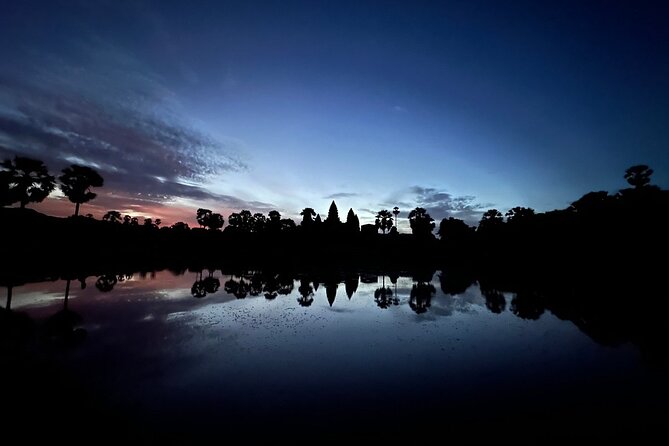
- Pre-dawn Angkor Wat with a torch/headlamp tip so you can enter before the sun and see the temple in near-darkness
- A smart first-day mix of Pre Rup, Banteay Srei, Neak Pean, and Preah Khan instead of only the biggest names
- Ta Prohm’s jungle setting with the famous monastic history detail of 2,740 monks
- Two possible sunset styles: rice fields for the private option, or sunset at Bakheng Mountain for the small-group option
- Air-conditioned transport plus water and cool towels to keep you functional
- Temple pass is extra and the dress code is strict, so plan for that before you go
You can also read our reviews of more evening experiences in Siem Reap

Day 1: Pre Rup to Preah Khan, with a Rice-Field Sunset Reset
Day 1 is where you get your Angkor bearings. Instead of starting with the most famous place and burning your whole day, you begin with temples that teach you what to look for—construction style, religious purpose, and why these sites feel distinct.
Pre Rup Temple: A Temple Mountain Built for a Khmer King
You start at Pre Rup, a Hindu temple dedicated in the early 960s to honor Khmer king Rajendravarman’s state worship. It’s described as a temple mountain made from combined brick, laterite, and sandstone.
Why I like this start: it’s a strong “orientation” temple. You get a sense of how Khmer builders used materials and vertical layouts to make space feel dramatic. It’s also a practical first stop because it sets the tone without requiring you to already be an Angkor expert.
Banteay Srei: The Carving-Obsessed Stop
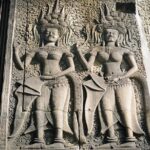
Next is Banteay Srei, known for intricate, well-preserved relief work on a smaller sandstone structure. The tour frames it as among the finest and most skillfully crafted in Cambodia.
This is the stop for close looking. If you enjoy details—faces, patterns, and scenes—this is where your brain slows down in a good way. Also, since it’s not as huge as Angkor Wat, you tend to get a more human-scale experience.
Neak Pean: A Buddhist Temple on an Artificial Island
Then you move to Neak Pean, an artificial island site with a Buddhist temple. This shift matters. It’s a reminder that Angkor’s religious world wasn’t only Hindu; layers of belief show up across the region.
Neak Pean also gives your eyes a break from the busiest temple shapes. The setting helps you feel like you’re slowing down, even while the tour keeps a steady pace.
You can also read our reviews of more tours and experiences in Siem Reap
Preah Khan: Ruins That Look Alive
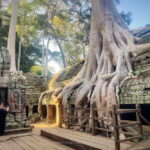
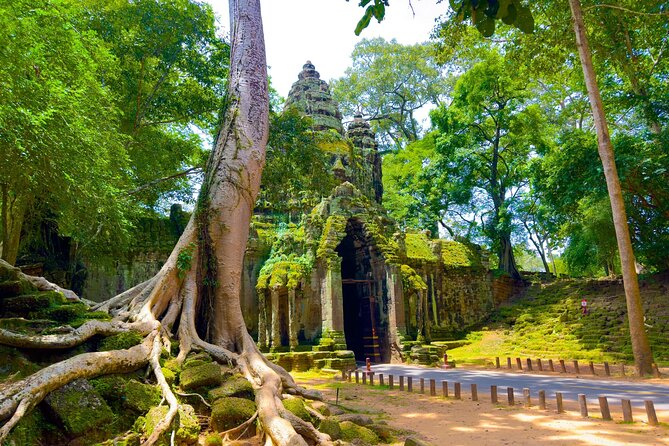
Preah Khan is next, and it’s all about atmosphere. The ruins are described as a mix of tree roots and crumbling stone structures, which is exactly the kind of look people come to Angkor for.
The drawback? Ruins like this can be more uneven underfoot, and you’ll do more walking on stone surfaces. Wear shoes with traction. This isn’t the day for brand-new sandals you hope will survive.
Baitang Siem Reap Sunset: A Calm Finish After a Big Day
Day 1 ends with sunset in the rice fields at Baitang Siem Reap. The tour description highlights a peaceful countryside setting where you can sip a cold drink and enjoy the light after a long day of temples. Admission is included for this sunset stop.
Why this matters: it’s a decompression moment. Your first day is visually intense. Ending outdoors with wide-open views helps your photos look better too—less harsh temple lighting, more warm sky tones.
If you’re doing the small-group version, you might instead catch sunset at Bakheng Mountain. Either way, the tour builds in a sunset payoff, not just a “walk by something pretty.”
Day 2: Angkor Wat Sunrise Then a Jungle-to-Capital Route
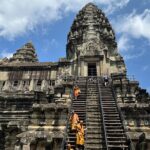
Day 2 is the “don’t-you-miss-it” day. You start before dawn for Angkor Wat, then you hit Ta Prohm and the Angkor Thom area with its big-city scale.
Angkor Wat at Sunrise: Pre-Dawn Entry From the Eastern Side
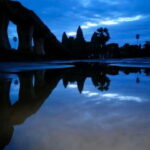
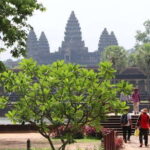
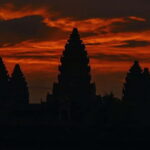
The tour begins with a pre-dawn departure to reach Angkor Wat for sunrise. You enter the great temple in darkness from the eastern side, and the tour specifically asks you to bring a torch.
This is the part you should prepare for like it’s your only task. Bring a torch/headlamp you know works. Even if your phone has a light, plan to rely on something more dependable. The payoff is huge: early morning light changes how you read the geometry of the temple and how the carvings cast shadows.
It’s also where guides shine in the way they position you. Multiple guide stories in the feedback highlight that guides help secure strong sunrise viewpoints and manage timing so you’re not stuck watching from the back.
Ta Prohm: The Jungle Temple Where the Monastery Story Shows Up
After sunrise, you move on to Ta Prohm, described as jungle-enveloped and once home to 2,740 monks. That number sticks for a reason: it turns the “cool roots” look into a lived-in place.
This stop is about mood. If you’re the type who likes dramatic silhouettes and shaded pathways, you’ll enjoy Ta Prohm’s rhythm. If you prefer tidy, open vistas, you might want extra patience here because the jungle setting makes everything feel slower and more tangled.
Ta Nei: A Short, Scenic Temple Break
Ta Nei comes next, described as a late 12th-century stone temple. It’s a shorter stop at about an hour, which is exactly how it should feel on a packed day: enough time to appreciate the structure without exhausting you before the bigger sites.
Angkor Thom and Bayon: Big-City Scale With Time to Take it In
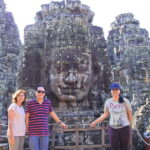
Then you head into Angkor Thom, the former Khmer capital. The tour description frames it as majestic and grand, and you’ll take a moment to consider its scale before going inside.
You arrive at Bayon as part of the experience. While the details in your schedule are limited here, the important practical point is time. The stop is about 1.5 hours, so it’s long enough for a serious walk, but not so long you feel stranded in one spot.
You’ll also pass by the Terrace of the Elephant and the Terrace of the Leper King. These are “look-and-absorb” moments, not deep-dive sessions, and that’s often the right use of time if you already did the earliest temples on Day 1.
Angkor Thom South Gate: The Finish Line for Day 2
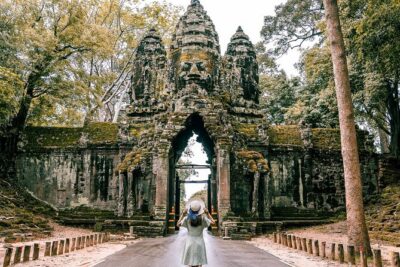
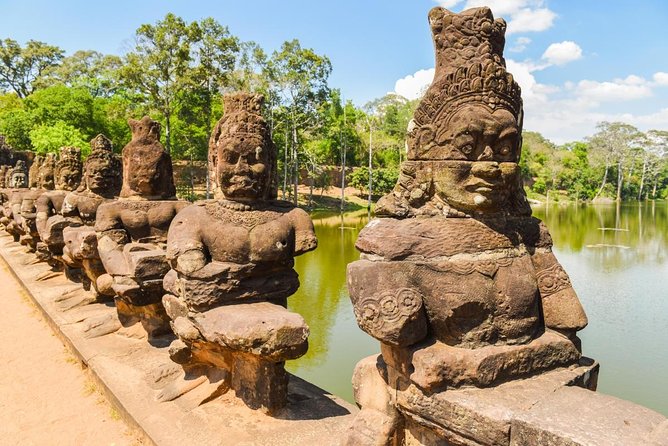
The day closes at Angkor Thom South Gate, described as majestic, with about 30 minutes allotted.
This is a good final stop because gates act like a visual bookend. You’ve been moving through different temple styles for two days; ending at a major entrance helps your brain file everything into one coherent picture.
Getting the Temple Pass and Dress Code Right (Or Your Day Can Stall)
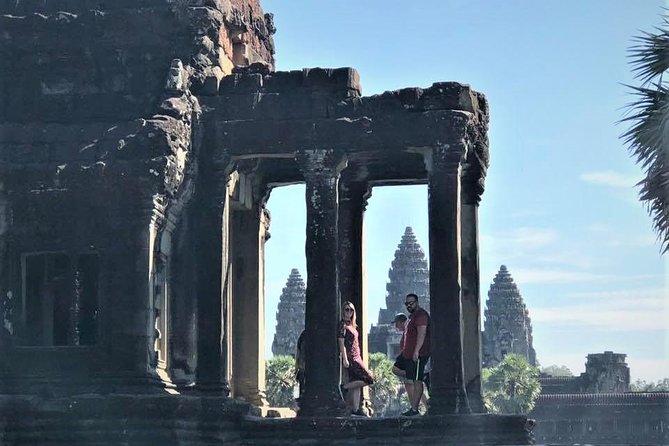
Two non-negotiables can derail your momentum: the temple pass and the dress code.
Budgeting the Temple Pass
The tour price does not include the temple pass. You must pay it directly to the site at $62. The additional info notes this surcharge applies for 2–3 days temple passes.
In value terms: at $49 for the tour itself, you’re paying mostly for guide time, timing, transport, and the structure of the two days. The pass is the separate “must-pay” ticket for the ruins. So if you’re comparing prices with other tours, compare the all-in total, not just the headline number.
Dress Code: Shoulders and Knees Must Be Covered
A respectful dress code is required: cover shoulders and knees for both men and women. The tour notes shoulders must be covered with a scarf and that you may be refused entry if you don’t meet the requirement.
Practical tip: keep a lightweight scarf in your day bag. It’s cheap insurance against a last-minute clothing problem, and it also helps with the sun.
Comfort Stuff That Actually Improves Your Temple Photos
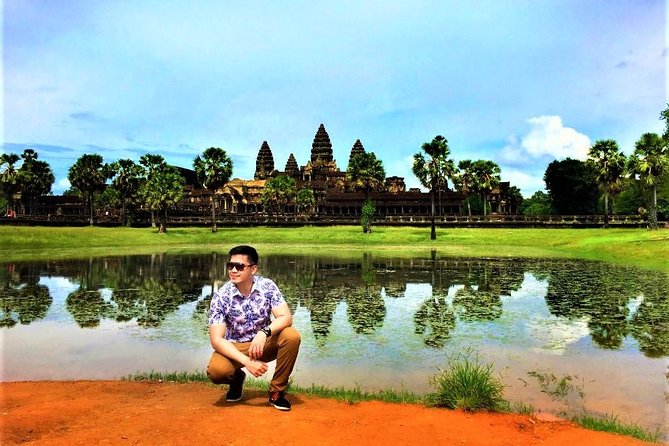
It’s easy to ignore “comfort” features until you’re sweating on stone steps. This tour builds in the kind of help that keeps your day smooth.
A/C Vehicle, Bottled Water, Cool Towels
You travel in an air-conditioned vehicle with hotel pickup and drop-off when that option is selected. You’ll also get complimentary bottled water and cool towels during the tour.
This matters because sunrise mornings and midday heat hit hard in Siem Reap. When you stay hydrated and cool, you walk longer and you notice more details.
Timing and Photo Opportunities
A lot of the best guide feedback centers on timing and photo support—getting people to strong viewpoints and keeping the schedule tight without feeling chaotic. Some guide stories also mention photo help at key spots, which is useful if you want more than one good shot and you’re traveling as a pair or a family.
Food Stops: What’s Included, What’s Not, and How to Handle It
Food and drinks are not included, so you’ll eat at your own choice during planned breaks. The tour does include water, but you should plan for meals separately.
From the patterns in feedback, the tour often stops at local restaurants or coffee shops. That’s convenient, but if you’re price-sensitive, it’s smart to check menus and compare before ordering. You still get to enjoy the trip without feeling stuck paying for convenience.
If you snack easily, bring a few small items you can eat between temples. It keeps energy steady, especially on the day with Angkor Wat sunrise.
Who This Tour Fits Best (And Who Might Want a Different Plan)
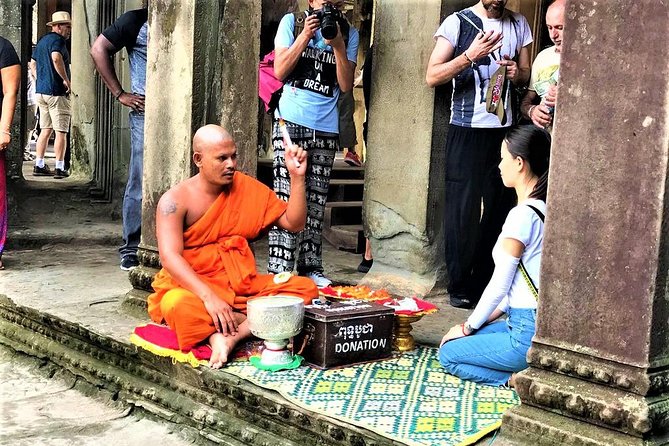
This works best for first-time Angkor visitors who want a guided route that hits major landmarks without needing to plan a complex itinerary yourself. It also fits you if you care about sunrise and sunset, because the timing is part of the product.
It’s also a good match if you like mixing big sights with temples that aren’t just copy-paste famous. Day 1 gives you that variety with Pre Rup, Banteay Srei, Neak Pean, and Preah Khan, then Day 2 brings the heavy hitters.
Choose something else if you want lots of free time per site. This is a packed two-day plan, so you’ll be walking and moving through several areas each day. Comfortable walking shoes are a must.
My Booking Advice: Should You Book This 2-Day Temple Tour?
Book it if:
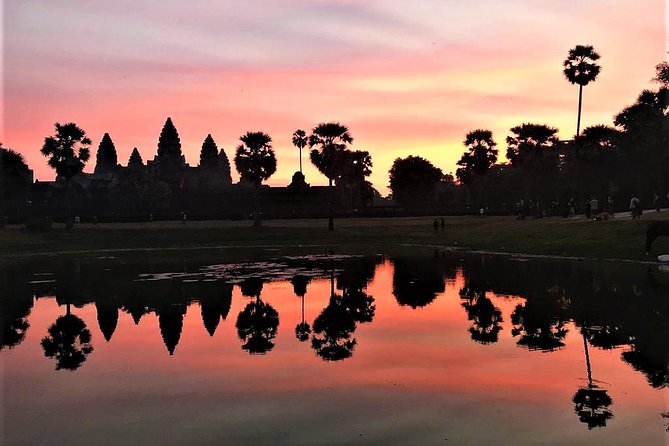
- You want a two-day Angkor plan that includes sunrise at Angkor Wat plus a sunset payoff
- You value A/C comfort, cool towels, and bottled water as part of the experience
- You’d rather follow a smart route than try to stitch one together alone
Skip or compare carefully if:
- You hate early starts. Pre-dawn departure for sunrise is non-negotiable here.
- You’re not set on paying the $62 temple pass plus meals on your own.
- You’re sensitive to strict dress rules. Bring a scarf and cover shoulders and knees.
If those points don’t bother you, this is a strong way to see the major temples and a few meaningful extras without losing the plot.
FAQ
What is the price for this Siem Reap tour?
The tour price is $49.00 per person.
How long is the tour?
It runs for approximately 2 days.
Is hotel pickup and drop-off included?
Hotel pickup and drop-off are included if you select that option.
What’s included in the tour cost?
Included are an English-speaking guide, air-conditioned vehicle, hotel transfers (if selected), bottled water and cool towels, and sunset setup depending on your option.
Do I need to buy a temple pass?
Yes. The temple pass is not included and must be paid directly to the site for $62 per person.
What temples and areas are visited?
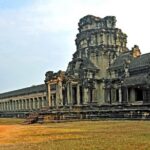
The tour includes Pre Rup, Banteay Srei, Neak Pean, Preah Khan on Day 1, and Angkor Wat, Ta Prohm, Ta Nei, Angkor Thom, plus Angkor Thom South Gate on Day 2. You also pass by the Terrace of Elephant and Terrace of the Leper King.
Is sunrise at Angkor Wat included?
Yes. You depart pre-dawn for sunrise at Angkor Wat and enter the temple from the eastern side in darkness.
What should I bring for the sunrise?
The tour notes you should bring a torch for sunrise at Angkor Wat.
What is the dress code for the temples?
You must cover your shoulders and knees. A scarf can cover shoulders, and men and women both need knees covered. Entry may be refused if you don’t follow this.
Are meals included?
No. Food and drinks are available at your own choice.