REVIEW · SIEM REAP
Angkor Cycling Tour
Book on GetYourGuide →Operated by BULFROG by CAMOUFLAGE ADVENTURES CAMBODIA · Bookable on GetYourGuide
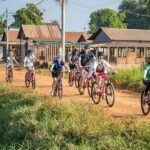
One day, two worlds: temples and trails. Cycling around Angkor means you’ll be close to Angkor Wat while also getting 70% off-road paths through jungle and countryside, not just a standard van-and-stop day.
I love the way the route builds in real variety. You cycle by the ancient moat and then out toward the fortifications of Angkor Thom, with the Ghost Gate and Bayon Temple layered in like chapters you can feel under your wheels.
One key consideration: the temple pass is required but not included in the price. It’s a small extra step you’ll want to plan for so the day stays smooth, especially with heat and temple-appropriate clothing rules.
In This Review
- Key highlights you’ll actually notice
- How the 35 km route balances paved roads and jungle riding
- Morning pickup, bike fitting, and getting comfortable before the heat
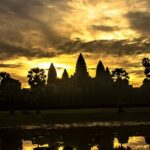
- Angkor Wat: the crown jewel, with time to breathe
- Riding the ancient moat and fortifications of Angkor Thom
- Bayon, Elephant Terrace lunch, and the Khmer rhythm of the day
- Jayatataka Baray wildlife stop: birds, monkeys, and possible otters
- Ta Nie Temple: a quieter stop you’ll be glad is scheduled
- Ta Prohm: the “Tomb Raider” temple, where roots do the styling
- What’s included (and what that means for your day)
- Support and safety on off-road Angkor trails
- Who should book this Angkor cycling tour
- Should you book it?
- FAQ
- How long is the Angkor Cycling Tour?
- What’s included in the $65 price?
- Do I need a temple pass?
- What kind of cycling will I do?
- What should I bring and wear?
- Is this tour suitable for everyone?
Key highlights you’ll actually notice
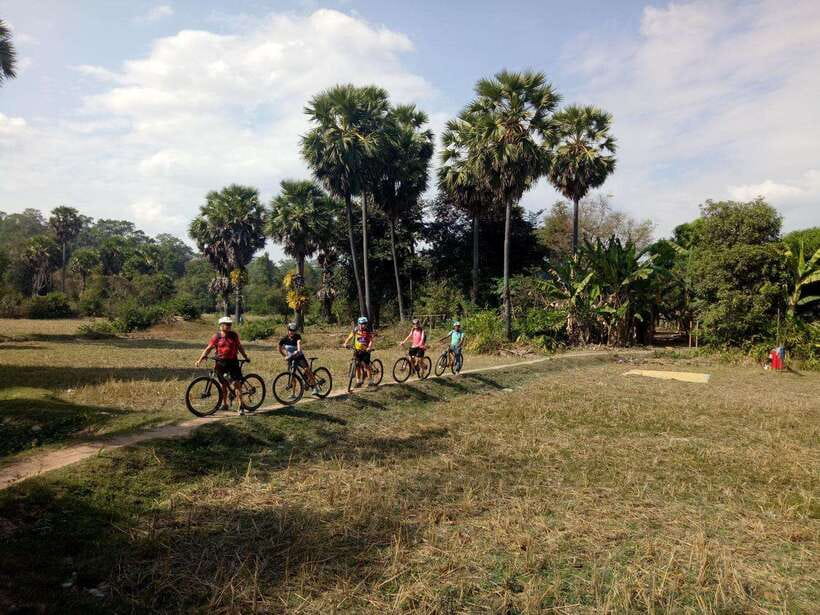
- 70% off-road trails across jungle and countryside, with a route designed for a balanced challenge
- Angkor Wat + Angkor Thom in one day, including a ride along the ancient moat and fortifications
- Jayatataka Baray wildlife breaks for birdwatching and a shot at freshwater otters
- Photo-friendly stops at the Ghost Gate, plus multiple temple moments with guide context
- Lunch at Elephant Terrace paired with a view of a major Khmer ceremonial setting
- Mountain bikes with helmets, water, snacks, and cold refreshments at temple stops
How the 35 km route balances paved roads and jungle riding
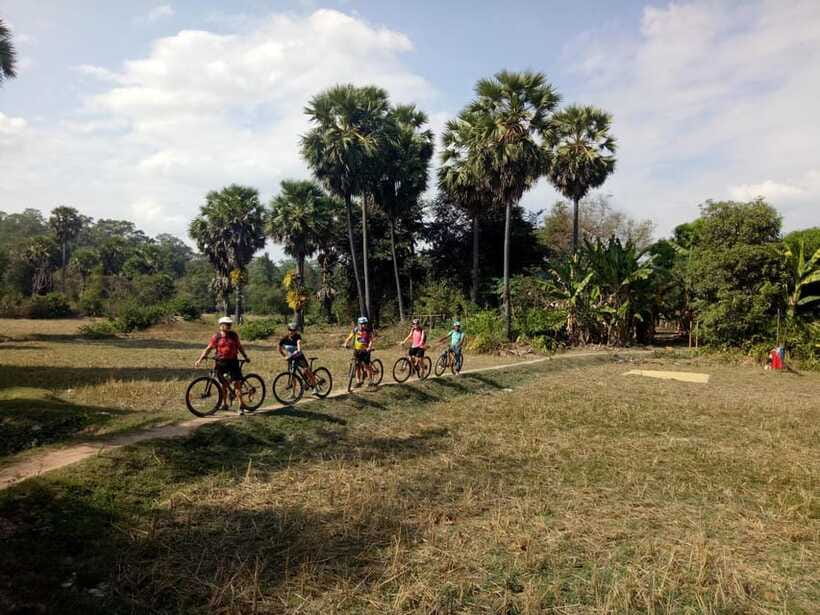
This tour is built around one clear idea: you should spend your time moving through Angkor, not waiting. The route covers about 35 km in roughly 7 hours, with 30% paved roads for easy roll and 70% off-road trails for the adventure part.
The ride level is “medium,” which usually means you’ll have moments that feel more physical than the average sightseeing cycle. The off-road sections are where you earn your temple time, because the track takes you past trees, fields, and the quiet edges of the complex—so the day feels less crowded and more personal.
You can also read our reviews of more cycling tours in Siem Reap
Morning pickup, bike fitting, and getting comfortable before the heat
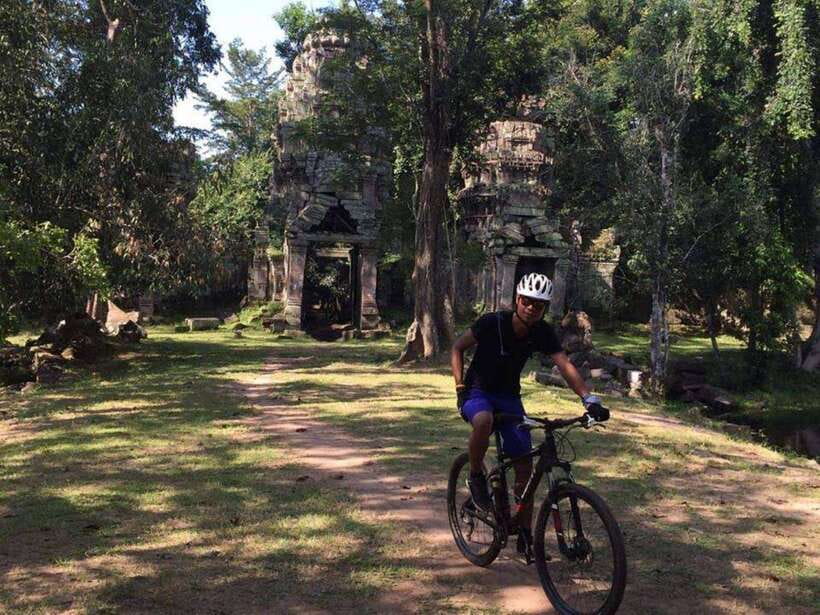
You start early, around 7:45 AM, with pickup arriving about 15 minutes before from hotels, apartments, and Airbnb lobbies in Siem Reap city. That early timing matters here. The temples still look best in softer morning light, and the ride is more manageable before the midday sun ramps up.
Once you meet your guide, there’s a quick bike fitting at the shop, then you head out toward Angkor Wat. Bikes are provided in mountain-bike style for a reason: the tour mixes smooth lanes with trails that won’t feel great on a skinny-tire rental. You also get a helmet, a first-aid kit, and a spare part option, which is reassuring on a day that runs through more than one type of terrain.
Practical tip: wear light, breathable clothing for biking, but bring spare fabric for temple visits. You might be able to bike in shorts, but you’ll want temple-ready coverage when it’s time to enter sacred spaces.
Angkor Wat: the crown jewel, with time to breathe
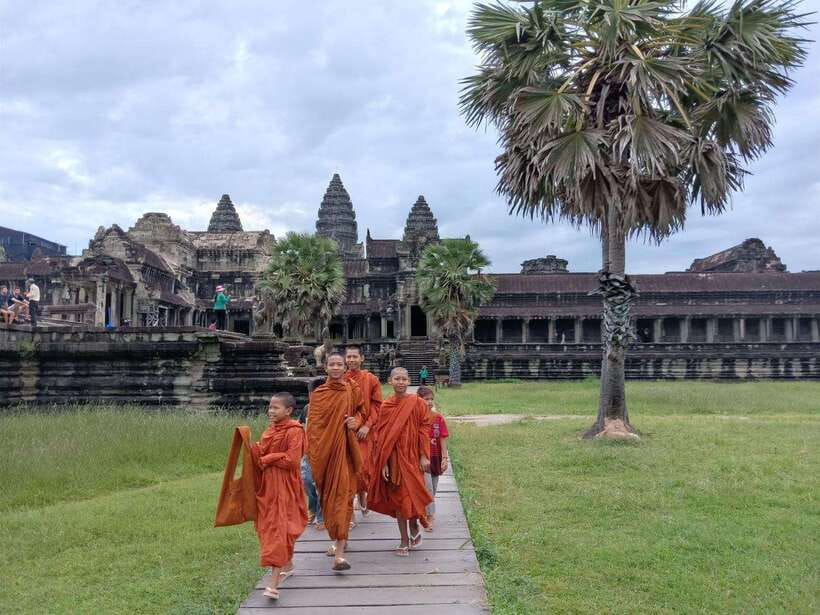
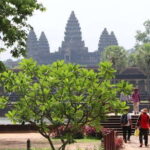
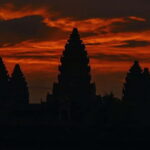
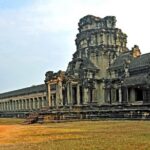
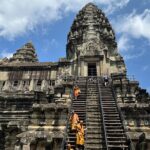
The day’s anchor is Angkor Wat Temple, and this is not treated like a 15-minute drive-by. You get about two hours exploring with your English-speaking guide, who brings the stories to life while you walk the corridors and viewpoints.
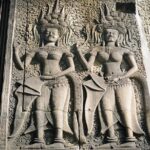
What I like about this approach is that it gives your brain a chance to settle. Angkor Wat can feel overwhelming when you rush. Here, you can actually connect the architecture to what you’re seeing—where the lines pull your eye, where the gates guide your movement, and why certain areas feel ceremonial rather than just decorative.
Also, the tour includes a separate entrance to skip the line, which saves time at the busiest moments. Less waiting means more time for noticing details like carvings, levels, and how the temple sits in its larger setting.
Riding the ancient moat and fortifications of Angkor Thom
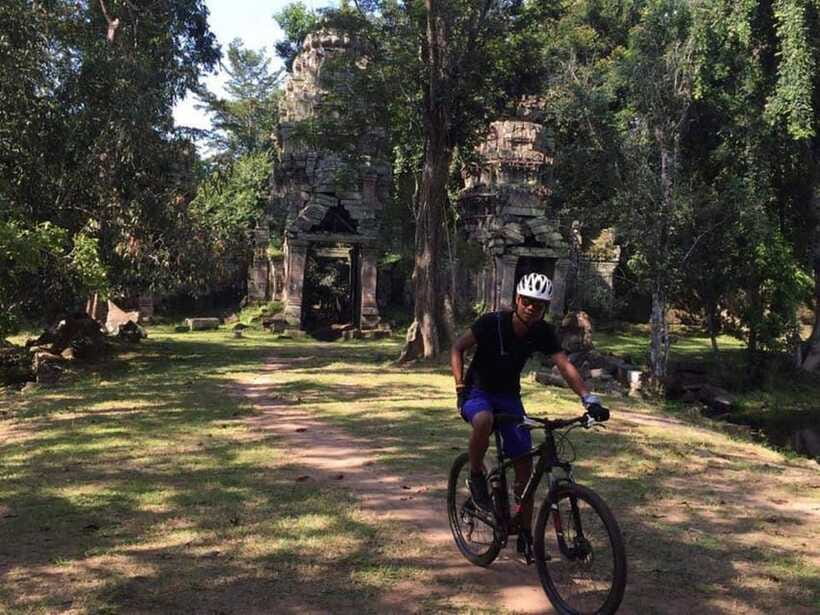
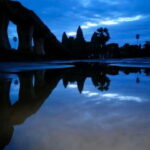
After Bayon-area temples start to appear, the vibe shifts from grand symmetry to something more layered and human. The ride takes you along the moat of Angkor Wat first, then you move toward forest trails around Bakheng Hill.
The route includes a South Gate entry and then a section where you ride on the ancient wall area of Angkor Thom City—and that’s the part cyclists tend to remember. You’re physically higher, the angles change, and you get a sense of scale you don’t get from standing on the ground.
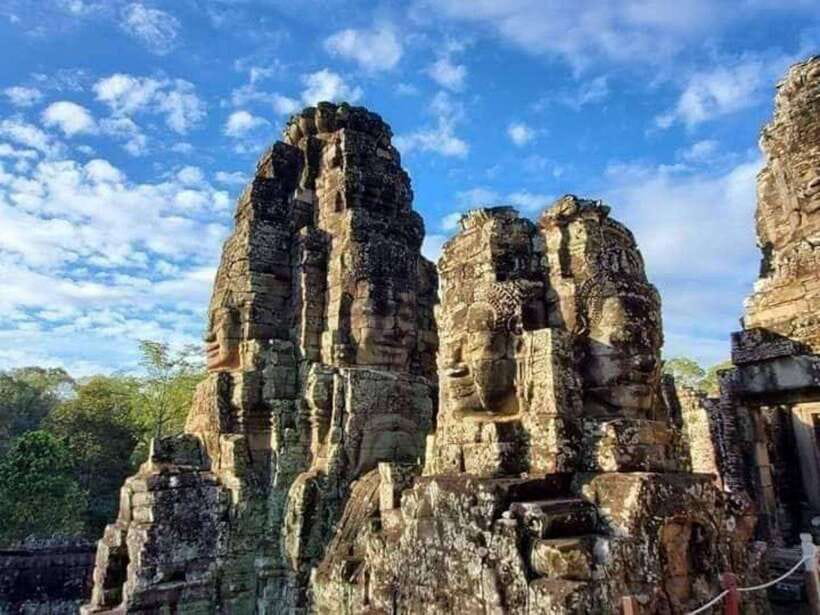
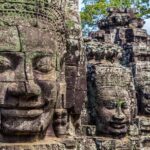
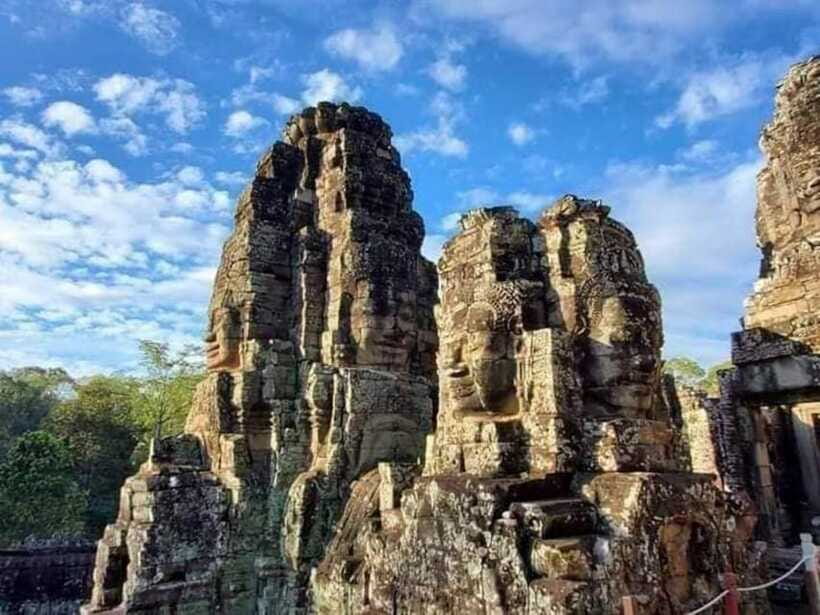
Then comes Ghost Gate. You stop there for stories and photos, which is useful because it turns a gate you might otherwise pass into something you understand. After that, you’re just about 1 km from Bayon Temple, where the stone faces lift high above you like a quiet set of watchers from another century.
Bayon, Elephant Terrace lunch, and the Khmer rhythm of the day
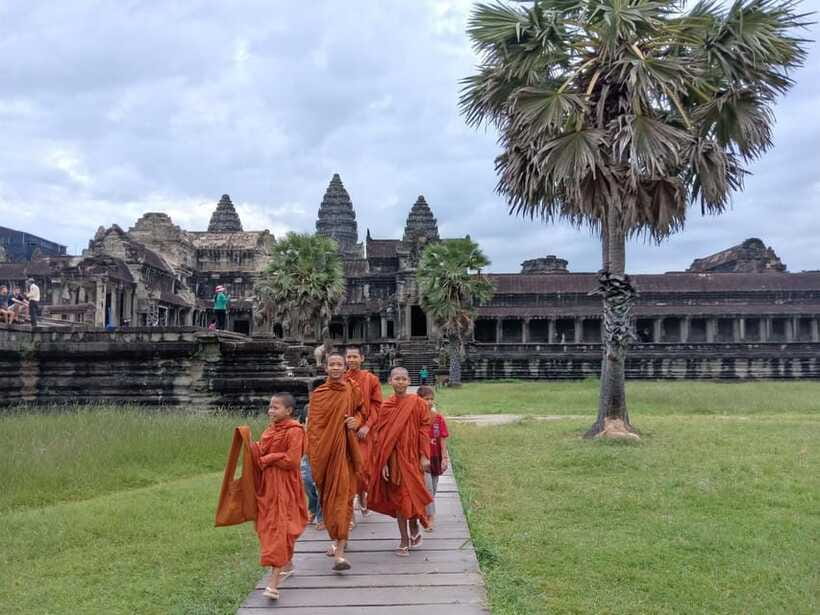
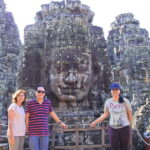
Bayon Temple is where many people expect “smiling faces,” but the real win is the calm. The temple sits in a quieter pocket compared with the busiest Angkor moments, and the guide’s context helps you see it as part of a broader royal landscape—not just a postcard spot.
From there, you cycle a short distance to Elephant Terrace for lunch, with a view over this major Khmer stage for royal processions. I like that lunch isn’t tossed in as an afterthought. It’s timed so your eyes have fresh material to connect before you sit down, eat, and reset.
Lunch itself is included at a local restaurant. Expect water and snacks on the go, plus seasonal fruit. The day also includes a taste of Khmer specialties at the restaurant—exact dishes aren’t listed here, but that’s the point: you get local food without having to hunt for it after a long ride.

Jayatataka Baray wildlife stop: birds, monkeys, and possible otters
This is one of the most unique parts of the day because it breaks the temple pattern. As you head from Ta Nie Temple area toward Jayatataka Baray, you get a birdwatching and wildlife break that feels like a reward.
At Jayatataka Baray, you’re looking for birds and small wildlife: cranes, egrets, lesser whistling ducks, kingfishers, plus monkeys and butterflies. One of the standout possibilities is freshwater otters in the river—sometimes you’ll be lucky, sometimes you won’t. Either way, the water plus the trees change the pace of your eyes.
A practical note: bring your attention, not just your camera. Wildlife viewing is easier when you slow your breathing, stand still for short bursts, and let sound cues guide you. This stop is also good for cooling down mentally before you head back into more intense temple walking.
Ta Nie Temple: a quieter stop you’ll be glad is scheduled
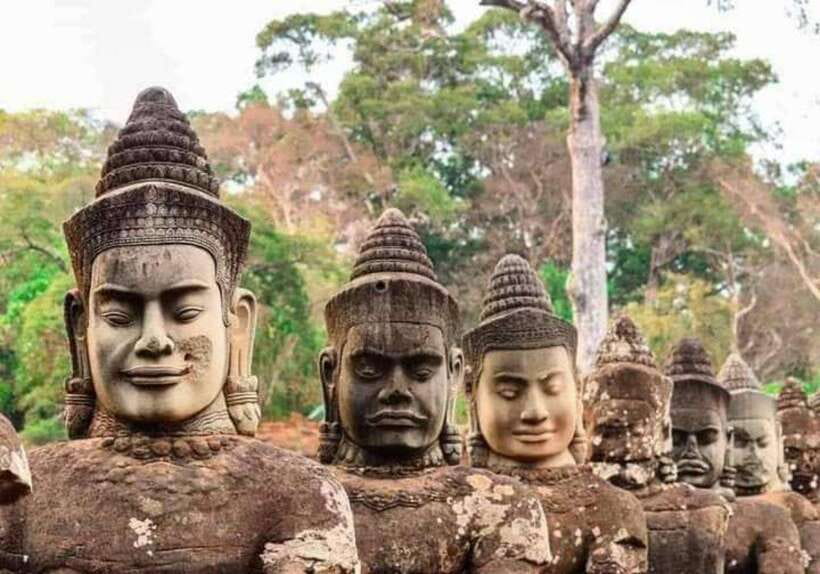
Ta Nie Temple is described as a hidden sanctuary embraced by nature, and the logic of the tour makes that feel true. You ride out of the city area to reach it, so it doesn’t feel like another checkpoint in a crowded queue.
You get a chance to see how Angkor can be both monumental and secluded. That matters because so many visitors only experience the biggest-name temples. Here, Ta Nie gives you a different tone—still Khmer, still worth your time, but calmer under the trees.
Ta Prohm: the “Tomb Raider” temple, where roots do the styling
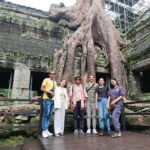
Then you reach the famous Ta Prohm Temple, often associated with the idea of jungle swallowing stone. The defining feature is the way massive tree roots wrap the architecture, creating that eerie, cinematic look in real life.
For cyclists, Ta Prohm works nicely because the walk inside is not just about taking in carvings. You’re moving slowly through a space where nature has become part of the structure. The guide’s storytelling helps you understand what you’re seeing so it doesn’t turn into only a photo sprint.
After Ta Prohm, your ride returns toward town via winding single tracks and bike lanes. The day includes about a 12 km ride back that blends adventure with calmer cycling so you’re not exhausted when you finally roll in.
What’s included (and what that means for your day)
This tour is priced at $65 per person, and what makes it feel like good value is that it bundles the day’s logistics with actual on-the-ground support.
Included:
- Mountain bike all sizes and a helmet
- English-speaking guide
- Lunch at a local restaurant
- Water, snacks, plus seasonal fruit
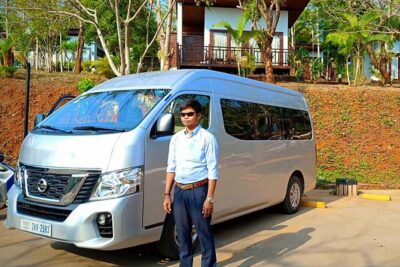
- Free Tuk Tuk transfers
- Basic support: 1st aid kit and a bike spare part
- Cold water and snacks served at temple breaks
Not included:
- Temple pass (required)
- Travel insurance
- Personal expenses
The value equation: you’re paying for a full guided day that includes food, bike gear, and route direction across both paved and off-road sections. Since Angkor temple tickets are a separate line item, you’ll want to budget that too—but the rest of the day is handled for you.
Support and safety on off-road Angkor trails
You’ll be riding under the Cambodian sun, and the day is designed for that reality. The tour specifically reminds you to stay hydrated, and refreshments are scheduled at stops, not only at the start.
Dress is also a safety and respect issue. You’ll want closed-toe shoes and light layers for biking, but loose clothing isn’t allowed. That’s one of those rules that can surprise people—so if you’re bringing a baggy outfit, swap it for something more fitted and temple-friendly.
Also note: this tour is not suitable for pregnant women, which matters because off-road sections and the temple walking won’t match that need.
Who should book this Angkor cycling tour
This is a great fit if you want a middle ground: temples with meaning, plus a real sense of movement through the Angkor area. If you like biking at a steady pace and you enjoy stopping often to learn rather than rushing through big sights, the format will feel right.
You should also like wildlife and quieter moments. The Jayatataka Baray stop gives the day a nature break that most temple-focused tours never include.
I’d consider skipping it if you want mostly flat, easy riding, or if you’re not comfortable with off-road tracks. And if you’re planning your temple day timing tightly, remember the temple pass is required and you’ll need your outfit ready for sacred-site rules.
Should you book it?
Yes—if you’re the type of visitor who wants Angkor Wat plus Angkor Thom without spending the day trapped in a van, and you enjoy the small win of arriving at ruins by bike. The combination of off-road riding, guided context at key temples, and the wildlife break at Jayatataka Baray makes this more than a checklist day.
If you’re sensitive to heat, you’ll still make it easier by bringing sunscreen, sunglasses, and extra temple-ready fabric. And if you already know you’re missing a temple pass, sort that first—then you can focus on the ride.
FAQ
How long is the Angkor Cycling Tour?
The tour is 7 hours long and starts daily around 7:45 AM.
What’s included in the $65 price?
Your price includes a mountain bike and helmet, English-speaking guide, lunch, and water plus snacks. It also includes free Tuk Tuk transfers, plus an 1st aid kit and a bike spare part.
Do I need a temple pass?
Yes. A temple pass is required for entry, but it is not included in the tour price.
What kind of cycling will I do?
The ride is about 35 km with roughly 30% paved roads and 70% off-road trails. The difficulty is listed as medium, with some moderate riding parts.
What should I bring and wear?
Bring closed-toe shoes. You may wear shorts during biking, but you should pack spare clothing for temple visits. Sunscreen and sunglasses are recommended, and loose clothing is not allowed.
Is this tour suitable for everyone?
The tour is not suitable for pregnant women. The rest depends on your comfort with a medium ride mix of paved and off-road trails plus temple walking.